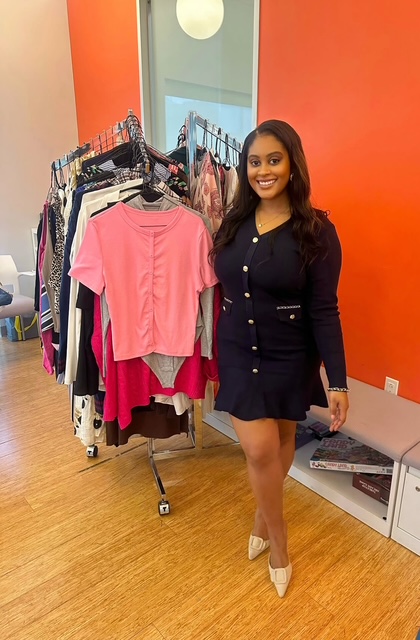
We caught up with the brilliant and insightful Surena Mitchell a few weeks ago and have shared our conversation below.
Surena, we’ve been so fortunate to work with so many incredible folks and one common thread we have seen is that those who have built amazing lives for themselves are also often the folks who are most generous. Where do you think your generosity comes from?
My generosity comes from growing up in environments where resources were inconsistent, but responsibility was constant. I’ve lived at the center of very different realities. I knew what it felt like to be in rooms where I wasn’t expected to thrive and still be treated well. I understood the stress of not knowing where the next meal would come from or how rent would be paid. And I also knew what it felt like to be on top of the world—traveling, exploring, and experiencing things many people never get the chance to see.
Living in between those extremes taught me something important: it’s often the people in the middle who need generosity the most.
I learned early that people will hand you expectations long before they hand you support. Whether it was school, family, assistance programs, healthcare, or work, the pattern was the same—I was expected to perform, lead, and figure things out, often without clear pathways, guidance, or the tools to help me set the stage for success.
And while I outwardly found ways to thrive through the obstacles and the achievements, I developed a deep understanding that there are entire groups of overlooked scholars and community members who deserve pathways too.
I paid attention to who gets overlooked, who doesn’t get chosen, who works twice as hard just to stay in the room. I saw the people who were simply waiting for an opportunity, a platform, or a voice to be heard. I recognized the quiet gaps—emotional gaps, confidence gaps, access gaps—because I lived inside them. And eventually, I decided I didn’t want to replicate those gaps for anyone else.
My generosity isn’t about giving things away; it’s about giving people a different experience than the one I had. It’s about making resources feel accessible, helping people feel confident and seen, and creating the conditions for them to reach their goals.
It’s making sure someone feels supported before they’re expected to perform.
Prepared before they’re evaluated.
I also learned that the things that scare people away from their potential aren’t actually difficult—they just aren’t explained clearly or presented in a way that feels accessible. That belief shapes my creative direction and strategy today.
That’s why everything I build—Pink Spines, PSense Studio, The Muse Lines—roots itself in access, clarity, and belonging. My generosity is structural. It shows up as frameworks, systems, storytelling, and environments where people can feel held enough to grow.
Generosity is often mistaken for softness, but mine was shaped by environments that weren’t soft at all. It came from realizing that if I didn’t create the supportive spaces I needed, someone coming after me would hit the same walls.
So my generosity isn’t accidental.
It’s intentional, learned, practiced—
a response to the gaps I refused to let define me or anyone else.
Thanks for sharing that. So, before we get any further into our conversation, can you tell our readers a bit about yourself and what you’re working on?
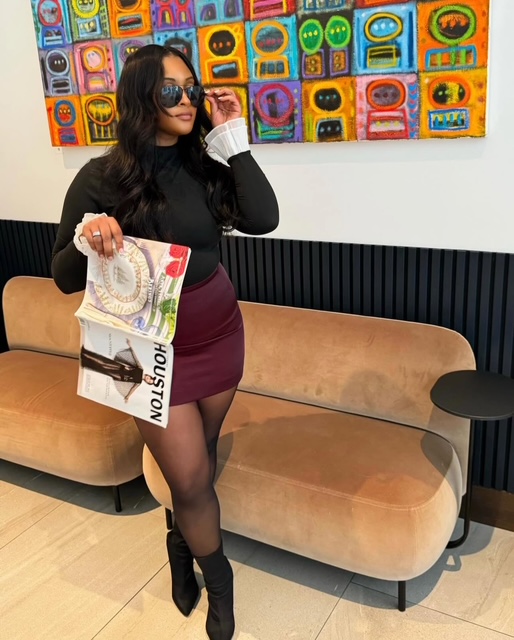
I describe myself as a philanthropist and brand strategist, but the simplest way to understand my work is this: I build ecosystems that give people access, clarity, and resources.
I currently lead three platforms—PSense Studio, Pink Spines, and The Muse Lines—and each was created to solve a different gap I’ve seen in communities, workplaces, and creative spaces.
PSense Studio (pronounced sense) is my strategy and creative direction firm. I work with small to mid-sized businesses, startups, law firms, real estate groups, beauty professionals, and emerging entrepreneurs to help them make sense of their ideas and transform them into structured, compelling brands. I also work with new entrepreneurs to create businesses from the ground up, allowing them to focus on the vision while I build the infrastructure.
What excites me most is watching people move from overwhelmed and unclear to confident in their identity, direction, and execution. I don’t just design visuals; I build frameworks, systems, messaging, and experiences that help people finally feel ready to step into who they are as a brand. My goal is simple: to make business make (p)sense for those who feel it’s out of their control.
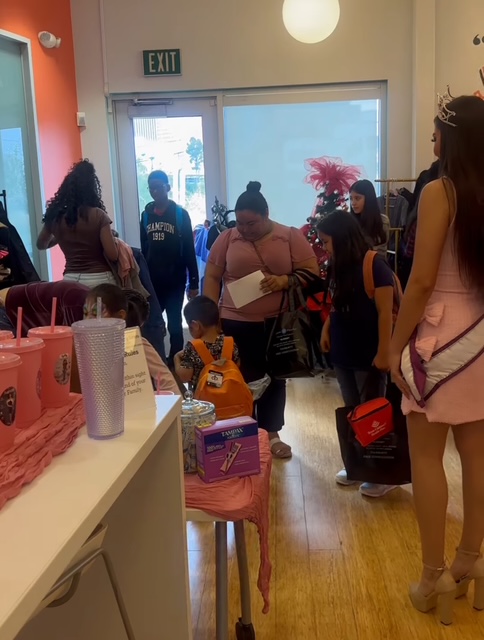
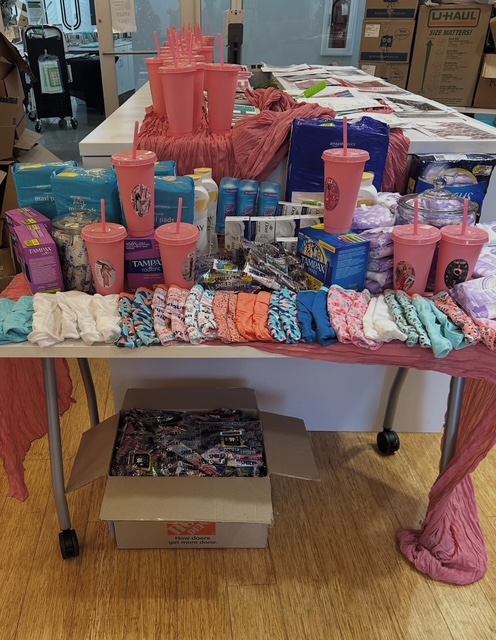
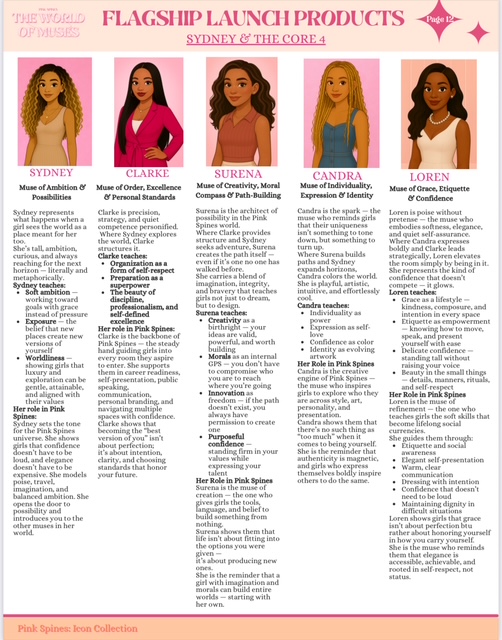
Pink Spines is the heart of my philanthropic work. It began as an Instagram name I chose to talk about books and unintentionally became the doorway into a lifestyle nonprofit built around literacy, confidence, and community support for youth, emerging talent, and adults. It has since evolved into an empowerment ecosystem that includes educational programs, event activations, creative kits, community-driven giving, and brand partnerships.
Our mission is to make confidence, clarity, and culture accessible to the next generation in a way that feels elevated yet inclusive. A lifestyle that gives back is the core of everything we do.
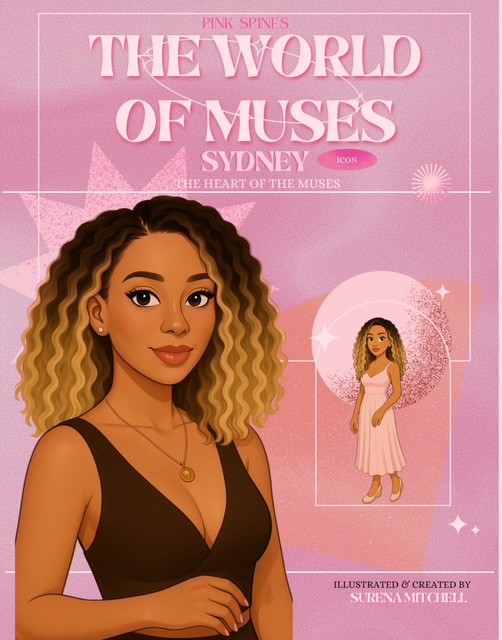
The Muse Lines is my newest and most innovative project—an interactive storytelling world inspired by childhood imagination and a gap in understanding. What began with Barbies turned into The Sims, BitLife, Kim Kardashian: Hollywood… and eventually the question, What if learning, workplace navigation, and cultural conversations could happen through shared decision-making?
It launched on social media as a digital micro-simulation where the audience chooses a character’s next move through comments, debates, and real-time reactions to everyday scenarios. But it is evolving into something much larger. The Muse Lines fills a gap in early career support by giving interns, students, and emerging professionals a realistic (and entertaining) look at workplace dynamics, communication, and problem-solving.
It also includes extensions for elementary through high school students, college-aged audiences, and creative resources like coloring books, storylines, and educational content.
Across all three ventures, the through-line remains the same: I help people realize they are more capable than they’ve been told and more prepared than they believe. I want people to feel supported before they’re expected to perform, and prepared before they’re evaluated. Every brand I build, tool I create, and story I tell is designed to make things more accessible, structured, and empowering.
As for what’s new—I’m expanding The Muse Lines into a formal learning and engagement platform, launching new Pink Spines programs for schools and youth organizations, and building more robust brand strategy offerings within PSense Studio for 2026. It’s an exciting season of building infrastructure, partnerships, and experiences I wish existed when I was starting out.
My work is rooted in generosity, clarity, and community—and everything I’m building is meant to leave people better positioned, better supported, and better seen.
If you had to pick three qualities that are most important to develop, which three would you say matter most?
The three qualities that have been the most impactful to my journey are discernment, structural thinking, and emotional intelligence as a practice rather than a gesture. These three skills shaped not only how I move through the world but also how I build, lead, and create spaces where people feel supported and prepared.
1. Discernment
Discernment allowed me to navigate environments where I was expected to perform without guidance. It helped me read people, understand timing, identify gaps, and recognize when a situation was misaligned long before it became obvious. My work—whether through strategy, philanthropy, or storytelling—thrives because I learned how to observe deeply and interpret what isn’t being said.
My advice:
Read books. Study patterns. Ask yourself why certain dynamics repeat. Discernment grows when you stop assuming and start analyzing. It’s one of the most powerful tools you can develop early in your journey.
2. Structural Thinking
I’ve learned that ideas are only as strong as the structure around them. Structural thinking is what allowed me to build PSense Studio, Pink Spines, and The Muse Lines as ecosystems rather than one-off projects. It gave me the ability to take something unclear—someone’s vision, identity, or challenge—and turn it into frameworks, workflows, strategy, and brand infrastructure that fill meaningful gaps rather than add to oversaturated markets.
My advice:
Do case studies. Read business articles. Build a process for one thing, then repeat it. Document your steps. Create templates. Systems aren’t glamorous, but they’re liberating. Structure is what transforms talent into longevity.
3. Emotional Intelligence
Emotional intelligence shaped the way I lead and the way I design experiences. For me, it’s not a soft skill—it’s a discipline. It means recognizing what people need before you demand something from them. It means creating environments where individuals feel seen, validated, and capable, not overwhelmed or judged.
My advice:
Pay attention to the emotions beneath people’s behaviors. Study communication, tone and body language not just words. The earlier you develop emotional intelligence, the stronger your relationships, collaborations, and leadership will be.
For anyone early in their journey, focus on developing the internal skills that outlast titles, trends, and circumstances. When you master how you think and how you see people, everything else becomes possible.
One of our goals is to help like-minded folks with similar goals connect and so before we go we want to ask if you are looking to partner or collab with others – and if so, what would make the ideal collaborator or partner?
Yes, I’m always open to partnering with individuals and organizations whose work aligns with access, creativity, and impact. Because my ventures span strategy, philanthropy, and storytelling, collaboration can look many different ways, but the common thread is alignment in purpose and integrity.
For PSense Studio, I’m interested in collaborating with entrepreneurs, service-based businesses, and organizations that value clarity, identity, and long-term structure. I enjoy working with people who are passionate about their vision but need strategic support to bring it to life in a sustainable way or those looking to start a business and need some assistance with getting started or writing a plan.
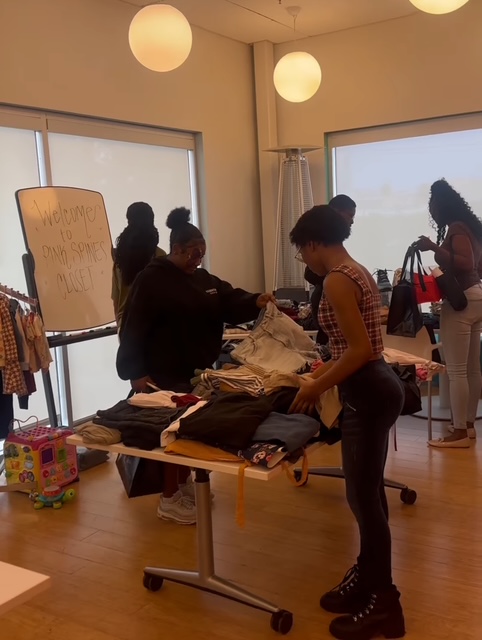
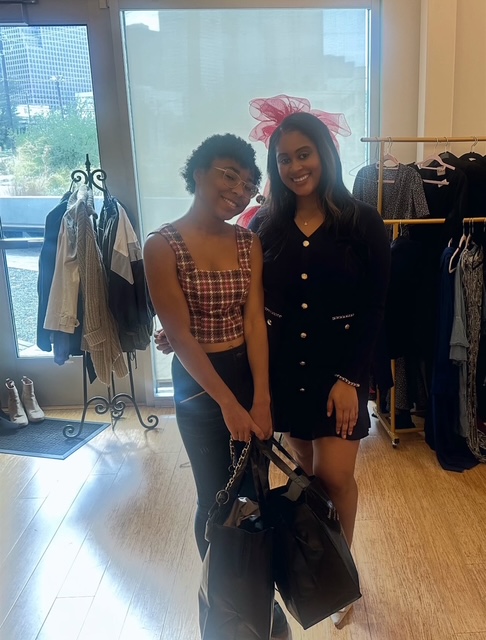
For Pink Spines, I welcome partnerships with schools, youth programs, nonprofits, educators, and brands that are excited about literacy, hosting closets, clothing donations, confidence-building, and community support. Anyone committed to creating accessible pathways for young people—whether through events, clothing drives, shopping days, book drives, creative kits, or sponsorships—is a great fit.
For The Muse Lines, I’m looking to collaborate with companies, early career programs, universities, and creators who are interested in innovative learning models, storytelling, and workforce development. Muse Lines has grown far beyond a digital experiment; it is evolving into a scalable learning and engagement platform. Because of that growth, I am also open to conversations with investors who are passionate about the future of digital learning, AI-assisted storytelling, gamified education, and culturally relevant early career support.
I’m most energized by collaborators who lead with generosity, think creatively, and believe in building ecosystems rather than one-off projects. If you’re reading this and feel aligned with any of these missions—or if you’re interested in exploring partnership or investment opportunities—I’d love to connect.
Contact Info:
- Website: https://www.pinkspines.com
- Instagram: @pinkspines | @surenam_ | @themuselines | @psensestudio
- Linkedin: https://www.linkedin.com/in/surena-mitchell/
- Other: www.psensestudio.com
Tik Tok: @sirens93 | @themuselines
so if you or someone you know deserves recognition please let us know here.