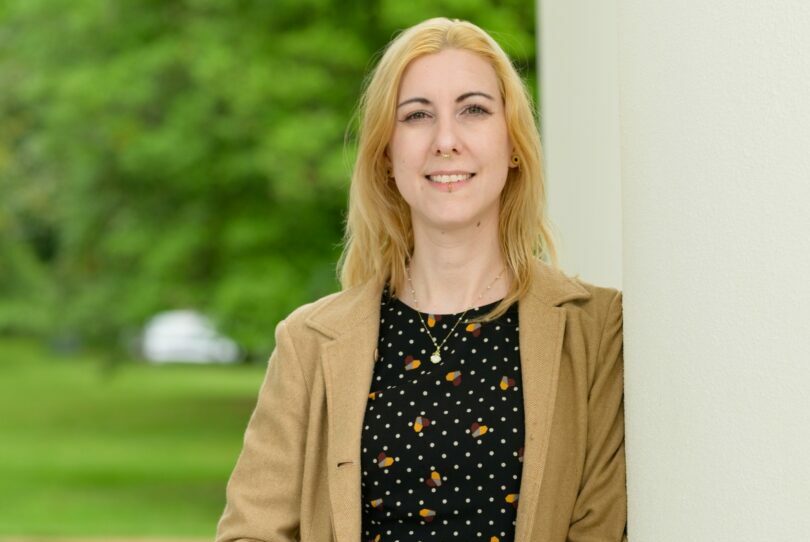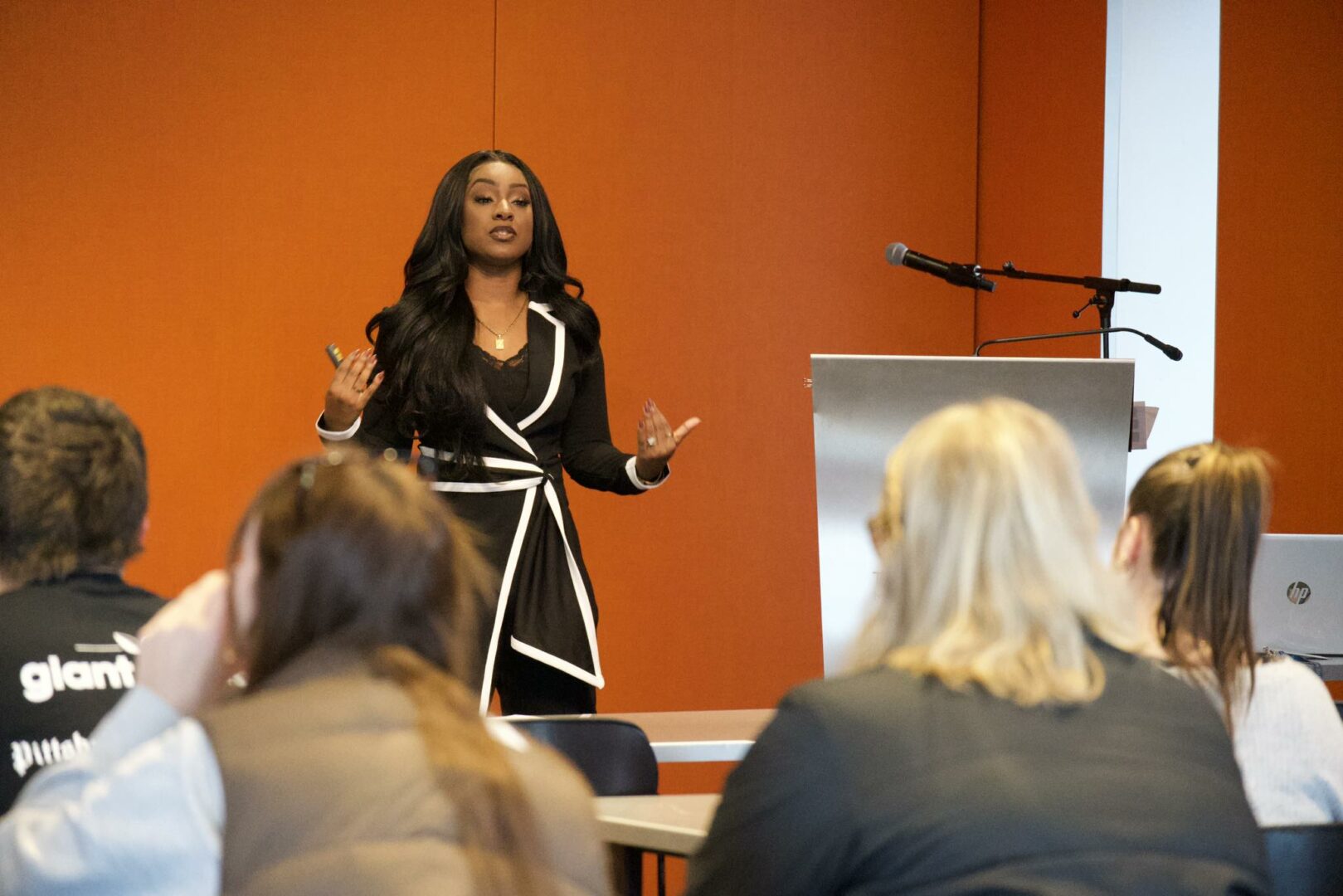
Christina Sims shared their story and experiences with us recently and you can find our conversation below.
Hi Christina, thank you so much for joining us today. We’re thrilled to learn more about your journey, values and what you are currently working on. Let’s start with an ice breaker: What do you think is misunderstood about your business?
Most people think my business is about teaching tools or automations. It’s not.
What I actually do is help business owners think clearly again. AI is just the lever.
Many of my clients come to me feeling behind, overwhelmed, or quietly worried they’re falling behind as technology moves faster than they can keep up. They assume AI will make their business more complicated or impersonal.
In reality, when it’s implemented correctly, it does the opposite. Instead, it gives them time back, reduces decision fatigue, and allows them to be more present as leaders, parents, and humans.
As a wife, a mom, and a business owner myself, I don’t build AI solutions that look good on paper but fall apart in real life. Everything I teach and build has to work in the margins of a real day, between school drop-offs, client calls, and life happening. That’s the part most people don’t see, and it’s the part that matters most.
Can you briefly introduce yourself and share what makes you or your brand unique?
I built Precision Edge AI during a season of significant personal and professional transition, which forced me to think deeply about sustainability, not just in business, but in how people work, lead, and make decisions over time. That perspective now shapes everything I do.
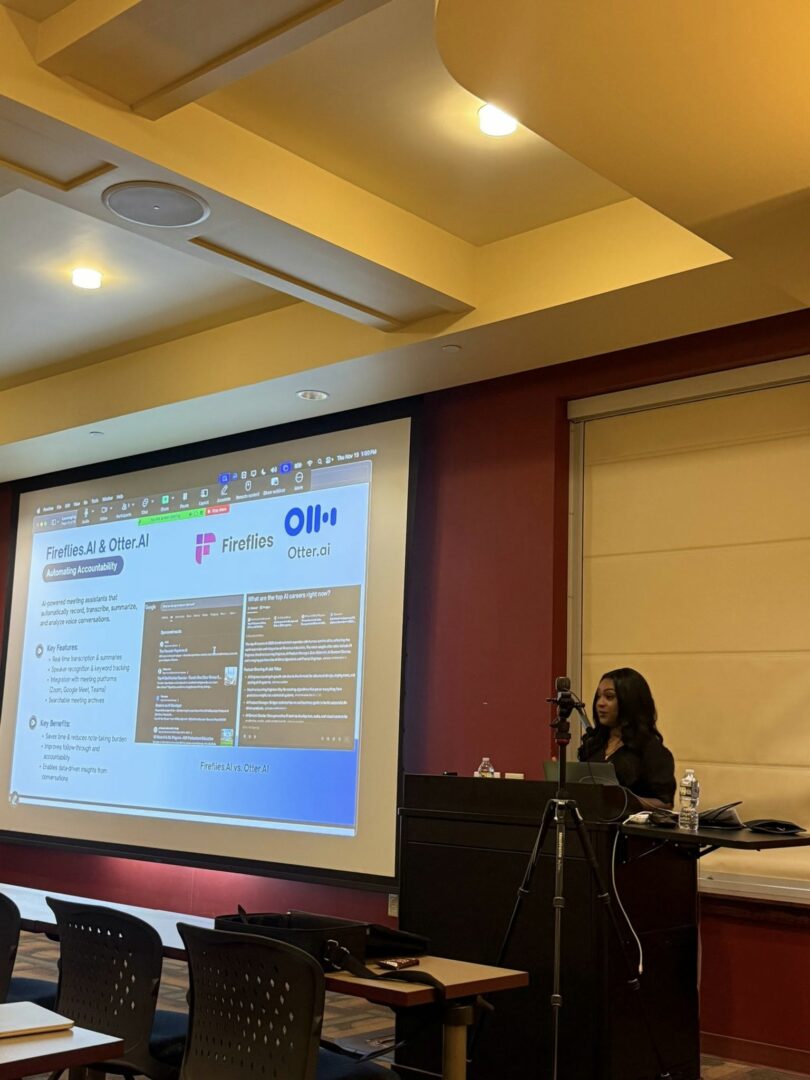
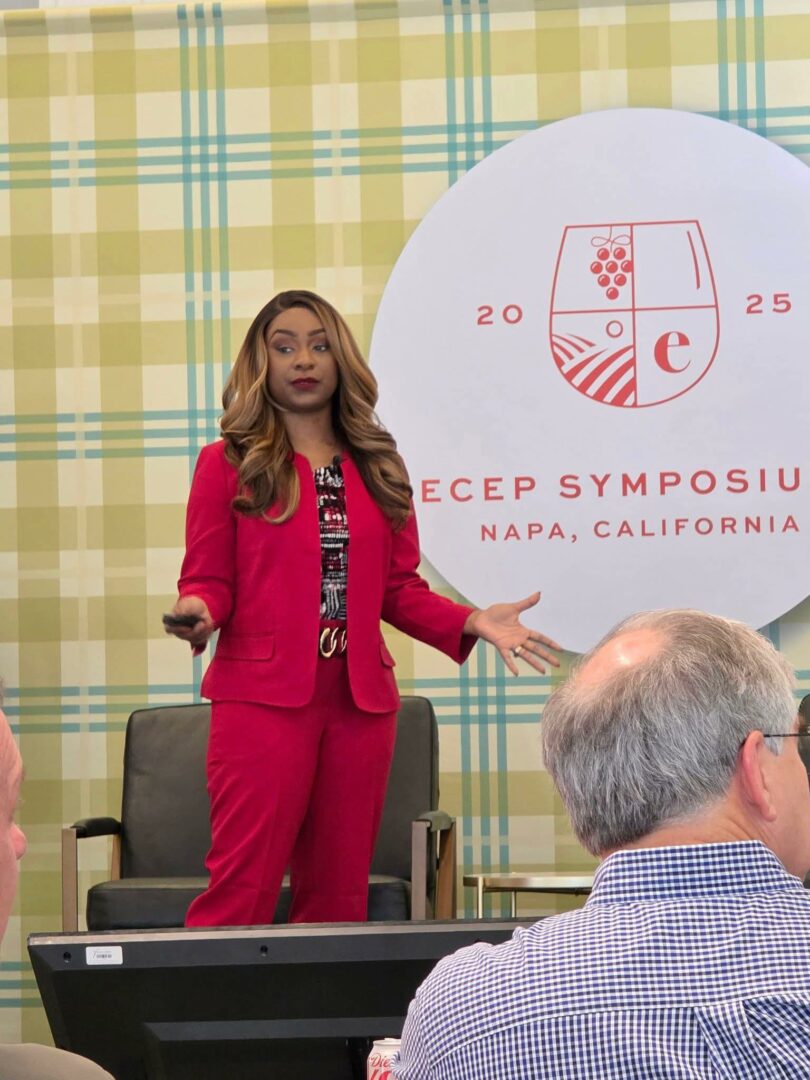
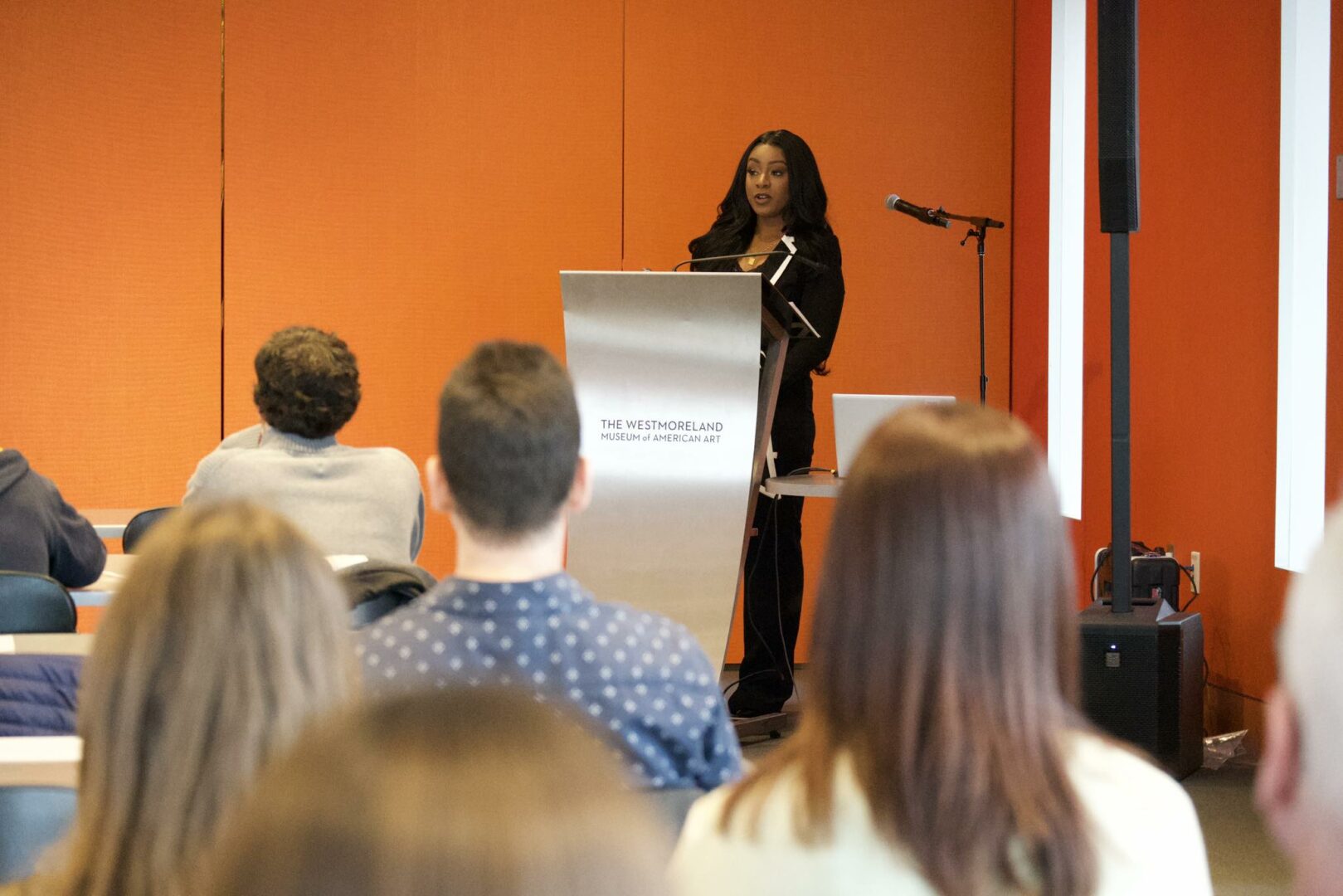
As an AI strategist and educator, I train professionals, teams, and organizations on how to integrate AI thoughtfully into their workflows and decision-making. My work focuses on helping leaders determine where AI belongs, how to apply it responsibly, and what to prioritize so it delivers meaningful, sustainable value.
I prioritize clarity over hype, strategic alignment over complexity, and long-term capability over short-term experimentation.
Precision Edge AI exists to help organizations and professionals build confidence, direction, and discernment with AI, so it becomes a reliable support for better thinking, better work, and better outcomes as the technology continues to evolve.
Great, so let’s dive into your journey a bit more. What’s a moment that really shaped how you see the world?
One of the most defining moments for me came early in my career, when I experienced how quickly circumstances can change and how often people and systems are unprepared for that shift. That experience fundamentally reshaped how I think about resilience, decision-making, and sustainability.
It has taught me that success isn’t solely based on speed or ambition, but rather also factoring building ways of working that can absorb disruption without breaking the people inside them. Since then, I’ve been deeply focused on how individuals and organizations make decisions under pressure, adapt to change, and create structures that support long-term performance rather than short-term urgency.
That lens is what ultimately led me to focus on strategy and capability-building rather than reactive solutions. Whether I’m training professionals or advising organizations on AI strategy, I’m always asking the same questions: Does this create clarity? Does it reduce unnecessary friction? And does it hold up in real life, not just in ideal conditions?
What’s something you changed your mind about after failing hard?
Earlier in my career, I believed that working harder and pushing through was always the answer. I equated resilience with endurance; the ability to keep going no matter the cost.
That belief ultimately led to a professional setback where I overextended myself, ignored clear limits, and watched a role I had invested deeply in come to an abrupt end. That experience forced me to reevaluate how I defined resilience.
What I learned is that persistence without discernment isn’t strength; it’s inefficiency. Real resilience comes from knowing when to pause, reassess, and change course. I’ve embraced new ways of working that don’t rely on constant effort or personal sacrifice to function through leveraging AI.
That shift fundamentally changed how I lead and how I approach my work today. I now focus on helping people and organizations design approaches that are sustainable, intentional, and resilient by default instead of dependent on urgency, burnout, or heroics to succeed.
Next, maybe we can discuss some of your foundational philosophies and views? How do you differentiate between fads and real foundational shifts?
I look at what changes behavior under pressure, not what generates the most excitement. Right now, a lot of people are understandably uneasy. Rapid advances in AI, combined with highly visible layoffs, have created real anxiety about stability, relevance, and the future of work.
In moments like this, fads tend to amplify noise. They promise quick answers, rapid adoption, or blanket solutions without addressing how people actually make decisions or do their jobs day to day. Foundational shifts are quieter. They reduce friction, clarify priorities, and help people work more effectively, even in uncertain conditions.
I also pay attention to durability. If something only works when organizations have extra time, excess resources, or constant momentum, it’s unlikely to last. Real shifts hold up when conditions are constrained and stakes are high. They support better judgment, not just faster output.
Finally, I watch for second-order effects. When a change starts influencing how organizations think about roles, responsibility, and capability, rather than just tools, that’s when it becomes foundational. Especially right now, discernment and clarity matter more than speed.
Thank you so much for all of your openness so far. Maybe we can close with a future oriented question. What do you understand deeply that most people don’t?
I understand that there are seasons in life where striving less isn’t a failure, but wisdom. We’re often taught that growth always looks like expansion, acceleration, or achievement, but some of the most important progress happens quietly, through restraint, patience, and choosing what not to pursue.
I’ve learned that a meaningful life and a meaningful career aren’t built by exhausting every possibility. They’re built by making deliberate choices, honoring limits, and staying connected to what actually matters, even when there’s pressure to do more or be more.
That perspective feels especially important right now. As automation and AI accelerate, the risk isn’t that people will do too little. It’s that they’ll lose sight of what requires human judgment, care, and presence. The work that lasts is the work that preserves connection.
That understanding has shaped how I build my work and how I live my life. I’m far more interested in depth than volume, longevity than intensity, and work that supports meaning.
Contact Info:
- Website: https://www.precisionedgeai.com
- Linkedin: https://www.linkedin.com/in/christinalsims/
so if you or someone you know deserves recognition please let us know here.