We’re looking forward to introducing you to S.S. Turner. Check out our conversation below.
S.S., really appreciate you sharing your stories and insights with us. The world would have so much more understanding and empathy if we all were a bit more open about our stories and how they have helped shaped our journey and worldview. Let’s jump in with a fun one: What is something outside of work that is bringing you joy lately?
When I was younger I used to think of gardening as an old person’s pastime, but I’ve grown to love it. Maybe that relates to my age ticking upwards, but these days I’m finding joy in spending time in our garden and learning about how amazing nature is.
I recently planted carrots seeds in our kitchen garden, and when the carrot tops popped out of the ground a couple of months later it was like nature delivering a present to our doorstep. When I pulled those carrots out of the ground, they didn’t look remotely like the carrots you buy at the supermarket. They were wonky-shaped rather than long and straight. But they tasted all the more delicious for having been home-grown. I was so impressed by nature’s magic.
So gardening is definitely a passion these days. The other great benefit is that it helps with my writing. Often, when I’m busy gardening and not even thinking about writing, my best ideas pop into my head. It’s like they’re hiding in the ether and only reveal themselves when no one is expecting anything of them. It’s a much more fun way to be creative than sitting at my laptop and thinking.
Can you briefly introduce yourself and share what makes you or your brand unique?
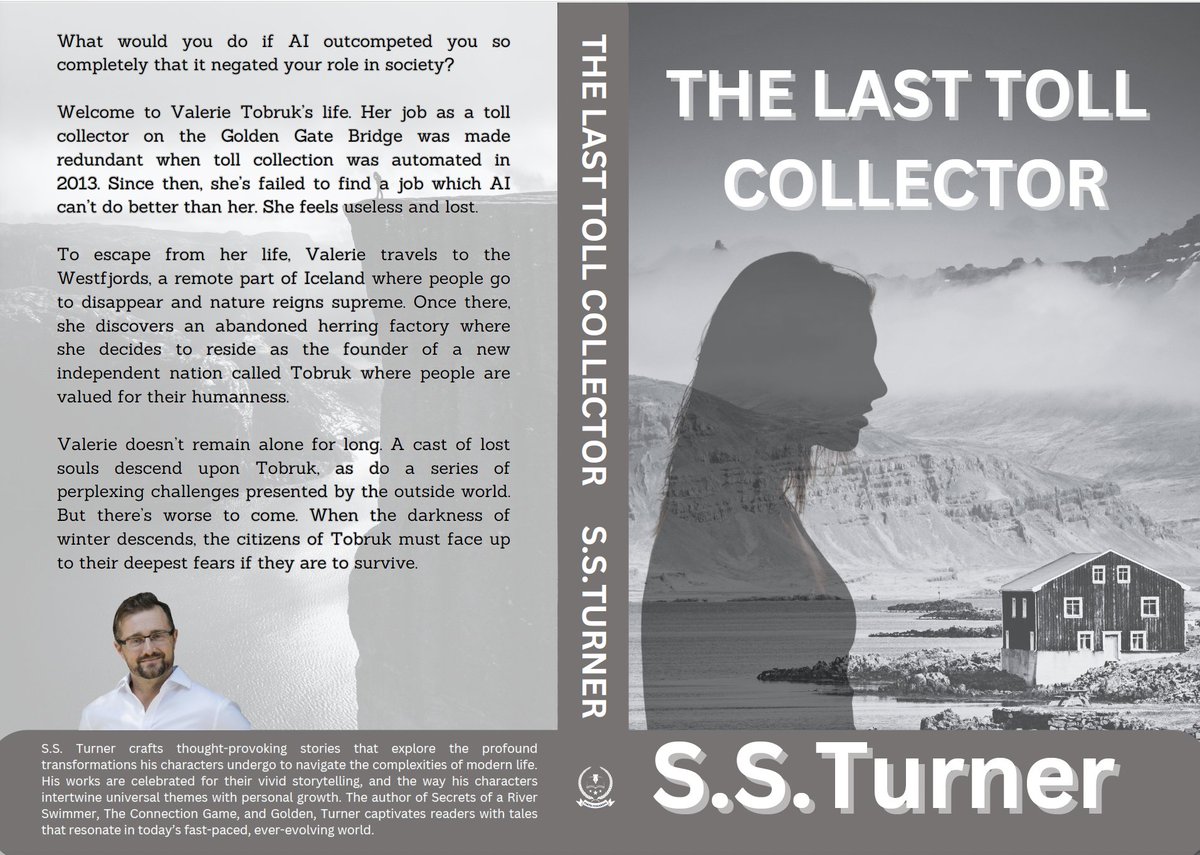
I’m a writer, and I’m relatively early in my journey as a published author. I have four traditionally published novels on the market: Secrets of a River Swimmer, The Connection Game, Golden, and The Last Toll Collector, which was nominated for the Booker Prize last year.
If there’s a similarity between my novels, it’s that the stories are thought-provoking but suspenseful. Profound transformations also tend to occur in the main characters as they learn to navigate the complexities of modern life.
Readers often describe my novels as original and unique. I think their uniqueness derives from the vividness of the storytelling, and the way they intertwine universal themes with personal growth. I love delving deep into questions like: How are people changing? Will AI dethrone humanity’s position as the dominant species? Are bad things really happening outside your window?
Right now, I’m working on a novel set at the 2028 LA Olympics called The Joe Effect. The novel follows four families during a single day at the Olympics athletics, with each storyline converging toward the men’s climactic 400-metre final. When the race favourite Joe Wylie falls just metres from victory, his tragic collapse sends shockwaves that upend the lives of those four families watching from the stands. Joe Wylie’s fall becomes the mirror in which all the families must confront the desires, secrets, and regrets they can no longer outrun. The novel blends subtle satire with deep emotional resonance and asks what it means to rise again when life removes the ground beneath you. I’m hoping to publish it before the Olympics.
Appreciate your sharing that. Let’s talk about your life, growing up and some of topics and learnings around that. Who were you before the world told you who you had to be?
I love this question because it’s so true. We all start out as beautifully authentic, original individuals who believe that being ourselves is more than enough. Then we get caught up in the real world. We start becoming aware of the way the popular kids behave at school. Our parents suggest career paths on their behalves rather than ours. We start working in a job which requires us to change to fit in with their culture if we’re to succeed there. The list goes on. There are so many situations that require us to stop being ourselves once we’re grown-ups. If we’re not careful, we can easily forget who we were before the world started instructing us who to be. I think one of the great joys of ageing, is rediscovering the authentic you and learning that you arrived just as you were meant to be. It’s only then that we learn that rather than being a hindrance, being the real you is, in fact, a superpower.
So who was I before the real world got its teeth stuck into me? I was as playful as a puppy, as silly as a goose, and as wild as the sea. I was always finding the fun and joy in any situation whether that meant climbing a tree or swimming underwater for as many laps as I could hold my breath. I was always laughing, sometimes to my detriment at school where getting into trouble was a common theme for me. And I was always with my loyal dog Pepper, who was my best friend. In hindsight, I’ve always had special relationships with animals who I’ve often found to be more loving than humans.
So I was wild, silly, fun, and a bit naughty before the world told me who to be.
What did suffering teach you that success never could?
When I first became a published author when I my first novel Secrets of a River Swimmer launched five years ago, I was ready to be one of those annoyingly successful debut authors who seem to dance their way onto the bestseller lists. At the time, I wasn’t aware how few published authors sell more than a handful of copies of their novels, and I was under the illusion that being traditionally published meant I was positioned for a strong commercial outcome. How wrong I was. Despite receiving amazingly positive reviews, and even garnering a wonderful front cover blurb from the great Heather Morris, my first novel’s sales were well below my expectations. I’ve since learnt that versus the industry average it was a solid result, but it sure didn’t feel like it at the time.
By treading the slower, rockier pathway toward publishing success, I’ve been privileged to learn so much more than I would have in an instant-hit scenario. For example, I’ve learnt much more about the craft of writing as I accepted there was so much more left to learn. I’m a much better writer these days as a result. Whilst I’ve always been a humble person, I’ve also learnt to be even more humble through my experience. And I’ve developed a tougher skin as I’ve learnt that the best you can achieve as a writer is to make some readers happy some of the time. Did I mention the importance of humility?
Next, maybe we can discuss some of your foundational philosophies and views? What are the biggest lies your industry tells itself?
First, I should point out that I’m an optimist. I believe the fiction publishing industry will thrive longer term, and that I’m well-positioned to benefit from that growth.
However, all industries face their challenges. I believe the biggest lie the publishing industry tells itself is that it’s focused on publishing creative stories which are genuinely original and different. Whilst some indie publishers may be the exception to this generalization, in my experience most of the big publishers are more focused on rehashing winning formulae. That means publishing similar books by already successful authors, and finding new authors with voices which are similar to already successful authors. Hence, one of the first questions publishers tend to ask submitting prospective authors is: which authors does your writing most closely resemble? That sure doesn’t sound like an industry which is searching for new and different voices.
I get why this happens. Like all other industries, publishing depends on making money. And the lowest risk way to make money in this space is to focus on what’s worked in the past and replicate that. I just think this strategy ignores and devalues many of the beautiful artistic angles of writing. The upshot is that it’s a challenging market backdrop for truly original writers.
Thank you so much for all of your openness so far. Maybe we can close with a future oriented question. What do you think people will most misunderstand about your legacy?
Legacy is such an ephemeral concept to me. Beyond my immediate family, I’m not sure I’ll have a definable legacy to be honest. But assuming a group of people who knew me gathered at a pub to discuss my life in hindsight, I reckon what they’d get most wrong is that my writing is me bleeding onto the page rather than a fun pastime I developed.
Take my recent novel The Last Toll Collector for example. It’s a novel about a woman called Valerie Tobruk who is displaced by technology and can’t find her place in the modern world. In response, she moves to the Westfjords in Iceland where she inadvertently starts up a new nation where people are valued for their humanness. Now, this may sound like I was writing a story about someone very different to me, but it was actually my own journey translated into a more suspenseful, literary story. Like Valerie, I had to take a look in the mirror to figure out where I fit into this weird version of reality we all have to contend with. Unlike Valerie, I didn’t start up a new nation, although I did become a parent of two children which is arguably a similar outcome.
As Neil Gaiman once advised, making progress as a writer often comes down to feeling like you’re walking down the street naked. And that may be what people misunderstand most about my fictitious legacy: that I was jumping onto the page naked in the form of all these disparate characters doing wild things.
Contact Info:
- Website: https://www.ssturnerblog.com/index.html
- Instagram: https://www.instagram.com/ssturnerwriting/
- Linkedin: https://www.linkedin.com/in/simon-turner-727892144/
- Twitter: https://x.com/SSTurner7
- Facebook: https://www.facebook.com/SSTurnerWriter
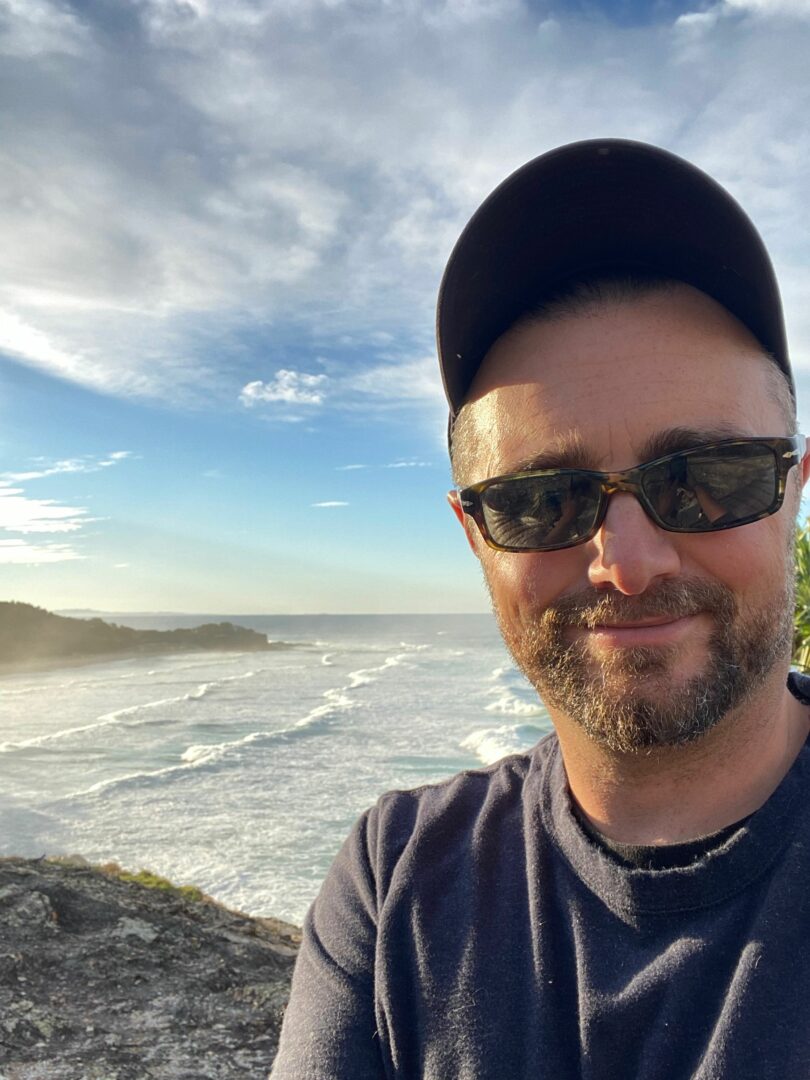
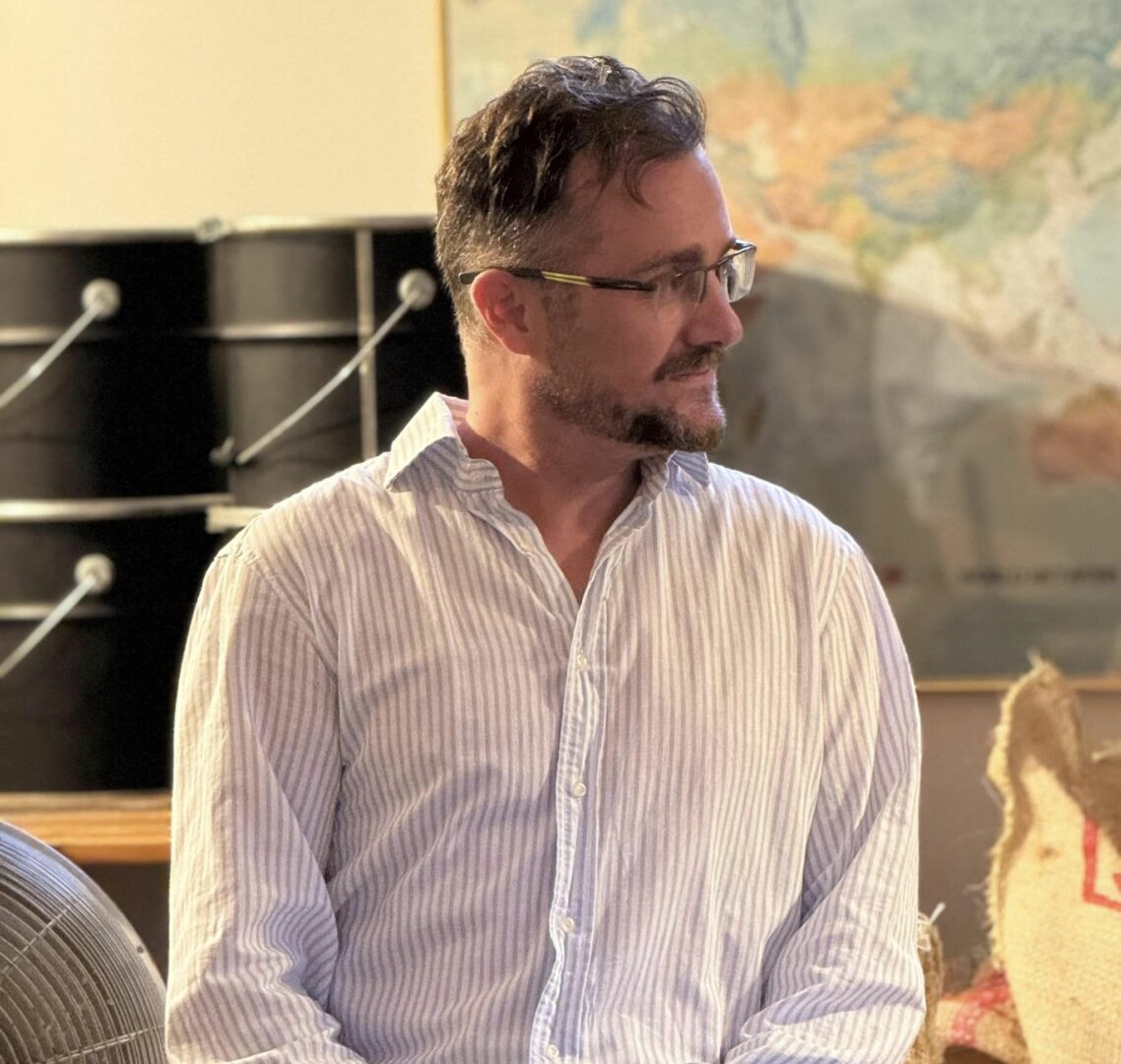
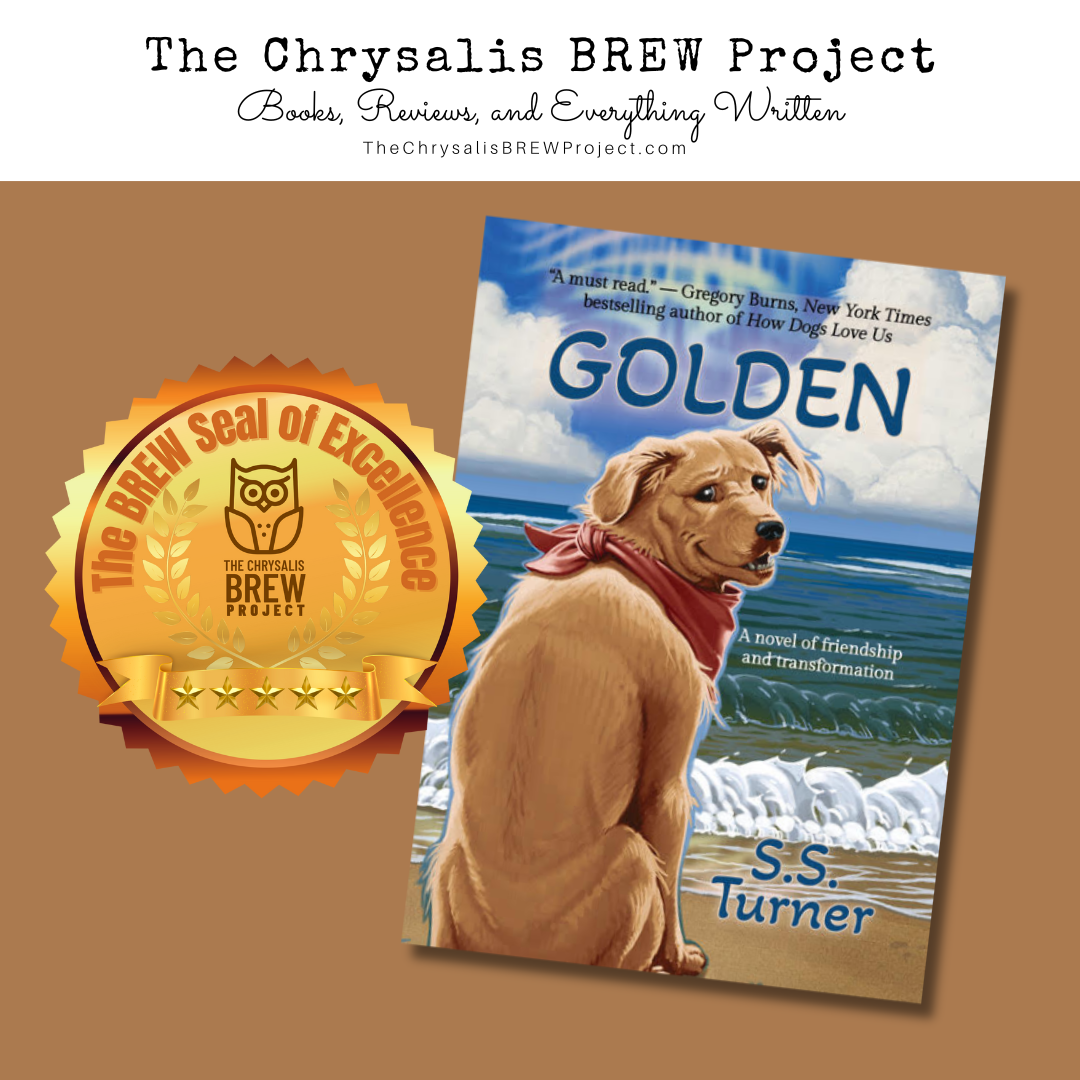
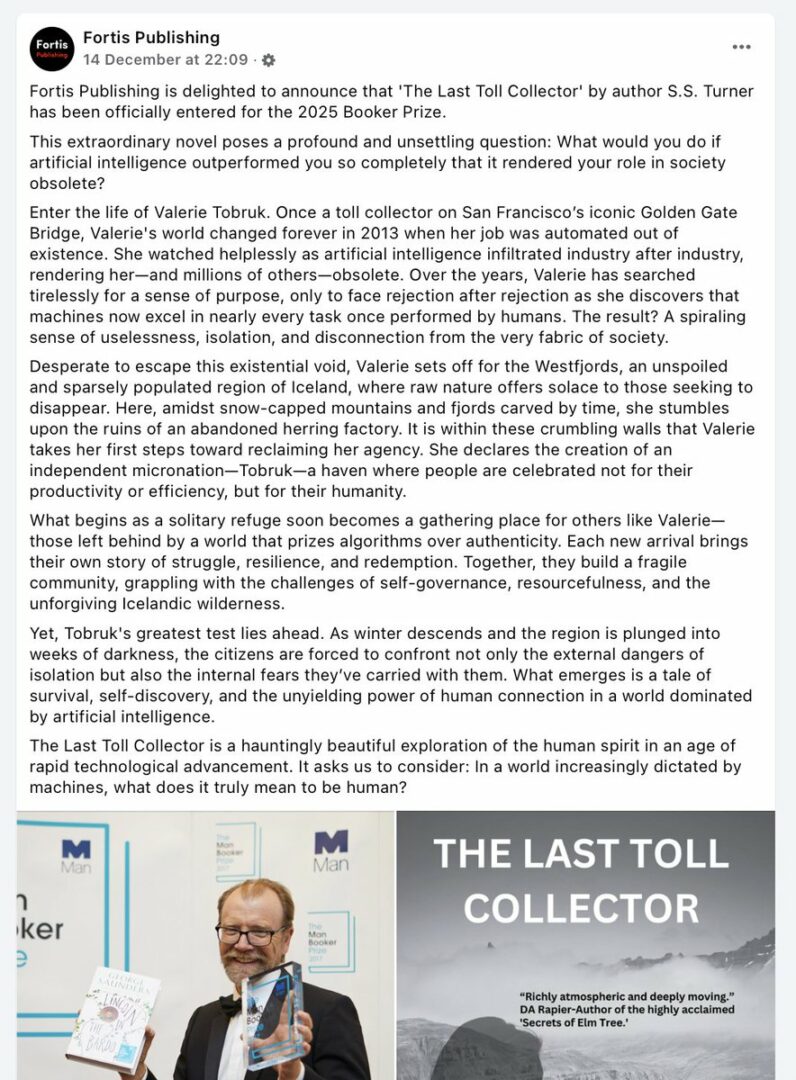
Image Credits
N/a
so if you or someone you know deserves recognition please let us know here.