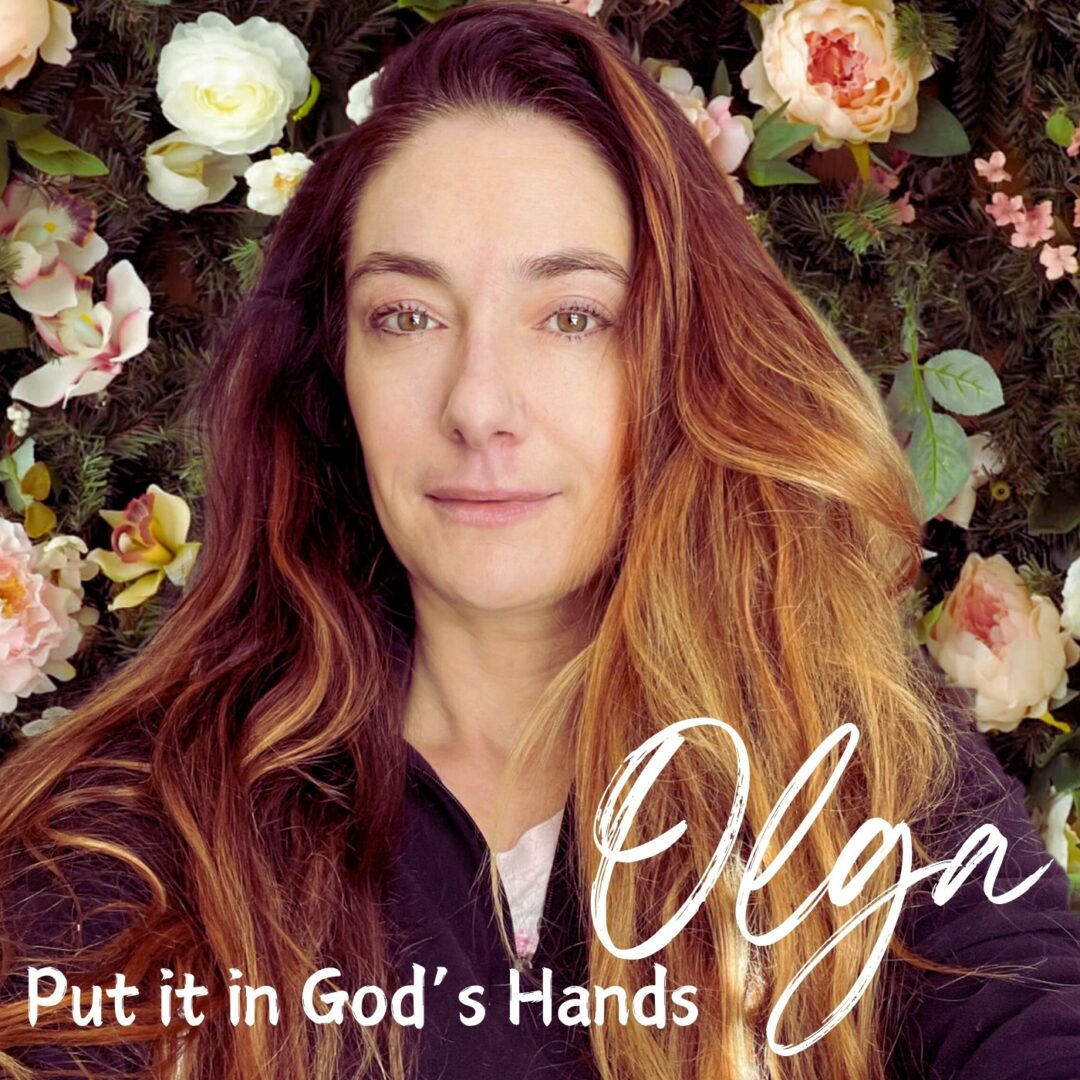
We’re looking forward to introducing you to Olga Wilhelmine Munding. Check out our conversation below.
Olga, we’re thrilled to have you with us today. Before we jump into your intro and the heart of the interview, let’s start with a bit of an ice breaker: What is something outside of work that is bringing you joy lately?
Lately, I’ve been finding a lot of joy in small, grounding rituals — things that don’t feel rushed or tied to productivity. Long walks, time in nature, quiet moments with music, and reconnecting with parts of myself that were set aside during years of caretaking and transition. Even something as simple as watching the light change in the late afternoon or tending to a plant that finally decides to bloom feels meaningful in a way it didn’t before.
I’ve also been reconnecting with my creativity in a softer, less pressured way — picking up my violin again, exploring new ideas for writing, and letting inspiration arrive on its own terms. It’s been a season of rediscovery. And honestly, finding pockets of peace and beauty in the everyday has brought me more joy than anything grand or dramatic.
There’s something lovely about realizing that life can expand again, even in quiet, subtle ways.
Can you briefly introduce yourself and share what makes you or your brand unique?
Hi, I’m Olga Wilhelmine — a musician, author, and wedding officiant serving the New Orleans metro area. My work sits at the intersection of creativity, ceremony, and human connection. I was ordained in 2014, and over the last decade I’ve had the privilege of officiating more than 1,300 weddings, each one its own intimate story and emotional landscape.
What makes my brand unique is that it’s rooted in artistry as much as service. My background in music and writing shapes the way I approach ceremony work: every couple’s story has its own rhythm, tone, and emotional texture, and I treat the ceremony as a kind of living composition. I’m known for creating experiences that feel personal, heartfelt, and grounded, whether the wedding is a simple elopement or a full celebration.
My journey has also been shaped by life outside of work. Caring for my mother during her final years, and eventually losing her, shifted me in profound ways. I stepped back from promoting my creative projects during that time, including a book release and two albums. Returning to this work afterward gave me a renewed sense of purpose — a deeper understanding of presence, empathy, and what it really means to honor love and transition.
Today, I’m continuing to blend these worlds: officiating weddings across the city, revisiting my music, reconnecting with my writing, and sharing more of my creative story. At the heart of it all is a simple intention: to create meaningful, authentic experiences that help people feel seen, supported, and celebrated.
Appreciate your sharing that. Let’s talk about your life, growing up and some of topics and learnings around that. What’s a moment that really shaped how you see the world?
One of the defining moments of my life was the period when I cared for my mother during her illness. Even though I had already been ordained for years and had built a life in music and writing, everything shifted when I stepped into the role of caregiver. It stripped life down to its essentials — presence, compassion, patience, and the simple act of being with someone you love through both the ordinary and the impossible.
When she passed, the world felt quieter and strangely unfamiliar. I had released a book and two albums around that time, and yet I didn’t have the emotional space to promote any of it. Instead, I found myself reevaluating what it means to create, to serve, and to connect. It changed how I approached officiating as well. Weddings weren’t just joyful events anymore; I began to see them as profound markers of time, memory, and meaning — moments where life turns a page.
That experience reshaped everything about how I move through the world. It taught me to honor transitions, to meet people where they are, and to infuse my work with more intention and gentleness than ever before. It also reminded me that creativity isn’t separate from life; it grows out of it. Music, writing, and ceremony all became different expressions of the same truth: that love, in all its forms, deserves to be witnessed and celebrated while we have the chance.
When you were sad or scared as a child, what helped?
When I was sad or scared as a child, music was always the first place I went. I grew up in a home that wasn’t always calm, and I learned early on that the quickest way to find steadiness was to sit with my violin or the piano and let sound do what words couldn’t. Music became a kind of language for me — one that made sense of emotions I didn’t yet know how to name.
I also found comfort in imagination. I had a vivid inner world where stories, melodies, and little moments of beauty could coexist, even if the outer world felt uncertain. Looking back, I can see that my creative life wasn’t something I “chose” later on — it was a survival instinct, a way of stitching together meaning and safety.
That instinct never really left me. As an adult, it’s the foundation of how I create, how I officiate ceremonies, and how I connect with people. The same tools that soothed me as a child — music, story, creativity, presence — are now the tools I use to help other people feel grounded and seen. It’s a full-circle thing I never expected, but it feels true to who I’ve always been.
Alright, so if you are open to it, let’s explore some philosophical questions that touch on your values and worldview. Is the public version of you the real you?
For the most part, yes — the public version of me is very close to who I am privately. I’m a sensitive person, an intuitive one, and someone who genuinely values connection and meaning, whether I’m officiating a ceremony, performing music, or simply talking with someone I’ve just met. What people often respond to in my work — warmth, presence, depth — is something I carry with me in my everyday life.
That said, there’s a quieter layer of me that doesn’t always show up publicly. I tend to be more introspective than people expect, more observant, more contemplative. Much of my creativity comes from that private space — the part of me that listens before speaking, reflects before acting, and processes emotions deeply. When I’m officiating or performing, I step forward with confidence and clarity, but underneath that is someone who feels things intensely and takes time to recharge.
So the public version of me isn’t a performance; it’s simply the part of me that’s meant to be shared. The rest — the quieter, more internal, often more vulnerable parts — are just as real, but they’re reserved for the people and places where I feel truly safe and grounded. Both sides are me; one just lives more in the world, and the other keeps me anchored.
Okay, so let’s keep going with one more question that means a lot to us: What is the story you hope people tell about you when you’re gone?
I hope people will say that I made them feel seen. That I brought a sense of calm, beauty, or understanding into their lives at moments when it mattered. Whether through music, writing, or the ceremonies I officiate, my deepest intention has always been to create spaces where people feel held, heard, and honored.
I don’t need to be remembered for accomplishments or numbers, although I’m proud of the work I’ve done. What means more to me is the idea that someone might look back and say, “She helped me feel connected—to myself, to someone I loved, or to something greater.”
I also hope people will remember that I lived with heart. That I tried to move through the world with integrity, empathy, and a willingness to keep showing up even in difficult seasons. That I loved fiercely, created honestly, and tried my best to turn my own experiences — both joyful and painful — into something that could comfort or uplift someone else.
If the story people tell about me is that I brought a little more light, a little more music, and a little more meaning into the world while I was here, that would be enough.
Contact Info:
- Website: http:www.about.me/laolga
- Instagram: @olgabluesbabe
- Linkedin: https://www.linkedin.com/in/laolga/
- Twitter: @olgabluesbabe
- Facebook: @olgabluesbabe
- Yelp: https://www.yelp.com/biz/reverend-olga-w-munding-new-orleans
- Youtube: https://www.youtube.com/user/219records
- Soundcloud: https://soundcloud.com/laolga
- Other: Google Business: https://share.google/HSTiuCa9ksixX82jY
Buy Me A Coffee: https://buymeacoffee.com/laolga
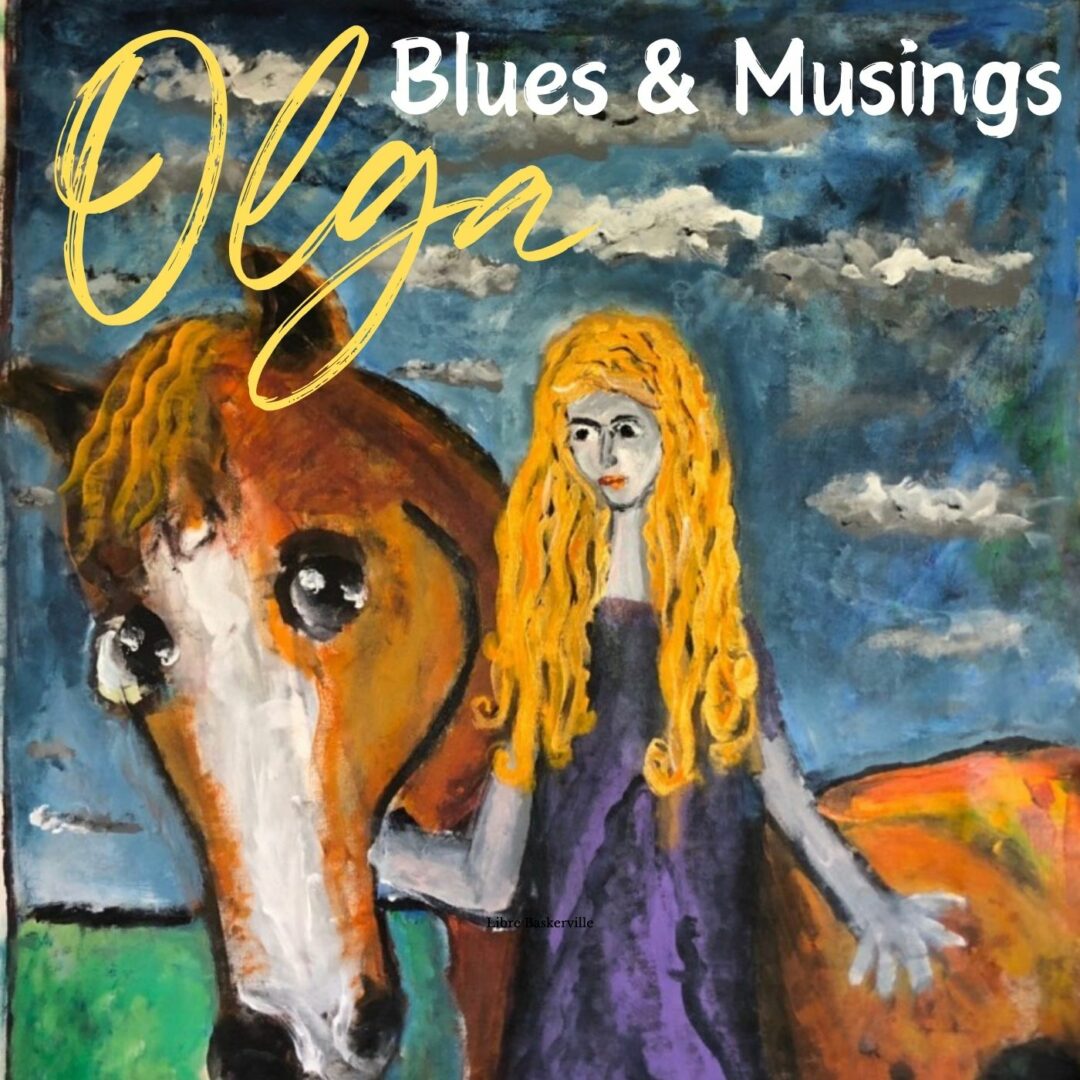
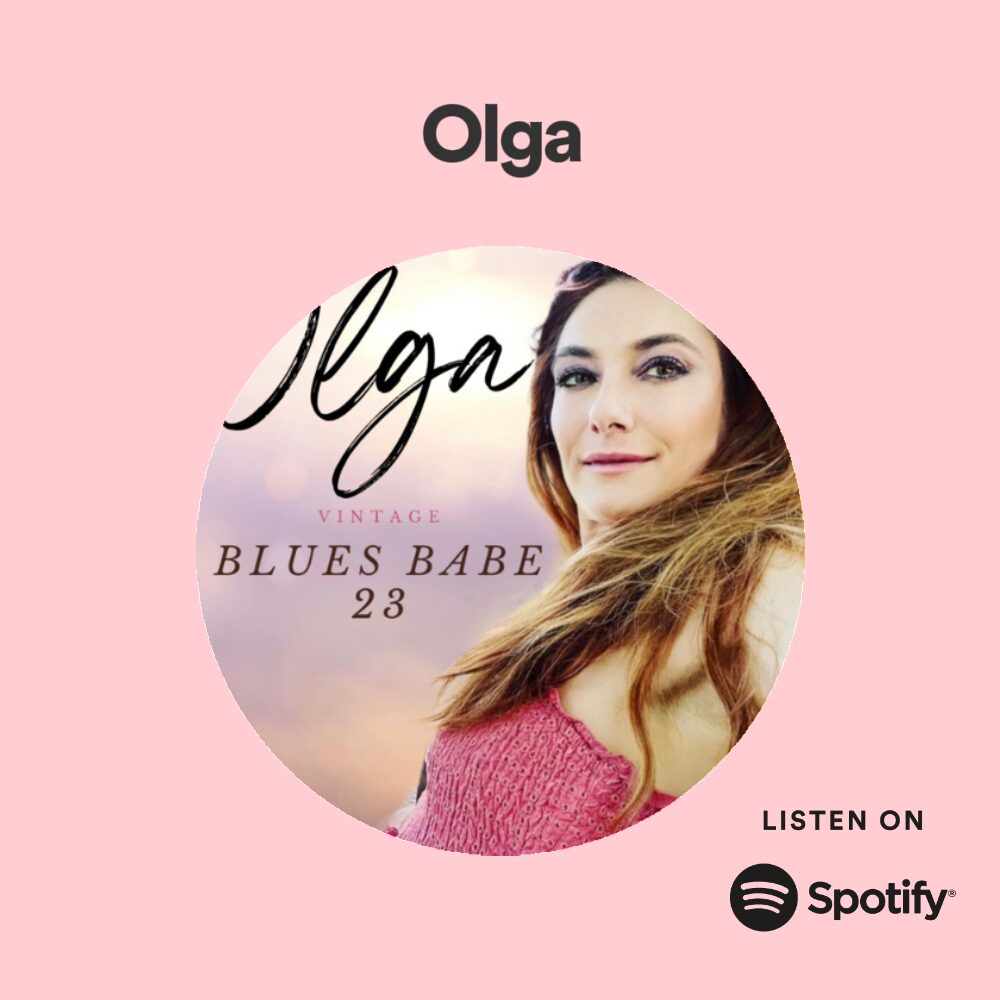
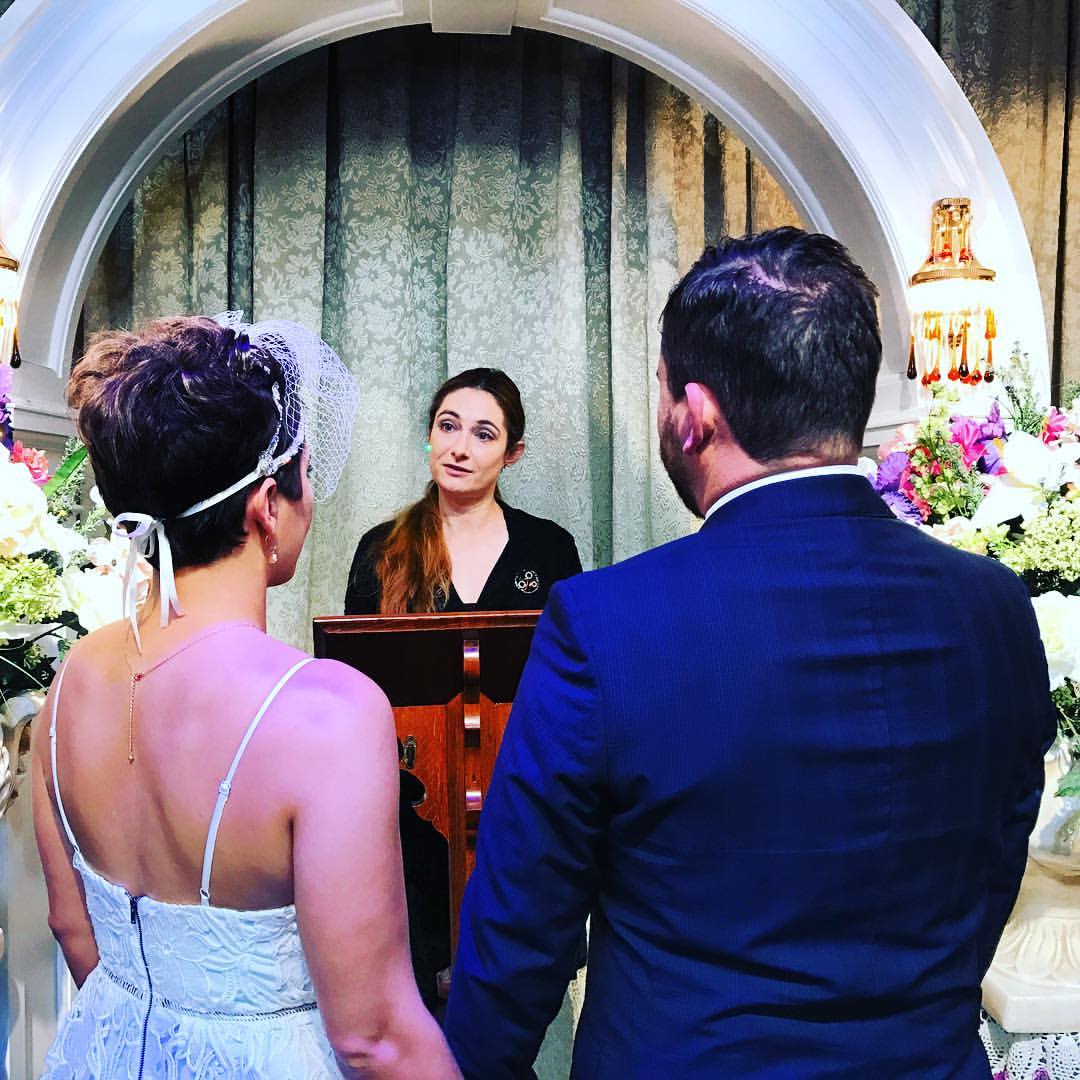
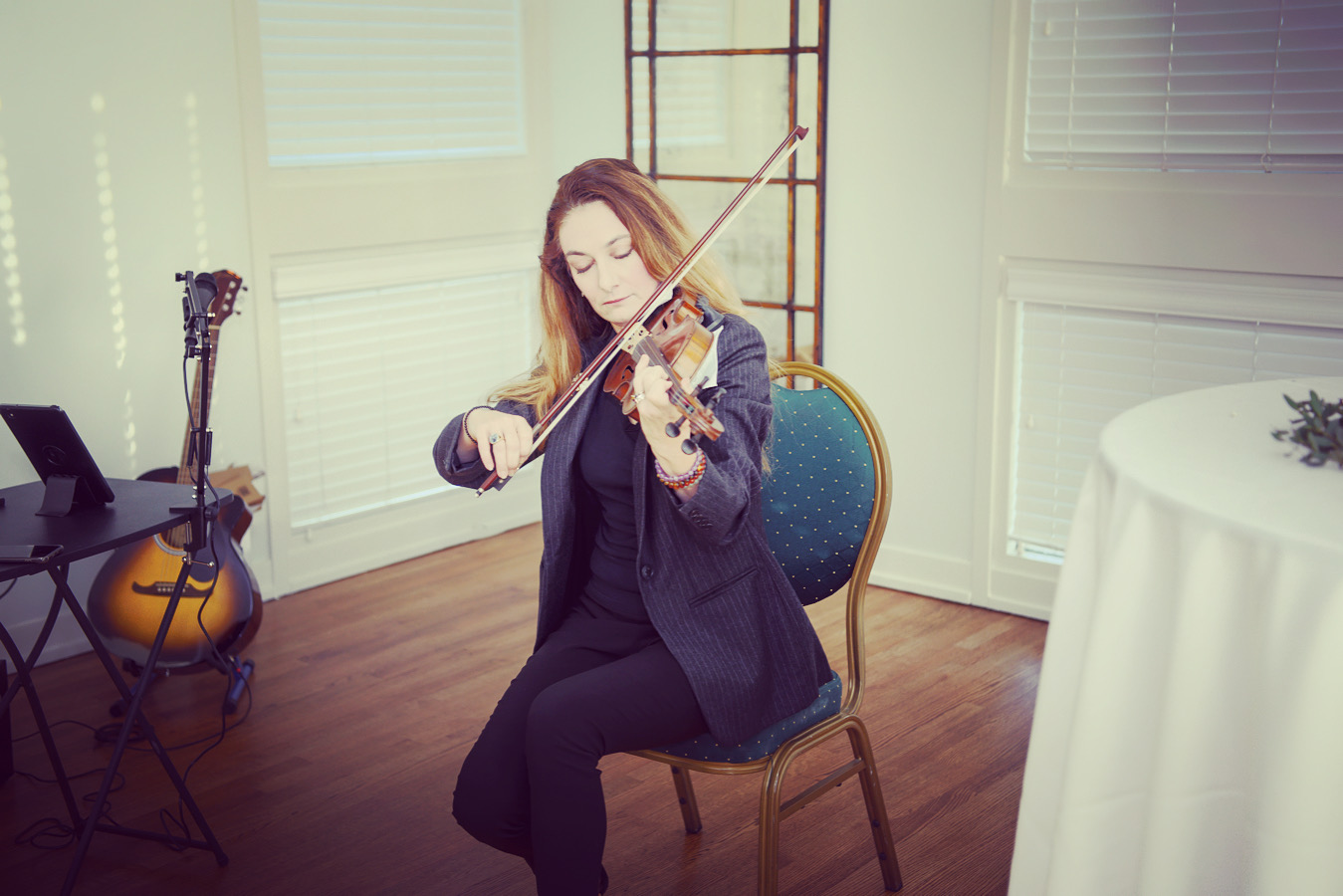
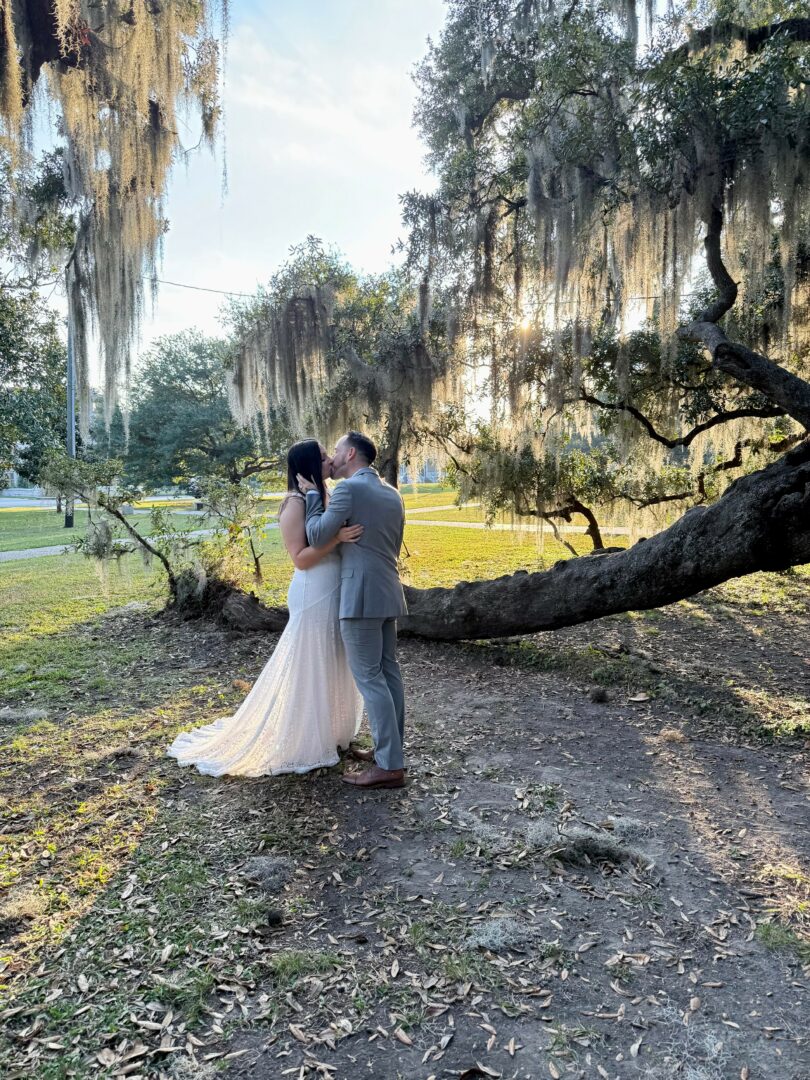
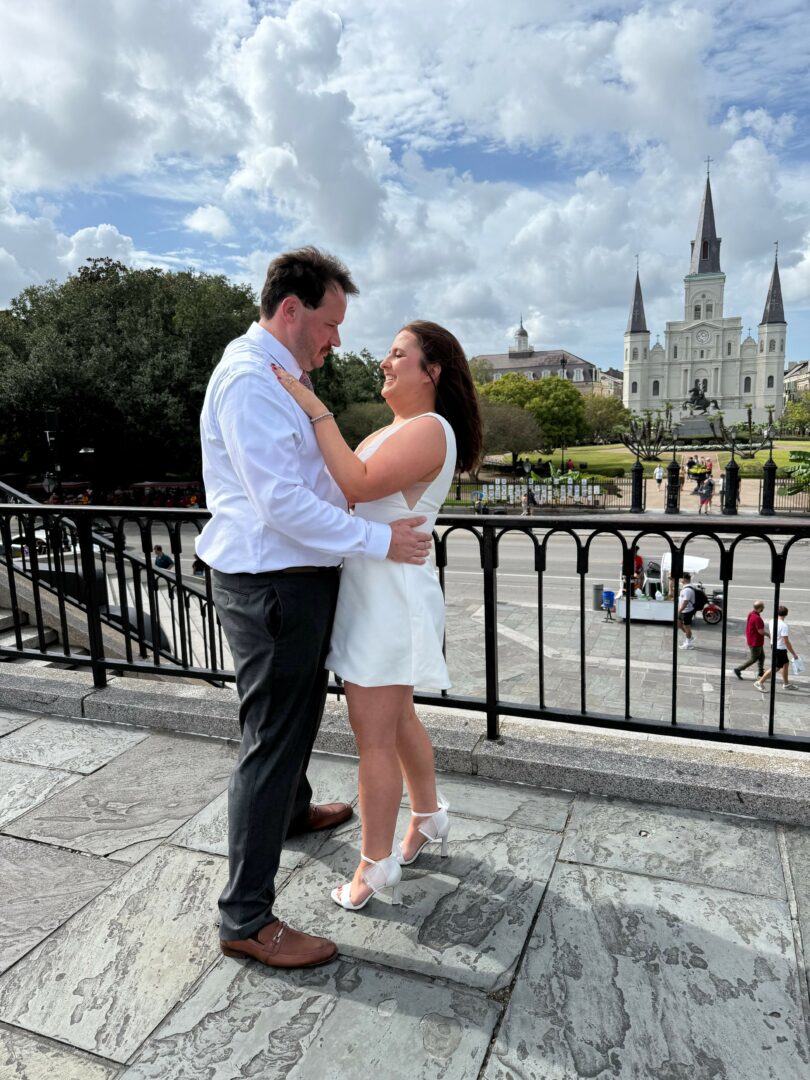
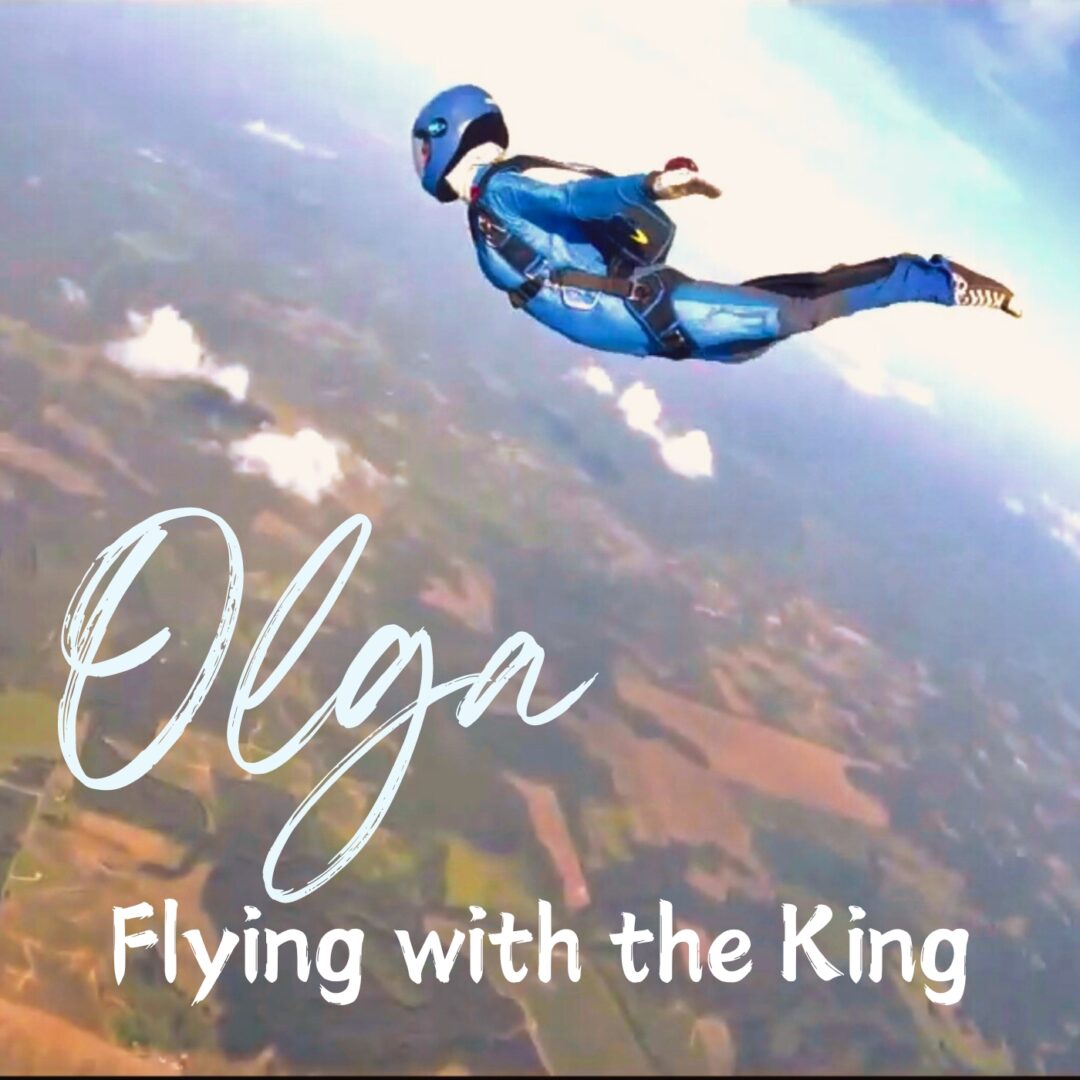
Image Credits
All images taken with Olga’s iPhone 16 pro, Olga’s skydiving photo taken by Tiffany Lemmons.
so if you or someone you know deserves recognition please let us know here.