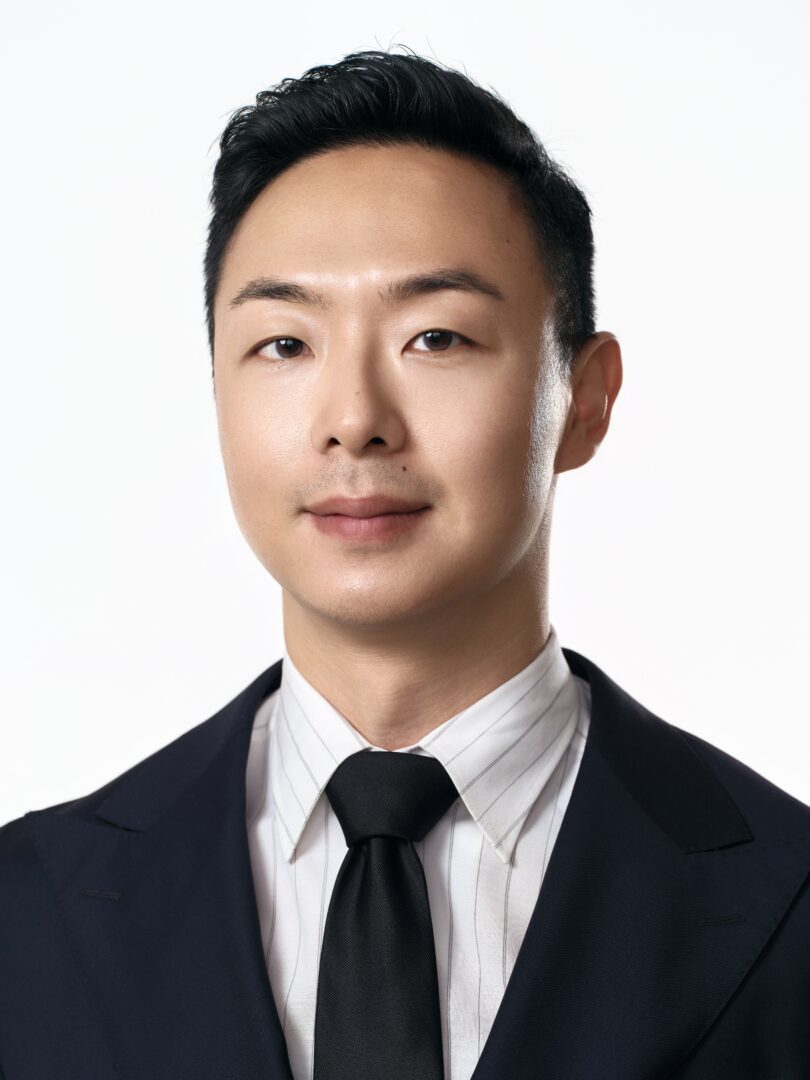
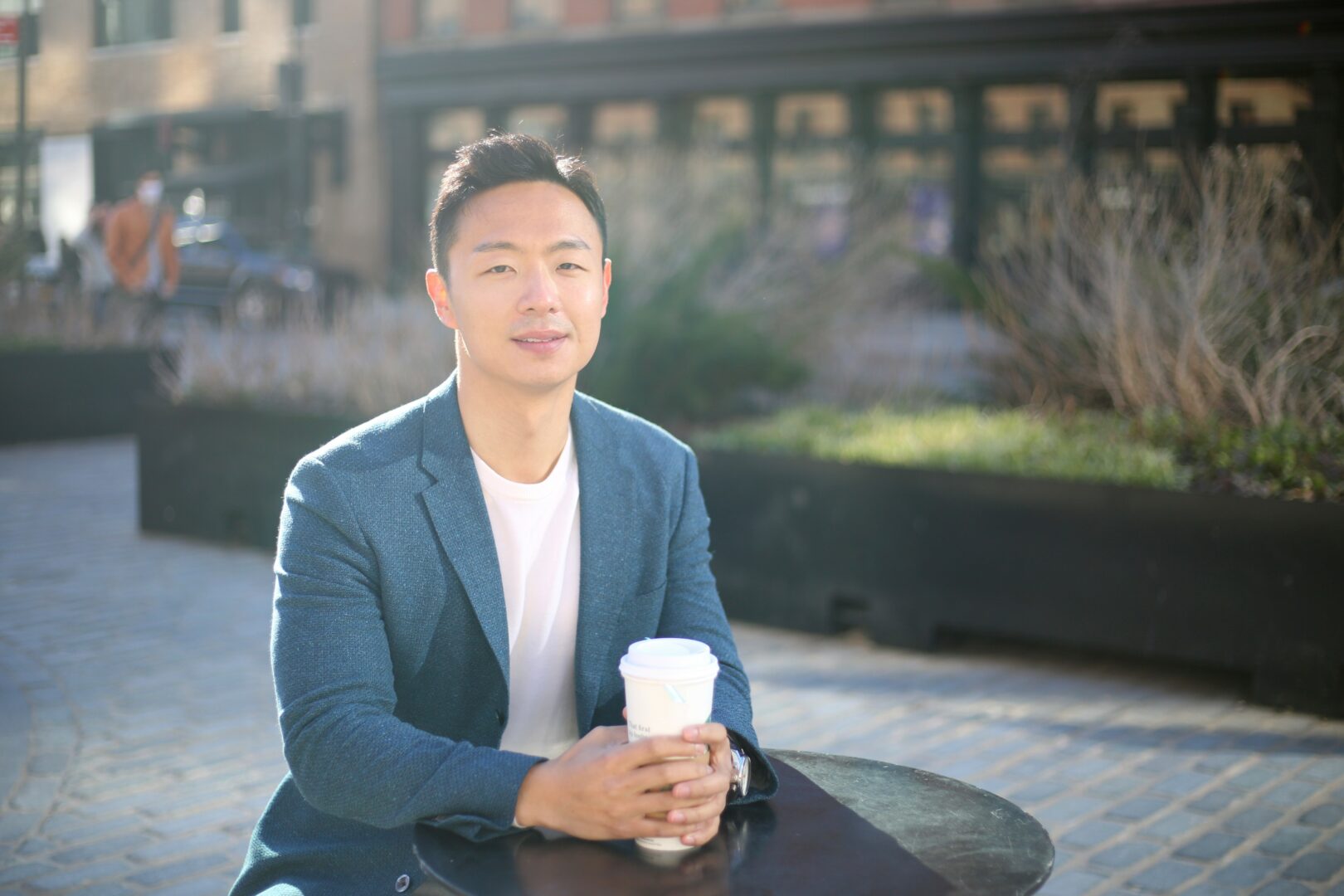
JIANGWEI “Wayne” ZHOU shared their story and experiences with us recently and you can find our conversation below.
Good morning JIANGWEI “Wayne”, we’re so happy to have you here with us and we’d love to explore your story and how you think about life and legacy and so much more. So let’s start with a question we often ask: What do the first 90 minutes of your day look like?
My first 90 minutes set the tone for my entire day. I wake up, brush my teeth, and then report to the other CEO of my life — my mini Goldendoodle, Poco. (The real CEO is my wife, but Poco definitely acts like she runs daily operations.) She eats first, because in our house, leadership starts with taking care of the people — and pets — you love.
After that, I do a 15-minute stretch. It’s quick, but it’s my reminder that consistency beats intensity. Then I make a healthy breakfast: oatmeal, two eggs, a cup of milk, and an apple — simple fuel that keeps me sharp for the decisions I’ll make later in the day.
Once Poco and I head out for her morning walk, I try to be in the gym by 8 a.m. There’s something about sunlight hitting cold air that wakes me up and reminds me that every day is a brand-new opportunity. I’ve even been practicing cold showers… still a work in progress, but they teach me that real growth usually starts right outside our comfort zone.
My routine isn’t fancy, but it’s grounding. It gives me clarity, energy, and momentum before the world gets loud. I genuinely believe that when you take control of your morning, you take control of your life — and anyone can start small, one healthy habit at a time.
Can you briefly introduce yourself and share what makes you or your brand unique?
My name is Wayne Zhou, and I’ve spent the past decade helping people build dreams in New York City. I started my career simply wanting to help families find homes, and over time that evolved into helping entrepreneurs and international brands create homes for their businesses. Today, I specialize in commercial leasing and brand expansion, guiding companies as they enter or grow throughout the U.S. market.
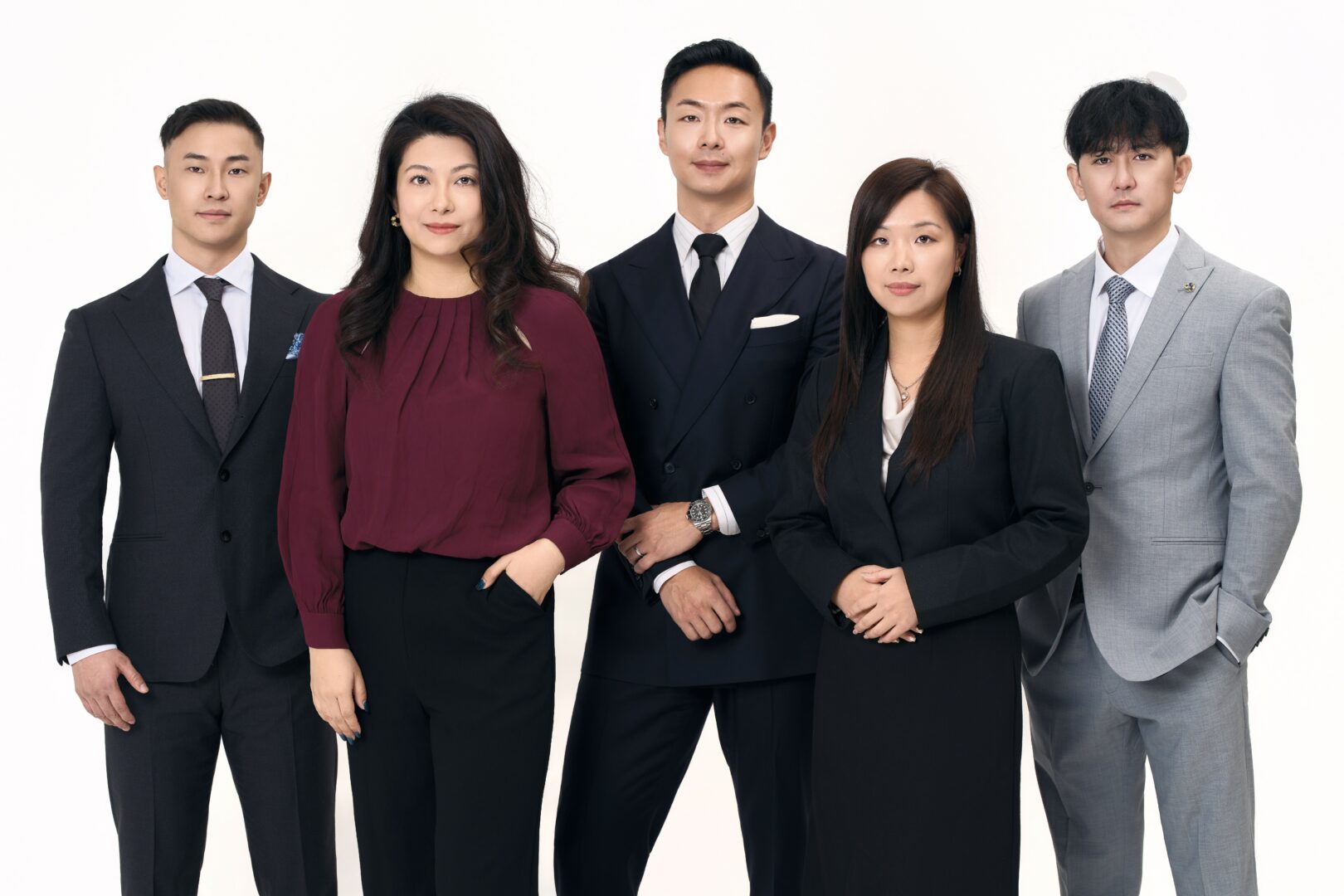
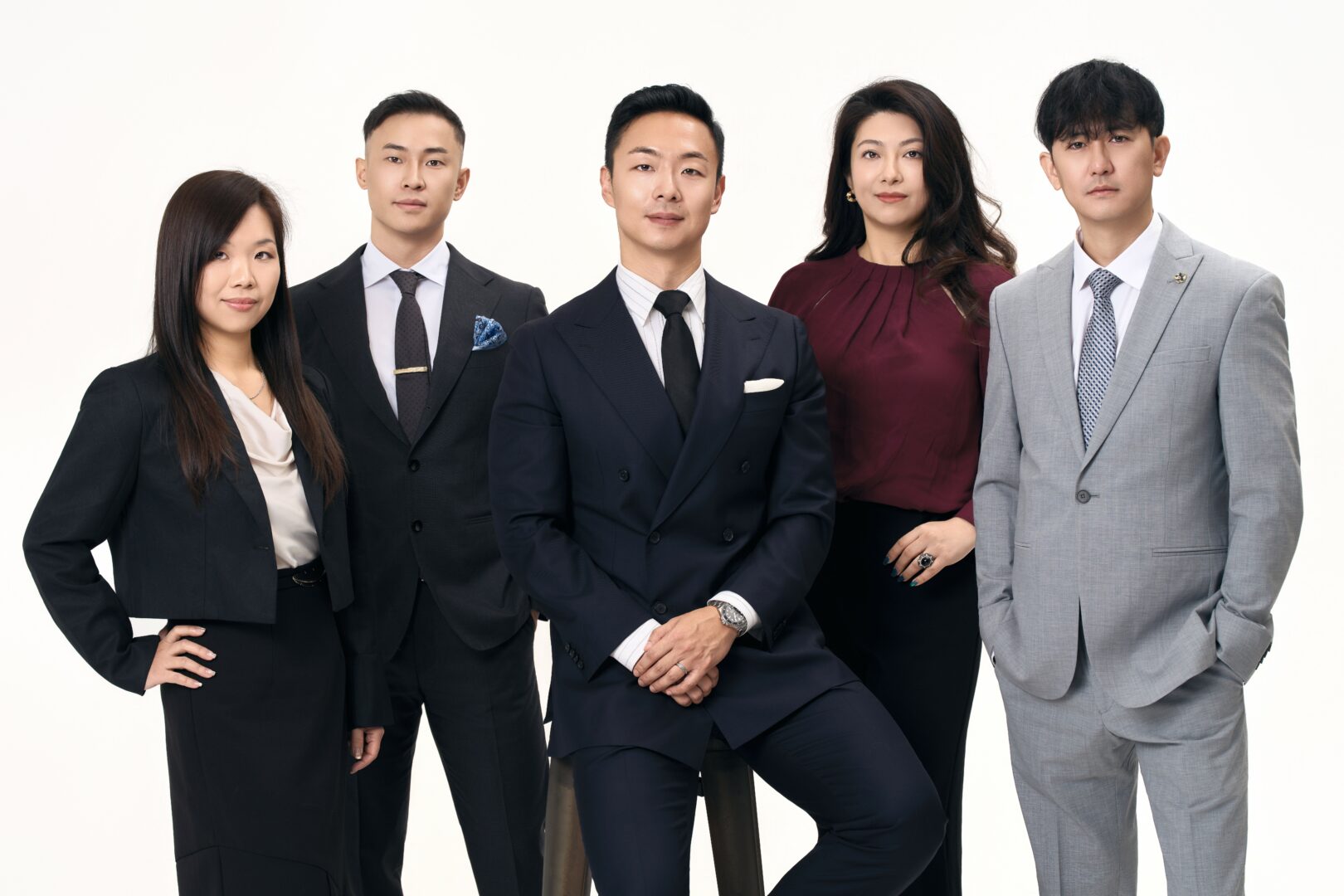
What makes my journey special is the relationships. I work closely with brands like Kyuramen, Luckin Coffee, Heytea, Naisnow, and many others—helping them navigate a new country, culture, and market. I’m passionate about taking someone’s idea and helping them turn it into a thriving, physical space. Right now, I’m building an ecosystem of companies with my wife, Ada—from design and construction to marketing and community development—to give entrepreneurs everything they need under one roof. My mission is simple: help good people build meaningful things.
Great, so let’s dive into your journey a bit more. Who were you before the world told you who you had to be?
Before the world told me who I had to be, I was a kid who dreamed of becoming an archaeologist. I loved watching American adventure movies where archaeologists uncovered hidden treasures and ancient mysteries. Even though I didn’t do well in history class and eventually gave up that dream, the sense of exploration stayed with me.
I grew up with a lot of freedom. I was the kind of child who built shelters in the jungle, led my friends on small expeditions, and turned ordinary days into adventures. Looking back, I think I already knew what kind of life I wanted—a meaningful life, not one spent counting the years until retirement.
There’s a quote from Steve Jobs that has always guided me:
“Your time is limited, so don’t waste it living someone else’s life.”
That idea stayed with me, whether or not the world is a simulation, as Elon Musk once suggested. What matters is how we choose to live our time here.
When I entered real estate in 2010, my mentor told me something that shaped my entire path:
“A broker is a bridge. You help people cross from one side of their lives to the next.”
Over time, my goal shifted from simply making money to discovering a deeper purpose. I realized I wanted to use my life to help others—to create opportunities, build platforms, and support entrepreneurs and brands as they grow.
Today, I’m fortunate to help Asian brands enter the U.S. market and expand from one store to one hundred, giving entrepreneurs and investors a stronger foundation to succeed. Not long ago, I wrote a sentence to remind myself of my mission:
“You will become the bridge that helps Asian brands come to America, and helps young entrepreneurs begin their journey.”
Before the world told me who I had to be, I was just a boy chasing adventure.
Today, I’m still chasing it—just in a way that lets others chase theirs too.
What did suffering teach you that success never could?
What suffering taught me is something success never could:
fast success can make you confident, but slow failure makes you wise.
When you achieve big results too early, you don’t learn humility. You start to believe you’re untouchable, that things will always go your way. But when you struggle — when you fail over and over again — that’s when you learn who you really are.
If I had the choice, I think I would still choose a path filled with failures.
Every setback forced me to slow down, pay attention, and build myself from the inside out.
Three years ago, when I first stepped into commercial real estate, I knew almost nothing. I didn’t understand the language, the players, the process — nothing. And I failed a lot. Deals fell apart, opportunities disappeared, and there were moments I questioned if I belonged in this industry at all.
But every failure gave me a clue.
Every misstep pointed me toward the right direction.
Every challenging moment forced me to grow, to become more patient, more disciplined, more resilient.
And somehow, step by step, that path of struggle led me to places I never imagined — working with world-class organizations like Related, SL Green Realty, Tishman Speyer, and The Durst Organization. If I had achieved fast success early on, I don’t think I would have appreciated these relationships the way I do now.
Suffering taught me that:
Humility keeps you grounded.
Curiosity keeps you improving.
Direction matters more than speed.
And real growth happens in the dark, long before anyone sees the results.
Success can be loud, but suffering is quiet — and in that quiet, you learn the lessons that shape your character.
Today, I’m grateful for every failure that forced me to become better, because those experiences built the foundation for everything I’m able to do now.
Sure, so let’s go deeper into your values and how you think. Where are smart people getting it totally wrong today?
I think many smart people today forget one simple truth: when the cup is full, there’s nothing left to learn.
A lot of people focus so much on being right, moving fast, or proving their intelligence that they stop listening. In commercial real estate — especially on the tenant side — that mindset can be dangerous.
Our work is not about showing how much we know. It’s about understanding what the tenant truly needs, how the landlord thinks, and how a decision today will impact the brand for decades. When your “cup is empty,” you stay curious, patient, and open to new information — and that’s what leads to better decisions.
When we first entered commercial real estate, we didn’t pretend to know everything. We asked questions, listened to both sides, and learned from every conversation. That humility helped us grow and build strong relationships across the industry.
Smart people sometimes think knowledge is their advantage.
But in this business, your real advantage is your ability to keep learning.
Okay, we’ve made it essentially to the end. One last question before you go. What is the story you hope people tell about you when you’re gone?
I hope people say that I was a bridge — someone who helped others cross to a better place in their lives.
Not the richest, not the smartest, not the most powerful.
But someone who used whatever he had to open doors for others.
When I’m gone, I hope people tell the story of how I helped Asian brands find a home in America, how I supported young entrepreneurs when they didn’t know where to start, and how I believed in people before they believed in themselves. I hope they remember that I tried to make the journey a little easier for those who came after me.
My goal has never been just to do deals. It has always been to build platforms, create opportunities, and bring people together. The real estate industry gave me the chance to do that — to help someone go from one idea to their first store, and eventually to one hundred stores. To be part of their dream, even if my name is never on the sign.
More than anything, I want people to say that I lived with purpose.
That I cared.
That I listened.
That I treated people with respect.
And that whatever success I had, I used it to lift others.
If people can tell that story about me — that I was a bridge who helped others cross — then that would be enough.
Contact Info:
- Instagram: https://www.instagram.com/waynezhouowt/
- Linkedin: https://www.linkedin.com/in/jiangwei-wayne-zhou-66095a92/
- Twitter: https://x.com/home
- Facebook: https://www.facebook.com/wayne.zhou.3/
so if you or someone you know deserves recognition please let us know here.