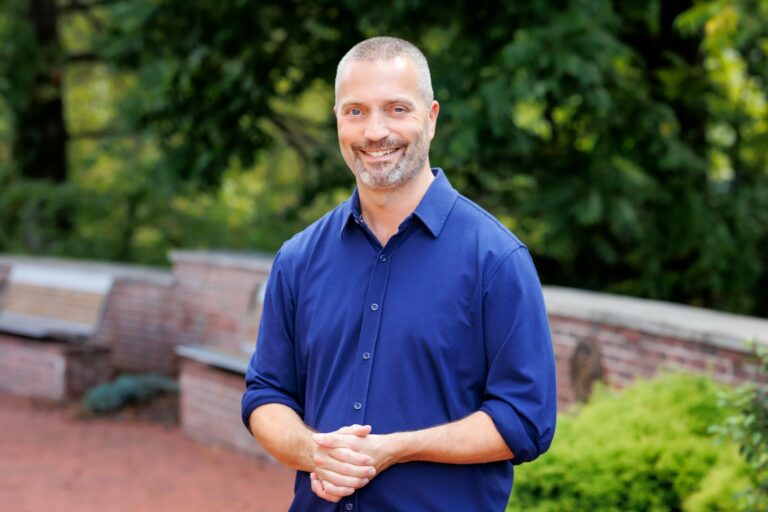
We’re looking forward to introducing you to David Crafa. Check out our conversation below.
Good morning David, it’s such a great way to kick off the day – I think our readers will love hearing your stories, experiences and about how you think about life and work. Let’s jump right in? What makes you lose track of time—and find yourself again?
I lose track of time whenever I’m building something that blends creativity with precision—whether it’s shaping the sound of a record in the studio or plotting a sailing course on open water. Both environments have a flow state that absorbs me completely: the focus, the problem-solving, the quiet intuition of knowing what comes next. Hours can disappear without me noticing.
And I find myself again when I step back and realize that what I was creating wasn’t just technical—it was meaningful. In the studio, it’s hearing a mix come alive and knowing it will outlive the moment. On the water, it’s the clarity that comes from navigating by forces bigger than yourself. Those experiences recentre me and remind me why I do the work I do: to build, refine, and guide, whether that’s people, projects, or ideas.
Can you briefly introduce yourself and share what makes you or your brand unique?
My name is David Crafa, and I’m the founder of The Cutting Room Studios in New York City, a studio I started more than 30 years ago with the simple belief that great art needs a home that feels human, inspiring, and technologically uncompromising. Over the decades, The Cutting Room has evolved into a multi-discipline creative hub—music recording, mixing, Dolby Atmos, ADR, podcasting, audiobooks, and post-production—serving artists ranging from emerging creators to Grammy-winning icons. What makes us unique is our culture: we’re a team of deeply passionate engineers and creatives who see the studio not just as a workspace, but as a community that elevates and protects the creative process.
I also run HyLyfe Yachts, a luxury sailing and charter brand born from my lifelong love of the ocean and my desire to create experiences as memorable as the music we help make. Sailing has always felt like the closest thing to being an astronaut on Earth—navigating by intuition, precision, and wonder—and HyLyfe lets me share that magic with guests from all over the world.
What connects both ventures is a commitment to craftsmanship and experience. Whether it’s a perfect vocal take or a perfect anchorage at sunset, my work is about creating environments where people feel inspired, supported, and fully alive. Right now, I’m excited about expanding both brands: continuing to grow The Cutting Room’s post-production and Atmos capabilities, and developing new curated charter itineraries and owner events through HyLyfe Yachts.
At their core, both businesses are extensions of my personal journey—combining my love of music, technology, sailing, and entrepreneurship into something that brings joy and possibility to others.
Great, so let’s dive into your journey a bit more. What part of you has served its purpose and must now be released?
The part of me that needs to be released is the version of myself that felt responsible for carrying everything alone—every project, every crisis, every burden. That mindset helped me survive and build a career, two studios, and a charter business from scratch. It taught me resilience, problem-solving, and how to push through when the stakes were high.
But the same instinct to shoulder everything became a limitation. It kept me working in survival mode long after I no longer needed to. It made me slower to ask for support, to delegate, or to trust that the right people could stand beside me—not just behind me.
What I’m letting go of now is that old operating system: the belief that strength means doing it all yourself. What replaces it is the understanding that strength also means collaboration, clarity, and letting others rise with you. Releasing that old part of me opens the door to a more creative, spacious, and scalable version of who I’m becoming.
What did suffering teach you that success never could?
Suffering taught me the kinds of lessons that success simply isn’t designed to deliver. Success can affirm your ideas, reward your hard work, and give you momentum—but suffering reveals who you truly are when momentum disappears.
It taught me humility: the understanding that control is an illusion, and that life can shift beneath you without warning. It taught me resilience: that you can rebuild, reinvent, and rise even when the blueprint disappears. And it taught me empathy—because once you’ve carried real weight, you recognize it instantly in others, and you lead with more compassion, patience, and presence.
Most of all, suffering taught me clarity. It stripped away noise, ego, and old narratives, and forced me to ask what actually matters: who you love, the work that gives you purpose, and the people you stand beside. Success can celebrate you, but suffering refines you—and that refinement has shaped me far more deeply than any win ever could.
Alright, so if you are open to it, let’s explore some philosophical questions that touch on your values and worldview. Is the public version of you the real you?
The public version of me is real—but it’s not the whole story. It’s the part of me that shows up with purpose, the builder, the problem-solver, the person who leads teams and steers projects. That version is authentic, but it’s also curated by necessity. When you’re running a studio, a business, or a boat, people look to you for steadiness, so you naturally present the most focused and composed side of yourself.
The private version of me is quieter, more reflective, and honestly more vulnerable. That’s where the creativity comes from—the part that questions things, feels deeply, and isn’t afraid to admit uncertainty or wonder. I don’t hide that person; I just don’t put him onstage unless there’s trust and space for it.
So yes, the public me is real. But the private me is where the depth is—and the challenge is learning how to let more of that depth inform the way I lead, create, and connect.
Okay, so let’s keep going with one more question that means a lot to us: If immortality were real, what would you build?
If immortality were real, I would build something that outlasts even the idea of time: a legacy of infrastructure for creativity, curiosity, and human potential. I’ve spent my life building environments—recording studios, sailing experiences, teams, communities—where people come alive. With unlimited time, I’d scale that instinct into a lifelong mission.
I’d create a global network of creative sanctuaries: places where art, technology, storytelling, and exploration intersect. Studios that evolve with each generation. Learning spaces where mentorship becomes a centuries-long conversation. Environments where innovation and craft aren’t rushed by the limits of a human lifespan.
And I’d build vessels—not just literal boats, but figurative ones—that carry people from who they are to who they could become. If immortality gave me infinite time, I’d use it to give others more time in the ways that matter: more clarity, more creativity, more wonder.
Because immortality wouldn’t change my purpose; it would only expand it.
Contact Info:
- Website: https://www.thecuttingroom.com
- Instagram: Thecuttingroomstudios
- Linkedin: david crafa
- Facebook: David Crafa


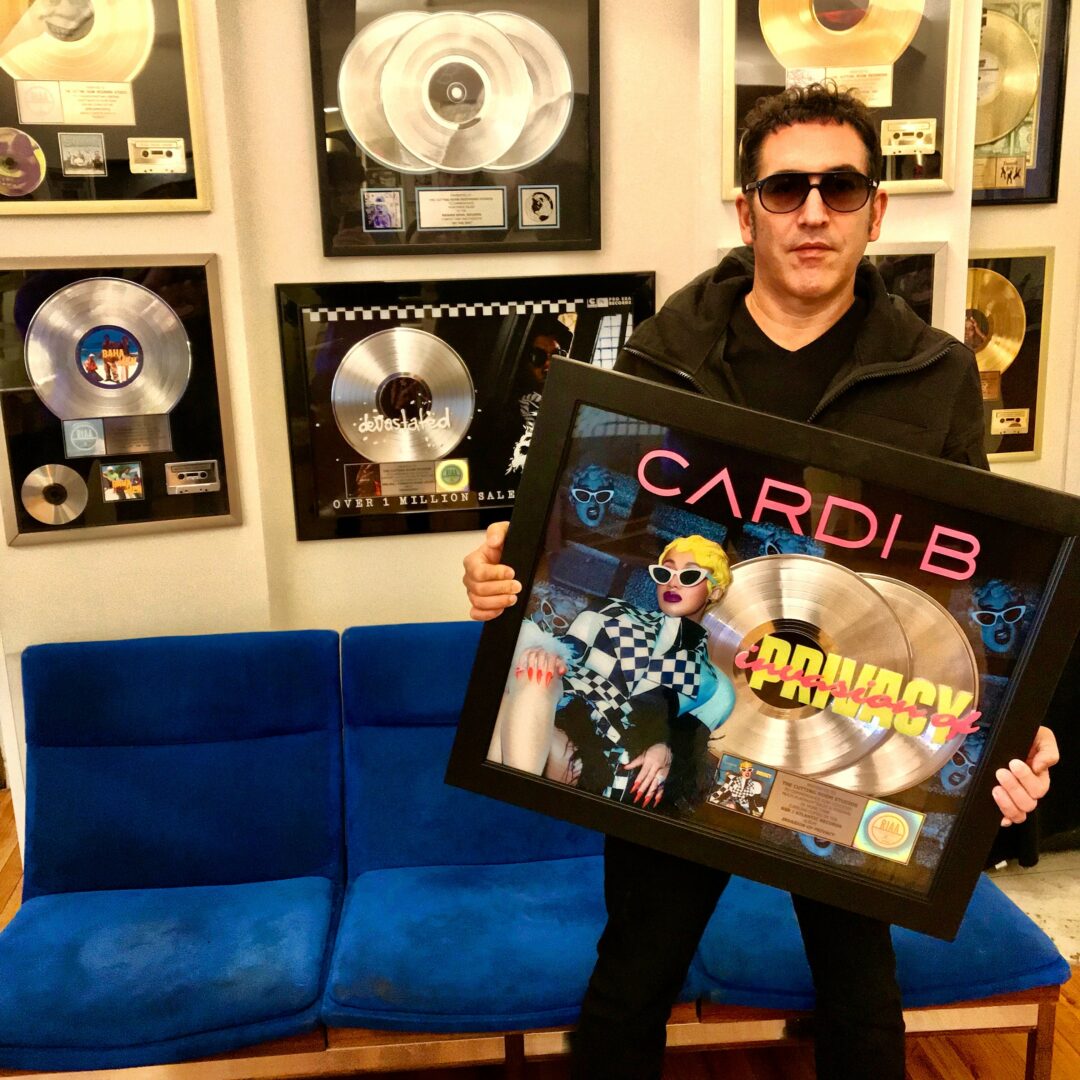
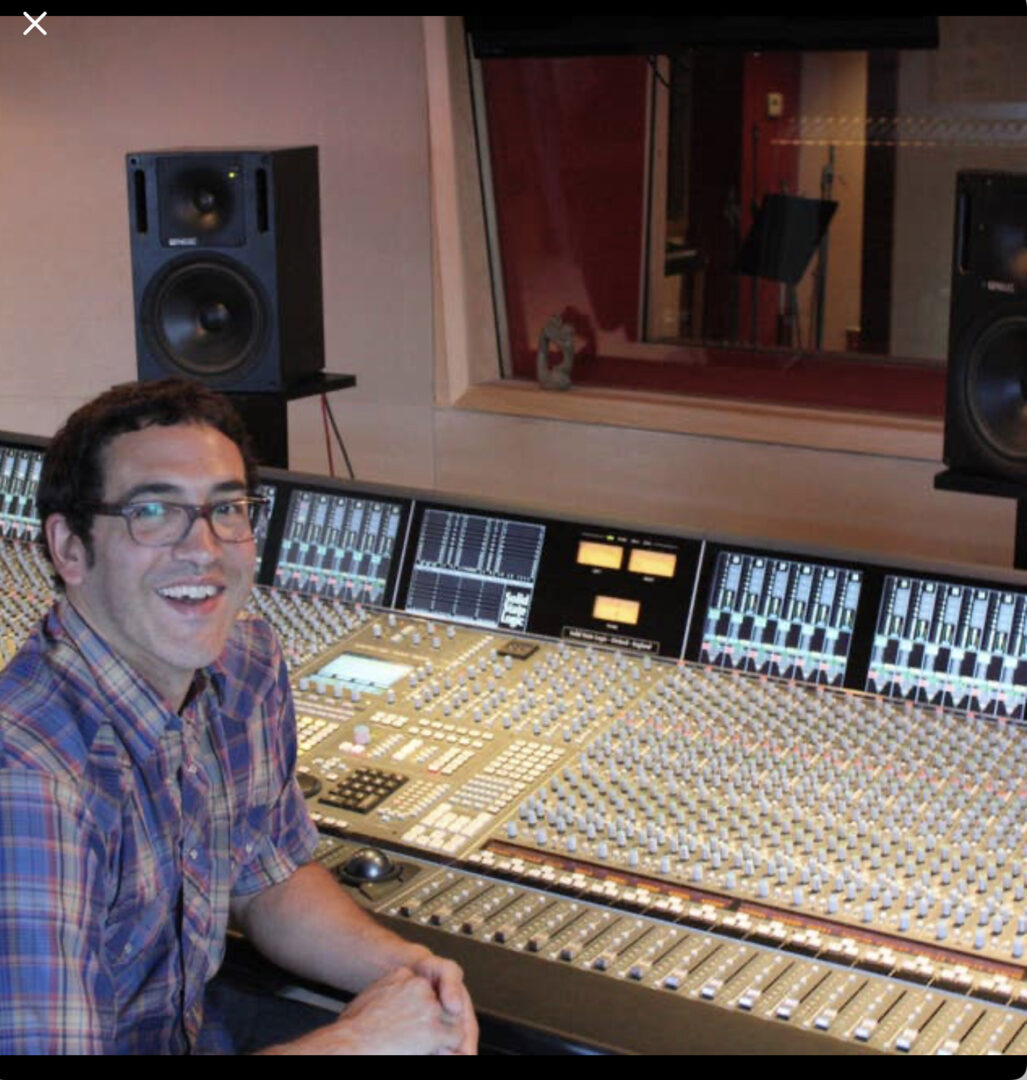

Image Credits
Me
so if you or someone you know deserves recognition please let us know here.