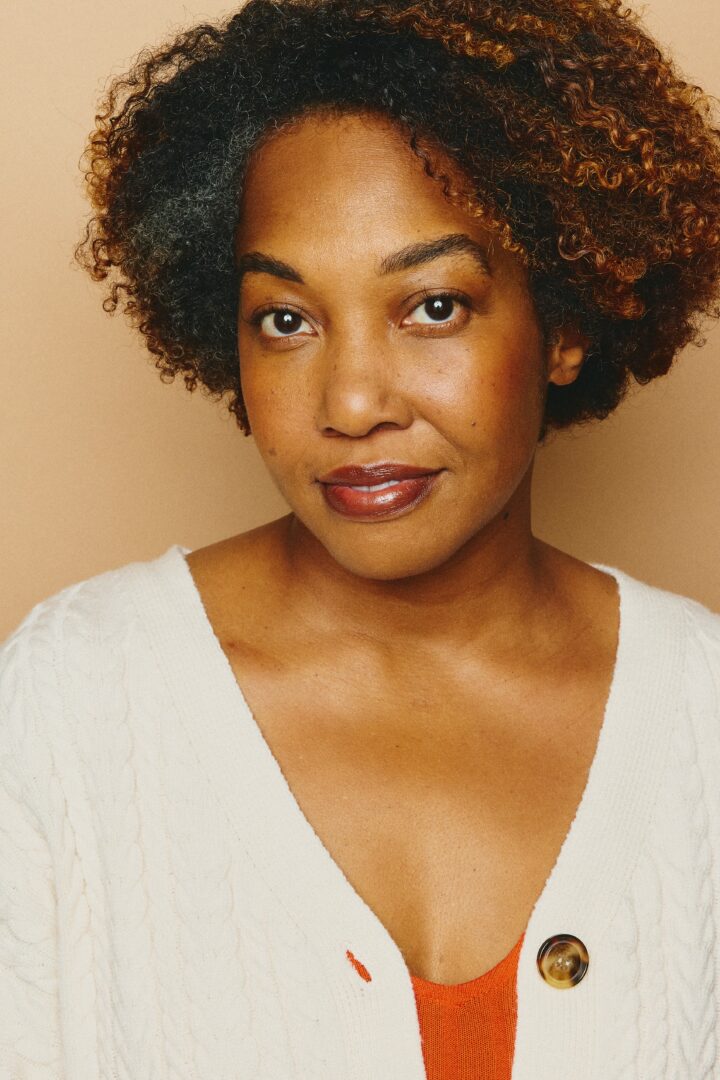
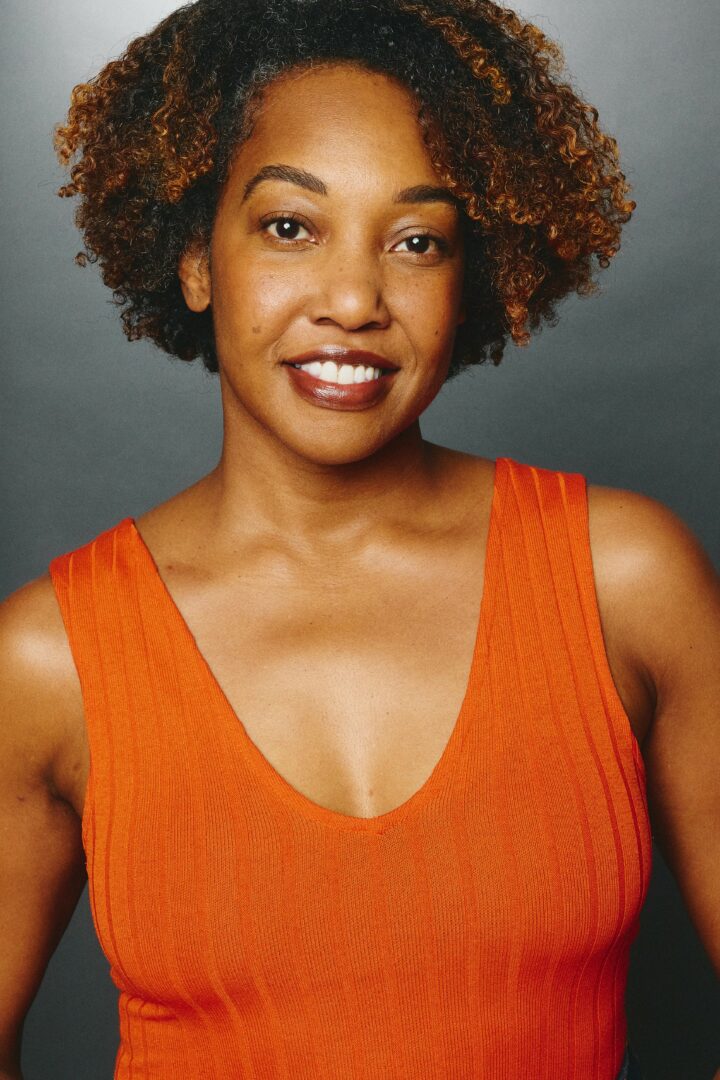
We recently had the chance to connect with Sharyon Culberson and have shared our conversation below.
Sharyon, so good to connect and we’re excited to share your story and insights with our audience. There’s a ton to learn from your story, but let’s start with a warm up before we get into the heart of the interview. What do the first 90 minutes of your day look like?
I start with meditation — sometimes guided, sometimes simply breath and stillness — to regulate my nervous system and ground myself before I step into the world. From there, I journal. It’s a mix of gratitude, intention setting, and processing whatever is moving through me creatively or emotionally.
That combination of meditation and writing helps me listen to myself, create clarity, and shape how I want to show up for the day — as an artist, a leader, and a human in community.
Can you briefly introduce yourself and share what makes you or your brand unique?
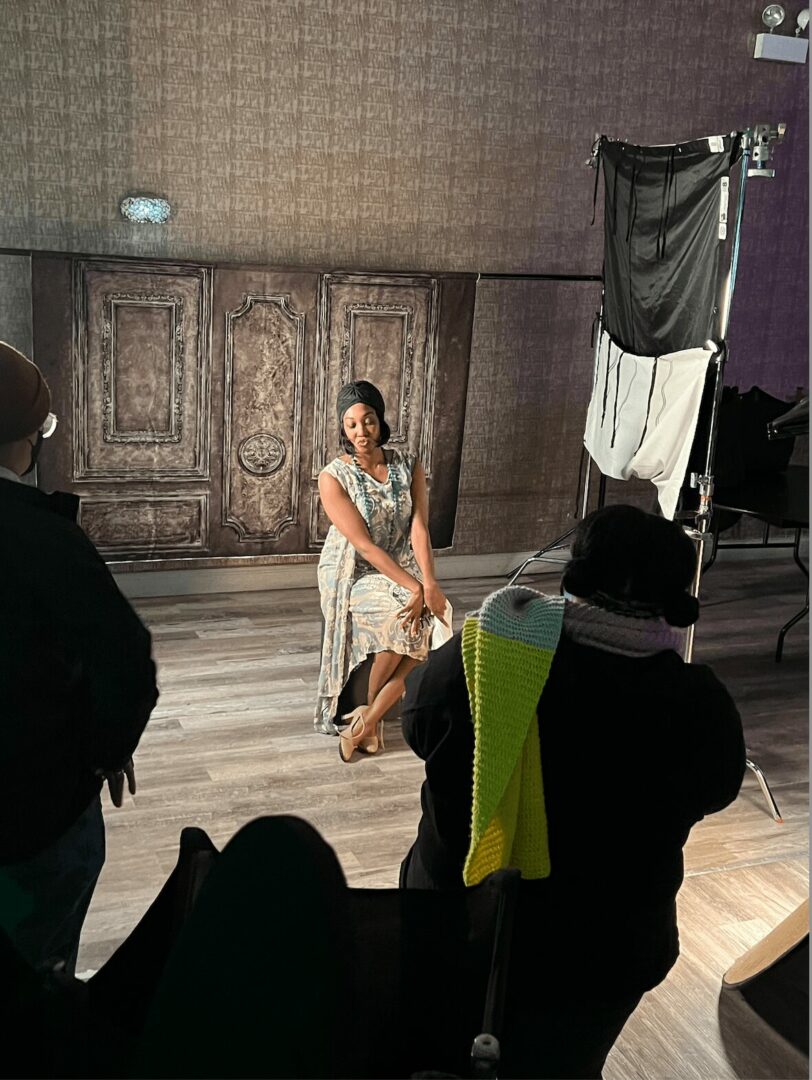
I’m Sharyon Culberson — a filmmaker, actor, writer, and educator dedicated to telling stories that affirm humanity, build community, and center underrepresented voices. Through my media company, I develop films, workshops, and storytelling experiences that spark dialogue, challenge narratives, and invite healing.
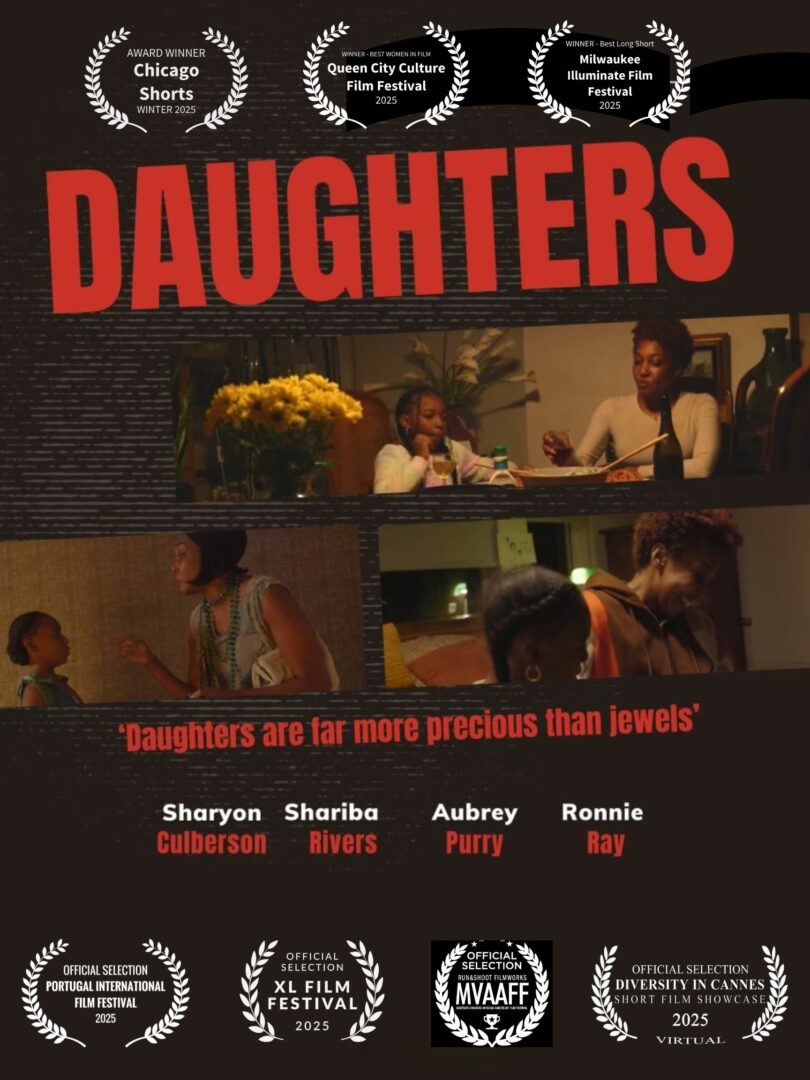
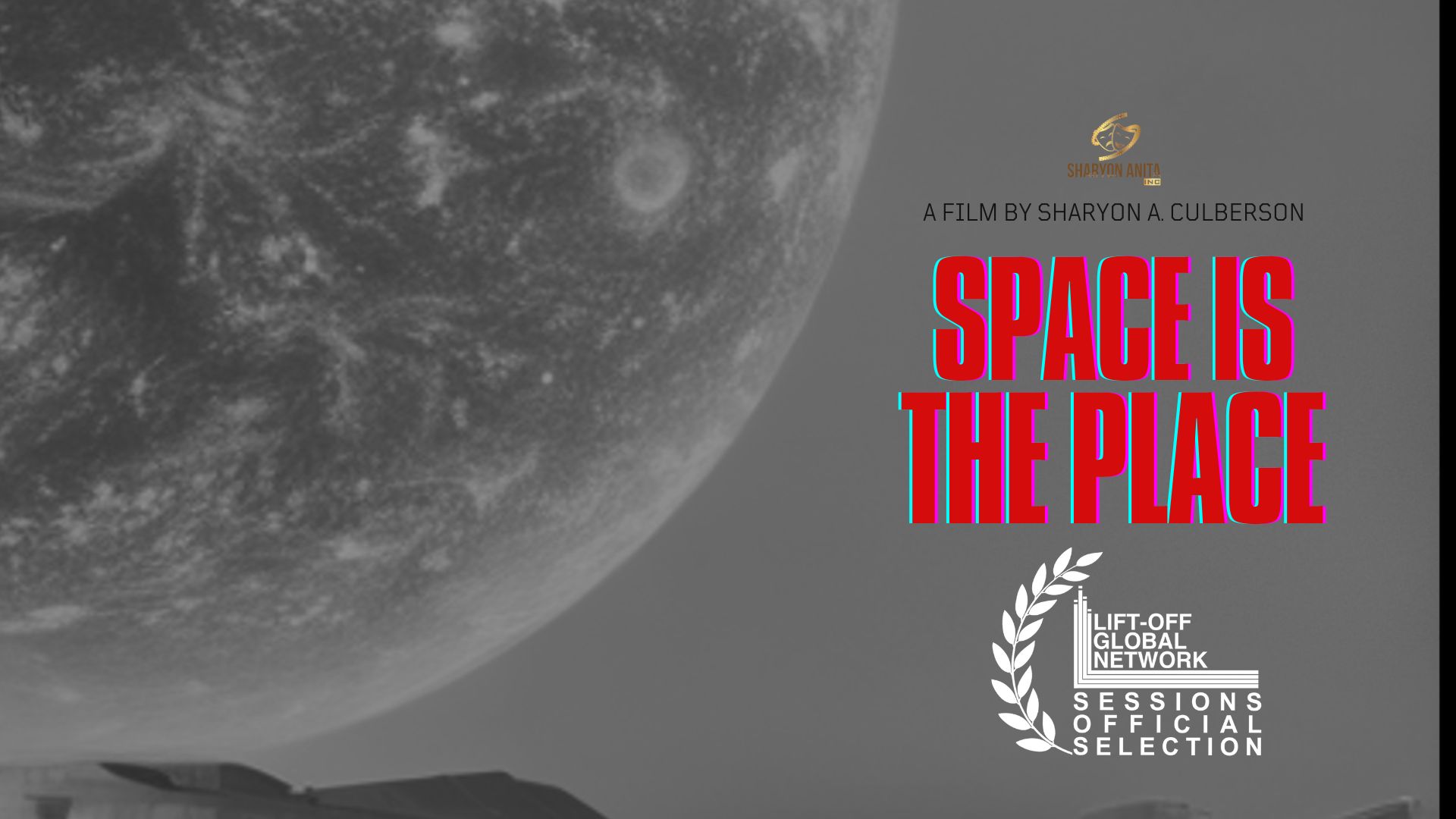
What makes my work unique is its dual DNA: I’m as committed to emotional truth as I am to craft. My films — including Daughters, Space is the Place, and my feature in development Black Joy Always Wins — explore identity, generational resilience, joy, and the complexities of interpersonal relationships.
I also draw on over 15 years in adult development and community building, which means my projects don’t just entertain — they facilitate conversation, reflection, and social change. Whether I’m on set, in a classroom, or facilitating a dialogue circle, my goal is the same: elevate voices we don’t hear enough, expand empathy, and leave people a little more connected than I found them.
Amazing, so let’s take a moment to go back in time. What’s a moment that really shaped how you see the world?
A defining moment for me wasn’t just one event — it was the years I spent touring the world facilitating rape-prevention and anti-bias training for universities, the military, and government agencies. I stood in rooms with people from radically different backgrounds, cultures, and belief systems, and watched how stories — personal narratives, reframes, empathy — could shift perspective, behavior, and possibility.
That work taught me that change doesn’t start with policy — it starts with human truth. It deepened my understanding of trauma, resilience, and the universal need to feel seen. Ultimately, it led me into filmmaking and deeper storytelling, because I realized that a script, a film, or a character can reach hearts and open conversations in ways training rooms sometimes can’t. That experience fundamentally shaped how I see the world, and it animates everything I create.
If you could say one kind thing to your younger self, what would it be?
I would tell her: You don’t have to shrink to be loved. Take up space — in your voice, your dreams, your boundaries, and your joy. The world isn’t waiting for you to be perfect; it’s waiting for you to show up as yourself.
Sure, so let’s go deeper into your values and how you think. What are the biggest lies your industry tells itself?
One of the biggest lies my industry tells itself is that inclusion is happening simply because we talk about it. We celebrate a handful of visible wins and call it progress, while ignoring the systemic issues — uneven access, underfunded creators, gatekeeping disguised as “market readiness,” and the emotional labor placed on marginalized artists to represent entire communities.
There’s also a convenient myth that diversity is a “trend” or a risk rather than a creative and economic advantage that expands audience, innovation, and storytelling range. Until inclusion is measured in budget equity, leadership influence, distribution pathways, and who gets to fail and still be funded again — it’s mostly rhetoric.
My work sits in the tension between those truths. I believe inclusion isn’t just casting — it’s structural power-sharing, resource access, and narrative ownership. When we stop pretending we’ve arrived and start admitting how far we still have to go, then real change becomes possible.
Okay, we’ve made it essentially to the end. One last question before you go. What are you doing today that won’t pay off for 7–10 years?
’m investing in relationship-centered storytelling and ecosystem building — work that rarely pays off immediately but compounds over time. Developing film projects like Black Joy Always Wins, mentoring emerging creatives, and cultivating communities around healing-centered narratives all plant seeds that take years to bear fruit.
I’m also building infrastructure — my media company, partnerships, training frameworks, and artistic voice — that will position me not just for one success, but for sustained impact. The payoff isn’t just financial; it’s cultural, relational, and legacy-driven. I’m creating work that future collaborators, audiences, and even younger versions of me will benefit from 7–10 years down the line.
Contact Info:
- Website: https://sharyonAnita.com
- Instagram: https://www.instagram.com/sharyon_anita/
- Linkedin: https://www.linkedin.com/in/sharyonanita/
- Facebook: https://www.facebook.com/SharyonAnita
- Youtube: https://www.youtube.com/@sharyonanita

so if you or someone you know deserves recognition please let us know here.