We recently had the chance to connect with Caijing Kuang and have shared our conversation below.
Hi Caijing, thank you for taking the time to reflect back on your journey with us. I think our readers are in for a real treat. There is so much we can all learn from each other and so thank you again for opening up with us. Let’s get into it: Are you walking a path—or wandering?
I know the direction I want to head in, and I’m working toward it. But I’m also exploring along the way, as long as it doesn’t pull me off my main path.
Can you briefly introduce yourself and share what makes you or your brand unique?
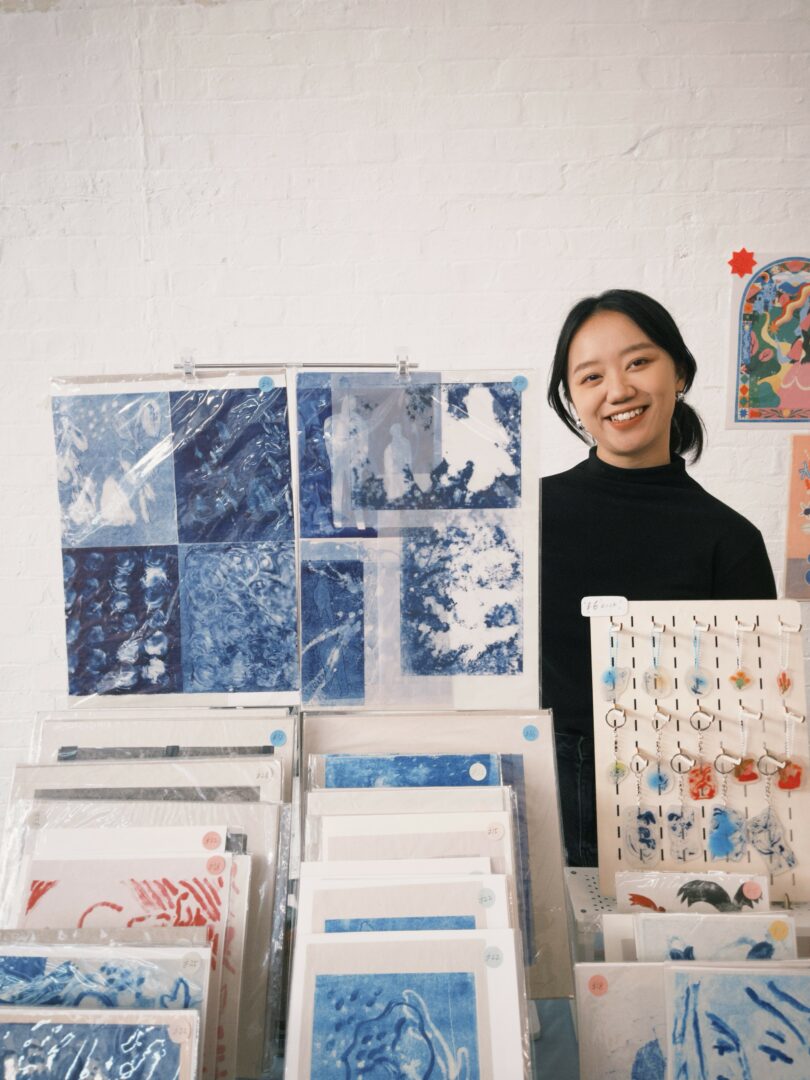
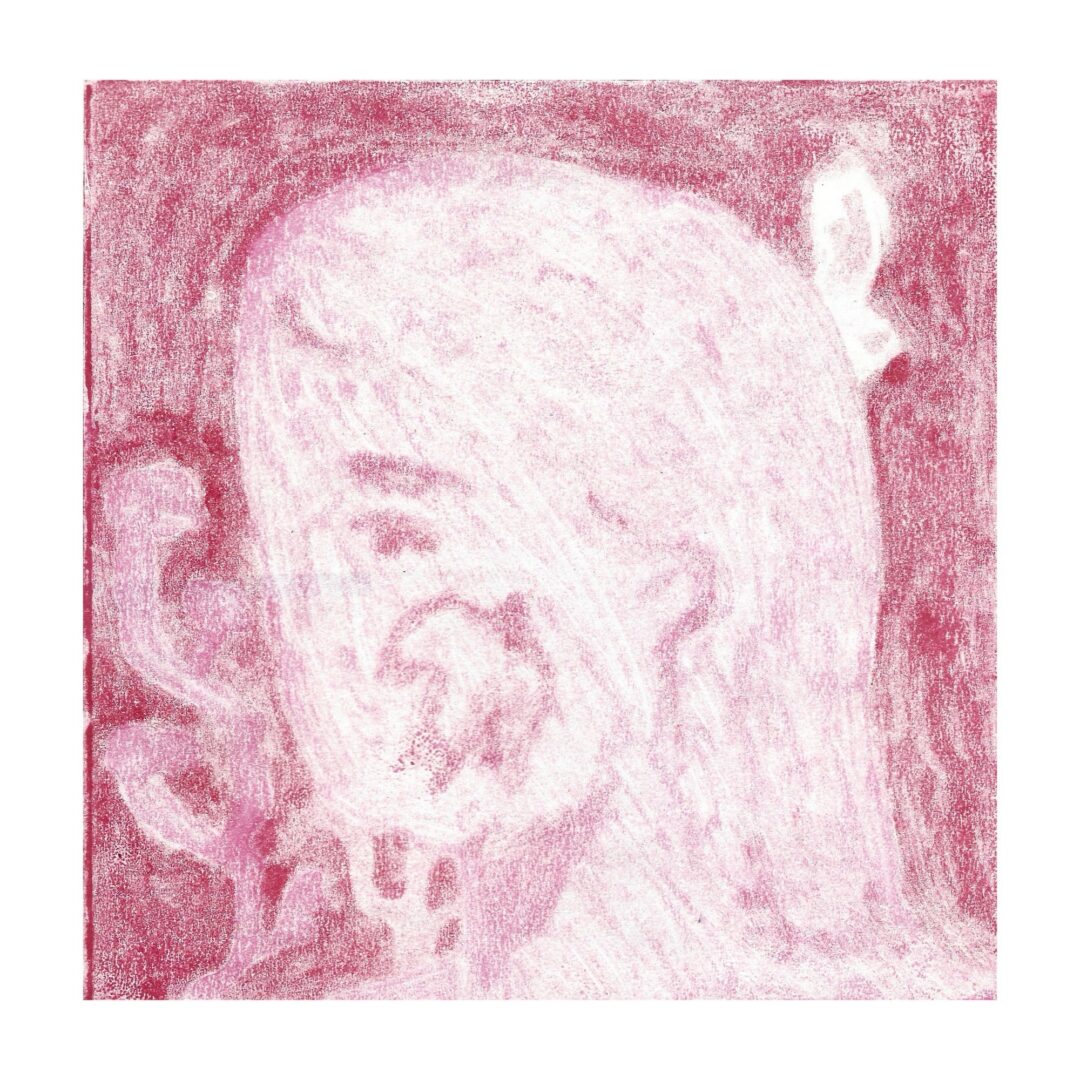
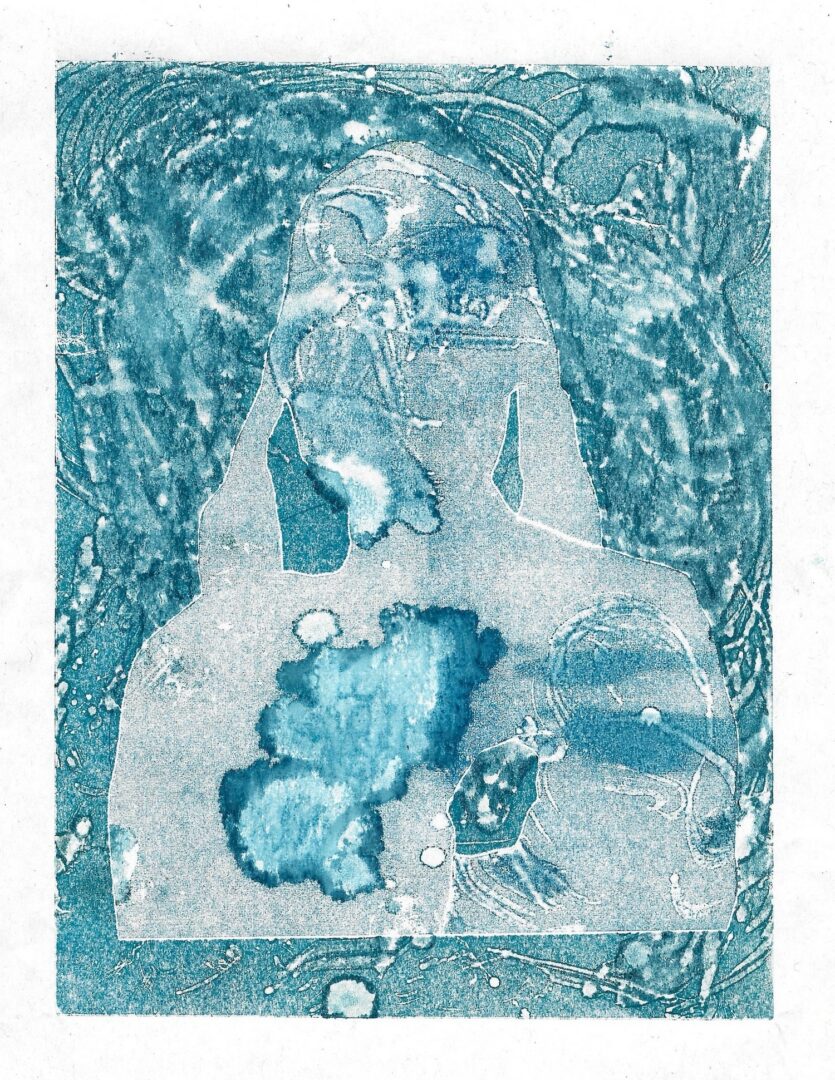
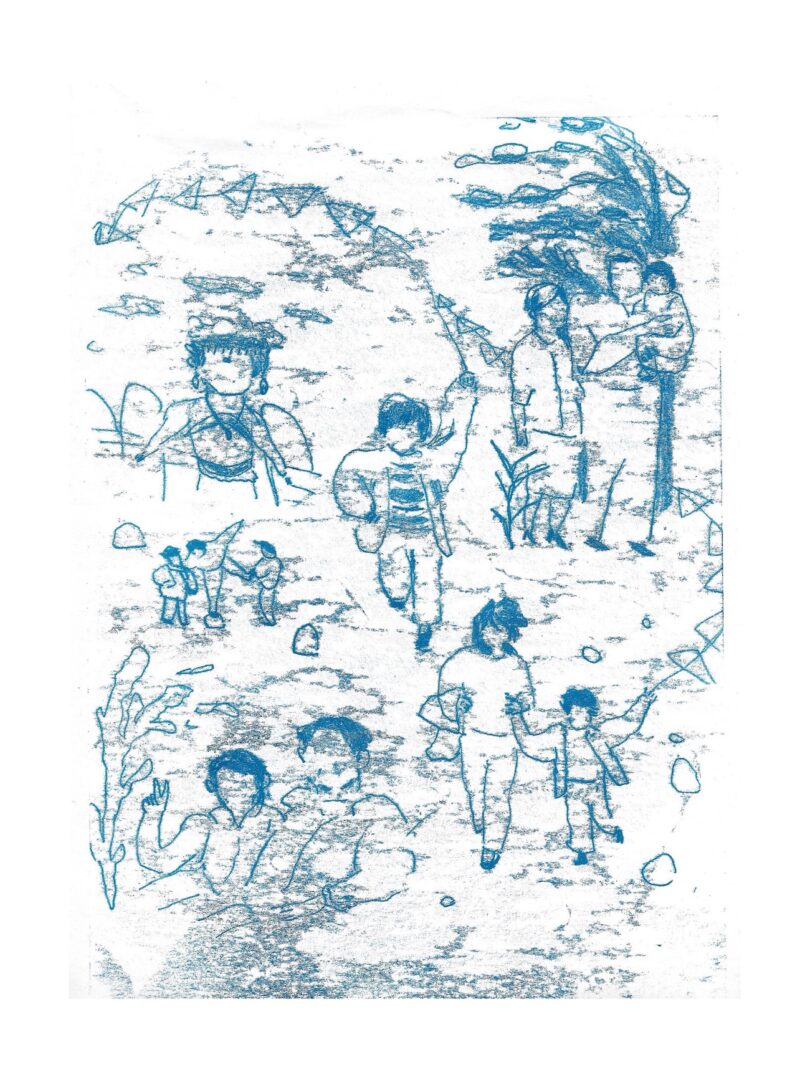
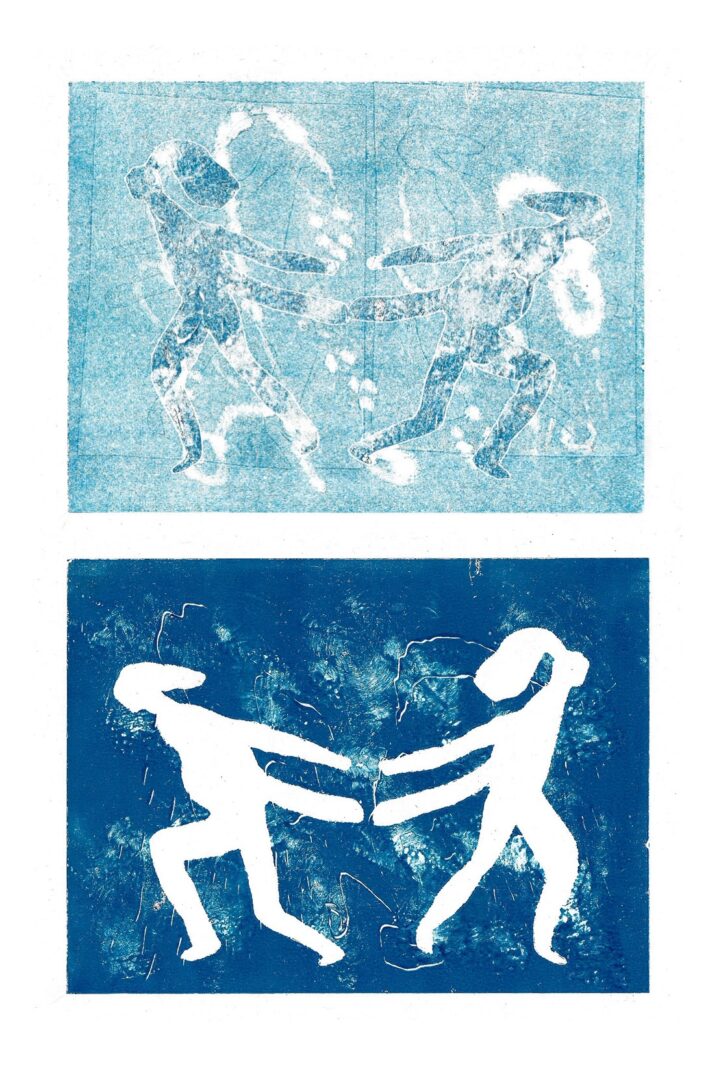
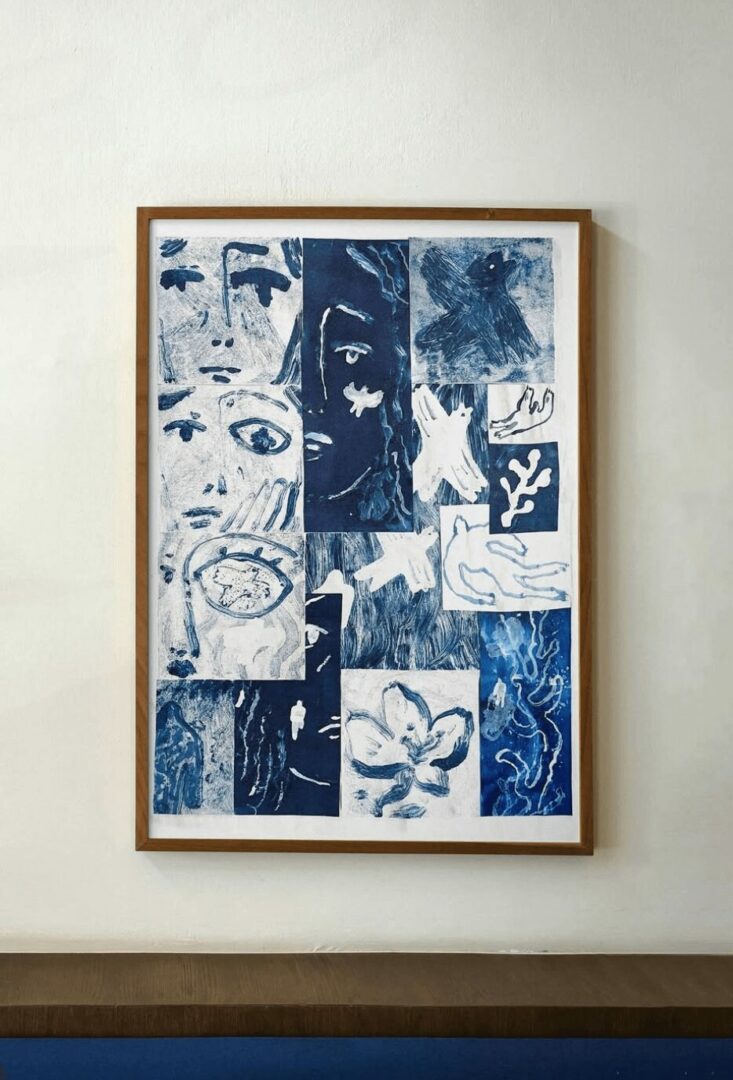
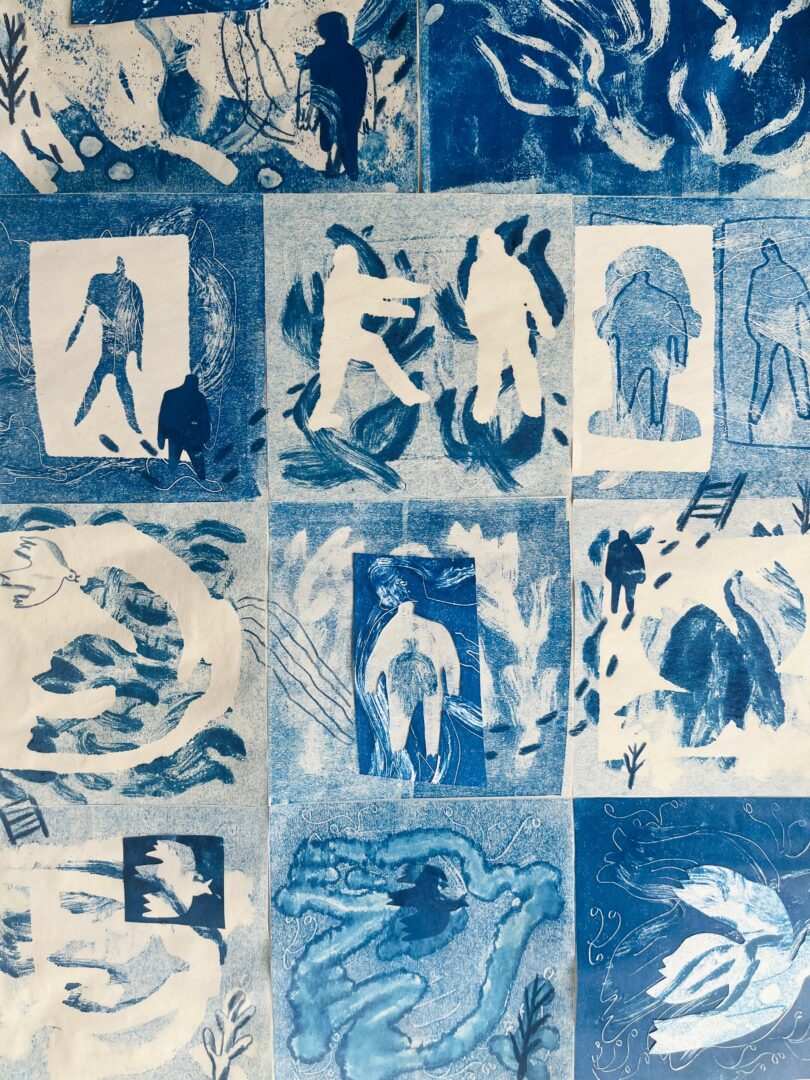
I’m an illustrator and printmaker whose work explores emotional memory and fragmented narratives. I use printmaking as a way to tell my own stories, translating feelings into visual language and allowing my audience to experience the emotions behind each piece. My practice is intuitive and introspective, and I’m currently focused on developing projects that delve into personal history, identity, and nonlinear storytelling.
Great, so let’s dive into your journey a bit more. What’s a moment that really shaped how you see the world?
In 2023, I travelled to Tromsø, Norway, and witnessed an intense aurora display. Standing in the snow under that overwhelming sky, time felt suspended. I was struck by how small we are in the face of nature, how insignificant all the pressure I constantly put on myself suddenly seemed. I had been living like I was inside a pressure cooker, racing against time, believing I could only survive by pushing myself harder. But watching the aurora shimmer so quietly above me, I felt my anxiety soften. That moment taught me that I don’t need to rush so much. Moving slowly is also a valid, even beautiful, way to live.
What have been the defining wounds of your life—and how have you healed them?
My deepest wounds come from my childhood and teenage years. Those memories sometimes linger like ghosts. Creating art has become the way I process and release those emotions; it’s my way of healing myself. I can’t say I’m fully healed, trauma needs time to fade, and it never disappears completely. But I’ve learned to embrace it. Through my work, I transform it from something painful and sharp into something that becomes part of who I am.
Alright, so if you are open to it, let’s explore some philosophical questions that touch on your values and worldview. What’s a belief you used to hold tightly but now think was naive or wrong?
I used to believe that falling behind others was unacceptable—that I had to stay tense, productive, and constantly “on,” because relaxing would mean wasting time or losing my momentum. Looking back, I realize that mindset was a survival strategy shaped by long-term pressure. I treated myself like a machine because I thought that was the only way to stay safe. Now, I’m much more at peace. I’m learning to slow down and move at a pace that actually suits me.
Before we go, we’d love to hear your thoughts on some longer-run, legacy type questions. Are you doing what you were born to do—or what you were told to do?
I’m doing what I was born to do. My family wanted me to choose a more stable path, like becoming a teacher, but I knew that wasn’t my direction. I chose a more uncertain and adventurous route, working as a freelance illustrator, because it’s the work that feels true to me.
Contact Info:
- Website: https://kkjing.cargo.site
- Instagram: @jing_kuang10
so if you or someone you know deserves recognition please let us know here.