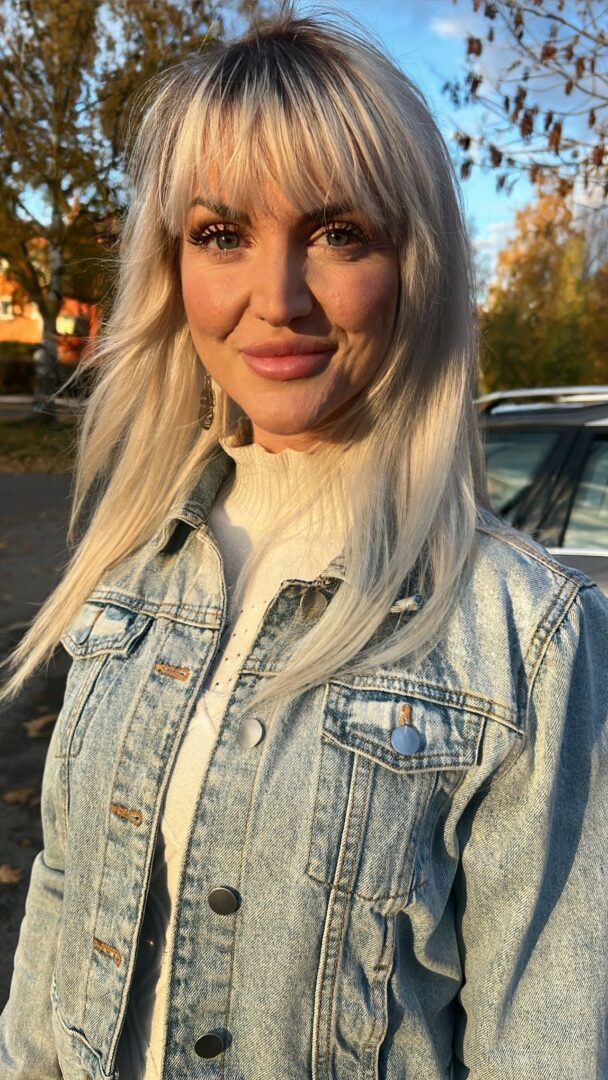
We’re looking forward to introducing you to Elin Persson. Check out our conversation below.
Elin, really appreciate you sharing your stories and insights with us. The world would have so much more understanding and empathy if we all were a bit more open about our stories and how they have helped shaped our journey and worldview. Let’s jump in with a fun one: What do the first 90 minutes of your day look like?
Right after I wake up, I like to set the intention for my day. I ask myself, ‘How do I want to feel today?’ and ‘What can I let go of?’ I remind myself that I can stay grounded and centered, no matter what challenges come my way.
Before getting out of bed, I do some gentle movements to get my body moving, focusing on my neck, chest, and pelvic area to help circulation.
Once I get up, the first thing I do is drink a large glass of water. It helps naturally cleanse my body and rehydrate after the night.
After that, I follow a regular morning routine—washing up, getting dressed, and doing my makeup. This combination of mindfulness, movement, and self-care really helps me start the day feeling energized and focused.
Can you briefly introduce yourself and share what makes you or your brand unique?
This is a really multifaceted question, and it’s a bit complex to answer, but in simple terms—I help people heal trauma and shift their mindset so they can create meaningful change in their lives, both internally and externally.
I provide tools that are practical and easy to use, helping people see beyond their current perspectives. My methods draw on how the brain can be surprisingly influenced, using techniques like NLP (Neuro-Linguistic Programming), EFT (Emotional Freedom Techniques, including havening and tapping), hypnosis, intuitive coaching, and Clean Language.
True change requires inner transformation. The changes my clients experience are often physical, mental, emotional, and spiritual, and they are interconnected. You can’t expect physical change without shifting your mindset, or emotional growth without adjusting behaviors. Often, when results aren’t showing up, it’s a sign there are internal blockages that need to be addressed first.
Appreciate your sharing that. Let’s talk about your life, growing up and some of topics and learnings around that. Who were you before the world told you who you had to be?
I was a brave little girl. I stood up for what I believed was right and approached the world with an open heart and unconditional love. I trusted people and believed in their goodness, as long as I stayed true to my own values. In my eyes, there were no limits to what I—or anyone else—could achieve. I genuinely believed that anything was possible if you had faith in it and were willing to fight for it.
What’s something you changed your mind about after failing hard?
I grew up believing I had to handle everything on my own—that my success depended solely on me and that I needed no one else. In my mid-twenties, I became involved in feminism, which I think came from my own experiences of trauma and witnessing the lack of support for women, including those I care about. I realized that nearly every woman I knew had faced harassment or abuse, and I saw how societal and workplace structures often failed to hold perpetrators accountable. For me, feminism was a way to challenge a system built for men.
Over time, I’ve come to see that feminism has served its purpose—it raised awareness, expanded rights, and gave women a voice. But I also feel that in many ways, it has evolved into a battle between men and women rather than a movement toward true connection and understanding.
As I moved deeper into my spiritual and self-development journey, I began to understand masculine and feminine energies as two complementary polarities that are equally important in relationships. (And these energies aren’t strictly tied to gender—they can express themselves differently in each person.) Approaching life from a more feminine state—being in tune with my body, embracing softness and intuition—felt natural and calming. I started to question why society tends to devalue feminine traits like nurturing, intuition, and flow, labeling them as weaknesses, while masculine traits—such as leadership, the desire to protect, and the drive to prove oneself—are often criticized as chauvinistic instead of being seen as natural and necessary aspects of human behavior. These differences are rooted in evolution, yet much of society today works to suppress them.
Then I met my partner, and my understanding deepened. In our relationship, I’m relearning how to show up authentically, how to love in ways that feel meaningful, how to set healthy boundaries, and how to receive love. It requires patience, because we’re both unlearning old patterns. I’ve discovered that feminine qualities can invite the masculine to rise to its full potential, while masculine qualities create safety for the feminine.
I no longer believe we’re meant to do life alone. We need each other to grow, to heal, and to thrive. True relational healing happens when both energies are respected, understood, and allowed to flourish—regardless of which person expresses them.
Sure, so let’s go deeper into your values and how you think. Where are smart people getting it totally wrong today?
It frustrates me when people only listen to what ‘experts’ say—as if something isn’t valid unless it’s been scientifically proven. Many people believe the only way to address their health is by going to a doctor, as though a professional automatically knows more about their body than they do. And often, no one even asks about their lifestyle, habits, emotions, or daily routines.
I also think we’re often led to believe that the food we eat is automatically safe simply because it’s being sold to us. We assume that if it’s on the shelves, it must be good for us—but that’s not always the case. There are additives, chemicals, and processing methods that many people never question, because we’re taught not to.
For me, true wellbeing comes from balancing expert knowledge with our own intuition and awareness. We have a natural understanding of our bodies that deserves to be trusted, and healing becomes much more powerful when we combine that inner wisdom with professional support.
Okay, we’ve made it essentially to the end. One last question before you go. When do you feel most at peace?
I feel most at peace when I’ve cooked for my family, the house is clean, and I’ve taken time to meditate—lying in my adjustable bed with incense burning and frequency music playing.
Pretty simple.
Contact Info:
- Instagram: awarewellnessbyelin
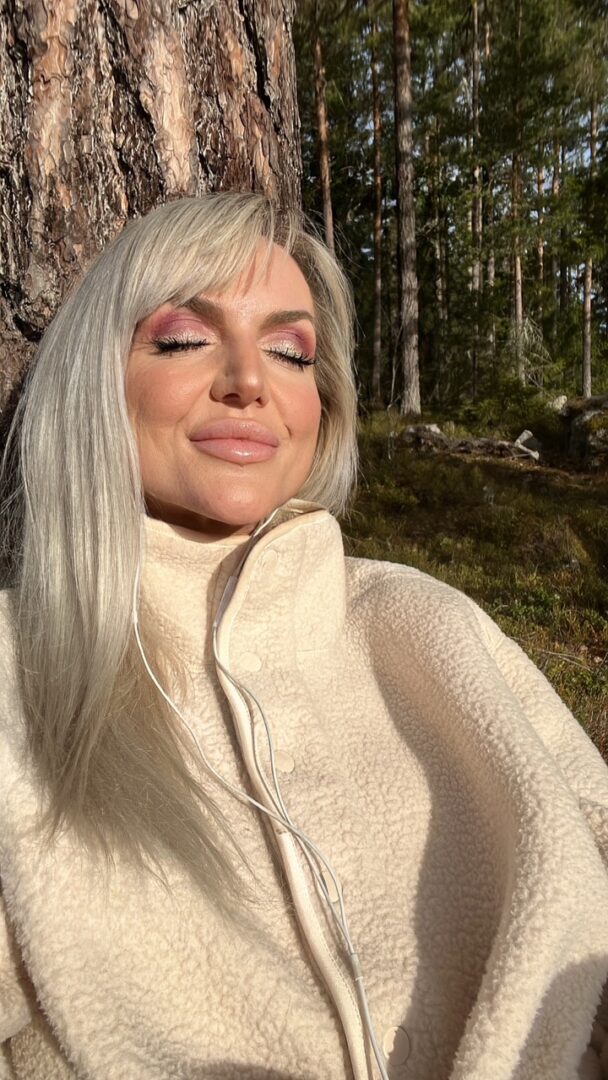
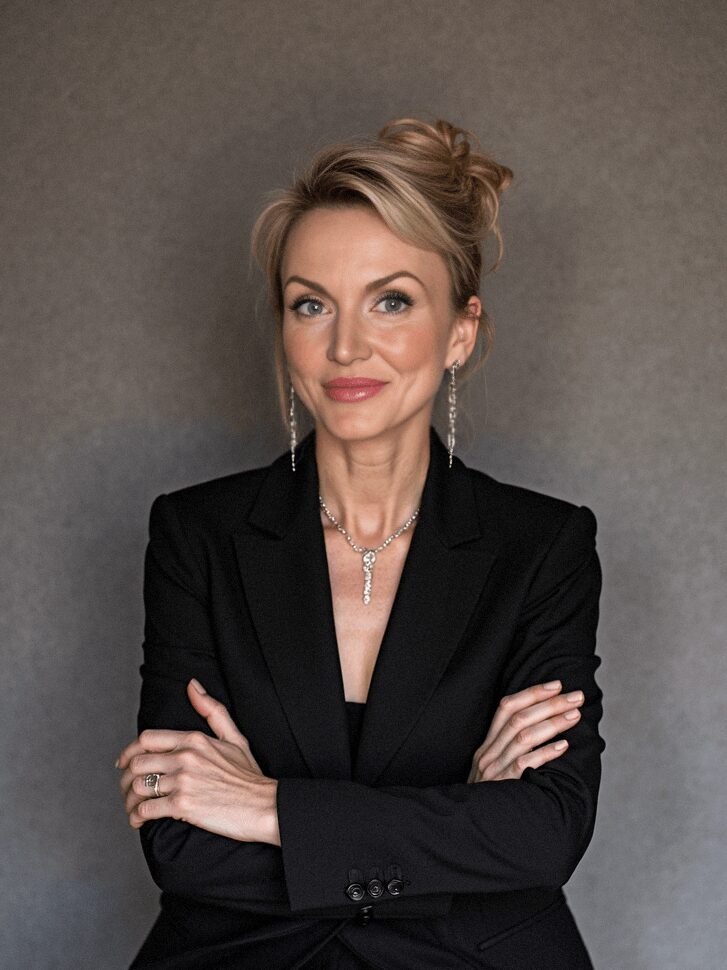
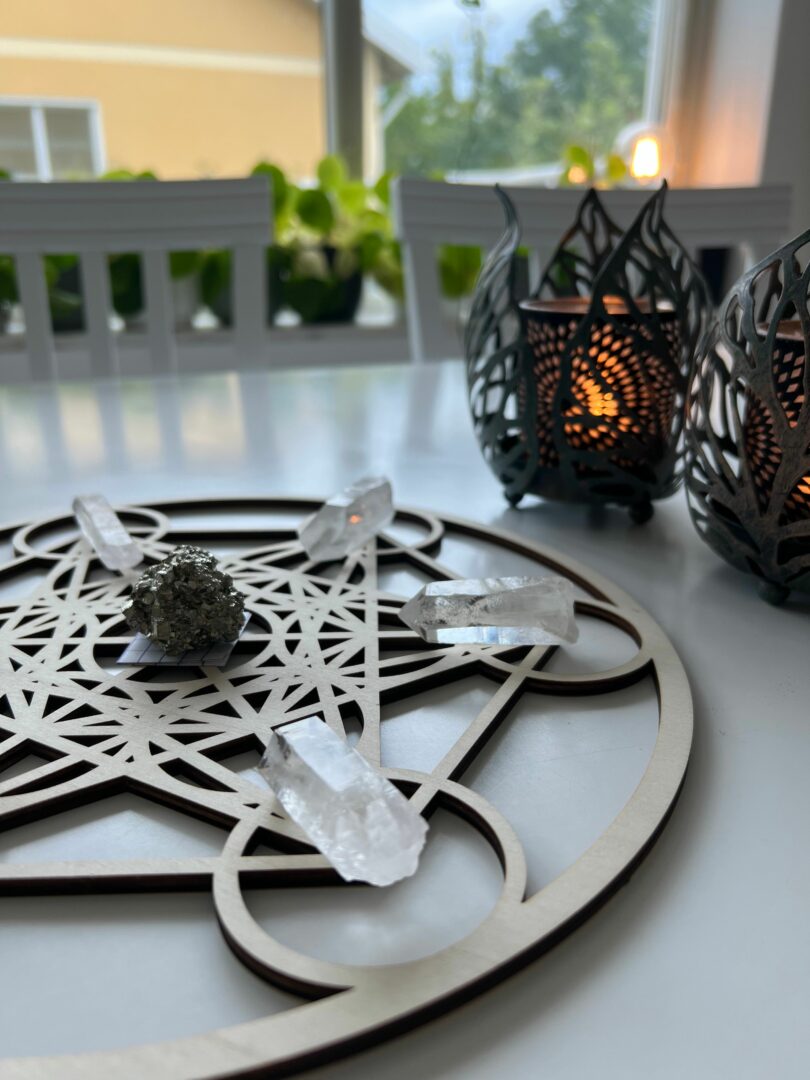
Image Credits
Third and second last picture is captured by my partner, Michael Simba
Last image is captured by Nadia Olsson (@soulisticbynadia)
so if you or someone you know deserves recognition please let us know here.