Jung Soo Kim shared their story and experiences with us recently and you can find our conversation below.
Good morning Jung Soo, it’s such a great way to kick off the day – I think our readers will love hearing your stories, experiences and about how you think about life and work. Let’s jump right in? What is a normal day like for you right now?
Even in the colder months, I spend a lot of time walking through the city. Observing people, the environment, and the small traces they leave behind always gives me inspiration, which makes sense because my practice centers on the relationship between humans and their surroundings. But beyond my work, walking has become a fundamental source of energy in my life.
One of the moments that makes me happiest is when I witness small, unexpected interactions between strangers. Sometimes people accidentally bump into each other, exchange a few words, and suddenly their expressions shift from neutral to warm. Seeing those brief moments of connection reminds me of how gentle and human our daily lives can be.
Can you briefly introduce yourself and share what makes you or your brand unique?
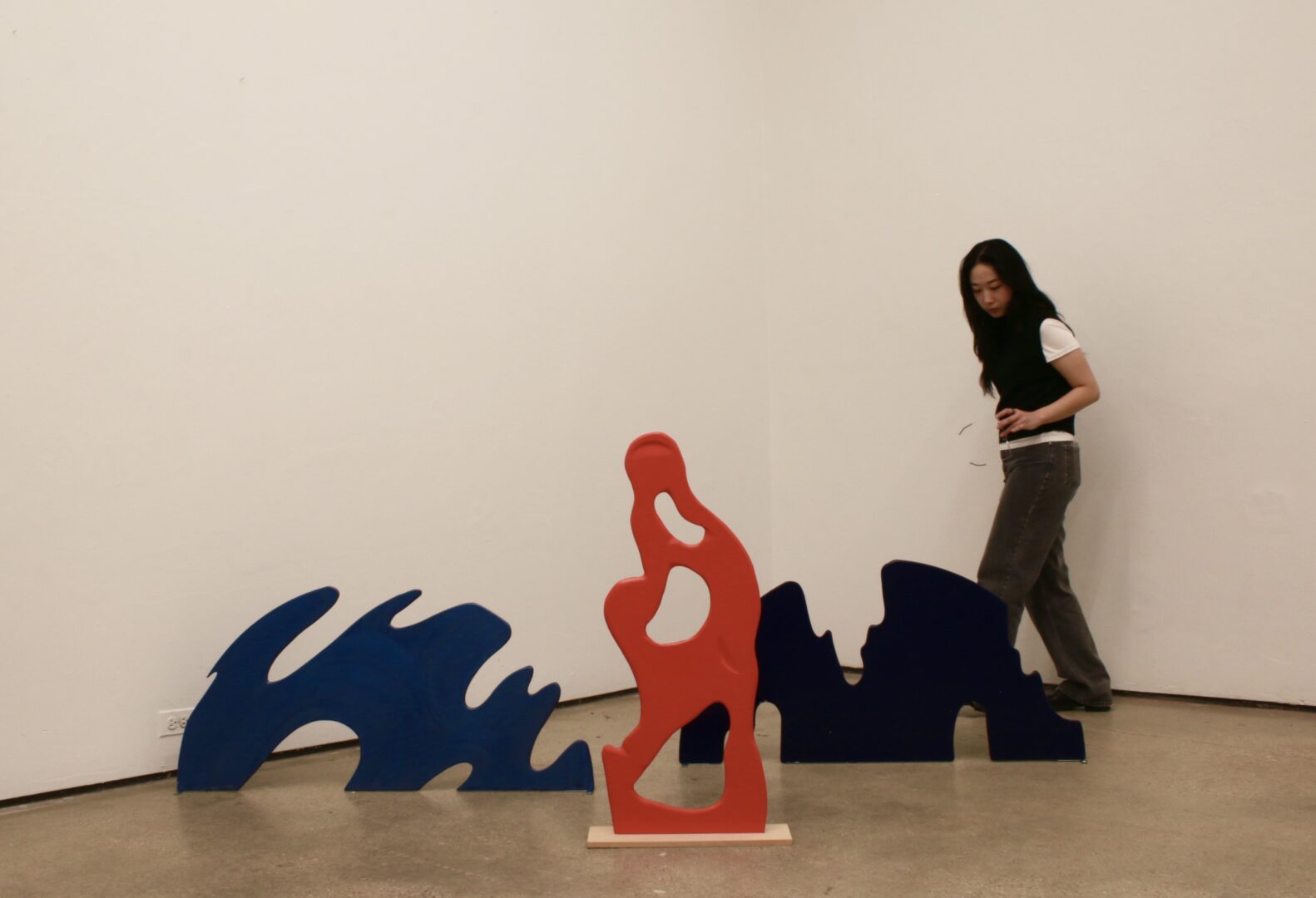
My name is Kim, Jung Soo, and I am a multimedia and research driven artist whose practice explores the visible and invisible residues that form between humans and the environments they inhabit. I study how presence, movement, and adaptation leave sensory and spatial traces, and I create installations that encourage audiences to experience their relationship with place through synesthetic and atmospheric encounters rather than direct representation.
Recently, my work has focused on the idea of geographic memory, which examines how landscapes carry human narratives across time and how those narratives shape the way we understand ourselves in relation to our surroundings.
I hold an MFA in Art and Technology Studies from the School of the Art Institute of Chicago. My work has been exhibited internationally in the United States, South Korea, Iceland, and Estonia, and I am currently based in Chicago, continuing to develop projects that investigate the intertwined histories of land and human experience.
Great, so let’s dive into your journey a bit more. What breaks the bonds between people—and what restores them?
This question is very meaningful to me, especially because I have lived my entire life in cities and my work often examines the relationships that form within urban environments. Cities like Seoul and Chicago have extremely high population density compared to the physical size of the space. Yet even in these crowded places, many people feel isolated. Why is that?
I believe the idea of distance plays a central role. Humans naturally maintain personal space as a way of protecting their sense of self. Proxemics suggests that these boundaries help us navigate social settings, but they can also become rigid lines that feel uninvadable. What interests me is the tension between our desire for distance and our longing for connection. Distance gives us comfort, but it can also prevent us from approaching others, creating subtle barriers that often lead to loneliness. This dynamic becomes even more pronounced in urban life.
We can observe this tension throughout the city. As we walk through urban spaces, we encounter traces left behind by people who passed through before us. Sometimes it is a piece of graffiti, sometimes an object placed intentionally or unintentionally. These remnants often reveal a longing for connection and a quiet attempt to reach out to others, even if indirectly.
This leads me to ask a question in return. In the place where you live, have you ever left a trace for someone else, intentionally or unintentionally, as a way of creating connection? If so, think about what that trace was. You may discover something about the kind of connection you are seeking and the bonds you hope to build.
Do you remember a time someone truly listened to you?
When I think about a moment when someone truly listened to me, one memory returns with absolute clarity. During one of my exhibitions, a visitor approached me and gave me a warm hug. With tears in his eyes, he told me, “Your work moved me deeply.” He said he had stood in front of the piece crying for a long time, unable to walk away. In that moment, I felt profoundly heard.
Art communicates in ways that words cannot. It carries layered emotions and sensory experiences that resonate differently with each person. When someone connects with a work in such an honest and vulnerable way, the artwork comes alive and the viewer becomes its listener. His response felt like an answer to something I had expressed but could not articulate myself. I felt understood through the emotion he reflected back to me.
I believe this is one of the reasons artists continue to create and why we cannot let go of our practice. Moments like these remind us that our work reaches people, speaks to them, and sometimes even gives them a voice for feelings they did not yet know how to express.
I think our readers would appreciate hearing more about your values and what you think matters in life and career, etc. So our next question is along those lines. What’s a belief or project you’re committed to, no matter how long it takes?
I am committed to examining how people form connections with one another, no matter how long that inquiry takes. As the world changes and technology continues to reshape our lives, the nature of human relationships is also shifting. We now hold wider but often thinner networks of connection. The number of connections has increased, but can we truly say their depth has grown as well? If they are deepening, in what direction are they moving, and if not, what kind of connection are we actually longing for? These are the questions that drive my work.
Many projects may emerge from this core idea, but they all return to the same central message. I pursue this theme because I, too, long for meaningful connection.
We are constantly moving through boundaries, depending on one another across visible and invisible divides. Some boundaries are large and structural, like those between nations or ideologies, while others are intimate and personal, such as the boundary of the body. These boundaries create the need for connection and, at the same time, help sustain it. Yet crossing them is never simple. Relationships do not operate like fixed equations. They behave more like water, always shifting.
This fluidity arises from the fluid nature of individuals and cultures themselves. Because of this, the study of connection can never truly end. It changes as we change. I have been exploring these dynamics and expressing them through sensory and spatial forms, and I am committed to continuing this work for as long as it takes.
Okay, so let’s keep going with one more question that means a lot to us: Could you give everything your best, even if no one ever praised you for it?
I imagine that many artists would answer “yes” to this question. At some point, I realized that I felt more unsettled and even depressed when I was not making work. That experience made me understand something essential about myself: I need to express things sensorially in order to feel alive. Enjoying culture is important, but creating culture is equally essential. This is not only true for artists. I believe many people feel this in their own way, even if their mode of expression is different. Artists simply rely more heavily on a sensory language.
If no one ever praised my work, I would be deeply sad. But I also know I would continue creating. Over time, I have come to see the part of me that makes and expresses work as a distinct self that lives alongside my everyday self. If I were to stop creating, I fear that this expressive self might disappear. I think many people contain multiple selves, and we keep them alive through different forms of expression. For me, making art is the way I protect and sustain that inner self.
Contact Info:
- Website: https://kimjungsoo.art/
- Instagram: https://www.instagram.com/kimjungsoo_studio/
- Linkedin: https://www.linkedin.com/in/kim-jung-soo-330185276/
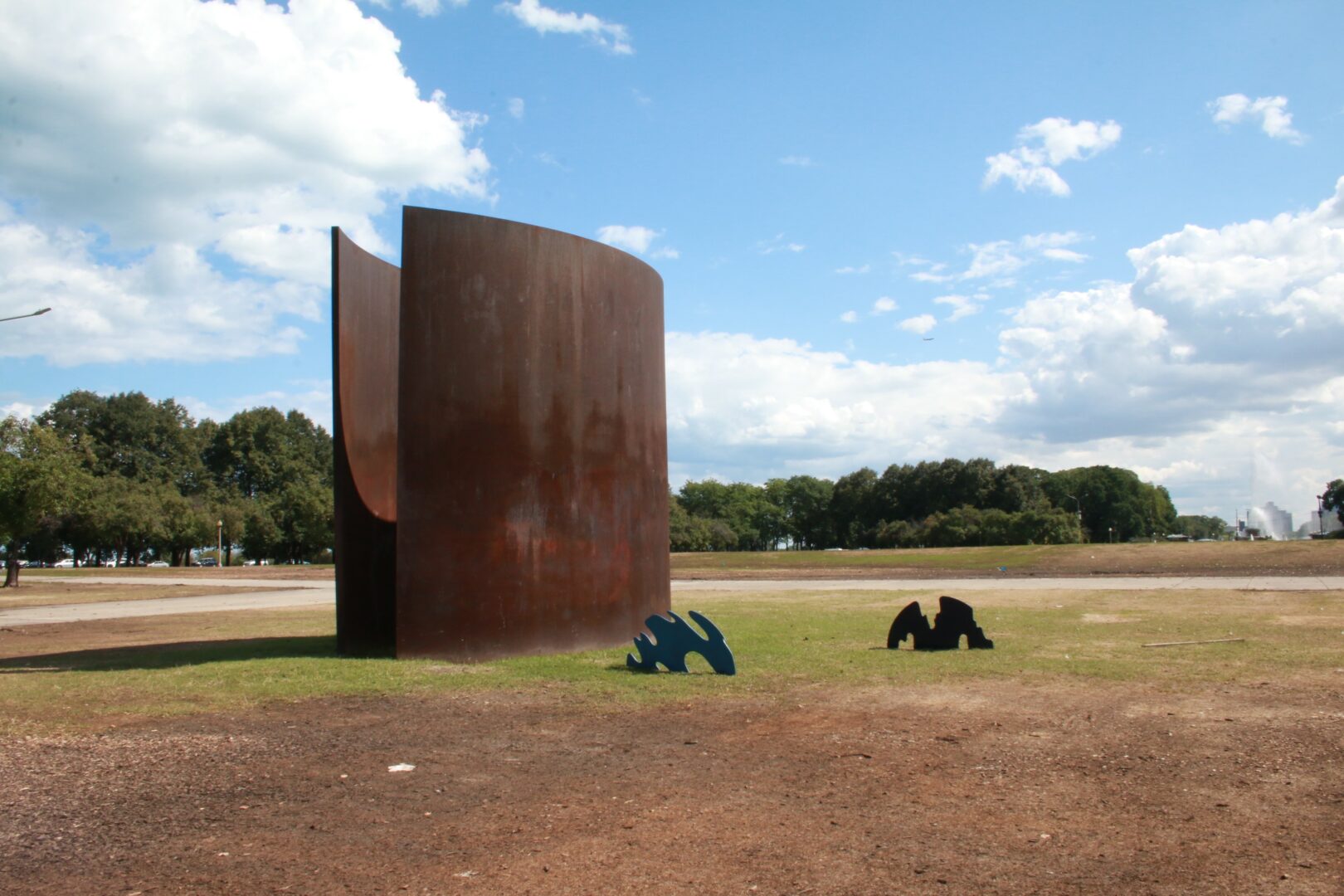
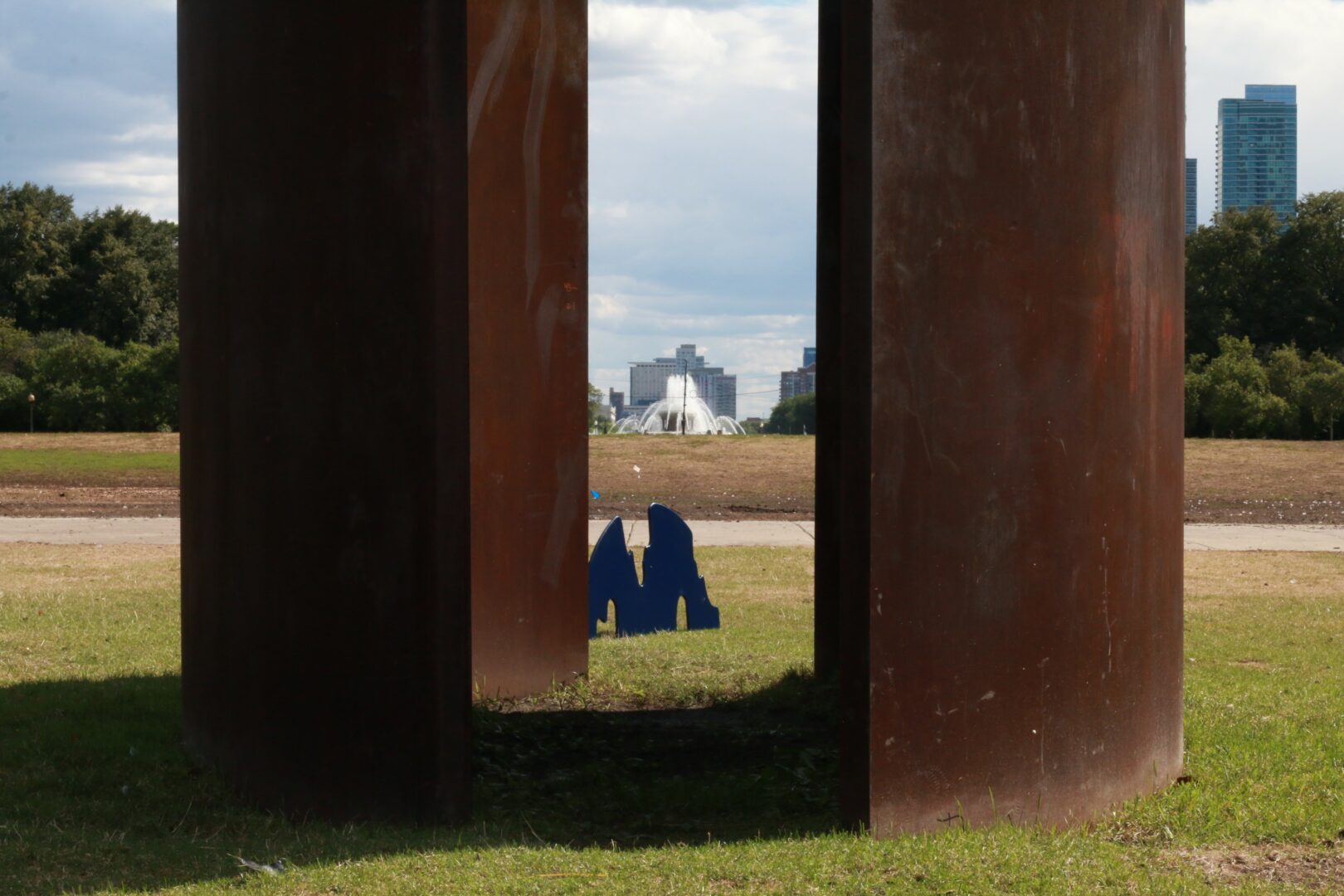
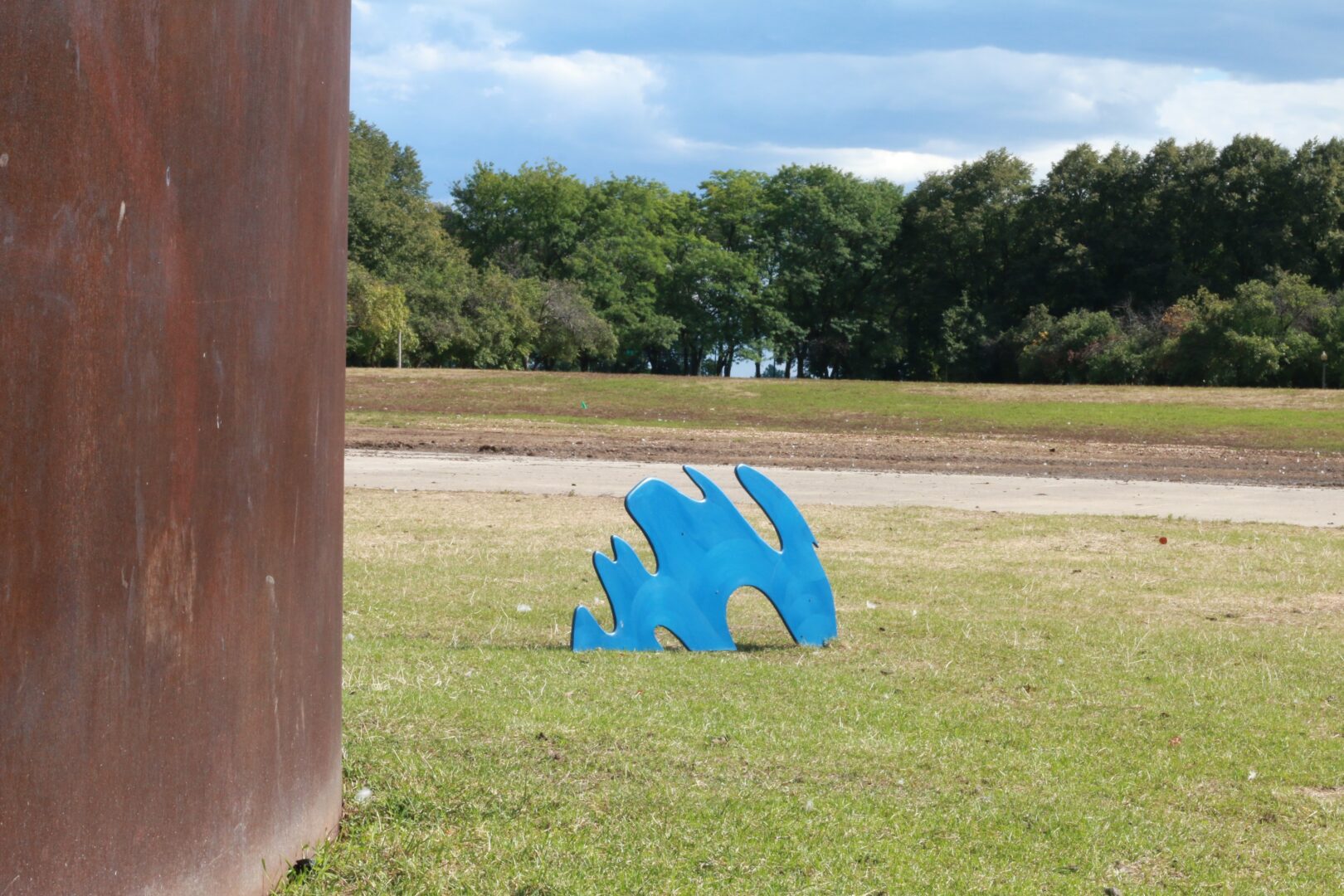
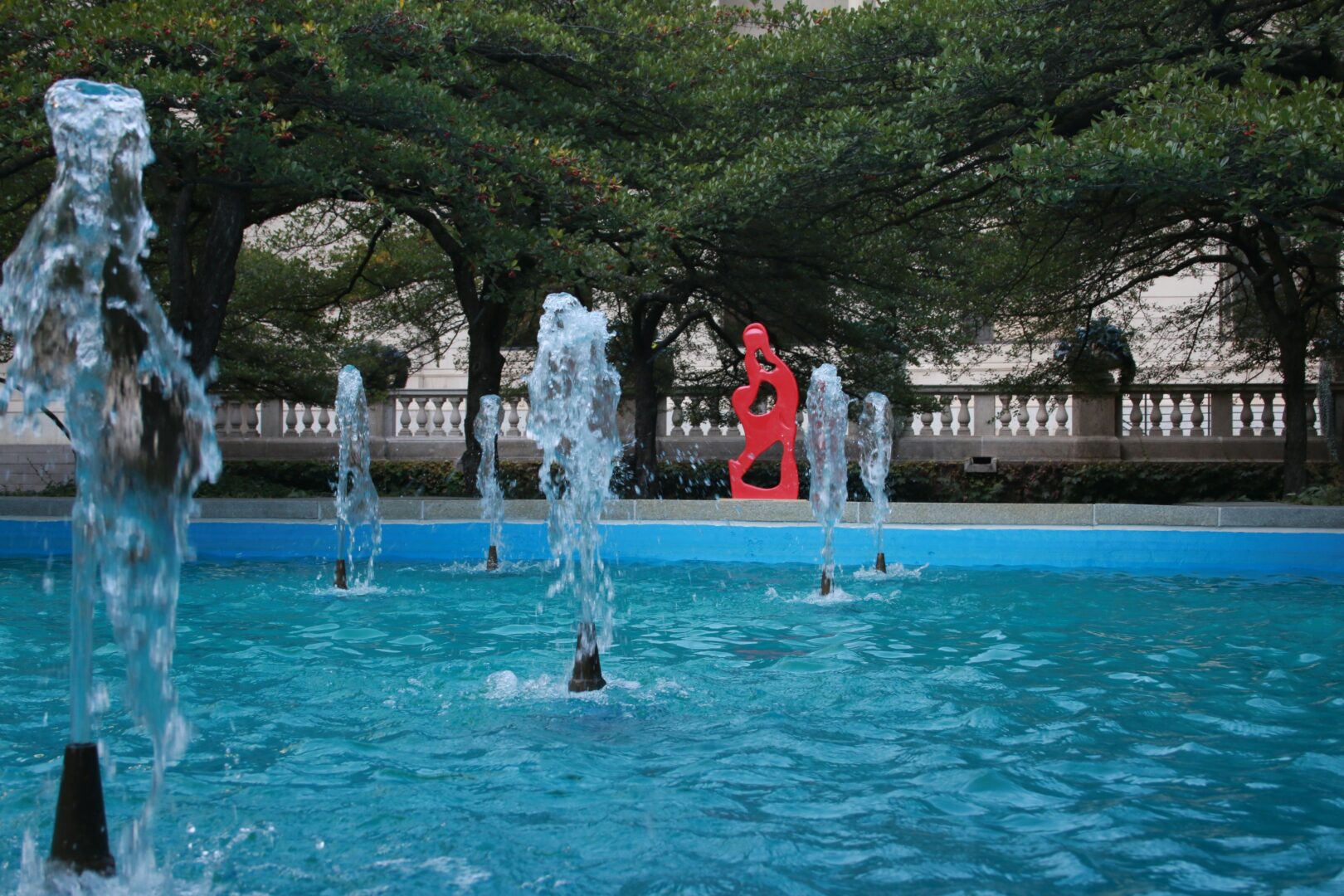
Image Credits
Image credit belongs to the artist
so if you or someone you know deserves recognition please let us know here.