We caught up with the brilliant and insightful Erika Lehmann a few weeks ago and have shared our conversation below.
Erika, thanks so much for taking the time to share your insights and lessons with us today. We’re particularly interested in hearing about how you became such a resilient person. Where do you get your resilience from?
For most of my life, I thought I was resilient because I could handle anything. Tight deadlines, big workloads, impossible expectations—I could push through all of it. I wore “resilience” like a badge of honor.
It took me years to understand that what I was calling resilience was actually dysregulation.
My nervous system wasn’t strong; it was stuck. The part of me that had learned to overfunction, overachieve, and override my own signals looked like strength from the outside—but it felt like chronic tension on the inside. I wasn’t bouncing back from stress; I was just getting better at ignoring myself.
The unraveling came quietly at first: exhaustion, irritability, a constant sense of being “on,” and even the escapist fantasy of selling everything and moving into a trailer in the woods. Then my body finally drew a line my mind refused to acknowledge. In 2021, I fainted with no medical cause and suffered a traumatic brain injury. I couldn’t keep pushing. I couldn’t keep performing.
So I stopped. I stepped away from a career I had poured myself into for two decades. And I went to the mountains.
That’s where things began to shift—not through more effort, but through learning what real resilience actually is.
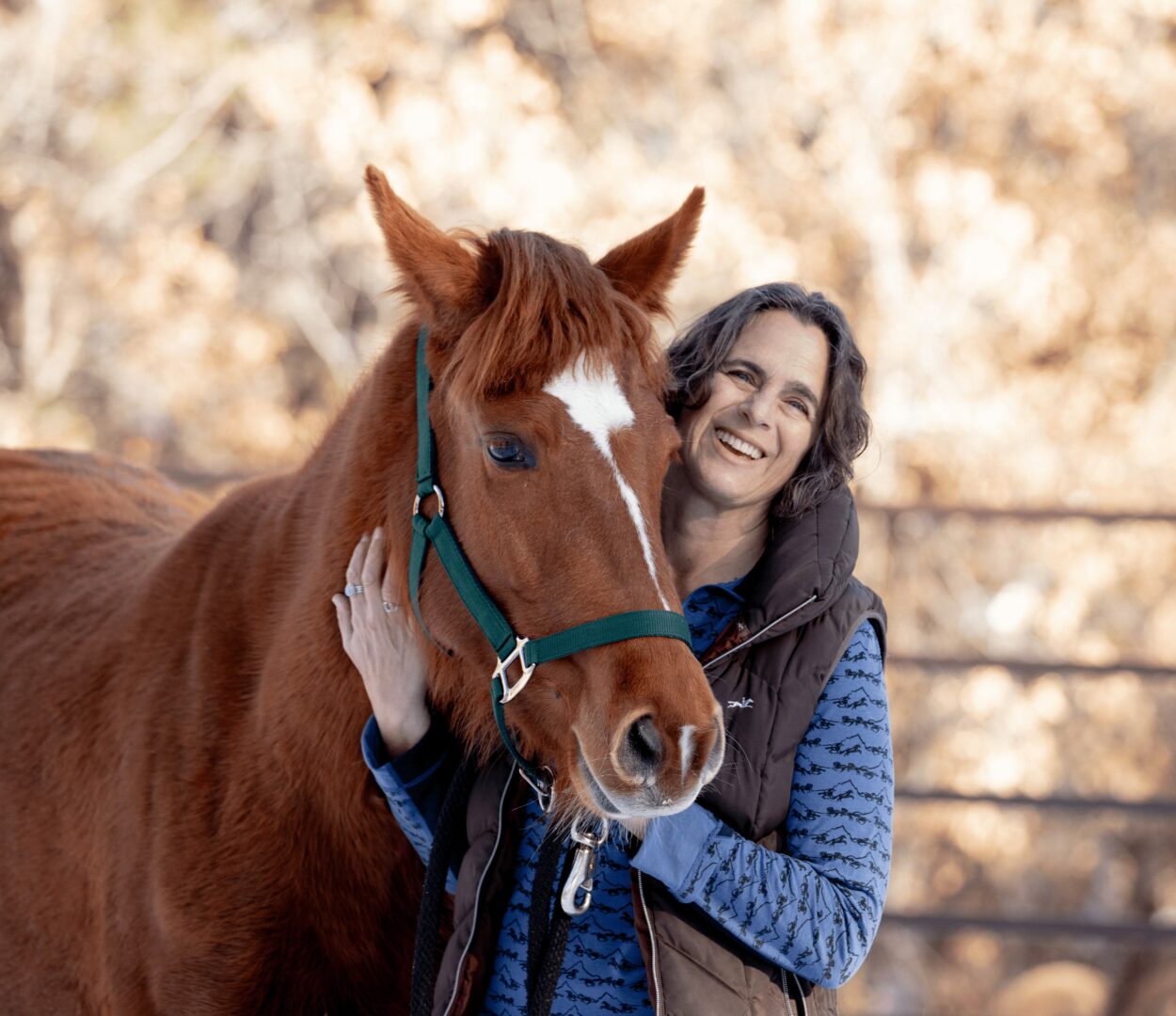
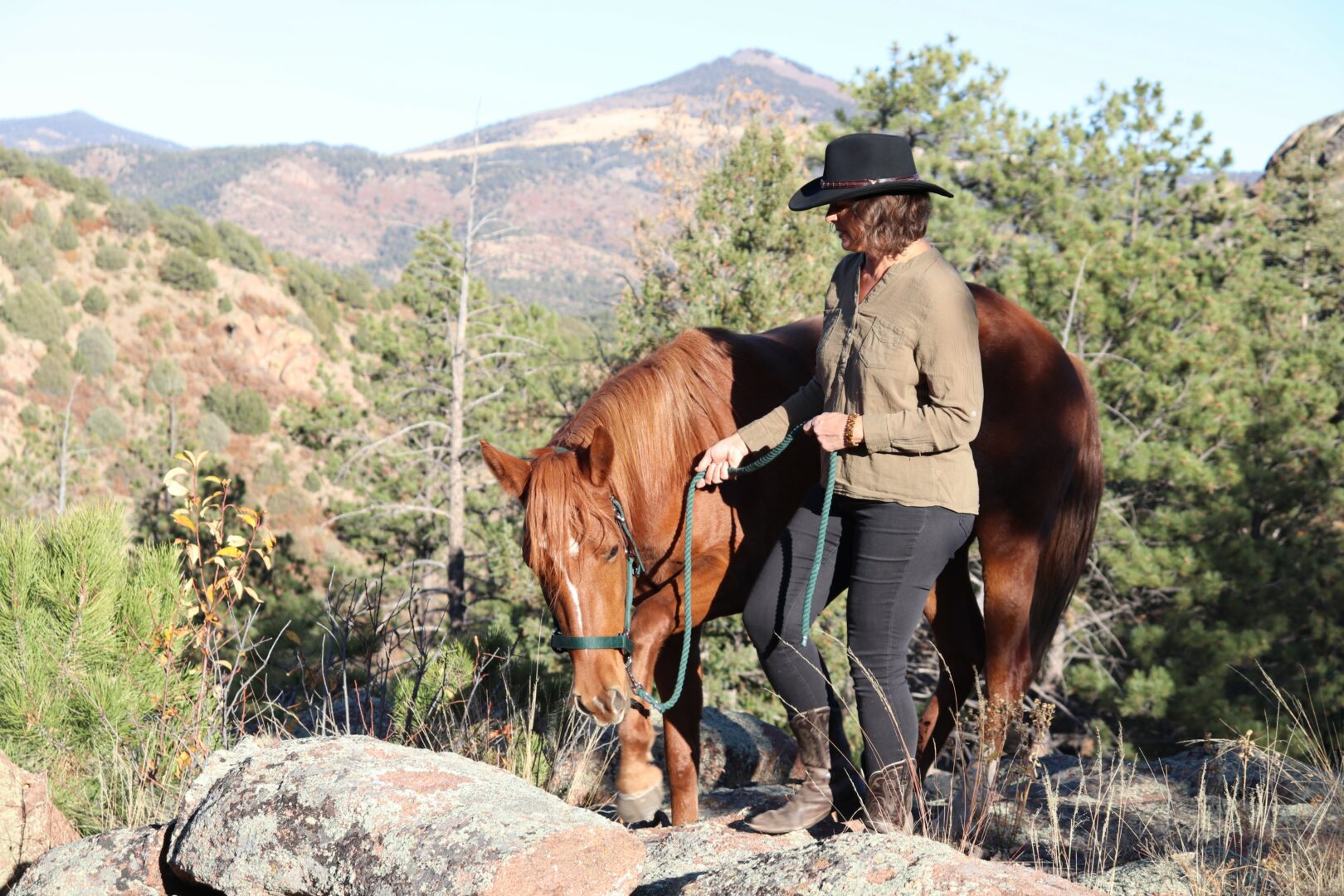
My teachers were a small herd of rescue mustangs. Horses have no interest in how capable you are. They don’t care about your résumé, your degrees, your deadlines, or your ability to hold everything together. They care about congruence—whether your inner world and outer actions are actually aligned. Whether you’re present. Whether you’re regulated.
Slowly, these animals taught me what my nervous system had forgotten: how to settle, how to breathe again, how to feel safe. How to stop achieving my way out of discomfort and start listening to the messages beneath it.
And as I rebuilt myself from the inside out, I realized something profound:
Resilience isn’t the ability to endure more.
It’s the ability to recover faster.
It’s the ability to return to yourself.
I had spent years trying to think my way into resilience, when what I needed was to listen.
Real resilience lives in the body, not the calendar. It’s quiet, grounded, honest. It’s the sense of connection that returns when you stop overriding your own alarms.
Today, my resilience comes from partnership with my body’s wisdom instead of overriding it. From nervous system literacy instead of willpower. From the daily practice of returning to center instead of pushing through. The horses taught me that, and it’s now the foundation of everything I do—both in my own life and in the work I offer others at Mustang Wisdom.

Thanks, so before we move on maybe you can share a bit more about yourself?
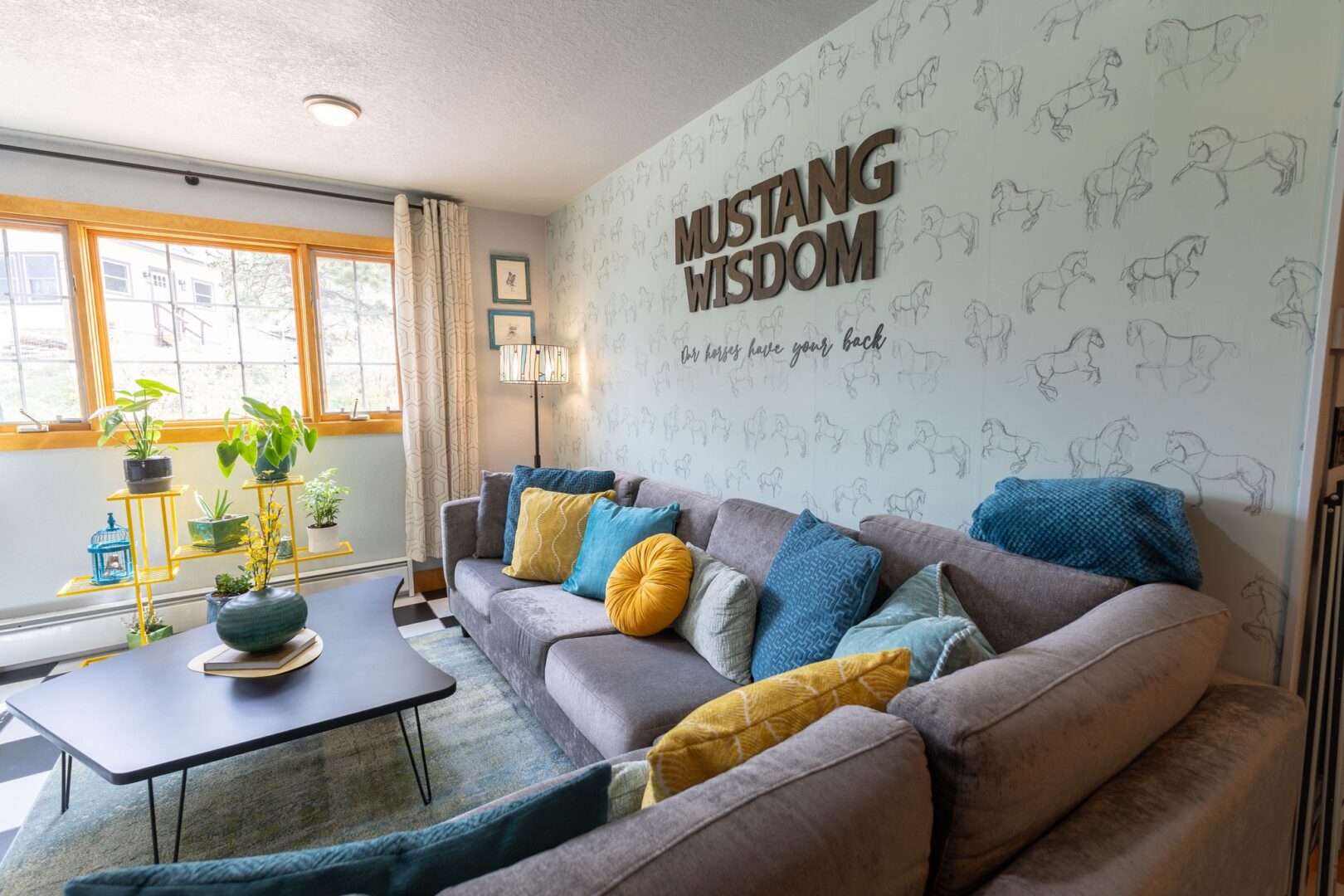
I run Mustang Wisdom on a 65-acre mountain sanctuary in Florissant, Colorado. I created this work for people who are capable, thoughtful, and doing their best—yet feel stretched thin, disconnected, or tired in ways that rest alone doesn’t fix.
I help individuals, couples, families, and teams step out of constant doing and back into presence. Everything I offer—whether it’s a half-day reset or a five-day immersive retreat—centers on one core truth: when the nervous system feels safe, clarity, connection, and creativity return naturally.
My work integrates nervous-system literacy, somatic awareness, research-informed tools, and the honest, regulating feedback of horses. Together, these create experiences that move people out of “fixing mode” and back into embodied connection.
I offer private retreats for individuals who are high-capacity, responsible, and often carrying far more than they realize. Many are outwardly successful but inwardly exhausted. Some guests come for a single afternoon to reset; others stay for a full weekend or longer in our on-site lodging to slow down, listen deeply, and reconnect with what actually matters.
Couples and family intensives create space to move out of reactivity and back into curiosity, warmth, and genuine connection. Through equine-assisted experiences and research-based relationship tools, partners and families learn how their nervous systems interact—and how small shifts in presence can create lasting change.
Leadership and team experiences focus on strengthening communication, ease, and trust. These sessions are as much about laughing together and relaxing together as they are about insight. Horses reveal group dynamics quickly and without judgment—who overfunctions, who withdraws, how pressure is managed—creating a shared language teams can carry into strategic planning and collaboration with more clarity and less tension.
What makes this work different is that it’s not about performance, productivity, or fixing what’s “wrong.” It’s about restoring coherence—between body and mind, intention and action, self and others. The mustangs are central to that process. They respond to presence, not effort. To honesty, not polish. Their feedback helps people recognize patterns that talk alone often misses and experience regulation and connection in real time.
People come to Mustang Wisdom when they’re functioning well but feel disconnected, when they’re tired of pushing through, or when they feel successful on paper but strained in daily life. They want depth, not diagnosis. They sense that something needs to change—but don’t want another thing to optimize.
Right now, I’m especially excited about launching New Year, New Us couples workshops in January. I recently became a certified Gottman 7 Principles Leader, and these workshops bring research-backed relationship tools into an experiential mountain setting where couples can actually practice the skills rather than just learn about them. It’s a winter offering intentionally designed to support reflection, presence, and reconnection.
I’m also expanding partnerships with Colorado tourism organizations like VisitCOS and booking platforms such as GetYourGuide and RetreatGuru, which helps people planning Colorado experiences discover this work. In parallel, I’m pursuing LPC licensure—an investment in expanding my scope of practice and my ability to serve people at deeper levels.
What I’m most proud of is that when I work with clients, I feel a deep sense of peace, regardless of the challenges they bring. That peace comes from knowing I am exactly where I’m meant to be. This work is the embodiment of my own healing—and an invitation for others to find their way back to themselves.
Looking back, what do you think were the three qualities, skills, or areas of knowledge that were most impactful in your journey? What advice do you have for folks who are early in their journey in terms of how they can best develop or improve on these?
Looking back, three qualities shaped my journey more than anything else. None of them were innate strengths. All of them were learned slowly—through friction, disappointment, and paying attention to what didn’t work.
1. Learning to trust my own judgment
Early in my life, I made many decisions by following other people’s advice—especially from people I trusted deeply. I assumed that if someone older or more confident had a strong opinion, they must see something I didn’t.
The problem was that this advice was often very wrong for me. At the time, I didn’t know why—I only knew that following it repeatedly led me into situations that felt constricting, misaligned, or quietly unbearable.
Over time, I began to notice a pattern. Much of the guidance I was receiving wasn’t grounded in objective reality. It was grounded either in fantasy or in fear—fear of risk, fear of scarcity, fear of what might go wrong.
Learning to make my own decisions required more than confidence. It required learning to listen to myself even when it meant disappointing others or stepping away from familiar narratives. It meant choosing clarity over approval.
Once I stopped outsourcing my judgment, I could assess situations more honestly, tolerate uncertainty more effectively, and move forward without needing external validation.
Advice for those early in their journey:
Pay close attention to whose voice you treat as authority. Ask whether their advice is grounded in lived reality—or in fear or wishful thinking. Developing your own judgment takes time, but it’s one of the most stabilizing skills you can build.
________________________________________
2. Comfort with paradox
Some of the most important lessons I’ve learned live in contradiction. You can be capable and overwhelmed. You can be hopeful and grieving. You can love your work and still need to change your life.
For a long time, I believed that clarity required certainty. What I eventually learned is that forcing resolution too early often leads to the wrong decisions. Real movement came when I allowed opposing truths to coexist without rushing to fix or simplify them.
Becoming comfortable with paradox made me more patient—with myself, with others, and with unfolding processes that didn’t move on my preferred timeline. It allowed decisions to emerge from integrity rather than urgency.
Advice for those early in their journey:
When things feel confusing, resist the urge to simplify too quickly. Complexity is not a failure of understanding; it’s often a sign that you’re paying attention. Give yourself permission to hold “both/and” longer than feels comfortable.
________________________________________
3. Determination rooted in hope, not force
Determination mattered—but not the kind fueled by pressure or fear. The determination that sustained me was quieter: a steady refusal to give up on the possibility of something better, even when I didn’t yet know what that looked like.
Hope can sound cliché, but lived hope is practical. It’s what allows you to rest without quitting, to recalibrate without collapsing, and to keep moving forward without hardening.
This kind of hope isn’t about optimism at all costs. It’s about staying oriented toward possibility while remaining honest about difficulty.
Advice for those early in their journey:
Notice what restores your sense of possibility, and protect it. Hope is not naïve—it’s a renewable resource that makes long arcs of change survivable.
________________________________________
A final thought
None of these qualities developed through shortcuts or sudden insight. They grew through lived experience, careful observation, and the willingness to stay present when answers weren’t immediate. Over time, they became less like skills I consciously deploy and more like ways of moving through the world—quietly shaping how I choose, how I relate, and how I move forward.
Tell us what your ideal client would be like?
My ideal clients are people who are functioning well on the surface but quietly carrying more than they realize.
They’re often high-capacity, responsible, and used to being the one others lean on. They show up for their teams, their families, their commitments—and they do it well. From the outside, they look like they have it together. Internally, there’s a persistent sense of strain, disconnection, or exhaustion that rest alone doesn’t touch.
They’re not looking for someone to tell them what’s wrong with them. They’re looking for space to finally listen to what their body has been trying to say.
Many have spent years pushing through, achieving, optimizing—and somewhere along the way, they lost touch with themselves. They may be leading organizations while feeling increasingly isolated, or in loving relationships that have become more transactional than connected. They may be successful by every external measure and still feel something important is missing.
What makes someone an ideal fit isn’t where they are in their life or career—it’s readiness. They sense that something needs to change, but they don’t want another thing to fix or optimize. They’re tired of performing. They’re willing to slow down enough to listen.
For couples, ideal clients still care deeply about one another but feel stuck in patterns they can’t shift on their own. They’re curious rather than defensive, and open to understanding how their nervous systems interact.
For leaders and teams, ideal clients value trust, communication, and coherence—not just outcomes. They want to work together with more ease and humanity, not because something is broken, but because they sense it could be better.
My work is oriented toward alignment, presence, and balance, rather than optimization, status, or performance metrics as ends in themselves.
The people who thrive here aren’t looking to be fixed; they’re ready to return to themselves.
Contact Info:
- Website: https://www.mustangwisdom.com
- Instagram: https://www.instagram.com/mustangwisdom/
- Facebook: https://www.facebook.com/profile.php?id=61553951260380
- Linkedin: https://www.linkedin.com/in/erika-lehmann/

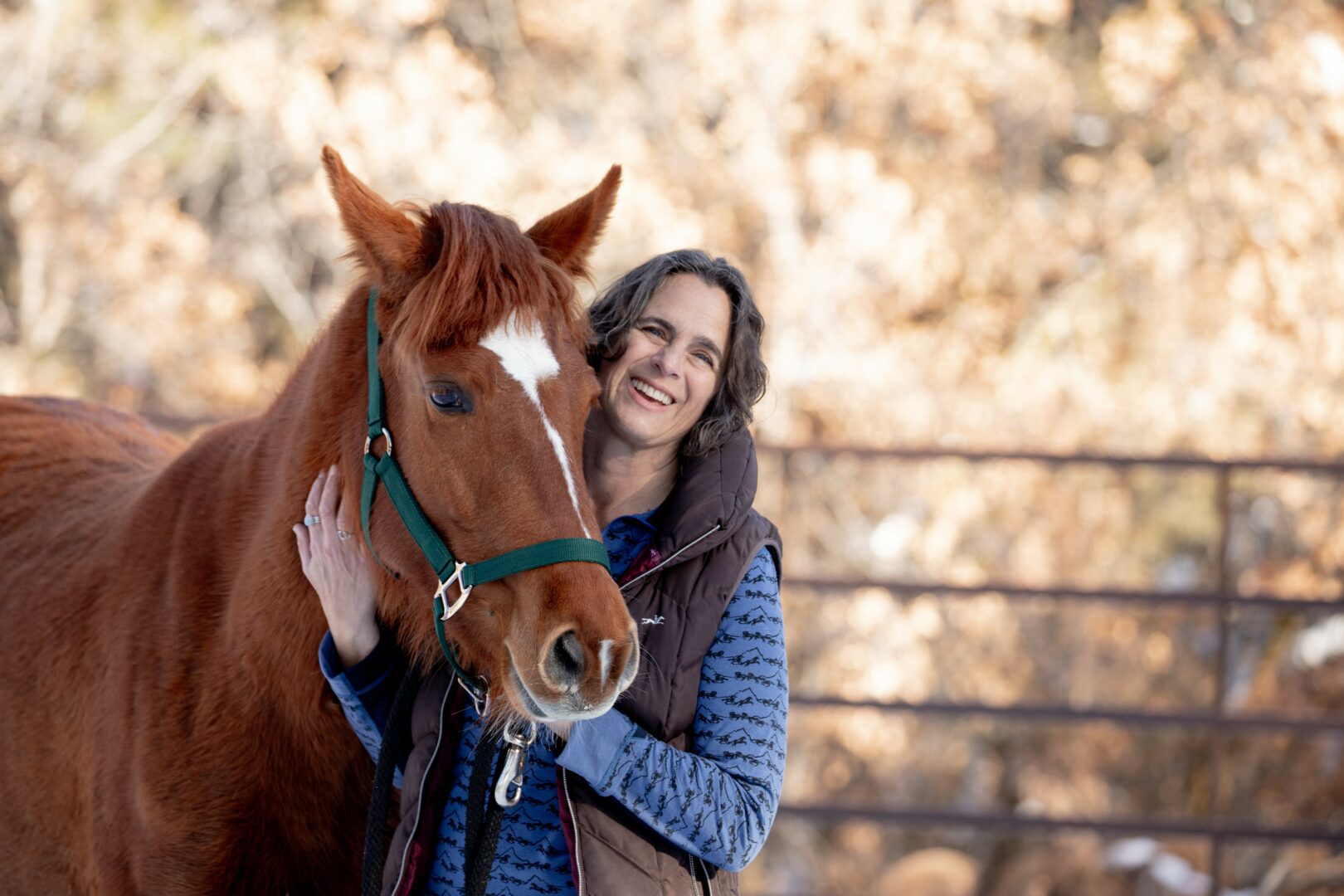
Image Credits
Varleys Photography, LLC (for interior lodging photos)
so if you or someone you know deserves recognition please let us know here.