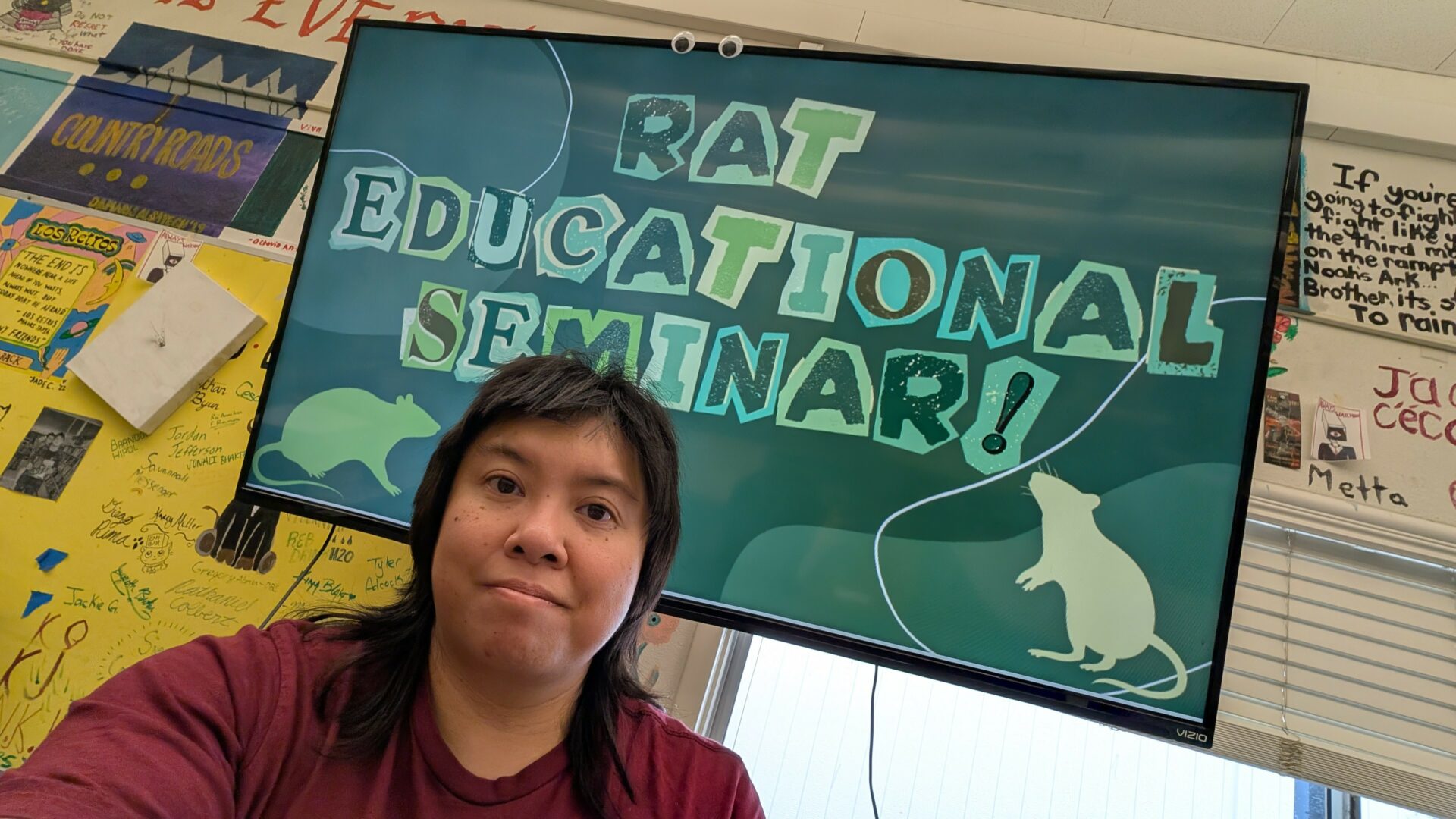
Alright – so today we’ve got the honor of introducing you to Christine Malazarte. We think you’ll enjoy our conversation, we’ve shared it below.
Christine, thank you so much for joining us today and appreciate you talking about a sensitive topic. It’s unfortunately relevant to so many in the community as layoffs have been on the rise recently, and so we’d appreciate hearing your story and how you overcame being let go?
I was laid off recently. In fact, I was one of over 1,000 employees let go from a prestigious four-year private university as part of its sweeping reduction-in-force in 2025, having served as support staff for nearly four years. This was especially difficult for me, as I am also an alumnus of the aforementioned university and have been connected to it for more than half my life. This hurt me both personally and professionally.
This is what I did to get through the ups and downs of an unexpected layoff:
– Remind yourself that, in these types of layoffs, your dismissal had nothing to do with your job competency. Getting blindsided isn’t fun. The people who are making these decisions are looking at metrics and not at the actual people being affected. It will be cold, and it will feel very ruthless. You’ll feel that they specifically chose you, even though they didn’t. As I put it, “Everything was okay, until it wasn’t.”
– If you haven’t been locked out of your access to your work, back things up and take it with you. You may be able to use it for portfolio or work examples. If anything, you have a record of what you’ve accomplished during your time in your position. Save all of your performance reviews. If they were all positive prior to the layoff, it’s a great reminder that none of this was your fault.
– Lean on your friends. Let as many of them know about your situation. Be loud. Be honest. Be vulnerable. Throw your situation up on social media. You’d be surprised who comes out of the woodwork to help you.
– You will feel all of the emotions related to loss. You will grieve the end of your job. You will be angry and resentful. You will wonder if there was anything to change this. Process those feelings and find constructive outlets to let out that energy.
– Keep moving forward. It may feel as if the world may have ended, especially if you really liked that position. Don’t stop doing the things that make you happy. Explore a small project or revisit something that you had to put on the back burner for whatever reason.
– The feeling of panic is natural, especially when you need to find a continuous income. Take a few moments to review any information regarding final paychecks, severance, and other things related to your job separation. Revisit your budget, make a list of needs, and identify what may need to be temporarily paused or cut to ensure you have enough breathing room to plan your next move.
– Take things one day at a time and start with small, attainable goals. Choose 1-2 tasks to complete, and reward yourself with time to breathe when you’re done. Certain tasks may take longer to get around to because you may not be mentally up for it. It doesn’t mean you’re not going to get them done; you just need the space for yourself to get back into a position to do those things.
– Separate yourself from the tangible objects that remind you of the old position and hide them away for a while. In my case, anything that reminded me of my time at the university, whether as a student or an employee, went into boxes and bags. I don’t know when I’ll pull them out, if ever. Some things were donated to charity. I unsubscribed from any alumni correspondence or event newsletters. For now, I don’t even want to think about the place, and that has brought me a level of peace and clarity.
– If possible, seek mental help. A good therapist will assist in processing the stress and anxiety related to the job loss and provide tools to help with the healing process.
Great, so let’s take a few minutes and cover your story. What should folks know about you and what you do?
When I’m not searching for new career opportunities in educational technology, higher education, and other personal interests, I run South Bay Rodent Rescue Inc., the only 501(c)(3) small animal rescue dedicated to domestic rats and mice, in Los Angeles County. This was a passion project that I began in 2019 to fill a need for an advocate for these creatures.
I’m also continuing my long-time freelancing as a videographer, photographer, IT support professional, and rideshare driver. In between all that, I’m exploring creative projects rooted in my life experiences and providing guidance and mentorship to others.
And when I’m not doing any of that, I’m on my motorcycle riding to far away places while seeking adventures and peculiar destinations. As an accomplished long-distance motorcyclist with over 20 years of experience, I recently mentored five fellow riders who were new to this style of motorcycle travel, completing a Iron Butt Association California In-State SaddleSore 1000 in September 2025. This a fully documented ride that required us to travel 1000+ miles in 24 hrs. I included an additional challenge of visiting all 10 IKEA stores in the state in the process. (We dubbed this ride the “SaddleSore 1kEA” as a result.) To add to the fun, three of the five riders were on scooters, with two of them on rides with engines smaller than 300cc. It was a daunting task that we completed with minutes to spare, and my masterclass in project management.
If you had to pick three qualities that are most important to develop, which three would you say matter most?
Based on my experience navigating this reduction-in-force, the three most impactful qualities were Emotional Resilience (Self-Preservation), Strategic Pragmatism, and Professional Vulnerability.
Emotional Resilience & Self-Preservation: This was the ability to intellectually separate my self-worth from the business decision. Understanding that “metrics, not people” drove the decision allowed me to grieve without internalizing the layoff as a personal failure of competency. It also gave me the strength to set hard boundaries to protect my peace and mental clarity.
Strategic Pragmatism: While emotions ran high, the skill of immediate, practical execution was vital. This involved the foresight to secure my portfolio and performance reviews before losing access, the discipline to immediately re-evaluate my budget, and the project-management mindset to break the overwhelming task of “finding a job” into small, daily attainable goals.
Professional Vulnerability: Perhaps the most surprising skill was the ability to be “loud” and honest about my situation. Instead of retreating in shame, I leaned into my network and shared my struggle publicly. Being open about the loss and the anger allowed friends and colleagues to step up and support me, rather than me suffering in silence.
For those just starting their careers or who haven’t experienced the layoff process, here are some tips to be prepared for this:
Diversify your identity. Do not let your job title become your entire identity. Early in your career, it is tempting to pour everything into your employer, especially a prestigious one. Resist that. Cultivate hobbies, side projects, and passions that have nothing to do with your paycheck. Be more than a “one-trick pony” and strive to shine in various aspects of your personal and professional world. If your job goes away, that extra work you put in something completely different may be the extra tools in your back pocket that you can pull out.
Be pragmatic and practice “Career Hygiene.” Don’t wait for a layoff notice to organize your professional life. Did something super cool at work? Save the evidence. Keep a personal folder (digital, physical, or both) where you log every win, positive performance review, and major project.
Know your numbers. Always have a rough idea of your “survival budget.” Financial literacy reduces panic when your regular income stream stops.
Build your “personal village” early. Cultivate genuine relationships with people. Be helpful to others now. Connect with people on a human level. When you are early in your journey, do what you can to figure things out, but don’t be afraid to seek assistance. Learning to be vulnerable and asking for advice now makes it much easier to ask for help later when the stakes are higher.
What do you do when you feel overwhelmed? Any advice or strategies?
1. Combat Panic with Concrete Facts Overwhelming feelings often stem from the unknown. Gather immediate information in regards to the situation you’re facing. This works because it turns a vague, terrifying monster into a solvable math problem, giving you some room to breathe.
2. Shrink the Horizon (The “1-2 Tasks” Rule)
Focused only on the immediate present until you’re ready to revisit the entire picture. Respect your energy. It is okay not to be okay. Take the time you need to return to the mindset that made you awesome to begin with.
3. Enforce Physical Boundaries
Sometimes you cannot think clearly because your environment is screaming at you. Remove the tangible reminders. Detox yourself from media reminders of what caused you the stress. Separating yourself from these things brings peace and clarity.
4. Externalize the Pressure
Let the energy out. Be vulnerable. Tell your friends and family about what you’re going through. Choose to process anger and grief rather than suppressing it. Get mental help.
In summary: Rome wasn’t built in a day, and neither was your career. Huge issues like this cannot be resolved in one go. Taking small steps will get you back to a better state of mind and being.
Contact Info:
- Website: https://www.southbayrodentrescue.org
- Instagram: @southbayrodentrescue
- Linkedin: https://www.linkedin.com/in/christinemalazarte/
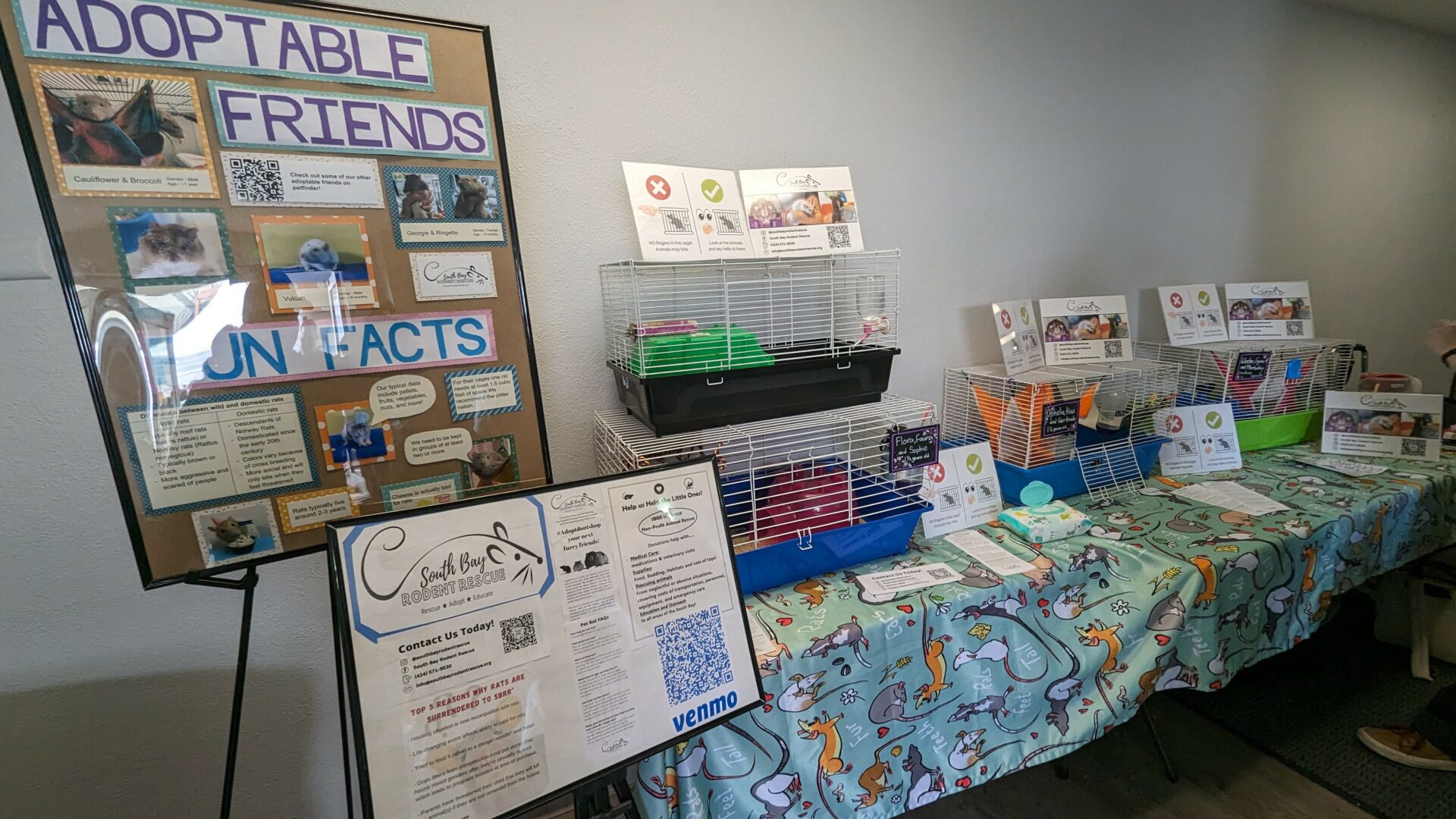

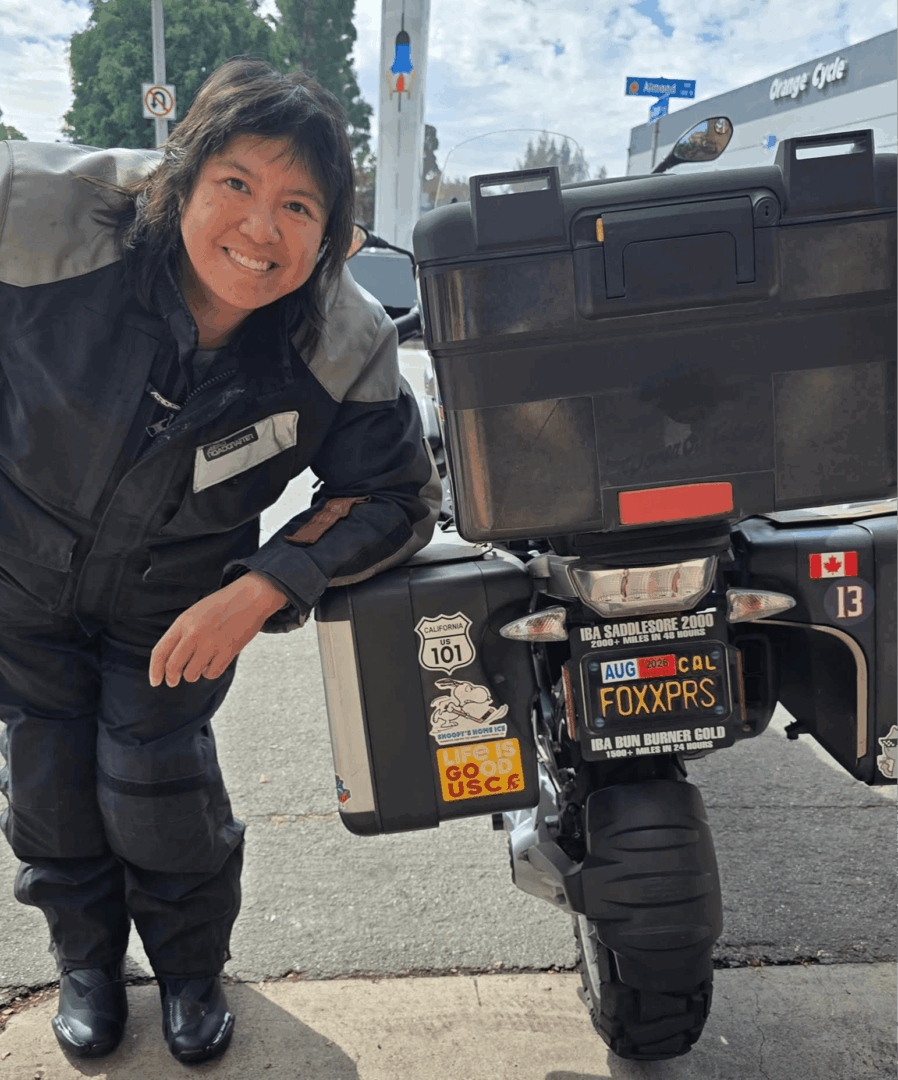

Image Credits
Christine Malazarte