We recently had the chance to connect with Jamielynn De Leon and have shared our conversation below.
Hi Jamielynn, thank you for taking the time to reflect back on your journey with us. I think our readers are in for a real treat. There is so much we can all learn from each other and so thank you again for opening up with us. Let’s get into it: What are you being called to do now, that you may have been afraid of before?
For a long time, my mission has been to impact the beauty industry in a meaningful, systemic way—not just behind the chair, but through education, leadership, and innovation. I’ve realized that to truly create that level of change, I can’t stay small or quiet. I need to build a massive audience and allow my brand to be seen globally.
What I’ve been afraid of in the past is the loss of privacy that comes with growth. As your name expands and your work gains exposure, all eyes are on you, and there’s no hiding behind the scenes anymore. That vulnerability used to feel intimidating.
But now I understand that visibility is the price of impact. If my work is meant to help transform an industry, empower salon owners, and create new opportunities for others, then being seen isn’t a risk—it’s a responsibility. I’m choosing to catch the momentum instead of resisting it, and to lead boldly even when it feels uncomfortable.
Can you briefly introduce yourself and share what makes you or your brand unique?
I’m Jamielynn De Leon—a hairstylist turned serial entrepreneur who has spent over two decades inside the beauty industry, first behind the chair and now redefining how beauty professionals build authority, income, and longevity.
I’m the founder of Rogue House Salon in New York City and the creator of Ditch the Front Desk, a modern salon management philosophy born from lived experience. After years of watching salon owners burn out under administrative overload, I developed a system that replaces the traditional front desk with virtual live receptionists—allowing owners to reduce overhead, reclaim their time, and operate with clarity and control.
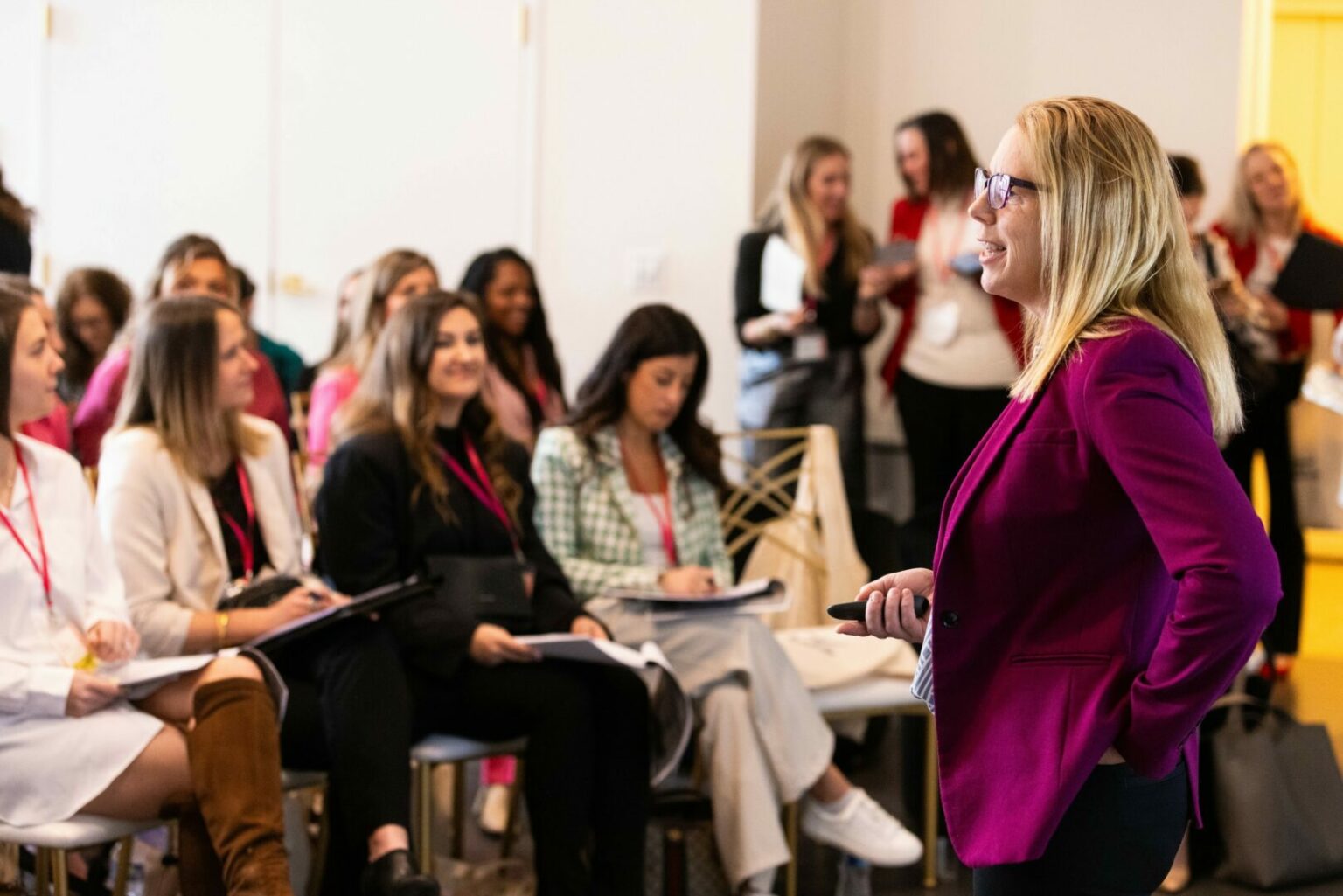
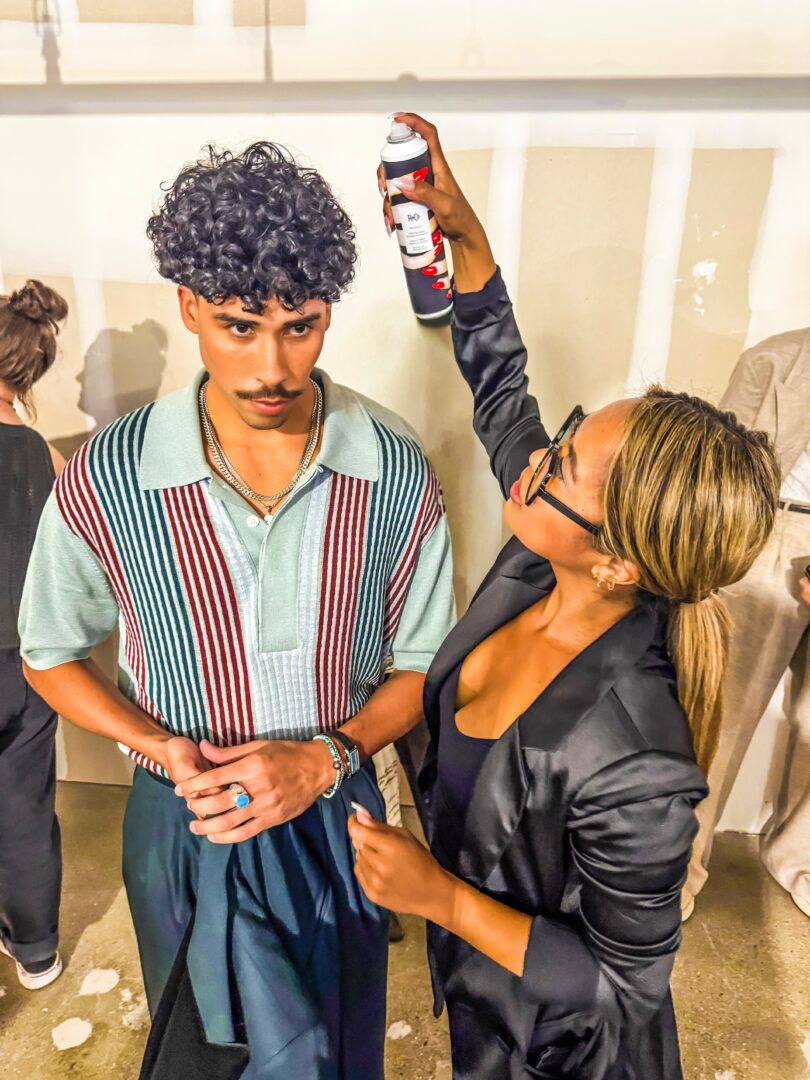
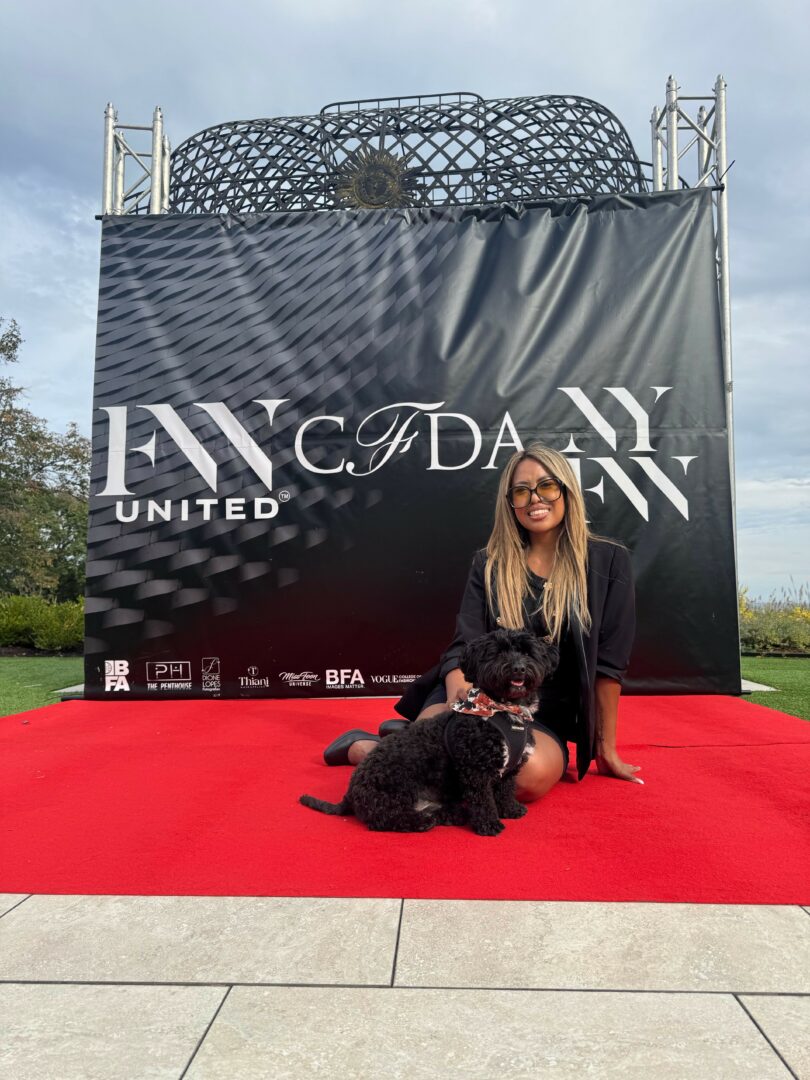
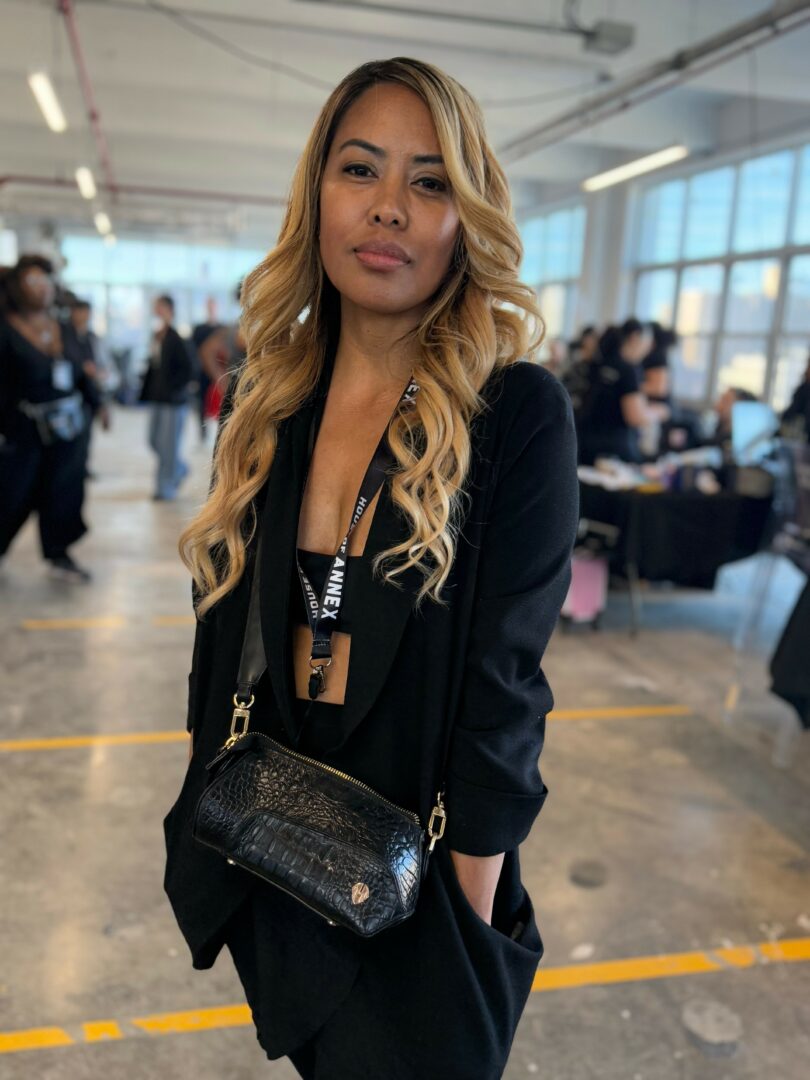
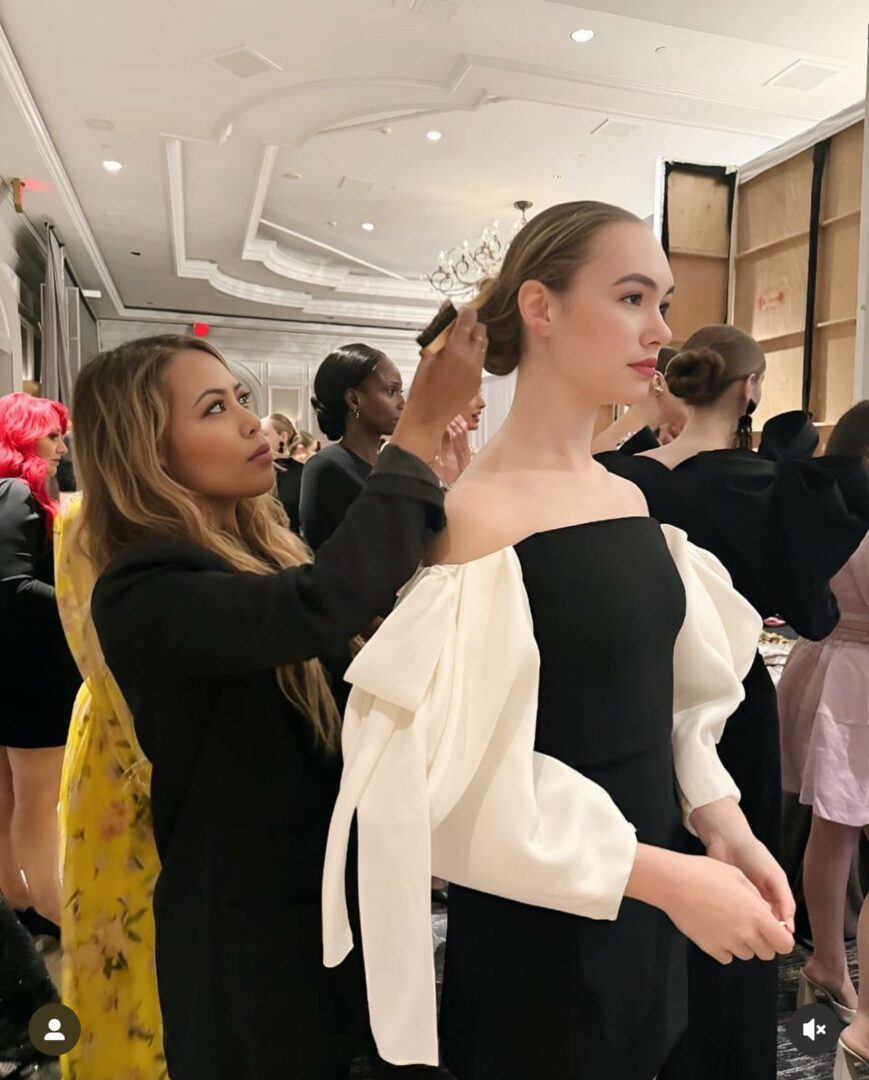
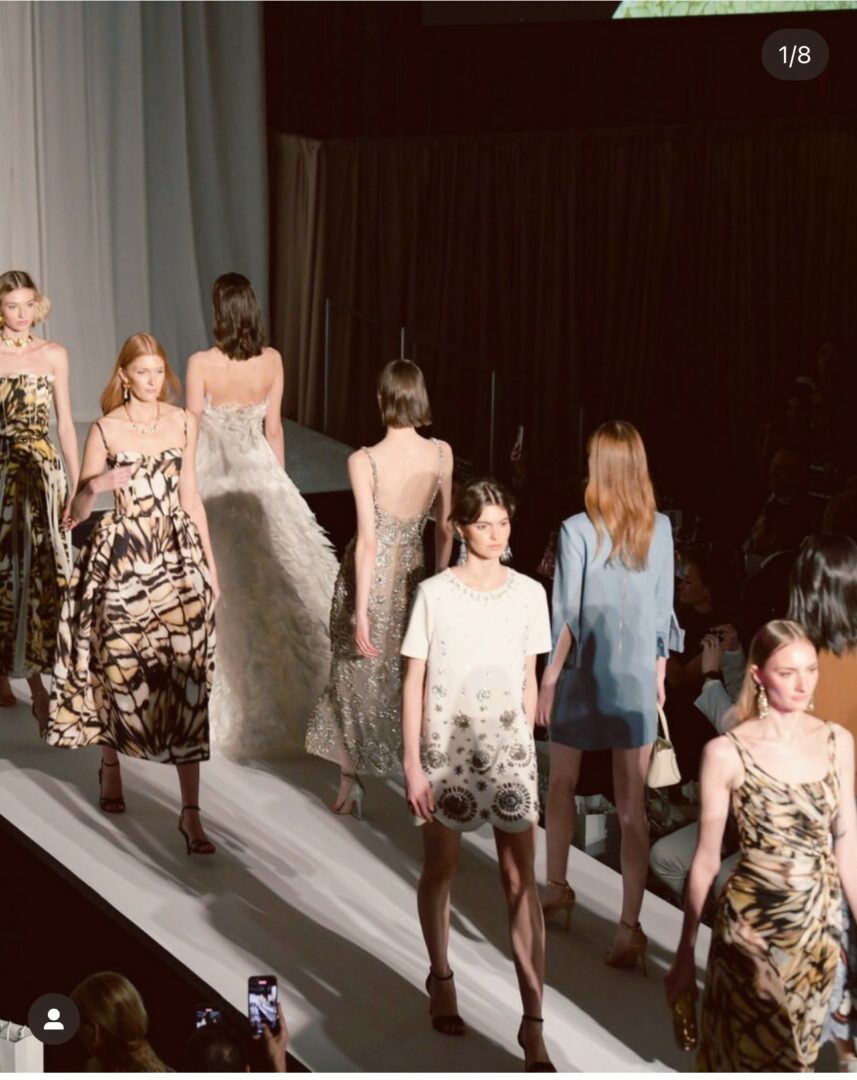
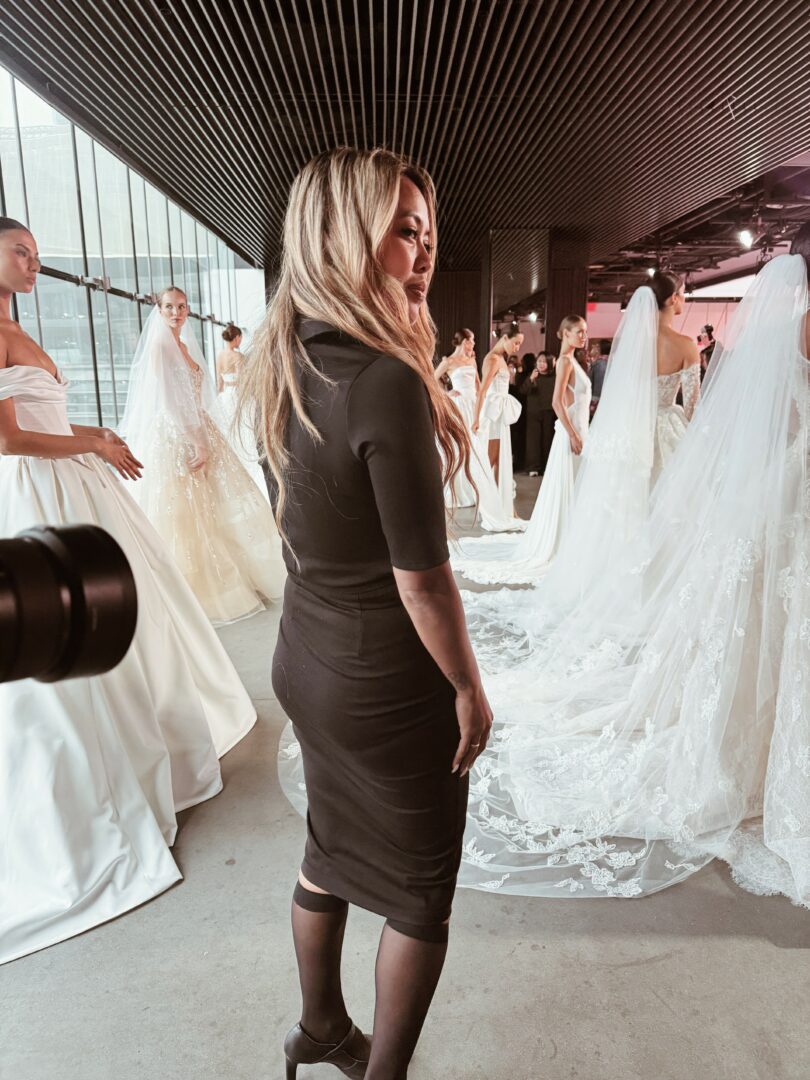
I’m also the founder of House of Annex, a runway firm that establishes hairstylists and makeup artists as industry authorities by providing access to high-end fashion shows and editorial-level opportunities. Through House of Annex, beauty professionals step into visibility, credibility, and creative leadership within the fashion world—often for the first time.
Across all of my work, the common thread is disruption through innovation. I create new products, systems, and pathways that challenge outdated beauty-industry models—whether that’s how salons are run, how creatives are positioned as experts, or how careers are built beyond the chair.
My work sits at the intersection of beauty, leadership, and business systems, and has been featured in Forbes, Business Insider, Glossy, NYC Journal, Entrepreneurs Herald, and The Today Show. At my core, I’m driven by impact. I believe beauty professionals deserve businesses and careers that support their lives—not consume them—and my mission is to build the tools and opportunities that make that possible on a global scale.
Appreciate your sharing that. Let’s talk about your life, growing up and some of topics and learnings around that. What part of you has served its purpose and must now be released?
Before the world defined me by a title, I was a business owner in spirit from a very young age. Some of my earliest memories involve playing with a cash register—it was my favorite toy. I loved the ching ching not just for the sound, but for what it represented: exchange, value, and building something of my own. Even as a child, I was drawn to the idea of creating and leading.
Hairdressing became my entry point into the beauty industry, but it was never the final destination. As I grew from hairstylist to booth renter, I began to see myself differently. The conversations I had behind the chair consistently reflected back what I hadn’t fully claimed yet—that I was meant to own a salon and lead others. When the timing aligned, stepping into salon ownership felt less like a leap and more like a return to who I already was.
I fully stepped into my truest self when I realized my role wasn’t just to serve clients, but to support hairstylists, build teams, and operate businesses at a higher level. Once I truly understood what business could be, my vision expanded beyond one salon. I felt called to impact entire communities and, ultimately, the beauty industry as a whole.
Before the world told me who I had to be, I was already becoming a builder, a leader, and a creator of systems that allow others to thrive.
What have been the defining wounds of your life—and how have you healed them?
One of the most defining moments of my life came during the reopening of my salon after COVID. Like many business owners, I was already navigating uncertainty, rebuilding systems, and leading through exhaustion. Shortly after reopening, my salon was robbed. Not long after that, I suffered a traumatic brain injury.
In a short span of time, my sense of safety, control, and physical capacity was shaken. I couldn’t operate the way I always had, and I was forced to confront a hard truth: the traditional way I was running my business depended too heavily on me being physically present and cognitively “on” at all times.
That moment became the birth of what is now Ditch the Front Desk.
Because I couldn’t be everywhere at once, I leaned fully into the systems and frameworks I had already been building—virtual reception, documented workflows, and operational clarity. My virtual receptionist, guided by my frameworks, managed my salon when I couldn’t. Appointments were booked, clients were cared for, and the business continued to operate—even while I was healing.
What felt like a breaking point became a breakthrough. That experience fundamentally changed how I view leadership, resilience, and sustainability. I realized that true strength isn’t about doing everything yourself—it’s about building systems that support you when life inevitably happens.
Healing, for me, came through redesigning my business in a way that honored both ambition and humanity. Ditch the Front Desk wasn’t just a business innovation—it was a survival strategy that saved my salon, protected my recovery, and ultimately became a model I now share with salon owners around the world.
So a lot of these questions go deep, but if you are open to it, we’ve got a few more questions that we’d love to get your take on. Is the public version of you the real you?
The public version of me is rooted in who I genuinely am: a builder, a leader, and someone deeply committed to creating impact in the beauty industry. What people see publicly is my clarity, my vision, and the systems I’ve built through years of lived experience.
What’s often unseen is the private work—the healing, the self-reflection, and the moments of uncertainty that shaped that confidence. I don’t share every chapter in real time, but I don’t fabricate any part of my story either. My public presence is the result of integration, not performance.
As I’ve grown, I’ve learned that authenticity doesn’t require full exposure—it requires alignment. The values guiding my work privately are the same ones driving my work publicly: integrity, responsibility, and service. As my platform expands, I’m intentional about sharing from a place of wholeness, not reaction.
So yes, the public version of me is real—but it’s the version that’s grounded, intentional, and focused on impact.
Okay, so before we go, let’s tackle one more area. What is the story you hope people tell about you when you’re gone?
hope they say I changed the way the beauty industry works—not just how it looks.
I want the story to be that I saw a broken system and chose to rebuild it. That I helped beauty professionals move from burnout to ownership, from survival to sustainability, and from being overworked to being empowered. Through the salons I built, the systems I designed, and the platforms I created, I showed an industry what was possible when creativity was supported by structure.
I hope they remember that Ditch the Front Desk wasn’t just a business model—it was a mindset shift. It proved that salons could scale without sacrificing humanity, that leaders didn’t have to be physically present to be powerful, and that innovation could protect both profit and people.
I want my legacy to live on through the thousands of salon owners, hairstylists, and makeup artists who built better lives because they were given tools, access, and belief. Through high-end fashion opportunities, operational systems, and education, I helped creatives step into authority, visibility, and leadership on a global level.
Most of all, I hope they say I led with courage—that I disrupted an industry not for recognition, but for impact. And that long after my name is no longer mentioned, the systems, freedom, and confidence
Contact Info:
- Website: https://www.jamielynnjj.com/
- Instagram: https://www.instagram.com/jamielynnjj
- Linkedin: https://www.linkedin.com/in/jamielynnjj
- Facebook: https://www.facebook.com/jamielynndeleonoffical/
- Youtube: https://Www.YouTube.com/jamielynnjj
- Other: https://Www.diaryofasalonowner.me
so if you or someone you know deserves recognition please let us know here.