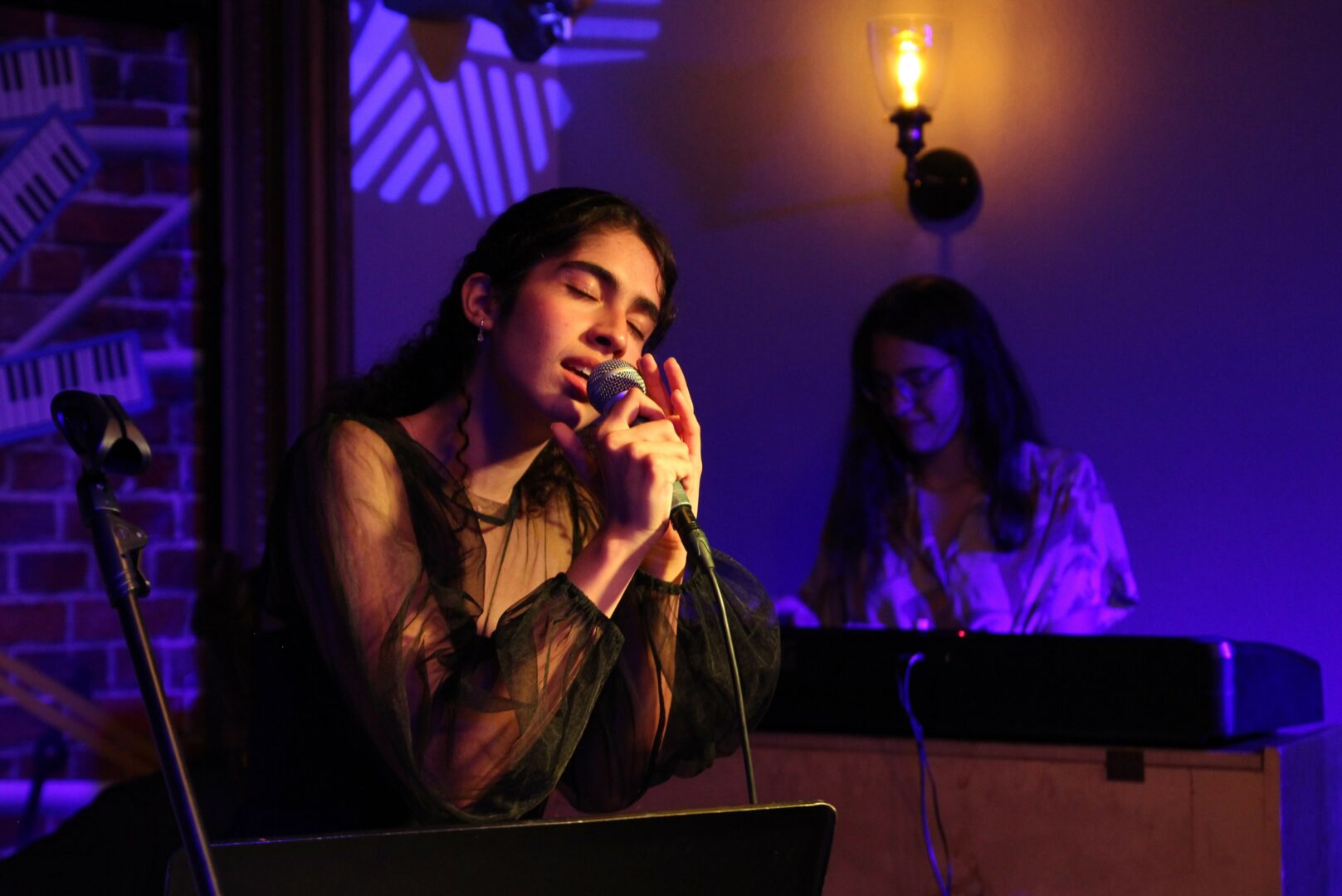
We’re looking forward to introducing you to Rozhina Rajabloo. Check out our conversation below.
Rozhina, we’re thrilled to have you with us today. Before we jump into your intro and the heart of the interview, let’s start with a bit of an ice breaker: What is something outside of work that is bringing you joy lately?
Lately, there are a few things outside of work that have been grounding me and bringing me real joy. One of them is yoga. It helps me turn inward instead of constantly reacting to everything happening around me. I feel like we’re surrounded by noise and urgency all the time, and it’s so easy to move through life without pausing to reflect on what actually matters to us. Yoga gives me that pause. It brings me peace of mind, but also movement and stretch that help my body feel better, and I’ve learned that the state of my body directly affects my mental and emotional state. Caring for my body feels like caring for the part of me that carries everything else.
Another thing I’ve been enjoying is drawing what’s around me; sketching through a café window, drawing flowers in a vase, or whatever happens to be in front of me. It makes me notice details I would normally miss, and it feeds my creativity in a very gentle way. I simplify shapes, change perspectives, shift angles, and allow myself to interpret rather than copy. For a long time, I was afraid to draw freely. I felt like I had to replicate things exactly because I didn’t trust my instincts. Letting go of that has been really freeing. It’s allowed me to express more honestly and be less afraid of experimenting, which has also started to influence my music and artistry.
Reading has always been part of my life, but recently I’ve returned to it with more intention, especially reading Iranian authors. I want to reconnect with my mother language and culture and learn through them. Having left my country at a young age, I slowly lost confidence and even felt unqualified to speak my own language. Instead of avoiding that fear, I decided to lean into it, spending time with the language, exploring it more deeply, and letting it shape my perspective and my music again.
Can you briefly introduce yourself and share what makes you or your brand unique?
I am an Iranian-born composer and vocalist currently based in Boston, where I study composition at Berklee College of Music on a full scholarship. My musical training began with violin and piano, and later expanded to voice. Music has remained a constant presence in my life, shaping both how I think and how I relate to the world, even during periods when I was not formally studying it.
Having lived and studied across different countries, my artistic perspective has been shaped by movement, cultural displacement, and the ongoing process of redefining what “home” means. These experiences inform my work both thematically and sonically. I am drawn to exploring the space between traditions, allowing influences from classical music, contemporary and popular styles, jazz, and Middle Eastern sound worlds to coexist naturally, rather than feeling the need to commit to a single genre or identity.
At the core of my practice is a commitment to honesty, depth, and artistic integrity. I approach music as a form of inquiry and reflection rather than something driven by visibility or trends. I am interested in developing a voice that feels grounded in my values and inner world, even if it evolves slowly over time.
Currently, my focus is on expanding my compositional language, exploring new instrumental and vocal possibilities, and creating work that feels intentional, meaningful, and true to my lived experience. I view my artistic path as a long-term process, one that prioritizes substance, curiosity, and authenticity over immediacy, and I am committed to allowing my work to unfold at its own pace.
Amazing, so let’s take a moment to go back in time. What did you believe about yourself as a child that you no longer believe?
As a child, I unconsciously believed that I didn’t need to put in consistent effort to improve. That doing something “good enough” was enough. I would do just enough practice to get through my classes, often cramming everything into an hour right before. While that worked in the short term, I never learned the value of sustained attention and daily dedication.
I regret not understanding sooner how much growth comes from small, regular steps. Now I know that even a little effort every day compounds over time in ways that last-minute work never can. I try to move toward my goals daily, even if the step is small, instead of waiting for pressure or deadlines. That ongoing process, both conscious and unconscious, is far more valuable for me than doing something just well enough at the last moment.
What did suffering teach you that success never could?
Suffering taught me that I won’t succeed every time, and that this doesn’t mean I should stop or hold myself back. It doesn’t automatically mean I’m not good enough. Even when something doesn’t work, the answer isn’t retreating; it’s continuing, learning, and refining.
It also taught me that external success isn’t always aligned with what feels true. Something may not be perceived as successful by the outside world, but if it’s deeply connected to my values, that doesn’t make it wrong or insignificant. The definition of success today is often distorted by social expectations, and those expectations can pull us far from our real path.
When I feel like I’ve failed, I ask myself: if no one was watching, if there were no expectations, would I still feel at peace with what I made? If the answer is yes, I stay with it. What’s true to me is what I would continue doing even if no one was looking.
Alright, so if you are open to it, let’s explore some philosophical questions that touch on your values and worldview. What’s a belief or project you’re committed to, no matter how long it takes?
I’m committed to creating work that reflects my values, ideas, and evolving voice, even if it takes a long time to fully take shape or to be heard. I care far more about meaning and depth than speed, visibility, or immediate recognition. What matters to me is being able to look back one day and feel fulfilled, knowing that what I created was intentional and deeply connected to who I was at each stage of my life.
Creating work that is meaningful to me also brings meaning to my life. Because of that, I’m careful not to create in response to trends, social expectations, or the promise of larger audiences or opportunities if they don’t align with my values. I believe in allowing my voice to develop at its own pace, even when that path is slower or less visible. I’m willing to take the long route if it means my work remains grounded, thoughtful, and reflective of what I genuinely care about.
Okay, we’ve made it essentially to the end. One last question before you go. When do you feel most at peace?
I feel most at peace when I settle into a gentle, calm routine, something that makes me feel at home. Simple things like ten minutes of yoga, a small skincare routine, or tidying my room before sleep have a surprisingly strong effect on me. I used to think I wasn’t a routine person at all, since I didn’t like planning or daily practice, but I’ve realized that repetition doesn’t have to be strict to be grounding.
Walking in the evenings, reading a few pages every day, going to the same café on weekends; these small, repeating patterns make me feel safe and settled. I think part of this comes from my childhood being largely unpredictable; moving between countries, studying abroad, immigrating, and constantly adapting. Feeling at home was always difficult.
Now I find peace in patterns that repeat softly and differently each day. They give me a sense of belonging, like I’m finally building a home from the inside.
Contact Info:
- Instagram: https://www.instagram.com/rozhina_rajabloo/
- Facebook: Rozhina Rajablou
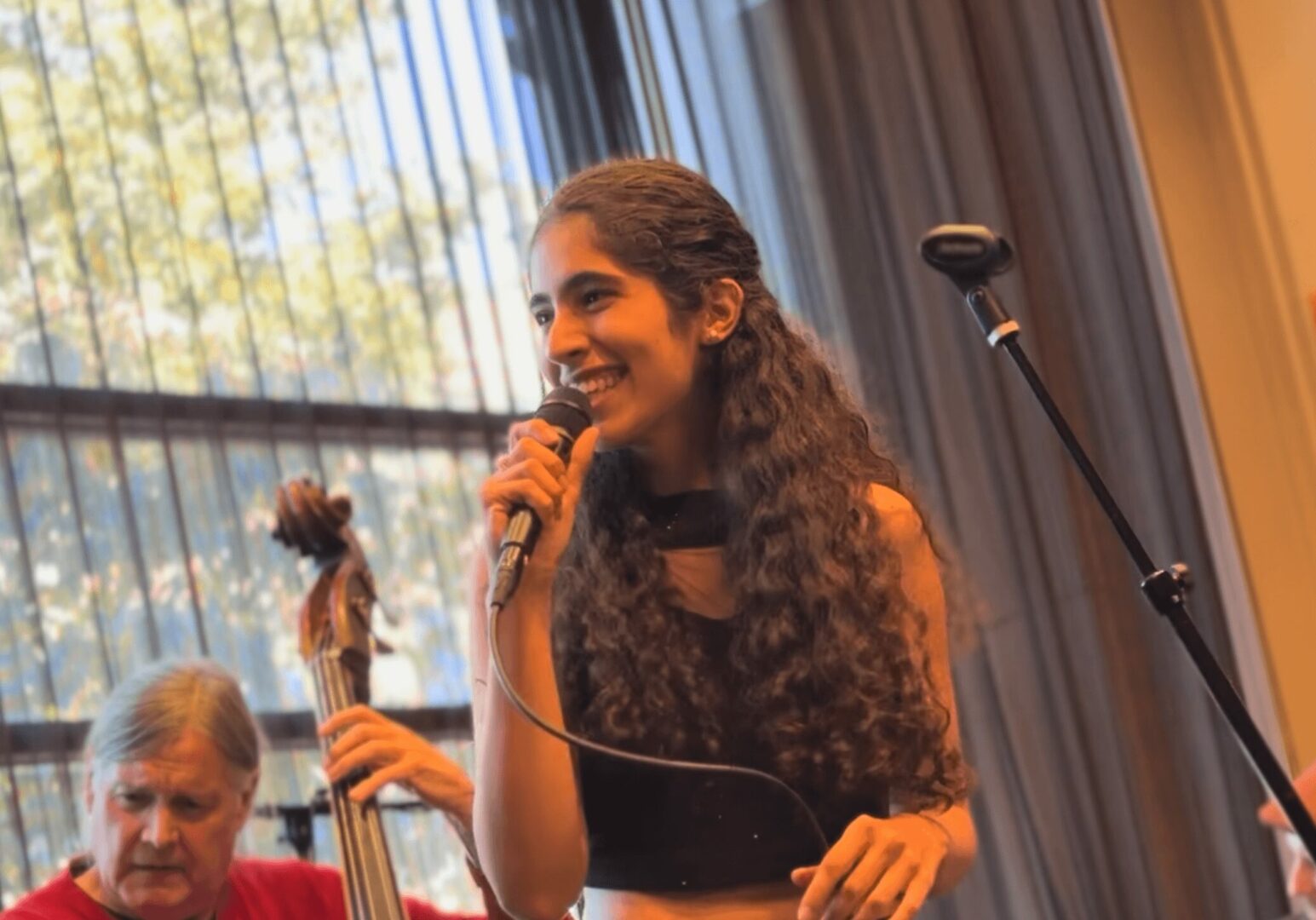
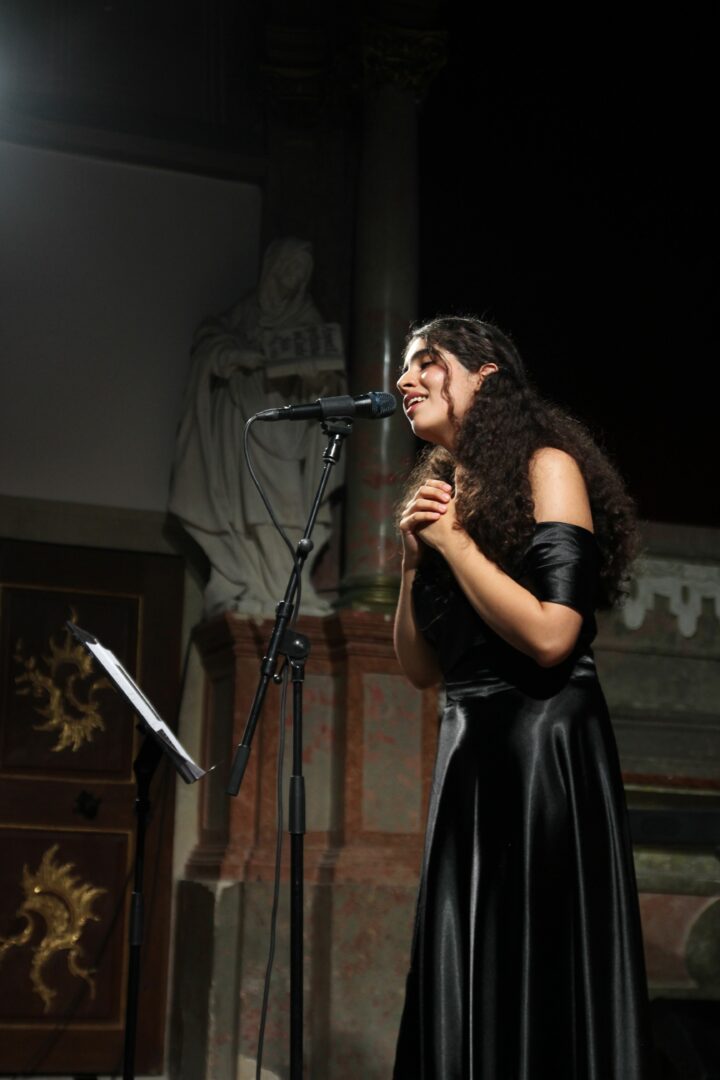
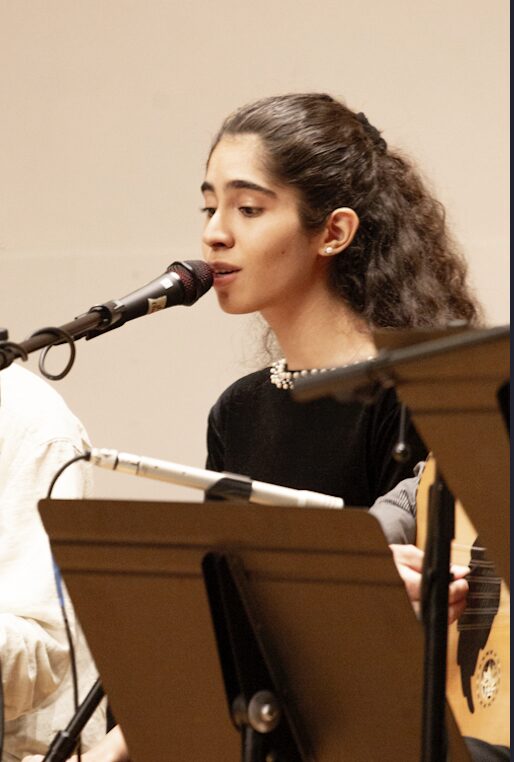
Image Credits
Alireza Khodayari
Martin Abelovský
Brandon Perdomo
so if you or someone you know deserves recognition please let us know here.