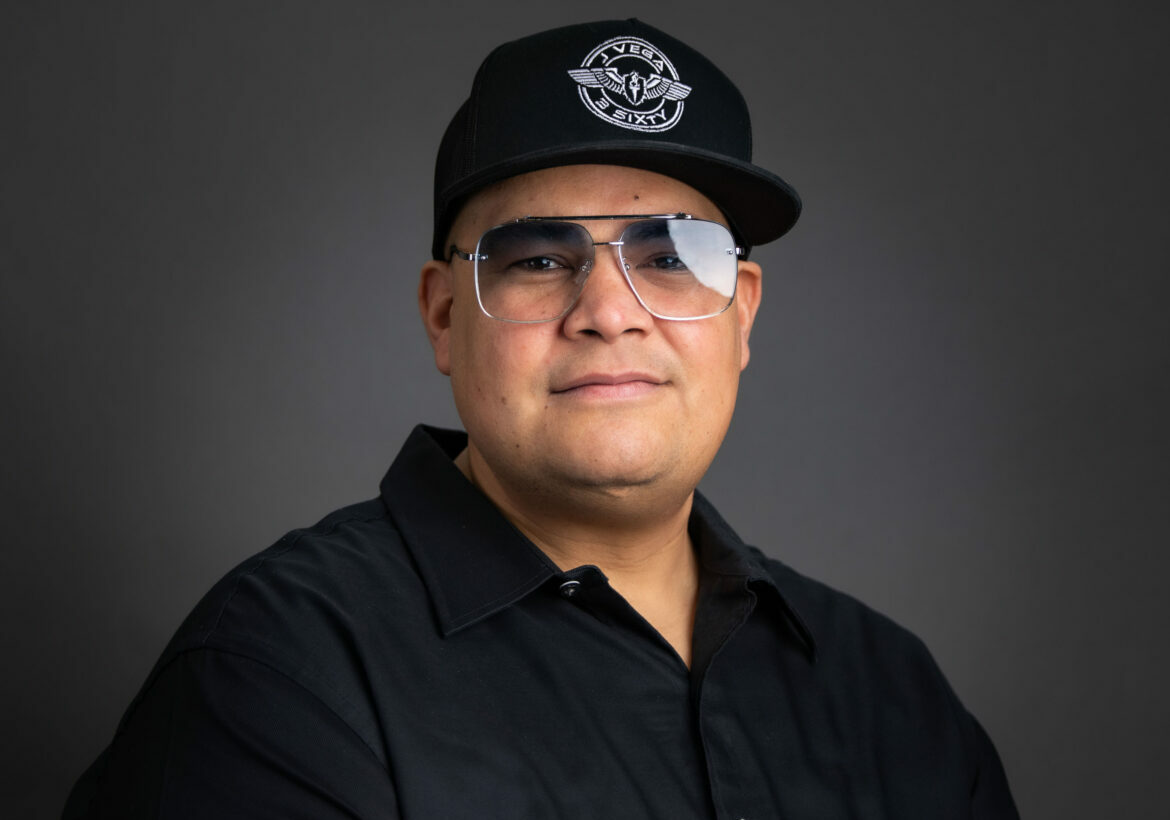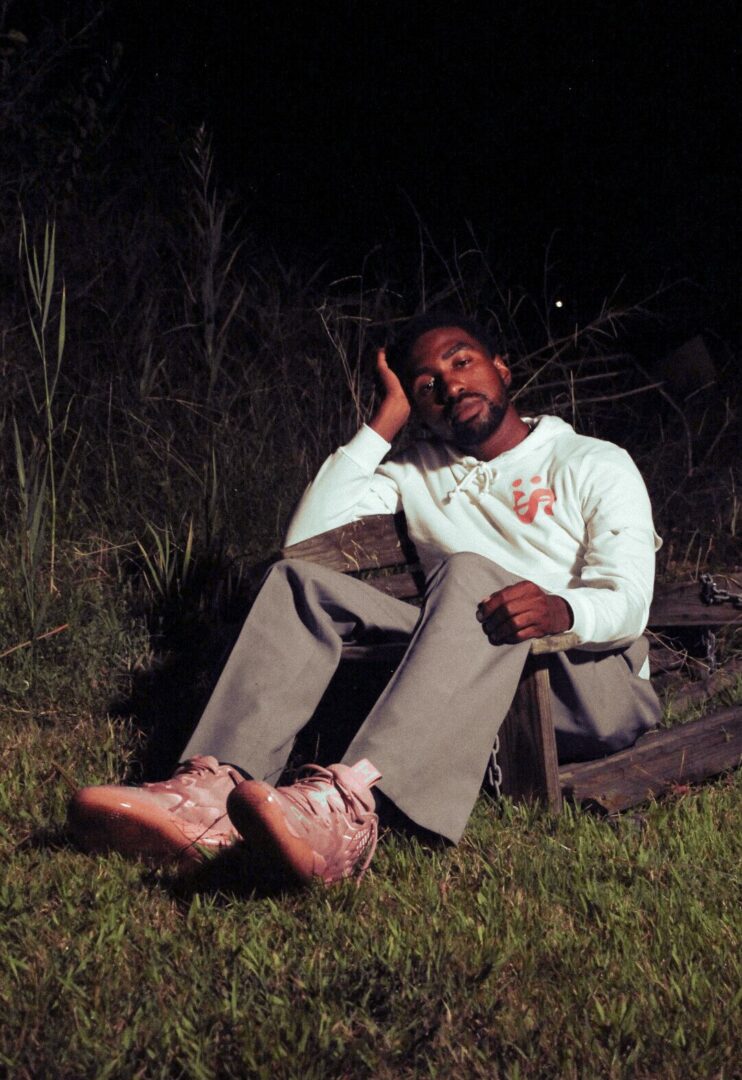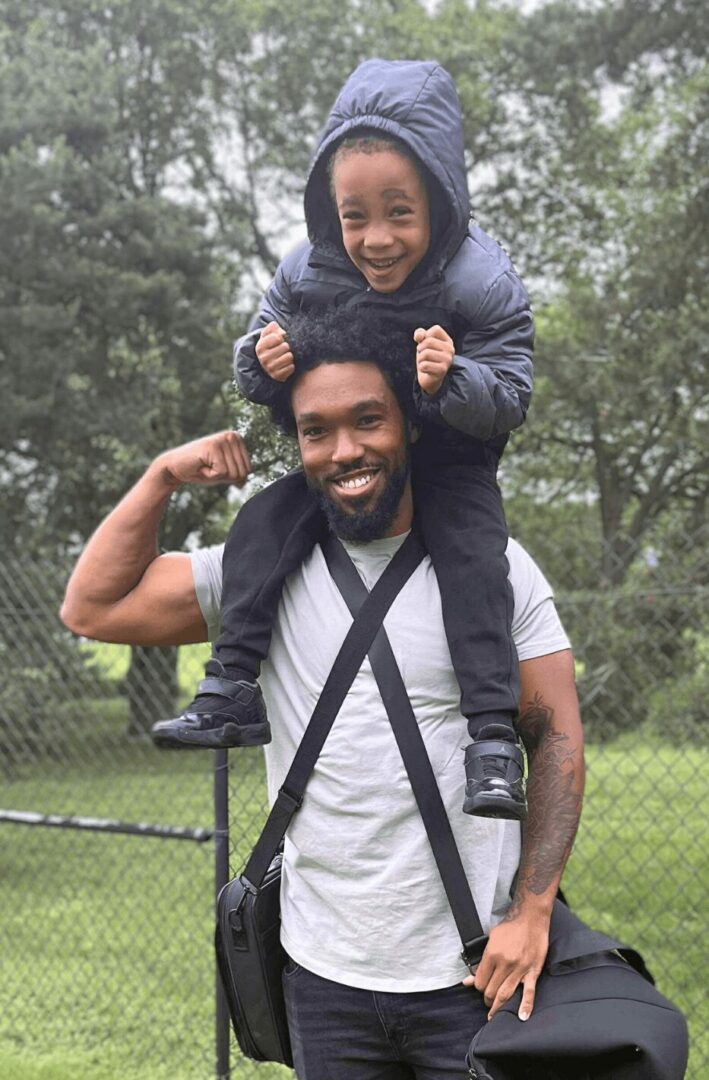
We’re looking forward to introducing you to Brandon Hill. Check out our conversation below.
Brandon, a huge thanks to you for investing the time to share your wisdom with those who are seeking it. We think it’s so important for us to share stories with our neighbors, friends and community because knowledge multiples when we share with each other. Let’s jump in: What do you think others are secretly struggling with—but never say?
A lot of men are tired in a way sleep does not and will not fix. They’re carrying the pressure of responsibility and expectations but they’re disconnected from grounding principles and daily structure. Men feel weak in areas they were built to be strong in.
Physically they’ve let themselves slip, spiritually they’re disconnected and mentally they’re all over the place. Rather than take responsibility, they distract themselves and pretend constant motion equals progress. Most men arent failing but they’re drifting and drift happens when there’s no standard to anchor to.
I’ve lived that season of ignoring my body and relying on motivation instead of structure. Wanting clarity, strength, and peace without consistent habits. Theres a struggle of realizing that fitness without action stays abstract and empty.
Men weren’t designed to be passive or constantly behind. We’re built to lead, to steward our bodies, and to live by principles, not wander through life hoping things magically improve. When a man aligns his faith with his habits, everything tightens up with his body, his focus, his leadership, and his home.
Can you briefly introduce yourself and share what makes you or your brand unique?
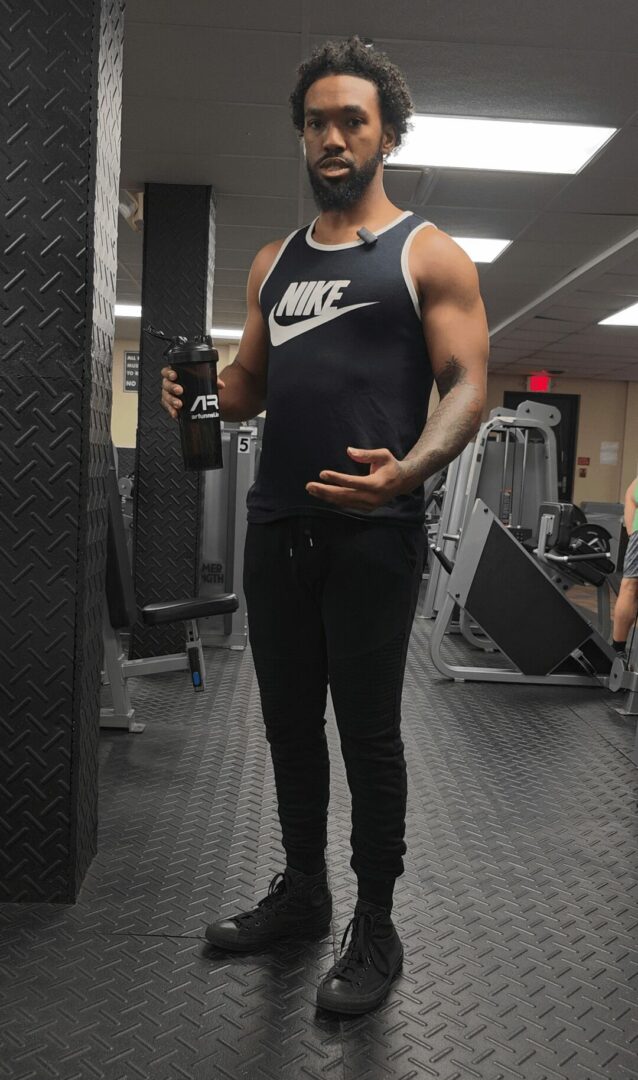
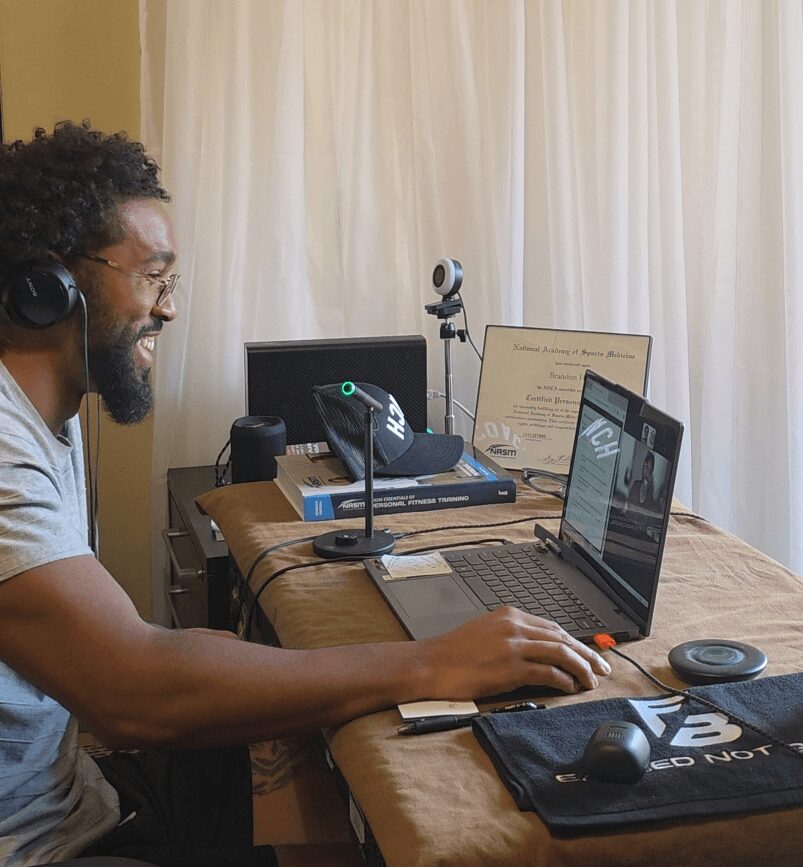
My name is Brandon Hill, and I’m a coach focused on helping faith forward men tone up through fitness grounded in structure, principles, and faith.
I work primarily with men in their 30s and beyond including fathers, providers, and leaders who are carrying a lot of responsibility but feel disconnected from their body, their consistency, and their sense of direction. Most of them don’t need hype or extremes but the structure that fits their daily life and a standard that calls them up instead of talking down to them.
What makes my work different is the way fitness is positioned. My training isn’t about aesthetics or chasing motivation. My training is about alignment, self respect and stewardship. When a man gets his body back under control, everything else sharpens in the process. A mans focus and the way he shows up for others heightens.
My brand sits at the intersection of faith and fitness, not as a trend, but as a framework. I’m less interested in quick wins and more focused on helping men build something solid and sustainable that carries into their work, their family, and their future.
Right now, I have programs that challenge men to stop drifting, reclaim structure, and live with intention physically, mentally, and spiritually.
Great, so let’s dive into your journey a bit more. What part of you has served its purpose and must now be released?
The part of me that believed effort alone was enough has served its purpose and needed to be released. I relied heavily on motivation and intensity, trusting that wanting something badly would eventually produce consistency. That approach carried me through certain seasons, but it also created gaps I couldn’t ignore. Without structure, effort became scattered, progress felt temporary, and burnout became more likely than growth.
I eventually recognized that pushing harder does not automatically lead to alignment. Structure matter more than urgency, and principles matter more than emotion. Releasing that earlier version of myself meant letting go of the idea that I needed to feel ready before acting or inspired before committing.
This shift required me to replace reaction with intention and replace motivation with systems that could support daily life. Whether in fitness, work, or leadership, I learned that sustainable progress is built through consistency and order, not bursts of effort followed by long pauses.
This season of my life is not about reinventing myself, but removing what no longer serves the direction I’m moving in. By releasing old habits and outdated beliefs, I’ve been able to step into a more grounded, structured, and purposeful way of living.
What did suffering teach you that success never could?
Suffering taught me the importance of structure, humility, and alignment in a way success never could. Success has a way of reinforcing what already works, but suffering exposes what doesn’t. In seasons where things felt heavy, inconsistent, or uncertain, I was forced to slow down and examine how I was actually living. It became clear that effort alone without direction only led to frustration and lashing out.
When results weren’t coming easily, I had to confront the gaps in my habits, my routines, and my standards. That process wasn’t comfortable, but it was clarifying. It revealed that progress is built through consistency and order, not through emotion or short bursts of effort.
Suffering also reshaped how I view strength. It taught me that real strength isn’t about having the appearance of being unshaken, but about being willing to rebuild when something isn’t working. It forced me to stop relying on willpower and start relying on systems that could support my life, my responsibility, and long term growth.
In many ways, suffering stripped away ego and replaced it with purpose. It sharpened my focus and grounded my approach to fitness, work, and leadership. It showed me that growth comes from alignment when values, habits, and actions move in the same direction. Success has rewarded me for what ive built but suffering taught me how to build something that lasts.
I think our readers would appreciate hearing more about your values and what you think matters in life and career, etc. So our next question is along those lines. What are the biggest lies your industry tells itself?
One of the most damaging lies in the fitness industry is the belief that a diet or a workout plan is what gives you your body. That idea keeps people stuck in cycles of starting strong and falling off just as fast. They’re taught to chase the perfect program, the perfect meal plan, or the next reset, instead of building the structure that actually carries them through life. When results fade, they blame themselves, not realizing they were never given something sustainable in the first place.
What actually determines whether someone reaches their goal isn’t dieting or training in isolation, but the consistency they can maintain over time. You can follow the best plan in the world, but without structure, it eventually collapses. When the routine disappears, the results disappear with it. That’s why so many people reach a certain point, only to slide right back to where they started.
This is bigger than fitness, the same pattern shows up everywhere in life. Effort without structure creates temporary change, but structure creates direction. Consistency, not intensity, is what turns good intentions into lasting outcomes.
From a faith forward perspective, this matters because structure is what allows growth to take root. Fitness becomes a daily practice of stewardship rather than a short term fix. When structure is in place, habits reinforce belief, and progress becomes something you live instead of something you chase.
The industry often sells results without responsibility. What people really need is a framework they can carry for years, not weeks. That’s the difference between getting a result and becoming the kind of person who can keep it.
Okay, so before we go, let’s tackle one more area. If you laid down your name, role, and possessions—what would remain?
What would remain is my character, my work ethic, and the way I show up when no one is watching. Earlier in my life, I cared much more about titles, roles, and how things looked on the surface. Like manger men, I believed that a label meant progress and that climbing higher on paper automatically meant I was moving forward. Over time, experience changed that perspective. I saw firsthand that titles don’t always reflect effort, growth, or impact. I’ve watched people with impressive roles do the bare minimum, while others without the title put in more time, more energy, and more initiative, and ultimately create more value for themselves and for the people around them.
That realization reshaped how I define success. I no longer chase labels or external validation, because I’ve learned that responsibility without discipline leads nowhere, and authority without effort doesn’t last. What matters more than a position is the consistency of how you work, how you treat people, and how seriously you take the responsibilities in front of you.
The same lesson applies to fitness. Appearance matters, but it isn’t the driver. Confidence comes from knowing you’re doing the work, honoring your standards, and taking care of what you’ve been given. Vanity fades, but discipline carries over into every area of life, including leadership, family, and faith.
If everything else were stripped away, what would remain is my commitment to structure, integrity, and stewardship. Those things don’t depend on titles, recognition, or possessions. They show up in the daily decisions, the effort that goes unseen, and the consistency that compounds over time.
Contact Info:
- Website: liminalreboot.fitness/fastfitfathers
- Instagram: https://instagram.com/fastfitfathers
- Facebook: https://facebook.com/fastfitfather
so if you or someone you know deserves recognition please let us know here.