Alright – so today we’ve got the honor of introducing you to Jenn Brown. We think you’ll enjoy our conversation, we’ve shared it below.
Jenn , thanks so much for taking the time to share your insights and lessons with us today. We’re particularly interested in hearing about how you became such a resilient person. Where do you get your resilience from?
Resilience is a complicated thing. It often means you had to walk through something unbearably hard to discover the fire that lives deep inside you. We all have resilience, but I am not sure we truly uncover it until we are backed into a corner. If life never demands it, why would we ever have to dig that deep?
I found my resilience through the health traumas of all three of my children.
When my youngest was just nine weeks old, he was shaken by a caregiver we trusted. Overnight, our lives shifted into survival mode. My husband and I were investigated by police and Child Protective Services. We endured polygraphs, legal battles, and months of fear as we fought to prove what we already knew to be true. We did not hurt our baby. The facts did not add up, and eventually the truth came to light. But the damage was already done. My son underwent brain surgeries and intensive therapies. He was an innocent victim of someone else’s worst day, and no child should ever carry that.
As our family was still healing, my eight year old daughter began losing weight and was constantly exhausted. Tests led to a diagnosis that took the air out of my lungs. Pre B cell acute lymphoblastic leukemia. Cancer. What followed were two and a half years of treatment, spinal taps, chemotherapy, hospital stays, and endless waiting rooms. We fought for her life one appointment at a time. She is now cancer free and has reached survivorship, a word I hold with deep gratitude and reverence.
I did not know if I would survive those years emotionally. I needed my friends, my family, our community, and our medical teams to help me get through each day. I showed up because my children needed me. I leaned into my faith when my strength ran out. I learned how to hold courage even when fear felt louder.
Just twenty two days after my daughter completed her final chemotherapy treatment, my seven year old son had a tonic clonic seizure in his sleep. I walked into his room and found him seizing. We called an ambulance and rushed to the children’s hospital, once again waiting for answers. He was later diagnosed with a sleep seizure disorder that he would eventually outgrow, but the months that followed were relentless. I barely slept, always waiting for the next episode, listening for sounds that might mean something was wrong.
Once medication brought his seizures under control, I realized something else needed healing too. Me. It took time to find my courage again, to stop living in constant fight mode, and to learn how to show up as myself and not just as a crisis manager for my family.
That is what resilience became for me. Not just surviving, but learning how to live again. Finding courage after fear. Allowing support. Building a community so I knew I was never doing life alone. Understanding that strength does not mean staying in survival forever.
My biggest transformation came when I realized I do not always have to be braced for impact. This is my one life, and I want to show up in a way that makes it count.
From barely getting out of bed to starting my own coaching business, my resilience has taken many forms. Today, I work with teens, young adults, and leadership teams to build strengths, empowered thinking skills, and the confidence to do hard things. I help others discover what I learned the hard way. You are stronger than you think, you do not have to do life alone, and even after the hardest seasons, you are allowed to build a life that feels meaningful, hopeful, and fully yours.
Thanks for sharing that. So, before we get any further into our conversation, can you tell our readers a bit about yourself and what you’re working on?
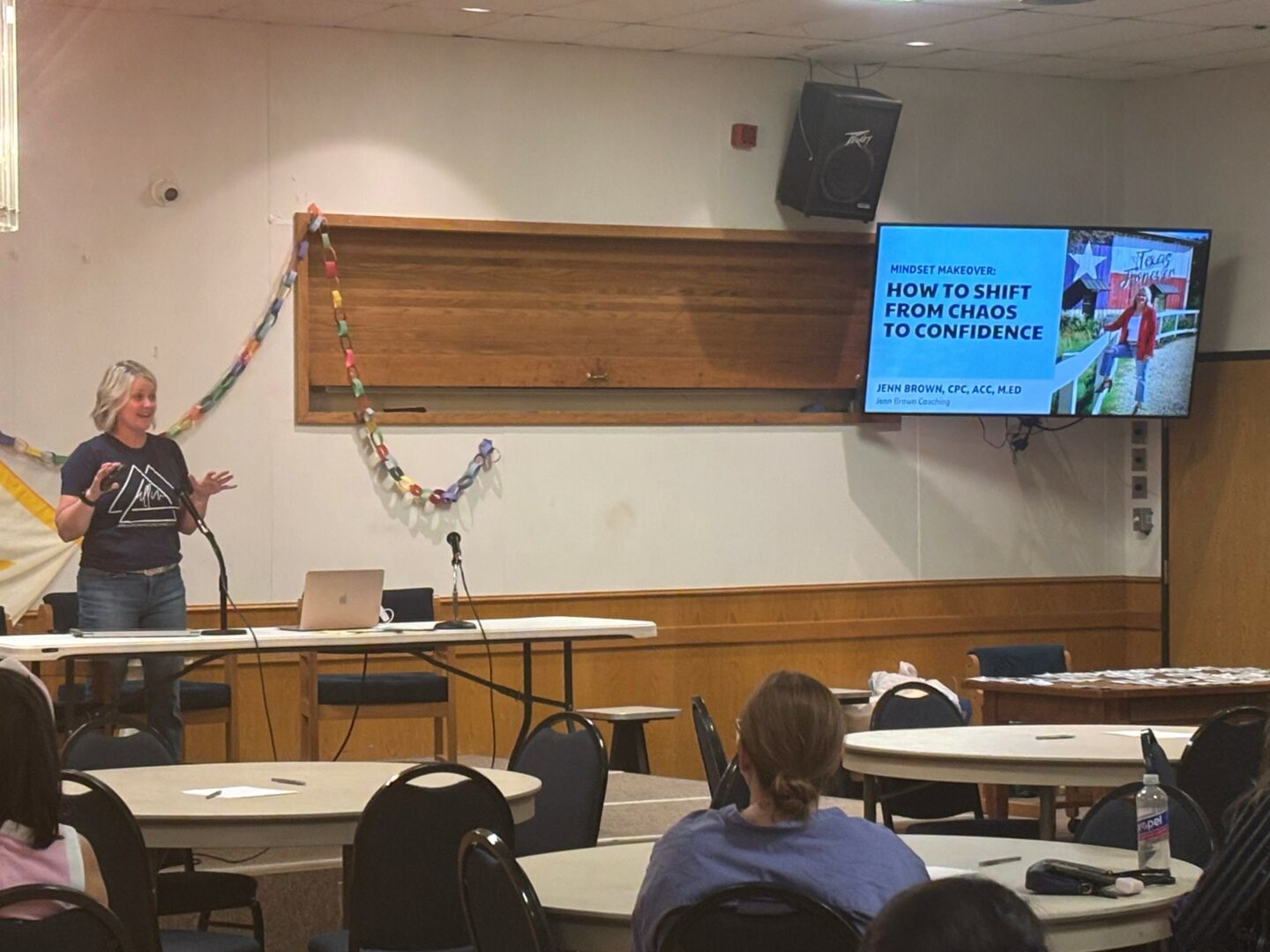
I work with teens, young adults, and leadership teams using the CliftonStrengths framework to help people understand how they are naturally wired and, more importantly, how to apply that knowledge in everyday life. The assessment is just the starting point. The real transformation happens when people learn how to use their strengths on purpose.
I help clients move beyond a list of results and into real life application in school, relationships, leadership, work, and daily habits. For teens especially, this work is powerful because it gives them language for who they are and permission to build confidence from what comes naturally instead of trying to fix themselves.
What makes my work special is the practical, human approach. We talk about how strengths show up, how to aim them well, and how to recognize blind spots so strengths do not turn into stress. Whether I am working with students or leadership teams, the goal is the same: clarity, confidence, and better connection.
I am continuing to expand this work through workshops, group programs, and leadership trainings, with a strong focus on schools and teams. My brand is rooted in resilience and the belief that when people understand their strengths and learn how to use them intentionally, they show up more confident and capable in every area of life.
Looking back, what do you think were the three qualities, skills, or areas of knowledge that were most impactful in your journey? What advice do you have for folks who are early in their journey in terms of how they can best develop or improve on these?
Looking back, three things stand out as the most impactful in my journey: resilience, self awareness, and community.
Resilience was not something I chose to build. It was forged through seasons I never would have picked. Over time, I learned that resilience is not about pushing harder or staying strong at all costs. It is about learning how to keep going while allowing yourself to rest, ask for help, and adapt. For anyone early in their journey, my advice is to stop judging yourself for how you handle hard moments. Resilience grows when you meet yourself with compassion and keep showing up, even imperfectly.
Self awareness changed everything for me. Understanding how I am wired, how I process stress, and what gives me energy allowed me to stop fighting myself. This is why strengths based work is so powerful. When you know your natural patterns, you can make better decisions, set healthier boundaries, and work in ways that actually fit you. If you are just starting out, get curious about yourself. Pay attention to what drains you, what lights you up, and where you feel most capable. Awareness is the foundation for growth.
Community was the anchor that carried me through every hard season. I learned that independence is not the goal. Connection is. Building a trusted circle of people who can support you, challenge you, and remind you who you are when you forget is essential. My advice is to be intentional about who you let into your life. You do not need a large network, but you do need people who are safe, honest, and willing to walk with you.
If I could sum it up, growth is not about becoming someone else. It is about understanding yourself, strengthening what is already there, and allowing others to support you along the way.
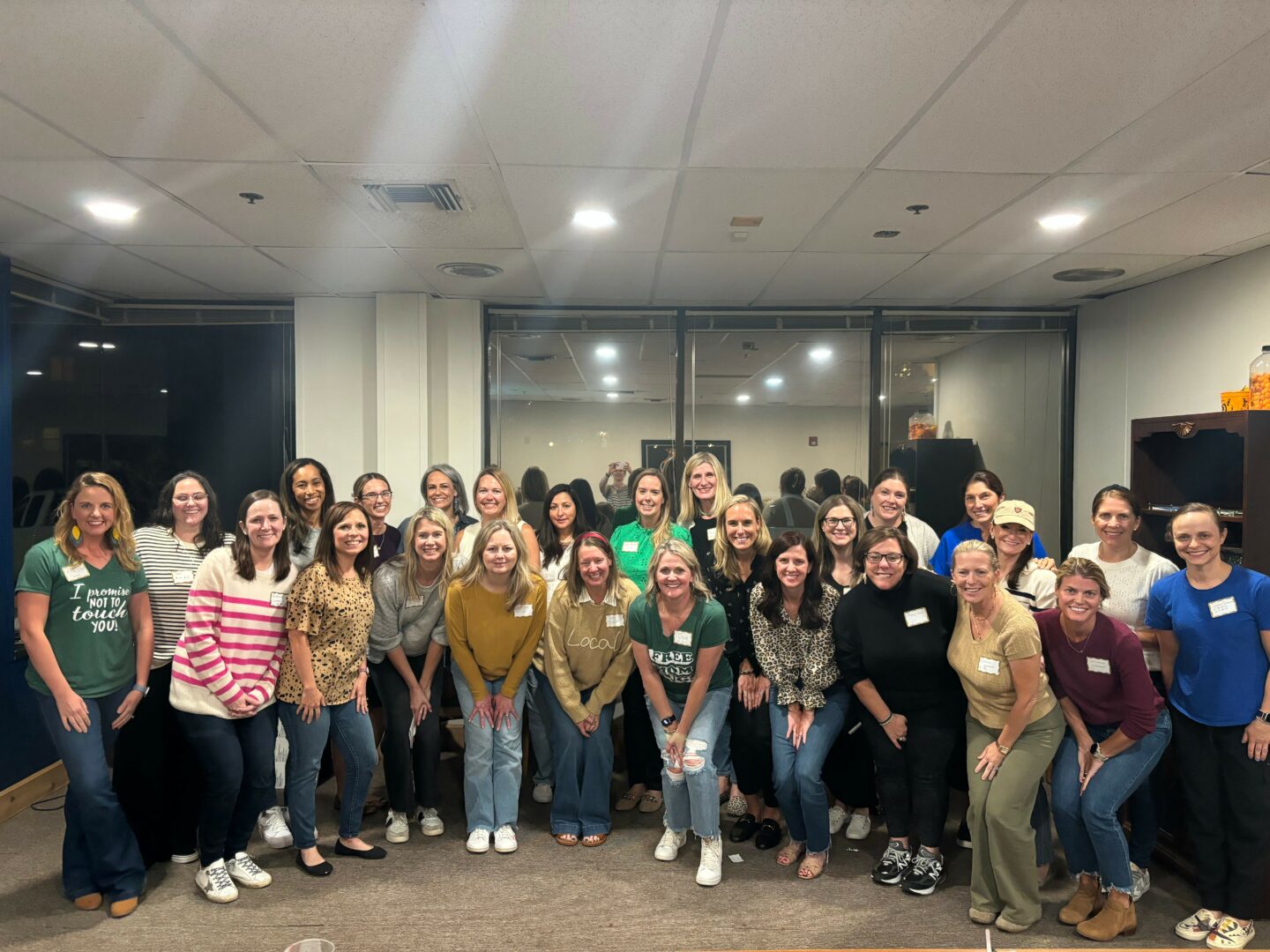
Okay, so before we go we always love to ask if you are looking for folks to partner or collaborate with?
Absolutely. Collaboration is at the heart of my work, and it is how this impact grows.
I actively collaborate with leadership groups in schools, including band programs, National Honor Society, dance teams, student leadership groups, and athletic or fine arts organizations. These groups are already made up of motivated students, and strengths based work gives them a shared language to lead well, communicate clearly, and understand how each person contributes to the team. It helps students see that leadership does not look one way and that every role matters.
I also partner with nonprofit organizations and youth focused groups that want to develop confident, emotionally aware leaders. Strengths based coaching creates alignment around purpose, reduces burnout, and helps teams work together more effectively.
Beyond schools, I collaborate with organizations and businesses working with new hires or teams that need to realign. Whether a team is growing, transitioning, or struggling with morale and communication, this work helps people understand each other, reduce friction, and build trust. When individuals know their strengths and how to work alongside others who think differently, collaboration becomes easier and more productive.
I am always open to partnerships with educators, directors, coaches, nonprofit leaders, and organizational teams who believe in developing people, not just performance. When strengths are understood and applied, teams become healthier, communication improves, and leadership becomes more human and effective.
Contact Info:
- Website: https://www.jennbrowncoaching.com
- Instagram: @Jennbrowncoaching
- Facebook: Jenn Brown
- Linkedin: Jenn Brown, M.Ed, ACC
- Youtube: Jenn Brown Coaching
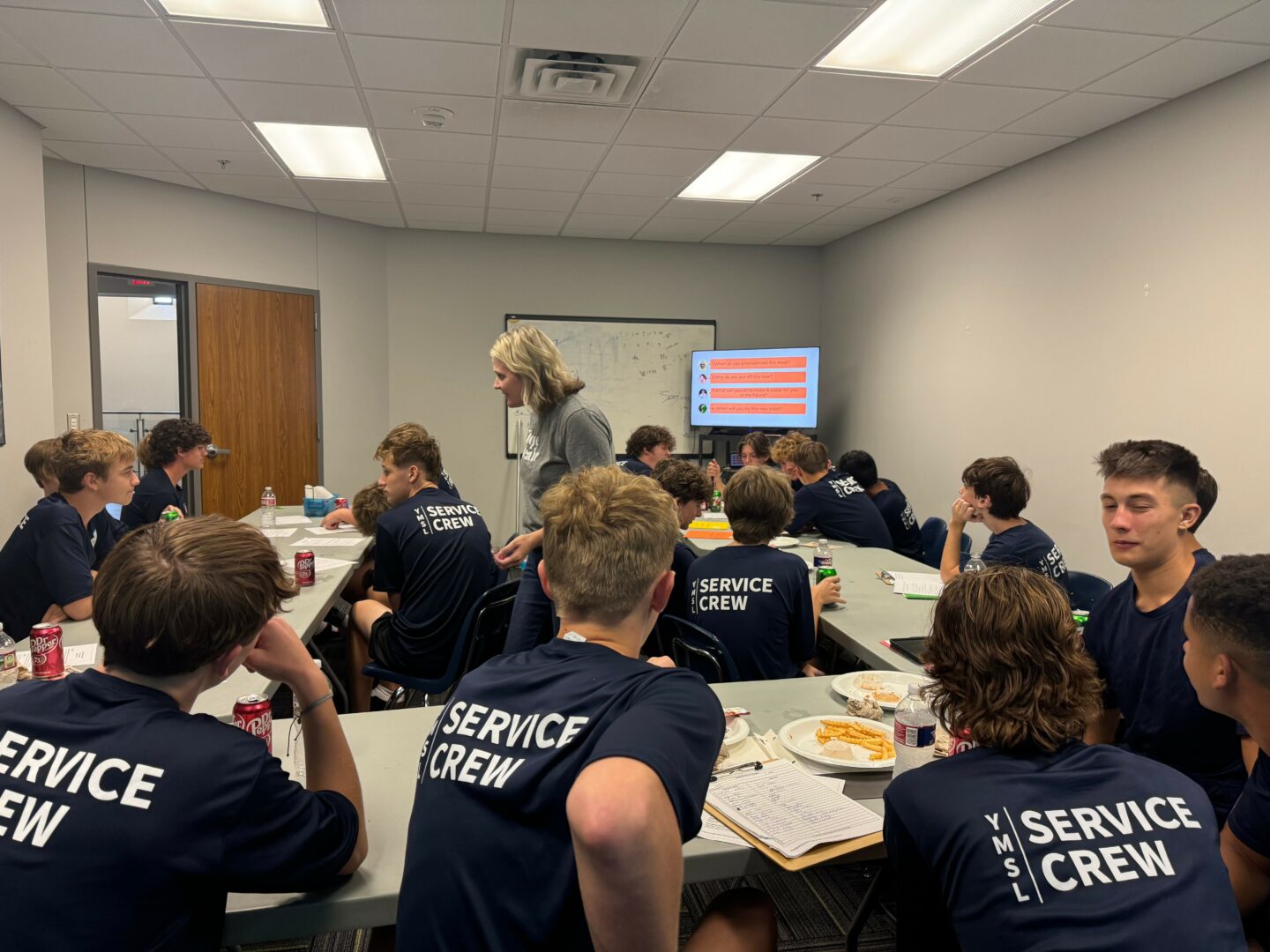
Image Credits
NBC, Young Mens Service League, National Charity League, Elks Lodge #71, Mom University
so if you or someone you know deserves recognition please let us know here.