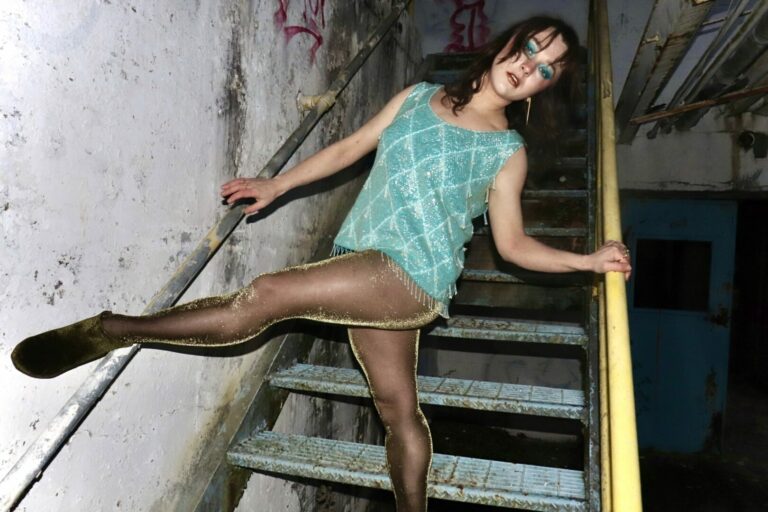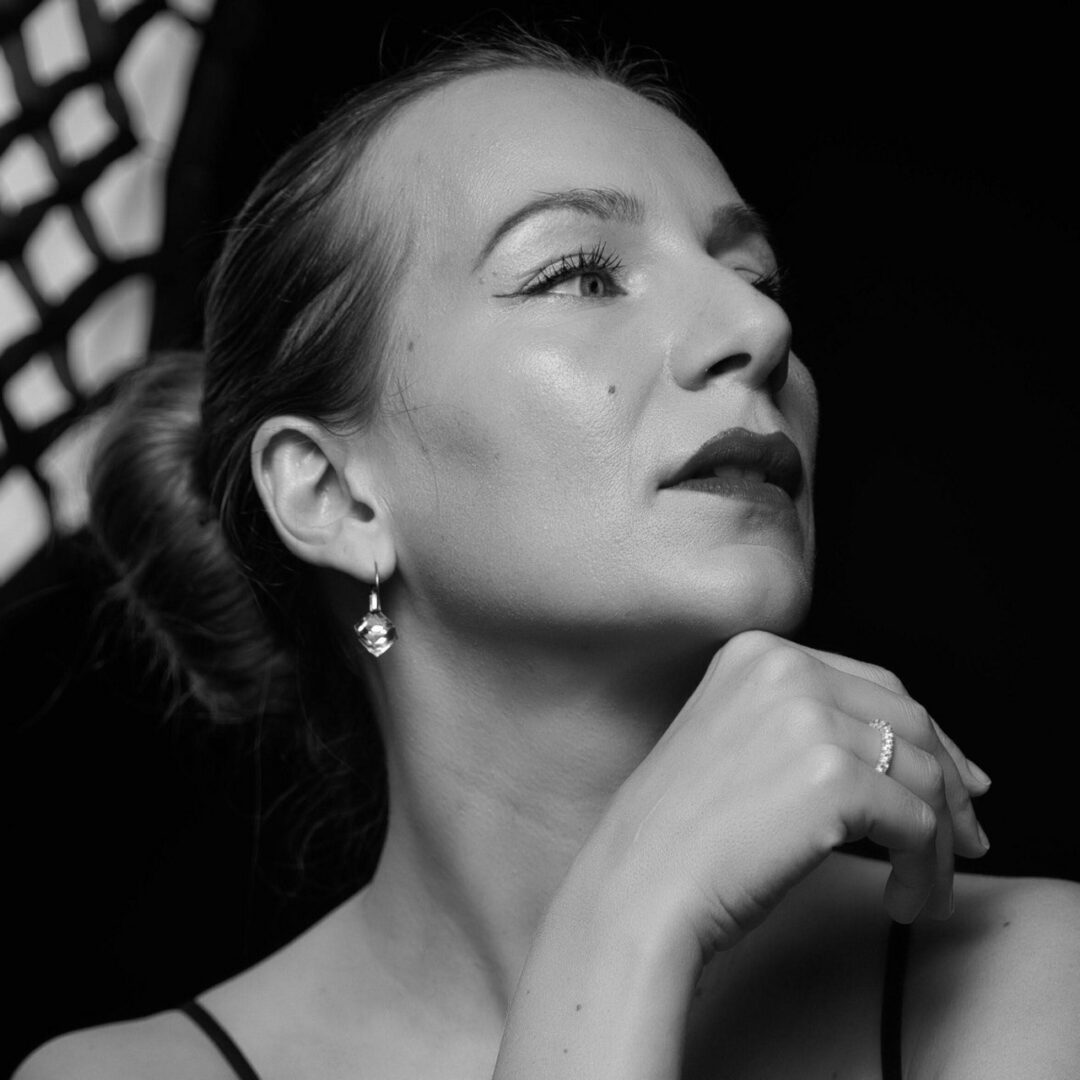
We recently connected with Olena Sukachova and have shared our conversation below.
Hi Olena , appreciate you sitting with us today to share your wisdom with our readers. So, let’s start with resilience – where do you get your resilience from?
To be honest, I’ve never thought of it as a specific skill I developed. Perhaps its roots are in my past, or perhaps it’s simply a product of being a mother to three children. Motherhood is a constant school of multitasking and unforeseen circumstances, where you simply don’t have the luxury of shutting down.
But I’ve noticed a peculiar pattern: in the acute moment of a crisis, when action is required, I become incredibly productive. My mind seems to clear of all the clutter—fear, panic, doubt—and focuses solely on the solution. I start to think broadly and see the path forward very clearly, like a map laid out before me.
The most vivid example was the start of the war. That day, there was no time for emotions. There was only a clear task: gather the children, pack the essentials, load the car, and leave. I was operating on autopilot, but it was a very lucid and precise autopilot. There was no panic, no tears—only action.
The stress and fear caught up with me later, once we were safe in Poland. That’s where I cried, processed, and grappled with everything that had happened. But at the moment of the task itself, when what mattered most depended on my actions, there was no stress. There was only concentration.
So, if I were to answer where this resilience comes from, I would say: it doesn’t come instead of fear, but after it. First, an internal switch flips, postponing all emotions for “later” and mobilizing every resource for action. Only once the immediate danger has passed can you allow yourself to feel and begin to recover.
Perhaps my resilience is simply trust in that internal switch. I know that when things get truly difficult, it will engage and give me clarity. The tears and the worry are part of the recovery process, and there’s nothing wrong with that.
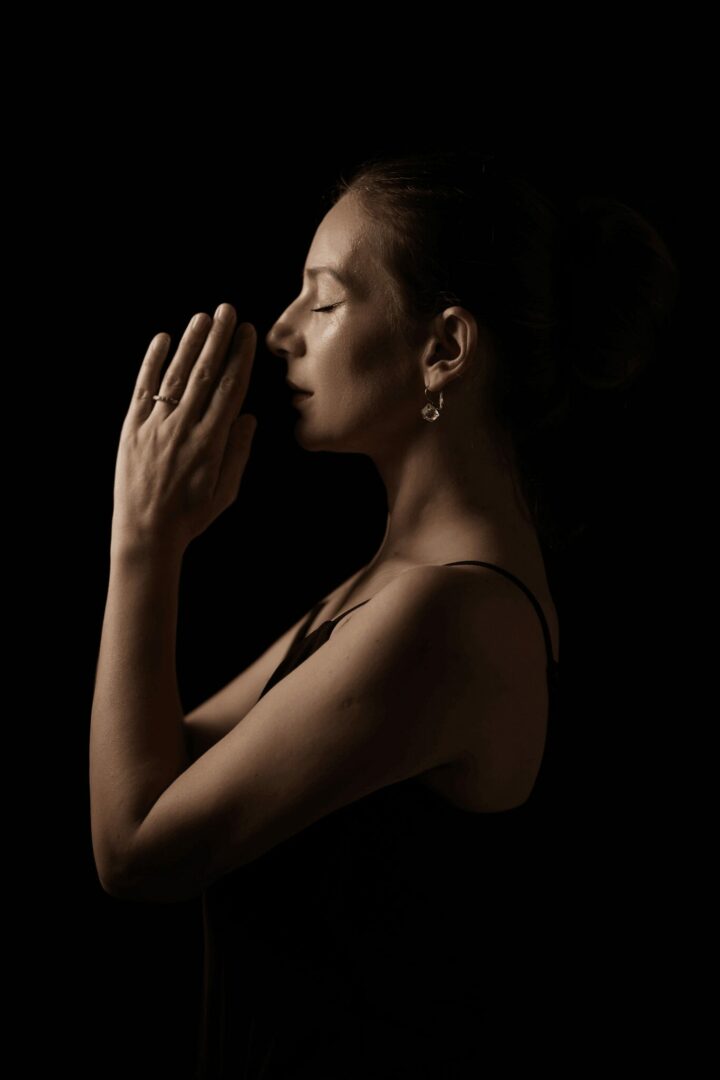
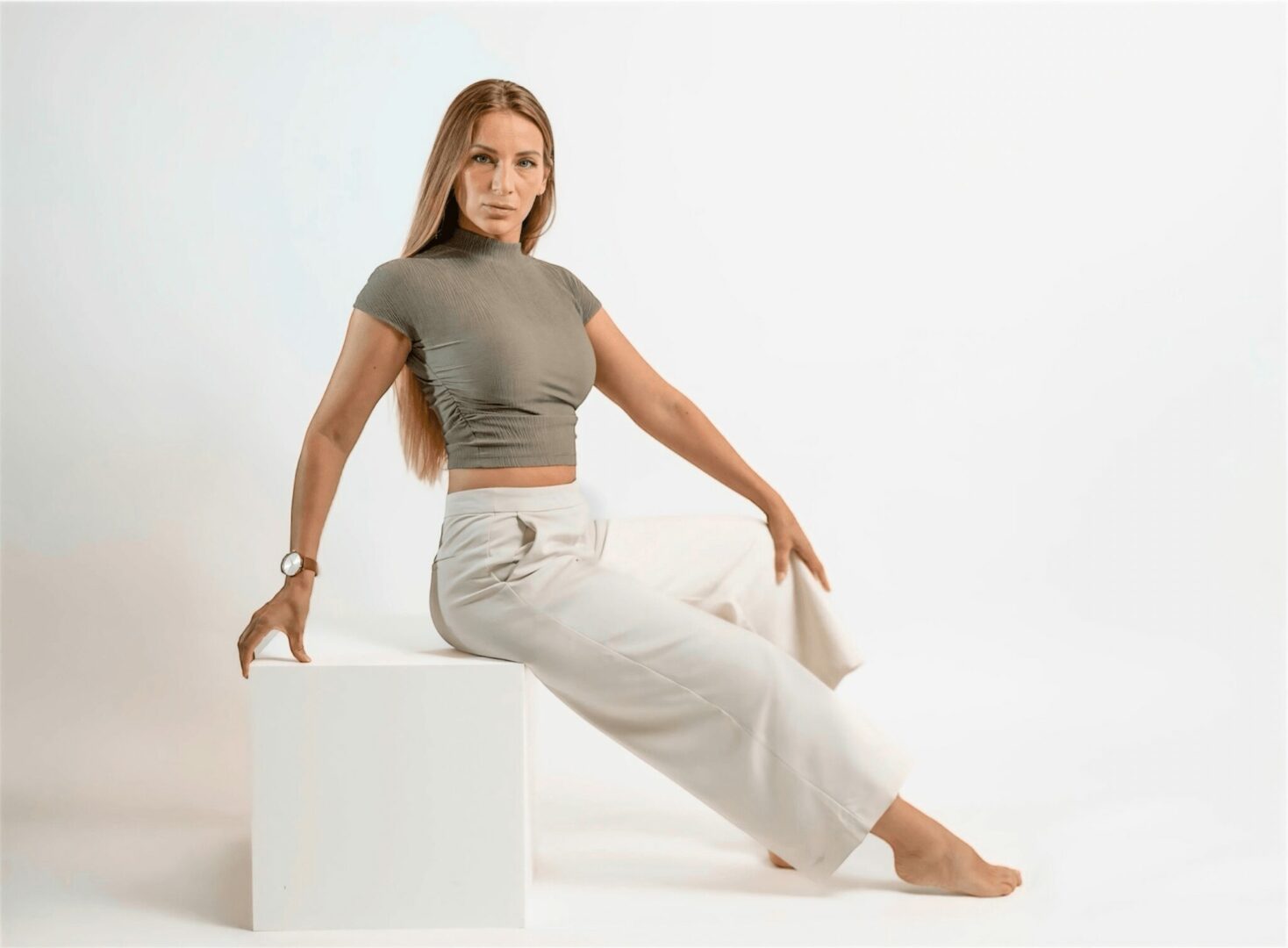
Let’s take a small detour – maybe you can share a bit about yourself before we dive back into some of the other questions we had for you?
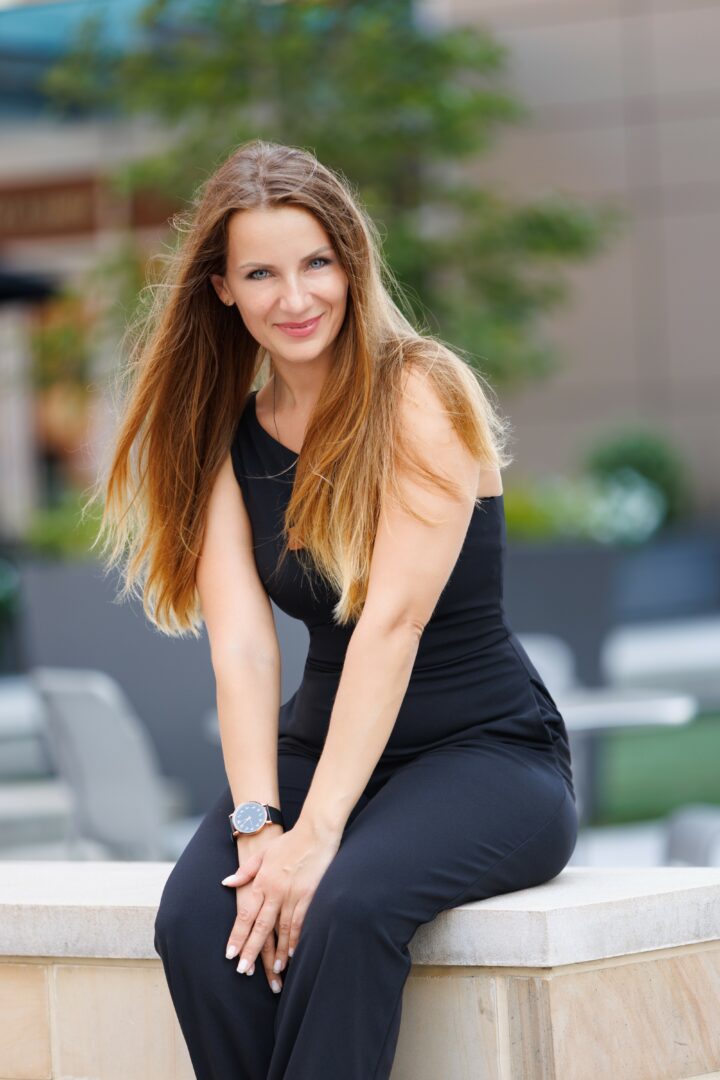
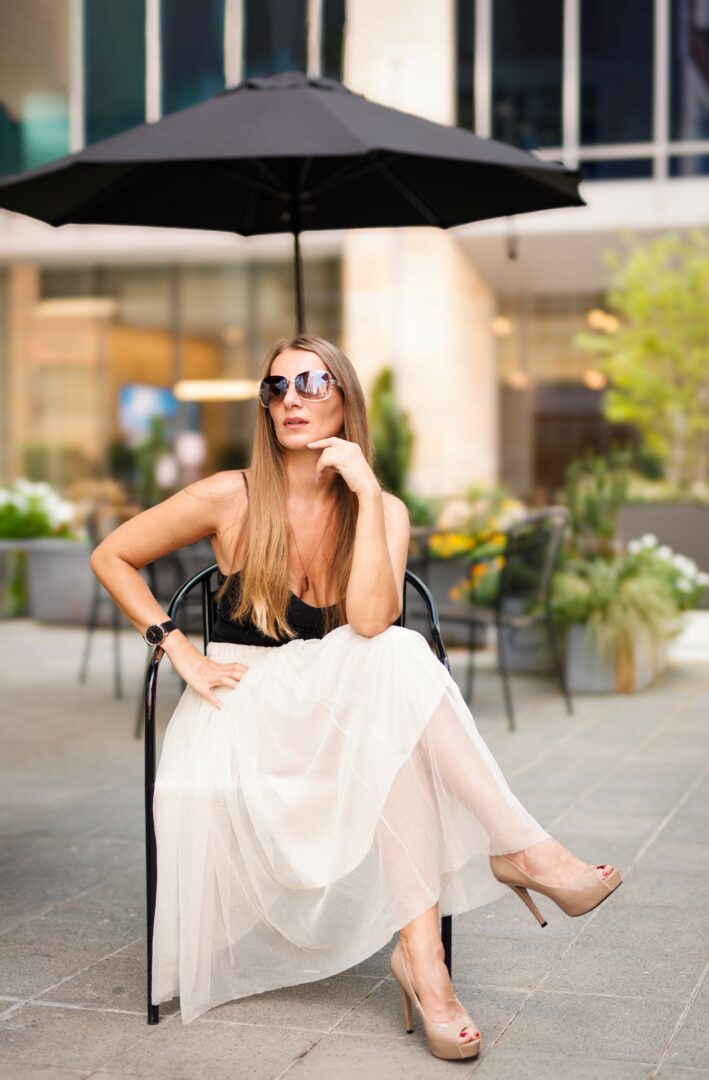
I am a model and television presenter from Ukraine. Before the war, I had a full life in Kyiv: several original TV projects and my own charitable organization. All of that had to be left behind in February 2022, when I packed up my children, our dog, and the bare essentials in a matter of hours to seek safety. We emigrated first to Poland and then to the United States.
Like many Ukrainians, I lost almost everything I had built over the years. But life, even after the hardest blows, does not stop. In America, a new chapter of my fate awaited: I married a man I believed to be my rock and my love, but, sadly, just a few weeks later, he threw me and my children out onto the street. I still don’t understand the reasons, but I have accepted it as part of my journey.
Life truly doesn’t stop at a single event. After that, I returned to what I know and love most—working in front of the camera. Today, I am continuing my modeling career in the U.S., and even more importantly, I am beginning to launch a new original television project. I’m keeping the title under wraps for now, but I can say it will focus on resilience, rebuilding, and the stories of people who, like me, are learning to construct their lives anew after loss.
If I were to say what is most unique about my work, it’s probably the combination of two roles: that of a model, who embodies external composure and aesthetics, and that of a presenter, who uses personal stories and projects to discuss vital, profound themes—survival, dignity, motherhood, and new beginnings.
I believe our losses do not define us. What defines us is what we do afterward. And today, I am ready to share not only my professional experience but also a story that I hope can support others who find themselves in a similar situation.
There is so much advice out there about all the different skills and qualities folks need to develop in order to succeed in today’s highly competitive environment and often it can feel overwhelming. So, if we had to break it down to just the three that matter most, which three skills or qualities would you focus on?
The Three Most Important Qualities
1. Critical Thinking. This is the most valuable lesson I’ve ever learned. I was fortunate to host a show where one of my guests was a highly successful Ukrainian entrepreneur. His core message was this: Don’t believe anything blindly; subject everything to detailed and critical analysis. In a world overflowing with information, manipulation, and quick promises, the ability to ask the right questions, verify facts, and view situations from multiple angles isn’t just a skill—it’s a shield. Naivety is a luxury we can no longer afford.
2. Tenacity (Persistence). Life and career are not a sprint, but a marathon with endless obstacles. This is especially true when you’re starting from scratch in a new country. My advice to those at the beginning of their journey is this: prepare to be rejected, turned down, and for circumstances to work against you. Your task is not to leave the race. Many people live in the same conditions as you, but the one who will prevail is the person who simply keeps taking one step after another when others stop. The very act of moving forward, even if slowly, becomes the decisive action.
3. The Ability to Act Amid Uncertainty. This is a quality I never planned to develop, but life has honed it in me. When there is no map, no guarantees, and no clear plan, it’s crucial not to freeze, but to start acting with the information and resources you have right now. It was precisely this skill—making decisions and taking the next step through the fog—that allowed me to gather my children and leave when the war started, and to restart my career in an entirely new environment. Courage isn’t needed in perfect conditions. Courage is the ability to move forward even when you’re scared and nothing is clear.
My Advice: These three qualities—critical thinking, tenacity, and the ability to act amid uncertainty—work together as a system. First, critically assess the situation (so you’re not running in the wrong direction). Then, make a decision and begin to act step by step with tenacity, despite the fear and lack of guarantees. Don’t wait for all the risks to disappear or for complete clarity to emerge. It won’t. Develop this “muscle” for action by starting with small, yet consistent steps outside your comfort zone.
Before we go, any advice you can share with people who are feeling overwhelmed?
When I feel overwhelmed, I consciously allow myself to hit rock bottom. I believe that trying to immediately “cheer up” or “pull myself together” often only makes things worse and creates a toxic sense of guilt.
So, I do the opposite. I turn off my phone, allow myself to eat cookies (yes, and accept the resulting weight gain as the price of recovery), mindlessly scroll through my social media feed, or watch something that requires no thought. I give myself full, judgment-free permission for this period of stagnation.
This is my personal survival mechanism. This total, albeit temporary, “shutdown” allows my mind and body to rest, reset, and accumulate resources. It’s like a necessary dormant phase in nature before new growth.
And you know what? It works. Afterward—I get back up with completely renewed energy. That pause wasn’t a failure; it was part of the process. It cleared the space, and I’m ready to conquer new peaks again.
My key advice: Don’t be afraid of these periods. Sometimes, in order to swim, you first have to allow yourself to sink. The important thing is to agree with yourself that this is a temporary and necessary recharge strategy, not a surrender. Allow yourself to be human, not a machine.
Contact Info:
- Instagram: @elenasukachova.official
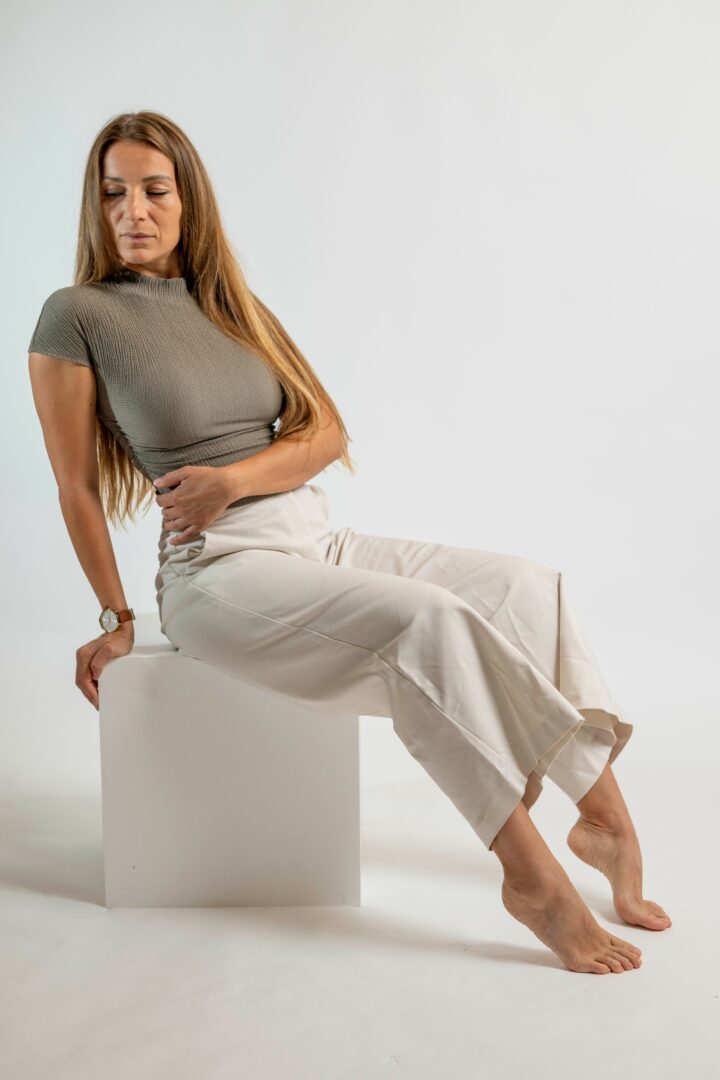
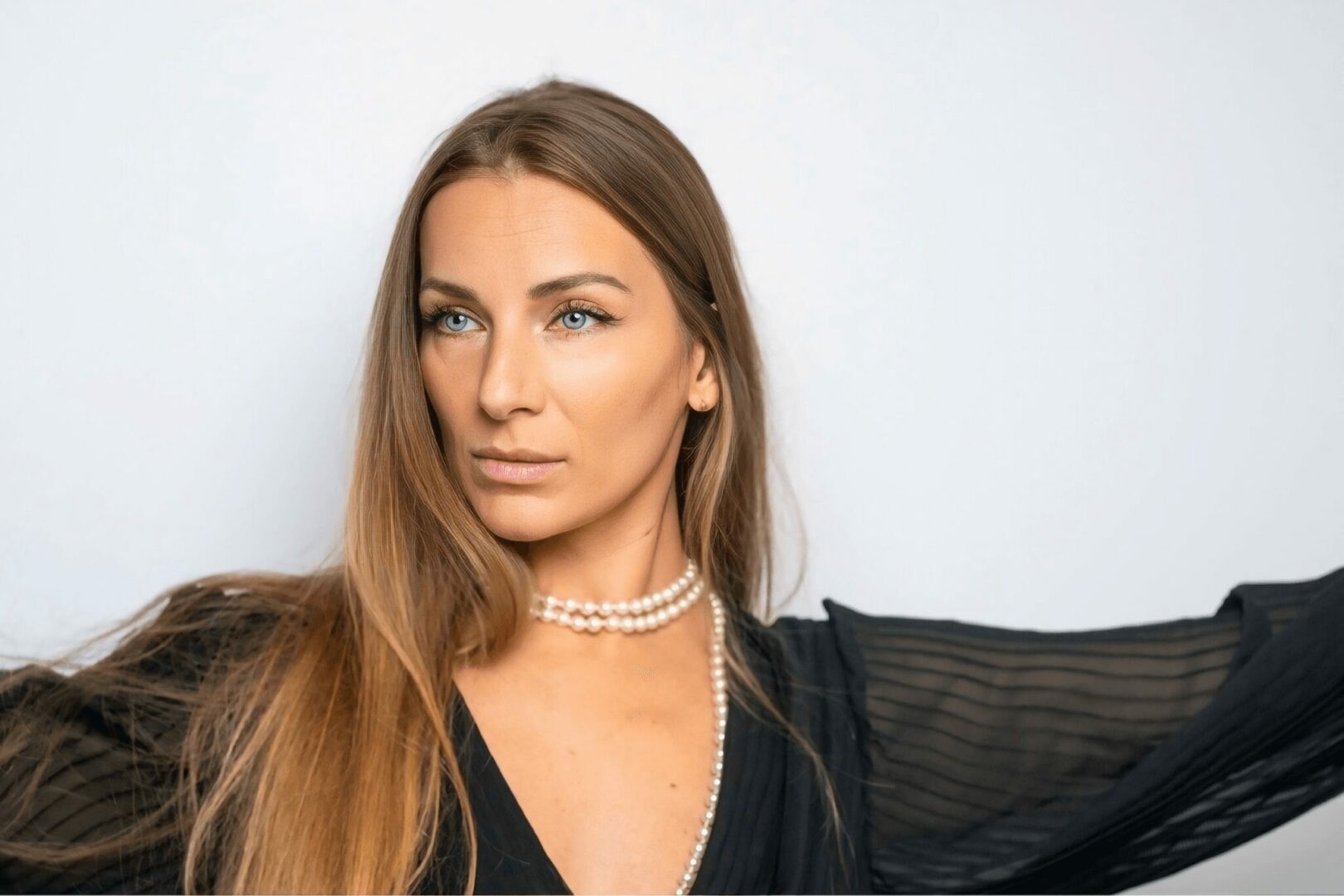
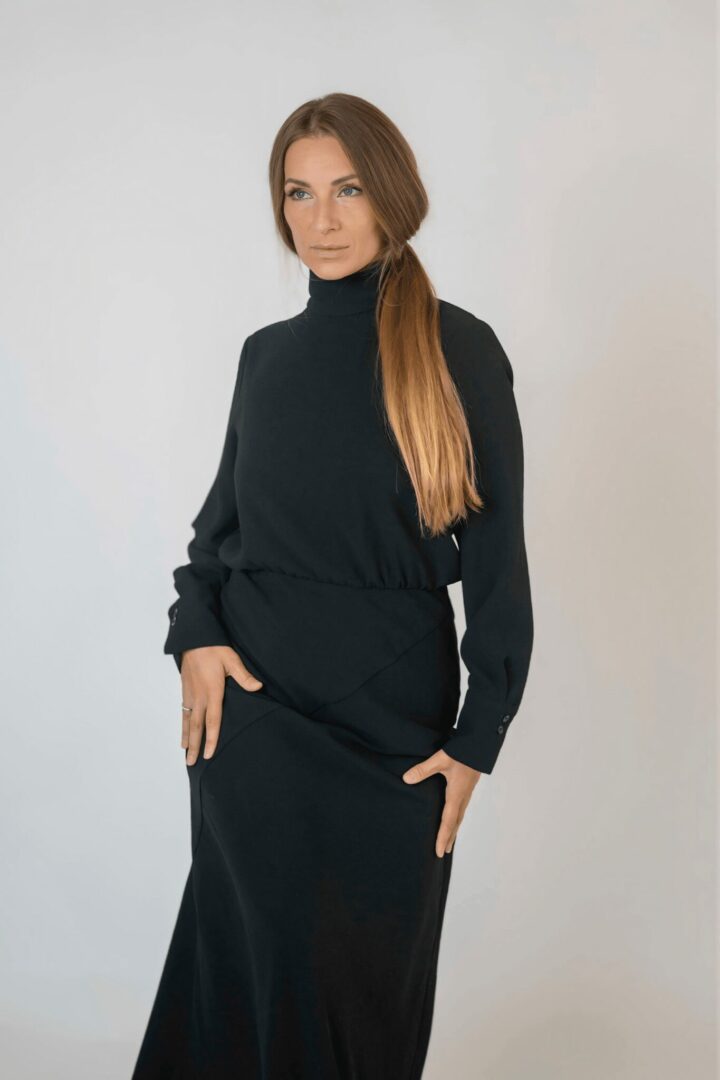


Image Credits
Sean Jones and David N. Baesley, Lunar Lenz
so if you or someone you know deserves recognition please let us know here.