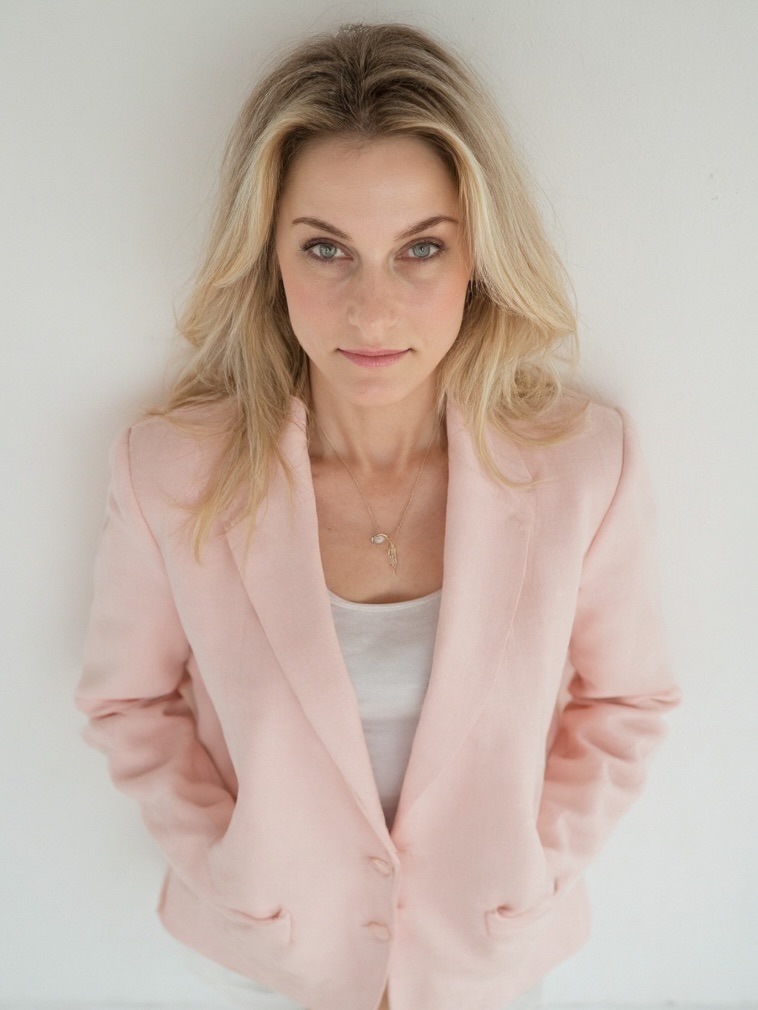
We caught up with the brilliant and insightful Sadie Katz a few weeks ago and have shared our conversation below.
Sadie, so happy to have you with us today. You are such a creative person, but have you ever had any sort of creativity block along the way? If so, can you talk to us about how you overcame or beat it?
Being a screenwriter is really, really difficult—but not for the reasons most people think. Sure, coming up with a fresh story that hasn’t already been told can be tricky, and yes, actually forcing yourself to sit in front of your computer and churn out 110 pages (plus the dozen and dozens of rewrites that follow) can feel like a herculean task. But honestly, the hardest part of screenwriting is what happens after the script is finished.
If you’ve ever completed a script, you know how tough it is to get someone—anyone!—to actually read it. And from my experience, who you allow to read your script is a delicate decision. I usually recommend not handing it to another writer unless you genuinely trust that person is rooting for you. There’s a lot of gatekeeping among writers, especially in Los Angeles. In a town where it feels like everyone has a script in their back pocket, writers can be incredibly territorial. Notes, however, are essential. Even if you think you’ve written the next Little Miss Sunshine, trust me—you still need notes.
Then comes the truly wild part: shopping the script. That process can take a year… sometimes years. People will ask, “You’re still working on that?” as if persistence is somehow embarrassing. The truth is, plenty of screenwriters are decent writers, but their scripts go nowhere. This is where who you know becomes just as important as how good your script actually is.
One promise I’ve made to myself is that I won’t let a script or project die quietly. I always ensure it gets some kind of public performance or recognition. Creating in a vacuum can be soul-sucking, so I turn to film festivals, writing competitions, and staged or podcast/YouTube table reads as ways to share my work. Getting a script produced can feel out of your control, but sharing your writing—putting your voice into the world—gives you back a sense of ownership over your art. And ultimately, that’s what screenwriting is: your unique voice, your perspective, your contribution.
Thanks for sharing that. So, before we get any further into our conversation, can you tell our readers a bit about yourself and what you’re working on?
At my core, I ultimately view myself as a storyteller. As an indie actress, I’ve been fortunate to play the lead in over a dozen feature films, and every time I’m cast, the first thing I do after reading the script is ask myself: How does my character serve the story? How does she support the themes, the conflict, and the emotional arc of the resolution?
That approach has become one of my greatest strengths as an actor—I’m not just showing up to perform; I’m there to honor the story the filmmakers are trying to tell. Being an actress, a writer, and a producer has made me deeply aware of the challenges and opportunities within a script. It’s why I always encourage filmmakers to hire actors who see themselves as storytellers too—actors who are as invested in your narrative as you are.
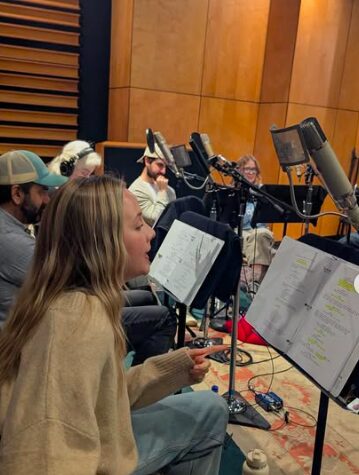
I’m also incredibly grateful for a new creative chapter: partnering with one of the Top 10 Fiction Podcasts on Apple Podcasts, Table Read Podcast, where unproduced film scripts are brought to life with immersive sound design and professional performances. The show was founded by Shaan Sharma (actor on The Chosen), Jack Levy (sound designer for Battlestar Galactica), and producer Mark Knell, and together they’ve elevated the traditional table read into something closer to an audio drama.
I’m thrilled that the script I co-wrote with writer Nicole Larson will premiere as the first episode of the new season this January, available wherever you listen to podcasts. It’s incredibly rewarding to see a script transform from words on a page into a fully realized audio experience, and I can’t wait to share it.
If you had to pick three qualities that are most important to develop, which three would you say matter most?
I’ve always been incredibly stubborn, tenacious, and goal-oriented—and those qualities have been the biggest drivers of my journey. The arts and entertainment world is unpredictable and stormy, so persistence isn’t just helpful, it’s essential. But there’s one message I love to get on my soapbox about: lower your expectations.
People love to romanticize overnight success, and one story that always makes me cringe is the Jim Carrey anecdote—how he was broke, wrote himself a million-dollar check, hung it by his desk, drove to the Hollywood sign, and screamed his frustration into the night sky. The part that often gets left out is everything in between: he was already acting, already studying, already networking, already doing stand-up. There were years of smaller steps that led to that “magical” big win.
That’s the advice I wish more emerging artists heard: focus on the long haul, not the fantasy moment. Celebrate the milestones most people overlook—the callback, the finished draft, the meeting that didn’t go anywhere but taught you something, the tiny win that proves you’re moving forward. The big breaks are rarely in your control, but how you approach the journey absolutely is.
Being an artist can be deeply rewarding or deeply heartbreaking—sometimes both in the same week. But the more you train yourself to enjoy your small victories, to take pride in the process, and to stay stubborn in your commitment, the happier and more grounded you’ll be in this career.
What do you do when you feel overwhelmed? Any advice or strategies?
When I’m overwhelmed, I’ve learned to give myself permission to take a break. There’s so much pressure in our industry to stay in constant motion, to always be hustling, to chase the next big win — but stepping back is sometimes the healthiest and most productive thing you can do.
I’m a mother of a 24-year-old son who lives in Hollywood and a 3-year-old at home, and there are times when being a mom, a friend, or a partner matters more than anything happening in my career. Over the last twenty years, I’ve taken breaks for my physical and mental health. Life happens — breakups, stressful moves, financial pressure, the holidays — and sometimes the best thing you can do is slow down and be fully present for what you’re going through.
What I’ve learned is that rest isn’t quitting. It’s recalibrating. Once you give yourself space to breathe, you have more clarity, more energy, and more creative fire when you’re ready to reinvest in your work.
Contact Info:
- Instagram: https://www.instagram.com/sadiekatz
- Twitter: https://www.x.com/sadiekatz
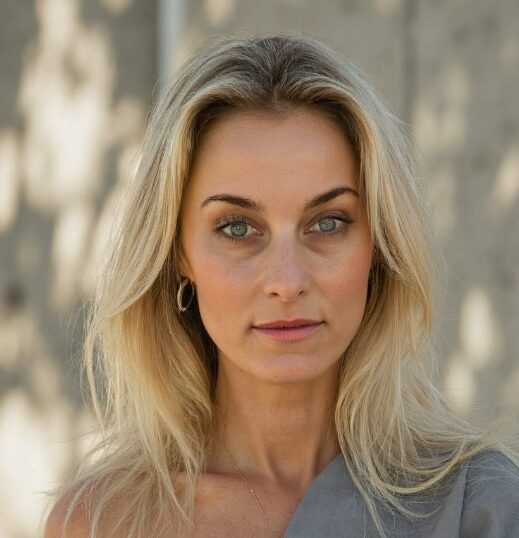
Image Credits
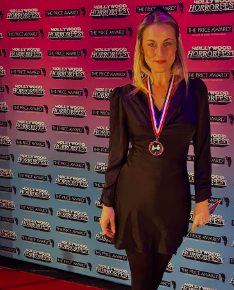
Monette Moio reading as “Casey’ for Everybody Hates Casey screenplay for Table Read Podcast.
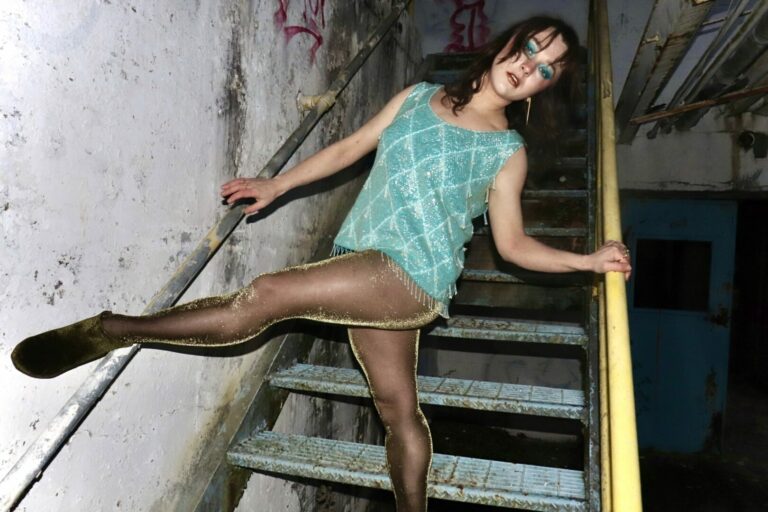
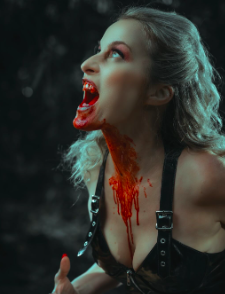
Vampire Sadie shot is Rawl Of The Dead
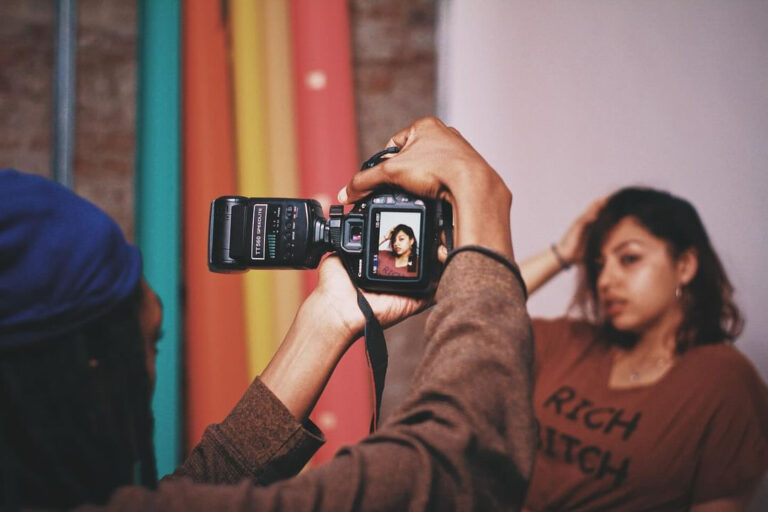
Rest of the shots by me.
so if you or someone you know deserves recognition please let us know here.