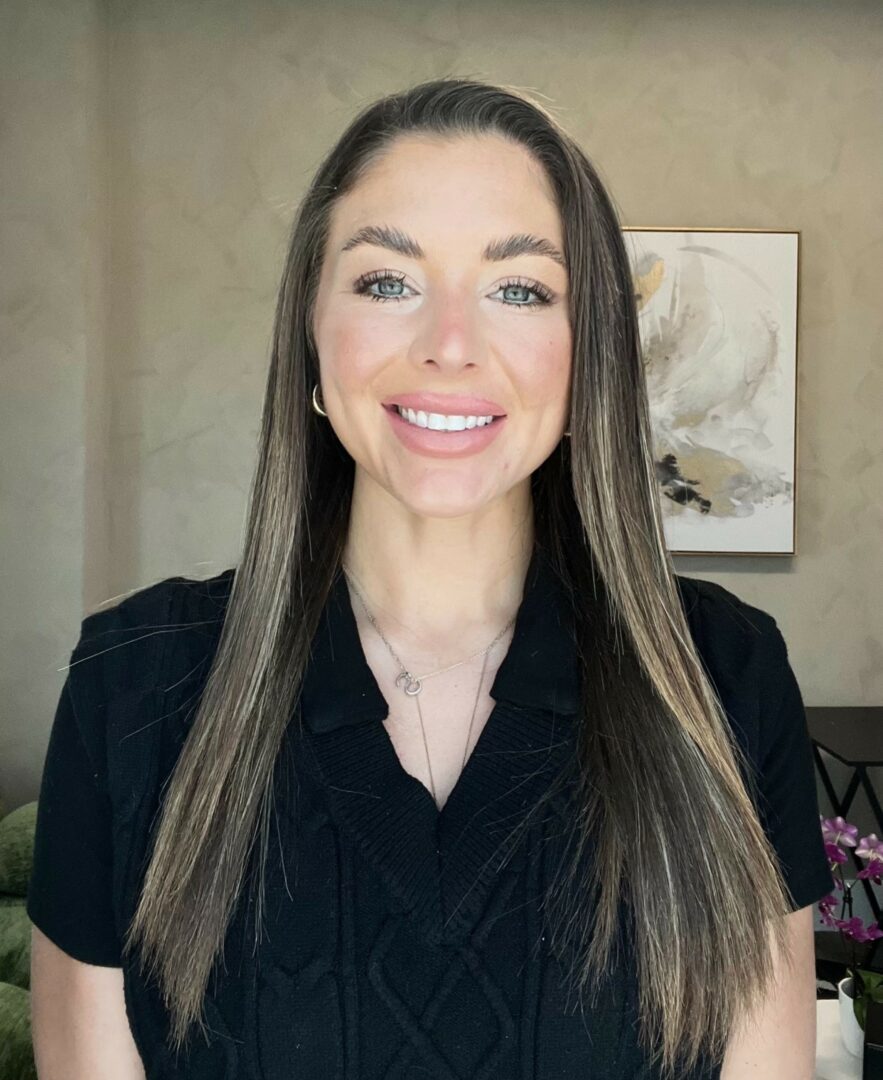
We’re excited to introduce you to the always interesting and insightful Sydney Fox. We hope you’ll enjoy our conversation with Sydney below.
Sydney, we are so deeply grateful to you for opening up about your journey with mental health in the hops that it can help someone who might be going through something similar. Can you talk to us about your mental health journey and how you overcame or persisted despite any issues? For readers, please note this is not medical advice, we are not doctors, you should always consult professionals for advice and that this is merely one person sharing their story and experience.
My relationship with mental health began early in life, and for many years I coped by pushing through, disconnecting from my body, and minimizing my needs. By early adulthood, unaddressed emotional stress and trauma led to a period of significant depression and a loss of connection to myself and my future.
About seven years ago, I reached a defining turning point where I made a conscious decision to choose life and commit to care. That decision marked the beginning of an ongoing healing journey, not a quick fix, but a restructuring of how I relate to myself, stress, and support. I sought professional care and began learning how to regulate my nervous system rather than override it, incorporating practices such as therapy, mindfulness, movement, and self-compassion.
Over time, this work transformed how I function. I developed the ability to notice early signs of overwhelm, set boundaries, slow down instead of pushing through, and respond to distress with curiosity rather than self-criticism. I also immersed myself in learning through reading, yoga, strength training, and wellness education, which eventually shaped my path as a personal trainer, yoga instructor, nutrition coach, and associate marriage and family therapist.
This work continues today. I understand mental health as a lifelong practice, one that ebbs and flows, and I prioritize sustainability over perfection. The essential quality I developed through this journey is self-leadership: the ability to care for myself intentionally, seek support early, and remain grounded through challenge. That skill allows me to show up with steadiness, presence, and resilience in both my personal life and professional roles.
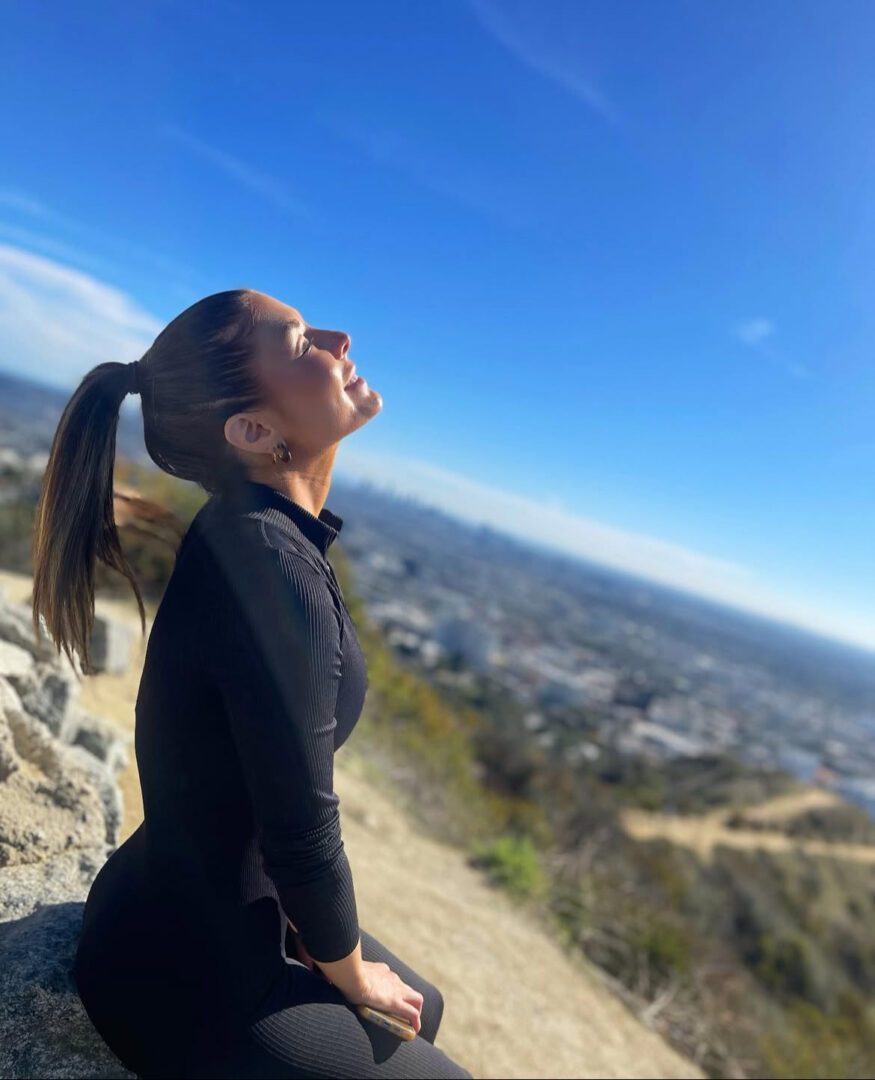
Appreciate the insights and wisdom. Before we dig deeper and ask you about the skills that matter and more, maybe you can tell our readers about yourself?
I am an associate marriage and family therapist building a private practice focused on supporting people who feel anxious, burnt out, overwhelmed, or stuck, often individuals navigating perfectionism, self-doubt, and the pressure to have everything figured out. Alongside therapy, I also offer life coaching for those seeking structured support around personal growth, confidence, and direction.
What feels most exciting about my work is supporting people in the messy middle. I believe we can have full, meaningful lives, one moment at a time. Growth happens one season at a time, and part of healing is learning how to prioritize what matters most without shaming yourself for where you are.
My approach is grounded in the belief that everyone is doing the best they can, and that we can still get better along the way. Whether through therapy or coaching, I help clients move from surviving to thriving by building emotional regulation, self-trust, and realistic momentum. The work is less about fixing and more about creating safety, clarity, and forward movement within the real, imperfect circumstances of life.
Professionally, I’m focused on growing my private practice and expanding integrative therapy and coaching offerings that feel human, supportive, and sustainable. I also have plans to create additional programs, groups, and educational content in the near future. At the heart of my work is the belief that growth doesn’t require perfection, just consistency, compassion, and a willingness to show up through the messiness.

There is so much advice out there about all the different skills and qualities folks need to develop in order to succeed in today’s highly competitive environment and often it can feel overwhelming. So, if we had to break it down to just the three that matter most, which three skills or qualities would you focus on?
When I look back, the most meaningful shifts in my journey weren’t dramatic or immediate. They came quietly, through repetition, reflection, and a growing willingness to stay with myself. Three qualities shaped that evolution more than anything else: self-awareness, self-compassion, and a growth mindset.
Self-awareness developed slowly. It came from years of paying attention, through therapy, movement, journaling, and a lot of reading. I began noticing patterns in how I responded to stress, how my body held tension, and how my thoughts shaped my sense of possibility. Awareness wasn’t about fixing myself; it was about understanding myself well enough to choose differently over time.
Self-compassion was harder earned. Discipline used to mean pushing harder and expecting more from myself. Eventually, I learned that real discipline also includes knowing when to soften. Consistency replaced intensity. Showing up in small, steady ways, resting when needed, returning to supportive routines, practicing gratitude, created more change than any single breakthrough ever did.
A growth mindset emerged from staying engaged through the ebbs and flows. Progress wasn’t linear, and there were periods where it felt like nothing was happening. But I learned to see those moments as part of the process rather than a failure of it. Reading, learning, and refining my habits helped me trust that growth was happening even when it wasn’t immediately visible.
Over time, these qualities reshaped how I live and work. Healing became less about fixing what was broken and more about building a life I could return to, again and again, through awareness, compassion, and consistent care.
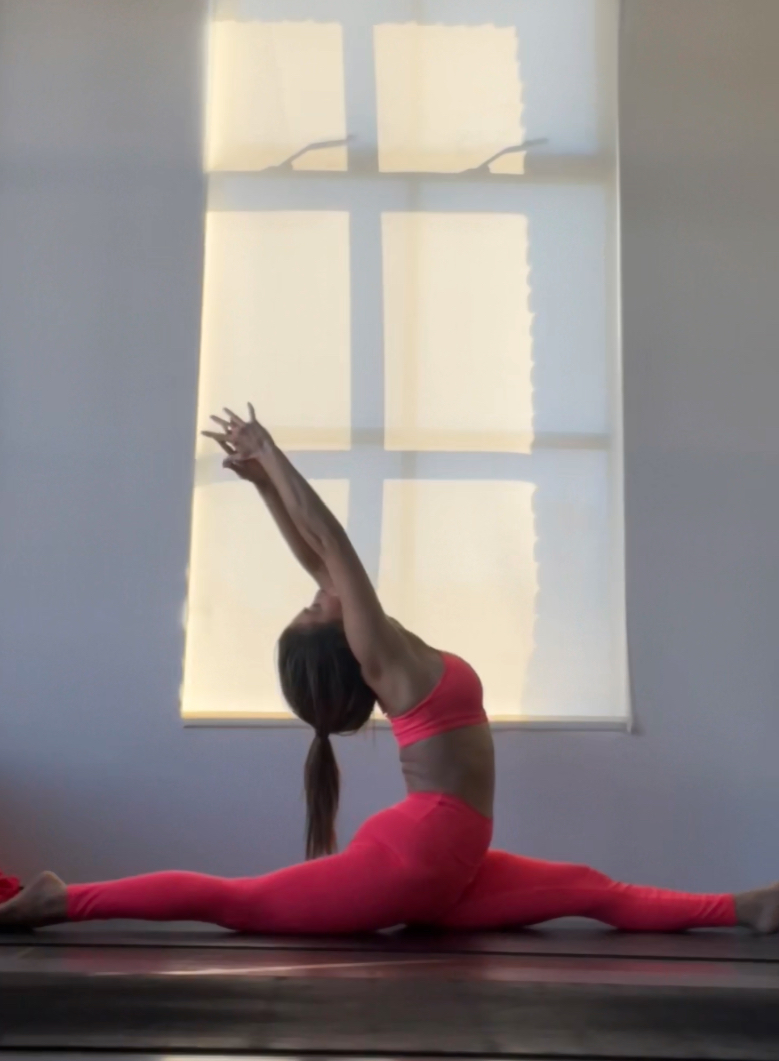
Before we go, any advice you can share with people who are feeling overwhelmed?
When I feel overwhelmed, I remind myself to take things one moment at a time. Overwhelm usually tells me that I’m trying to hold too much at once, so my first step is to slow down rather than push forward.
Practically, I get things out of my head and onto paper. I write out what feels urgent and what actually matters, then narrow my focus to the next most important step, not the entire list. Creating order helps my nervous system settle and brings me back into a sense of control and clarity.
I’ve also learned to recognize overwhelm as a body signal. When it shows up, it usually means I’m activated and out of balance. Instead of forcing productivity, I shift toward grounding, movement, breath, stepping outside, or quiet moments that help me feel more present. The goal isn’t to eliminate stress, but to bring myself back into a steadier place where I can think, decide, and respond more effectively.
Over time, I’ve learned that overwhelm isn’t always a sign that something is wrong. Sometimes it’s simply information, a reminder to pause, regulate, and re-enter life with more presence, compassion, and focus.
Contact Info:
- Linkedin: https://www.linkedin.com/in/sydney-fox-8259aa133/?utm_source=share&utm_campaign=share_via&utm_content=profile&utm_medium=ios_app
- Other: https://www.psychologytoday.com/us/therapists/sydney-fox-west-hollywood-ca/1395520
so if you or someone you know deserves recognition please let us know here.