Alright – so today we’ve got the honor of introducing you to Romello Smith. We think you’ll enjoy our conversation, we’ve shared it below.
Romello , we’re thrilled to have you on our platform and we think there is so much folks can learn from you and your story. Something that matters deeply to us is living a life and leading a career filled with purpose and so let’s start by chatting about how you found your purpose.
My purpose begins with listening to the inner voice that many people seem to avoid. I believe purpose is the feeling we create through the art we share with the world. For me, finding purpose has always been about channeling the energy of inspiration within our people and giving them the courage to change their world. It came through embracing and observing the culture around me. The music, the style, the influence of community—it all spoke to me and revealed that I would work in the music industry. But finding my passion meant aligning the music with the spirits of the people, similar to what Berry Gordy and Clive Davis did before me.Early in my childhood, my parents introduced me to the apex of music, culture, and history. They created a household that allowed us to find our passion and never abandon it. I still remember the feelings that stirred within me whenever I witnessed the work of Martin Luther King Jr., Spike Lee, E. Dewey Smith Sr. and Jr., and Ralph Lauren. There was something profound in their ability to move people and tell stories that resonated across generations. Those moments awakened something in me: a calling to inspire others through creative arts and public speaking, just as they had inspired me. Your passion is in the people. Your medium, the vehicle that will drive your passion, is around you. It’s in the music you hear, the stories you witness, and the community you serve. Once I understood that my purpose wasn’t something distant or abstract but was woven into the culture I already lived and breathed, everything became clear.
Let’s take a small detour – maybe you can share a bit about yourself before we dive back into some of the other questions we had for you?
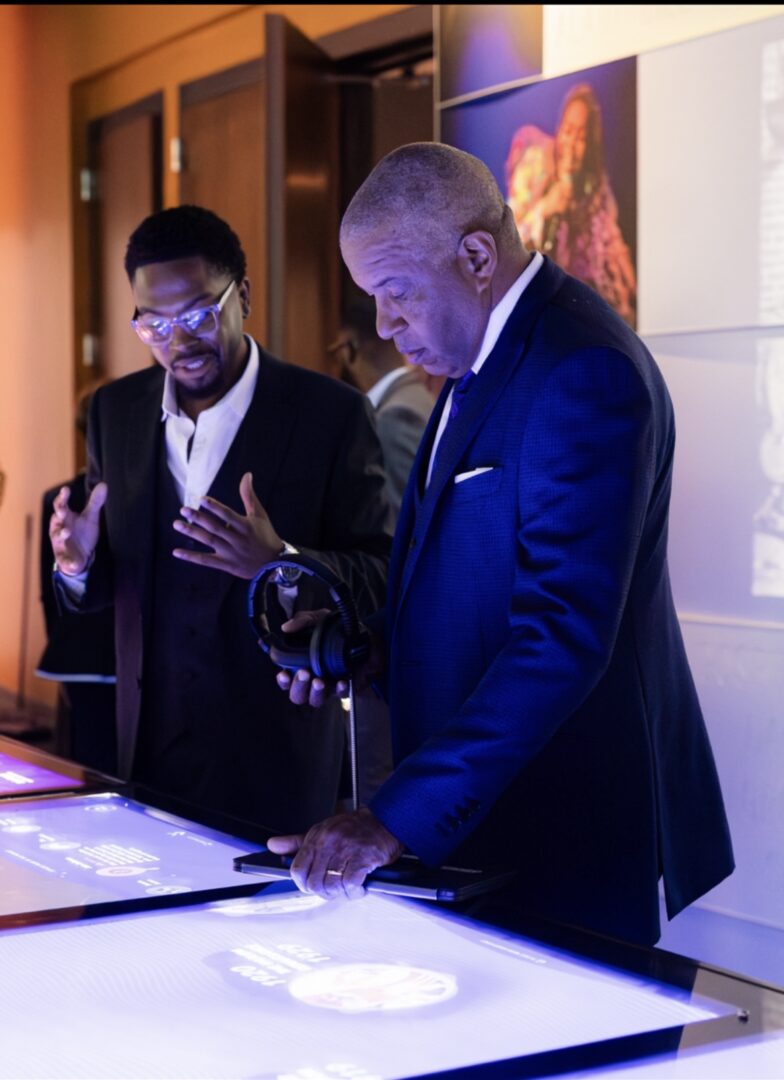
As Strategic Communications Coordinator for The National Museum of African American Music, I serve as both guardian and translator of Black music’s profound legacy. I am a cultural bridge builder, transforming 400 years of musical innovation into narratives that resonate across generations and move people into another realm of understanding.
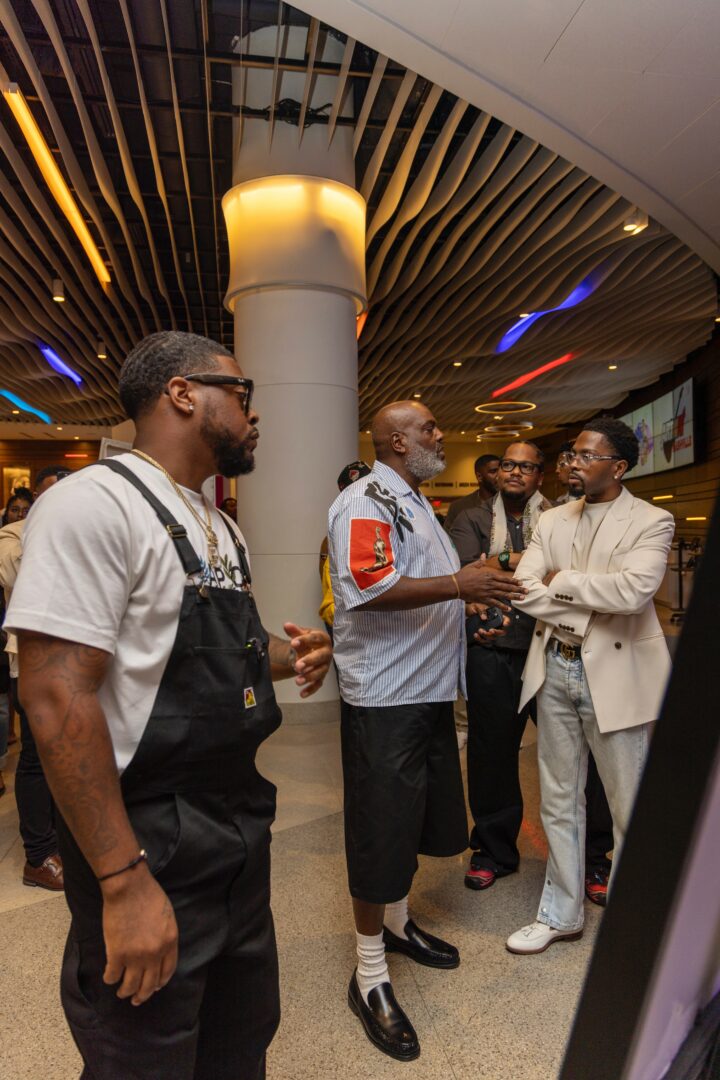
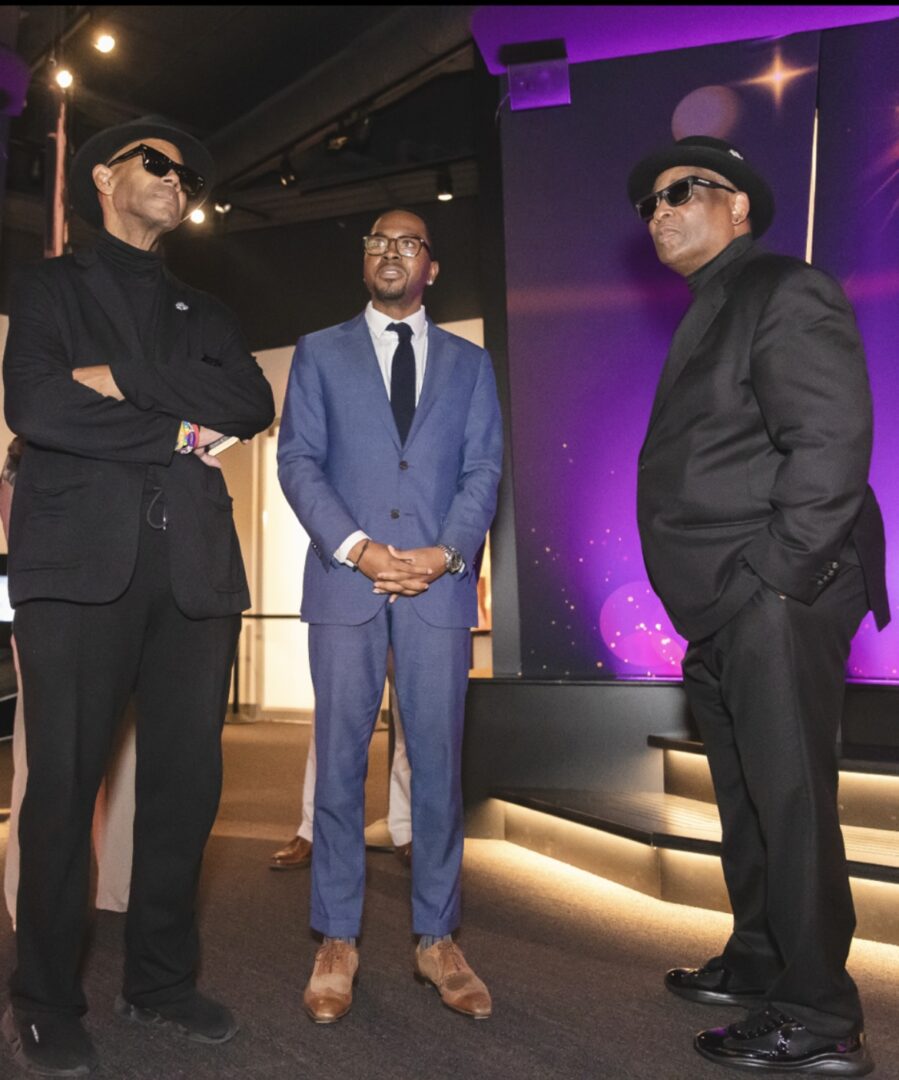
My craft lies in the art of storytelling. Through social media campaigns that spark conversation, strategic partnerships with distinguished brands, exclusive tours with some of the biggest names in the world, email marketing that draws visitors into our galleries, and speaking engagements where I become the voice of this living history, I specialize in one fundamental mission: making people feel the heartbeat of Black music. Every collaborative campaign with live venues, every public interview, every carefully curated social media post is an act of cultural preservation and celebration.
What sets my approach apart is understanding that Black music history isn’t static; it’s a living, breathing force that shaped America’s soundtrack and continues to define global culture. I don’t simply promote events or manage content. I weave connections between Motown and modern hip-hop, between gospel traditions and contemporary R&B, between the archive and the dance floor. I create moments where visitors don’t just learn about history—they feel it coursing through them, just as I felt it watching the work of Martin Luther King Jr., Spike Lee, E. Dewey Smith Sr. and Jr., and Ralph Lauren as a child.
Each opportunity to share this story—whether through a camera lens, a written piece, or a digital experience—is a sacred responsibility. My purpose isn’t about visibility or recognition. It’s about honoring the legacy entrusted to me and ensuring that the voices, struggles, and triumphs embedded in Black music continue to inspire and empower generations to come. This is how I give back: channeling the energy of inspiration within our people and giving them the courage to change their world, one story at a time.
Looking back, what do you think were the three qualities, skills, or areas of knowledge that were most impactful in your journey? What advice do you have for folks who are early in their journey in terms of how they can best develop or improve on these?
Passion, empathy, and writing are the three gifts that have shaped my career and my life. These traits have allowed me to connect with our people, our communities, and our historical context at a deeper level—not just professionally, but spiritually.
I share this truth with every young person I encounter, especially the youth at Tennessee State University: Be intentional and purposeful with the communities you aspire to change. Cultivate an identity rooted in who you are as a human being. You can never dissect the spirit from the movement of your craft and art. They are inseparable.
My Director, Dexter Evans, has a quote that stays with me: “People buy the chef before they purchase the kitchen.” It’s a reminder that who we are matters more than what we do. Our character, our authenticity, our soul—these are what people invest in. This is the hidden concept that aligns all the qualities I’ve spoken of. Passion without authenticity is hollow. Empathy without character is performative. Writing without soul is merely words on a page.
So how do we develop these three essential gifts?
Passion must be born from a spiritual passage, a divine calling that moves through you. It cannot be manufactured or imitated. It comes from God, from something greater than ourselves, and it fuels everything we create.
Empathy is gained through pure reflection—understanding your own life, your own experiences, and the lives of others without prejudgment. We must seek the purpose and perspective of others with a selfless approach. We must listen more than we speak and feel more than we assume.
Writing develops when you’re brave enough to say what no one else is willing to say. It requires the courage to communicate what no one else has the audacity to express. True writing doesn’t just inform—it transforms. It gives voice to the voiceless and language to the feelings we all carry but struggle to name.
When you internalize passion, empathy, and writing, you don’t just tell stories. You change lives. You honor legacies. You give people the courage to change their world.
As we end our chat, is there a book you can leave people with that’s been meaningful to you and your development?
The Autobiography of Malcolm X has played a pivotal role in my development and social outlook. The book offers a vivid reflection of America in the 1940s, 50s, and 60s while emphasizing the power of psychological transformation. Malcolm’s self-reflection throughout the book provides a relevant sense of where most Black men have been in their lives. By reading this text, you can appreciate the lessons of Malcolm Little’s struggle and success. We learn that spiritual and educational reform drive true change, and that the principles of love, beauty, and unification complete us as human beings.
Contact Info:
- Instagram: romelloasmith
- Facebook: Romello Smith
- Linkedin: Romello Smith
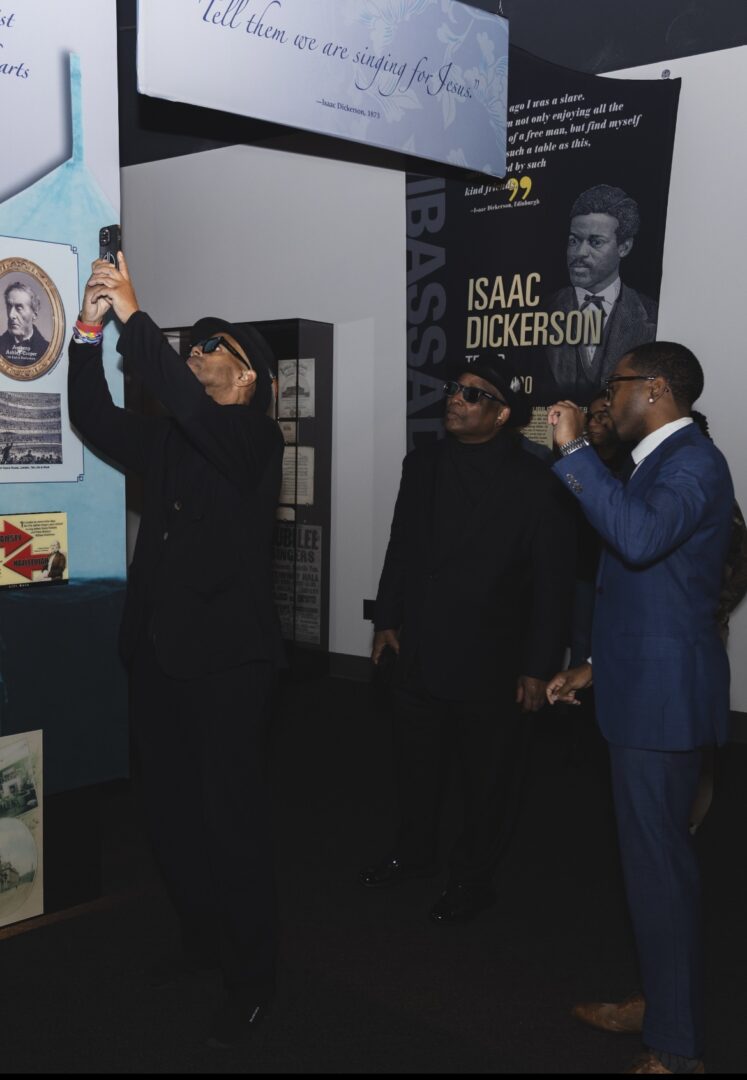
Image Credits
353 Media
so if you or someone you know deserves recognition please let us know here.