Alright – so today we’ve got the honor of introducing you to Rachel McFarlane. We think you’ll enjoy our conversation, we’ve shared it below.
Hi Rachel, appreciate you sitting with us today. Maybe we can start with a topic that we care deeply about because it’s something we’ve found really sets folks apart and can make all the difference in whether someone reaches their goals. Self discipline seems to have an outsized impact on how someone’s life plays out and so we’d love to hear about how you developed yours?
My self-discipline really comes from a pretty simple, blunt realization: no one is coming to save you. No one is going to force you to wake up early, make your business plans, or tell you to get off your phone and practice. Your whole life, where you are right now, it’s just the sum of every decision and habit you’ve ever made, good and bad. That sounds intense, but it’s true. I learned that the hard way.
Before I got into the Claude Watson arts program at Earl Haig, I had virtually no discipline at all. I was at a smaller school where I was considered one of the best musicians, so I never really practiced. I’d just coast on what came naturally. Then I got to Claude Watson and it was like being thrown into the deep end. Suddenly, I was a very small fish in a massive pond and honestly, I might have been one of the worst players there! I remember feeling this intense jealousy toward the other students. I’d brush it off, telling myself they just started playing way earlier than I did, but the truth was, I still wasn’t practicing. I’d show up to rehearsals and be genuinely surprised and embarrassed by how I played.
The real turning point was a conversation with a teacher. I was venting, and she asked me, “Who do you want to play like?” I said, “Hilary Hahn,” this incredible violinist. And she said, “Okay, then I want you to study her. Find out what she does in a day.” So I did. I read interviews, watched documentaries, and it hit me: her genius wasn’t just her talent, it was a combination of her discipline to practice daily and study music on her free time. She was consistent. That was my epiphany so, I changed. I started waking up an hour earlier to practice before school. I’d swap scrolling on my phone for running scales. And the worst part is it actually worked. Seeing those small improvements made me realize the sacrifice was paying off and I could shape my own outcome.
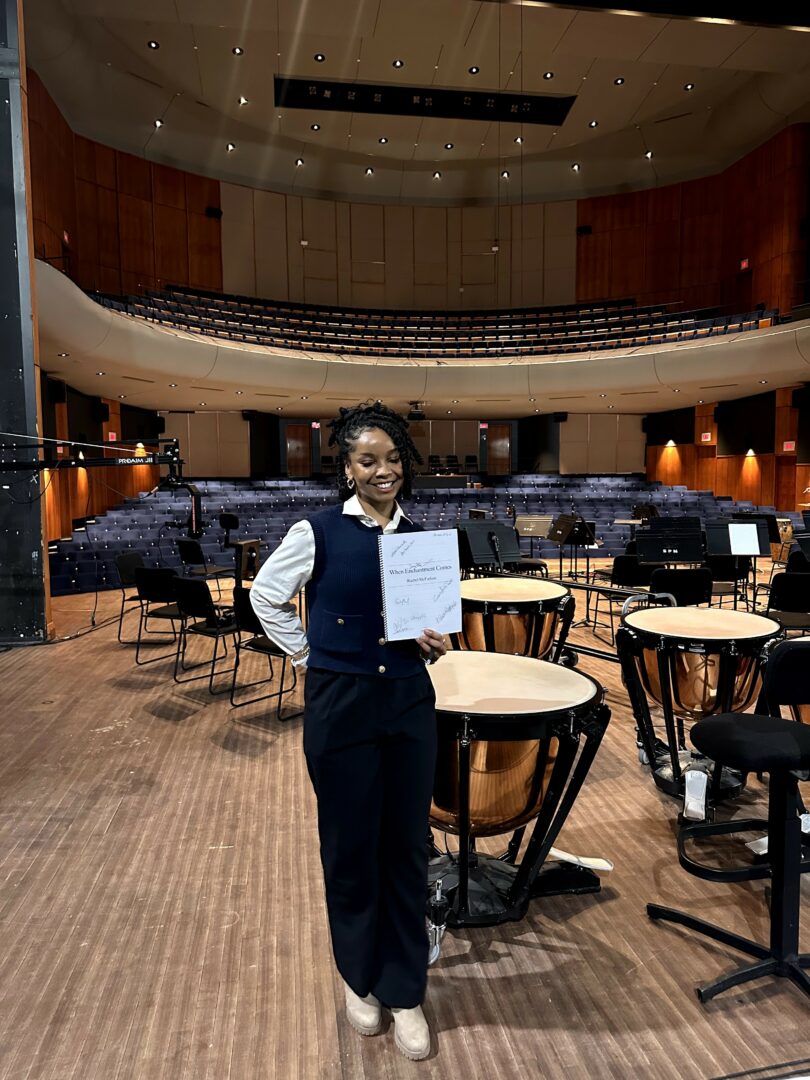
I carried that lesson with me to Berklee College of Music, but I had to apply it to a whole new world: composing. In the film and media industry, you don’t just need to be good; you need to be seen. I knew I had to build a presence. I decided to start posting composition breakdowns and reels on social media, on top of a full course load at Berklee and trying to maintain some semblance of a social life. It was a lot. I’d be scoring film projects all night, then editing a video about it at 7 a.m., then rush to the gym before class.
The hardest part of maintaining discipline was trusting it when the path isn’t linear. There have been so many times I’ve sacrificed, given my all to a job application, a competition, or a pitch, only for them to choose someone else. In those low moments, my ego would talk crazy. I’d think, “What’s the point of all this sacrifice if people who aren’t doing half the work are getting the opportunities?” But that’s where I learned the real meaning of discipline. It’s not a transaction. You can’t do the work expecting a specific reward on a specific day. Part of the discipline is building the routine and trusting yourself enough to know that, somehow, it will work out, even if you can’t see how yet.
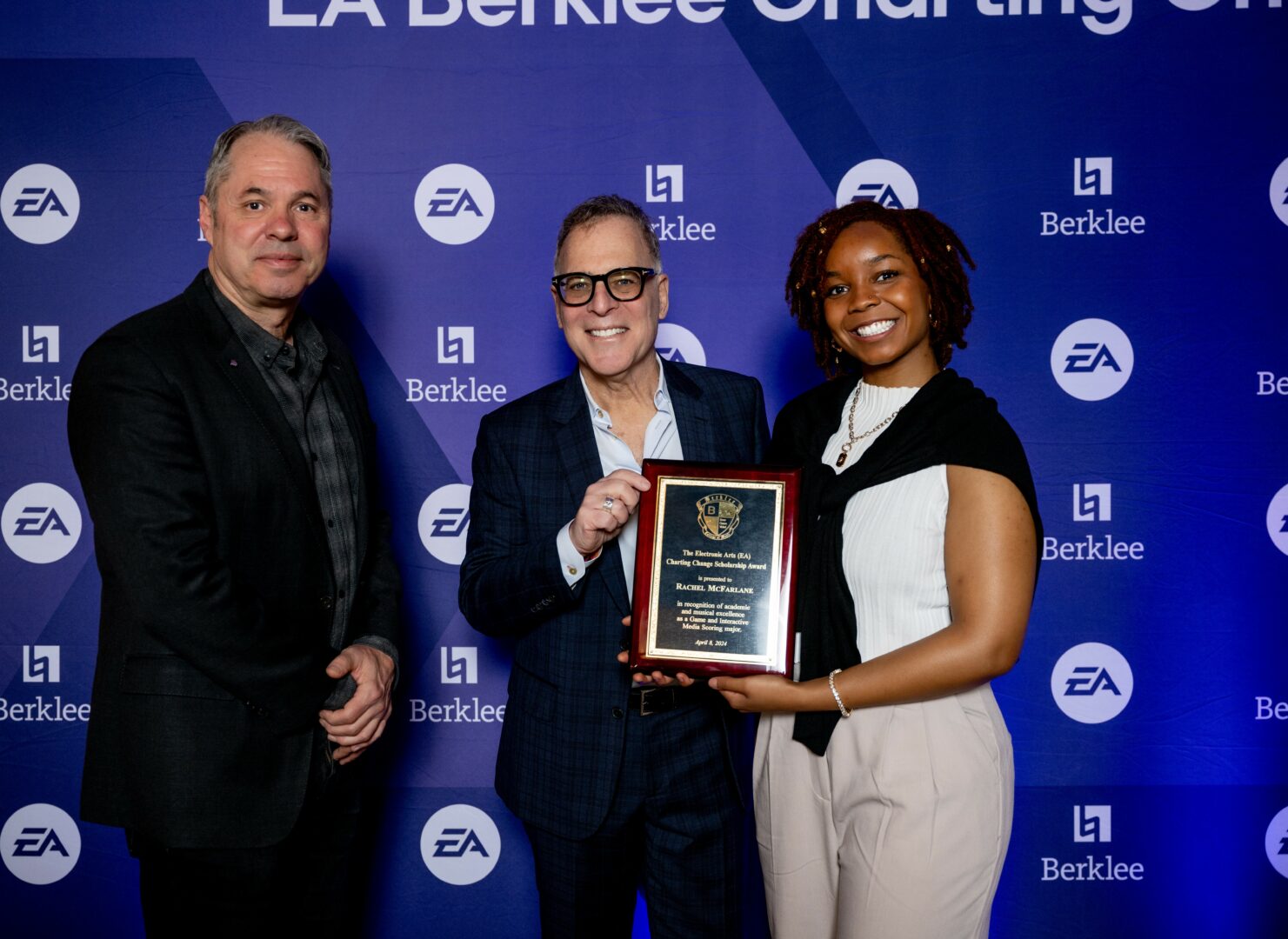
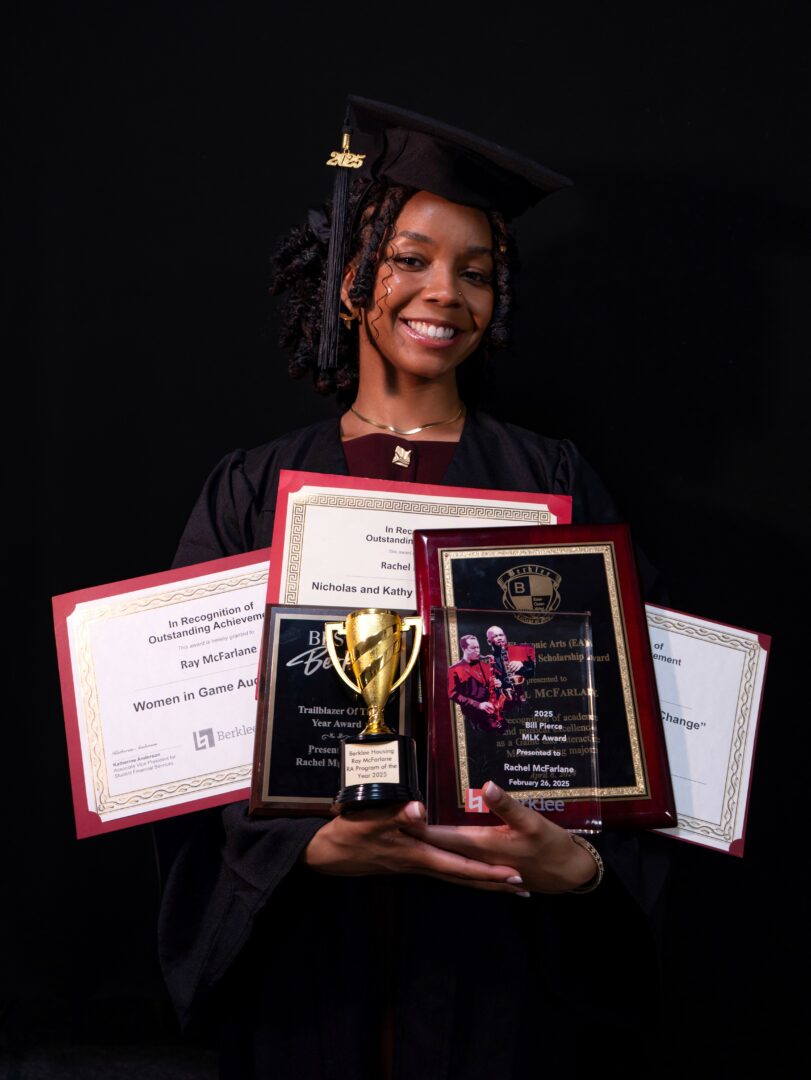
This year tested that trust more than ever. I graduated as Valedictorian from Berklee with no job lined up. Zero. After all that work, that was a brutal pill to swallow. But the discipline I’d built wasn’t just for the good times; it was for this exact moment. So I kept going. I kept composing, posting, and networking, even when the outcome was completely uncertain. And that consistency, that stubborn trust in the process, is what eventually led me to my dream job working at Riot Games.
I continue to try and get better every single day, so my future self will thank me. Although I’m grateful for where I am now, I never try to become complacent because the day you become content, is the day you stop evaluating yourself. It’s the day the person who’s trying to catch you will catch you.
Thanks, so before we move on maybe you can share a bit more about yourself?
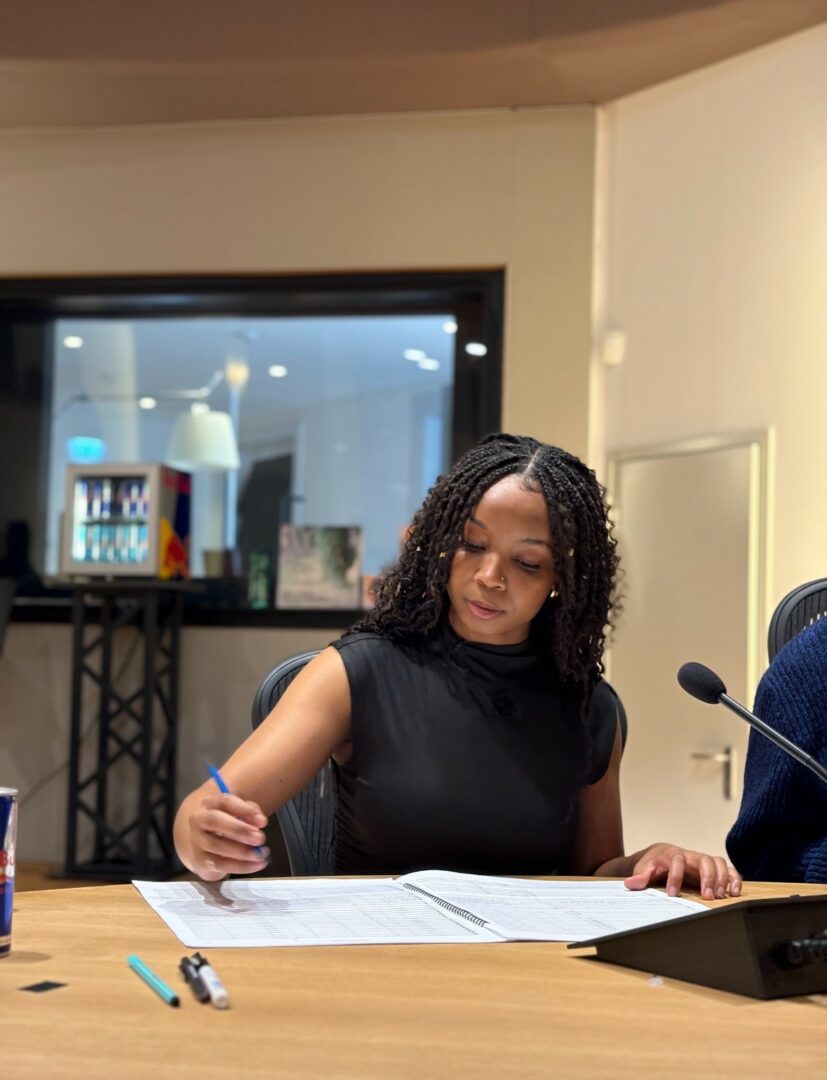
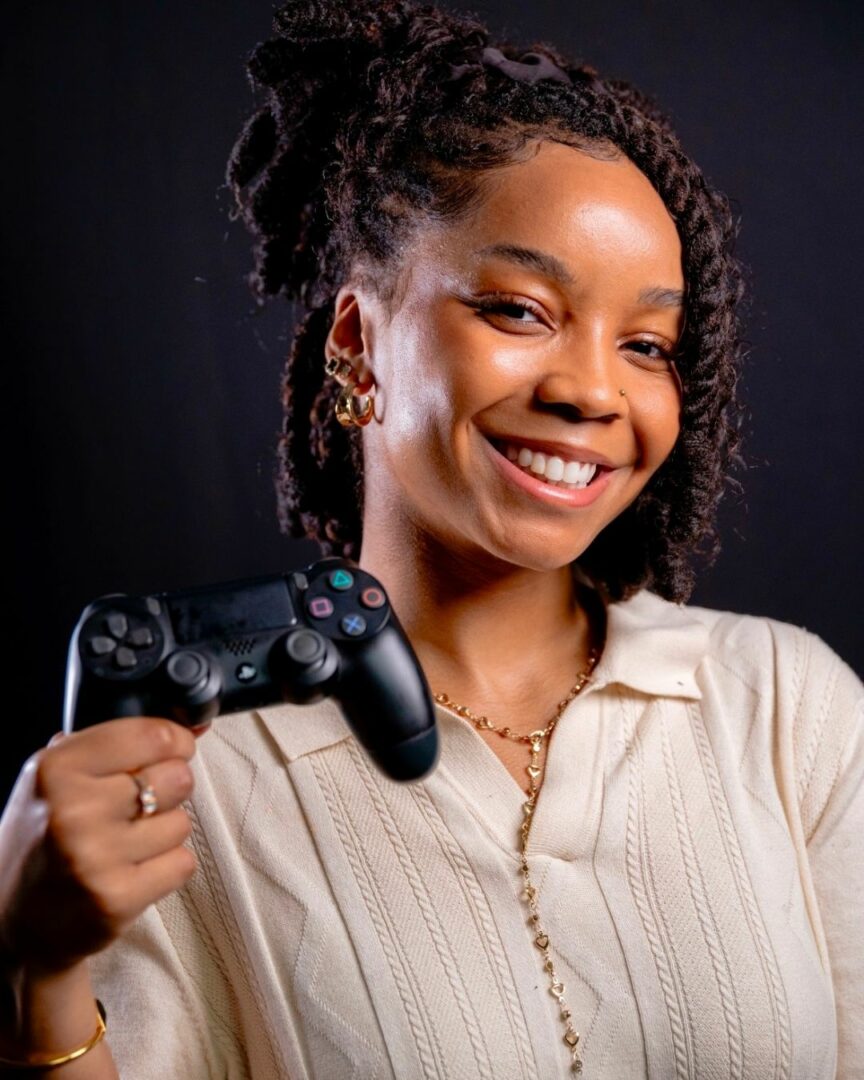
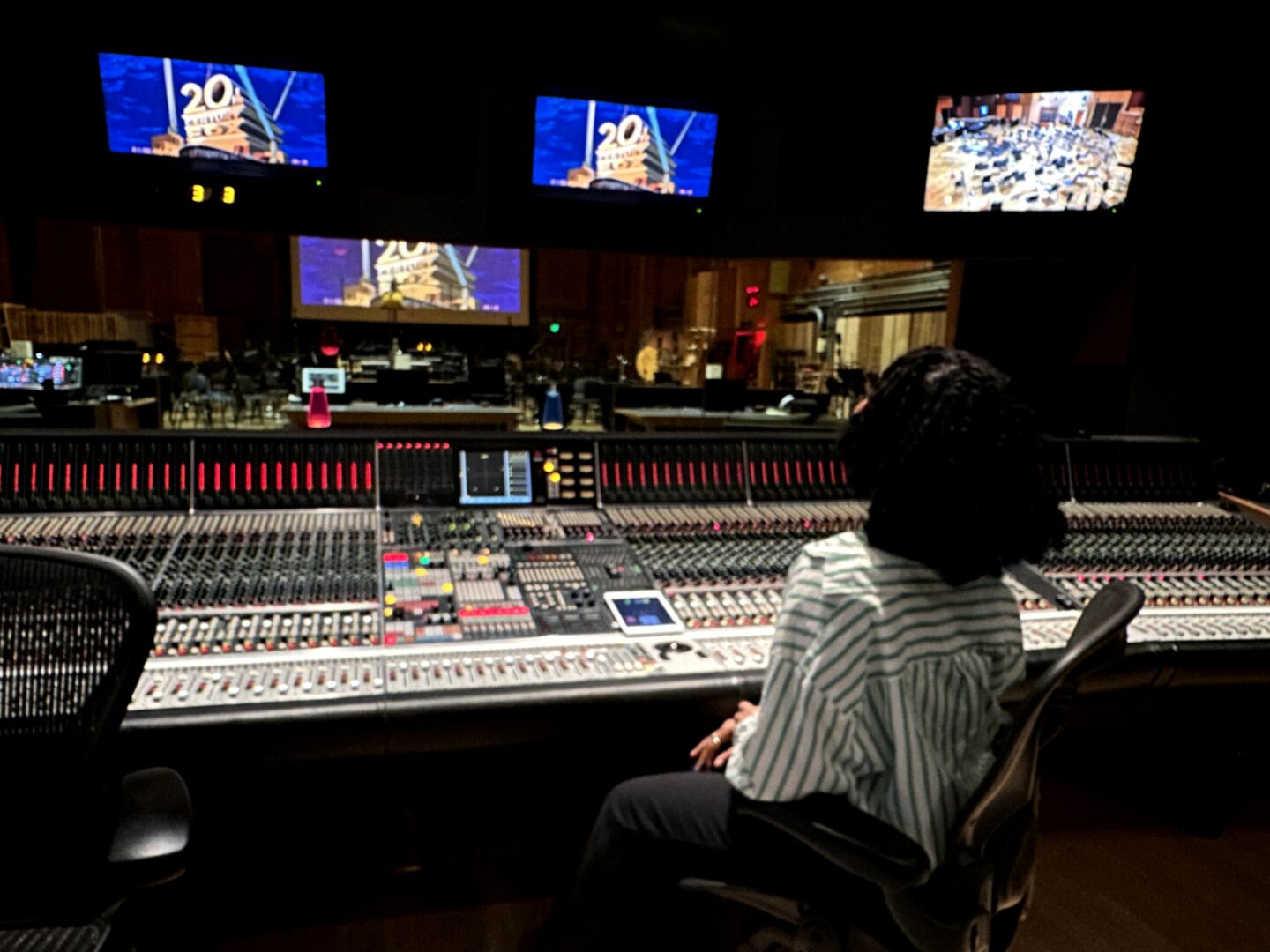
At parties I usually just say “I’m a composer” because it’s easier, but what I actually do is a fun mash-up of a bunch of different worlds. I’m a composer, a content creator, and a bit of a multidisciplinary artist. My home is in film, animation, and especially video games. I’m obsessed with how music can give a story emotional clarity, or build out an entire game world, or make a character feel truly real. My focus is always on intentionality and collaboration. I’m really drawn to projects that let me amplify voices we don’t hear enough and explore how music can shape how we feel and experience a story. The most exciting part is the sheer range of it all. One day I’m writing a heartfelt piece for an animated short, the next I’m figuring out adaptive music systems for a game, and the day after that I’m producing something for a Red Bull Music project.
The idea of belonging and access is something I care about deeply, both on and off the screen. Beyond composing, I’m really active in mentorship and advocacy. I’m a member of groups like the Alliance for Women Film Composers, the Composers Diversity Collective, Grammy U, and the SCL which all work to open doors and create more equity in our industry. I also do content creator brand partnerships online in some of my content that hopefully show other young creatives that there’s a place for them here too.
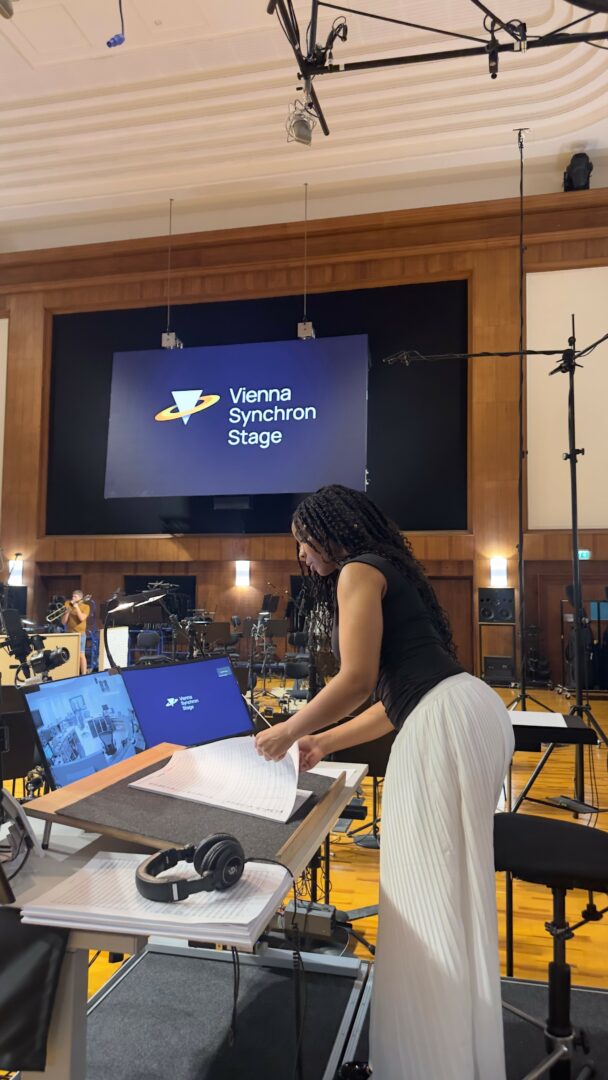
I’ve been incredibly lucky with some recent adventures. I’m currently being commissioned by the amazing Sphinx Organization to write new pieces for their ensembles and orchestras, which will tour across America in 2026. a huge honour!! I’m also developing a new project I’m so passionate about: building a community for creatives in art, music, and entertainment. It’s for anyone who wants to excel in networking, build real discipline, and change the trajectory of their career. We’ll have interviews with industry pros, practical tools, and classes. If that sounds like your vibe, I’d love for you to join us, you can sign up for updates on my website!
Looking back, what do you think were the three qualities, skills, or areas of knowledge that were most impactful in your journey? What advice do you have for folks who are early in their journey in terms of how they can best develop or improve on these?
The first thing I would say is to have Relentless Curiosity. Early on, I thought skill was just about mastering your instrument. But my journey really took off when I got curious about everything around the music. How does a film director think about a scene? What makes a game level feel immersive? How does sound design interact with melody? This curiosity pushed me to learn basic coding for interactive audio, to study film theory, and to ask “why” in every collaborative meeting. It stopped me from being just a musician-for-hire and let me become a true storytelling partner.
Second, I learned the Discipline of Trust. We talked about self-discipline, but there’s a deeper layer: the discipline to trust the process when you can’t see the outcome. I used to think discipline was a straight line: work hard, get result. But so often, I’d work hard and face rejection, or silence. The discipline to keep going anyway, to trust that the work itself was building something even if I couldn’t see the blueprint, that was huge. It meant practicing even when I felt like the worst player in the room, or posting a video online when it felt like no one was watching. Build a routine you can sustain, and focus on the integrity of the work itself. Celebrate showing up and trust that if you keep putting good work into the universe, it will find its way back to you, often in a form you didn’t expect.
Finally, Intentional Networking, and I mean that in the least transactional way possible. I used to think networking was just collecting business cards. What actually changed my life was building real, genuine connections. It was about showing up for other people’s art, offering help on a project without being asked, and having conversations where I wasn’t trying to “get” something, but to learn and connect. The community I found at Berklee, through different organizations, and even online, became my support system and my most honest critics. Nurture a small circle of trusted peers who challenge and support you. Your network is your ecosystem, and you have to contribute to it for it to thrive.
Looking back over the past 12 months or so, what do you think has been your biggest area of improvement or growth?
My biggest growth this past year has been learning how to be fully, unapologetically myself online and in every room I walk into, and becoming truly okay with the possibility that some people might not like it.
To give you some context, for a long time, I carried this heavy weight of representation. I was the first woman and first person of color to graduate from Berklee with the Screen Scoring double major in Film Scoring and Games & Interactive Media Scoring. Before that, I was almost always the only Black woman in so many spaces: award ceremonies, networking events, etc. It felt scary. I felt like I had to be perfect, because if I was the “first,” I couldn’t mess it up. I was walking in thinking, “I’m not just representing myself; I’m giving people their first impression of how a Black woman navigates this world.” That pressure made me mask a lot. I’d filter my personality, dial back my humor, soften my opinions, all to make sure everyone was comfortable and I could keep those doors open. It was so exhausting.
After hitting a pretty serious burnout near the end of 2024, I knew something had to change. So I decided that my word for 2025 would be “Authenticity”. I made a conscious choice to show up to everything entirely as myself. It meant allowing myself to be all the things I am, out loud: I can be funny and sharp, I can be quiet and reflective, I can be sensitive about my work, I can be loud when I’m excited, and yes, I can be fiercely competitive. It’s all me and I loved it! I stopped trying to curate a single, “acceptable” version of myself for professional consumption. The most beautiful part was realizing how effortless connection became when I took off the mask. I wasn’t spending mental energy on self-analysis or second-guessing every word. I was just present. And that authenticity attracted the right people who resonated with the real me. It built trust faster and made my relationships so much more meaningful.
And for the people I didn’t gel with? I became totally okay with it. In the past, a mismatch would feel like a personal failure. Now, I see it as simply making space for more of the right people to come into my life. Why would I want to be in rooms with people who don’t appreciate the real me anyway? Letting go of that need for universal approval has been the most liberating skill I’ve learned. It’s allowed me to move with more confidence, create with more honesty, and build a community and a career that truly reflects who I am, not who I thought I needed to be.
Contact Info:
- Website: https://www.rachelmcfarlanemusic.com/
- Instagram: https://www.instagram.com/raylaxingmusic/
- Linkedin: https://www.linkedin.com/in/rachel-mcfarlane-915147256/
- Other: Spotify: https://open.spotify.com/artist/0uf9NFOPO4WgftdZHxFVMc?si=Htg1-GloRsqoCQCO_Y4xrg
Apple Music: https://music.apple.com/us/artist/rachel-angelina-mcfarlane/1834992569
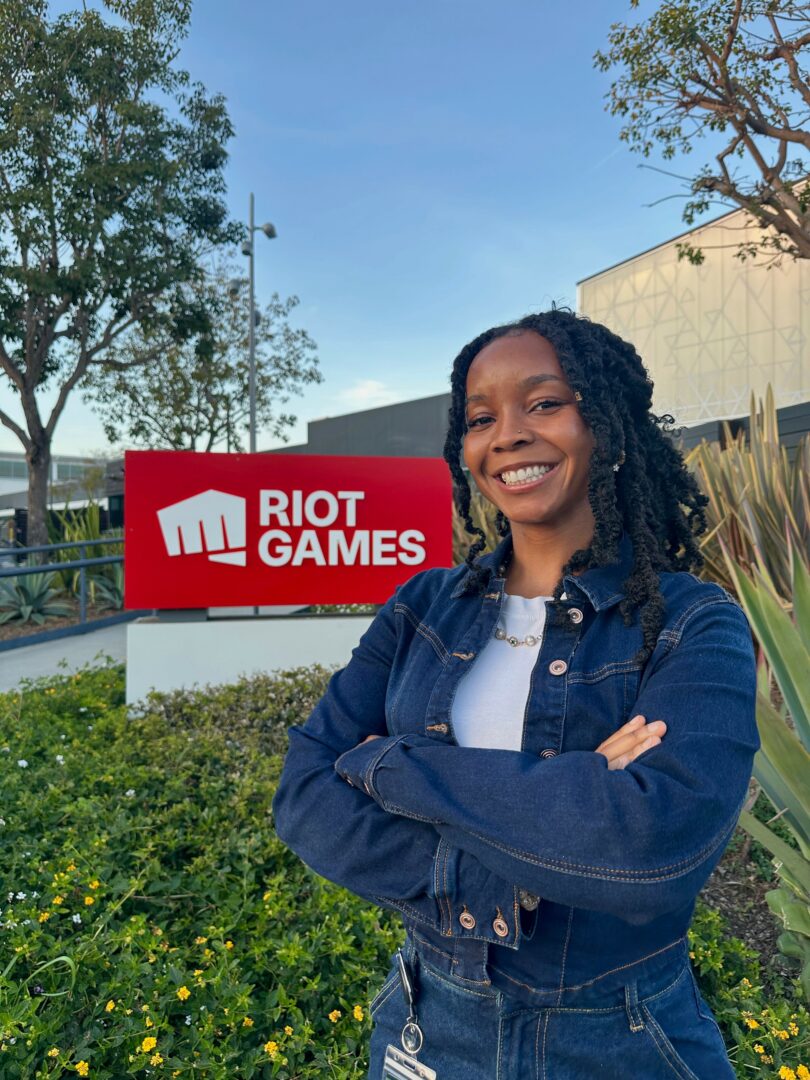
Image Credits
Graduation picture credit: Abigail Samuels
so if you or someone you know deserves recognition please let us know here.