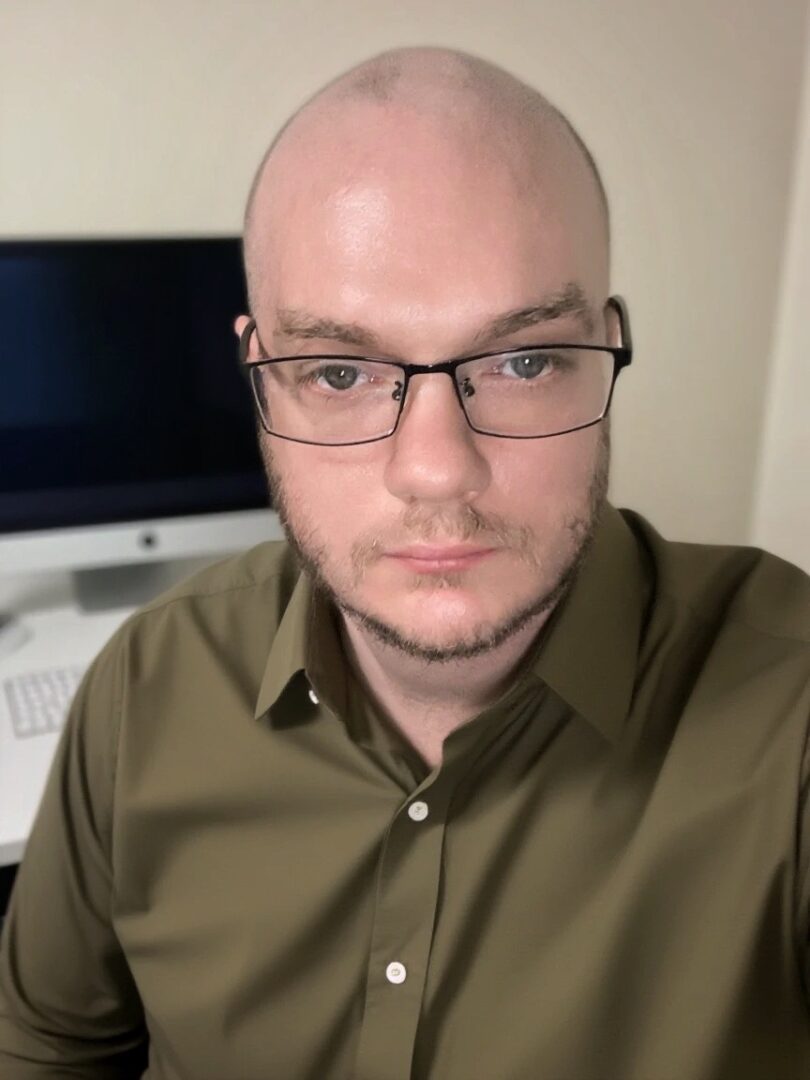
We caught up with the brilliant and insightful S.J. Salvatore a few weeks ago and have shared our conversation below.
S.J. , first a big thank you for taking the time to share your thoughts and insights with us today. I’m sure many of our readers will benefit from your wisdom, and one of the areas where we think your insight might be most helpful is related to imposter syndrome. Imposter syndrome is holding so many people back from reaching their true and highest potential and so we’d love to hear about your journey and how you overcame imposter syndrome.
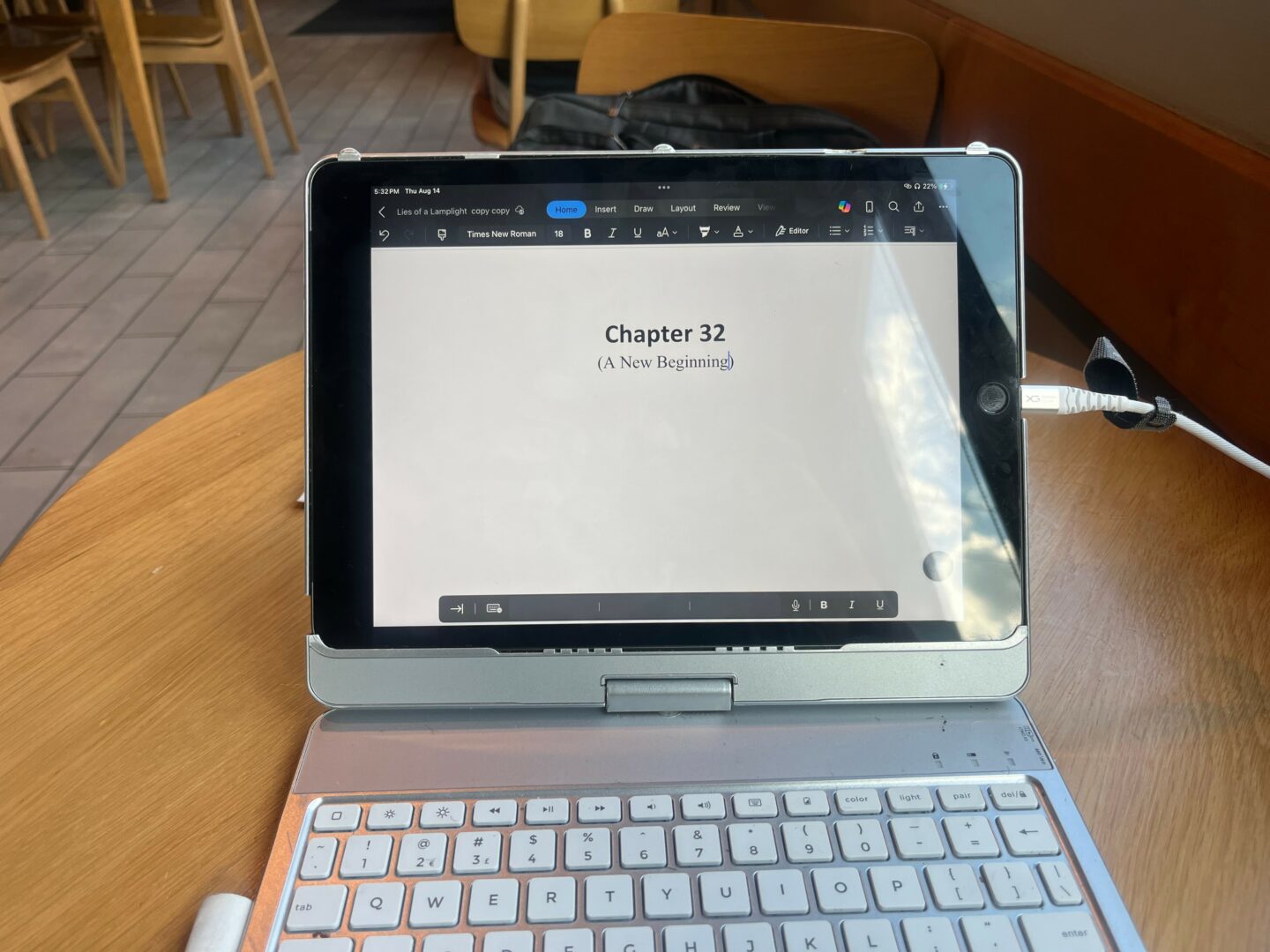
Overcoming imposter syndrome wasn’t a sudden realization; it was a years-long process of reframing my mindset. I eventually had to accept that my feelings of ‘not belonging’ were secondary to my goals. I realized that if I waited until I felt 100% qualified to call myself a novelist, I would never write a single chapter. I had to tell myself that my internal doubts didn’t change the reality of the work I was producing. Ultimately, I chose my ambition over my anxiety. I knew that if I didn’t fight through that mental barrier, I would be the only thing standing in the way of the success I wanted. I stopped asking for permission to be an author and just started doing the work.
Appreciate the insights and wisdom. Before we dig deeper and ask you about the skills that matter and more, maybe you can tell our readers about yourself?
I am a novelist specializing in mysteries and psychological thrillers that explore the darker intersections of trauma, truth, and resilience. My work is defined by a commitment to sensory storytelling and complex, multi-POV narratives that challenge the reader to look beneath the surface of what they see—or think they see.
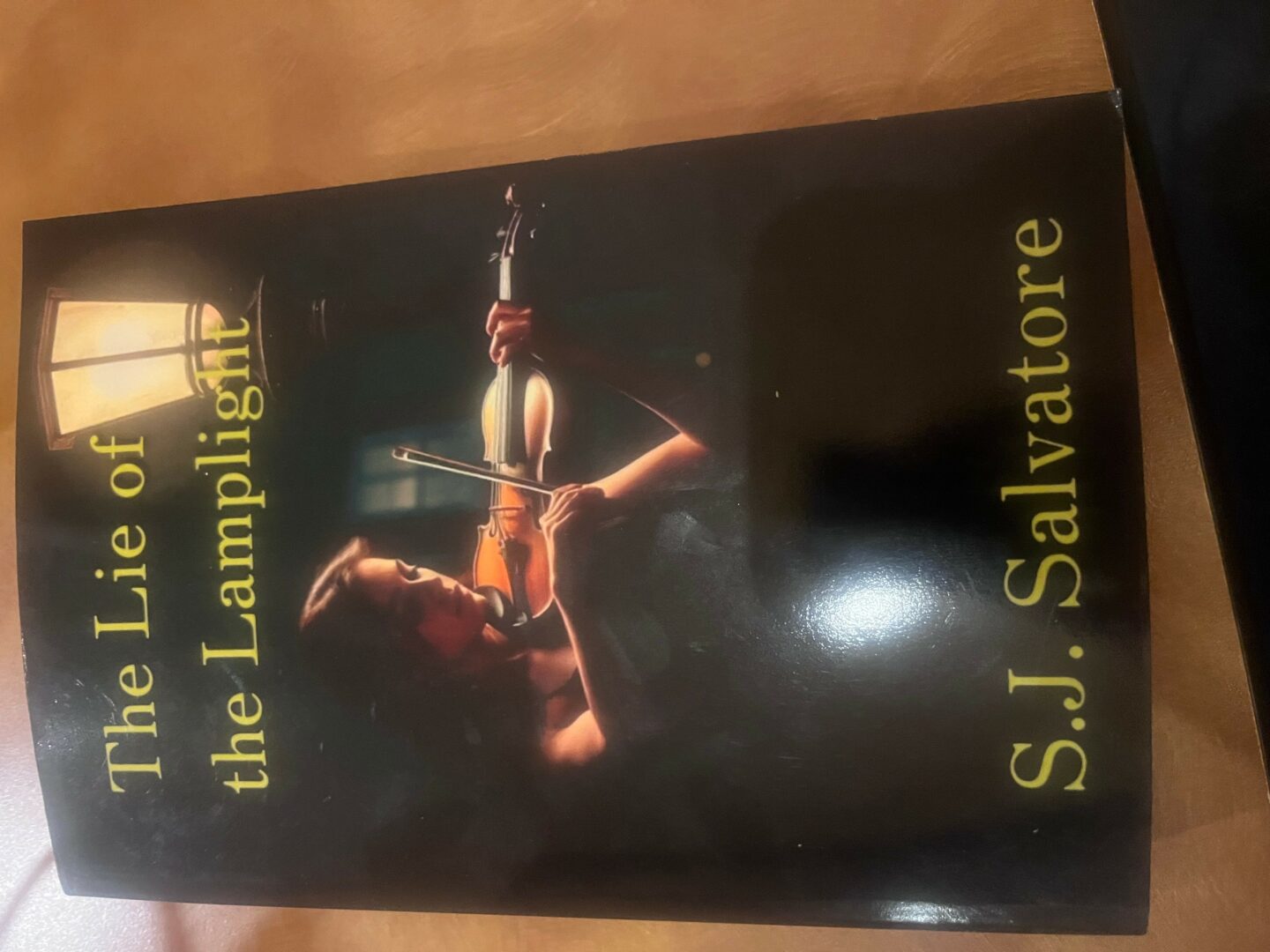
My published novel, The Lie of the Lamplight, is a high-stakes psychological thriller centered on Raven Romero, a decorated war veteran who has lost her sight. After retreating to rural Oklahoma to find peace through her violin, she finds herself at the center of a deadly trap: a killer is recreating crimes she once researched, turning murder into a twisted form of performance art. What makes this book special is the perspective; by utilizing multiple points of view and focusing on Raven’s military instincts and enhanced hearing, I’ve created a world where the tension is felt as much as it is read.
What I’d like readers to know about my brand is that I write for those who love grit and deep character psychological profiles. I want to tell stories about people who have been broken by life but refuse to stay down.
I’m also very excited about my current professional focus: I am currently writing the first book of a new trilogy. While The Lie of the Lamplight was a standalone journey, this new project allows me to build a much larger world and a deeper arc for a new set of characters. It’s an ambitious step forward in my career, and I’m looking forward to bringing that same level of atmospheric tension and psychological depth to a long-form series. I can’t wait to share more with the Atlanta community as this new series takes shape.”

If you had to pick three qualities that are most important to develop, which three would you say matter most?
1. Disciplined Consistency (The “Action First” Mindset)
As I mentioned with my struggle with imposter syndrome, waiting for “inspiration” is a trap. The most impactful shift I made was realizing that progress is made in the chair, not in my head. I had to force myself to show up every day, regardless of how I felt about my talent.
Advice: Don’t wait for permission or for the “perfect” idea. Set a non-negotiable daily goal—whether it’s 200 words or 20 minutes—and stick to it. You can edit a bad page, but you can’t edit a blank one.
2. Sensory Research & Character Empathy
For The Lie of the Lamplight, I had to step far outside my own experience to write Raven Romero. Developing the “knowledge” of how a blind veteran navigates the world—relying on military instincts and enhanced hearing—required deep empathy and research. This “sensory” layer is what makes a story feel real.
Advice: If you want your work to stand out, obsess over the details. Research the things your characters love or the challenges they face until you can describe them with your eyes closed. It’s the small, specific details that build trust with your reader.
3. Mastering Narrative Structure (The Multi-POV Puzzle)
Writing a psychological thriller with multiple points of view is like building a clock; every gear has to mesh perfectly. Learning how to manage pacing and “cliffhangers” across different perspectives was a steep but necessary learning curve.
Advice: Read critically within your genre. When you read a book you love, deconstruct it. Ask yourself: Why did the author switch perspectives here? How did they keep the tension high? Study the architecture of the stories that move you.
What would you advise – going all in on your strengths or investing on areas where you aren’t as strong to be more well-rounded?
In the creative world, there is a lot of advice telling you to ‘just focus on your craft,’ but I’ve learned that to truly succeed, you have to be willing to invest in the areas where you aren’t naturally strong. I lean toward the importance of being well-rounded, not because it’s easy, but because it’s necessary for survival as a professional artist.
My natural strength is the ‘vision’—the big ideas, the atmosphere, and the psychological twists of a story like The Lie of the Lamplight. If I had only focused on that, I would have a beautiful half-finished manuscript buried deep into my computer. I had to force myself to become strong in the areas that felt like ‘work’: the meticulous nature of structural editing, the technical side of publishing, and the vulnerability of marketing myself.
A relevant story from my writing journey involves the character of Raven Romero. In the book, she is a violinist. As a writer, I could have just described the music and focused on my ‘strength’ of writing action. Instead, I invested time in learning the mechanics of how a violin feels—the tension of the strings, the resin on the bow—to make her world authentic.
I applied that same logic to my career. I wasn’t naturally ‘strong’ at the business side of being an author, but I knew that if I didn’t develop those skills, my stories would never reach the people who needed to read them. I tell people early in their journey: Your strengths will get you started, but your ‘weak’ areas are usually what will determine if you finish. If you only play to your strengths, you build a lopsided career. When you shore up your weaknesses, you build a foundation that can actually support your talent.
Contact Info:
- Website: https://Www.sjsalvatore.com
- Instagram: @sjsalvatore
- Facebook: https://facebook.com/authorsjsalvatore
- Other: TikTok: @s.j.salvatore
so if you or someone you know deserves recognition please let us know here.