Shannon Sullivan shared their story and experiences with us recently and you can find our conversation below.
Good morning Shannon, we’re so happy to have you here with us and we’d love to explore your story and how you think about life and legacy and so much more. So let’s start with a question we often ask: What battle are you avoiding?
Oh my goodness — it feels as though a significant inner battle I’m currently navigating revolves around visibility and being seen. Not in the sense that I’ve struggled to find an audience or connect with others, but in the deeper, more personal sense of allowing myself to step forward as I am. Over the last few years, I’ve been nurturing myself within a kind of healing cocoon I intentionally created. I think many of us can relate to how profoundly the world shifted post-Covid. For me, that collective upheaval coincided with a quieter, more inward retreat. I pulled back from the larger world, not out of fear exactly, but out of necessity. In hindsight, that retreat was both a refuge and a reckoning.
There was a time when I kept myself perpetually busy — productive on the surface, yet subtly avoiding the deeper inner work my soul was craving. Slowing down removed those distractions and invited me to finally sit with myself, to listen, and to begin untangling layers I had carried for years. That period of inward focus was deeply healing, but it also softened parts of me that had once felt armored.
As I’ve emerged from that cocoon, I’ve become acutely aware of how exposed healing can feel. There’s a protective instinct that surfaces when old layers fall away — like pulling off a bandage before you’re quite sure you’re ready, feeling the air meet tender skin. There’s a brief sting, a vulnerability that makes you want to cover everything back up. Yet wounds need air to heal, and growth requires a willingness to remain open even when it feels uncomfortable.
I’ve struggled with allowing myself to be fully seen, largely because of a long-held fear around how others might perceive me — or worse, misunderstand me entirely. But I’m learning that visibility isn’t about being perfectly understood by everyone; it’s about having the courage to show up honestly and trust that the right connections will recognize what’s real.
This chapter of my life is less about hiding or protecting myself and more about practicing presence — staying open, letting my work and my voice breathe, and allowing myself to be seen without retreating back into old defenses. That ongoing tension between self-protection and self-expression has become one of my greatest teachers, and it continues to shape how I show up in the world today.
Can you briefly introduce yourself and share what makes you or your brand unique?
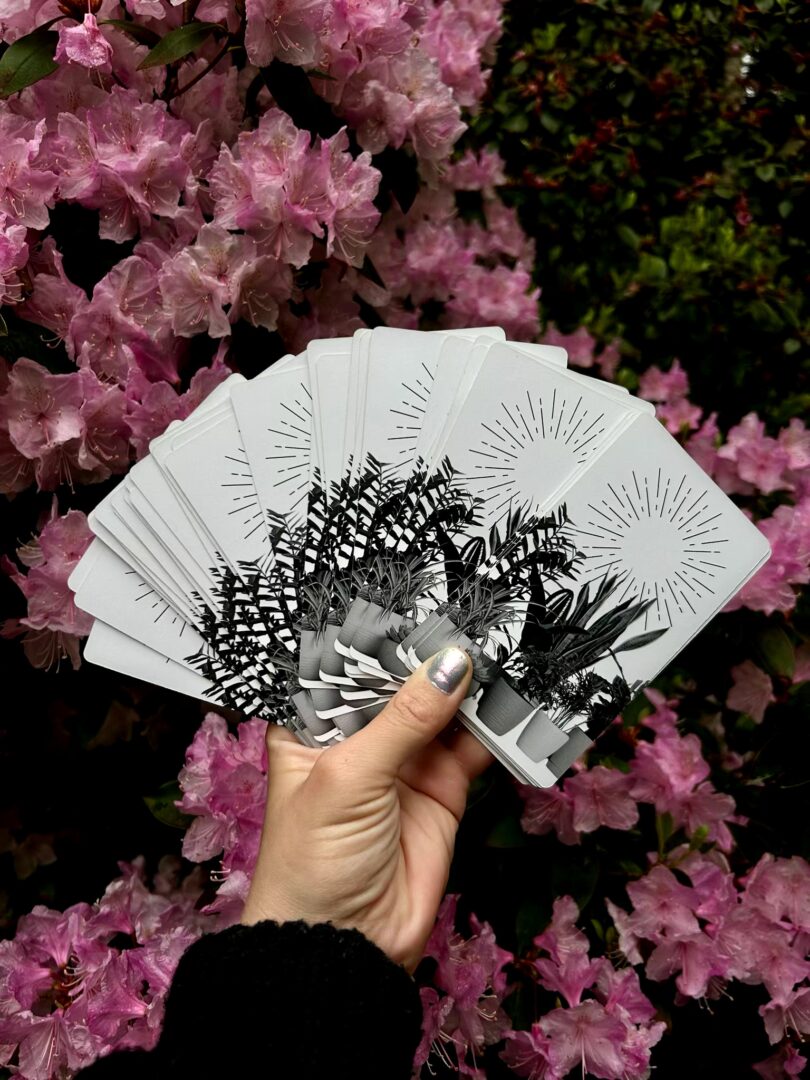
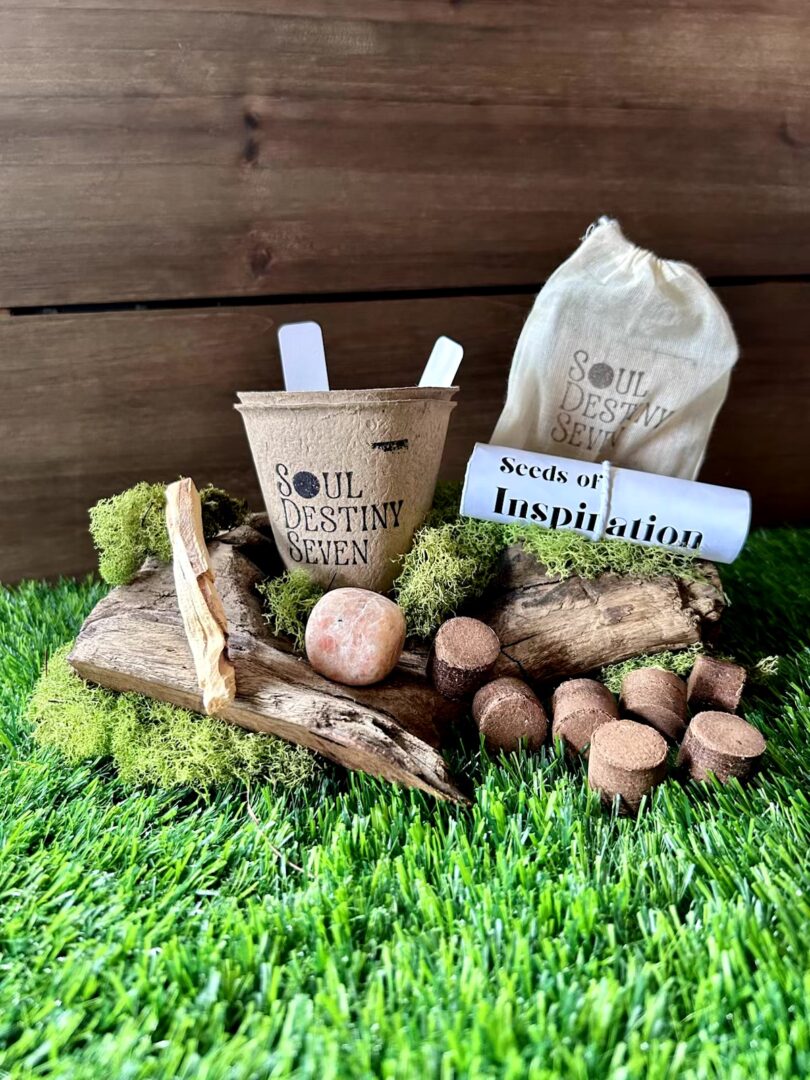
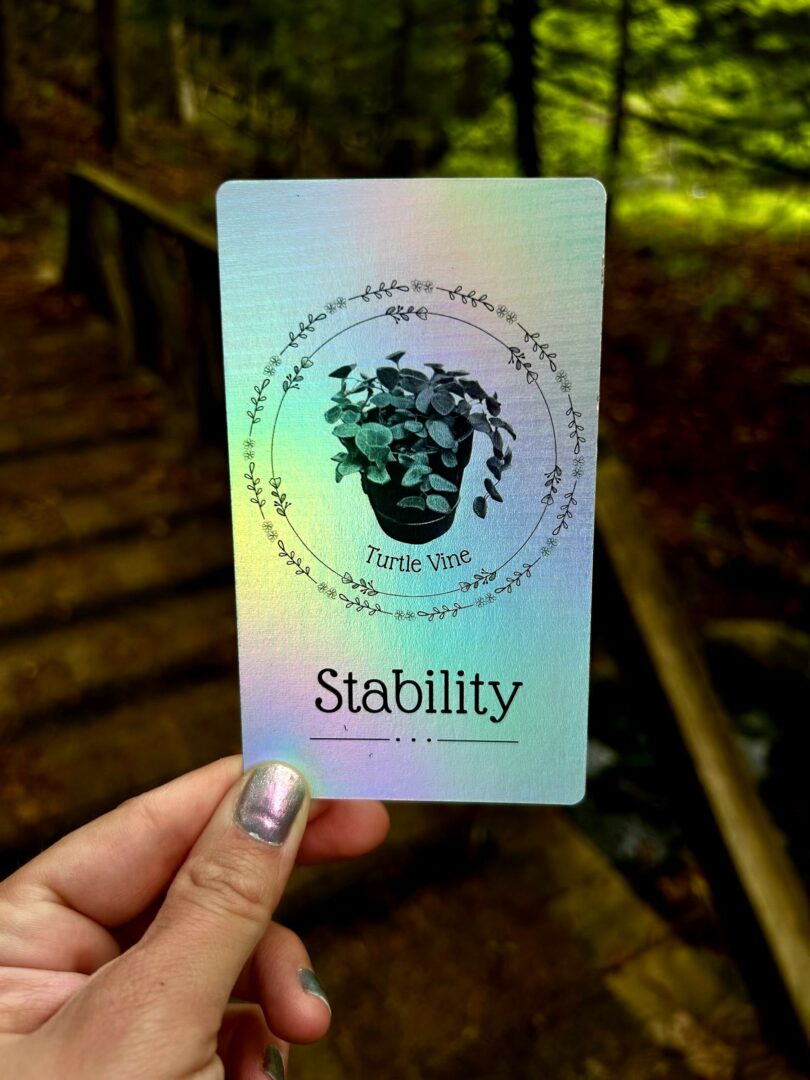
Well, I’m Shannon, the founder of Soul Destiny Seven — a brand rooted in the belief that growth, healing, and transformation are not abstract concepts, but living processes we can tend to through nature. At its heart, Soul Destiny Seven is about grounding spirituality in the tangible world, using plants, flowers, and gardening as mirrors for the inner work many of us are navigating.
My path to this work wasn’t linear. Like many people, I spent years searching outward for answers while quietly longing for something that felt more embodied and real. It wasn’t until I slowed down and began working closely with the natural cycles — planting seeds, observing growth, honoring rest — that I recognized how deeply those rhythms reflect our own emotional and spiritual landscapes. That realization became the foundation of Soul Destiny Seven.
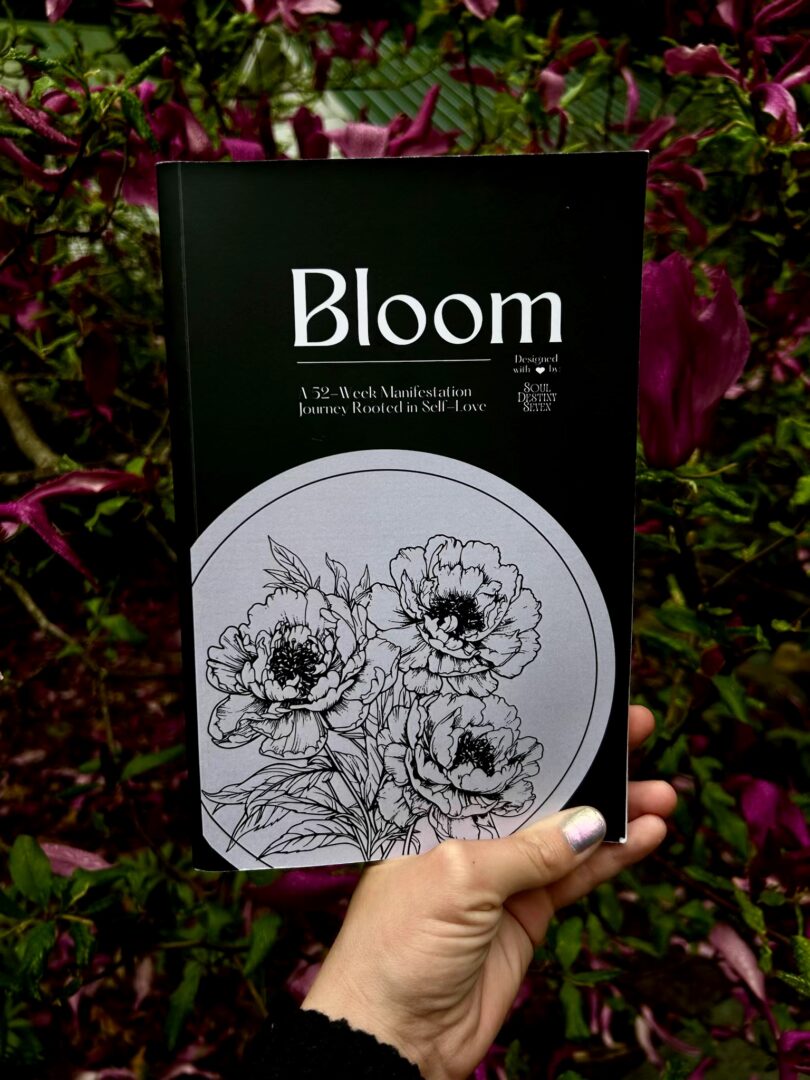
What makes the brand unique is its emphasis on ritual through action. Whether it’s a seed-starting kit, a journal, or a guided meditation, each offering is designed to help people engage with personal growth in a way that feels accessible and alive. Gardening becomes a metaphor for intention-setting, patience, and trust; floriography — the language of flowers — offers symbolic insight; and cyclical living reminds us that rest and renewal are just as important as forward momentum.
Soul Destiny Seven isn’t about striving for constant self-improvement or spiritual perfection. It’s about tending to yourself with care, allowing space for seasons of growth, dormancy, shedding, and rebirth. The brand invites people to reconnect with themselves through small, meaningful rituals that anchor reflection in the physical world.
At this point in my journey, I’m focused on expanding the ways people can interact with these practices — deepening the educational aspects of the brand, creating new tools that support intention-setting and reflection, and continuing to explore how nature can serve as both teacher and companion. Soul Destiny Seven is an evolving ecosystem, much like a garden, and I see it as a space where people are encouraged to grow gently, honestly, and at their own pace.
Thanks for sharing that. Would love to go back in time and hear about how your past might have impacted who you are today. Who were you before the world told you who you had to be?
Before the world told me who I had to be, I was deeply observant and quietly imaginative. I spent much of my childhood noticing patterns — in nature, in people, in the subtle shifts of light and energy throughout the day. I felt most at home outdoors, drawn to growing things and tending to small worlds of my own.
From a very young age, I was fascinated by gardening. There was something quietly miraculous about planting something unseen and trusting that, with time and care, it would emerge transformed. I even remember subscribing to Skittles’ childhood advertising that promised if you planted the candies, you could grow your own rainbow. I took that idea seriously — not because it was logical, but because it reflected a deeper truth I instinctively understood: that surrounding yourself with color and beauty will always make your life infinitely better.
That sense of wonder extended beyond plants. I was sensitive, intuitive, and naturally attuned to symbolism, even before I had the language to describe it. I trusted my inner knowing, moved at my own pace, and understood that what you nurture matters.
As I grew older, I carried that imagination with me into my formal education, studying art at the Rhode Island School of Design. It was there that I learned how to bridge imagination with practicality — how to give form to ideas, translate intuition into structure, and make meaning tangible. RISD taught me discipline, process, and craft, while also honoring curiosity and experimentation. It was an environment that validated both sides of who I was: the dreamer and the maker.
Over time, societal expectations around productivity, achievement, and linear success began to quiet some of that sensitivity. I learned how to stay busy, how to perform, how to prioritize what was measurable over what was meaningful. But the early connection to growth, patience, and possibility never disappeared — it simply went dormant.
Much of my work now, both personally and through Soul Destiny Seven, is about returning to that original way of seeing the world. Gardening, ritual, and symbolic reflection have become pathways back to the child who believed in planting rainbows, now guided by the skills of someone who knows how to bring vision into form. In many ways, this journey has been less about becoming someone new and more about remembering who I was before I learned to doubt the quiet magic of growth.
When did you stop hiding your pain and start using it as power?
In my teen years, I began to understand that many of the adults around me, for one reason or another, couldn’t fully hear me — even when they were listening. That realization was painful, but it was also formative. It taught me early on that being seen isn’t always about volume or explanation; sometimes it’s about finding the right language.
That’s when I turned more deeply toward art. Creating images, building worlds, and expressing emotion visually became a way to say what words couldn’t hold. Art gave me a voice when my own felt muted, and in that process, I stopped hiding my pain — not by exposing it outright, but by transforming it. Creativity became a kind of spiritual alchemy for me: taking experiences that felt heavy, confusing, or painful and composting them into something that could nourish growth.
I didn’t realize it at the time, but I was learning how to make fertilizer out of what hurt me most. Instead of letting those experiences harden me, I allowed them to deepen me. Each creative pursuit became a way to metabolize emotion, to reclaim agency, and to create meaning where there had once been silence.
That practice has stayed with me. Even now, I don’t see pain as something to bypass or erase, but as material — something that, when tended with care and honesty, can become a source of strength, empathy, and insight. The power didn’t come from the pain itself, but from choosing to work with it rather than hide from it. And in that choice, I found both my voice and my resilience.
Sure, so let’s go deeper into your values and how you think. Is the public version of you the real you?
Absolutely not — and I say that without judgment or malice, but from deep observation. I don’t believe any single, public-facing version of a person can fully contain who they truly are. To suggest otherwise would ignore the complexity of being human.
I think of individuals like diamonds. From a distance, the whole stone appears luminous and unified, but up close, it’s made of countless facets. Each facet reflects light differently, and each one only shines under the right conditions. None of them are false; they’re simply responsive to context.
The public version of me is one facet — intentional, composed, and shaped by the spaces I move through. It’s real, but it’s not exhaustive. There are quieter, softer, more private facets that don’t always belong on display, and honoring them is part of self-respect rather than concealment.
For me, authenticity isn’t about radical exposure or collapsing every boundary. It’s about integrity — allowing different parts of myself to exist without forcing them all into the same light. When I show up publicly, I aim to do so honestly, but with discernment. That balance allows me to remain grounded, protected, and true to myself.
Ultimately, I think the most genuine people aren’t the ones who reveal everything, but the ones who understand when and where each facet of themselves is meant to shine.
Thank you so much for all of your openness so far. Maybe we can close with a future oriented question. Are you doing what you were born to do—or what you were told to do?
For a long time, I was doing what I was told to do — and I did it well. I followed the rules, made the “right” choices, and built a life that looked stable and successful on the surface. But beneath that structure, I felt increasingly bored and unsatisfied, as though I were living inside someone else’s definition of fulfillment.
It took time for me to recognize that discomfort as a signal rather than a failure. I wasn’t lost — I was outgrowing a version of myself that had been shaped by expectation instead of instinct. The security I had attached myself to wasn’t truly mine; it was borrowed from other people’s visions, timelines, and measures of success. And in that space, my creativity and genius were slowly being stifled.
Now, I’m consciously growing into the version of myself I was born to be. That doesn’t mean rejecting everything that came before, but integrating it with greater intention. I’m choosing to build my own legacy rather than endlessly showing up to support someone else’s dreams. I’m learning to trust my inner authority, to take creative risks, and to define success on my own terms.
Legacy, for me, isn’t about visibility or validation — it’s about alignment. It’s about leaving behind work that feels honest, generative, and rooted in who I truly am. This chapter is less about proving anything and more about claiming the life and creative path that were always waiting for me to step into them.
Contact Info:
- Website: https://souldestinyseven.com
- Instagram: souldestinyseven
- Youtube: souldestinyseven
so if you or someone you know deserves recognition please let us know here.