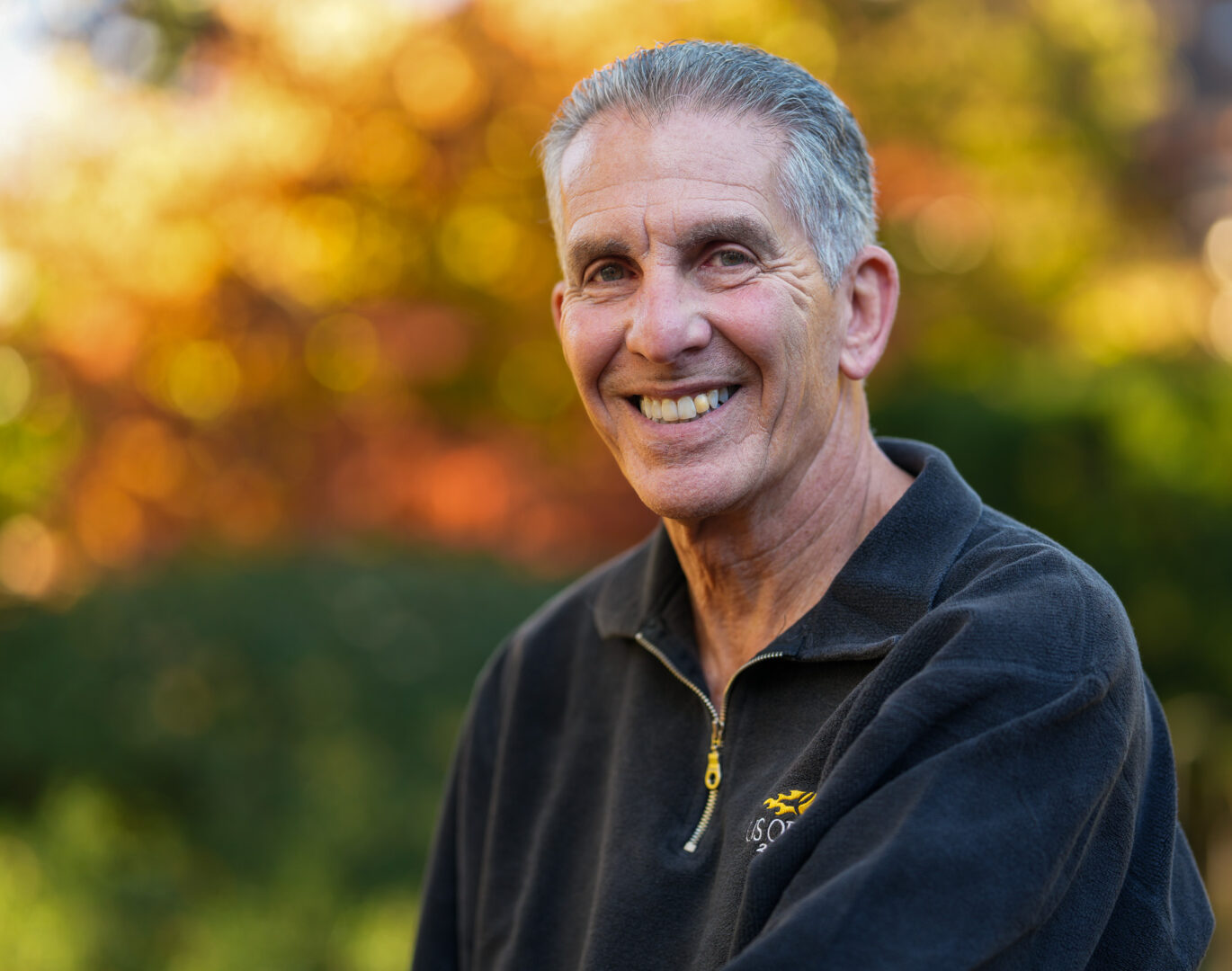
Steve Piacente shared their story and experiences with us recently and you can find our conversation below.
Good morning Steve, we’re so happy to have you here with us and we’d love to explore your story and how you think about life and legacy and so much more. So let’s start with a question we often ask: Are you walking a path—or wandering?
I walk a path, but it probably looks like like wandering. Travel gives me the distance to see patterns in places, in people, and in how we communicate. My latest project, “Postcards with a Purpose,” is about slowing down long enough to notice what a place is really saying, then bringing that clarity back into my work and sharing it with my clients and followers.
Can you briefly introduce yourself and share what makes you or your brand unique?
I’m a communications coach, a photographer, and storyteller. I’m also a father of three and a grandfather of seven. My background is in journalism and media, but my work today is about helping people slow down enough to say what they actually mean.
“Postcards with a Purpose” grew out of travel, curiosity, and a realization that the best insights rarely come from rushing. Each photograph I share is paired with a simple takeaway about communication, leadership, or perspective. What makes it different is that it isn’t about inspiration for inspiration’s sake. It’s about noticing something true in a place and bringing that insight back into everyday work and life. I’m always working on ways to help people communicate with more honesty, clarity, and intention.
Great, so let’s dive into your journey a bit more. What breaks the bonds between people—and what restores them?
What breaks bonds is assumption and speed. We stop listening and start reacting. What restores them is attention – slowing down long enough to really see what’s being said. Travel photography has reinforced that for me. Every place holds cues if you’re willing to notice them. The same is true in communication. “Postcards with a Purpose” is about training that muscle: observe first, respond with intention, and connection follows.
A few examples from a recent trip to Spain: I remember standing on a narrow street packed with people moving in every direction. At first it felt chaotic. But once I slowed down and watched, it became clear that the street was communicating – who made space, who rushed, who acknowledged others and who didn’t. In a way, a conversation was happening.
Later, I photographed a woman skating calmly through a busy square, and a man proudly holding up a freshly caught fish in a small restaurant. None of it was staged. Each moment carried the same lesson: bonds break when we rush past one another, and they’re restored when someone slows down long enough to truly see who’s in front of them.
When did you last change your mind about something important?
I changed my mind about the idea that communication improves when you explain more. Travel photography showed me how often the opposite is true. In unfamiliar places, you don’t get to rely on language or credentials – you have to observe. You notice who controls the space, who listens without speaking, and who misses what’s right in front of them.
“Postcards with a Purpose” grew out of that realization. Every image is an explicit challenge to the belief that more words equal more clarity. Most breakdowns happen not because people lack information, but because they’re moving too fast to notice what matters most. The camera taught me to subtract, not add. That same discipline is what makes communication credible, human, and effective.
So a lot of these questions go deep, but if you are open to it, we’ve got a few more questions that we’d love to get your take on. What’s a belief or project you’re committed to, no matter how long it takes?
I’m committed to the idea that clarity is a learnable skill, not a personality trait. Whether I’m coaching one person, teaching at a university, writing fiction, or standing behind a camera, the work is the same: helping people slow down, notice what they’re missing, and choose their words and actions with intent.
I’m committed to this because – well, just look around – the problem isn’t going away. We’re surrounded by smart, capable people who struggle to be heard or understood, not because they lack intelligence or effort, but because speed and noise have replaced attention and intention. Whether I’m coaching, teaching, or writing, the work is the same: helping people slow down, listen actively, and communicate in a way that’s honest, human, and durable. This kind of work resists quick wins, which is okay by me.
Thank you so much for all of your openness so far. Maybe we can close with a future oriented question. What do you understand deeply that most people don’t?
What I understand deeply after years as a reporter, speechwriter, life coach, consultant, and photographer is that most communication problems aren’t about words at all. They’re about attention. People assume clarity comes from saying more, explaining better, or sounding smarter. It really comes from restraint, perspective, and the discipline to slow down. I’ve watched brilliant people lose trust by oversharing, and quieter voices gain influence by choosing the right moment and the right frame. Once you see that, the work changes. You stop chasing polish and start practicing intention.
Contact Info:
- Website: https://www.piacentephotos.com/
- Instagram: https://www.instagram.com/stevepiacente
- Linkedin: https://www.linkedin.com/in/stevepiacente/
- Twitter: https://x.com/wordsprof
- Facebook: https://www.facebook.com/piacentephotos/
- Youtube: https://www.youtube.com/channel/UCxVs0V38Ae25_X4EDQxzmPg
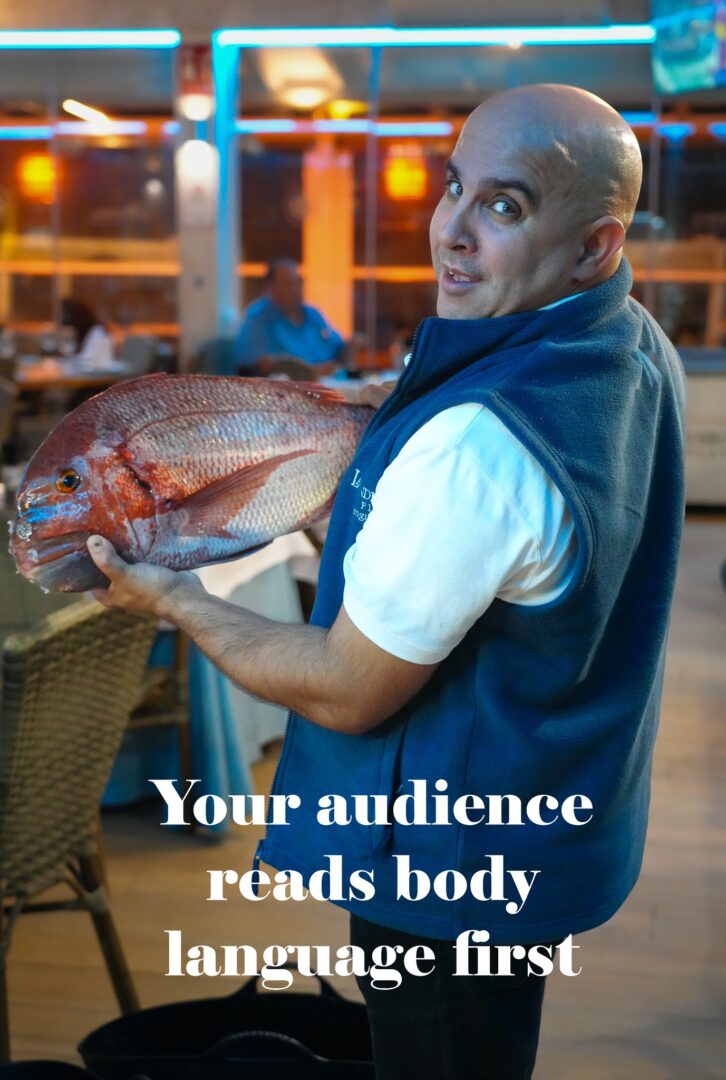
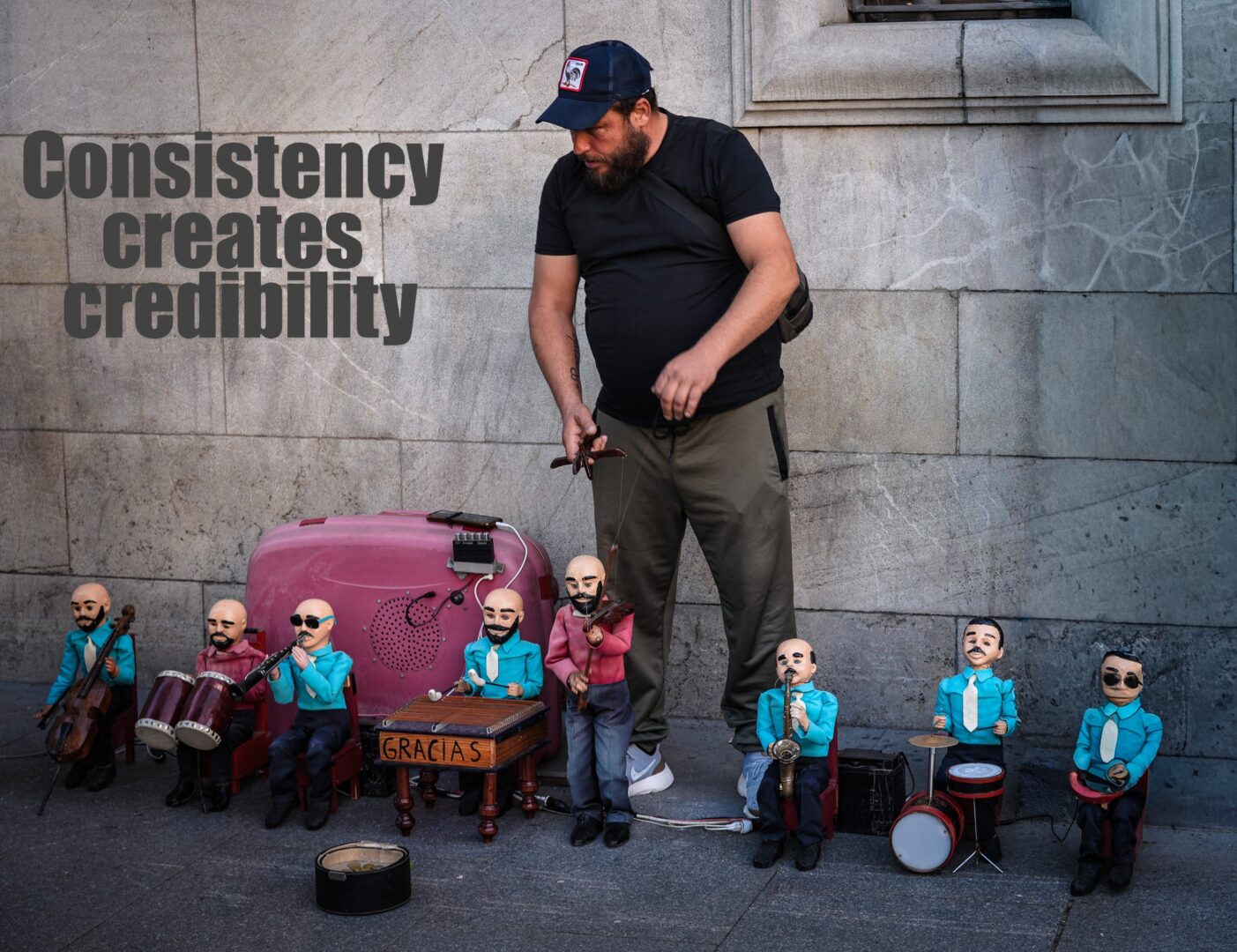
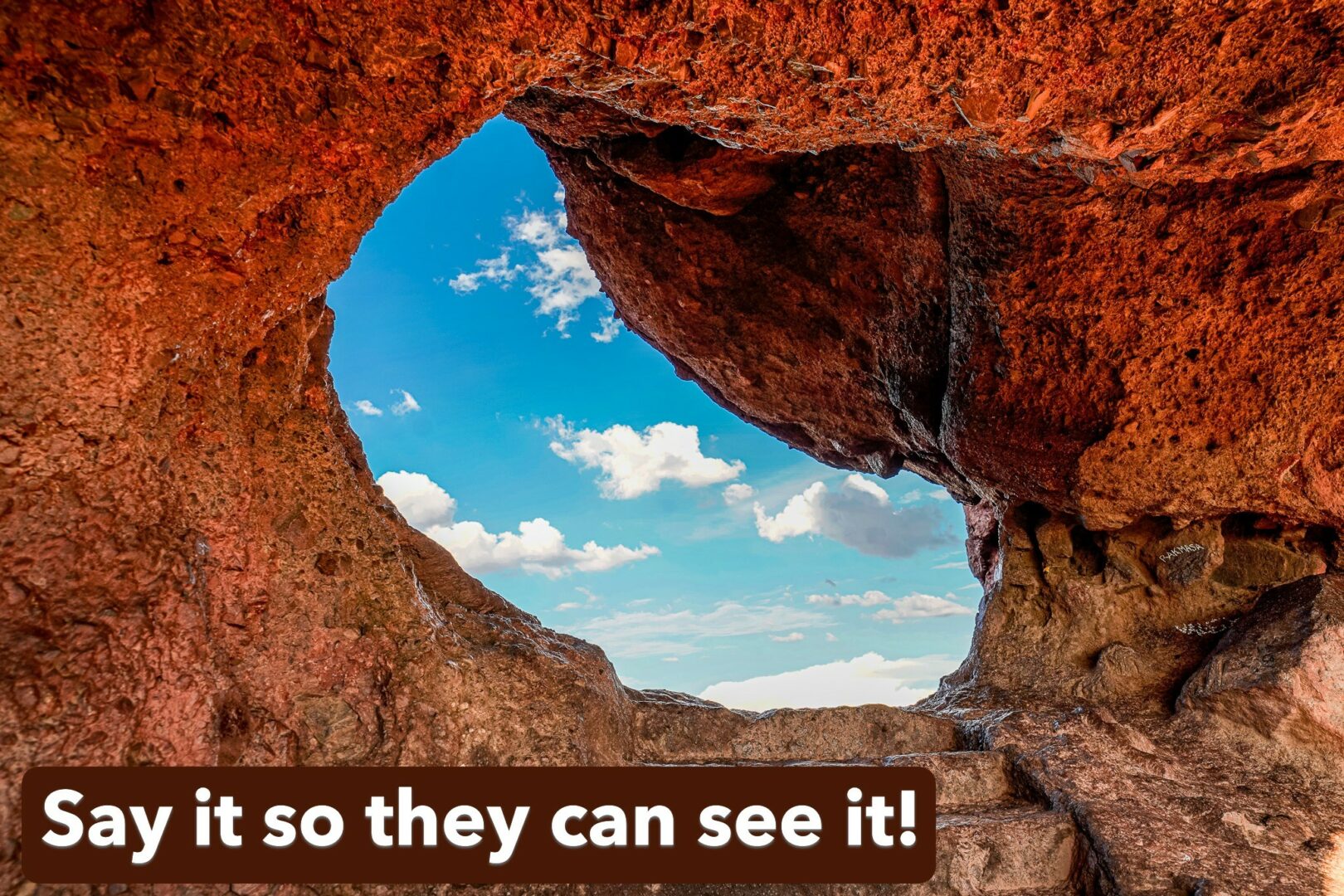
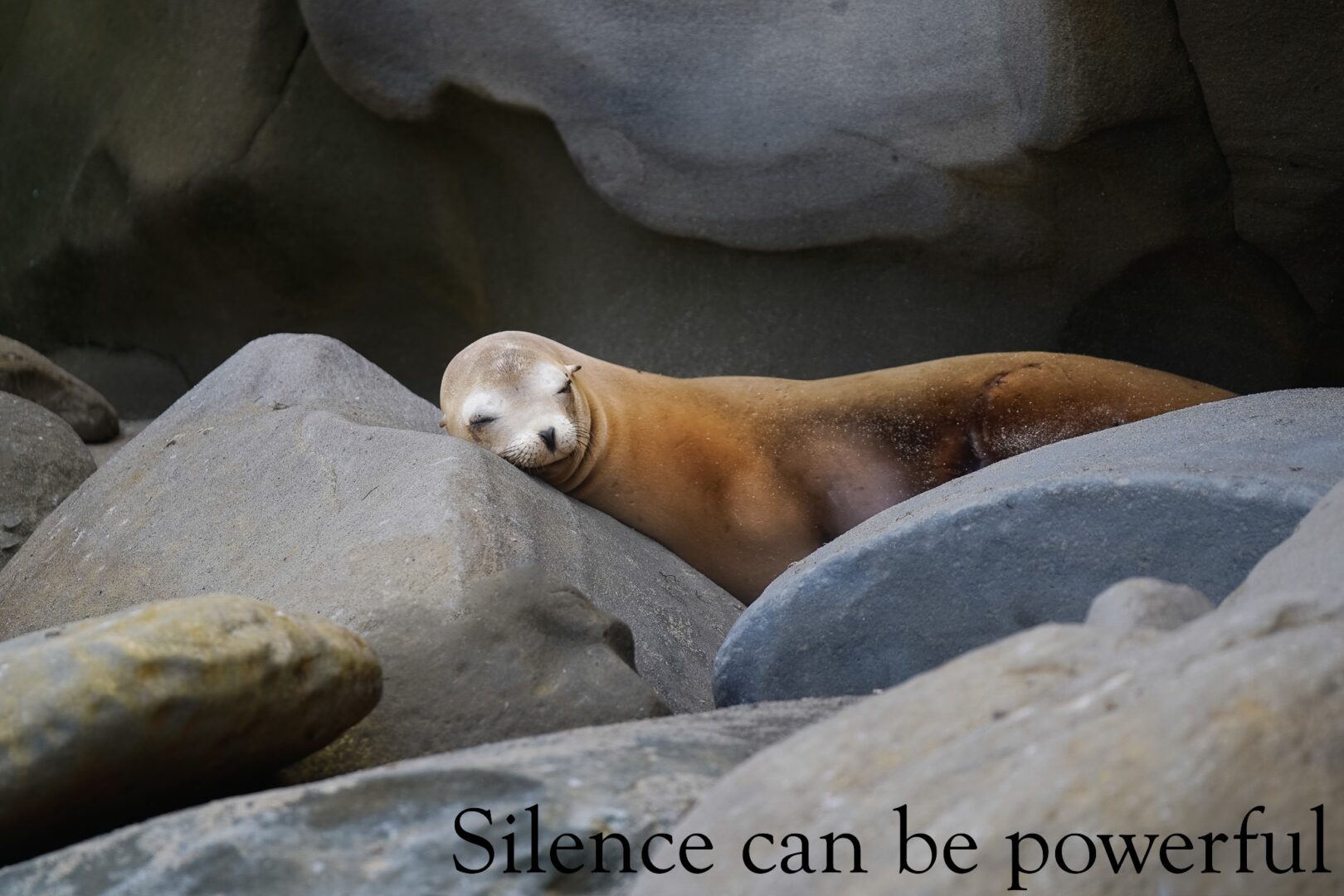
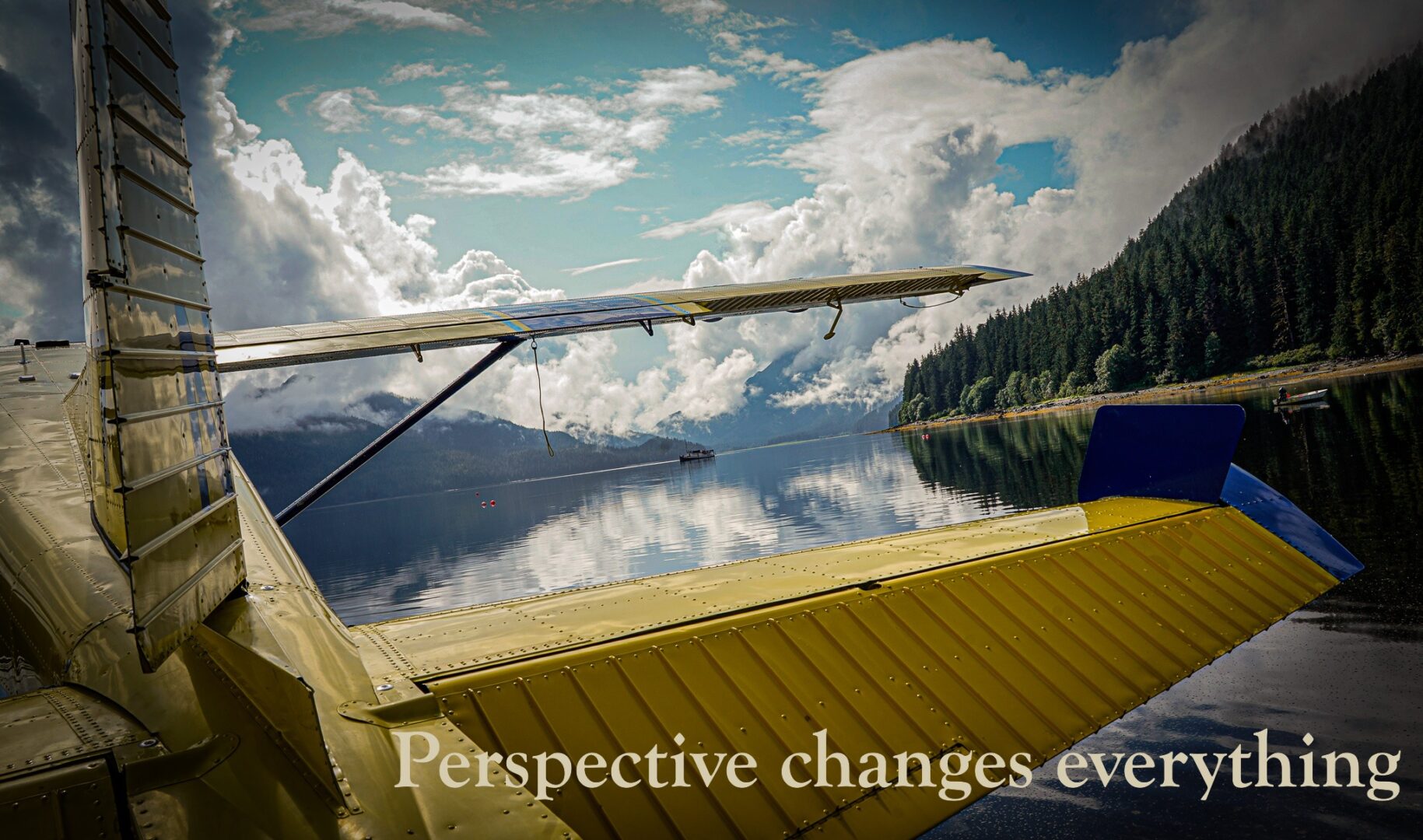
Image Credits
All photos by Steve Piacente (piacentephotos.com)
so if you or someone you know deserves recognition please let us know here.