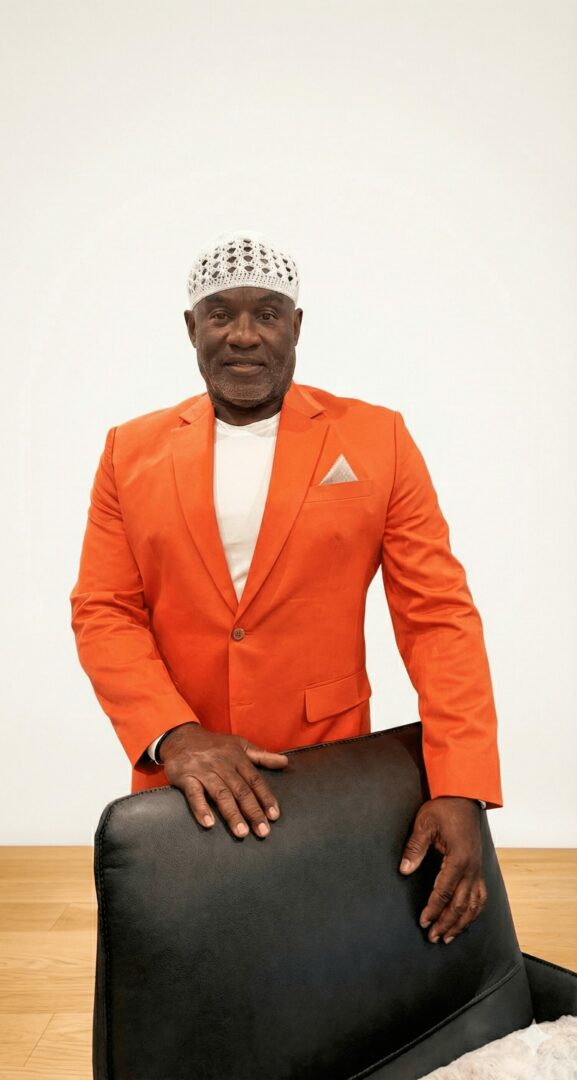
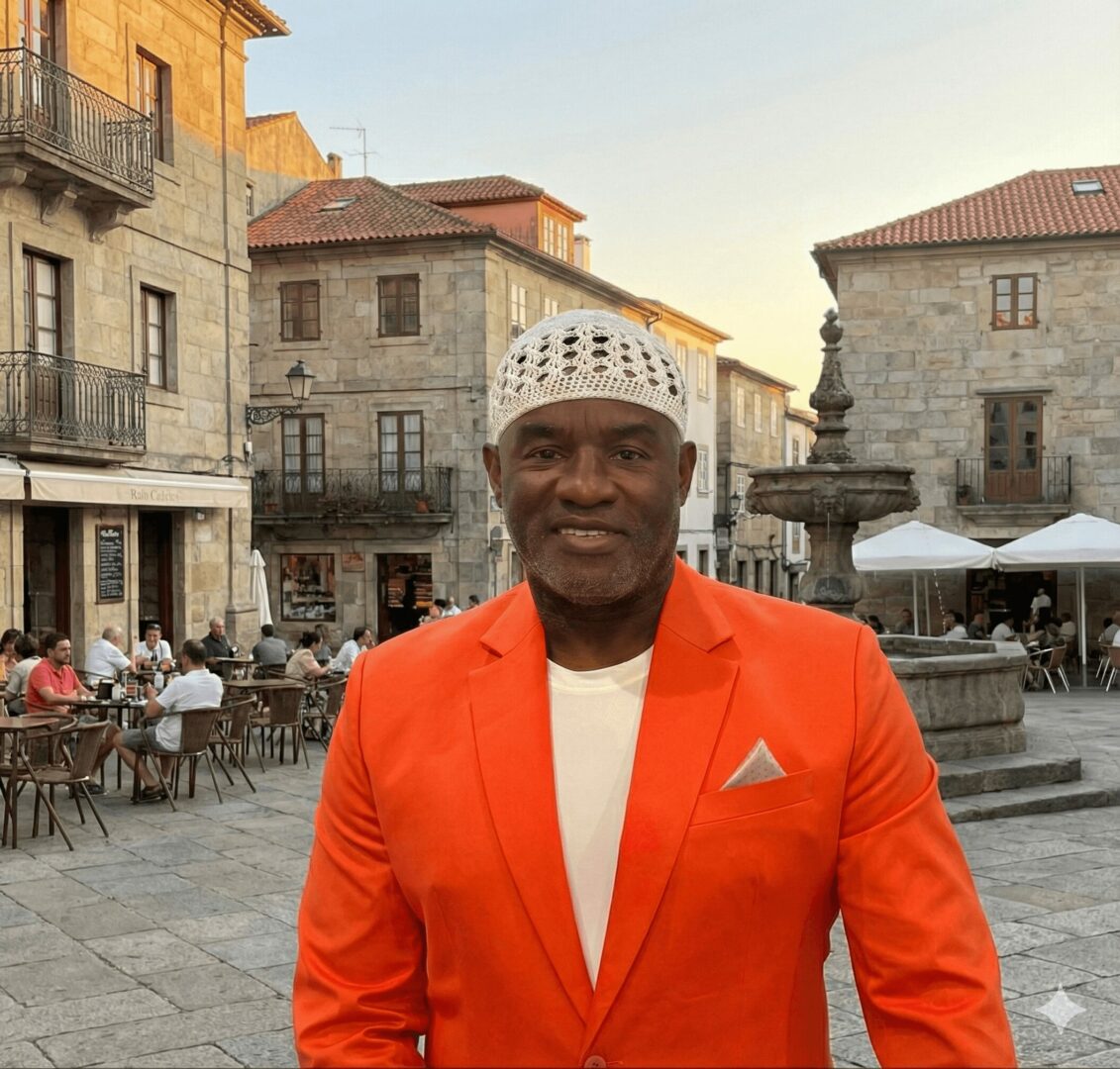
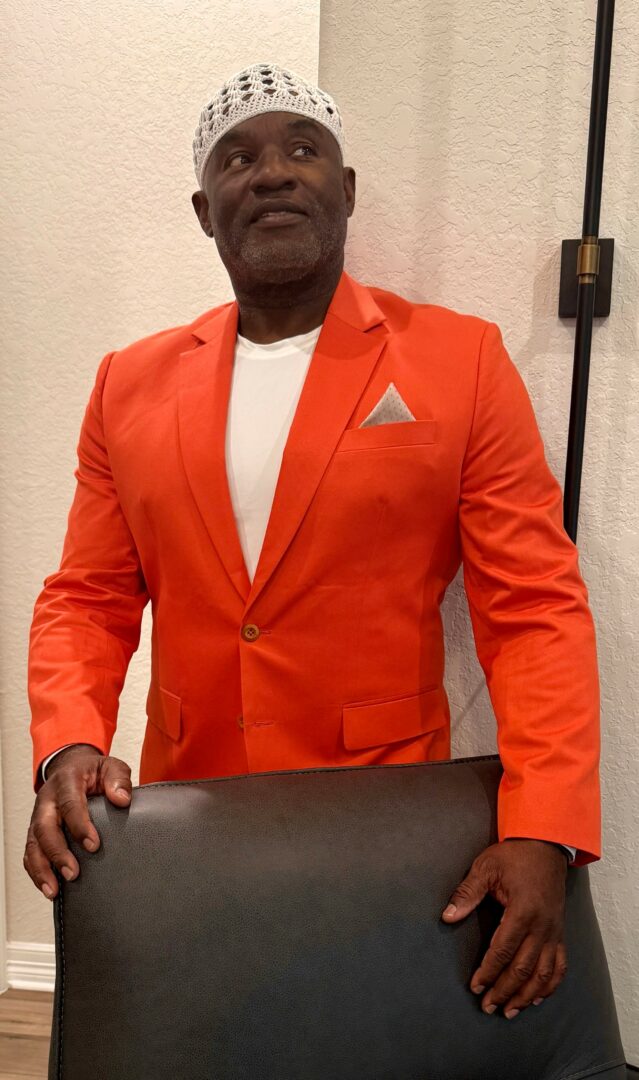
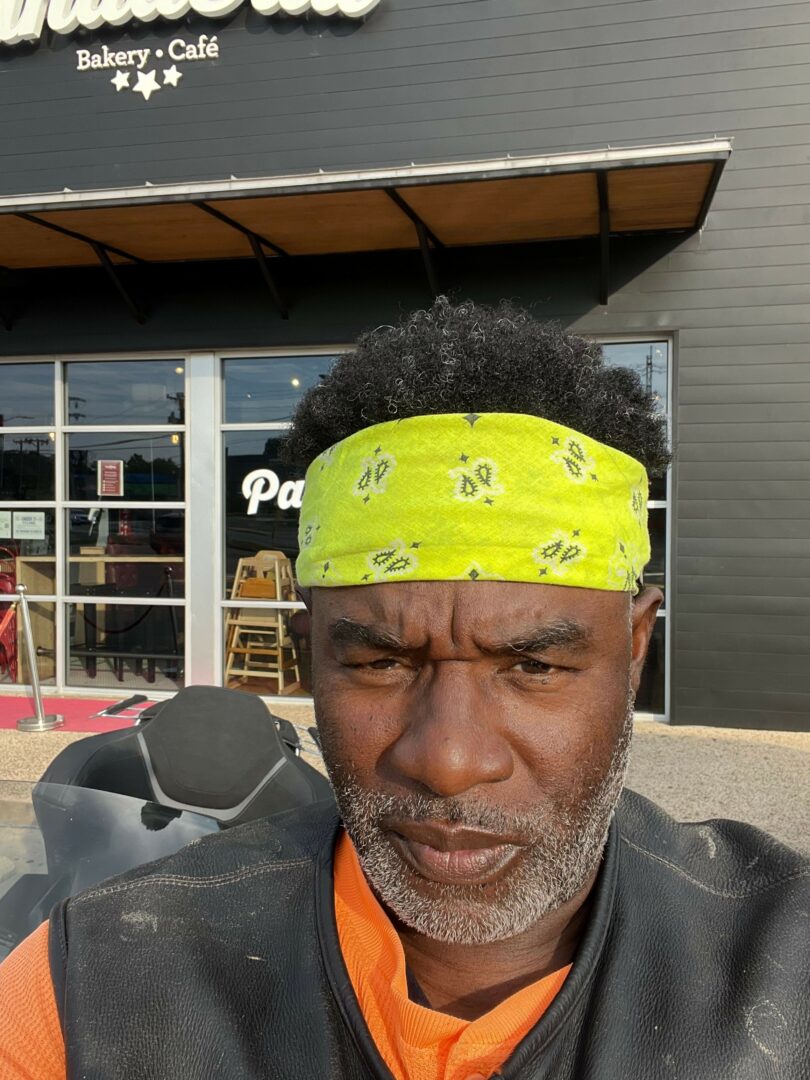
We’re looking forward to introducing you to Kenneth Horton. Check out our conversation below.
Kenneth, so good to connect and we’re excited to share your story and insights with our audience. There’s a ton to learn from your story, but let’s start with a warm up before we get into the heart of the interview. What’s more important to you—intelligence, energy, or integrity?
Integrity!
Can you briefly introduce yourself and share what makes you or your brand unique?
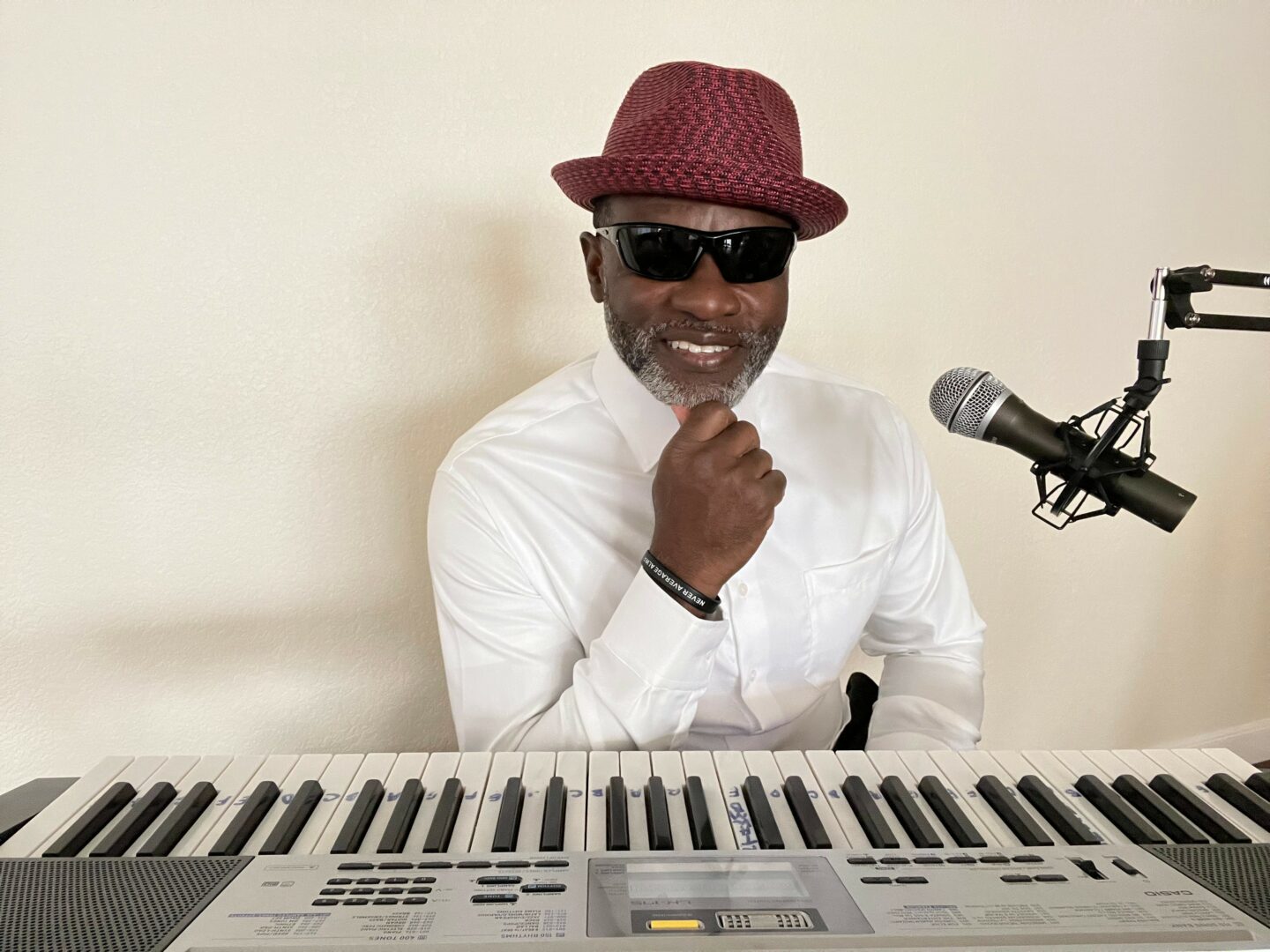
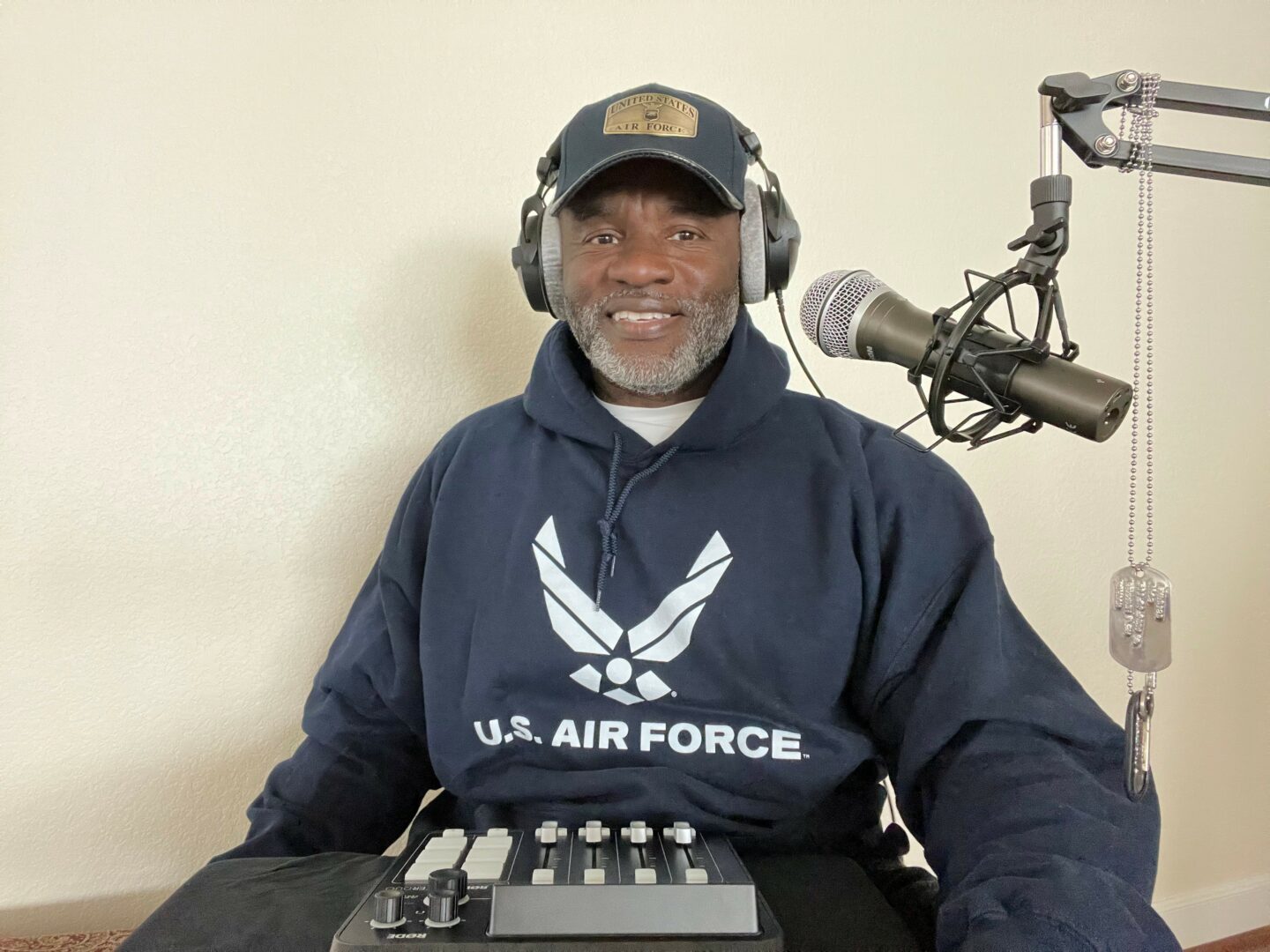
Well My name is Kenneth “Marine” Horton. I’m a retired U.S. Air Force veteran, veteran advocate, and the founder of Esprit de Corps Claims and UnVETERAN LIKE CONDUCT. Everything I do is rooted in one mission: helping veterans heal, reclaim their voice, and build a meaningful life beyond the uniform.
After serving more than two decades on active duty, I saw firsthand how many veterans struggle silently after service, not just with injuries or trauma, but with identity, purpose, and a system that often feels overwhelming and impersonal. That reality pushed me to create Esprit de Corps Claims, where I help veterans navigate the VA disability claims process with clarity, strategy, and dignity. This work is especially close to my heart when advocating for veterans impacted by PTSD, Military Sexual Trauma (MST), and other invisible wounds that too often go unheard.
As I’ve grown my VA advocacy business, I’ve earned the somewhat dubious honor of being called the VA “Puzzle Master.” It’s not a title I sought, but one that emerged out of necessity. The VA claims process is complex by design, layered regulations, shifting standards, and a system that can feel unforgiving to those already carrying invisible wounds. Over time, I developed a deep understanding of how the pieces fit together: medical evidence, service records, nexus opinions, and the precise language required under federal regulations.
What that nickname really represents is persistence and precision. I’ve learned how to navigate the treacherous terrain of VA claims not by shortcuts, but by mastering the rules, respecting the process, and refusing to let veterans get lost inside it. For many of the veterans I serve, especially those dealing with PTSD or Military Sexual Trauma, clarity is power. My role is to help turn confusion into strategy and frustration into forward movement.
UnVETERAN LIKE CONDUCT is my brand, my podcast, and ultimately my philosophy. It challenges the idea that strength means silence. Through raw, honest conversations, the podcast gives me, a disabled combat veteran who has been diagnosed with PTSD, a space to talk about mental health, transition, resilience, failure, growth, and legacy, without filters or judgment. It’s not about being “anti-military,” it’s about being pro-human and pro-healing.
I’m also currently working on my first book under the same title, UnVETERAN LIKE CONDUCT, “The Mission,” which weaves together my personal journey, military experiences, and the stories of others who’ve had to redefine success after service. The book explores themes of accountability, resilience, family, identity, and what it really means to lead when the uniform comes off.
What makes my work unique is that it sits at the intersection of advocacy, storytelling, and community impact. I don’t separate business from purpose. Every claim filed, every podcast episode recorded, every page written is about restoring “esprit de corps,” not just in name, but in action, by reminding veterans that their story isn’t over, and their value didn’t end at separation or retirement. At its core, my work is about legacy: helping veterans move from surviving to thriving, and ensuring no one feels alone in the fight after service.
Appreciate your sharing that. Let’s talk about your life, growing up and some of topics and learnings around that. What was your earliest memory of feeling powerful?
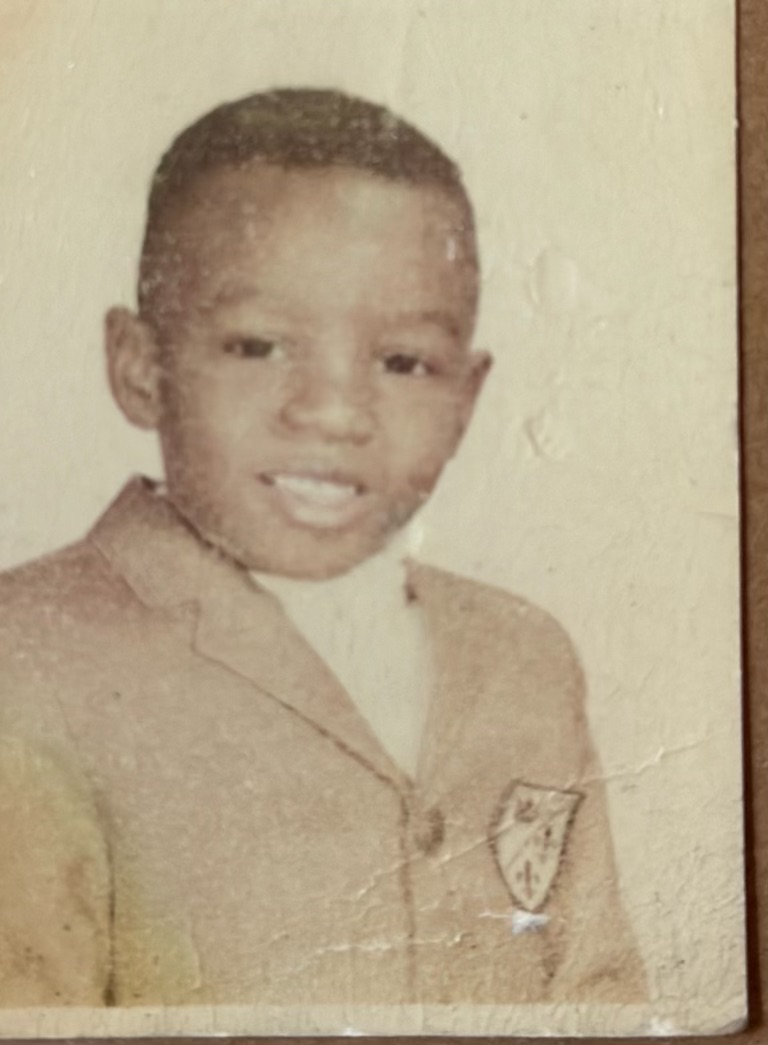
Well, my earliest memory of feeling powerful didn’t come from dominance, force, or recognition. It came from responsibility. At around ten years old, I started a neighborhood lawn care service. It wasn’t a hobby; it was a business. I knocked on doors, negotiated prices, showed up consistently, and delivered results. Before I fully understood words like entrepreneurship or self-sufficiency, I understood something far more important: if I put in the work, I could take care of myself.
That small operation gave me my first taste of independence. I earned my own money, managed my time, and learned accountability long before adulthood demanded it. As I entered my teenage years, that sense of self-reliance shaped how I saw the world. I didn’t wait to be rescued. I learned to build.
Looking back, that lawn mower was my first shot at what integrity looked like and what independence felt like. It taught me discipline, pride in service, and respect for honest work, the same values that later guided me into the United States Air Force. The power I felt then wasn’t loud or flashy. It was quiet confidence, the kind that comes from knowing you can stand on your own two feet, while relieving and assisting my divorced/single mom of some of the pressures that come with raising three children alone.
That lesson has followed me throughout my life: in military service, in veteran advocacy, in building Esprit de Corps Claims, and in creating UnVETERAN LIKE CONDUCT. Power, to me, has never been about control over others. It’s about mastery of self, responsibility to community, and the courage to show up day after day whether anyone is watching or not. That ten-year-old kid pushing a lawn mower didn’t know it yet, but he was already learning how to lead.
What did suffering teach you that success never could?
So suffering taught me how to endure without applause.
Growing up in a single-parent household, there was no safety net beneath us. Survival wasn’t theoretical, it was daily. I learned early that excuses don’t pay bills, and circumstances don’t negotiate. What that environment taught me wasn’t bitterness; it was responsibility. I learned how to adapt, how to carry weight quietly, and how to keep moving even when the road didn’t offer reassurance. Success can reward effort, but suffering teaches you who you are when reward is absent.
That lesson followed me into the United States Air Force and it deepened while on active duty when I survived a plane crash when some did not. In that moment, success meant nothing. Rank meant nothing. Experience meant nothing. The only thing that mattered was presence, staying calm inside chaos, trusting training, and surrendering to the reality that some things are beyond my control.
Suffering taught me humility in a way success never could. It stripped away any resemblance of an ego and replaced it with gratitude. It taught me that strength isn’t bravado; it’s composure. It’s choosing not to panic when fear has every reason to take over. It’s understanding that tomorrow isn’t promised, so how you show up today matters.
Success celebrates outcomes. Suffering builds character.
Those lessons are at the core of everything I do now while advocating for veterans through Esprit de Corps Claims, creating space for truth through UnVETERAN LIKE CONDUCT, and writing a book that doesn’t glorify hardship but honors what it produces: resilience, empathy, and perspective.
Alright, so if you are open to it, let’s explore some philosophical questions that touch on your values and worldview. Whom do you admire for their character, not their power?
Without hesitation, the person I admire most for his character not his rank or authority is Chief Master Sergeant (CMSgt) Al Davis, USAF (Ret.). I’ve known him for more than 35 years, and in every meaningful way that counts, he has been a father to me and a grandfather to my two youngest children.
We first met while stationed at Misawa Air Base in Japan.
From the very beginning, his presence carried something deeper than leadership, it carried integrity. Over the years, on more than one occasion, he has quite literally saved me from myself. He didn’t do it with force or ego, but with wisdom, truth, and unwavering care. The guidance he offered didn’t just change my direction; it changed my life and reshaped the world I’m centered in today.
Chief is a straight shooter. He doesn’t sugarcoat reality, but he delivers truth with compassion. There has never been a moment too heavy, too complex, or too uncomfortable for us to talk through. He poured into me consistently through wise counsel, example, and a deep belief in doing right by people, especially when no one is watching.
What I admire most about him is his humanity. He believes in people. He believes that how you treat others is the true measure of leadership. His character has never been situational, it has been constant. Rank may have introduced us, but character is what kept us connected for decades.
His influence lives on not just in me, but in his children, my children, my values, and the way I now show up for others. That is legacy. And that is why he will always hold a permanent place in my story, my life.
Thank you so much for all of your openness so far. Maybe we can close with a future oriented question. What do you understand deeply that most people don’t?
I understand the power connection between peace and boundaries and that one cannot exist without the other.
Most people think peace is something you find after everything settles down. I’ve learned that peace is something you protect. And the only way to protect it is through boundaries. Without them, people will take your time, your energy, your compassion, your labor until there’s nothing left of you to give or even live from. Not because they’re evil, but because unprotected access invites misuse.
People will violate both your peace and your boundaries if you allow it. Slowly at first. Then completely. And often while telling you that you’re being selfish for finally saying “no.”
I’ve learned through service, hardship, loss, and healing that tolerating the erosion of your peace is not strength. It’s self-abandonment. Boundaries aren’t walls; they’re standards. They define what I will and will not accept, regardless of title, bloodline, history, or expectation.
I tolerate no violation of my peace under any circumstances. No matter what the situation is. No matter who the person is.
That understanding shapes how I lead, how I advocate for veterans, and how I show up in my personal life. In UnVETERAN LIKE CONDUCT and through Esprit de Corps Claims, I teach veterans that reclaiming their peace is not a betrayal of service, it’s a continuation of it. You can’t pour into others from an empty place.
Peace is earned through clarity. Boundaries are how you keep it.
And once you understand that, you stop surviving for others and start living for yourself with purpose, integrity, and balance. It saves lives!
Contact Info:
- Linkedin: Kenneth Horton
- Youtube: UnVETERAN LIKE CONDUCT
so if you or someone you know deserves recognition please let us know here.