We recently had the chance to connect with Adrien Marquet and have shared our conversation below.
Adrien, really appreciate you sharing your stories and insights with us. The world would have so much more understanding and empathy if we all were a bit more open about our stories and how they have helped shaped our journey and worldview. Let’s jump in with a fun one: What are you most proud of building — that nobody sees?
I’m most proud of the community I’ve been fortunate to grow within Toronto’s already vibrant film ecosystem. This community existed long before me, but I’m grateful to play a small role in contributing through initiatives like the Friends & Family Film Festival, which celebrates some of the city’s strongest emerging voices and showcases the work of up-and-coming filmmakers. I’m also proud of projects like Over A Meal, a YouTube series where we connect with local filmmakers over food and conversation, shining a light on the incredible creative energy being generated across Toronto.
Equally meaningful has been the opportunity to continue writing, directing, and producing short films under Marquet Films alongside such deeply talented collaborators. The team we’ve built, from the brilliant storytelling of Patrick Smietanka, to the visual craft of Philip LeMoyne, to the dedication and passion of Neeraj Wilfred. There are far too many names to mention here, but I’m sincerely grateful to everyone who has contributed, in ways big and small, to all our projects, including our upcoming films: Single Serving Friends, I’m Not Supposed To Be Here, and Anthony’s Balls.
These films have been in development for over two years and will begin rolling out throughout 2026.
Synopses:
Anthony’s Balls (2025)
On a scenic hike meant to bring them closer together, three friends unravel over the pettiest betrayal imaginable: a group chat that doesn’t include one of them. What begins as a harmless joke spirals into passive-aggressive jabs, shifting loyalties, and the fragile politics of digital friendship. Set against the calm of the forest, their absurd conflict becomes both ridiculous and unexpectedly real.
Single Serving Friend (2025)
In a quiet diner, a tense conversation between two strangers slowly twists into confession, manipulation, and quiet obsession, as one man’s life begins to unravel under the subtle influence of the other.
I’m Not Supposed To Be Here (2025)
During the Korean War, Canadian soldier Frank Richardson finds himself thrust into a disorienting and perilous situation where nothing feels certain. As chaos deepens and reality blurs, he is confronted with a defining moment, one that may allow him to save his closest friend, even as he struggles to understand the true nature of the conflict around him.
Can you briefly introduce yourself and share what makes you or your brand unique?
My name is Adrien Marquet, I’m a Toronto based film director and the founder of Marquet Films. I primarily work in narrative filmmaking, with a focus on character-driven stories that often explore human particularities, discomfort, and emotional honesty. My work often explores identity, power dynamics, and the quiet tensions that can exist beneath everyday interactions.
I often find myself building things from the ground up. I began by creating short films with limited resources, learning every aspect of the process firsthand, from writing and directing to producing, marketing, and community building. That hands-on approach has shaped not only how I make films, but how I think about sustainability and longevity in this industry.
Through Marquet Films, I’m working toward creating a production company that prioritizes strong voices, repeat collaboration, and thoughtful storytelling. Alongside directing, I’m increasingly involved in producing, developing projects, and experimenting with new ways of connecting audiences to independent films, whether through screenings, digital content, or community-driven initiatives.
At its core, my work is about curiosity and persistence. I’m still early in my career, but I’m intentional about learning the business side of filmmaking while continuing to improve my creative voice. Everything I’m building now is in service of making meaningful films long-term and contributing to a film culture that values craft, collaboration, and originality.
Okay, so here’s a deep one: What did you believe about yourself as a child that you no longer believe?
It’s funny, I believed I would never be an artist. I wanted to be many things when I was younger, starting with a tennis player, then a scientist, then a soccer player, then an engineer, but never an artist. Even when I first started YouTube at the age of 12 and made visual effect videos or vlogs, I didn’t consider that artistic at all. Now, looking back, I think I was just looking for fun. I’d move on from things quickly and discover new fun things even faster. I guess that’s why the thought of being an “artist” per se never crossed my mind.
Now I feel like that’s all I think about being.
Was there ever a time you almost gave up?
Pretty much every time I decide to make a film, I come close to giving up.
Filmmaking is taking something that exists only in your head and forcing it into reality. First, you try to turn a feeling or an image into words on a page that other people can understand. Then you have to make the blurry parts precise, shot lists, storyboards, costumes, locations. You bring in collaborators, make compromises you never planned to make, shoot things in ways you didn’t originally imagine, and then you sit in front of the first cut and genuinely want to quit. The second cut is a little better. The third starts to make sense. Somewhere along the way, after testing and reworking and doubting everything, you end up with a film that looks nothing like what you first had in mind, but somehow works.
At almost every one of those steps, I’ve felt like giving up. But I think that’s filmmaking: for some reason, you just don’t.
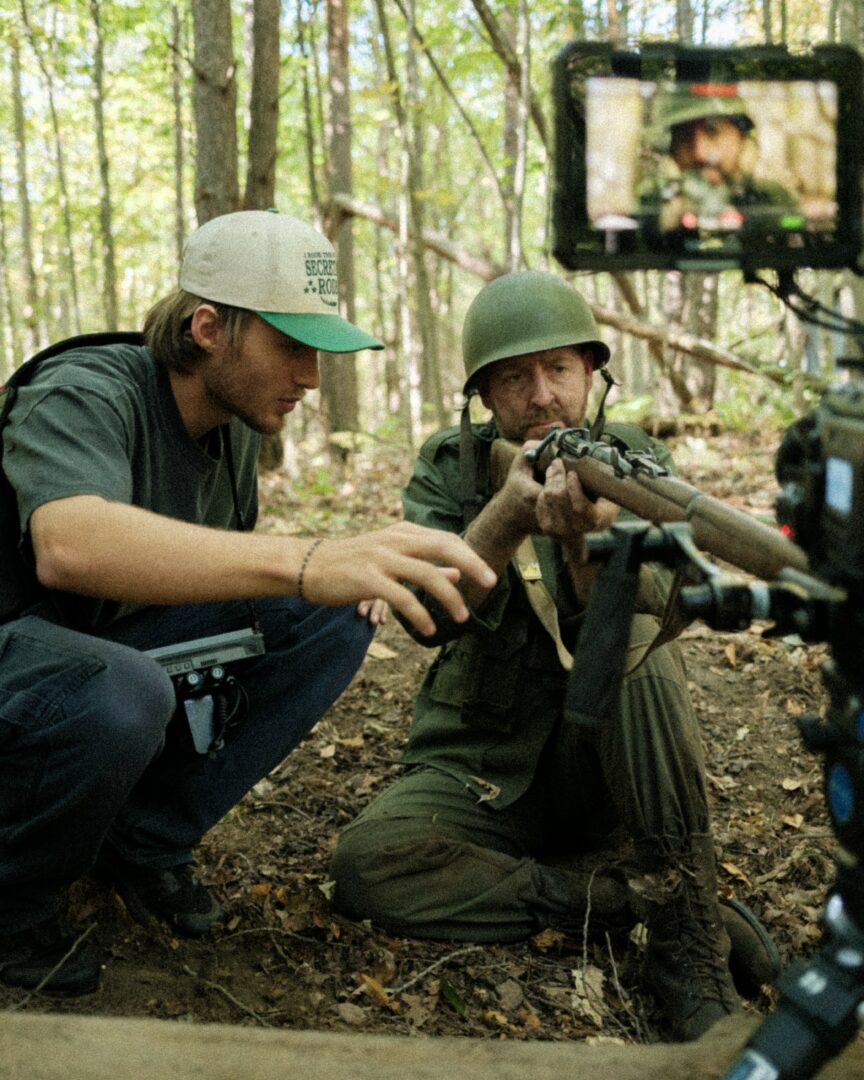
That feeling was especially present during the pre-production of I’m Not Supposed To Be Here, an upcoming film centered around the Korean War. We initially began developing the project because we had access to what felt like the perfect location. As soon as the film started gaining momentum, that location fell through. The story was originally set during the Vietnam War, but as we scouted alternate locations across Canada, it became clear that none of them resembled Vietnam, yet many looked surprisingly close to Korea. So the film changed.
Then, one week before we were supposed to go to camera, the entire shoot had to be delayed by a month due to unforeseen crew circumstances.
Each of those moments felt like a breaking point. Walking away would have been the easier option. But we didn’t. And I think that persistence, choosing to adapt rather than quit, is what makes the process, and the final film, feel that much more rewarding.
Sure, so let’s go deeper into your values and how you think. What are the biggest lies your industry tells itself?
I think the film industry is in a moment of real uncertainty. No one fully knows what it’s turning into or where it’s headed, and that uncertainty creates a lot of myths and misconceptions.
The biggest one I hear, especially among people starting out, is that you need massive budgets and powerful connections to make films. In this industry, a million dollars is considered “low budget,” and for emerging filmmakers, that number can feel completely unattainable. It’s intimidating enough to stop people before they even begin.
What I’ve learned so far is that this simply isn’t true anymore. You don’t need anything close to that kind of money to start making meaningful work. You already carry a camera, an editing tool, and a distribution platform in your pocket. Filmmakers like Sean Baker shot an entire feature on an iPhone. Christopher Nolan made his first film for around $6,000, shooting with friends over the course of a year, every Sunday. Those stories aren’t exceptions, they’re reminders of what’s possible when the focus is on the idea, not the scale.
With social media and online platforms, it’s easier than ever for films to be seen, shared, and even sold. There are young filmmakers signing million-dollar deals based on short films they uploaded to YouTube. The path isn’t linear, and it’s not guaranteed, but access is no longer the barrier it once was.
All of this has taught me that budget doesn’t come first, the idea does. A strong idea dictates the budget, not the other way around. It’s easier said than done, but the most important step is still the same as it’s always been: go out and make the film.
Okay, so let’s keep going with one more question that means a lot to us: What is the story you hope people tell about you when you’re gone?
I’ll be dead, it doesn’t matter. As long as I left some good while I had the time to do so, then I’m happy.
Contact Info:
- Website: https://marquetfilms.com
- Instagram: https://www.instagram.com/marquetfilms/?hl=en
- Linkedin: https://www.linkedin.com/in/adrienmarquet/
- Youtube: https://www.youtube.com/@Marquetfilm
- Other: Tiktok: https://www.tiktok.com/@adrienmarquet13
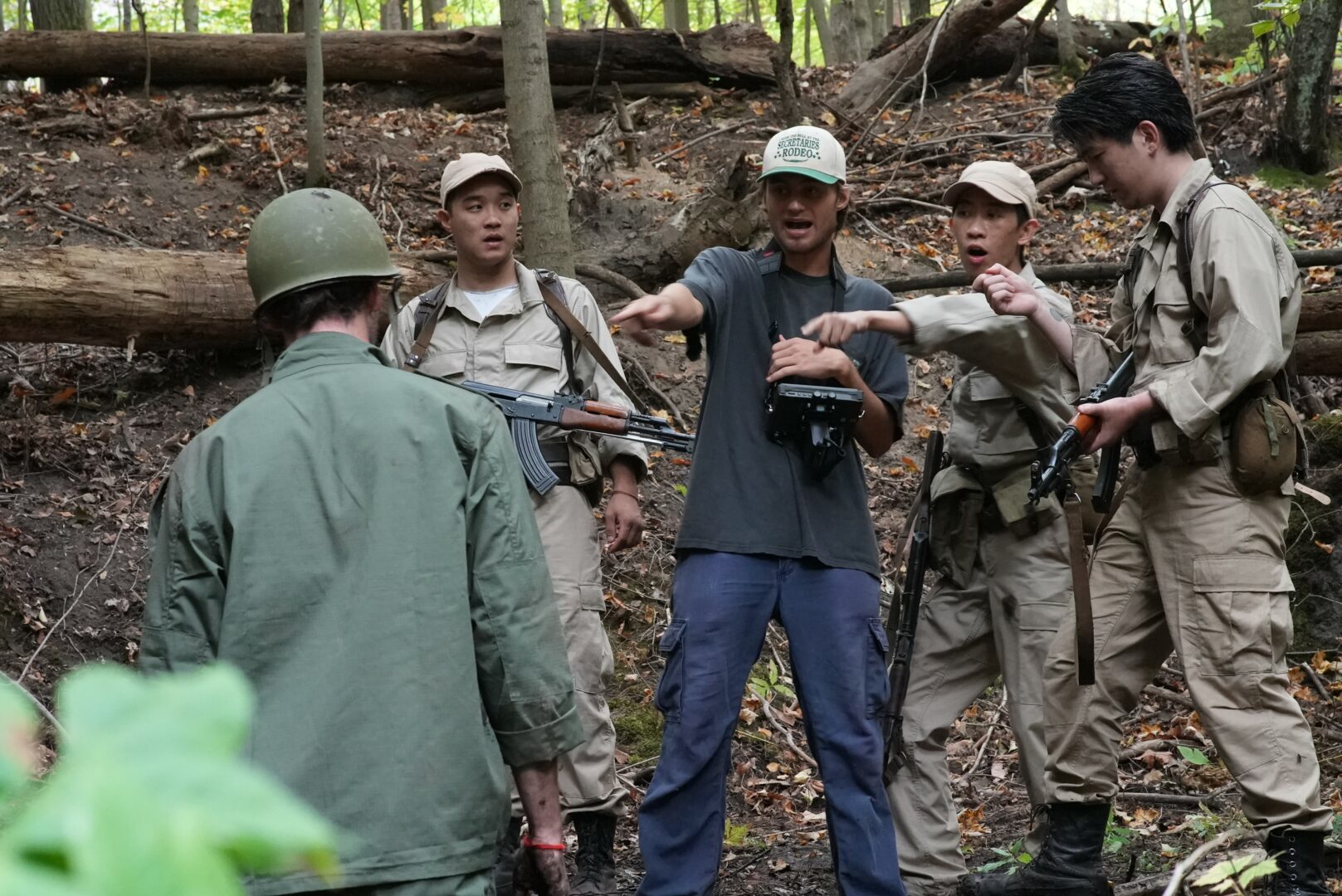
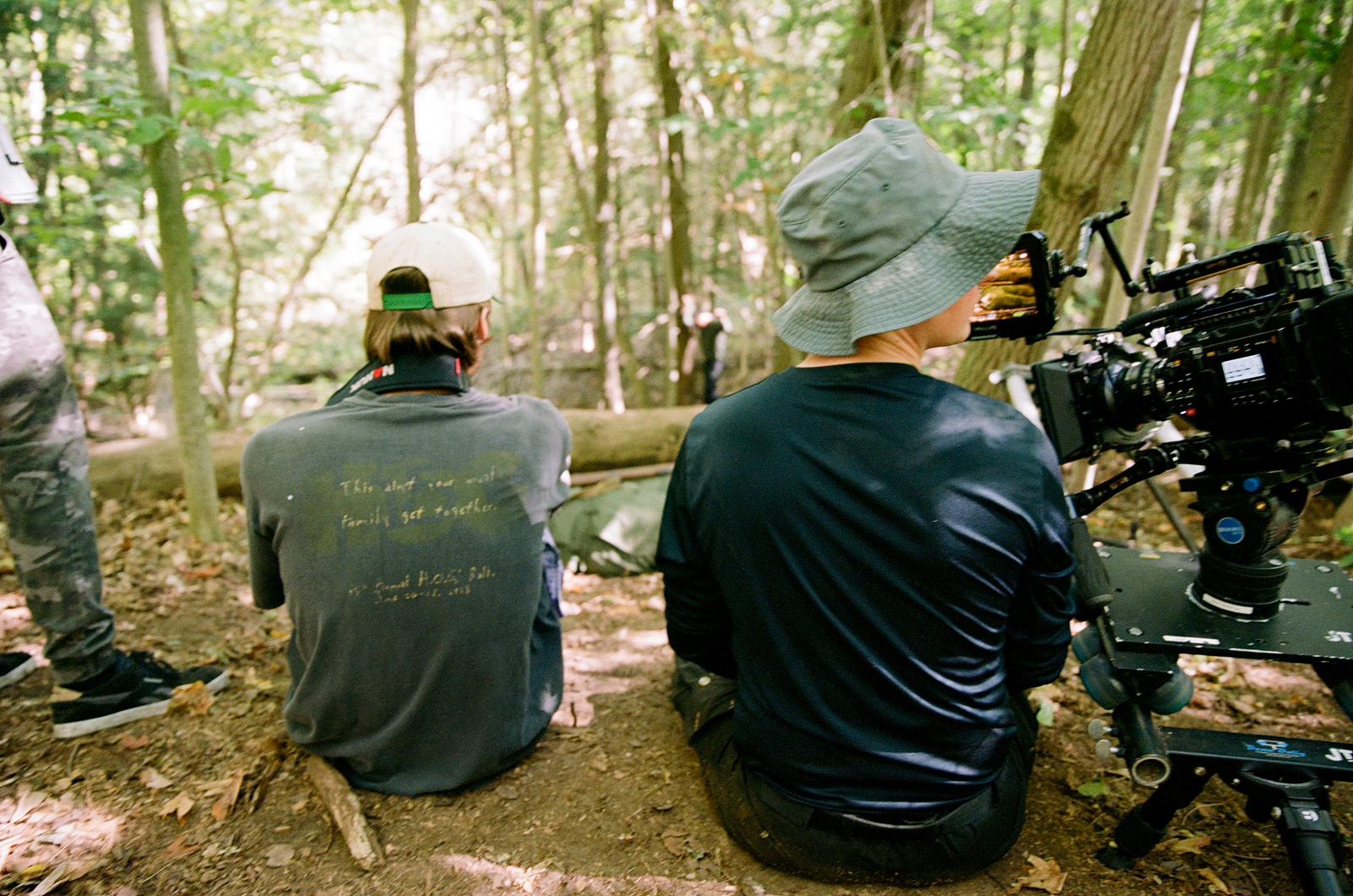
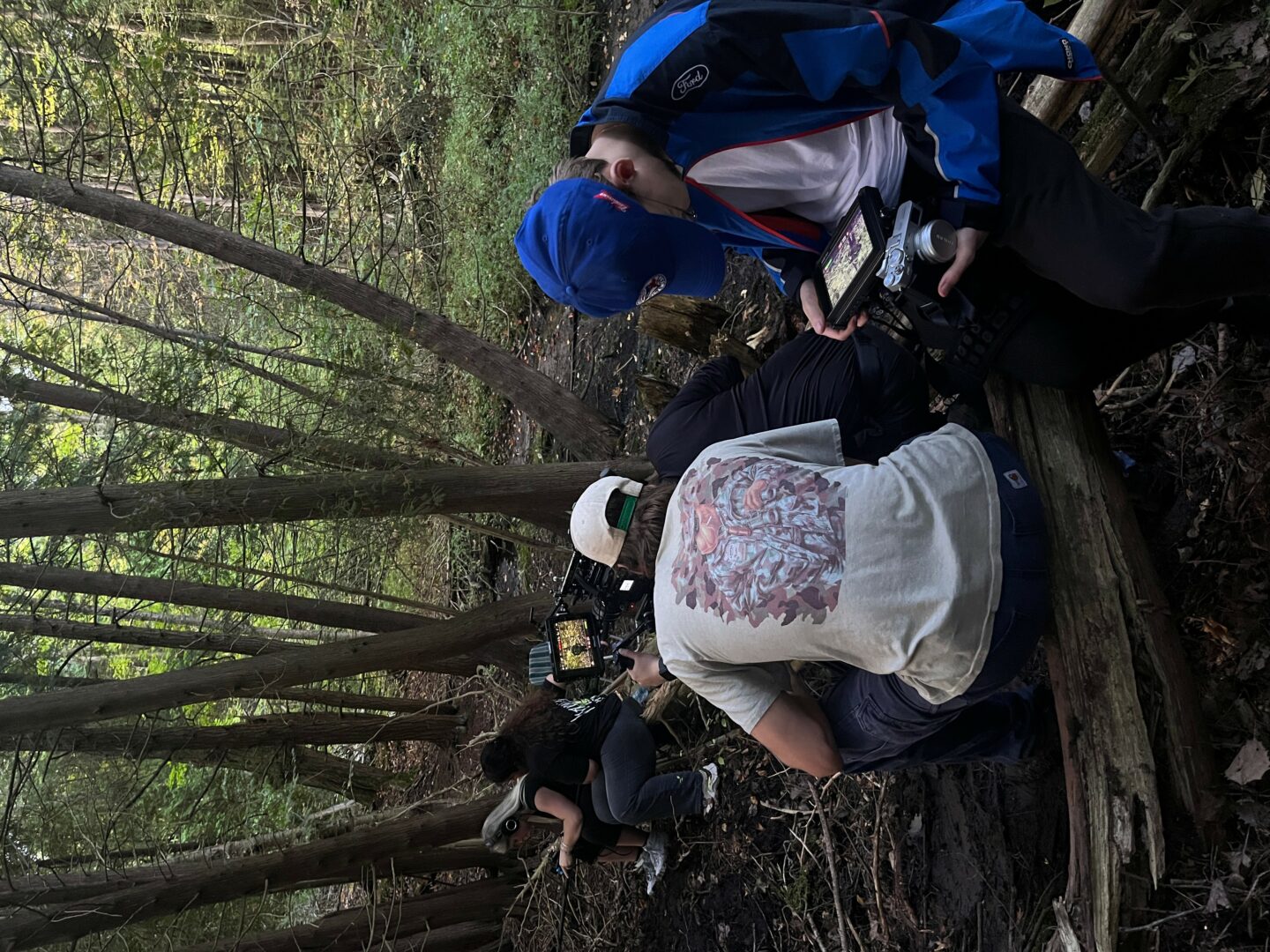
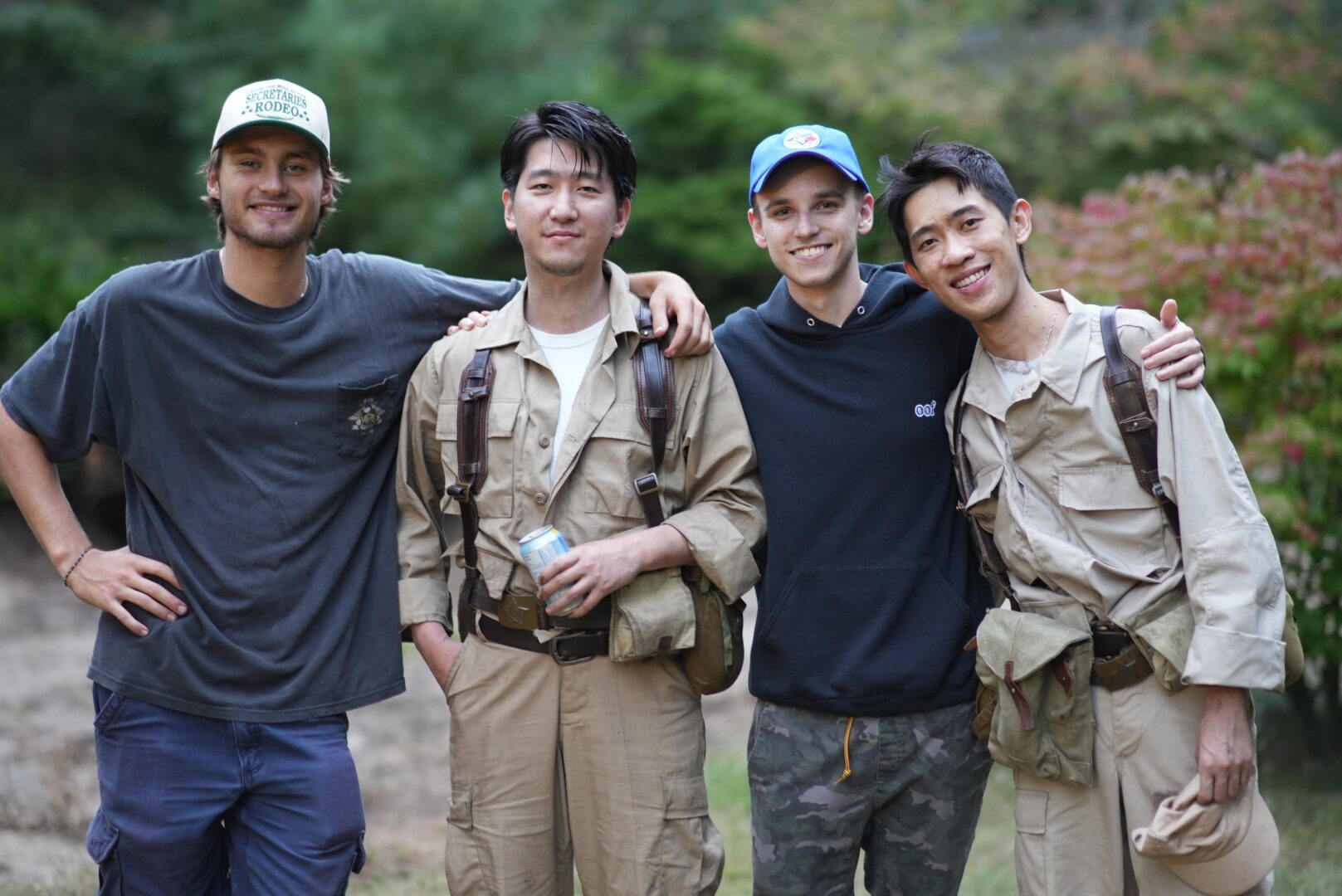
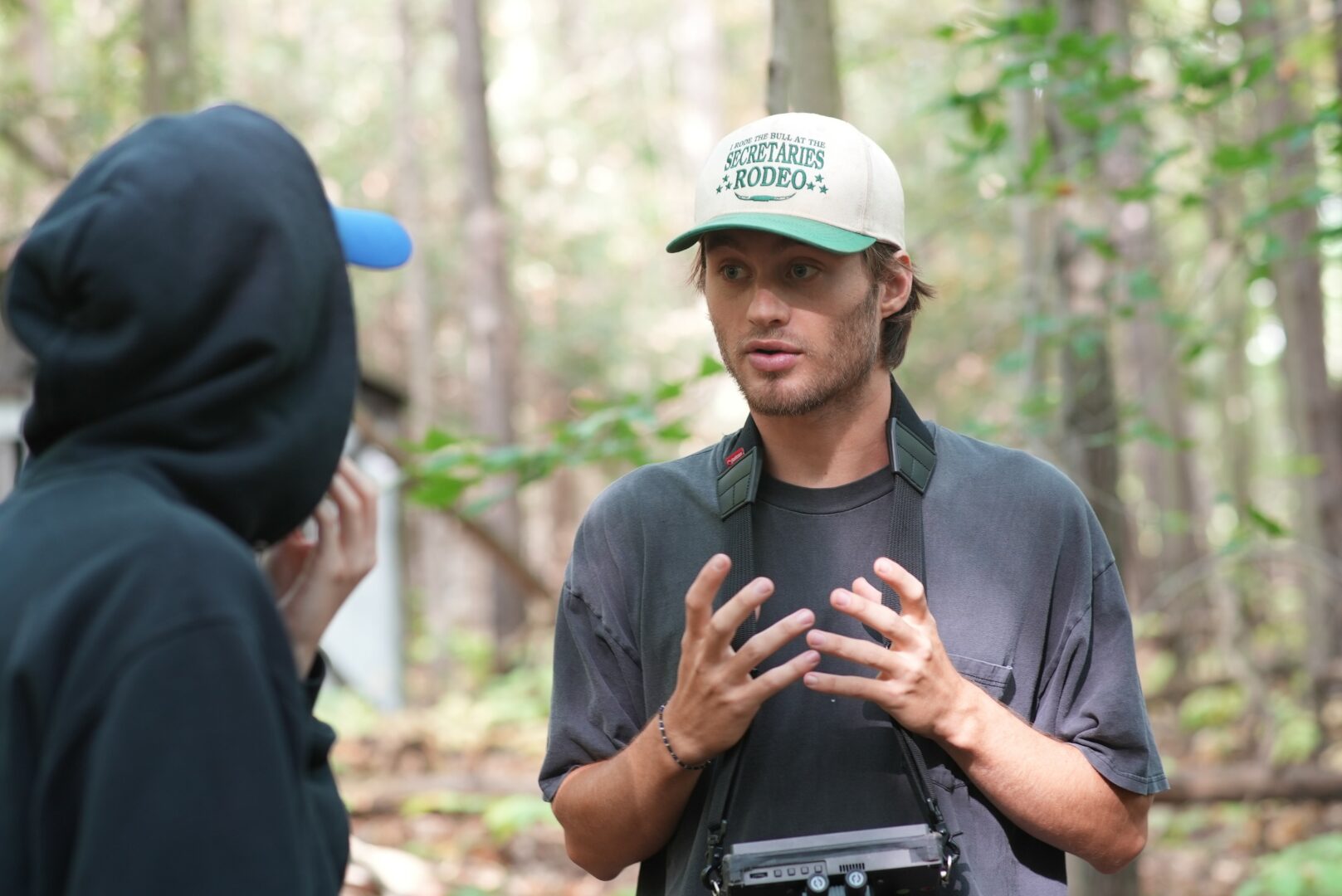
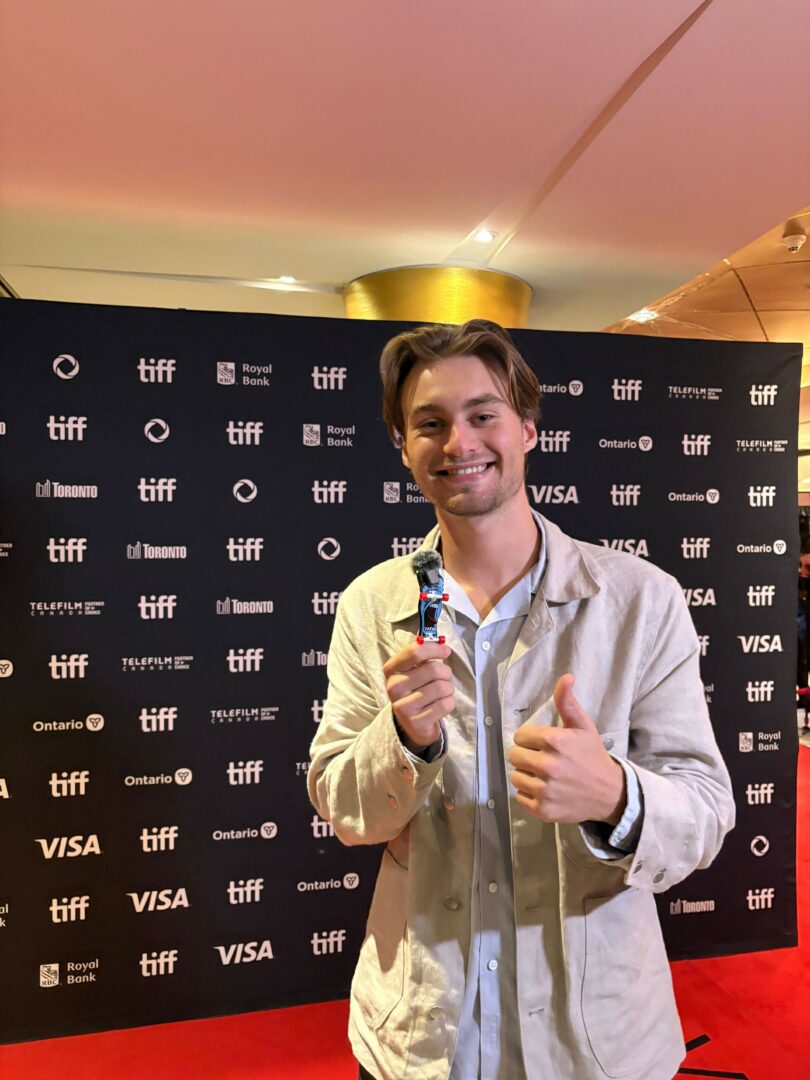
Image Credits
Cover photo taken by Philip LeMoyne.
BTS photos of ‘I’m Not Supposed To Be Here’ taken by Auden Kucharic.
so if you or someone you know deserves recognition please let us know here.