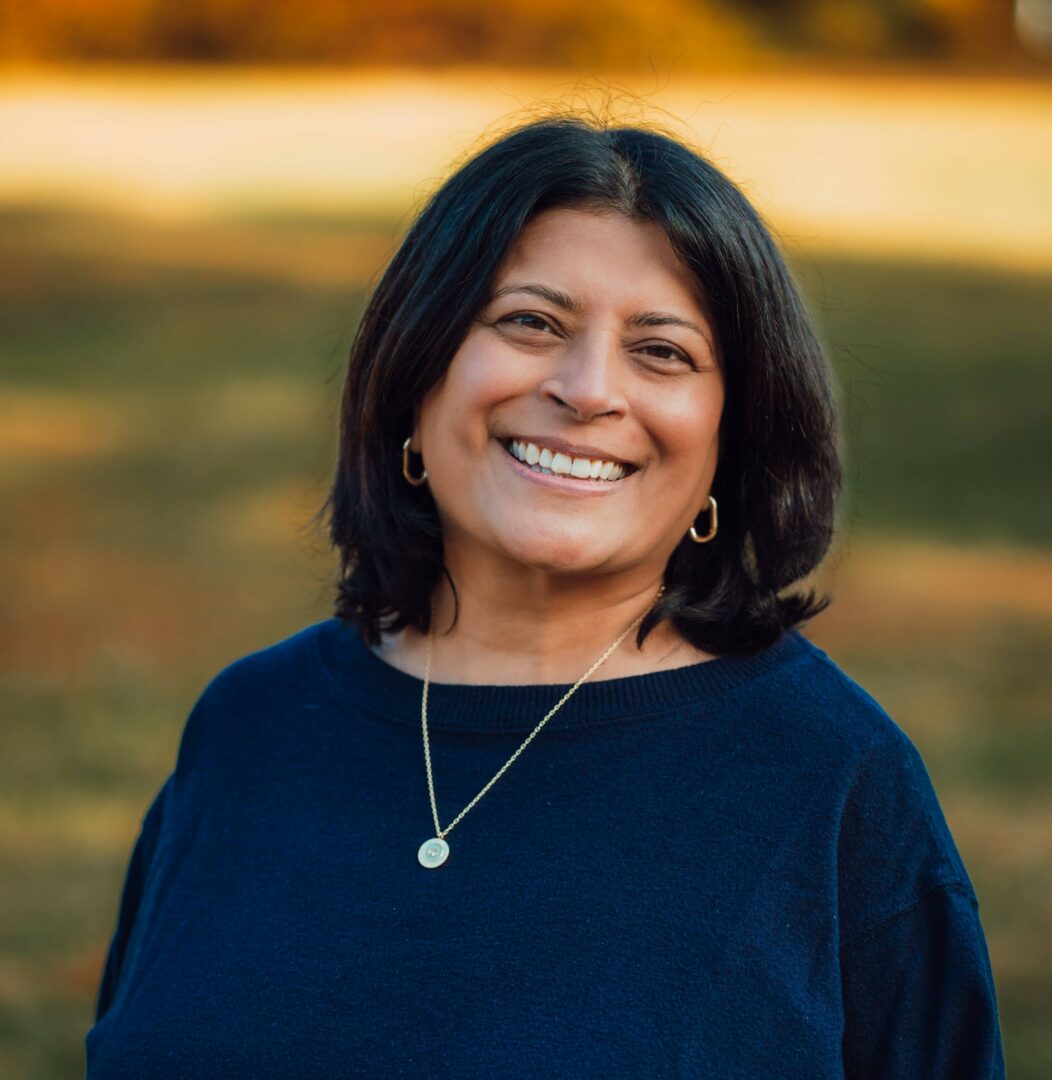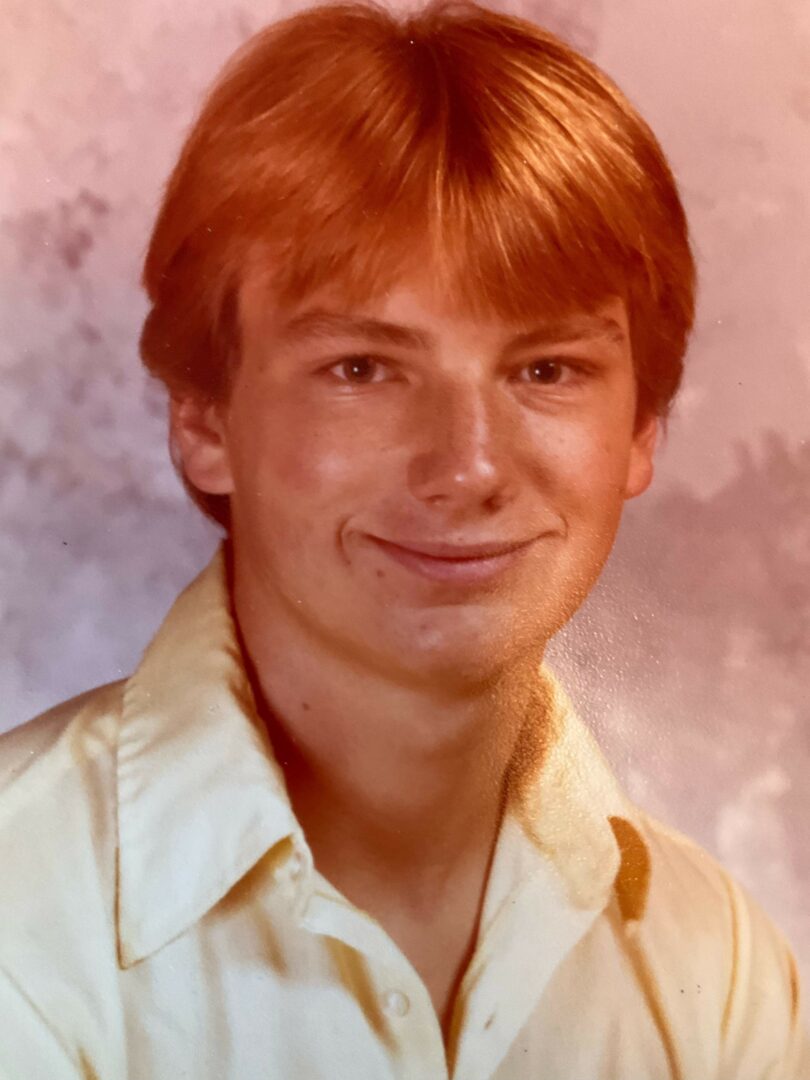
Mr. Toby Usnik shared their story and experiences with us recently and you can find our conversation below.
Toby, we’re thrilled to have you with us today. Before we jump into your intro and the heart of the interview, let’s start with a bit of an ice breaker: When was the last time you felt true joy?
My 63rd birthday was on Dec. 11 and I was able to ski this year because we had early snow and a base in the Catskills. I love being outdoors, skiing by myself, and being in synch with Mother Nature. Of course, I also love skiing with with friends and family, too. But it was somehow special going solo on my birthday. And even though it was a quiet midweek day (Wednesday) I shared 2 different gondola rides with 2 other Sagittarius’s who were also turning 63 this month! !
Can you briefly introduce yourself and share what makes you or your brand unique?
I’m Toby Usnik, a global communications and social impact executive turned AI educator and advisor on trust, reputation, and technology-enabled impact. Over the past two decades I’ve led communications and CSR at organizations including The New York Times Company, American Express, Christie’s, and the British Consulate General in New York, and I now bring that experience into a portfolio of work that helps leaders, institutions, and communities use AI thoughtfully rather than fear it.
Under the T² banner—my “trust and transform” lens—I focus on AI literacy as a basic civic and leadership skill, especially for people who would never call themselves technical. That shows up in several live and emerging projects: an accredited, three-credit “AI-forward” Pilates continuing education course for instructors and studio owners; a human-centered AI concept under development with the founder of Manhattan Movement & Arts Center; and practical AI workshops for chambers of commerce and Main Street businesses, starting in the Hudson Valley and expanding to international hubs.
What makes this work distinctive is that it sits at the intersection of ethics, reputation, and real-world workflows. I’m not trying to turn clients into data scientists; I help them ask better questions, design safer, smarter ways of working, and protect what they value—whether that’s a cultural institution’s artistic integrity, a local business’s community roots, or a mid-career professional’s next chapter on LinkedIn. Across all of it, the through-line is the same: profit with purpose, AI as a trusted ally, and people leaving every engagement with tools they can use the very next day.
Amazing, so let’s take a moment to go back in time. What breaks the bonds between people—and what restores them?
Bonds between people break when trust erodes and when the “reputational currency” between them is spent down faster than it is renewed. That can happen through obvious breaches like dishonesty or hypocrisy, but just as often it comes from quieter failures: not showing up when it matters, treating relationships as purely transactional, or disappearing once a goal has been achieved..
In my most recent book, *Connecting the Dots: Building Your Network and Legacy*, my co-author and I note that reputational currency is the idea that every interaction is a small deposit or withdrawal in how others experience your character, reliability, and generosity over time. When people feel consistently used, ignored, or misled, those accounts go into deficit and the invisible social credit that holds networks together starts to collapse.
What restores bonds is the slow work of rebuilding that currency: honest acknowledgment of harm, taking responsibility without spin, and then demonstrating—repeatedly—that your behavior has changed. It looks like making introductions with no immediate benefit to yourself, following through on commitments, and being present for others when there is nothing “in it” for you. Over time, those choices compound. They don’t erase the past, but they signal that you can once again be trusted, and that is ultimately what allows relationships, teams, and communities to knit themselves back together.
If you could say one kind thing to your younger self, what would it be?
I would tell you that time is the most precious thing you have besides life itself, so don’t drift—hurry to be intentional. Ask yourself, again and again, what your purpose is in life, and walk toward it with whatever tools and opportunities you have at that moment.
Don’t wait for the perfect job, title, or offer; the younger you are, the more risks you can and should take, because all of it only makes sense in the rearview mirror of life. If you treat your life as an adventure with purpose as your north star, you will find joy and surprise companions along the way, even through the detours and disappointments.
Most of all, remember that purpose is the most clarifying thing you can focus on—not a salary band, not an award, not a brand name on your résumé. If you keep asking ‘How can I be of use?’ rather than ‘How can I look impressive?,’ the work, the people, and the impact will line up in ways you can’t yet see but will one day be very grateful for..
As for my purpose: Making a difference through daily discovery and adventure! So even this interview is on-mission for me.
Alright, so if you are open to it, let’s explore some philosophical questions that touch on your values and worldview. What are the biggest lies your industry tells itself?
One of the biggest lies my world tells itself is that “growth is always good” and “more is always better”. We dress it up in different language—scale, market share, “unlocking value”—but underneath is the same story: progress equals perpetual expansion, and anything less is failure.
In my WWD piece a few years ago, I argued that we are quite literally consuming ourselves over a cliff: fast food, fast fashion, endless “BOGO”s (By One, Get One) and “drops” that treat people as mouths and wallets to be kept constantly hungry. The industry tells consumers they will be happier, prettier, more lovable if they buy more, while quietly externalizing the costs to climate, health, and social justice.
What I believe instead is that the future belongs to brands and people who choose “have less, value more”—who treat ownership as stewardship, not as a disposable thrill. That can look like repairing a Patagonia jacket, reselling a Christie’s object as a next-generation heirloom, or simply deciding not to upgrade something that still works. Consumption and conservation are two sides of the same coin; the lie is pretending we can have it both ways..
Okay, we’ve made it essentially to the end. One last question before you go. What do you think people will most misunderstand about your legacy?
People often talk about legacy as if it is something other people decide for you, a story written after you are gone. The misunderstanding I worry about most is exactly that—that my legacy, or anyone’s, is somehow outside their control, when in fact it is the cumulative result of daily, deliberate choices.
What matters to me is helping people see that you have to be intentional and responsible long before anyone uses the word “legacy” about you. That means being a critical thinker about your own life, asking yourself what your purpose is, and then aligning your work, relationships, and risks with that purpose—not with someone else’s idea of success. And ultimately being of service to others.
If there is a through-line in my own story, from corporate communications and CSR to AI literacy and career work, it is the belief that purpose and legacy are a closed loop: if you are clear on why you are here and you live that out consistently, your legacy will be a natural, full-circle expression of that purpose. Titles, salaries, platforms, and even specific projects will come and go, but the impact you have on people—and the trust you build over time—is the part you do get to shape.
Contact Info:
- Website: https://tobyusnik.com/
- Instagram: @toby_usnik
- Linkedin: https://www.linkedin.com/in/tobyusnik/
- Twitter: @Tusnik
- Youtube: @tobyusnik8168
- Other: @tobyusnik on TIkTok
so if you or someone you know deserves recognition please let us know here.