We were lucky to catch up with Brandon Smithwrick recently and have shared our conversation below.
Hi Brandon, you’ve got such an interesting story, but before we jump into that, let’s first talk about a topic near and dear to us – generosity. We think success, happiness and wellbeing depends on authentic generosity and empathy and so we’d love to hear about how you become such a generous person – where do you think your generosity comes from?
I think a lot of my generosity comes from feeling like I always had a chip on my shoulder growing up. I didn’t really have the guidance or mentorship I was looking for, whether that was early on or later in corporate spaces. I was always hungry for someone to show me the ropes, and that just didn’t really exist for me.
Because of that, my generosity shows up as me trying to be the help I wish I had. I feel really fortunate for what I’ve been able to accomplish, and at this point in my life, my focus is reaching back. If I can help someone shorten the time it takes them to figure things out, or remove some of the gatekeeping around knowledge, that’s a win for me.
Everything I do kind of ladders up to that. Helping people navigate business, careers, or just hard decisions by sharing what I’ve learned along the way. Giving out knowledge doesn’t take anything away from me, so I try to be as open as possible.
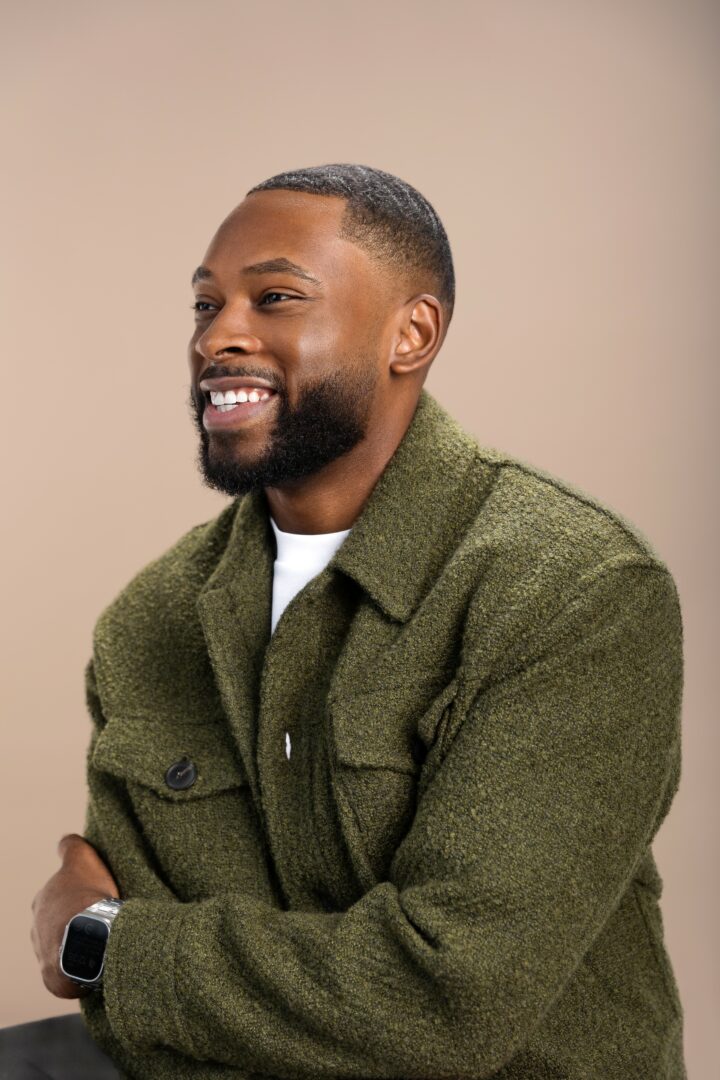
Let’s take a small detour – maybe you can share a bit about yourself before we dive back into some of the other questions we had for you?
I actually quit my marketing director job in August of 2025, which I know sounds a little wild in this economy. But my side hustle was already doing about three times what my full-time role was bringing in, and I had this really clear feeling that if I went all in, I could scale it way further.
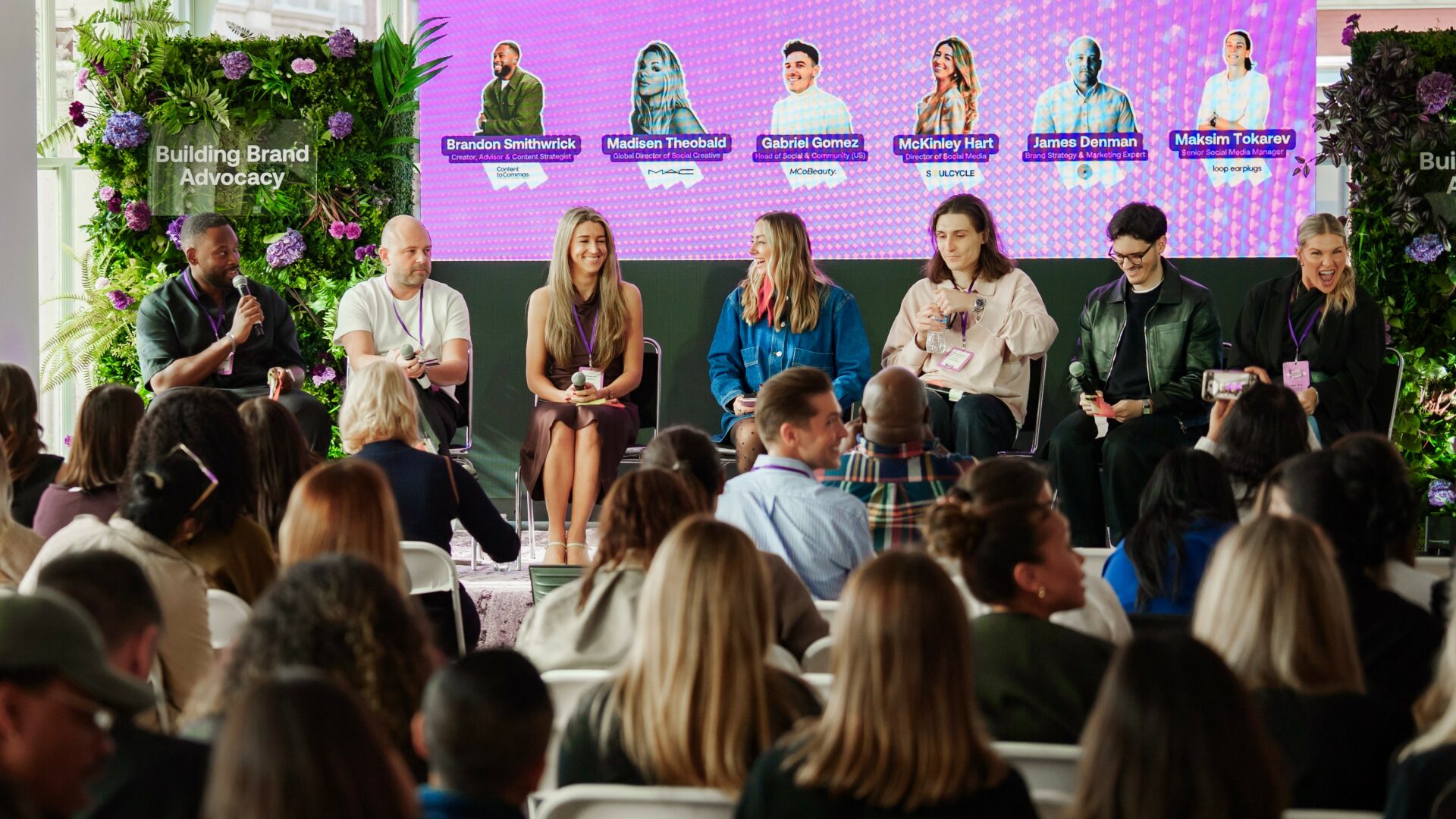
Today, I run a newsletter called Content to Commas, where I teach small business owners, entrepreneurs, and solopreneurs how to turn their content into an actual business. A lot of people think content is just about posting more, but I’m focused on helping people build systems that make their digital presence work for them. That applies whether you call yourself a creator or you’re coming from a more traditional marketing or corporate background like I was.
I’ve also started doing consulting, which I genuinely love. I get to work closely with entrepreneurs and help them sharpen their content, clarify their messaging, and build smarter strategies that support their business goals. Alongside that, I’m continuing to grow my own platforms and developing new things like an online course and a YouTube channel so I can share more of what I’ve learned with people who are building something of their own.
Right now, a big focus for me is accessibility. I offer a lot of free resources, and the newsletter is completely free as well. My goal is to be as useful as possible and share the kinds of insights and lessons that usually stay behind closed doors. If I’ve learned something the hard way, I want to make it easier for the next person.
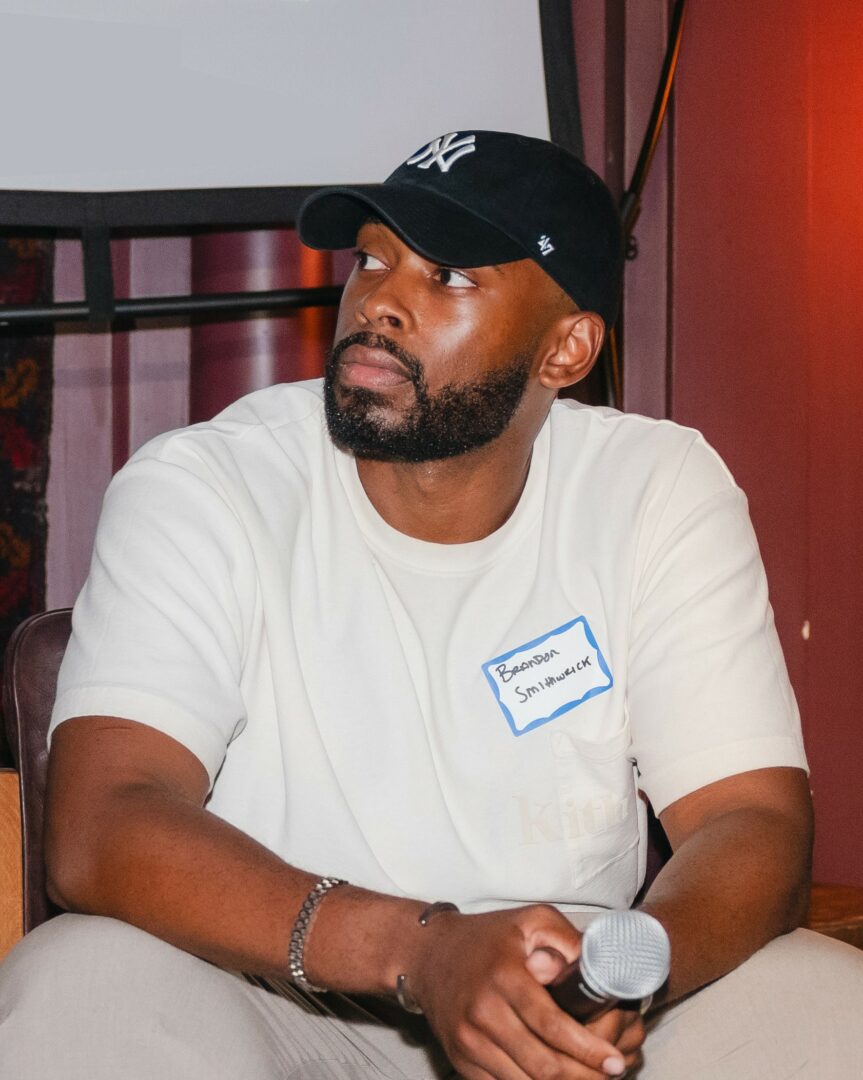
Looking back, what do you think were the three qualities, skills, or areas of knowledge that were most impactful in your journey? What advice do you have for folks who are early in their journey in terms of how they can best develop or improve on these?
The first one for me is adaptability. That’s probably been the most impactful skill in my career. I’ve moved across industries, from fashion to tech, from startups to massive companies like Ralph Lauren and Squarespace, and I’ve always been able to quickly identify my transferable skills and adjust without losing who I am. Being adaptable helped me stay grounded while still growing in very different environments.
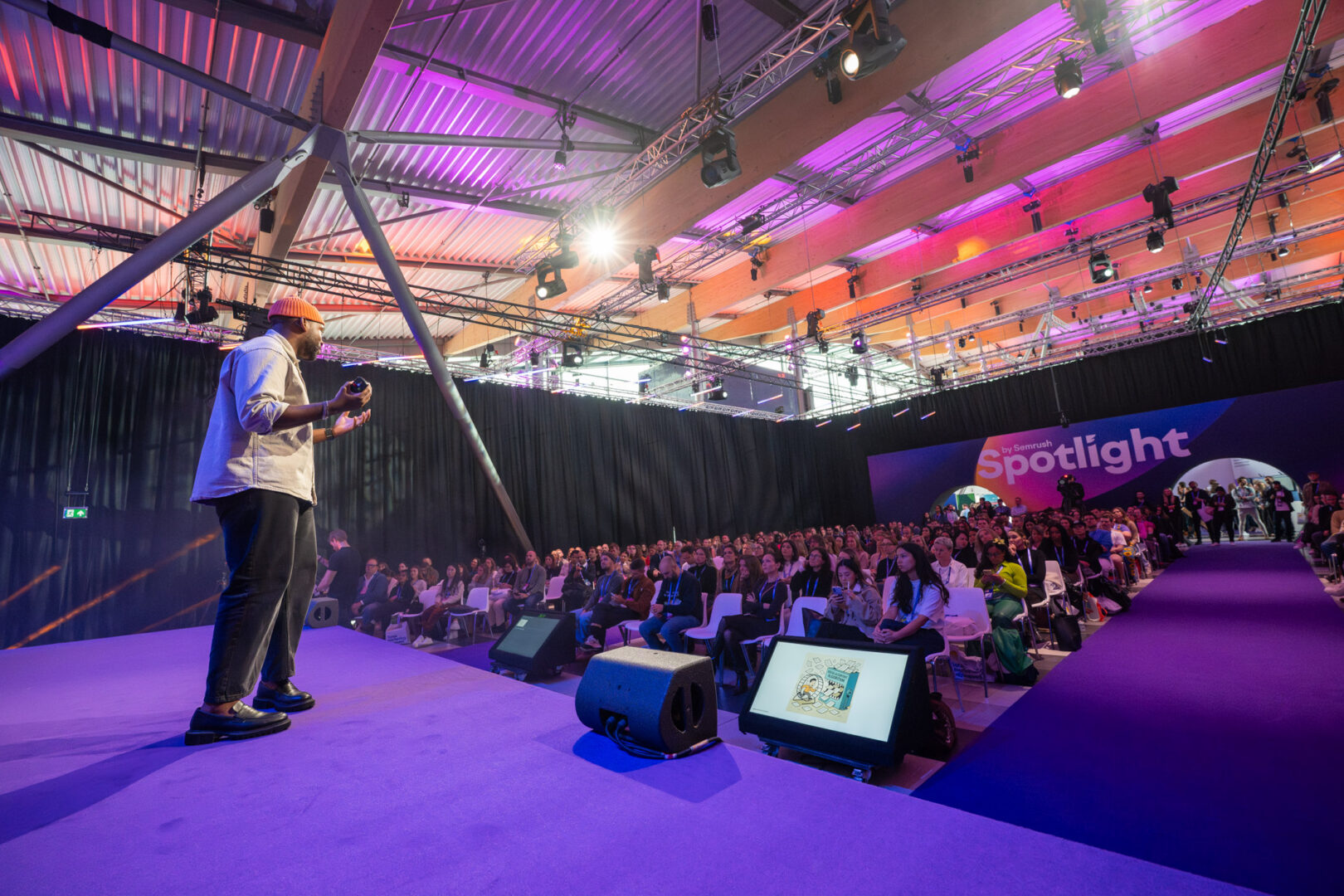
The second is process and organization. I’m very systems-driven. Last year, when I was Director of Content and Creative at Kickstarter, I was also building my newsletter, traveling for speaking engagements, and juggling a lot at once. There were weeks where I was flying out midweek, up at three in the morning trying to get everything done. It wasn’t glamorous, but it worked because I was disciplined about my systems and how I managed my time. That structure is what allowed me to handle a lot without burning out completely.
The third is understanding my weaknesses. I learned pretty early what I’m genuinely good at and doubled down on those strengths. And just as important, I got honest about what I’m not good at. Instead of forcing it, I learned how to outsource, ask for help, or bring in people who were better than me in those areas. That self-awareness saved me a lot of time and frustration.
For anyone early in their journey, I’d say don’t rush past these. Learn how to adapt, build systems that actually support your life, and be honest with yourself about where you shine and where you don’t. That combination compounds fast IMO.
How would you describe your ideal client?
My ideal client is someone who’s already running a business and knows content matters, but feels a little stuck. Maybe you’re posting inconsistently, maybe you have a freelance social media manager or a content person, but you still feel like there’s no real strategy behind what’s going out.
A lot of the people I work with know they should be showing up more online, they just don’t know how to do it in a way that’s sustainable or actually tied to business goals. That’s where I come in.
Typically, I’ll work with someone over about four weeks to get everything back on track. We’ll build a clear content strategy, define brand pillars, and then set up systems that make it easier to execute. That can include workflows, AI prompts, or automations that help them scale without adding more to their plate. The best clients are open, motivated, and ready to turn content into something that works for them instead of feeling like a constant chore.
Contact Info:
- Website: https://brandonsmithwrick.com
- Instagram: https://www.instagram.com/brandonsmithwrick/
- Linkedin: https://www.linkedin.com/in/brandonsmithwrick/
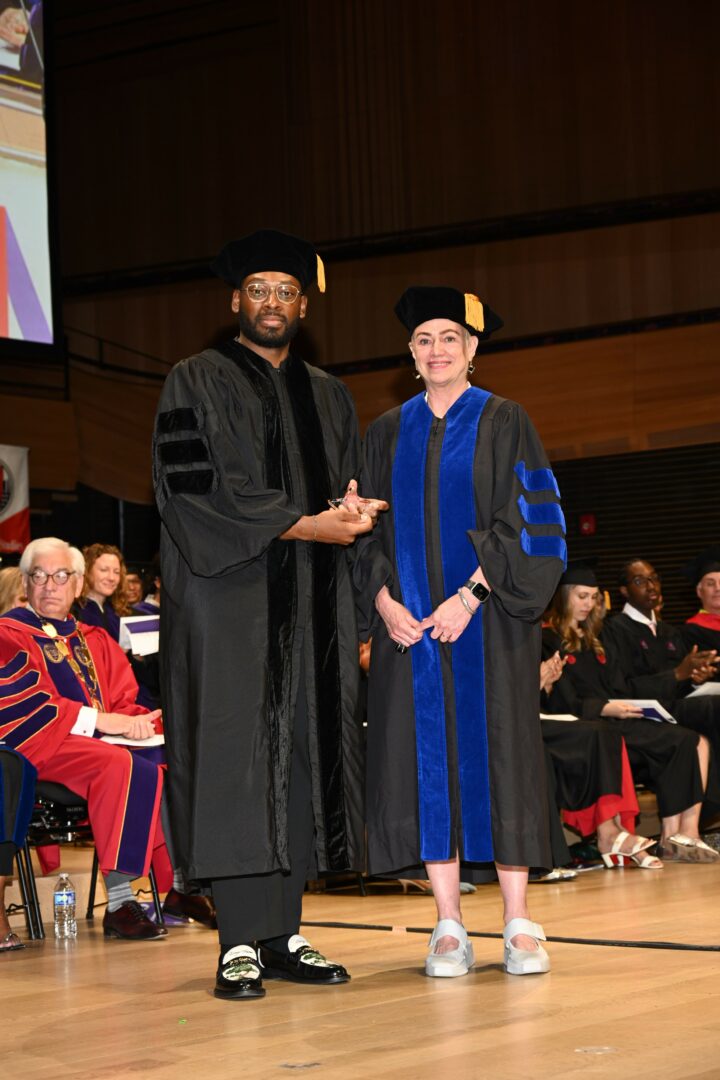
so if you or someone you know deserves recognition please let us know here.