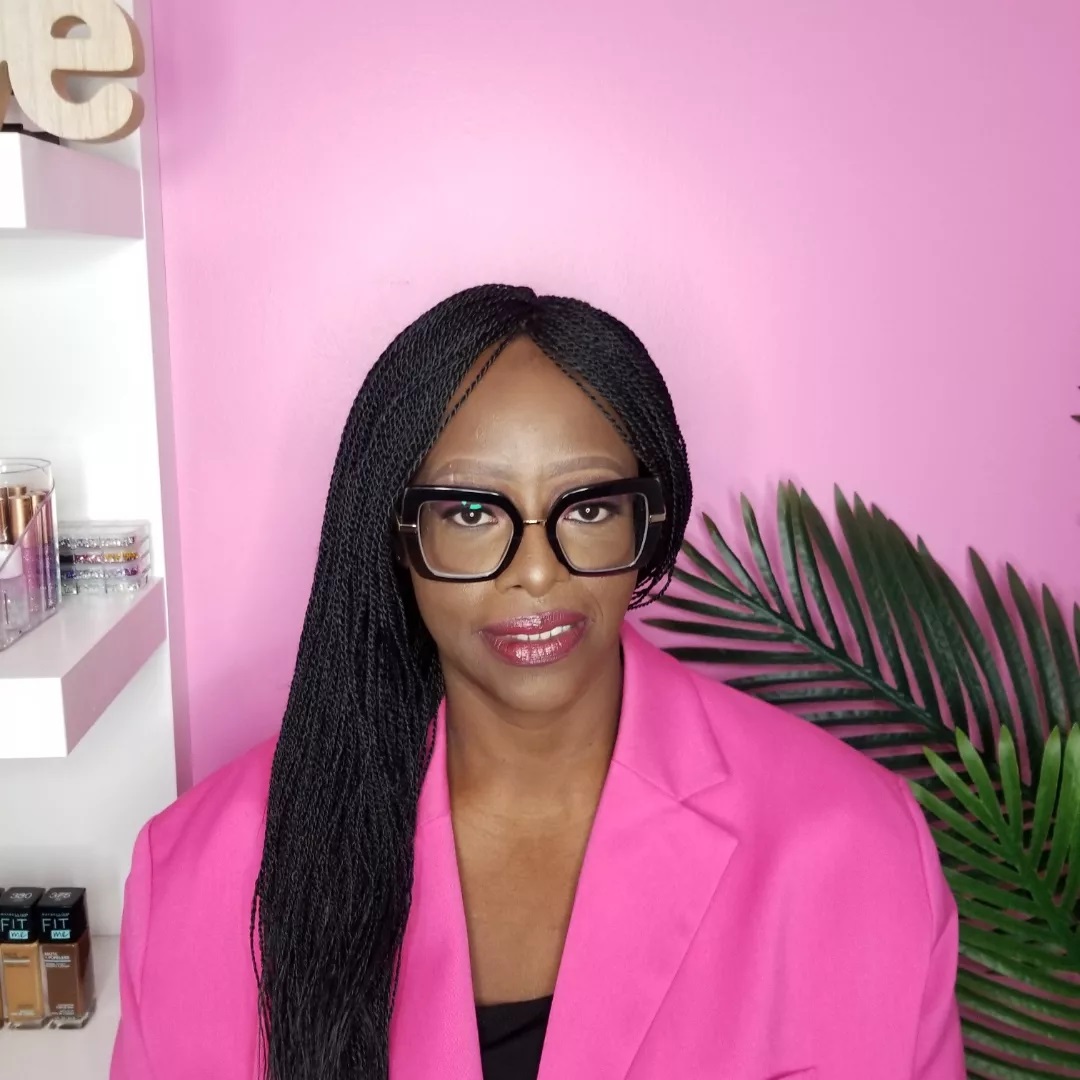
We’re looking forward to introducing you to Alethia Cadore. Check out our conversation below.
Alethia, a huge thanks to you for investing the time to share your wisdom with those who are seeking it. We think it’s so important for us to share stories with our neighbors, friends and community because knowledge multiples when we share with each other. Let’s jump in: What is a normal day like for you right now?
waking up without an alarm clock, reading for a couple of minutes, listening to affirmations. Starting my day with a herbal tea & smiling
Can you briefly introduce yourself and share what makes you or your brand unique?
I’m Alethia Cadore, a registered psychotherapist/CEO of Mindsilike Wellness Foundation Inc., based in Toronto. I’ve been working in mental health for over twenty years, and my work is grounded in supporting Black, Indigenous, and racialized communities to heal in ways that honour culture, history, and lived experience.
Mindsilike was born in 2020, in the wake of George Floyd’s murder, out of a deep need I saw in my community: people of colour looking for therapists who not only understood trauma, but also understood racism, migration, intergenerational pain, and the everyday realities of navigating systems that weren’t built with us in mind. Our foundation offers trauma‑informed counselling, community clinics in underserved neighbourhoods, wellness retreats, and group programs that blend evidence‑based approaches like CBT, DBT, and mindfulness with expressive arts, movement, and culturally grounded practices.
What makes our work unique is that we don’t separate mental health from culture or community. We create spaces where people can talk about burnout, grief, racial trauma, and joy in the same breath—and where their stories are believed, centred, and respected. We also partner with local organizations, schools, and community groups to make care more accessible, especially for those who might not otherwise walk into a traditional clinic.
Right now, I’m focused on expanding our community‑based clinics, deepening our research on Black women’s mental health, and growing our retreats and educational offerings so that more people—clients, practitioners, and organizations—can access culturally responsive, healing‑centred care.
Thanks for sharing that. Would love to go back in time and hear about how your past might have impacted who you are today. What’s a moment that really shaped how you see the world?
A moment that deeply shaped how I see the world was the murder of George Floyd. I was working on a team that often spoke about valuing diversity and inclusion, but when his murder happened and I watched how people around me reacted—or didn’t react—it became painfully clear that those values were more of a statement than a lived practice.
As a Black woman and a therapist, I could feel the dissonance between what was being said and what was actually being honoured. My grief, anger, and exhaustion were not fully seen or held in that space. That experience brought everything I knew about myself and my community to the forefront: our need to be believed, to be safe, and to have our pain and resilience recognized.
That was a turning point. It became a call to action for me to create something different. Out of that moment, I started my own practice and eventually Mindsilike Wellness Foundation. I wanted to build spaces where Black, Indigenous, and racialized people didn’t have to explain why a murder like George Floyd’s mattered, or justify their emotional responses to systemic violence. Instead, they could focus on healing, connection, and imagining new possibilities for themselves and their communities.
When did you stop hiding your pain and start using it as power?
I don’t think there was a single day when I suddenly stopped hiding my pain; it was more like a series of moments that made it impossible to keep it tucked away. One of the clearest turning points was around the time of George Floyd’s murder. I was working in a setting that said all the right things about diversity, but when a Black man was murdered on camera and I watched how my own team responded, I realized my pain—and the pain of people who look like me—was not truly being held or honoured.
Up until then, I had become very skilled at functioning, performing, and caring for others while carrying my own hurt quietly. In that moment, the cost of that silence became too high. I could feel that if I kept minimizing my own experience, I would also be participating in the very erasure I was trying to fight against for my clients and my community.
Using my pain as power began when I allowed myself to name it openly: the grief, the rage, the disappointment, the murder and the exhaustion of constantly navigating systems that say “we value diversity” but do not protect Black life. Once I stopped treating those feelings as something to hide and instead saw them as evidence of my humanity, my values, and my love for my community, they became fuel.
That fuel is what pushed me to create Mindsilike Wellness Foundation—a space where our pain is not pathologized, but understood in context; where we can transform it into boundaries, advocacy, creativity, and collective healing. My pain became power when I stopped carrying it alone and started building spaces where it could be witnessed, shared, and turned into something that serves others.
Sure, so let’s go deeper into your values and how you think. What are the biggest lies your industry tells itself?
One of the biggest lies my industry tells itself is that any “good therapist” can work with everyone, including people who have faced oppression and racial trauma, as long as they care and mean well. On the surface, that sounds inclusive and ethical. In reality, it can be deeply harmful.
When therapists are not grounded in anti-oppressive, culturally responsive practice—and have not done their own work around race, power, and privilege—they can unintentionally minimize, spiritualize, or pathologize the very real impact of racism and systemic violence. Clients end up feeling unseen, gaslit, or like they are “too sensitive” or “making it about race” when, in fact, they are accurately naming their lived experience.
Another lie is that a few diversity trainings or a statement on a website is enough. It is not. Working with people who have faced oppression requires ongoing self-examination, accountability, and a willingness to be uncomfortable. It means understanding that you may *not* be the right therapist for everyone—and that referring a client to someone with the right lived experience or training is not a failure, but an ethical choice.
For me, being honest about these limits is part of why Mindsilike exists: to create spaces where Black, Indigenous, and racialized clients don’t have to educate their therapist about racism while they are trying to heal from it.
Okay, we’ve made it essentially to the end. One last question before you go. If you knew you had 10 years left, what would you stop doing immediately?
If I knew I had 10 years left, I would stop centering my life around work and paying bills. So much of our energy gets swallowed up by survival and productivity that we forget what it feels like to truly live. I would give myself full permission to step off that treadmill.
I imagine myself on a beach, not just on vacation but actually allowing my nervous system to rest—enjoying the sun, the water, good food, music, and unhurried conversations with people I love. I would spend more time in nature, travelling, laughing, dancing, and being present in my body rather than constantly planning the next task. I did this soul reset April-June
In other words, I would stop organizing my life around what I “owe” and start organizing it around what makes me feel most alive, connected, and at peace.
Contact Info:
- Website: https://www.mindsilikewellness.com
- Instagram: https://www.instagram.com/mindsilike/
- Linkedin: https://linkedin.com/in/alethia-cadore-ma-bacyc-p-psychotherapist-a48b3011?original
- Facebook: https://www.facebook.com/alethia.cadore.9

so if you or someone you know deserves recognition please let us know here.