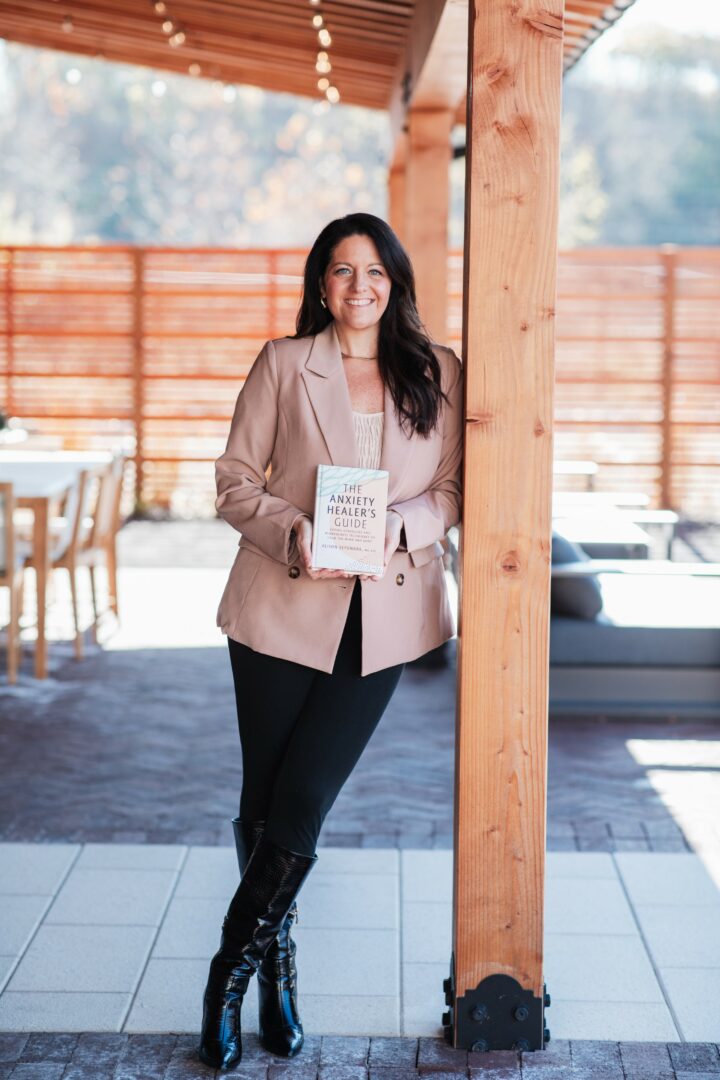
Alison Seponara shared their story and experiences with us recently and you can find our conversation below.
Good morning Alison, it’s such a great way to kick off the day – I think our readers will love hearing your stories, experiences and about how you think about life and work. Let’s jump right in? What is something outside of work that is bringing you joy lately?
Lately, what’s been bringing me joy outside of work is being intentional about how I live and connect. I’m finding so much inspiration and grounding in my yoga community, making space to truly be present with my niece and nephew and carving out more meaningful time with friends and family.
I’m also deeply inspired by building a new online community for single women over 40, creating a place where women can feel less alone, understood, and supported in midlife. And finally, I’m really excited about planning more travel in 2026, giving myself things to look forward to, new places to explore, and experiences that feel expansive and life-giving.
Can you briefly introduce yourself and share what makes you or your brand unique?
My name is Alison Seponara, MS, LPC known as The Anxiety Healer on the interwebs!
Long before I became a licensed therapist, author, influencer, or anxiety educator, I was a kid trying to understand a body that never quite felt calm. I grew up battling health anxiety, social anxiety, and panic attacks, often without the language to explain what was happening inside me. Anxiety shaped how safe the world felt, how I connected to others, and how I learned to survive in my own body. For a long time, I believed something was “wrong” with me. That lived experience is what ultimately shaped my life’s work.
Today, I’m a licensed therapist and integrative holistic anxiety practitioner with a private practice just outside of Philadelphia, PA. I specialize in CBT and mindfulness-based positive psychology, supporting women in midlife navigating anxiety related to perimenopause, menopause, identity shifts, grief, changing relationships, and major life transitions. I also work closely with single women over 40, helping them date with more clarity and confidence while learning to regulate their nervous system, reduce panic, and build healthier emotional and relational patterns. My approach is proactive and holistic because healing anxiety isn’t just about managing symptoms, it’s about learning how to feel safe in your body, grounded in yourself, and connected to others again.
Out of my own healing journey grew The Anxiety Healer, a mental wellness community that has grown to over 650,000 healers across my social platforms. What makes it different is that it blends clinical expertise with lived experience. I don’t teach from a pedestal, I teach from inside the work. Everything I share is rooted in compassion, nervous-system education, and practical tools people can actually use in real life.
I’m also the author of The Anxiety Healer’s Guide a practical resource designed to help individuals build their own personalized healing toolkit. In addition, I’ve adapted this work into The Anxiety Healer’s Guide for Clinicians, helping mental health professionals integrate holistic, nervous-system-informed tools into their own therapeutic work with clients.
I also co-host The Anxiety Chicks Podcast, where we blend clinical insight with honest conversation and lived experience to break the stigma around mental health and normalize the realities of anxiety, grief, and healing.
Most recently, I created the Single Sisters Circle 40+, an online community for single women navigating midlife transitions. This space was born from listening to women who felt anxious, unseen, and alone…especially while moving through dating, grief, identity shifts, and major life changes. It’s a space rooted in nervous-system safety, real connection, and the reminder that we don’t have to do this season of life alone.
At the core of everything I do is this belief: anxiety doesn’t mean you’re broken…it means your body learned how to protect you. My work is about helping people meet themselves with compassion, build tools that actually work, and create lives that feel more grounded, connected, and meaningful, even if anxiety has been part of their story for a long time.
Great, so let’s dive into your journey a bit more. What did you believe about yourself as a child that you no longer believe?
As a kid, I truly believed I was too much and somehow still not enough at the same time. I was a highly sensitive child. I felt everything deeply, noticed everything, and that made me an easy target for bullying. I learned pretty early on that my feelings were “a lot,” that my reactions were inconvenient, and that staying quiet felt safer than taking up space. I carried this belief for a long time…that what I thought or felt didn’t really matter, and that being *less* might help me belong more. I don’t believe that anymore.
With time, healing, and a lot of self-work, I’ve realized that the parts of me I once tried to hide are actually my greatest strengths. My sensitivity became empathy. My pain became purpose. And sharing my story openly and honestly has been incredibly healing, not just for me, but for the hundreds of thousands of healers in my anxiety healing community… who’ve told me it helped them feel less alone. I no longer believe I’m too much. I believe I was always enough! I just didn’t know it yet. 💛
What did suffering teach you that success never could?
When my dad died three years ago, everything changed. I wasn’t just sad, I was shaken. I had to face fears I had pushed away for most of my life, especially my fear of my own mortality. Losing him made life feel fragile in a way I had never experienced before. No amount of success or “doing well” could protect me from that. Grief forced me to slow down. It taught me that healing doesn’t happen by pushing through or staying busy. I had to actually feel the pain and learn how to live alongside it. That took real work. I joined support groups, leaned into my yoga community, and let myself rely on my friends and family instead of trying to handle everything on my own. Over time, and with a lot of support, I found light again. Not because the loss went away, but because I learned how to take care of myself in the middle of it. Grief taught me how to be gentle with my body, honest about my fears, and open to help. Success never taught me that.
I think our readers would appreciate hearing more about your values and what you think matters in life and career, etc. So our next question is along those lines. Is the public version of you the real you?
Yes. the public version of me is 100% the real version of me, and it always has been. From the very beginning of my social media journey, I’ve shown up as myself. I’ve always talked about anxiety and mental health in a way that’s real, digestible, and human, not polished or performative. I’ve never tried to sound perfect or pretend I have it all figured out. I’ve always said this, and I truly mean it: before I’m a therapist, before any title or credential, I’m human first.
Even with all the education and experience I have as a clinician, I don’t believe it makes me better than anyone else. It doesn’t put me above anyone’s struggle. I deeply believe that one person’s pain isn’t more important than another’s, and healing isn’t a competition. I pride myself on meeting people as equals…whether they’re just starting to understand their anxiety or have been carrying it for decades.
I’ve never been anything other than who I am. The way I show up publicly is the same way I show up privately. That’s why I share so much of my own story about healing anxiety, navigating midlife, being single in my 40s, not having kids, and learning how to build a life that feels meaningful and grounded. I also share the clinical tools and nervous-system work I’ve learned and practiced, because both things can exist at the same time: lived experience *and* expertise.
That combination, being real about my life while also sharing what I know about rewiring the anxious brain and body. is something I’m genuinely proud of. Every version of me you see is real, honest, and intentional. And I think that’s why so many people feel seen, understood, and less alone in the anxiety healing community
Before we go, we’d love to hear your thoughts on some longer-run, legacy type questions. What is the story you hope people tell about you when you’re gone?
I hope people say that I was real. That I showed up as myself and never pretended to be someone I wasn’t. I hope they remember that when they were struggling, they felt safe with me. That they felt seen, heard, and understood, not judged or rushed or told to fix themselves. I hope they felt that they mattered in my presence and that they were not alone.
I hope people say that I was there for them in a way that changed something for the better. That maybe I helped them understand their anxiety, trust themselves a little more, or feel brave enough to use their voice. I hope they remember feeling enough around me, even when they didn’t feel that way anywhere else.
I also hope they remember that I was kind but not quiet. That I stood up for myself, stood my ground, and wasn’t afraid to be vulnerable. I hope they saw that vulnerability as strength, because that’s how I’ve always viewed it.
Most of all, I hope people remember that I dedicated my life to helping other women feel empowered. To helping them feel steadier when life felt out of control, more confident when fear took over, and more capable of trusting themselves and their choices. If the story people tell is that I helped them feel more like themselves and less alone, then that means everything to me.
Contact Info:
- Website: https://theanxietyhealer.com
- Instagram: https://www.instagram.com/theanxietyhealer/
- Linkedin: https://www.linkedin.com/in/alisonseponara
- Facebook: https://www.facebook.com/alisonseponaralpc/
- Youtube: https://www.youtube.com/@anxietychicks
- Other: Single Sisters Circle 40+
https://www.singlesisterscircle.com/untitled-page-4689
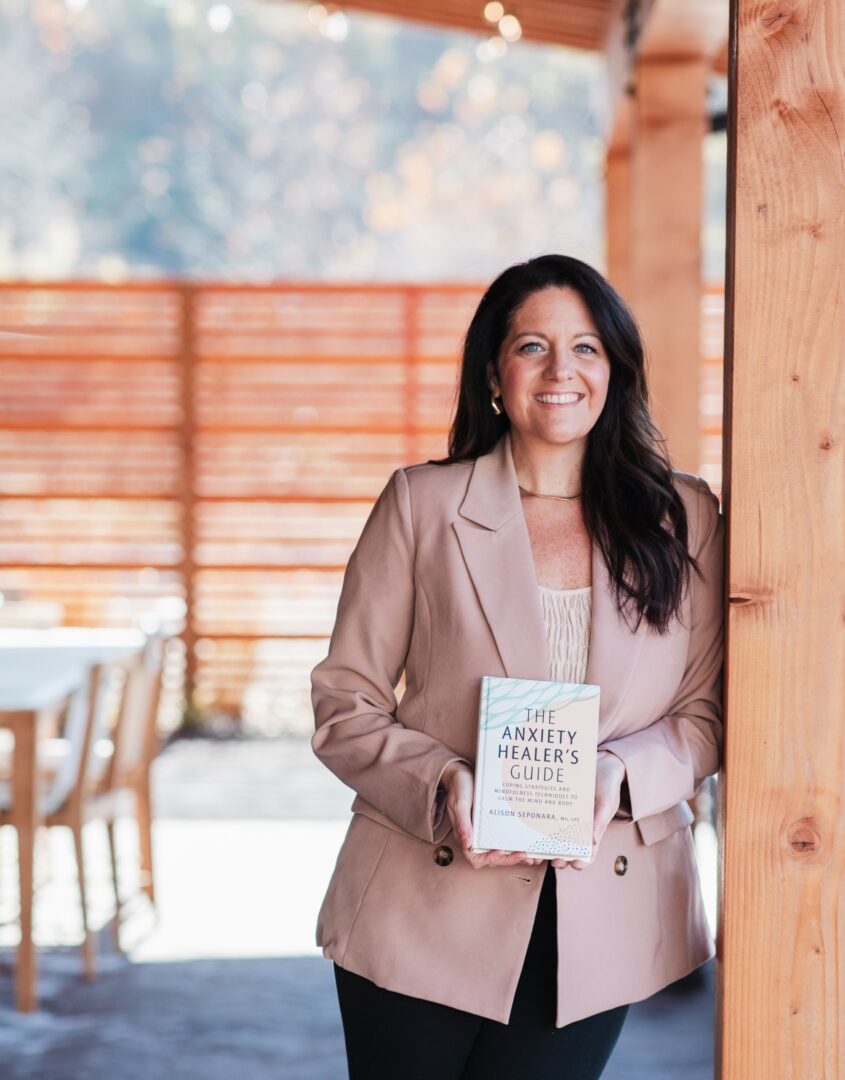
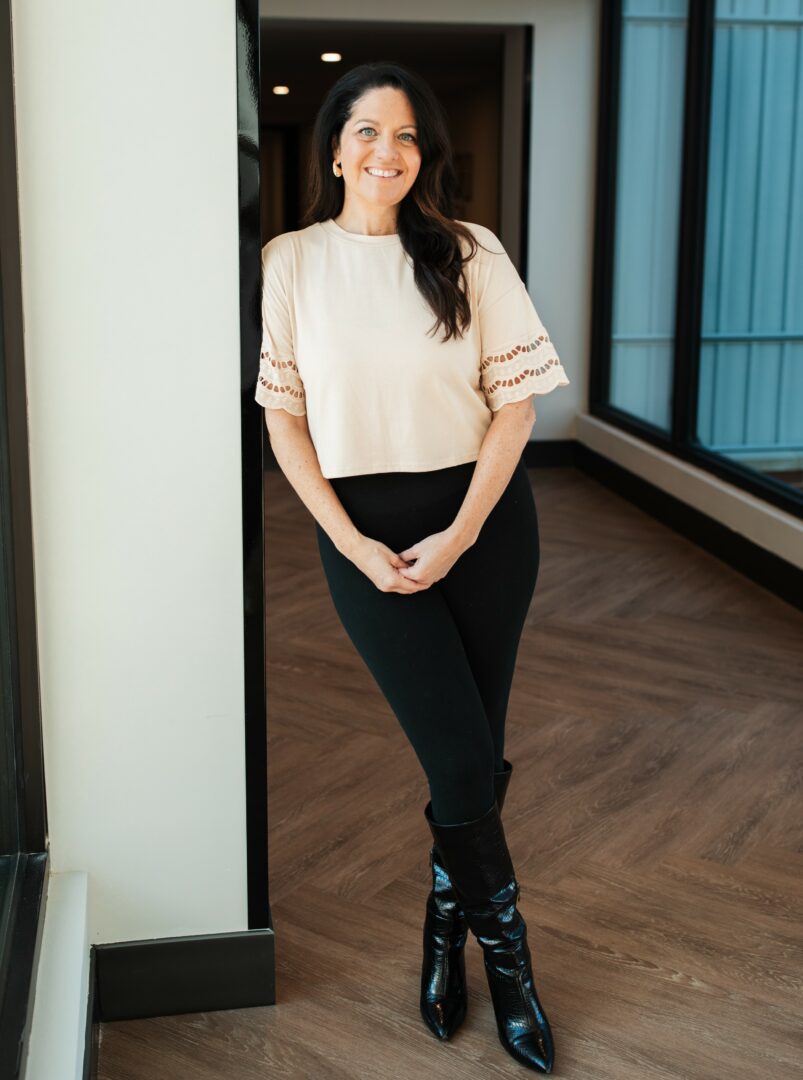
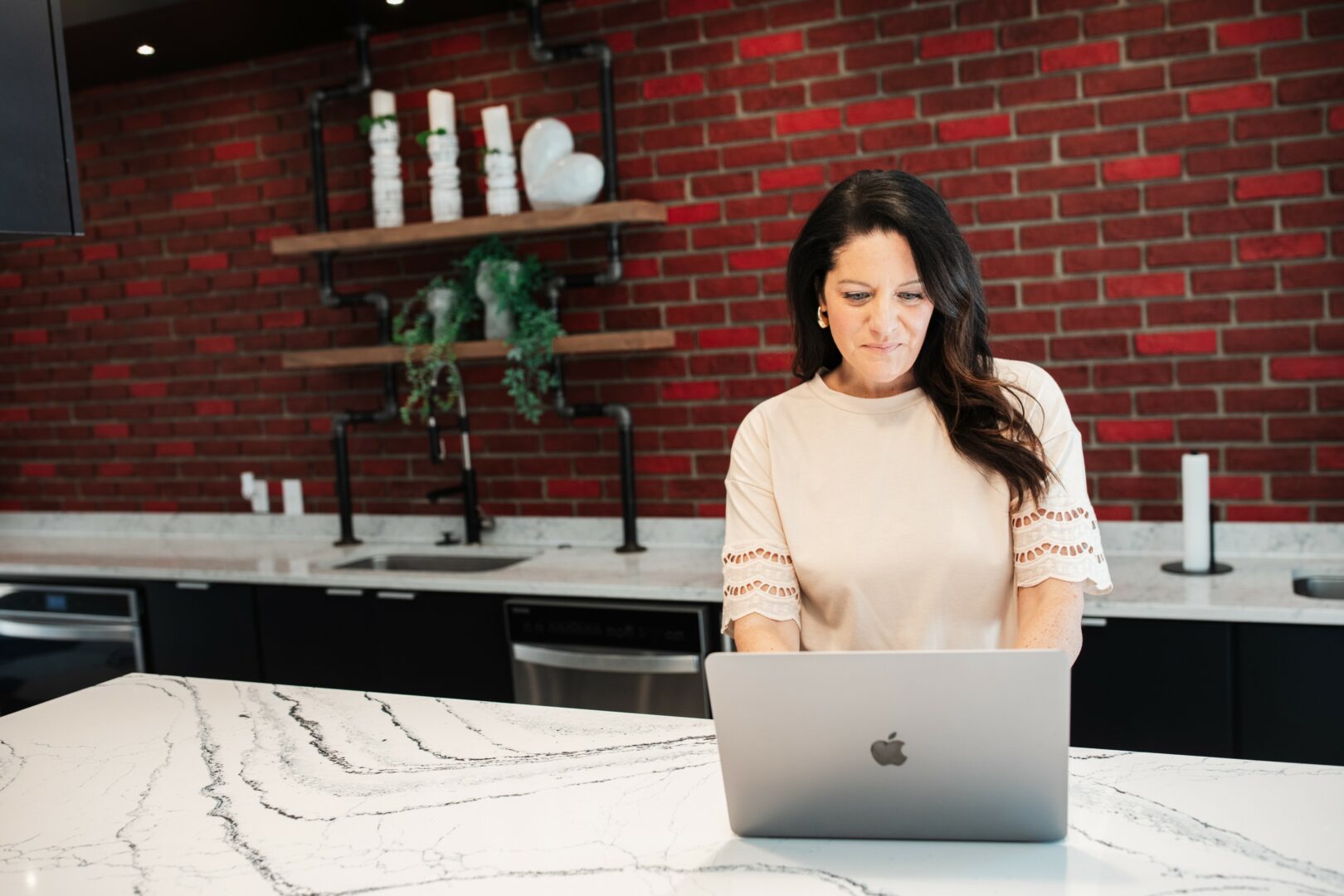

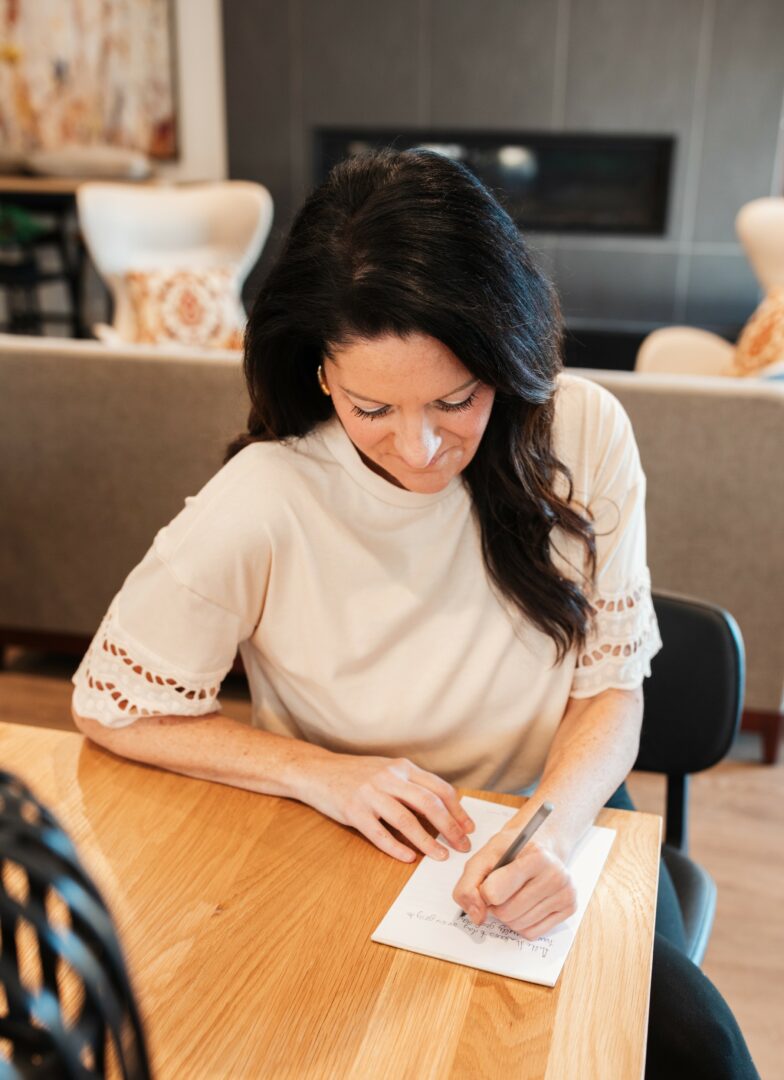
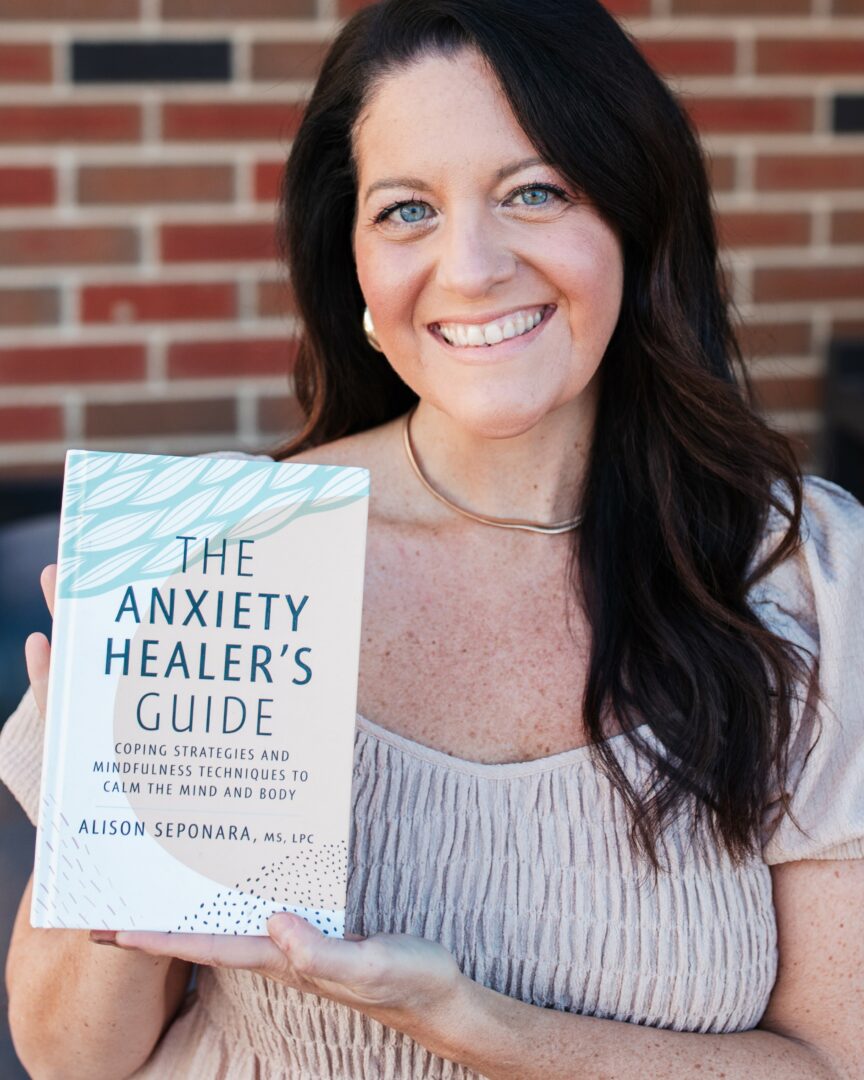
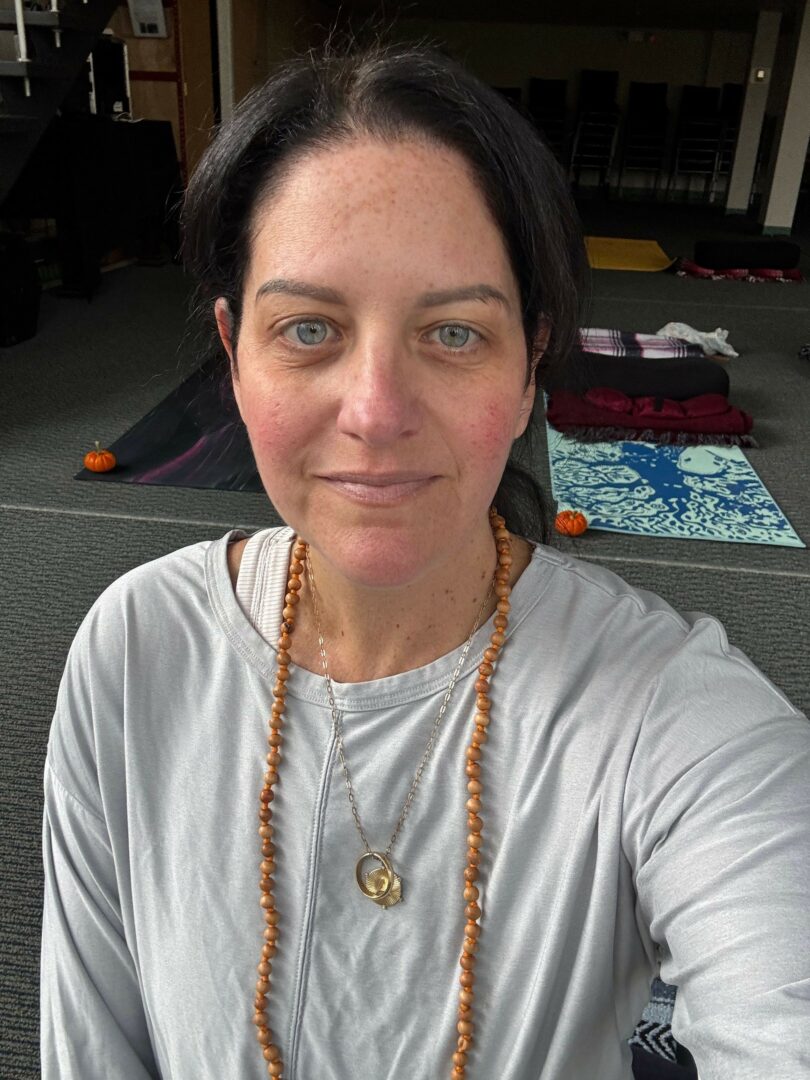
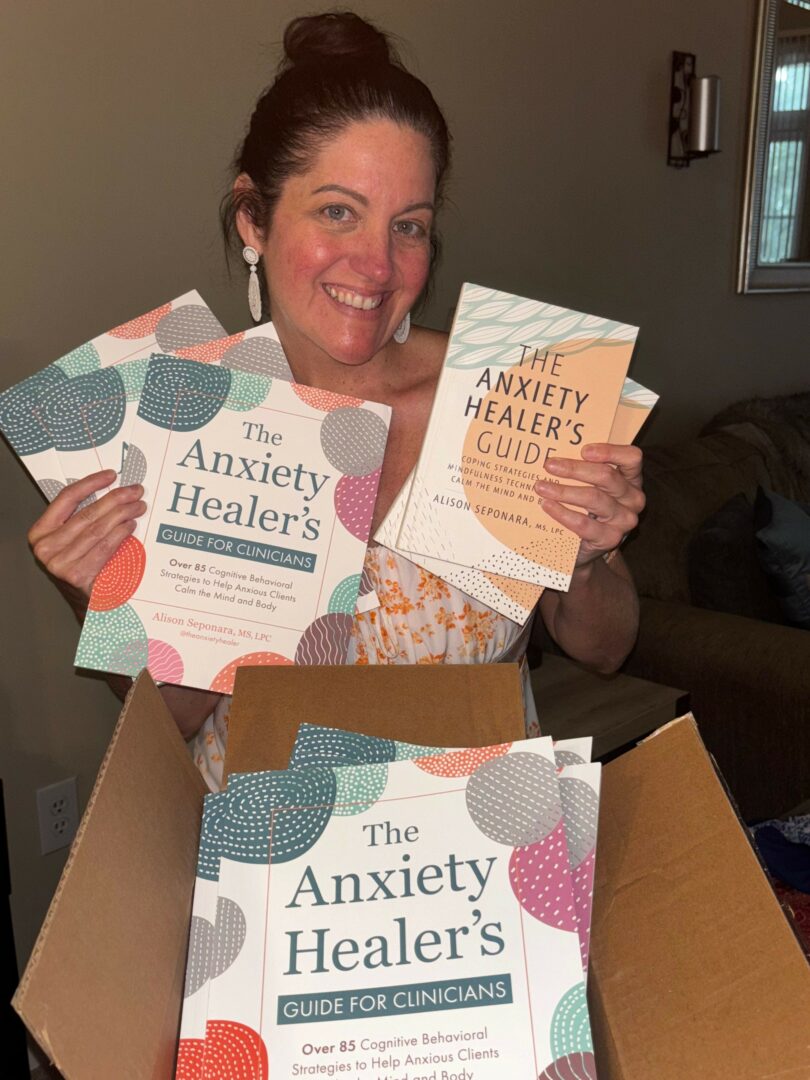
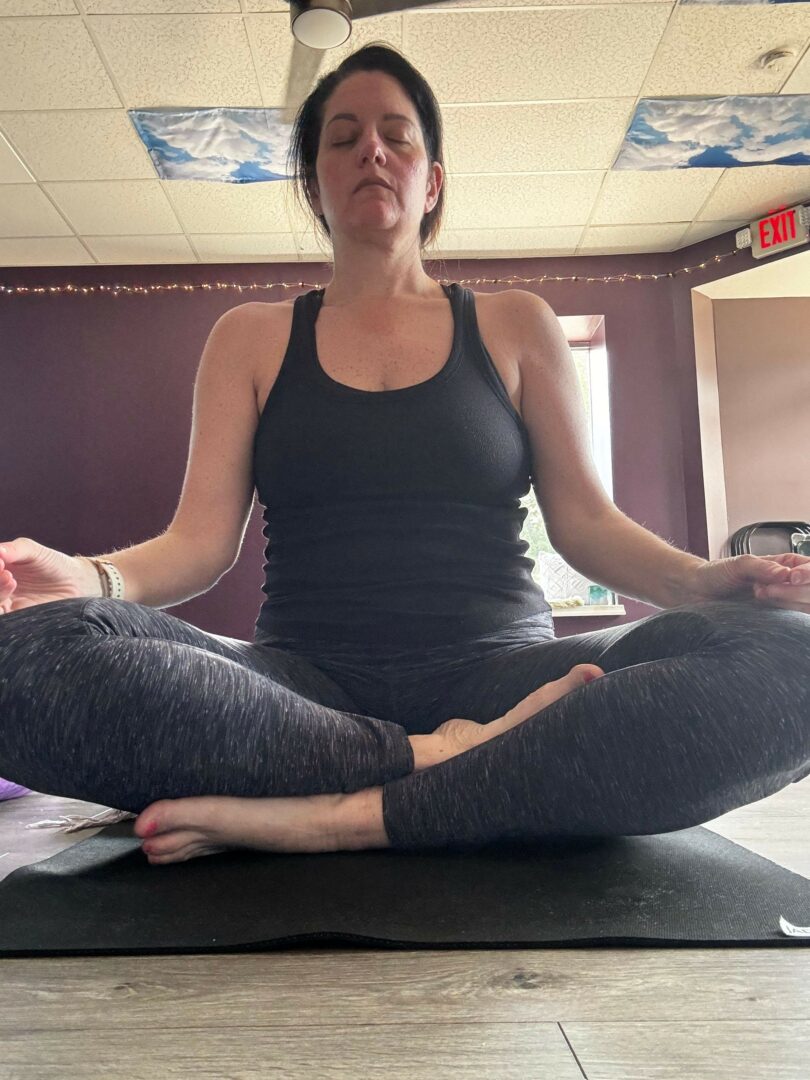
Image Credits
Carlyn Dixon
https://www.instagram.com/photosbycarlyn/
so if you or someone you know deserves recognition please let us know here.