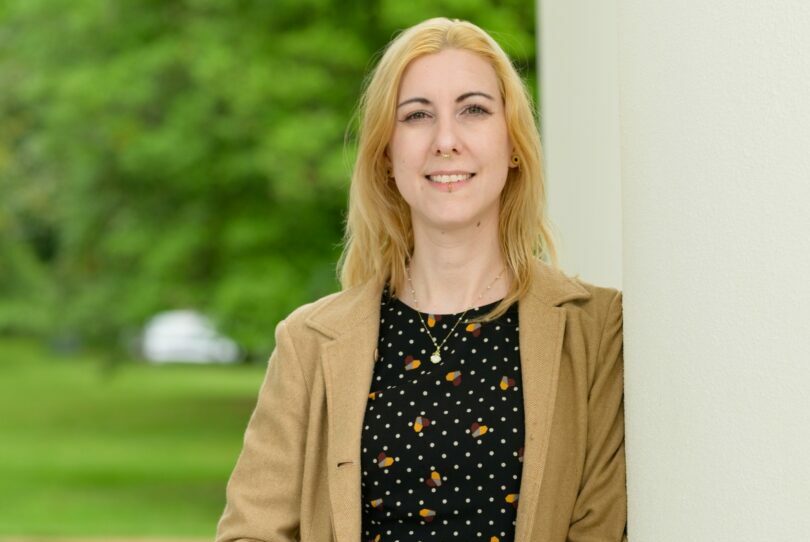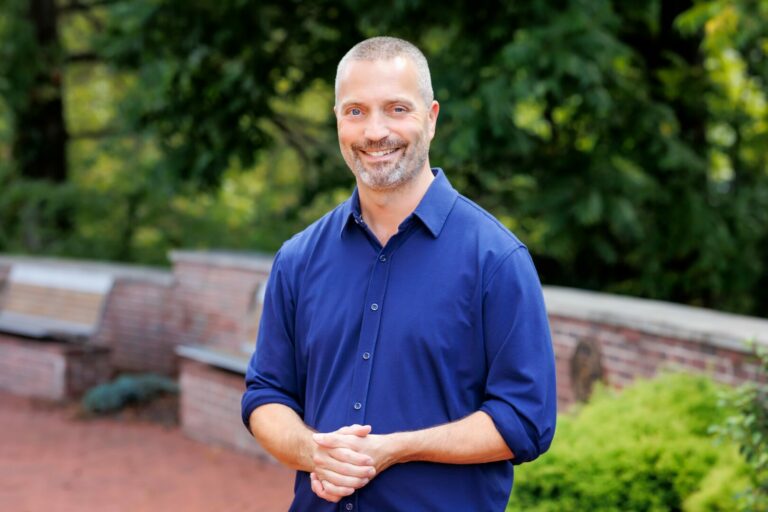
We recently had the chance to connect with Andi Cross and have shared our conversation below.
Andi , so good to connect and we’re excited to share your story and insights with our audience. There’s a ton to learn from your story, but let’s start with a warm up before we get into the heart of the interview. What is a normal day like for you right now?
“Normal” is a funny word in my world. Nothing about my days fits that definition. And even in our not-so-normal routine, no two days are ever the same.
For nearly three years now, my business partner, Adam Moore, and I have lived entirely on the road as part of a long-format expedition. We embed onsite with communities around the world to learn how they’re protecting the ecosystems and species that make life possible in their regions.
We’ve traveled to some of the most remote places on Earth, and some of the most densely populated—each one an “edge” in its own way, often coastal communities that have relied equally on land and sea to shape their culture and economy. Over time, a few patterns have emerged. I’d say our days fall into three broad categories: travel days, computer days, and field days.
Travel days are the most structured. There’s always a flight to catch, a border to cross, or a boat to board. Adam, who leads logistics and operations, keeps us moving to the minute. Bags are packed the night before—each one holding essential gear for both survival and storytelling. We get to airports three hours early, always. Road trips are mapped in advance with stops timed around calls or refueling. And we prepare for anything, especially when the journey involves rough weather or remote crossings.
Computer days are all about plugging in. We tackle our consulting work, team check-ins, sponsor deliverables, and a constant flow of calls. These are often long, global days—5 a.m. wakeups, late-night wrap-ups. It’s intense, but batching the admin keeps us on track while giving space for the field.
Field days are equally the most exciting, and the most exhausting. We wake early and head out: into rivers, up trails, out to sea. These days are about documenting local collaborators in action, conducting interviews, capturing data, filming and photographing in real time. We stay quiet when tracking wildlife. Dive with full concentration to stay safe and observant. Listen carefully to what’s being shared. Then we come back, covered in salt, sun, or mud, and get back online to process, connect, and keep our consulting work moving forward.
Does it sound crazy? It should. It’s far from normal. But this way of life, including working with grassroots partners in the most remote places and global clients in the cities, has redefined what I thought was possible when it comes to how we live and work.
Can you briefly introduce yourself and share what makes you or your brand unique?
My name is Andi Cross, and I’m the Co-Founder of Edges of Earth, a global expedition team, consultancy, and content studio operating at the frontlines of climate and ecological disruption. We’re a crew of modern explorers that are equal parts strategists, storytellers, professional divers, and field researchers, who embed with communities across the world to uncover real-time climate solutions that often go unnoticed.
Since launching in 2021, we’ve worked in over 45 countries, focusing on ecological and social “edges”—remote or overlooked places where innovation, resilience, and disruption collide. Our work spans from disappearing kelp forests and polar extremes to tropical archipelagos and megacities under pressure.
In 2023, we launched the Edges of Earth Expedition, a multi-year global initiative designed to document and share grassroots efforts led by Indigenous leaders, youth activists, fishers, scientists, and conservationists. We dive in, collect stories, translate local knowledge into tools, and bring visibility to communities doing the work with minimal resources.
The insights we gather in the field inform our consulting work with brands, NGOs, and VC-backed startups seeking to center people and planet in their strategies. That revenue, in turn, fuels our expedition, creating a self-sustaining model that bridges global ambition with local action.
At the core of everything we do is one belief: the people closest to the edge understand it best—and they’re already building the future we need. Our job is to help them amplify it with our years of consulting background that these incredible teams and people would otherwise never have access to on the edges.
Thanks for sharing that. Would love to go back in time and hear about how your past might have impacted who you are today. What’s a moment that really shaped how you see the world?
When I first became a scuba diver, I was chasing the big stuff, the megafauna. Think whales, sharks, dolphins. I admired conservationists who captured awe-inspiring underwater moments and hoped I’d have my own one day. As someone who grew up around aquariums thanks to my dad’s obsession with fish tanks, I’d always been drawn to marine life. But by the time I turned 30, after years of subscribing to the corporate grind in New York, I was as far from the ocean as I’d ever been, barely able to swim a lap in a pool.
So, I started over from the very bottom. I got certified and began traveling to dive destinations where I hoped to see the iconic animals I’d dreamed about. If I didn’t see them, I’d feel disappointed, like the dive hadn’t counted. At the time, I didn’t realize I had the whole point of diving all wrong.
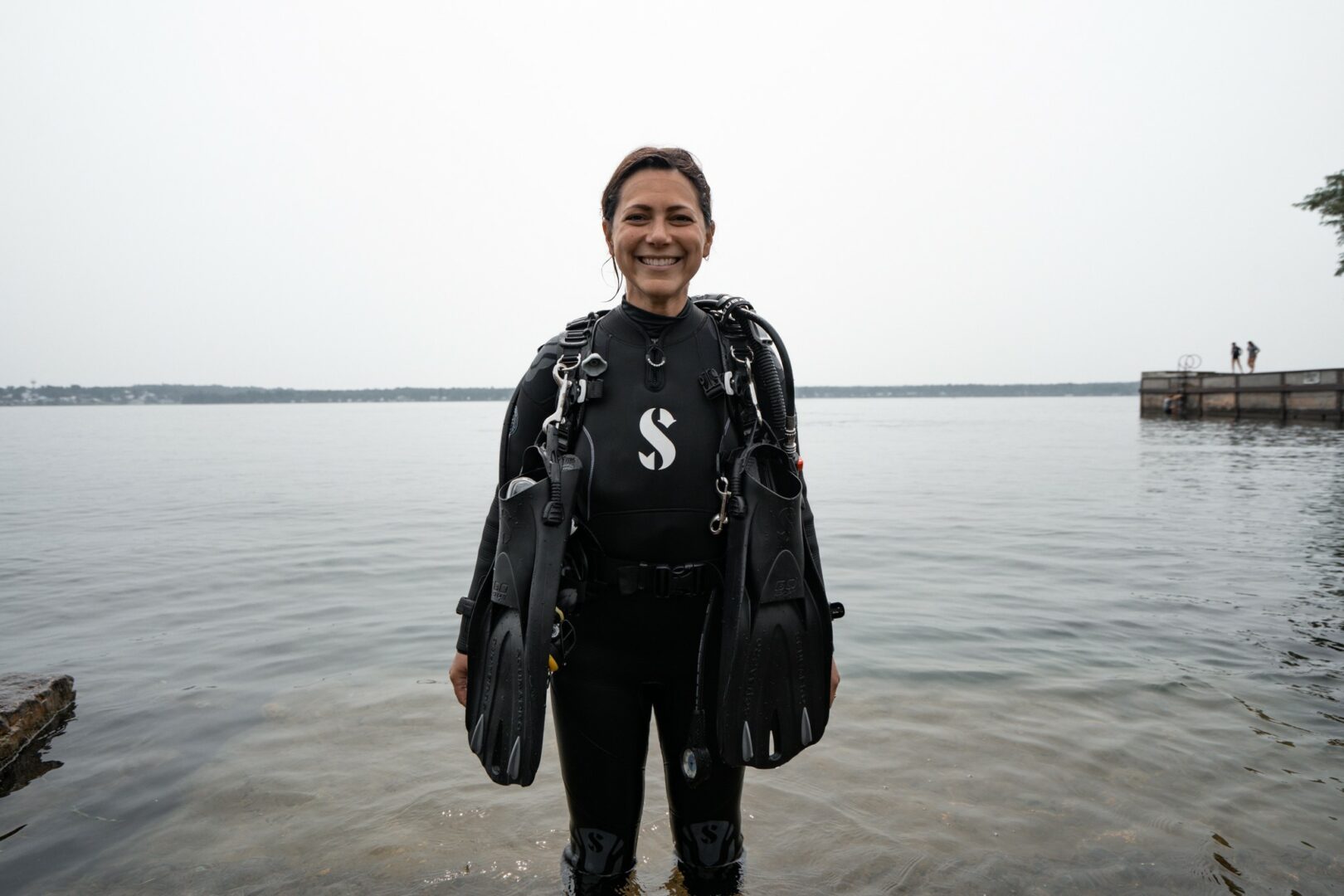
In 2019, after relocating to Australia to find a way to bridge my professional background with my passion, I began diving with a highly experienced technical diver—someone operating at the most advanced level of the sport. He became a mentor and completely reframed how I saw the ocean and the role diving would play in my life. He told me to slow down. To stop chasing adrenaline. To fine-tune my technique so I could go deeper, stay longer, and observe more. He taught me how to hover in one spot, to stay as still as possible, which would allow me to study the tiniest marine crevices. How to look closer.
Letting go of the obvious and focusing on the small brought my love for the ocean front and center. I became a better diver. I forged collaborations with leading dive organizations like Scubapro and Scuba Schools International (SSI). And I built a relationship with the underwater world that went far beyond spectacle—it became a practice of presence, awareness, and connection.
It also reframed how I was showing up on land, when not underwater Maybe I didn’t need to be the loudest voice in the room—something I’d once believed in New York’s corporate culture. Maybe power can come from listening just as much as speaking. From observation over reaction. From noticing what others overlook. Diving, and taking the time to look harder, taught me that. And it’s a mindset that now shapes everything I do.
What did suffering teach you that success never could?
The most suffering I’ve ever felt came right after one of the bigger accomplishments of my life. I had just completed my divemaster training and was preparing to launch the Edges of Earth Expedition—a journey Adam and I had spent years planning, researching, and training for. I was riding high, and then I crashed.
After weeks of diving back-to-back, lifting heavy tanks, working out constantly, and pushing forward with my consulting business, my body gave out. One morning, I woke up unable to move from the waist down. The pain was unbearable. I had to be carried to the nearest hospital.
Four months later, I still couldn’t walk. I’d picked up a virus during my hospital stay, lost a dangerous amount of weight, and my muscles had completely atrophied. Doctors told me recovery would be slow. I was wondering if it would come at all. Our expedition was put on hold. Nights were long and cruel. Electric shocks shot through my back. My body would lock in spasms. I wasn’t sleeping at all due to the pain. Reading about pain management and grief didn’t help. nor did meditation. Nothing did.
Then, one day—at my absolute breaking point—I realized I had a choice: I could let this moment define me, or I could fight for my freedom. So I decided to fight.
Physical therapy was brutal. I screamed through the pain. Some days, walking a few steps up the driveway felt like summiting Everest. I’d practice standing and sitting without falling. I’d lie on a mat, trying to lift my hips an inch. At first, nothing changed. But then, small shifts started to happen. A flicker of strength here, or a few extra steps added to the day. I pushed harder, until one morning, I walked the driveway. Then the block. Then the neighborhood.
That experience taught me something success never could: we always have a choice. We can surrender to hardship, or we can fight like hell for what matters. The easy road is seductive, but it leads nowhere. True freedom—the kind that makes a lasting impression—comes from getting back up when every part of you wants to stay down.
That season of suffering broke me open. It stripped away ego, expectation, and everything that wasn’t essential. It taught me that mindset is everything, and that courage does not mean being fearless. Instead, one must show up through the fear, no matter how much pain it puts you through.
I think our readers would appreciate hearing more about your values and what you think matters in life and career, etc. So our next question is along those lines. Where are smart people getting it totally wrong today?
This comes up constantly in my travels and conversations with the next generation of advocates and mission-driven talent, and I have strong opinions on it.
So many smart, educated, passionate young people are opting for ego-driven paths right out of the gate. A lot of them tell me they want to start a YouTube channel, launch an Instagram page, and “educate people” about climate change, conservation, or whatever topic they’re passionate about through their curated online channels. They’re eager to package their story and push branded messaging before they’ve built any real experience.
This translates to a simple fact: it’s a desire to be seen, heard, and feel important. And let me be clear: those are valid desires. We all want to feel like we matter. But here’s what I’ve learned after nearly 20 years working across brand strategy, growth, and now climate and ocean: To be seen, heard, and taken seriously in this space, you need a tangible skill that offers real value to people and the planet.
Content creation is fine, to a degree. But the internet is full of it. What the world actually needs are project managers, researchers, operators, marketers, systems thinkers, number crunchers, translators of complexity. People willing to do the “unsexy” work, and do it well. If you want to make an impact, figure out what you’re great at AND what the world actually needs. Then build your lane and become excellent in it.
Don’t try to be the one with the loudest voice. Try to be useful.
Some people are born content creators, figureheads, or public voices. And yes, the best ones will rise to the top. But what the climate movement needs most right now are smart people in serious, skilled roles, willing to do the work that isn’t always deemed glamorous, but deeply important. It’s often those paths, not the spotlight-chasing ones, that open real doors and land you on the frontlines faster than you’d expect.
When I was growing up, I wanted to be a marine biologist. But I sucked at science. In seventh grade, I took a personality test that said I should go into marketing. I listened, mostly out of desperation and lack of direction. And over time, after climbing the ranks at big firms, putting in the hours, and learning from people smarter than me, I honed my craft. I carved out a niche. And ironically, that’s what led me into the ocean—diving more, exploring more, working on environmental projects more than most of my friends who DID become biologists.
But here’s the key: I never quit my day job. I never pretended to be something I wasn’t. And because of that, I was able to chart out a life designed entirely by me, that blends profession, passion and purpose. If I could shout one piece of advice from the rooftops, it’s this: Make money. Go corporate for a few. Learn from the grind. Build a skillset. Then apply it to something you care about. Don’t take the “easy road.” Don’t chase clout. Get good by actually doing the work. The impact and the fulfillment will follow.
Thank you so much for all of your openness so far. Maybe we can close with a future oriented question. Are you doing what you were born to do—or what you were told to do?
For the first ten years of my career, I did exactly what I was told. I followed the textbook path to success—climbing the corporate ladder, checking all the boxes, doing everything “right.” And once I had that training under my belt, I realized it was time to step off the path and chart my own. But before I could do that, I had to ask myself the hard questions. The ones we tend to avoid.
Who am I?
What do I stand for?
What do I love?
What am I truly good at?
How do I want to genuinely contribute?
By 30, I couldn’t ignore those questions anymore. I had built the skillset, I’d done the reps, now it was time to design a life on my own terms. One that reflected who I was, not just what I’d been trained to be.
Today, I’m exactly where I need to be. On a path that remains uncertain, and always will to some extent. But I’ve never learned more about myself; I’ve never taken more risks and; I’ve never been more proud to embrace the unknown. It’s taught me to treat this whole journey for what it really is: one big, grand adventure that’s to be celebrated in the good and the bad.
I’m doing what I was born to do. Ironically, my seventh-grade career test got it right: I was meant to be a strategist, or someone who helps people, teams, and businesses see their ambitions grow. But I’ve also always loved the ocean, the wilderness, and the edge. I just had to figure out how to blend those truths into something of my own.
Now, my focus is on scaling that work, and reaching more people. My forward looking goal is to support those doing the hardest work in the hardest places that much more. That’s my real passion. And if I can keep pushing that forward, I’ll know I’ve reached the summit I’ve been climbing toward all along.
Contact Info:
- Website: https://www.edgesofearth.com
- Instagram: https://www.instagram.com/andicross1/
- Linkedin: https://www.linkedin.com/in/andicross/
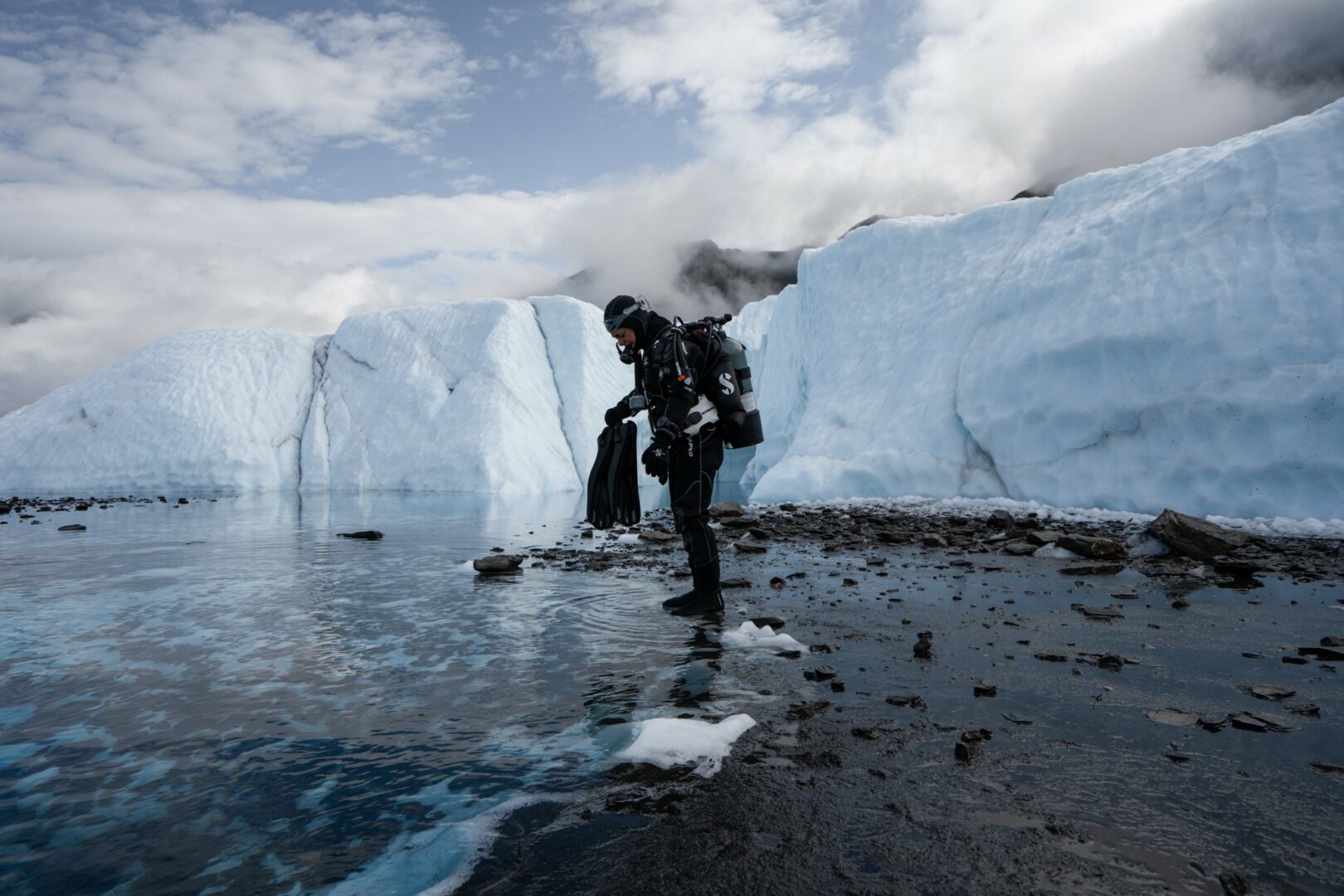
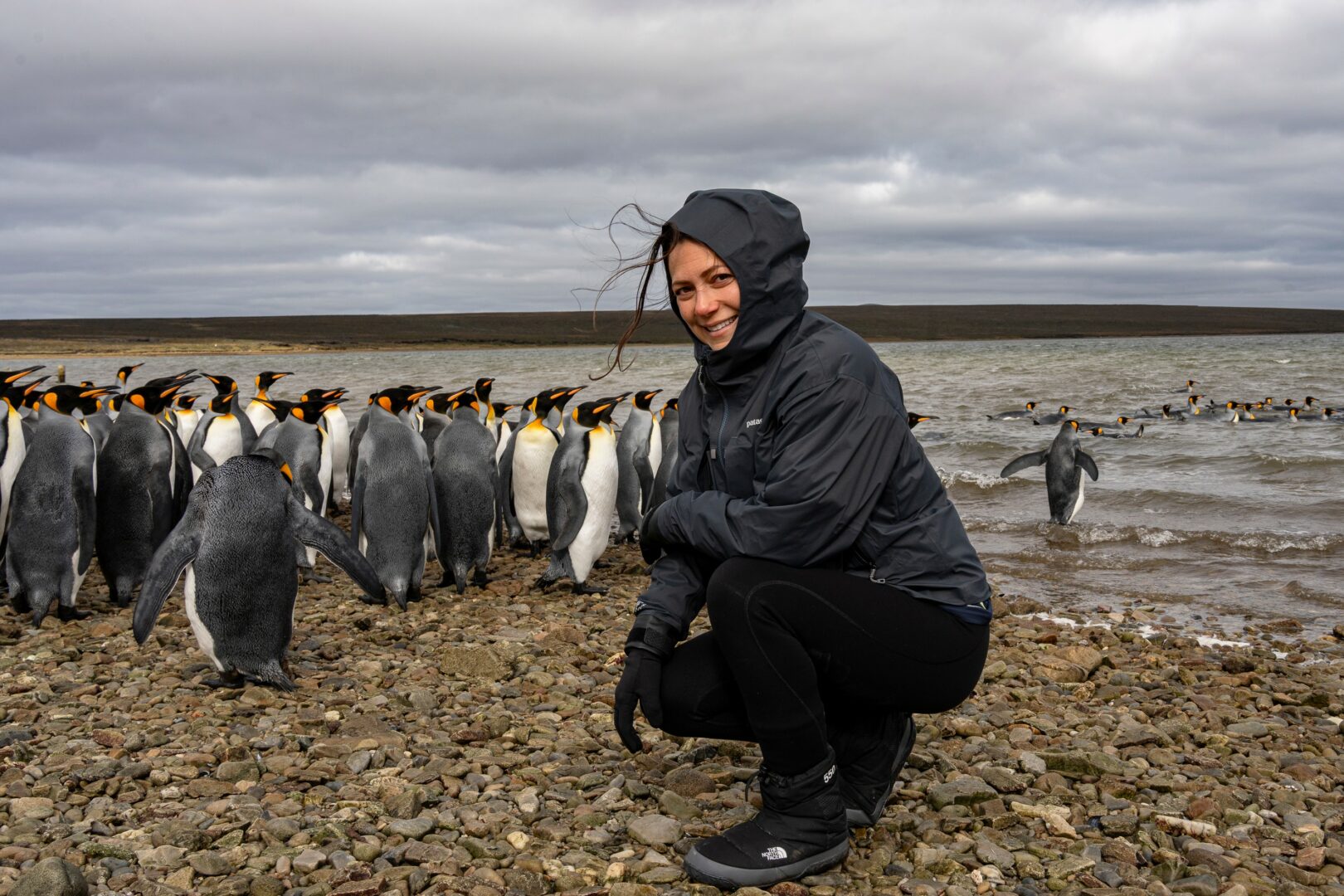
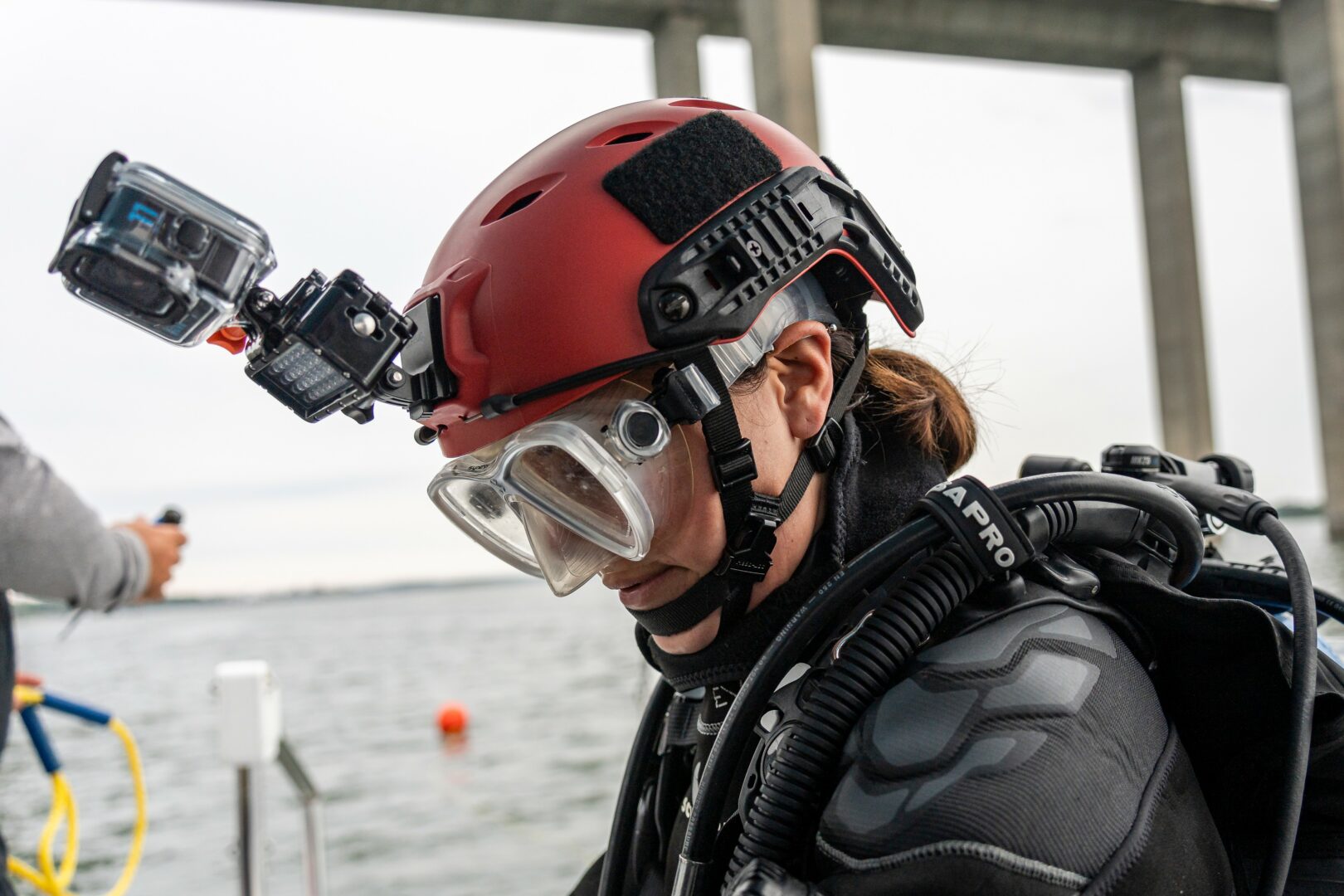
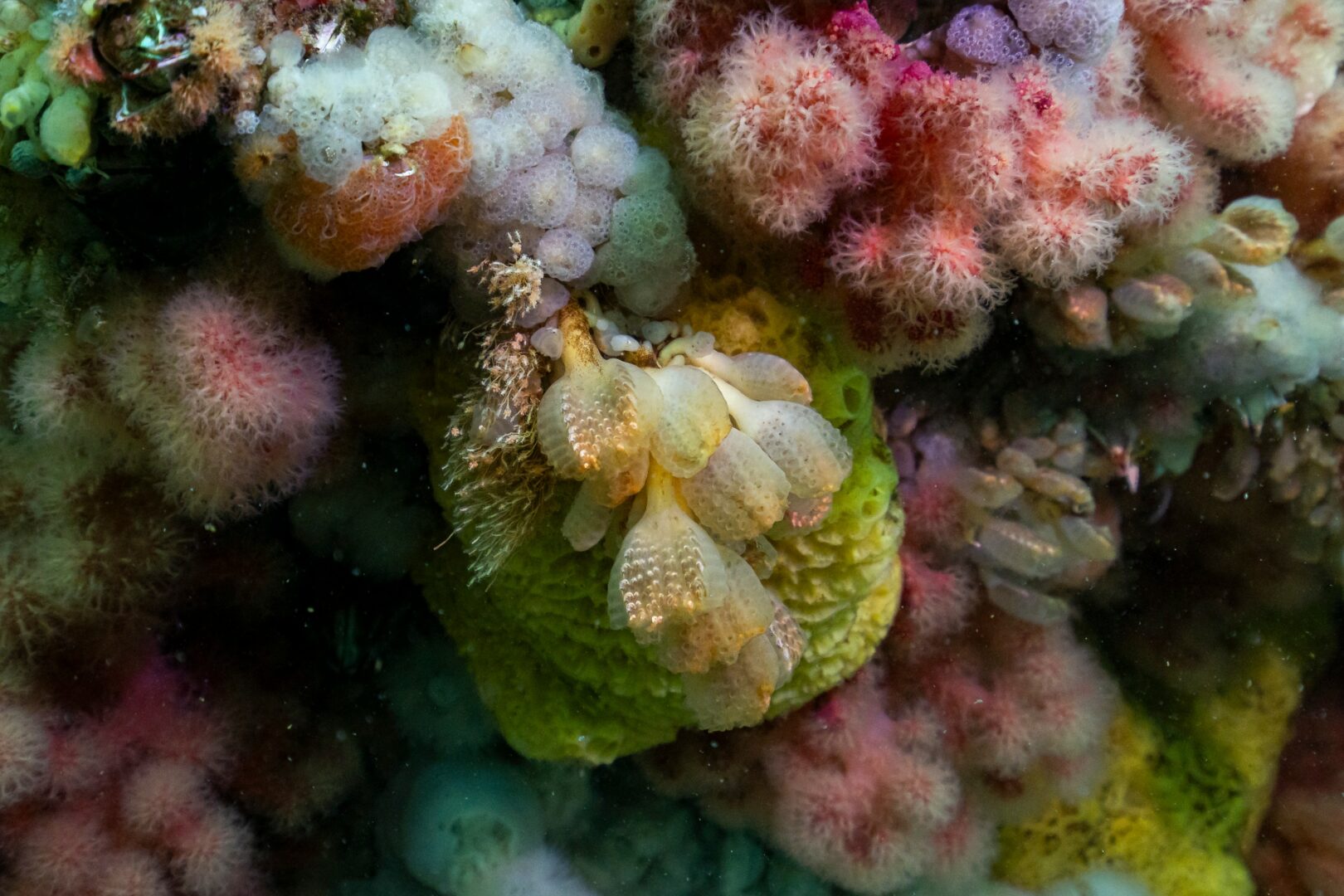
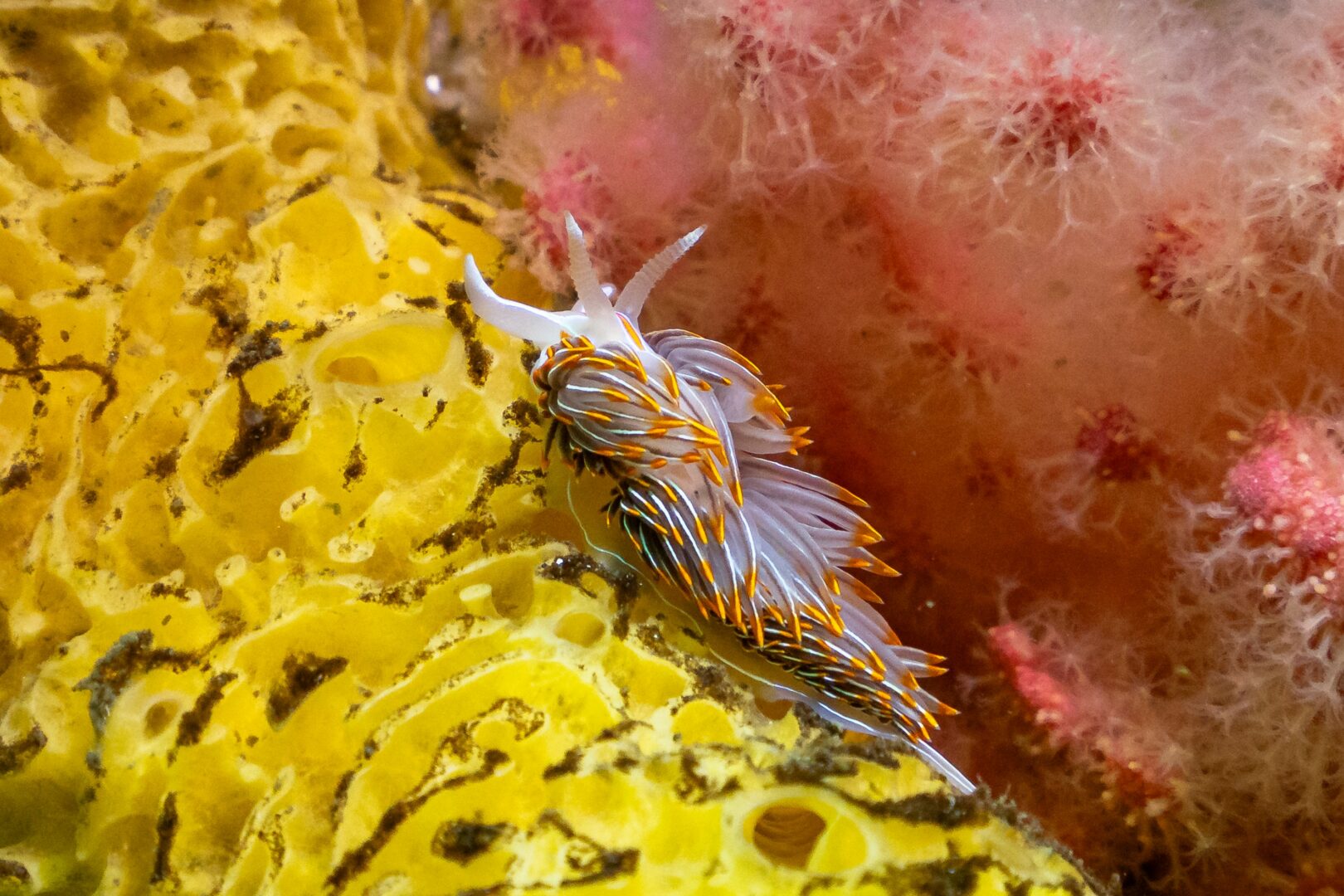
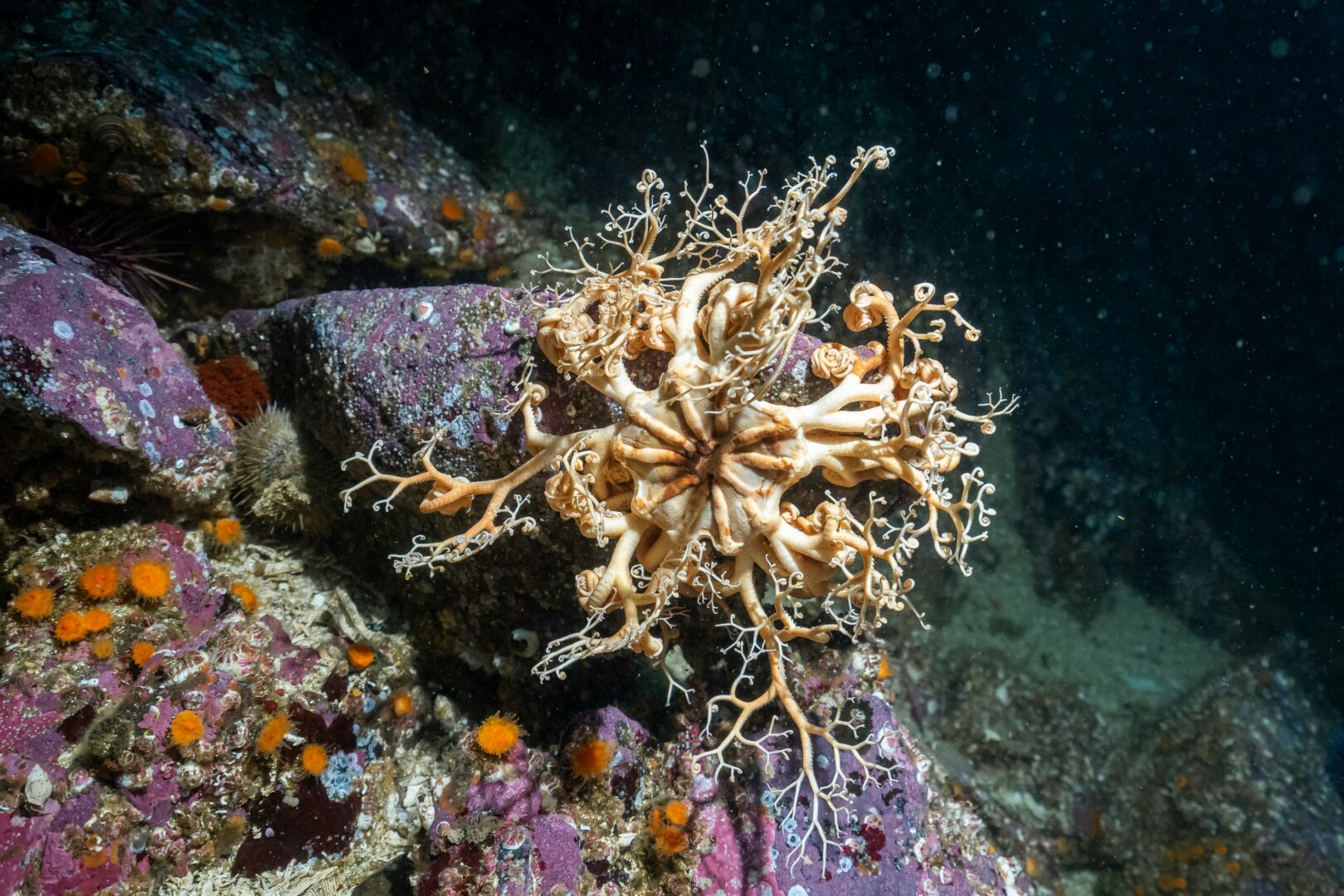
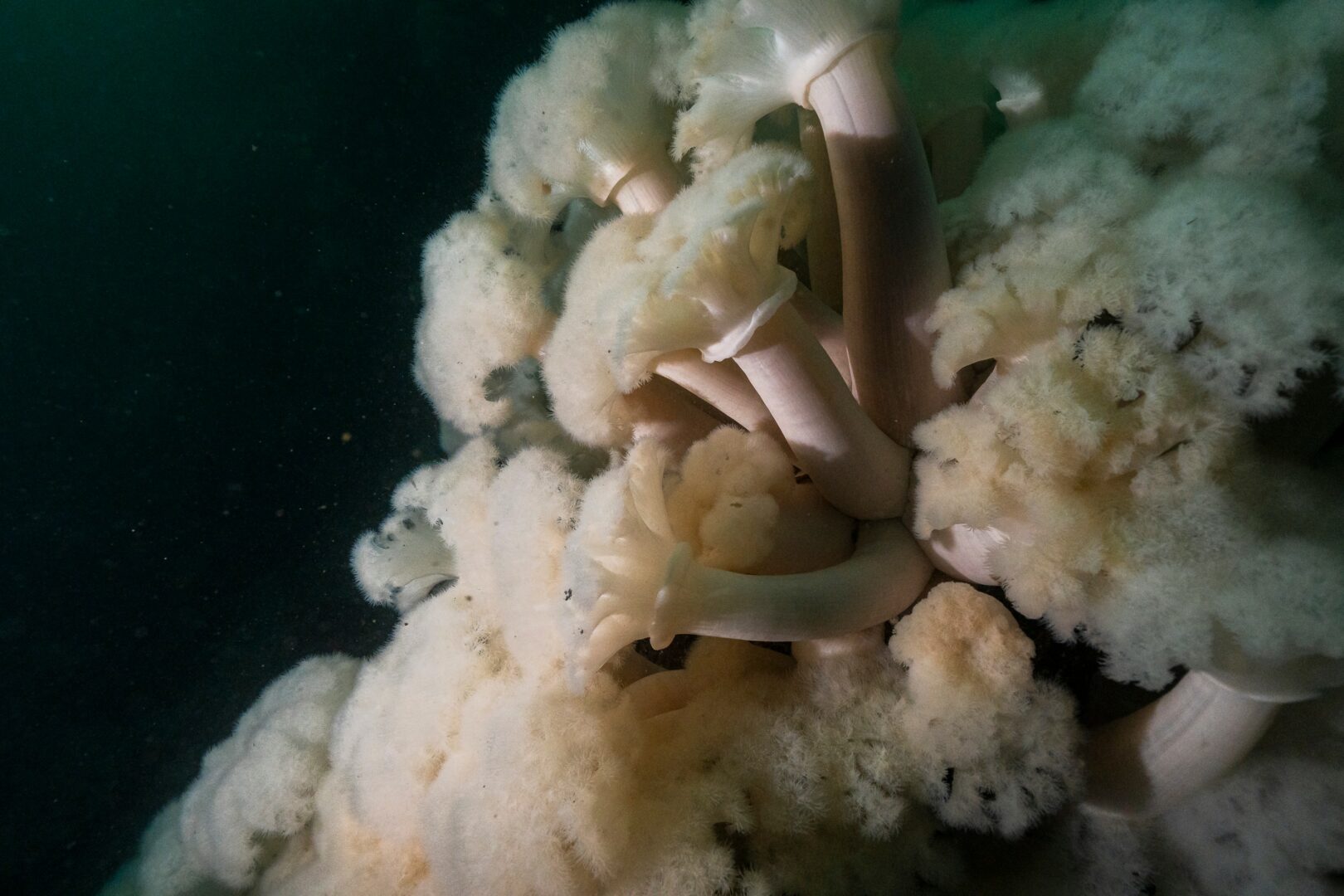
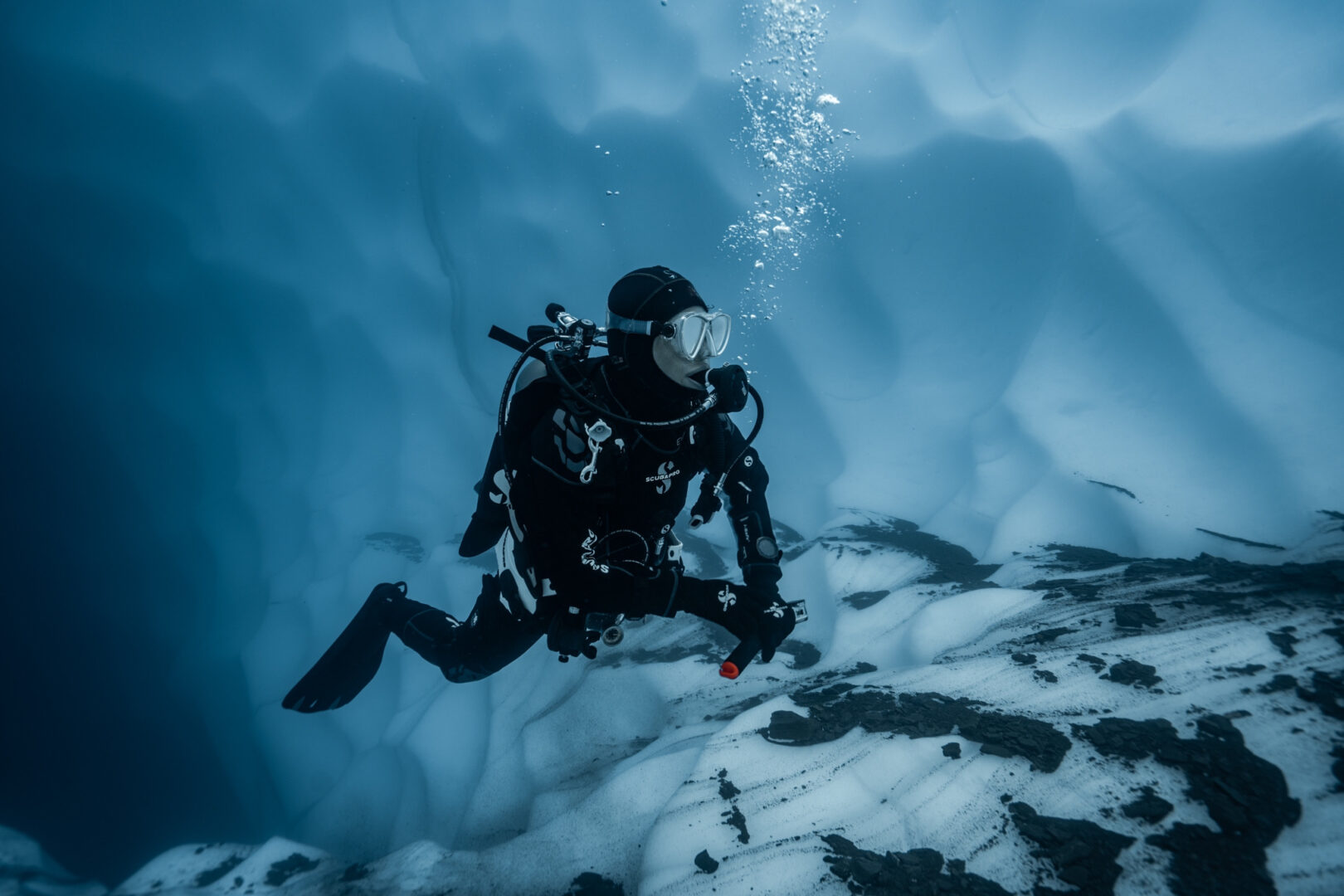
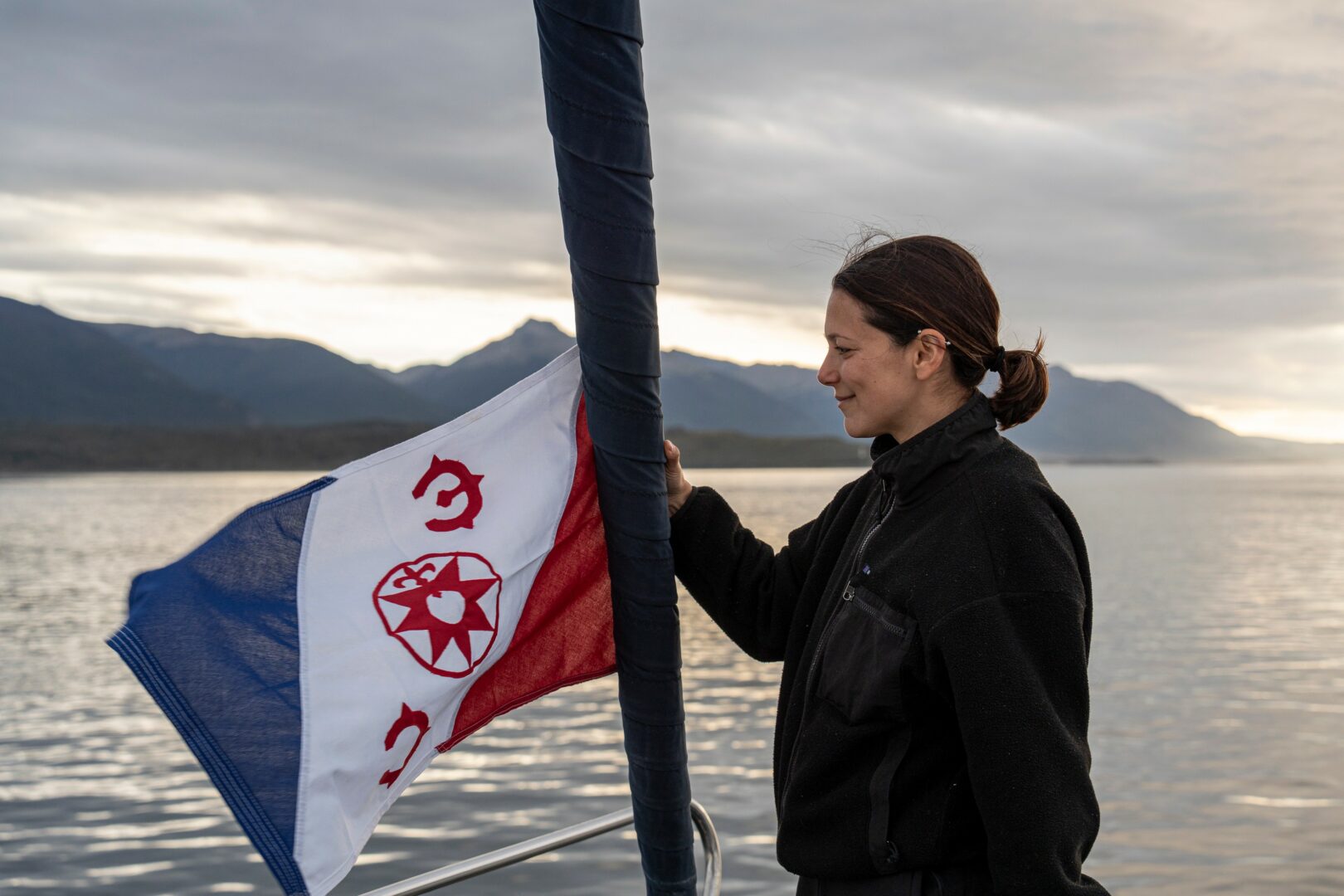
Image Credits
Adam Moore, Andi Cross
so if you or someone you know deserves recognition please let us know here.