We recently had the chance to connect with Anne Plaisance and have shared our conversation below.
Anne, really appreciate you sharing your stories and insights with us. The world would have so much more understanding and empathy if we all were a bit more open about our stories and how they have helped shaped our journey and worldview. Let’s jump in with a fun one: What are you being called to do now, that you may have been afraid of before?
Podcasts.
It still feels strange to say it out loud — me, using my voice instead of my brush. For so long, my art spoke for me. It was my armor, my therapy, and my rebellion. But lately, I feel this pull to speak, to connect directly — not just through paintings or installations, but through conversation.
For years, silence felt safer. When you’ve lived through abuse or manipulation, you learn to choose your words carefully — or not at all. You shrink your voice to survive. But survival isn’t the same as living, and I’m done being quiet.
I want to use podcasts as a new medium of empowerment — to share stories of women who found light after darkness, and to remind others that it’s never too late to rebuild, to heal, to rise. Art taught me that creation is a form of resistance; now, I’m ready to use my voice as another tool for change.
It’s both terrifying and thrilling — which is usually a sign that I’m exactly where I need to be.
Can you briefly introduce yourself and share what makes you or your brand unique?
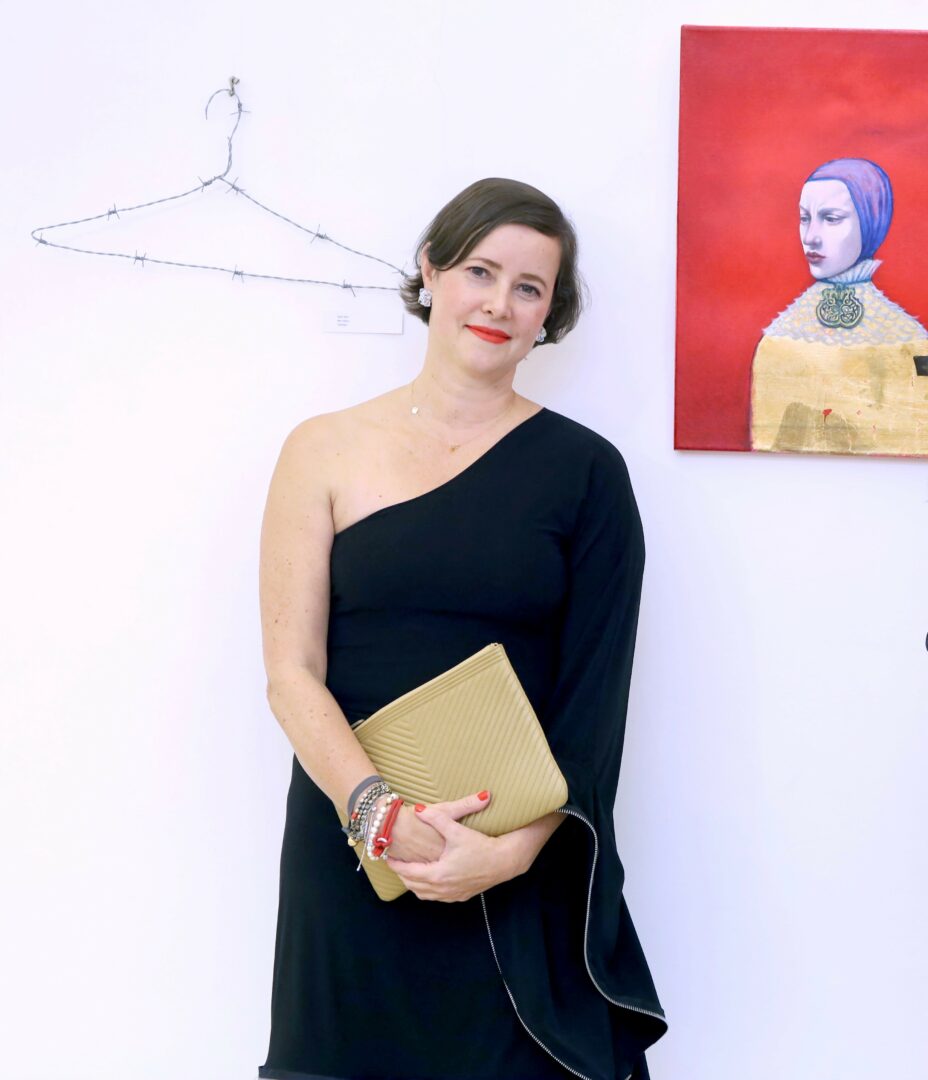
I’m a visual artist, curator, and “artivist.” I use art as both a mirror and a weapon — a way to make the invisible visible. My work focuses on women’s empowerment, resilience, and social justice, giving voice to stories that are too often silenced or erased.
For years, my art has been inseparable from my own healing. I’ve survived domestic abuse and emotional manipulation, experiences that completely reshaped how I see the world — and how I create. Art didn’t just save me; it became my language of survival, a way to turn pain into something that could empower others.
I founded Wonder Women Now, an international art and empowerment project celebrating survivors of domestic violence. It began in a shelter in Cambridge, Massachusetts, and has since grown into exhibitions, workshops, and a touring project in 2024 supported by the Massachusetts Cultural Council. Each chapter of Wonder Women Now reminds me how powerful women become when they reclaim their stories. Now, the project is touring Europe with a solo show, continuing to spark dialogue and inspire change across borders
Right now, I’m developing a new series called “Becoming More,” which honors women — famous or forgotten — who changed history in quiet, radical ways. It’s about transformation, courage, and redefining what power looks like.
Whether through paint, photography, or now through podcasts, everything I do circles back to one belief: we heal by telling our stories, and we change the world by daring to use our voices.
Appreciate your sharing that. Let’s talk about your life, growing up and some of topics and learnings around that. What part of you has served its purpose and must now be released?
That question feels like a threshold — one I’ve been standing at for a while.
The part of me that’s ready to be released is the caretaker, the woman who equated connection with caretaking, safety with control, and love with earning.
For so long, I believed:
“If I understand him deeply enough, he’ll stay.”
“If I hold space for his pain, he’ll love me more.”
“If I don’t need too much, I’ll finally be safe.”
That part of me — the rescuer, the emotional translator — protected me for years. In an environment of emotional neglect and manipulation, my empathy became my survival strategy. I learned to anticipate, to soothe, to disappear a little bit if it meant keeping the peace. That wasn’t weakness — it was intelligence shaped by trauma.
But she’s tired now. And she no longer fits the woman I’m becoming.
Through my CoDA work, my art, and the process of rebuilding myself from the inside out, I’m learning to embody a new archetype — the sovereign nurturer. She is loving and grounded, but no longer responsible for saving others. She can say:
“I can care deeply without losing myself.”
This version of me loves without rescuing, listens without absorbing, desires without self-abandoning, and waits without shrinking. That’s power — quiet, feminine, self-sourced power.
Releasing that old pattern feels almost like a ritual. Sometimes I write it down — “I release the part of me that needs to earn love by fixing, proving, or protecting” — and then I burn the paper, whispering,
“I honor you for keeping me safe. You may rest now. I know how to love myself.”
Because I don’t reject that part — I thank her. She got me here.
But now, she can rest.
The part of me that once loved to survive has served her purpose.
The part of me that loves to live — may she lead now.
What did suffering teach you that success never could?
Suffering taught me intimacy with truth — the kind that no accolade or applause can touch.
It stripped away everything I thought I needed to be — the roles, the perfection, the illusion of control — and left me face to face with myself. There’s a strange clarity that comes when everything breaks; you stop performing, stop negotiating with your own soul. You simply see.
Pain taught me to listen — to myself, to others, to silence. It showed me that beauty isn’t in perfection but in repair. Like kintsugi, where broken pottery is mended with gold, my cracks became the most honest parts of me.
Success, in contrast, often speaks the language of “more” — more visibility, more validation, more doing.
Suffering taught me the language of “enough.”
Enough to rest. Enough to say no. Enough to create simply because it heals.
It also taught me compassion — the kind that doesn’t pity but understands. When you’ve walked through darkness, you can sit beside someone else’s pain without trying to fix it. You just hold space, knowing what it costs to rise.
My suffering became my teacher, my compass, my collaborator. It gave me depth, humility, and an unshakable tenderness that no success could ever replace.
Because at the end of the day, suffering taught me something success never could:
that the light I was searching for was never out there —
it was inside me, quietly waiting for me to stop running and come home.
Next, maybe we can discuss some of your foundational philosophies and views? What’s a belief or project you’re committed to, no matter how long it takes?
I’m committed to using art as a tool for transformation — to make the invisible visible, and to turn pain into purpose.
That belief runs through everything I do: Wonder Women Now, Becoming More, and even the upcoming podcast project. They’re all expressions of the same truth — that storytelling, creativity, and connection can heal us collectively.
Wonder Women Now began as a small act of resistance, a way to celebrate survivors of domestic violence who had been silenced for too long. Today, it’s a movement — a touring exhibition, a growing community, a bridge between art and activism. I don’t know how far it will go, or how many years it will take to reach its full form, but I know I’ll keep tending it for as long as I’m here.
Because I’ve seen what happens when women see themselves reflected in art — not as victims, but as heroes of their own stories.
My work has never been about fame or the art market; it’s about impact, about creating spaces where people feel seen, safe, and strong. Even if it takes a lifetime, I’ll keep doing that — building platforms for women’s voices, creating art that speaks truth, and reminding others that transformation is possible.
That’s the belief that guides me through every canvas, every conversation, every new beginning:
Art can change lives — and love is the most radical form of resistance.
Thank you so much for all of your openness so far. Maybe we can close with a future oriented question. What is the story you hope people tell about you when you’re gone?
I hope people say that I used my art — and my voice — to make the invisible visible.
That I turned pain into beauty, and silence into connection.
That I showed what happens when women reclaim their stories and transform wounds into wisdom.
I don’t care if they remember the awards, the exhibitions, or even my name. What matters to me is that someone, somewhere, feels a little less alone because of something I created. That a woman who thought she was broken looks at one of my pieces, or hears my words, and thinks, “If she could rise, maybe I can too.”
I hope they say I was fierce in my tenderness — that I loved deeply, that I told the truth even when my voice shook, and that I built bridges where there were once walls.
Projects like Wonder Women Now and Becoming More aren’t just artworks; they’re living testaments to what can happen when courage meets compassion. My legacy isn’t about perfection — it’s about persistence, about choosing love and truth over comfort and silence, again and again.
If people remember anything about me, I hope it’s this:
that I believed in the power of art to heal, in the strength of women to rise,
and in the quiet, unstoppable light that comes from refusing to give up on yourself.
That’s the story I hope they tell — not of an artist who sought recognition,
but of a woman who used creation as a form of freedom.
Contact Info:
- Website: https://www.anneplaisance.com
- Instagram: https://www.instagram.com/stories/anneplaisance/
- Linkedin: https://www.linkedin.com/in/theanneplaisance/
- Facebook: https://www.facebook.com/anne.plaisance/
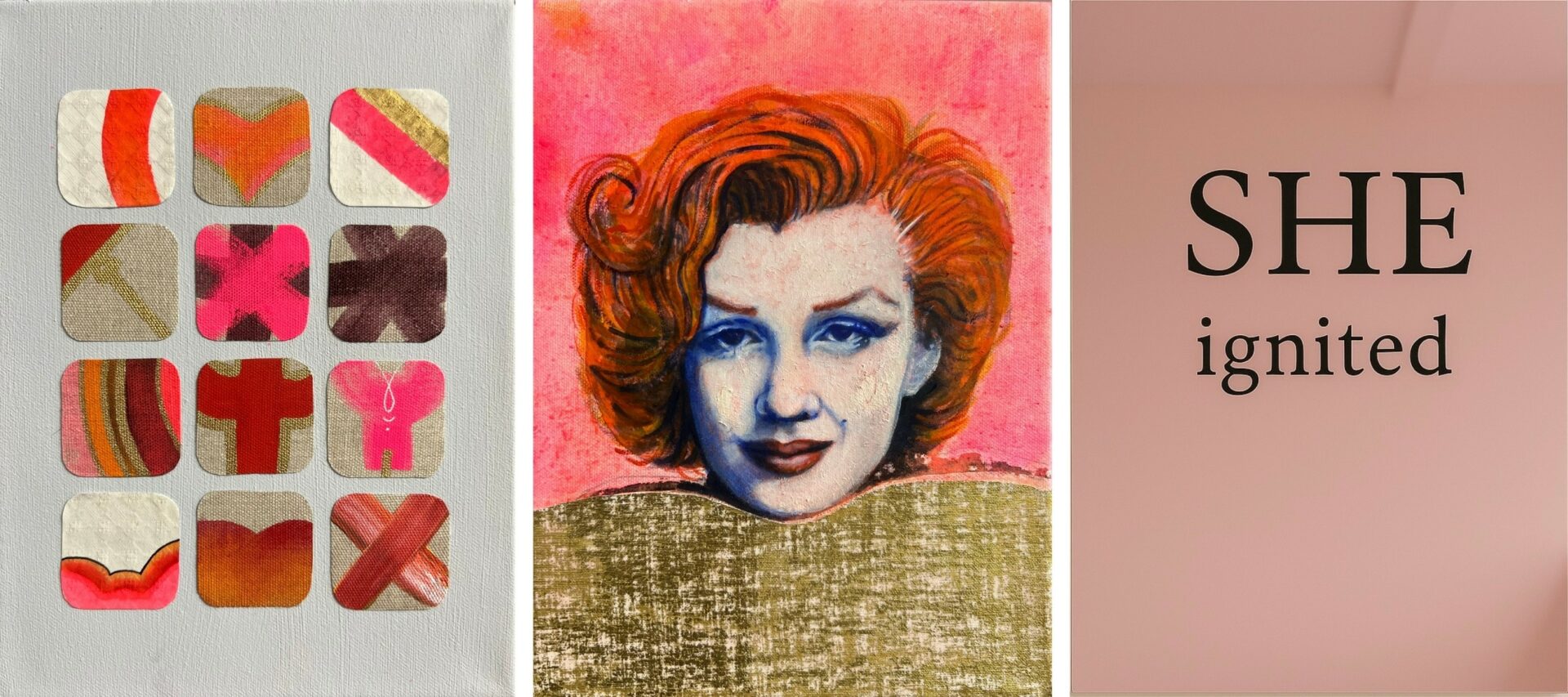
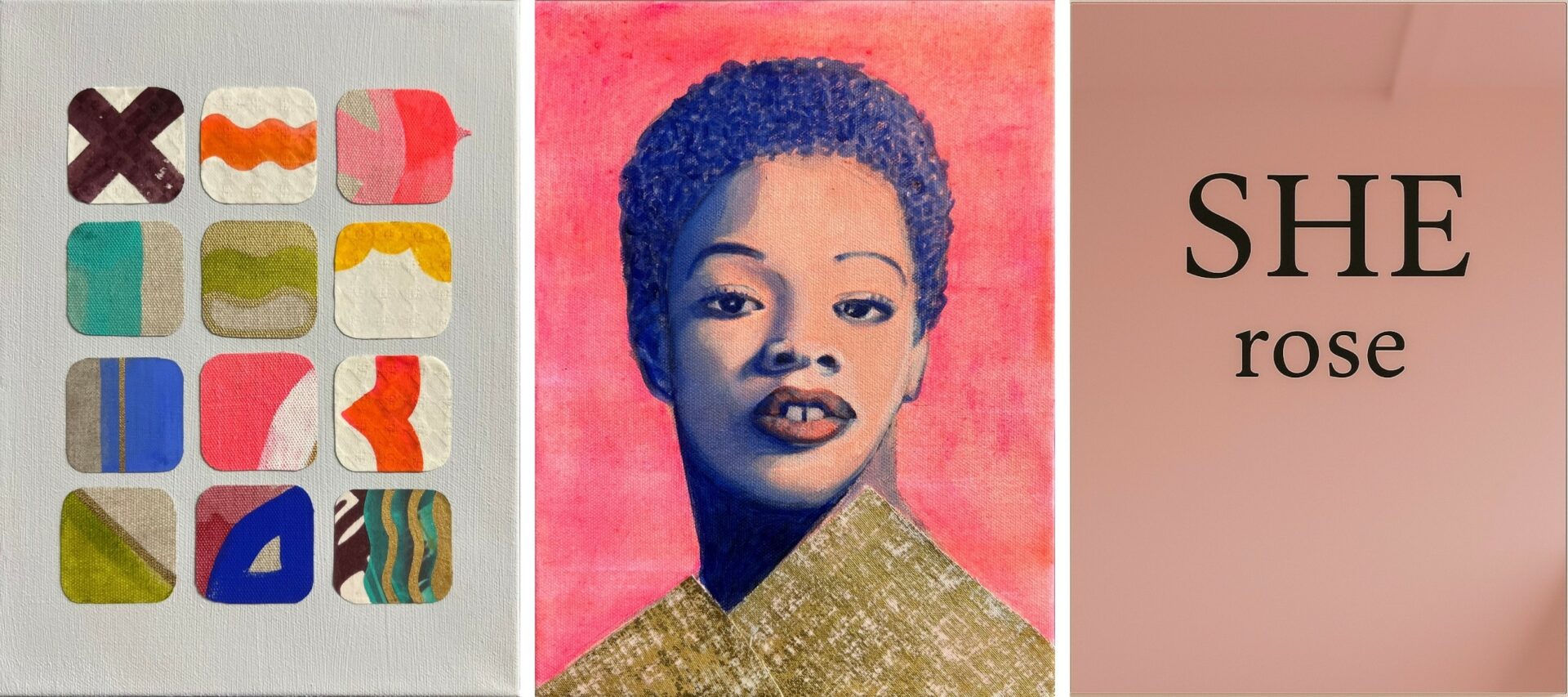
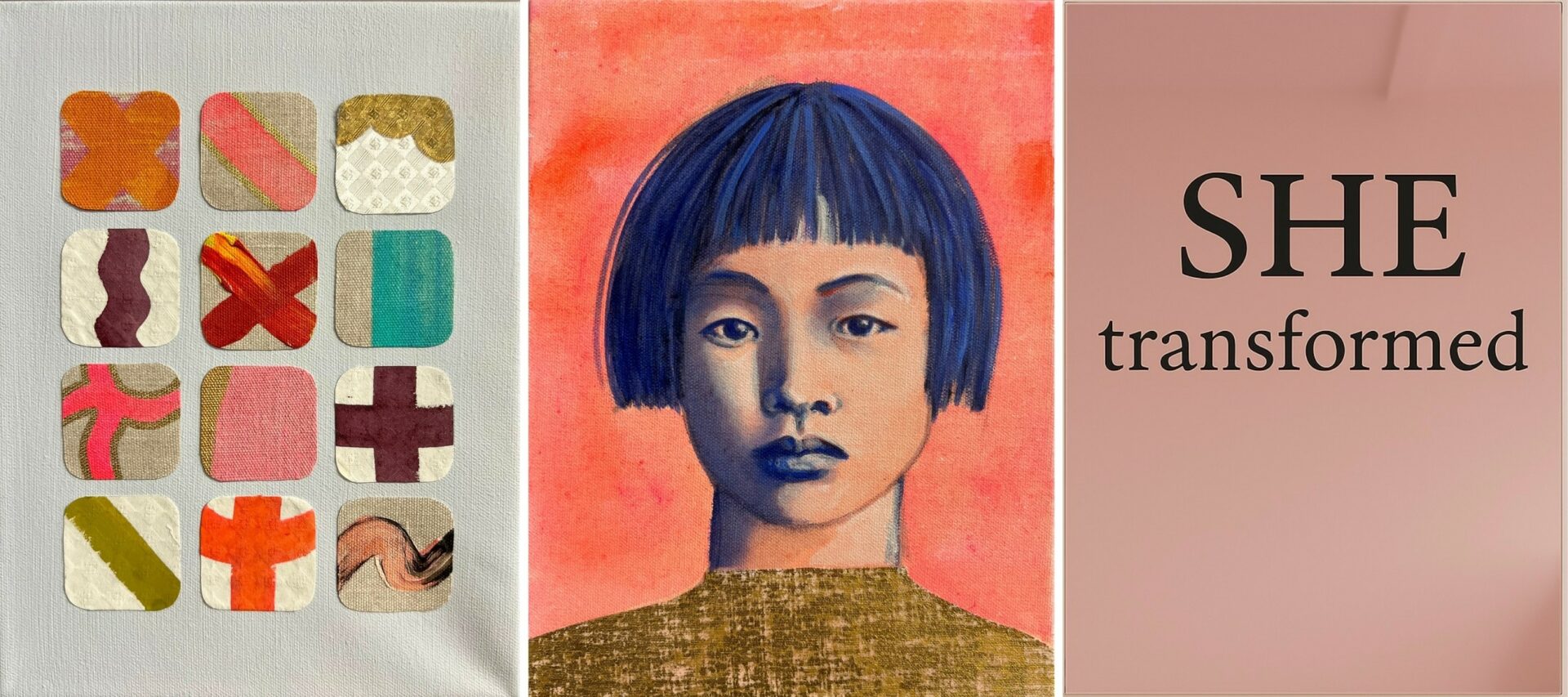

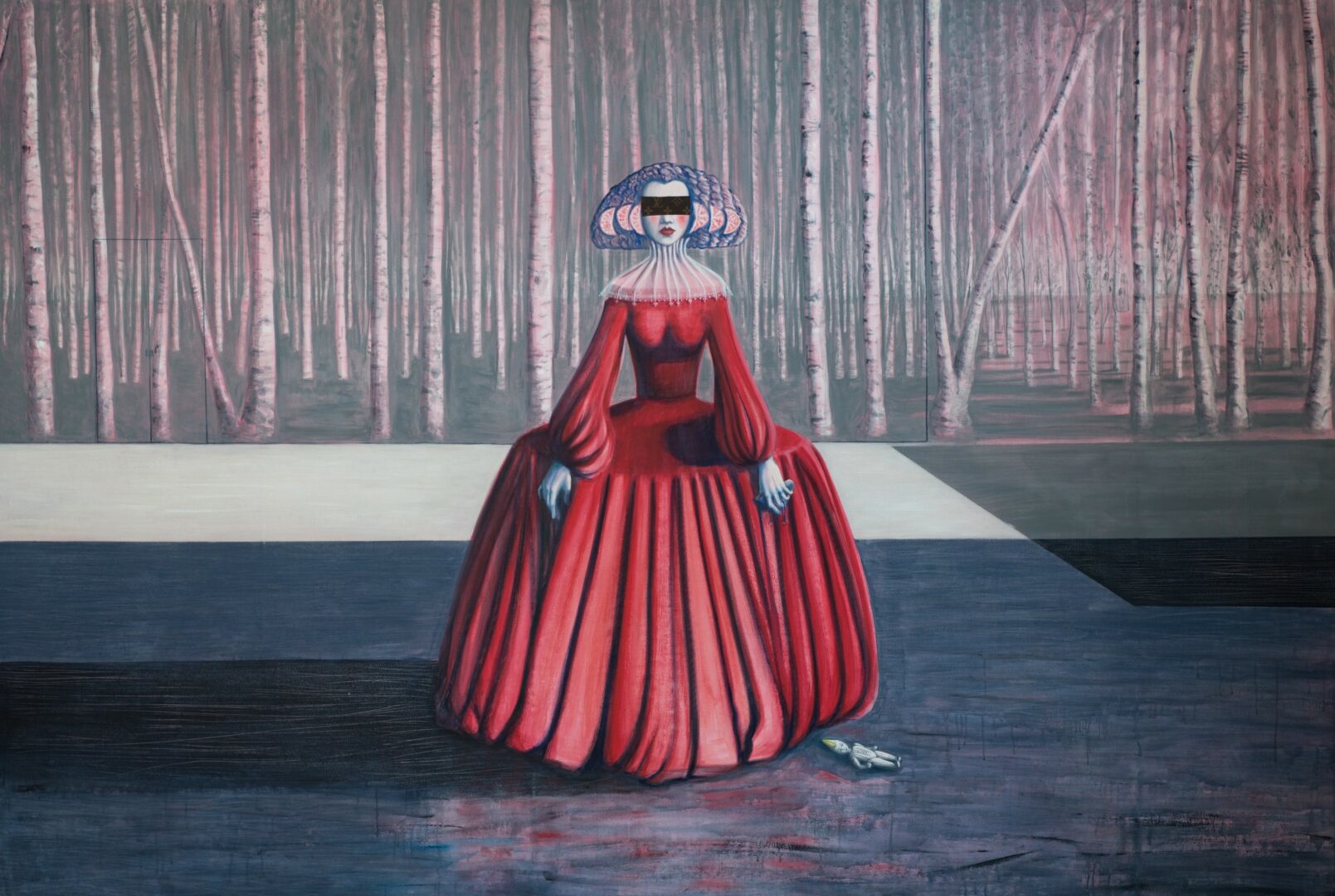
Image Credits
@SylviaLitvaPolak
@zoeperrywood
@anneplaisance
so if you or someone you know deserves recognition please let us know here.