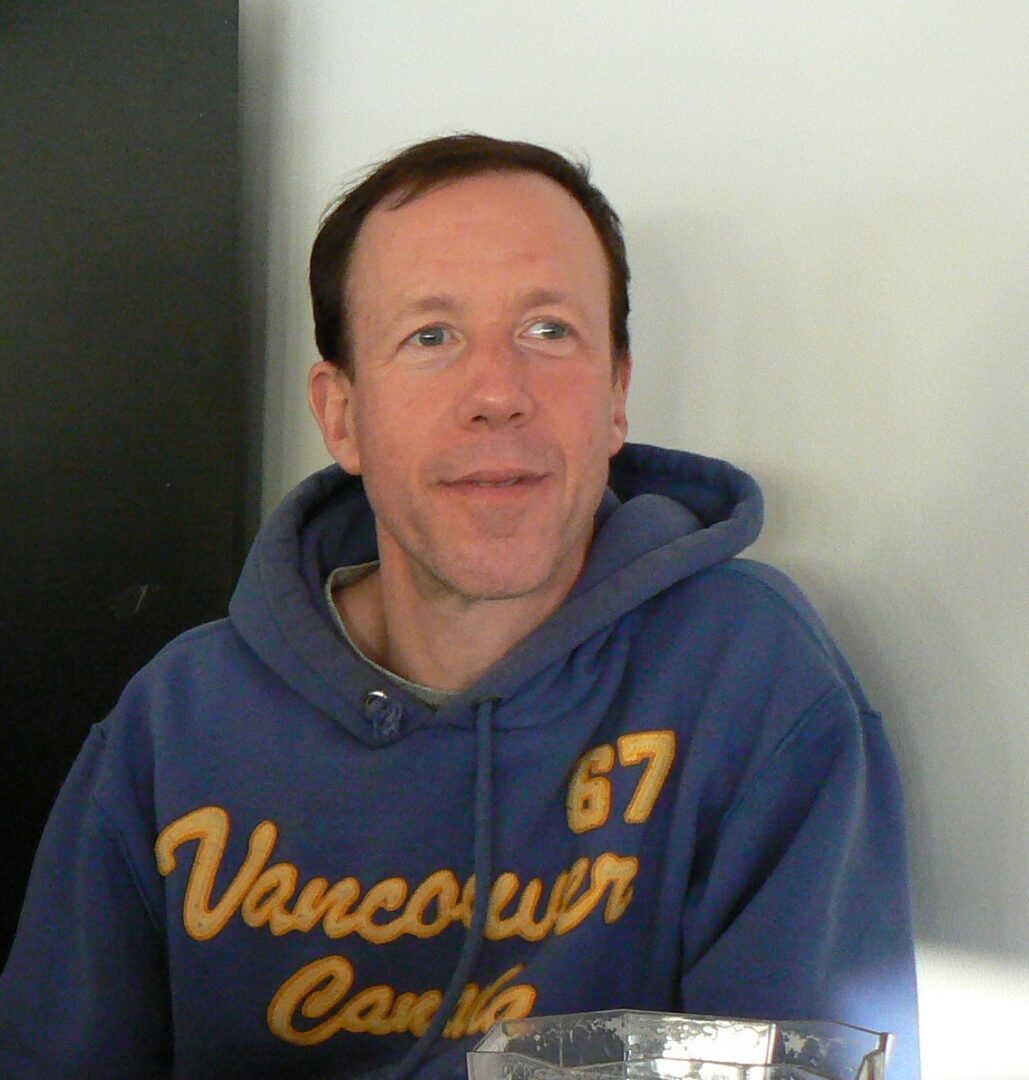
We recently had the chance to connect with Anthony Feyer and have shared our conversation below.
Hi Anthony, thank you for taking the time to reflect back on your journey with us. I think our readers are in for a real treat. There is so much we can all learn from each other and so thank you again for opening up with us. Let’s get into it: What are you most proud of building — that nobody sees?
My work documents subcultures, most of them hidden or misunderstood. Apart from the artwork , relationships are established that aren’t necessarily evident in the finished work. Those relationships, some of which have endured for decades, are very special and rewarding. An example would be the special bond I had with a community of Appalachian snake handlers in West Virginia.
Can you briefly introduce yourself and share what makes you or your brand unique?
I describe my work as allegorical realism—focusing on capturing the more unusual aspects of North American culture, particularly subcultures that aren’t widely known or understood. While many artists draw from subjects they’re familiar with, I tend to do the opposite. I’m drawn to communities and environments I have little to no prior knowledge of. This creates a unique journey, one that’s both educational and challenging, as I navigate spaces that are often hesitant to welcome outsiders. A notable example of this was in the late eighties when I sought permission to document religious services at a snake-handling church in Appalachia. More recently, I did something similar at Furry conventions, where I was able to immerse myself in a world that many outside of it might find unfamiliar or even strange.
Great, so let’s dive into your journey a bit more. What’s a moment that really shaped how you see the world?
I lost my father to suicide when I was eight years old. His closest friend became a father
figure and mentor to me — Edmund Snow Carpenter, an anthropologist, intellectual, and extraordinary storyteller. He had a profound influence on me, shaping not only my worldview but also my approach to art. My love of documentaries and nonfiction writing grew from that influence, grounding my practice in research, narrative, and a deep respect for human stories. Those two moments together set me on a path that blends visual art with storytelling, curiosity, and the responsibility to portray subjects with honesty and depth.
Was there ever a time you almost gave up?
Yes, many. Being an artist means making enormous sacrifices. There is no financial security and the failure rate is very high. Even if you are fortunate to be represented by a gallery, it doesn’t guarantee that your work will sell well enough to sustain a life long career. For example, at the turn of the last century, there were approximately 60,000 artists in Paris, how many of them do you still remember? With that said, I never had a “plan B”. I would rather have have lived an interesting life than a rich life, and my interests have offered me a very interesting life.
Next, maybe we can discuss some of your foundational philosophies and views? What are the biggest lies your industry tells itself?
One of my greatest concerns is the commodification of art in today’s global marketplace. The upper end of the market, driven by immense wealth, is dominated by a small circle of “art stars”—works bought more for prestige or speculation than for their meaning. If you can afford a Warhol at auction, art as investment is redundant—that’s what the stock market is for. For me, art must resist becoming a commodity.
My work seeks to reclaim art as a lived experience—to be chosen because it speaks to the viewer, because they want to live with it, not because it has speculative value. Art should be about connection, not currency.
Thank you so much for all of your openness so far. Maybe we can close with a future oriented question. What do you understand deeply that most people don’t?
Too many people are looking for the “reward” instead of living in the moment and enjoying the process of “doing”.
I love the challenge and the struggle of painting. I am never so self assured that I know how a painting is going to turn out. Part of that is setting myself up with the challenge of “how am I going to pull this one off?” Looking at society today, they have been seduced and co-opted as willing participants in a scheme perpetrated by tech giants to live in a world of their choosing, not yours. You have been hijacked by capitalist greed for advertisers.
Contact Info:
- Website: https://www.anthonyfeyer.com
- Instagram: @tony_feyer
- Facebook: Anthony Feyer
- Soundcloud: https://soundcloud.com/99-cent-dreams
- Other: https://berlintorntoshreds.com
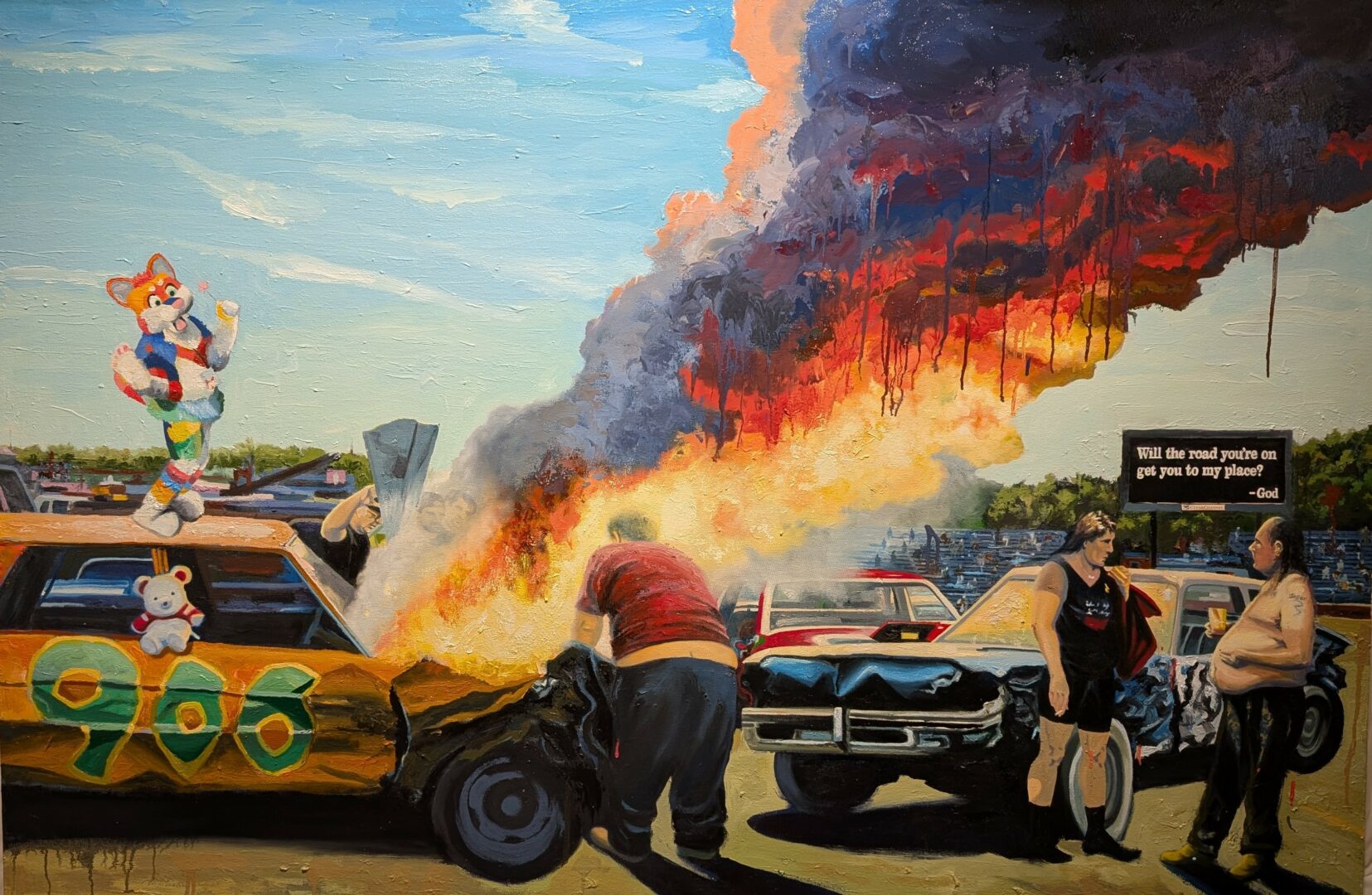
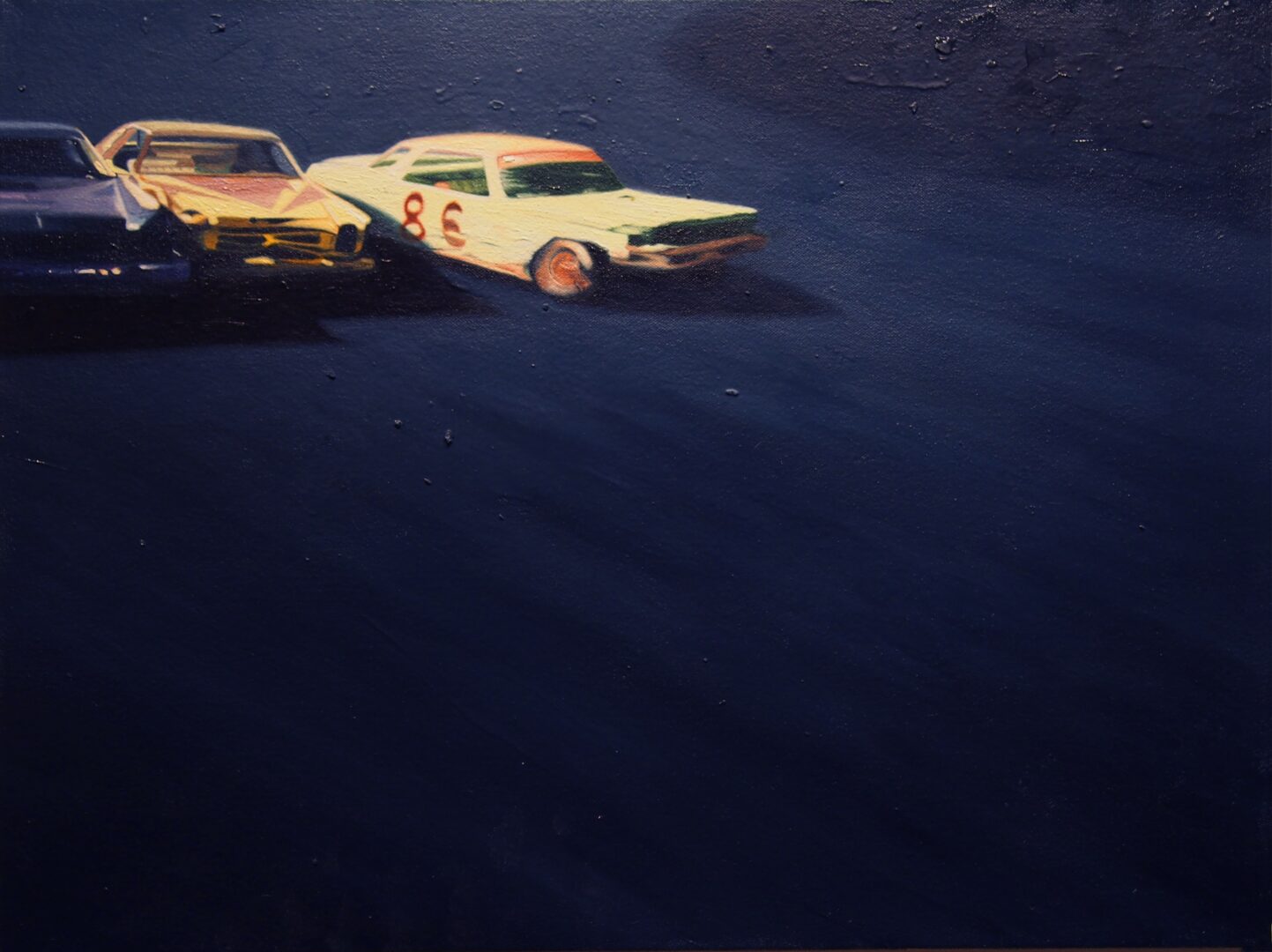
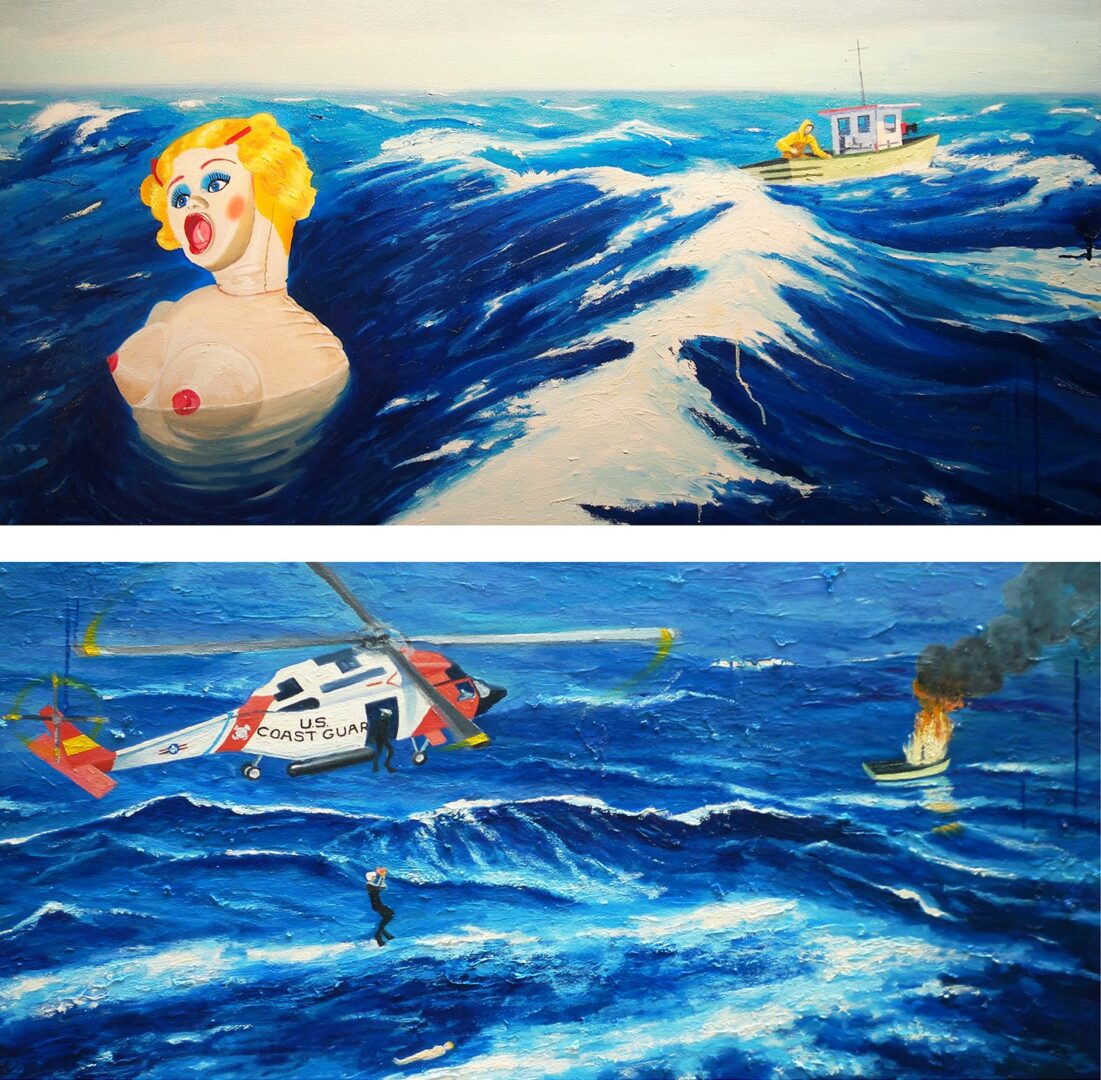
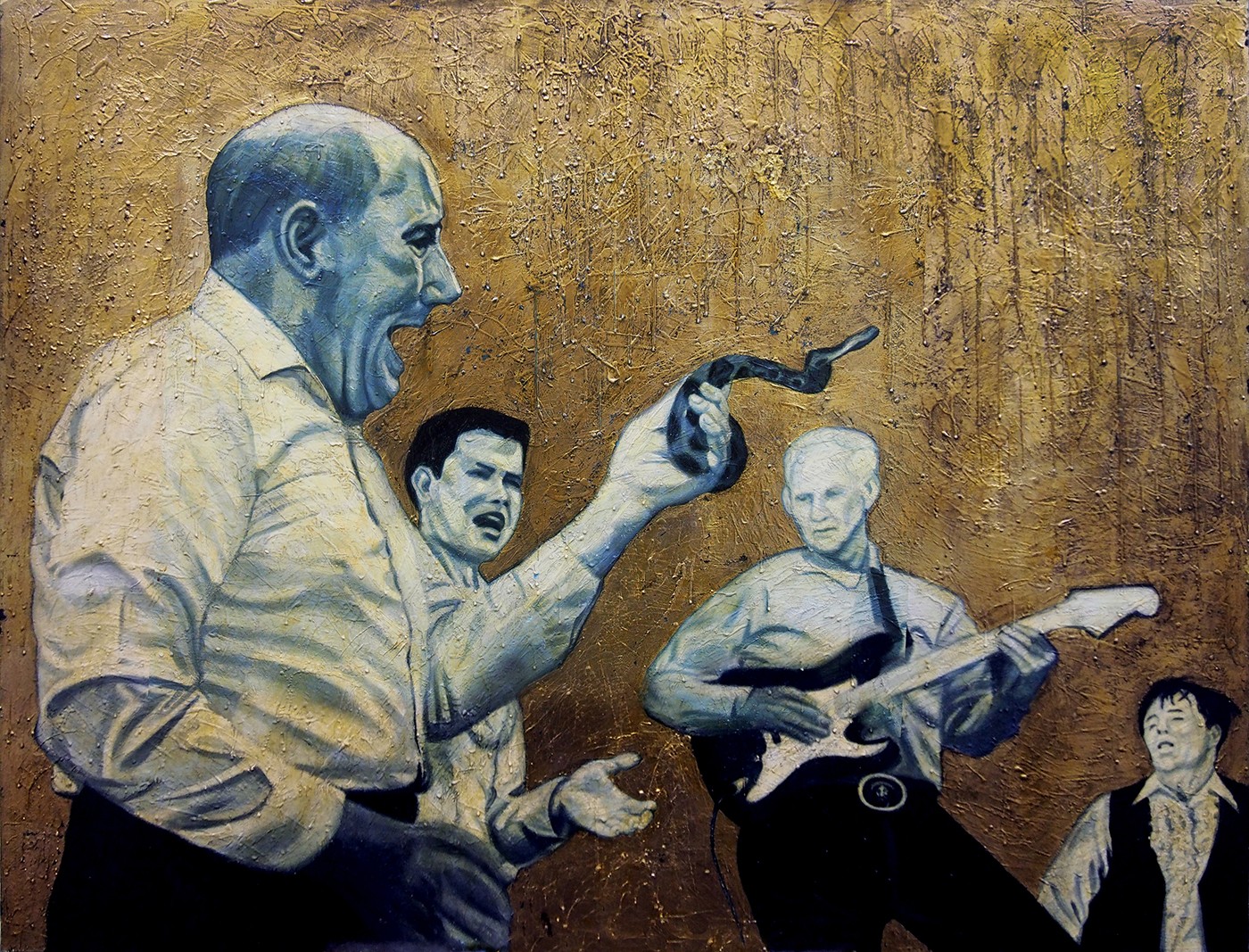
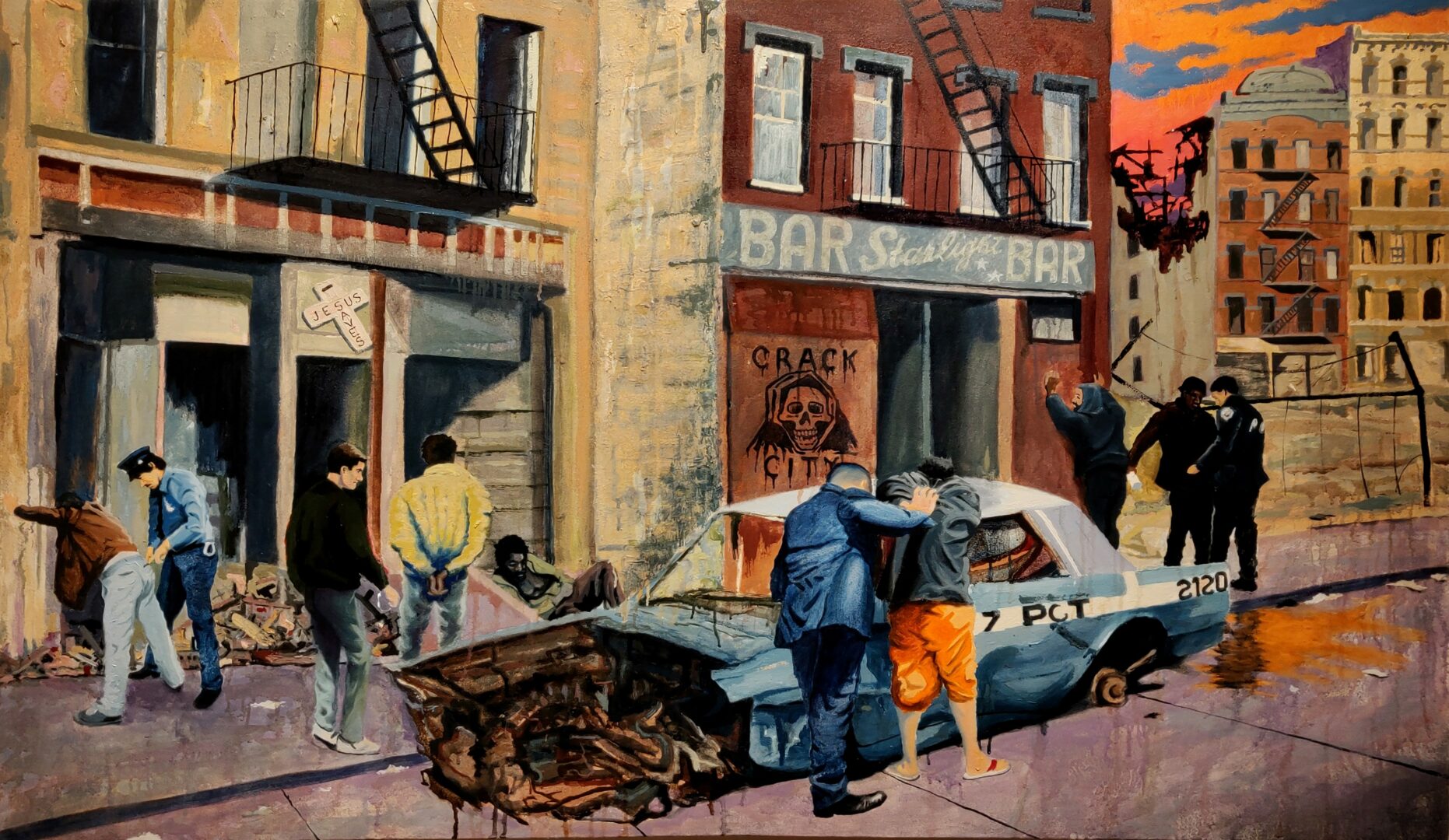
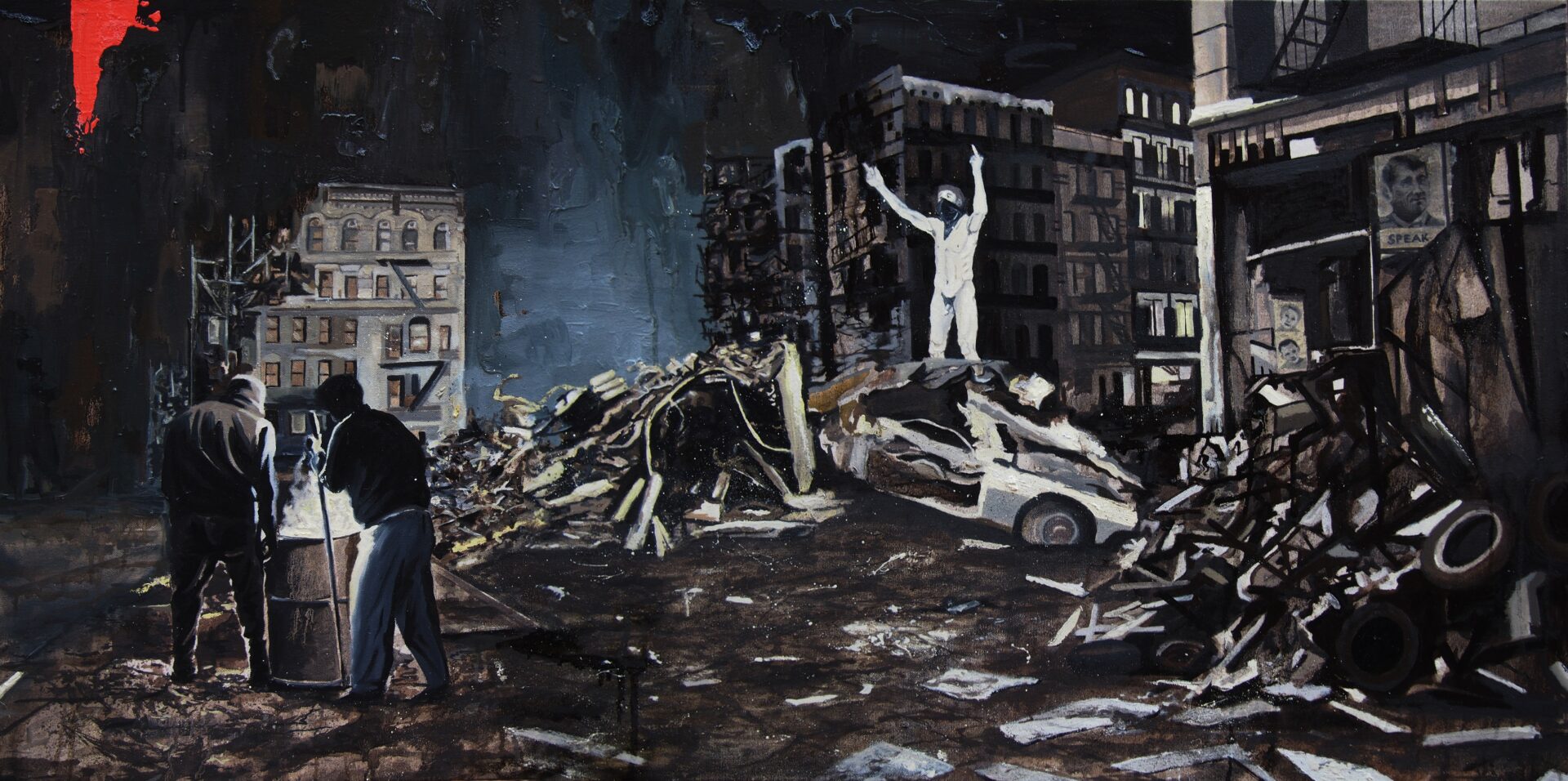
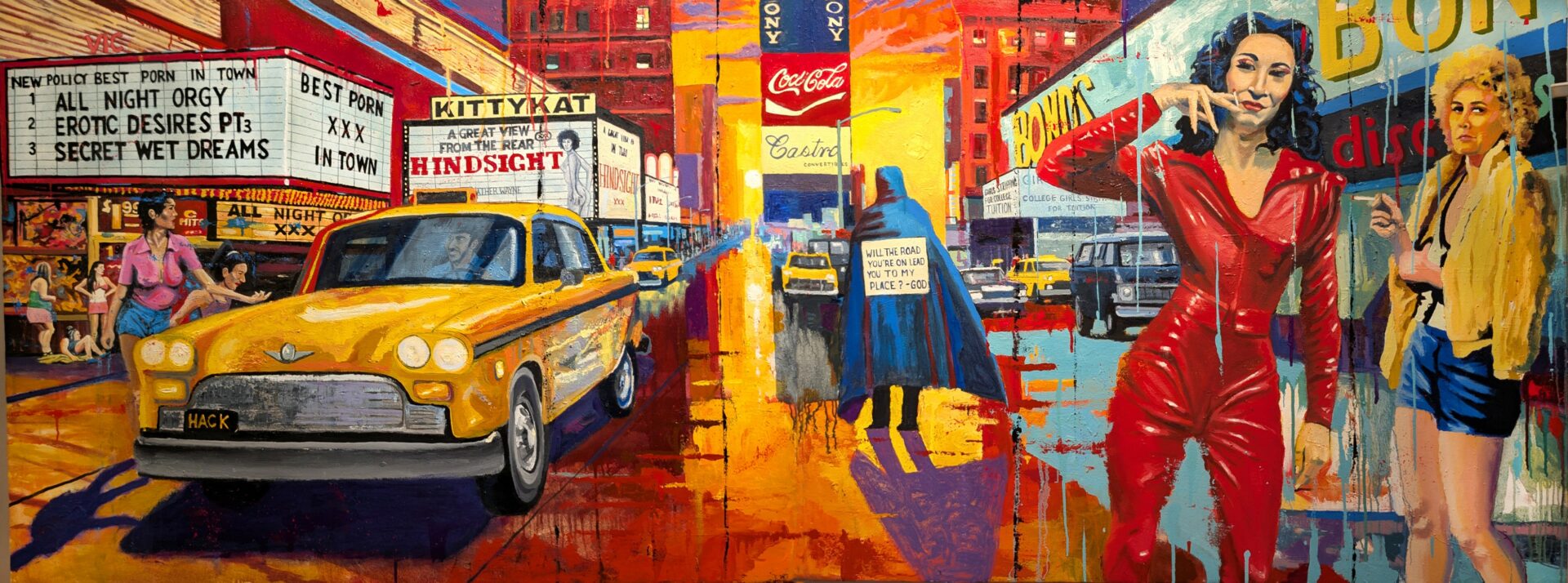
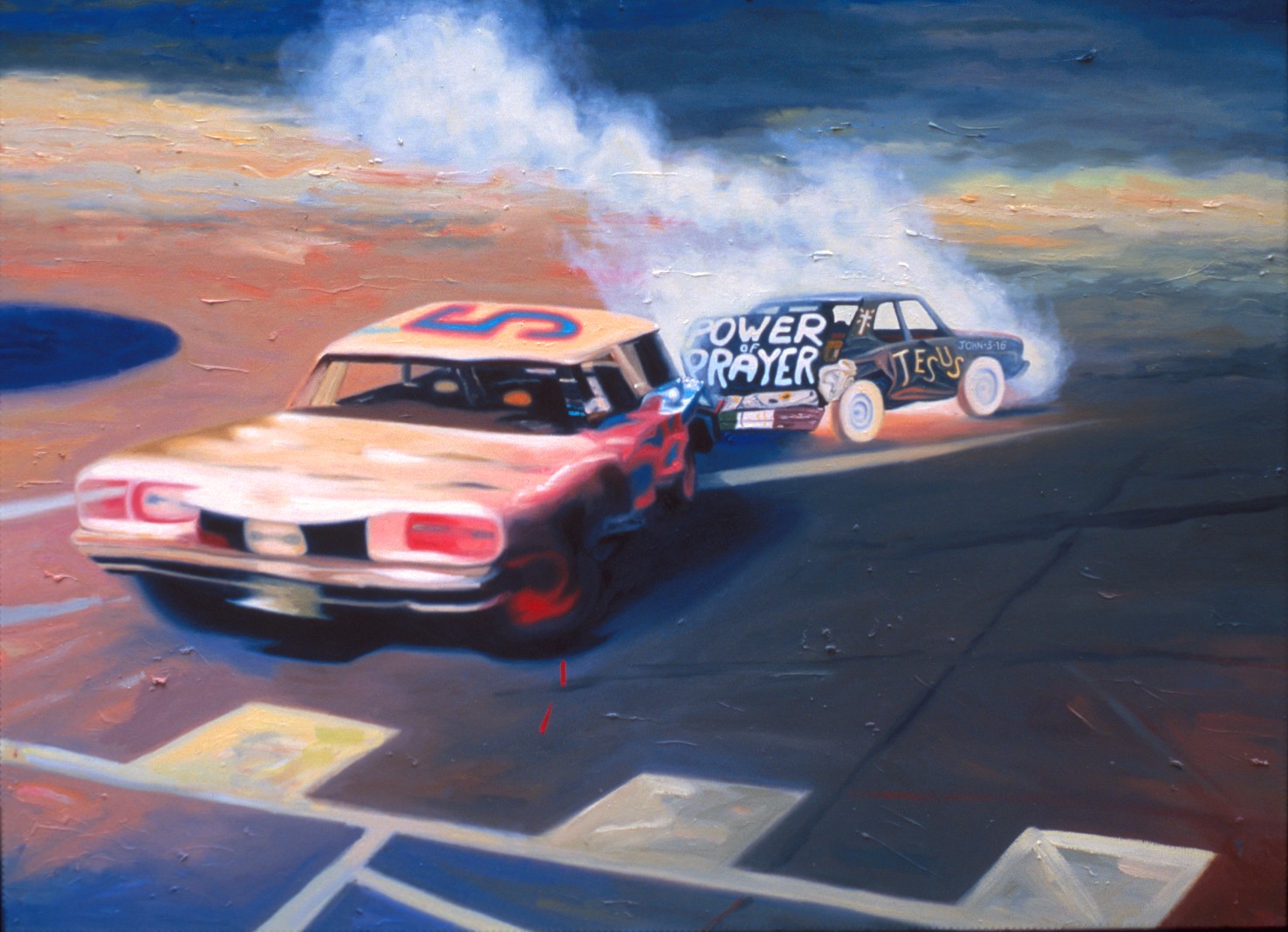
Image Credits
none
so if you or someone you know deserves recognition please let us know here.