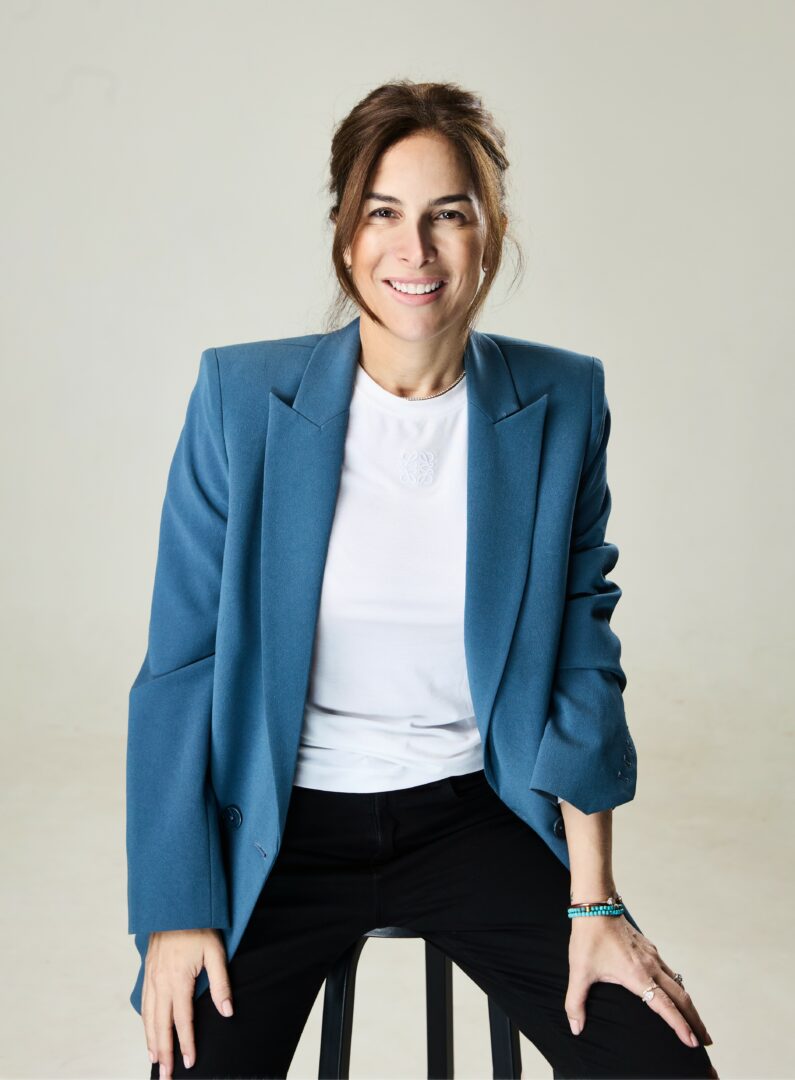
Dr leslie benitah shared their story and experiences with us recently and you can find our conversation below.
leslie, really appreciate you sharing your stories and insights with us. The world would have so much more understanding and empathy if we all were a bit more open about our stories and how they have helped shaped our journey and worldview. Let’s jump in with a fun one: What do the first 90 minutes of your day look like?
By 5 a.m., I’ve usually already opened a dozen emails. People laugh and say, “Do you ever sleep?” The truth is, I work across several continents, so my early mornings are spent catching up with Europe — editing, coordinating with partners in France, moving projects forward before their day ends.
Once that wave of communication quiets down, I make myself breakfast in the dark and in complete silence so I don’t wake anyone in my house — not my kids, not my husband, not even the dogs. And then I read a few newspapers, usually in two or three different languages… all while still in my pajamas.
Can you briefly introduce yourself and share what makes you or your brand unique?
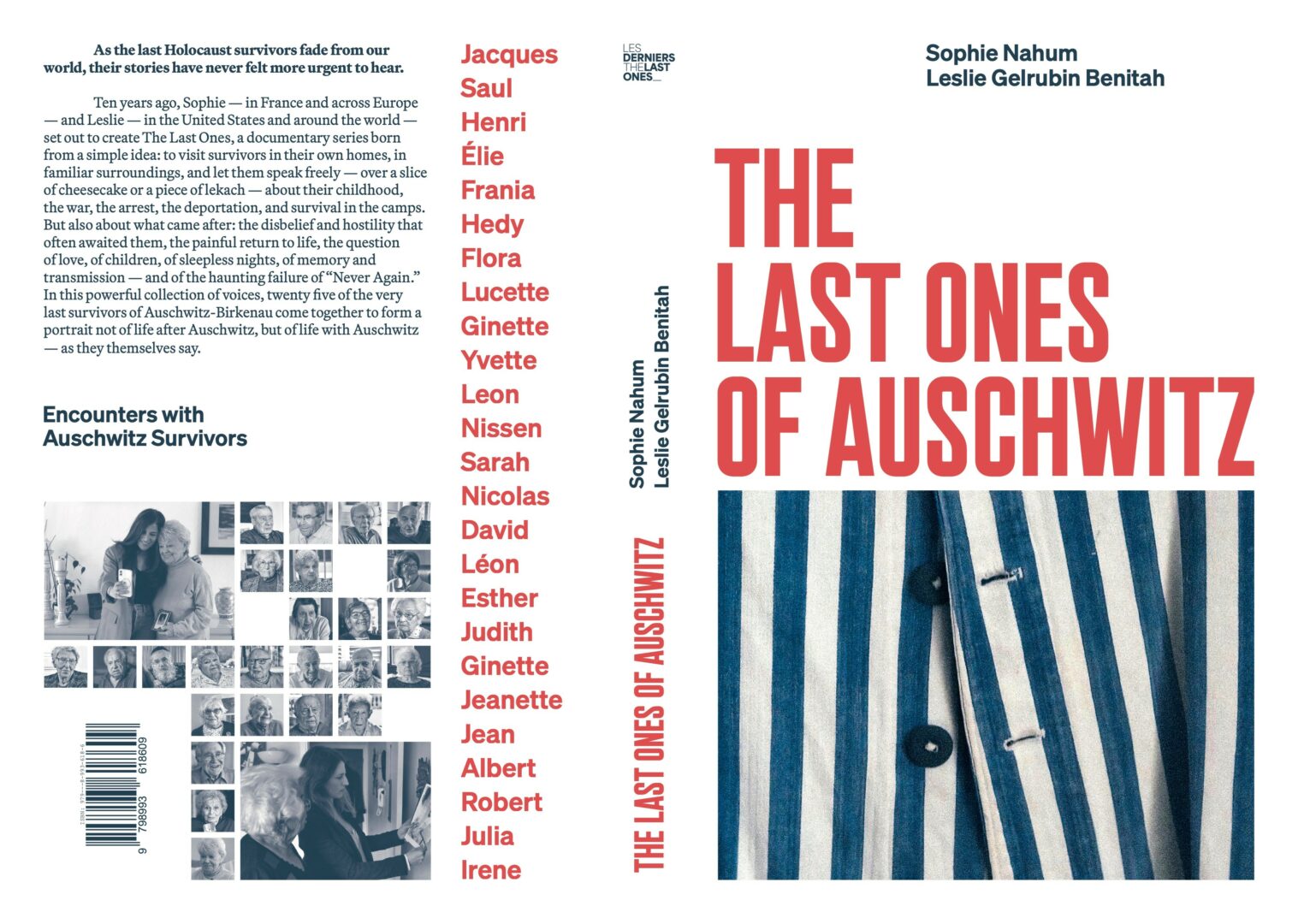
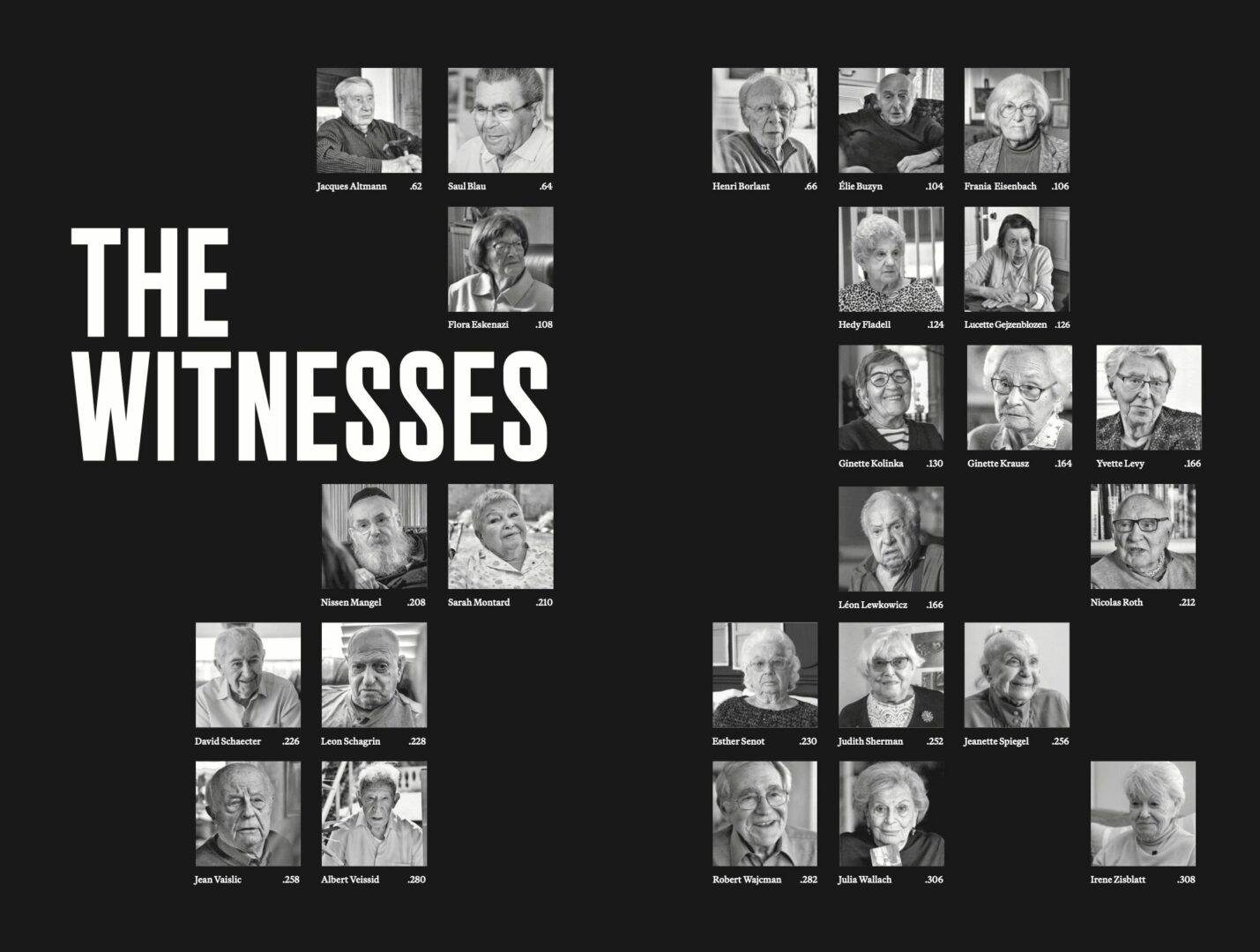
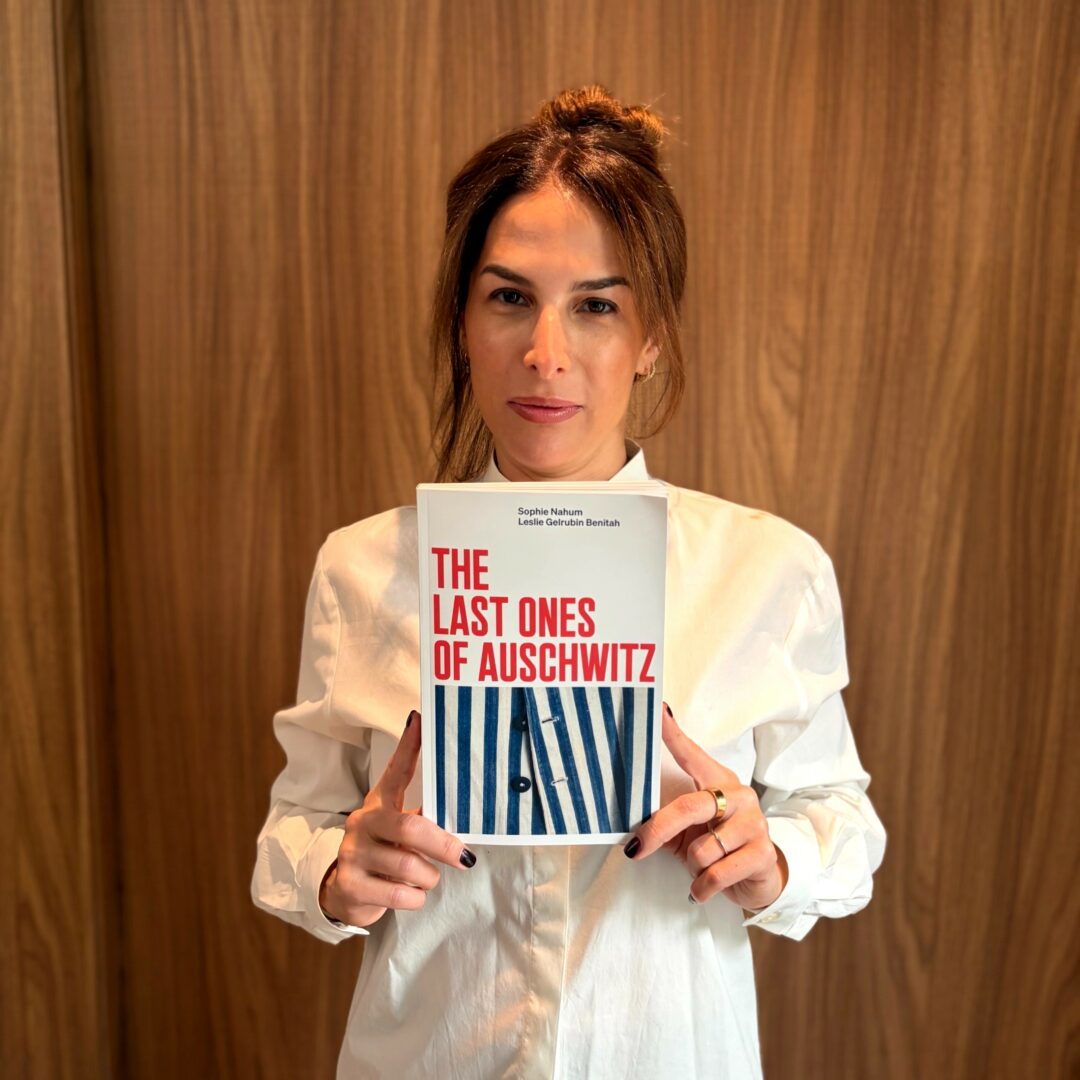
I’m Leslie Benitah, a journalist and documentary filmmaker, and the cofounder of The Last Ones, a project dedicated to preserving the testimonies of the last living Holocaust survivors — but in a completely new way.
What makes this work unique is that we brought Holocaust memory into the digital world, where young people actually are. I create short-form, human-centered survivor stories that live on TikTok, Instagram, and our geolocated testimony app. It’s “memory 2.0” — fast, emotional, accessible, and designed for a generation that scrolls more than it reads.
What surprises people most is the impact: our videos have reached millions of viewers, sometimes 9 million on a single story. On TikTok — of all places — teenagers stop scrolling to listen to survivors of Auschwitz. It’s unexpected, and it’s powerful.
My mission is simple: in a world without survivors, make sure their voices remain alive, visible, and impossible to ignore.
Amazing, so let’s take a moment to go back in time. What was your earliest memory of feeling powerful?
I know this will probably sound funny, but it’s a story I often tell my kids because it taught me something important at a young age. I was in middle school in Paris, in PE class, and the teacher asked me to show everyone how to climb the rope. Halfway up — of course — one of my “friends” pulled down my jogging pants and my underwear. I was stuck in the air, with everyone laughing, and I had about ten seconds to decide who I was going to be in that moment.
When I finally got back down, I pulled my pants up, looked at the whole class… and burst out laughing. Not crying, not running away — laughing. Because I preferred to laugh with them rather than let them laugh at me. It sounds silly, but that day I won. I took back the power.
It was the first time I realized you can flip a situation just by choosing your reaction — and I’ve carried that with me ever since.
What have been the defining wounds of your life—and how have you healed them?
The defining wound of my life has always been silence — the silence of my grandparents, all four of whom survived the Holocaust and never spoke about it. Their trauma lived in the house like a shadow: present, heavy, unspoken. I grew up feeling the weight of stories I didn’t know, histories that were mine but locked away. That kind of inherited silence shapes you. It leaves questions in your bloodstream.
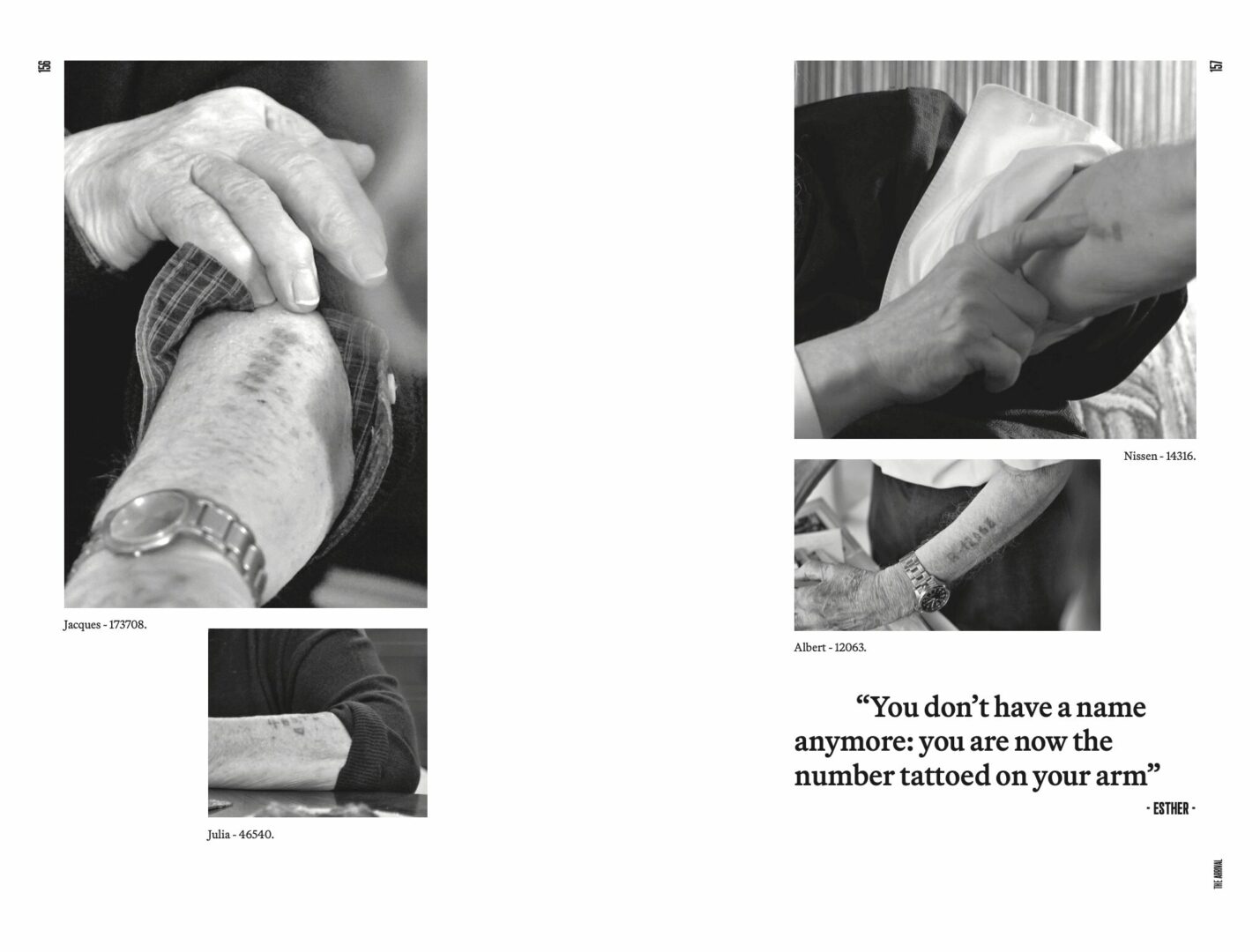
For years, I felt that absence as a wound — a rupture in memory and identity. Healing didn’t come from forgetting it or trying to bypass it. It came the day I decided to open the door they kept closed. I began traveling, listening, filming, and sitting for hours with survivors all over the world, gathering the stories that my own family could not speak.
In a way, The Last Ones is the repair. Every testimony I record fills a space that was empty. Every survivor who trusts me with their voice gives me a piece of the story my grandparents couldn’t tell. And every young person who watches these videos — sometimes millions at a time — becomes part of a healing my family never had access to.
I didn’t heal by erasing the wound. I healed by transforming it into purpose. By turning silence into testimony. And by making sure the story that skipped a generation with me will not skip the next.
I think our readers would appreciate hearing more about your values and what you think matters in life and career, etc. So our next question is along those lines. What are the biggest lies your industry tells itself?
The biggest lie my industry tells itself is that we’ve “done well.”
That because museums exist, dates are commemorated, and institutions are well-funded, memory is somehow secure. It isn’t.
If we had succeeded, then millions of young people wouldn’t know almost nothing about the Holocaust. They wouldn’t treat it like distant history. And our commemorations wouldn’t be filled almost exclusively with older people and Jewish communities. The Holocaust is not a Jewish story — it is a human story. It represents the worst of what humanity can do when hatred, propaganda, and indifference collide. If it only speaks to Jews, then the world has missed the point.
Another lie we tell ourselves is that education automatically equals impact. It doesn’t. You can walk through a museum without understanding how a society collapses morally. You can recite dates without recognizing the early signs of radicalization happening now. Germany in the 1930s isn’t a “chapter” — it’s a warning. And today, polarization, dehumanization, and conspiracy thinking are rising again in real time.
We also cling to the idea that “Never Again” is a promise. It isn’t. It’s a responsibility — one we must renew relentlessly. And yet we keep talking mostly to people who already agree with us, in rooms full of those who already remember, instead of the generations that desperately need this knowledge.
That’s why I do what I do. I take survivor voices out of the museum and into TikTok, Instagram, classrooms, phones — the places where young people actually live. It’s memory 2.0, because the old ways are no longer enough.
If we’re honest, our industry hasn’t “preserved memory.”
We’ve preserved rituals.
What we need now is relevance.
Okay, so let’s keep going with one more question that means a lot to us: Could you give everything your best, even if no one ever praised you for it?
Yes — and unfortunately, I don’t really know how to do it any other way. I say “unfortunately” because giving everything my best isn’t a choice for me, it’s my default setting. I work nonstop, across time zones, across continents, often long before sunrise and long after everyone else is asleep. It’s meaningful mission, but it can also consume me. And sometimes my kids pay the price for that intensity, which is something I’m constantly trying to balance.
But praise has never been the engine. I do the work because it feels necessary, urgent, and bigger than me. Whether anyone notices or applauds it doesn’t change the fact that I would still put my whole heart into it. That’s just how I’m built — for better or for worse.
Contact Info:
- Website: https://www.thelastones.org
- Instagram: @lesderniers_thelastones
- Linkedin: @lesliegelrubinbenitah
- Facebook: leslie Gelrubin Benitah
- Other: TikTok : @lesderniers.org
so if you or someone you know deserves recognition please let us know here.