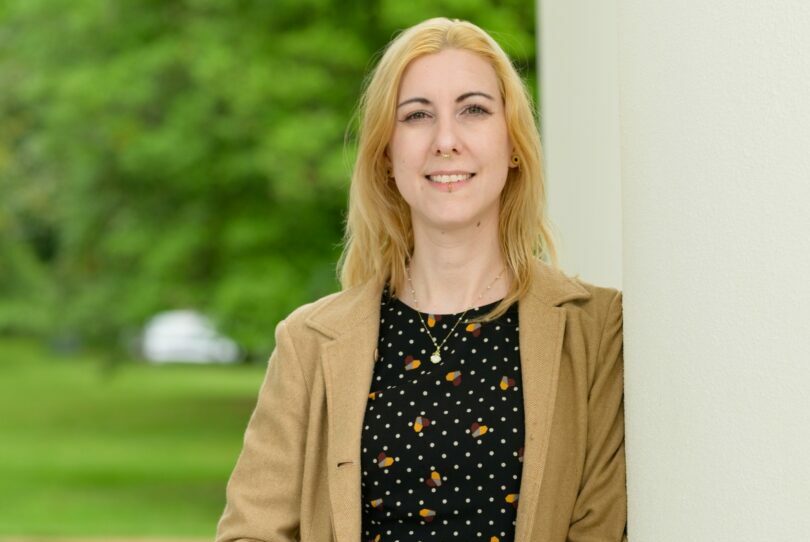
We’re looking forward to introducing you to Dr. Tara Hollies. Check out our conversation below.
Tara, it’s always a pleasure to learn from you and your journey. Let’s start with a bit of a warmup: What is a normal day like for you right now?
A normal day for me involves juggling multiple professional projects and personal responsibilities. On Mondays, Wednesdays, and Fridays, I teach history courses at Macalester College in St. Paul, Minnesota, where I’ve been a visiting professor for over four years. Outside of class, office hours, and meetings, I spend time editing documents for my Tarastotle Tutoring clients; these are mostly dissertations at this time of year, but I also have several requests for help with grant and grad school application essays. On the days I don’t teach (Tuesdays and Thursdays), I usually have a Zoom meeting with one of my most loyal clients, who currently lives in China. Since she is 14 hours ahead of my time zone, I start my mornings with these calls and she ends her nights with them. On any day of the week, I fill in my “down time” work hours by sending or responding to emails from (potential) clients, students, or colleagues, and by posting or networking on social media. I also carve out some time each week to work on my own writing–journal articles as well as a scholarly book manuscript based on my dissertation. Aside from work, I fit exercise, cooking, grocery shopping, and running some sort of errand into my daily routine. Why are there always errands to run?! While working out, doing household chores, etc., I like listening to true crime podcasts and historical fiction audiobooks. I also enjoy spending time with my family. During the spring and fall seasons, that includes attending my step-son’s flag football games 1 to 2 times a week (often grading papers or reading a book club book between plays). Life is busy, but I’m thankful for it.
Can you briefly introduce yourself and share what makes you or your brand unique?
I founded Tarastotle Tutoring in November 2020, and I’m a one-woman editing and writing tutoring business. Over the past five years, I have supported dozens of clients on a variety of writing projects through a mix of asynchronous editing and synchronous Zoom tutoring sessions. All but a handful of my clients have been repeat customers who have returned for my services with new writing projects every few months. I primarily work with individuals, but I’ve also worked with small companies to help them craft grant proposals. While many of my former and current clients reside in the US, I’ve assisted clients from several countries, including Canada, China, Germany, Ghana, Nigeria, and Peru.
I support clients from a range of backgrounds, including undergraduate and graduate students, professors and scholars, medical and nursing students, and other industry/non-academic professionals. My specialties are PhD/MA dissertations/theses, academic papers (e.g., scholarly journal and book manuscripts, conference presentations), and essays for grant, fellowship, or scholarship applications. Other common projects I work on are (non)academic cover letters, CVs/resumes, and other written application materials.
I’ve been a professional editor for five years, but I draw on many more years of experience and expertise related to writing, teaching, and conducting scholarly research. I started by helping my friends in college brainstorm, draft, and revise their essays for free. I also gained relevant skills and experience through my work as a history graduate student–through my roles as a teaching assistant, research assistant, journal editorial assistant, and instructor of record and by conducting original research and writing my dissertation. Also during graduate school, I worked in my university’s writing center as a writing consultant for multiple semesters. It was soon after I defended my dissertation in the fall of 2020 that I started this business, taking the skills I honed as a writing tutor, researcher, scholar, and teacher to provide clients with individualized and comprehensive writing support.
I am able to make a positive impact on academia in particular, because I fill a niche in higher education that is often overlooked. The service for which I am best known is dissertation editing, as most of my clients are PhD students or candidates who are working on some aspect of their dissertation: the project proposal, a grant application to request funding for their research, or chapters of their dissertation. I discovered first-hand when I was writing my dissertation in 2019 and 2020 that graduate schools often do not adequately prepare students for the dissertation writing stage. Although I’m a strong writer and have always had a love for the craft, I felt lost and overwhelmed when I started writing my dissertation after returning from a year of fieldwork in Nigeria. I’ve found that many graduate students feel similar frustration and are in need of dissertation coaching and support that their institutions or advisors are not able to provide. After all, dissertation advisors are also full-time faculty members with their own teaching, research, and publishing obligations; many cannot dedicate extensive amounts of time to walking PhD candidates through the dissertation writing, editing, and revising process. So, that is one of the roles I play. Since I completed my dissertation less than five years ago, and because it earned the honor of distinction for its research and writing quality, I am equipped to coach students through the process and offer detailed and meaningful feedback on the quality of their arguments, evidence, and analysis in addition to editing their writing to improve the grammar, syntax, and overall flow. There is a need in academia for someone like me–a professor with a PhD and a love of writing–to simultaneously act as a dissertation coach, developmental editor, and copy editor. It has been rewarding to watch many of my clients move through the dissertation stage, earn their PhDs, and become professors or independent scholars.
Okay, so here’s a deep one: What was your earliest memory of feeling powerful?
When I was in 4th grade, I won the mile in gym class for the first time. I was quite proud of myself for beating everyone, especially the boys in my class. I went on to become an all-state track star in high school, but when I was 9 years old, I did not yet know my full potential. I remember that before the race, my goal was to be the fastest girl, but I found that even the athletic boys in class were running too slow for my pace. I’ve always had a bit of a chip on my shoulder, and I like when I’m underestimated. I was very small in elementary school. Indeed, looking back on photos from that time, I’ve noticed that most of my peers were a head taller than I was. Nonetheless, I was fast, strong, and scrappy. I still possess those qualities today. I believe that 4th grade was also the year I completed more consecutive pull ups than anyone else in class, which made me almost as proud as winning the mile.
Since then, I have continually entered spaces where I was not in the majority. I played ice hockey from elementary school through college, which (outside of my adopted state of Minnesota) is a male-dominated sport. I entered graduate school a few months after finishing college, taking courses with many students who were several years my senior and who had also earned master’s degrees. Moreover, my grad school classes skewed more male than female. Earning my doctorate put me into the category of the less than 2% of Americans who have a PhD. Then, I started a business, joining the roughly 40% of US businesses that are women-owned. I’ve occupied a lot of spaces that weren’t designed for me, but I made sure to succeed and surprise those who didn’t expect me to.
What did suffering teach you that success never could?
The niche brand that I am best known for is dissertation coaching and editing, but I could not have become the successful mentor and editor that I am today without suffering through the dissertation process myself. I know that we academics often dramatize the PhD experience, especially the dissertation writing stage, but that melodrama emerges from a very real and very exacting experience that so few people in the world have endured. With less than 2% of the global population having a PhD, navigating the stress of completing graduate school coursework, conducting independent research, and writing a book-length dissertation can feel like an overwhelming, solitary task. For many, the part that feels the most isolating and stressful is the final phase: producing a quality dissertation that can pass a grueling oral defense and allow you to become a doctor.
I am a strong writer. I’ve always known that. I loved reading and writing so much that I entered college and immediately declared my first major as English. I wrote short stories and poems during my sophomore and junior years of college that won writing competitions and were published in books and magazines. My capstone project for my second major (African studies)–culminating in a research paper on linguistic colonization in East Africa–earned me the honor of distinction. During my senior year, I wrote convincing application essays that got me accepted into the best African studies graduate program in the country (Michigan State University) without having a master’s degree. During my third year of graduate school, I wrote multiple successful grant application essays that earned me ample funding to conduct my dissertation research. So, when it came time to write my dissertation, I thought I had it in the bag. I was sorely mistaken.
I struggled to write chapters that made any sense. The early drafts of the literature review portion of my introduction were especially atrocious, because I had never been taught how to write this unique type of academic work. I was going about the process all wrong, but there was no one who had both the expertise and the time to guide me through the specifics of literature review writing and revising. My advisor gave me honest feedback on my rough drafts (emphasis on “rough”), but I still struggled to figure out all the specific ways I needed to improve my work. This was not the fault of my advisor or dissertation committee members; rather, it is one of the side effects of the extreme demands that academia places on professors, many of whom are expected to teach several courses, advise graduate students, research and publish multiple works each year, present at academic conferences, attend department and faculty meetings, volunteer for various campus committees and leadership positions, and engage with their campus communities in a host of other ways. I don’t know of a single university professor who is paid enough or allotted enough time to comprehensively guide their PhD advisees through the iterative dissertation writing, editing, and revising phases.
I struggled with the early phase of dissertation writing for several months, until my advisor connected me with an editor who had experience reviewing history dissertations. I was hesitant to pay for professional editing help at first, because I was a good writer and had never needed that kind of support before. However, I found that the editor’s feedback–including suggested rewrites for certain sentences and restructuring for certain sections like my literature review–helped me understand what exactly was wrong with the way I was conveying my ideas. After receiving the editor’s help on a few of my dissertation chapters, I learned from his feedback so that I was able to write and submit the other few chapters to my advisor without needing an editor’s review. I’m a quick learner and a good writer; all I needed was the expertise of a professional editor to get me past the obstacle I had been running up against for months.
I paid careful attention to the particular edits and comments the editor provided me, and I became adept at self-editing my academic work. I realized that if I–someone who loves writing–had suffered so much during the dissertation writing process, then many other PhD candidates must also be suffering. Just after defending my dissertation in the fall of 2020, I created my editing and writing tutoring business, with the goal of helping a wide range of people with writing projects, but especially hoping to advise PhD candidates on dissertation writing. One of my first commissions was editing an art history dissertation for a graduate student at the institution from which I had just graduated. It feels good to help others through a difficult experience, especially when you know how alienating and painful it can be, because you’ve gone through it yourself.
During nearly all of my Zoom sessions with graduate students, I tell them about my own PhD journey and the struggles I faced when writing my dissertation. I remind them that they are not alone with their fears, anxieties, self-doubt, or imposter syndrome. I explain that I was in their shoes not that long ago and that I can empathize with their situation. I also like to remind my clients that they are capable of writing their dissertations and earning their doctorates and accomplishing many other amazing things, because they would not have gotten themselves to where they are without being qualified and capable. Many clients respond by sharing how good it feels to be reassured in that way. A friend and mentor of mine once told me that you don’t stand out in academia by being smart; everyone at academic institutions is smart. What makes you stand out is kindness. Sadly, not everyone in academia is kind all (or even most) of the time. Whether it be during a Zoom tutoring session or in the detailed comments I leave in a Word or Google doc that I’m editing, I make sure that I am kind and encouraging, even when critiquing my clients’ work.
If I had breezed through the writing of my dissertation, without any hindrances or tears, I don’t know if I would be able to offer the same level of compassionate, empathetic, and genuine feedback and advice to my clients, especially those who are in PhD programs. In that regard, I am thankful that I suffered a bit during my own dissertation journey. I learned a lot from that difficult experience, and I use my own story to inspire others who are pursuing their doctorates. I also draw on my knowledge of the quirks of dissertation writing to walk clients through the process. I think this part of my background does two important things: it allows me to offer clear and direct feedback that improves my clients’ writing, and it assures them that they are not alone in their academic journey.
Next, maybe we can discuss some of your foundational philosophies and views? Whom do you admire for their character, not their power?
I’m an Africanist historian, and my favorite course to teach is African Women’s History. There are dozens of incredible African women I could name here, but I will single out one in particular, because she can serve as inspiration to many of your readers just as she has done for many of my students and other people around the world. I strongly admire the late Dr. Wangarĩ Maathai (b. 1940, d. 2011).
Not only was she the first woman in all of East and Central Africa to earn a PhD, but she led an accomplished life as a professor, intellectual, politician, grassroots civil rights and environmental justice activist, entrepreneur, and all-around boss lady. To name just a few of her achievements, Dr. Maathai started the famous Green Belt Movement in 1977, which continues today and which can be credited with saving Kenya from deforestation and other severe environmental threats; she was also named Kenya’s Women of the Year in 1983, received a whole host of awards and accolades from international societies throughout the 1980s and ‘90s, and she earned the Nobel Peace Prize in 2004.
Dr. Maathai was a gifted, brilliant, and extremely accomplished woman, but the thing I respect and appreciate most about her has nothing to do with fame or glory. Her character set her apart from so many world leaders and influencers of the 20th and early 21st century. I’ve read and taught Maathai’s memoir, Unbowed, multiple times, and that is saying a lot, because I generally dislike the memoir genre (I find many such works dry and a bit self-aggrandizing). I, along with many of my students, love her memoir, because in it she is raw and honest and does not shy away from discussing uncomfortable situations or acknowledging her own pitfalls and regrets. Most people in positions of power fail to reflect on these realities in their own lives, at least publicly, but Maathai opened her life story up for the whole world to see–even the parts that she was not proud of.
Moreover, I feel inspired by Maathai’s relentless determination and empowered by her conviction that women are capable, powerful, and significant because of our womanhood. The Green Belt Movement is responsible for planting 51 million trees in Kenya since Maathai established it in 1977. The movement also sponsors and collaborates with various other environmental initiatives around the world today. But, that is not what I find most impressive. Maathai shared in her memoir that she began Kenya’s reforestation efforts by entrusting women from rural towns and villages across the country to plant particular species of vegetation in certain locations, and she was sure that women were capable of this: as she told them, they simply needed to use their “woman sense.” Her unwavering faith in the power of women was wise, indeed. The millions of trees that have made Maathai’s environmental movement world famous began with a small but significant act: the planting of 7 trees in Kamukunji Park, located on the outskirts of Kenya’s capital city of Nairobi, in 1977. In her memoir, Maathai described that line of newly planted arbors as the first “green belt.” This imparts an important lesson that everyone can learn from–that all big things must start from small (sometimes literal) seeds. Small acts can have a major impact.
Before we go, we’d love to hear your thoughts on some longer-run, legacy type questions. Are you tap dancing to work? Have you been that level of excited at any point in your career? If so, please tell us about those days.
I really enjoy what I do, both as an editor/writing tutor and as a college professor. In both positions, I get to use my knack for teaching and for clear and creative communication to help people who are in or adjacent to academia. I think my passion for teaching is what propels me through the busy editing seasons and the last few weeks of each semester, when everyone’s energy is low and their stress high.
As I continue to grow my editing/writing tutoring business as well as establish myself as a scholar and professor, I generally feel encouraged by witnessing the positive change I can make in my clients’ and students’ lives. The days that have me dancing (albeit with minimal rhythm) are those when I see or hear direct testimony that demonstrates the value of my work. For example, when my PhD candidate clients pass their dissertation defenses and earn their doctorates, I feel proud of the role I played in helping them cross that finish line. Many such clients have sent me emails days after their successful defense or graduation ceremonies to share the good news with me and to thank me for the support I provided them through the dissertation writing and revising process. Their heartfelt messages make me happy; they remind me that although teaching (and by extension, editing and tutoring) can be exhausting and demanding, my efforts are not futile.
Over the last few months, some of my long-time clients have sent me detailed messages of gratitude. I had not realized the extent to which my mentorship and editing feedback had impacted each of their careers. I was particularly moved by the testimony of a female client who is close to earning her PhD, as she highlighted my kindness, genuine nature, and encouragement. She recalled how, during our first Zoom call, I shared that academia can sometimes feel hostile and isolating, especially to women, and that I was able to boost her confidence and motivation to meet her writing goals. I truly want my clients to succeed, and I am delighted by every new email they send me about their professional progress and every LinkedIn update they post about their new journal article being published. Those moments remind me how important my editing and writing tutoring services are.
Contact Info:
- Website: https://www.tarastotletutoring.com/
- Instagram: https://www.instagram.com/tarastotle_tutoring/
- Linkedin: https://www.linkedin.com/in/tarahollies/
- Twitter: https://x.com/drtarastotle
- Youtube: https://www.youtube.com/@TarastotleTutoring
- Other: https://www.tiktok.com/@tarastotle_tutoring
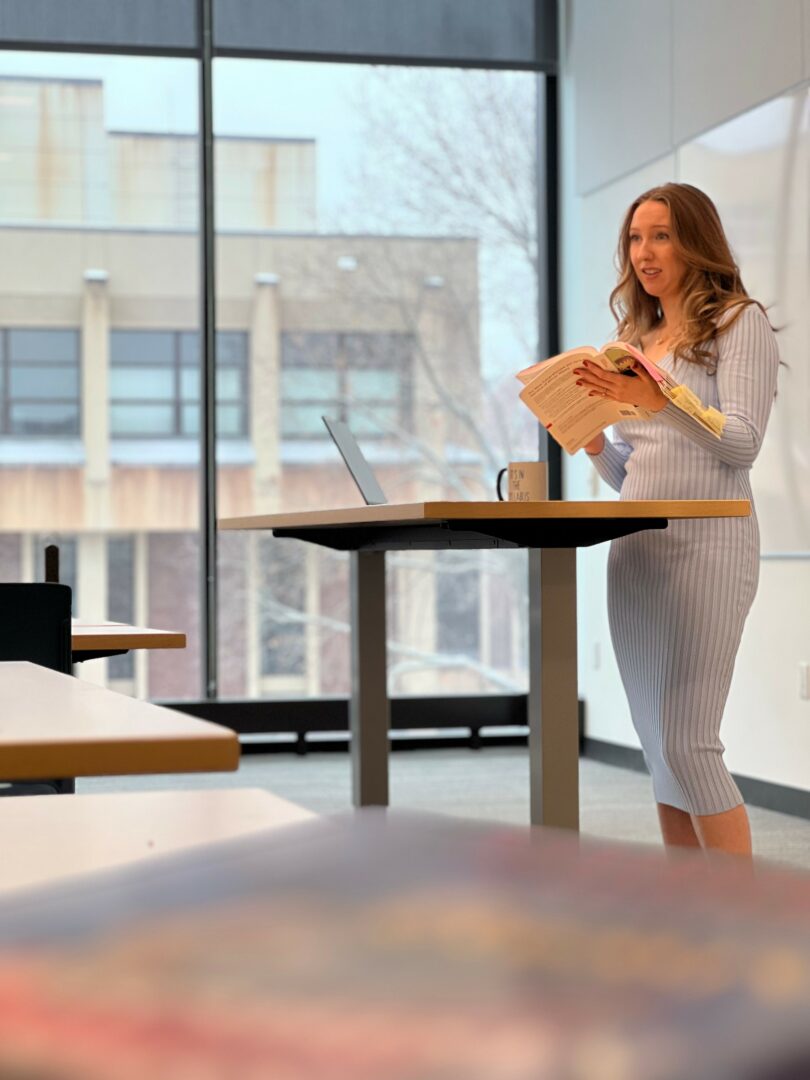
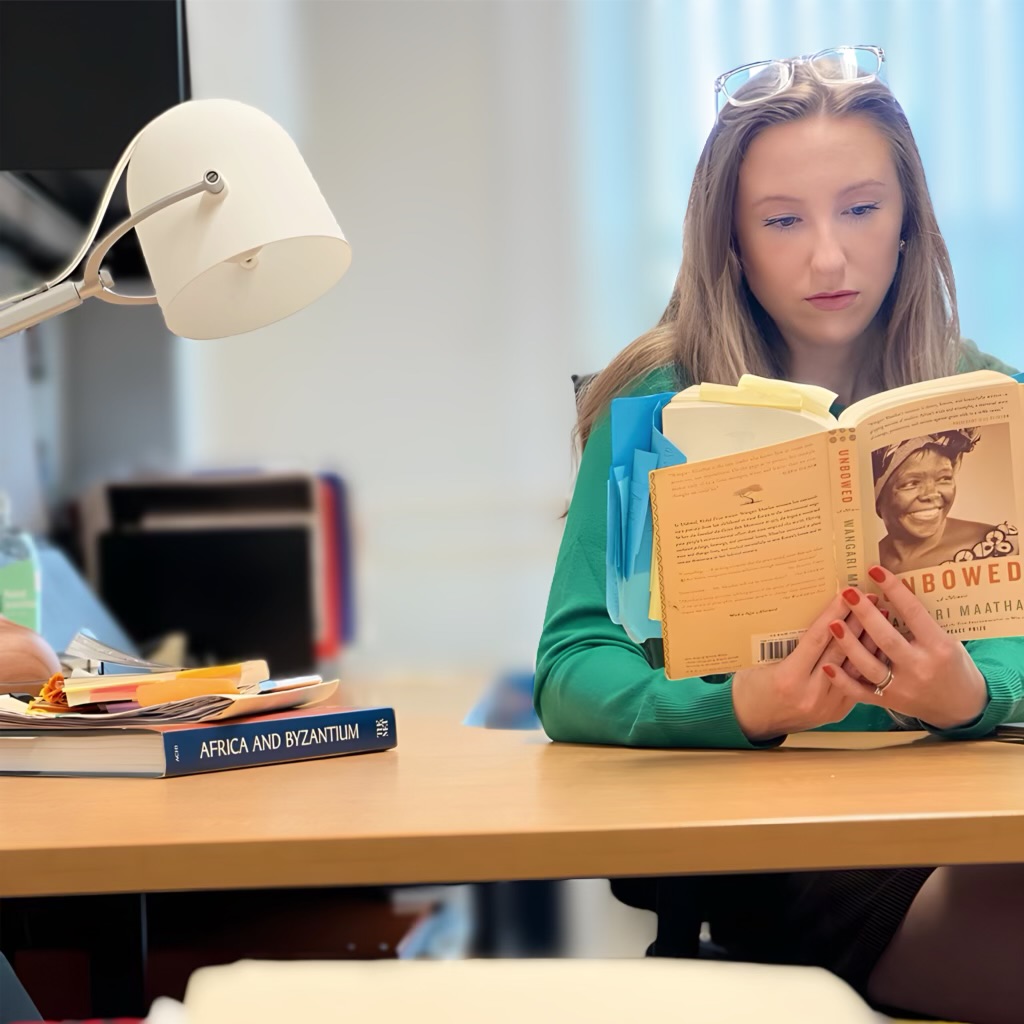
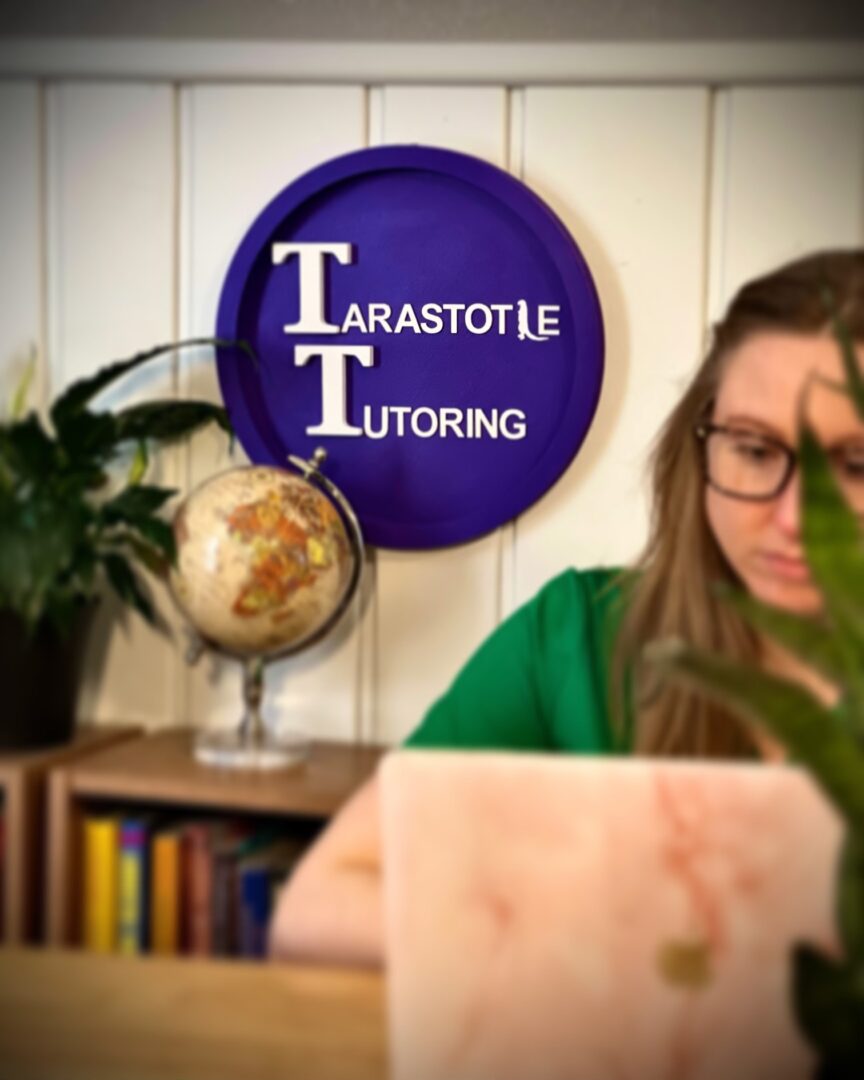

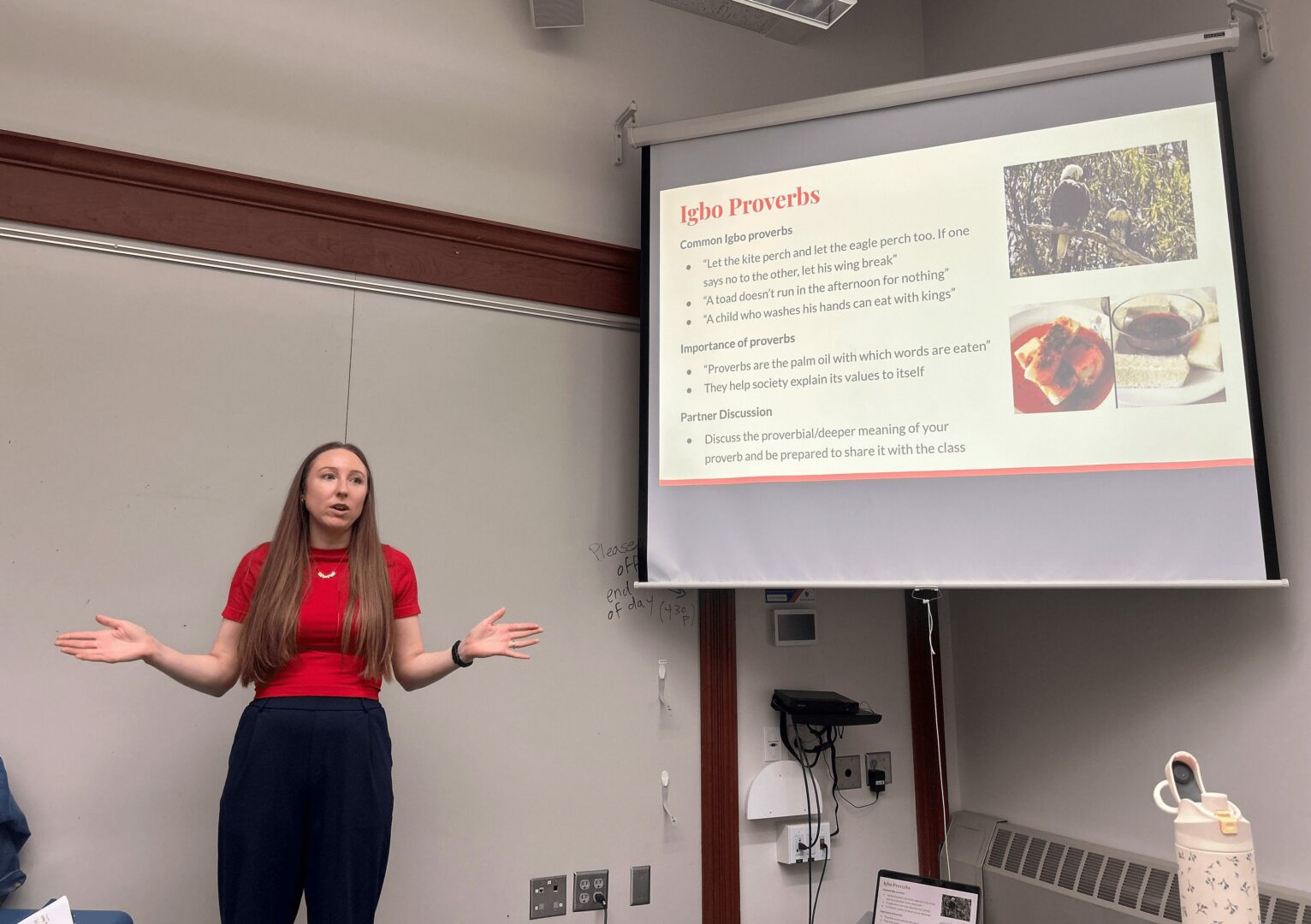
Image Credits
Cory Hollies
so if you or someone you know deserves recognition please let us know here.