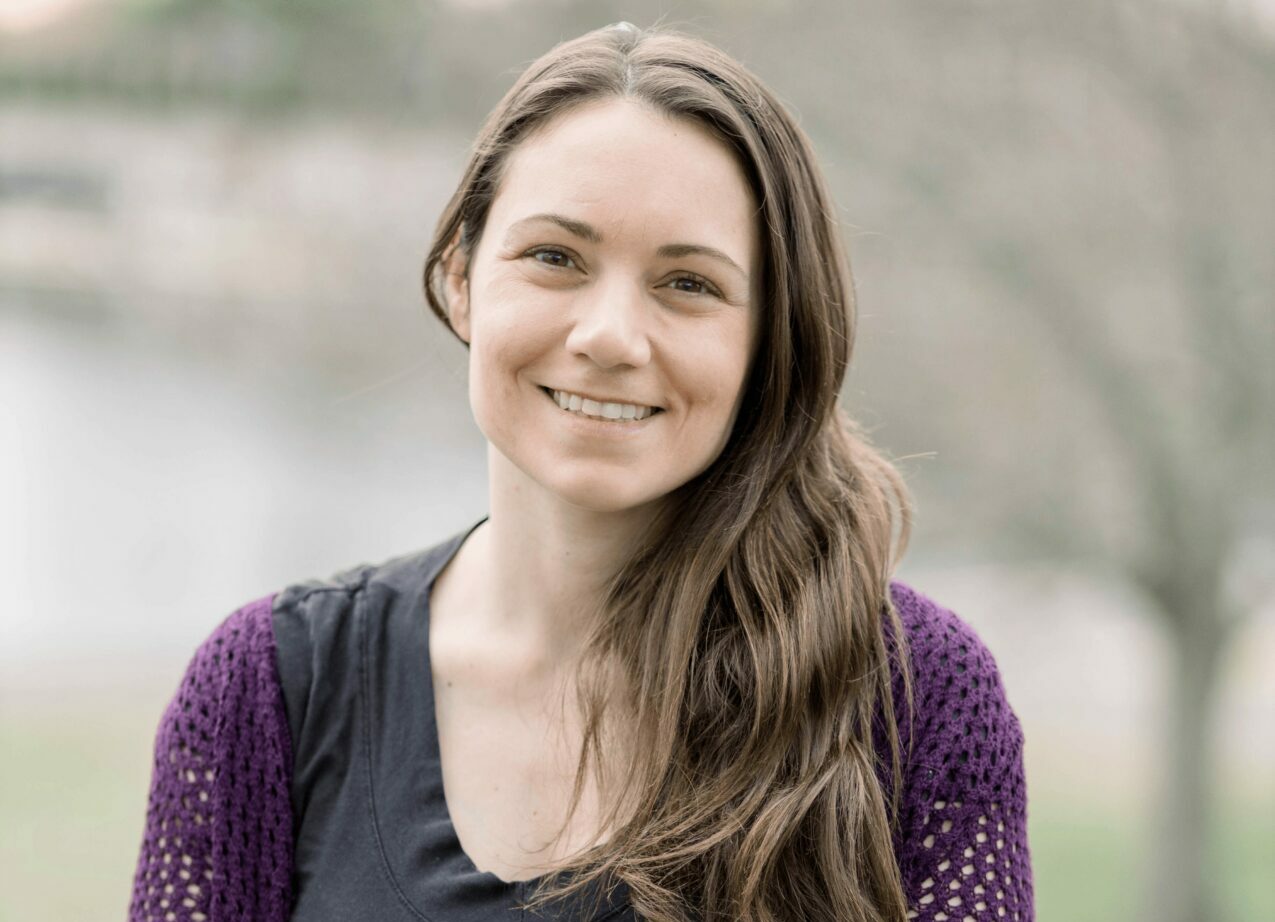
We recently had the chance to connect with Elizabeth Aurora Petersen and have shared our conversation below.
Elizabeth Aurora , it’s always a pleasure to learn from you and your journey. Let’s start with a bit of a warmup: What do you think is misunderstood about your business?
One of the biggest misconceptions about working in film is that talent alone will carry you. Coming from a middle-class background with no legacy contacts, I learned very quickly that this industry is built on networks most people are born into, not invited into. If you’re not one of those people, you have to become your own engine. You have to self-generate every opportunity, keep showing up long after it would be easier to quit, and love the art form enough to push through the walls that don’t exist for others.
Another thing that often gets overlooked is how many people in the industry aren’t actually here to make art. As someone who came in because I genuinely love filmmaking, it was a shock to realize how much sexual harassment, manipulation, and ego-driven behavior still exists behind the scenes. There were times when the joy of creating was overshadowed by the people I had to navigate around. I had moments where walking away would have been the easier, even healthier, choice.
But ultimately, my love for the craft won out. What keeps me in this industry is the work itself—telling stories, building worlds, collaborating with people who truly care about the medium. The toxic parts don’t define the art. They just make you more certain of why you’re here in the first place.
Can you briefly introduce yourself and share what makes you or your brand unique?
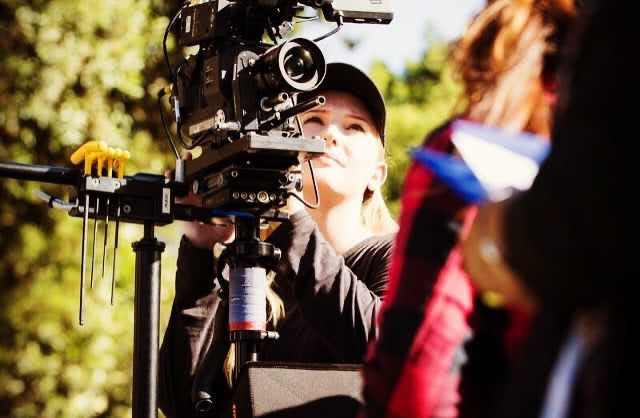
I’m Elizabeth Aurora Petersen, a director, producer, and writer who creates work under my production company, GlitchTV. I’ve always been drawn to stories that let me explore the strange, the emotional, and the beautifully imperfect parts of being human.
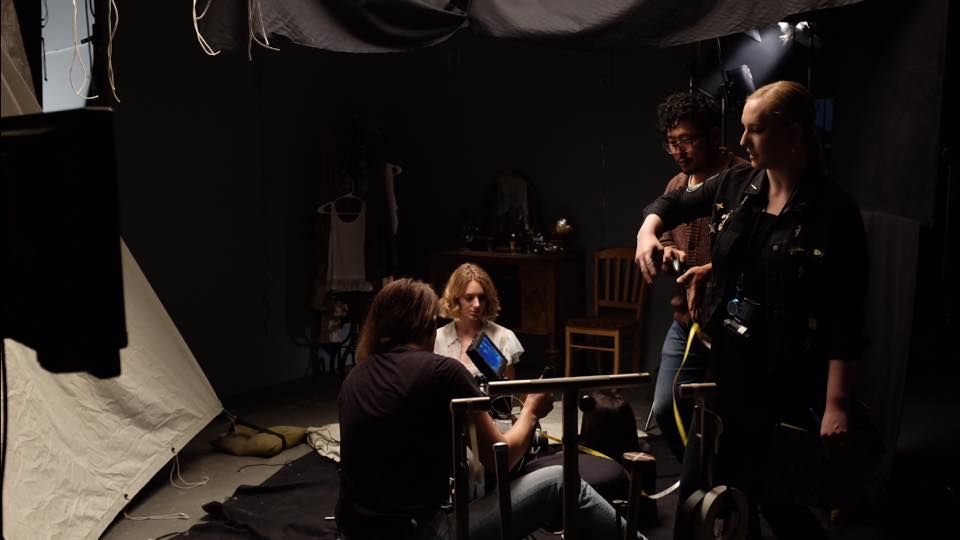
What makes my work unique is that it’s built from pure self-drive. I didn’t come into this industry with connections or a roadmap, so everything I’ve made has been the result of being relentlessly hands-on—learning every corner of the process, building teams from scratch, and staying committed to the craft even when the circumstances weren’t ideal. I think that gives my work a certain scrappy honesty and creative freedom that I’m proud of.
Right now is an especially exciting chapter. A feature I produced under GlitchTV, Clownspiracy, is almost through post-production, which still feels surreal. I also directed a TV pilot last year The Great God Pan, and I’m currently prepping my own feature film, which we’re gearing up to shoot next spring/summer. Each project pushes me in a new way, and I’m grateful for that.
At the end of the day, what drives me is simple: you have to keep making art. No matter the noise, no matter the obstacles—just keep creating. That’s the heartbeat of everything I do.
Great, so let’s dive into your journey a bit more. What’s a moment that really shaped how you see the world?
A defining moment for me happened while I was in film school. I experienced sexual harassment and when I came forward, the institution chose to look the other way. There was no accountability, no protection, no moral courage—just silence and the quiet machinery of an institution more interested in shielding itself than supporting its students.
As someone without wealth or connections, facing that imbalance of power felt crushing. But it also became a turning point. It made me realize that if this was the system I was expected to rely on, I didn’t want to be part of it. I didn’t want to succeed by playing along with a culture that protects the wrong people and punishes those who speak up.
Instead, I made a choice: I would make my art on my own terms. I would build my career without asking for permission from people that had shown me they weren’t worthy of that trust. And honestly—there was so much freedom in that decision. It shifted my mindset from trying to “fit into the industry” to creating my own lane entirely.
That experience, as painful as it was, clarified something for me: courage matters. Integrity matters. And I would rather stand up for what I believe in—and make art that comes from a place of strength—than thrive in a system built on compliance and cowardice.
Was there ever a time you almost gave up?
There was a point—around the time I was dealing with sexual harassment in film school—when I truly questioned whether this industry had any room for someone like me. It wasn’t just the harassment itself, but the feeling of being dismissed so easily, as if I was disposable simply because I didn’t come from wealth or influence. It was devastating to realize how quickly institutions will protect their own power rather than the people they claim to support.
For a moment, it made me wonder if the cost of staying in this world was too high. If the gatekeepers didn’t value my safety or my voice, why should I keep fighting to be part of their system?
But the thing that pulled me through was the same thing that brought me into film in the first place: I didn’t come here for them. I didn’t get into filmmaking to impress an institution or to align myself with the “industry.” I came because I love the medium. I love storytelling. I love creating images and emotions out of nothing. And none of that requires permission, wealth, or institutional approval.
So instead of breaking me, that moment reshaped me. It made me fiercely protective of my relationship with the art form. I decided that no negative experience—whether it was harassment, exploitation, or just the general toxicity floating around the industry—was going to take my love for filmmaking away from me.
In a strange way, almost giving up clarified why I’ll never actually quit: making art is something I can do under any circumstance. It’s mine. And that realization has kept me going ever since.
So a lot of these questions go deep, but if you are open to it, we’ve got a few more questions that we’d love to get your take on. What are the biggest lies your industry tells itself?
One of the biggest lies the film industry tells itself is that you need permission to make art. There’s this myth that unless a studio approves you, funds you, or validates you, your work somehow doesn’t “count.” And it’s so ingrained that many filmmakers start to believe it themselves—they wait for the magical yes, the golden ticket, the industry handoff that rarely comes.
But the truth is, studios don’t own creativity. They have money, not magic. They can fund bigger productions, sure, but they don’t have a monopoly on artistic legitimacy. Some of the most powerful, meaningful, high-quality films are being made outside the traditional system by people who simply refuse to wait for permission.
What I’ve learned is that you already have everything you need to make work that matters. With resourcefulness, community, and genuine passion, you can tell stories that reach people on a deep level—often in ways a studio would never allow.
The lie is that you need their approval. The truth is: art doesn’t ask for approval. It just needs someone brave enough to make it.
Thank you so much for all of your openness so far. Maybe we can close with a future oriented question. Are you doing what you were born to do—or what you were told to do?
I’m absolutely doing what I was born to do. Filmmaking has always felt like the place where everything in me lines up—my curiosity, my imagination, my stubbornness, my need to tell stories. I don’t do this because someone encouraged me or because it’s the “smart” or “practical” path. I do it because it’s the thing that makes me feel most alive.
Contact Info:
- Website: https://linktr.ee/_girlinthemoon_?utm_source=linktree_profile_share<sid=02651824-3cfa-46a8-b9f1-2f6af898ecc9&fbclid=PAZXh0bgNhZW0CMTEAc3J0YwZhcHBfaWQMMjU2MjgxMDQwNTU4AAGnHjoie5A6APDGOiyGnIhKKGqDykwmhbsNljxX3Ead4B9GX1ndZ-s_e4rNpBY_aem_j8x4VE8IZK9Xk07dpO6sUw
- Instagram: https://linktr.ee/glitchtvnetwork?fbclid=PAZXh0bgNhZW0CMTEAc3J0YwZhcHBfaWQMMjU2MjgxMDQwNTU4AAGn1IxQZH1m-QGshpsNZx3xmNqxq34sRVxEkOTh5s7Jy-ZBVdZtyRqyLebDhig_aem_XIm7p0pyX1d6qGBAzLVjeg
- Youtube: https://www.youtube.com/@Glitch.TV.official
so if you or someone you know deserves recognition please let us know here.