We recently had the chance to connect with Emily Davidson and have shared our conversation below.
Good morning Emily, it’s such a great way to kick off the day – I think our readers will love hearing your stories, experiences and about how you think about life and work. Let’s jump right in? What are you most proud of building — that nobody sees?
Right now I’m building my family—I just gave birth to my first child in August! Raising a baby and adjusting to parenthood is often invisible work, but it’s crucial to creating a foundation at home that will allow me to flourish in all areas of life.
Can you briefly introduce yourself and share what makes you or your brand unique?
I’m Wishlyst, also known as Wish on the Beat—a songwriter, music producer, and instrumentalist. Wishlyst is my project for pop songs, both original songs and fresh takes on cover songs, featuring my vocals and 90’s-influenced soundscapes. My wide range of influences—r&b, indie rock, emo, hip hop—plus my diverse background as both a classical cellist and self-taught producer give my sound a creative and unique edge.
I’ve done vocal features with artists like CG5, gaining millions views of on YouTube, and also worked as a behind-the-scenes songwriter with major acts like Gareth Emery. Wishlyst’s tracks have been featured on Spotify Editorial playlists like Summer Chill.
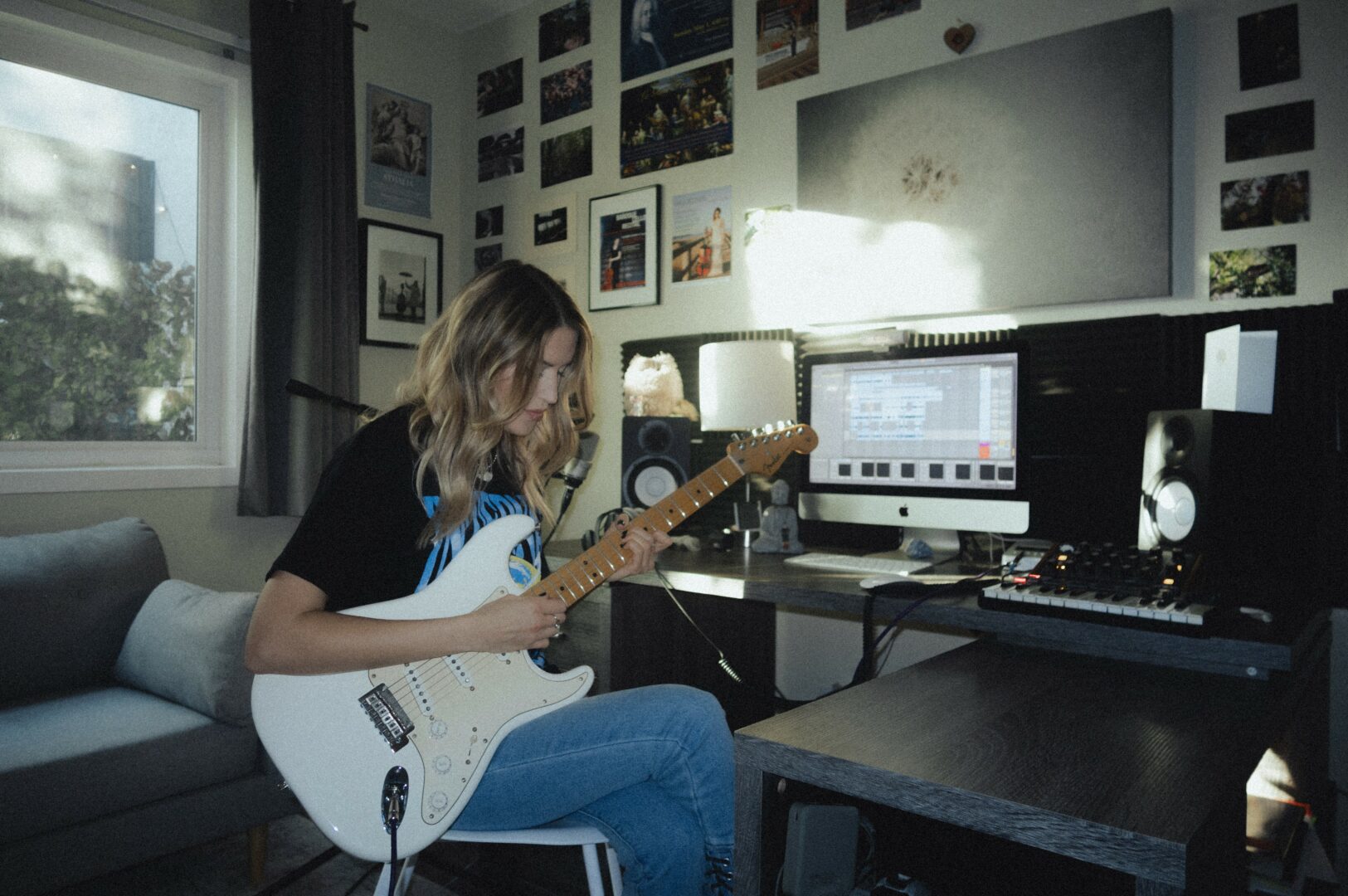
Wish on the Beat is where I create instrumental lofi beats using my large arsenal of live instruments like cello, various types of guitars, and ukulele. I’m a true DIY artist: everything from conception, writing, recording, mixing, and often mastering I do myself from my home studio. I feel that approach makes my music feel more genuine to the listener, and it’s reflected in my large listener base. Wish on the Beat has over 20 million total streams since the project launched in 2020, which feels like a massive accomplishment given these are all tracks I made solely by myself and released independently. In addition to my original music, I’ve also released a few videogame remixes on the label GameChops.
As for live performance, Wishlyst started as a DJ and I’ve spun at major venues nationwide. My sets fuse pop and hip hop into cohesive and detailed mixes with undeniable girl-power vibes. As I pivoted more towards songwriting and music production I stopped playing DJ shows, but plan to return to the stage with a new type of live show in the future.
Before Wishlyst, I was a classical cellist and music historian, earning both my Bachelor’s and Master’s of Music in Baroque Cello and performing as both a soloist and in my period instrument string quartet. My YouTube channel and Instagram, emilyplayscello, were some of the first accounts showcasing baroque music on social media in the early 2010’s, and I recorded and toured with two solo cello albums in addition to teaching cello privately. All my work in music education and classical music is under emilyplayscello and Emily Davidson.
Okay, so here’s a deep one: What part of you has served its purpose and must now be released?
Because the core of my training was in classical music, I had perfectionism drilled into me during my young and formative years as a musician. While I love classical music repertoire, the culture and training in classical music has many flaws. The obsession with perfection and suppression of individuality made for a toxic learning environment, and I watched many of my colleagues in school eventually leave the field. Coupled with the reality that a career in classical music is incredibly challenging and underpaid, the perfectionism doesn’t even serve a meaningful purpose.
When I began writing and releasing my own music independently, I was shocked to discover that the least polished and “perfect” tracks were the ones resonating with the most listeners. I had to learn to override the hypercritical part of my brain and just follow through with finishing and releasing music, and the results spoke for themselves. I didn’t have to gatekeep my music because of unrealistic standards—I could share what I was making with the world and let the intention speak for itself.
What have been the defining wounds of your life—and how have you healed them?
I’ve faced rejection and disapproval all throughout my music career. At around age 15 I decided I wanted to pursue classical cello as my career, and I was told I was already “too late” since I hadn’t been studying cello privately long enough. Despite that, I was accepted to music school as a Cello Performance major, but at school I was seen as an underdog with a lot of catching up to do. I continued to work against the odds, got accepted to a Master’s program in Baroque Cello, and finally “caught up” by the time of my graduation. I went on to have a thriving career; I founded a string quartet that toured nationally and did major radio appearances, recorded and toured two solo albums, and hit major milestones on YouTube and Instagram at a time where baroque music was rarely featured online. Despite these accomplishments and gaining tens of thousands of followers, there were always people looking to tear me down (particularly in the comment section).
When I began to pivot to songwriting and music production in 2017, I still faced adversity. I went to songwriting sessions for songs that never came out and recorded dozens of vocals for other producers who never finished the songs. I was promised publishing deals and opportunities by highly successful people in the industry, only to have those never come to fruition. After trying to play the game, I decided to focus on my own independent output—writing, producing, mixing, and often mastering tracks myself—and that’s when I started to see success. I’ve learned that at least for me, trying to impress important people or gain approval has rarely led to success. Authenticity and unapologetically sharing my voice with listeners has made the biggest impact on my career.
So a lot of these questions go deep, but if you are open to it, we’ve got a few more questions that we’d love to get your take on. Is the public version of you the real you?
All artists deal with the dichotomy between their personal and professional identity. Especially now, as I’m becoming a mother for the first time, I’m fostering new parts of my identity that will eventually shape my approach as an artist. Great artists are multi-dimensional and offer a relatable piece of themselves on many different levels. While Wishlyst has been more of an edgy, heartbreak-focused artist from conception, the approach began to shift and reveal new sides with my recent cover of Elvis Presley’s classic, “Can’t Help Falling in Love.” Wish on the Beat has more of a comforting, reflective vibe, though tracks range from darker neoclassical influences to sweet and light acoustic writing. While fans and listeners often relate to or register a certain type of identity from an artist, there are always multiple layers behind what an artist presents as and who that artist is personally.
Okay, so let’s keep going with one more question that means a lot to us: What do you think people will most misunderstand about your legacy?
I’m often praised for my confidence or fearlessness, but no one is without self-doubt and fear. My rigorous training in classical music taught me to overcome my fear as often as I can, and my journey as an independent artist taught me the importance of self-belief. I have my self-conscious moments and personal doubts like anyone else, but I highly value the ability to set those aside and let my art and expression speak for itself. You will always have people who don’t enjoy what you do or make, no matter the quality or esteem. I’ve chosen to tune those voices out and focus on my personal calling and the people who appreciate my music and approach.
Contact Info:
- Website: http://wishlystmusic.com
- Instagram: https://instagram.com/wishlystmusic
- Facebook: https://facebook.com/wishlyst
- Youtube: https://youtube.com/wishlyst
- Other: Wishlyst on Spotify: https://open.spotify.com/artist/31Cf1kpnuoNrrMvX87ptet?si=pZSNSLGjRCiquk_zwtBBpg
Wish on the Beat on Spotify: https://open.spotify.com/artist/6pqaQndc45GeiCGUNsk3Gc?si=XDcpyZkTT8Wl6T01OMm9rA
Emily Davidson on Spotify: https://open.spotify.com/artist/4U2ufR0Ma24ITADCqZg20A?si=SBfCqn17SIuqYuMJpXfuRQ
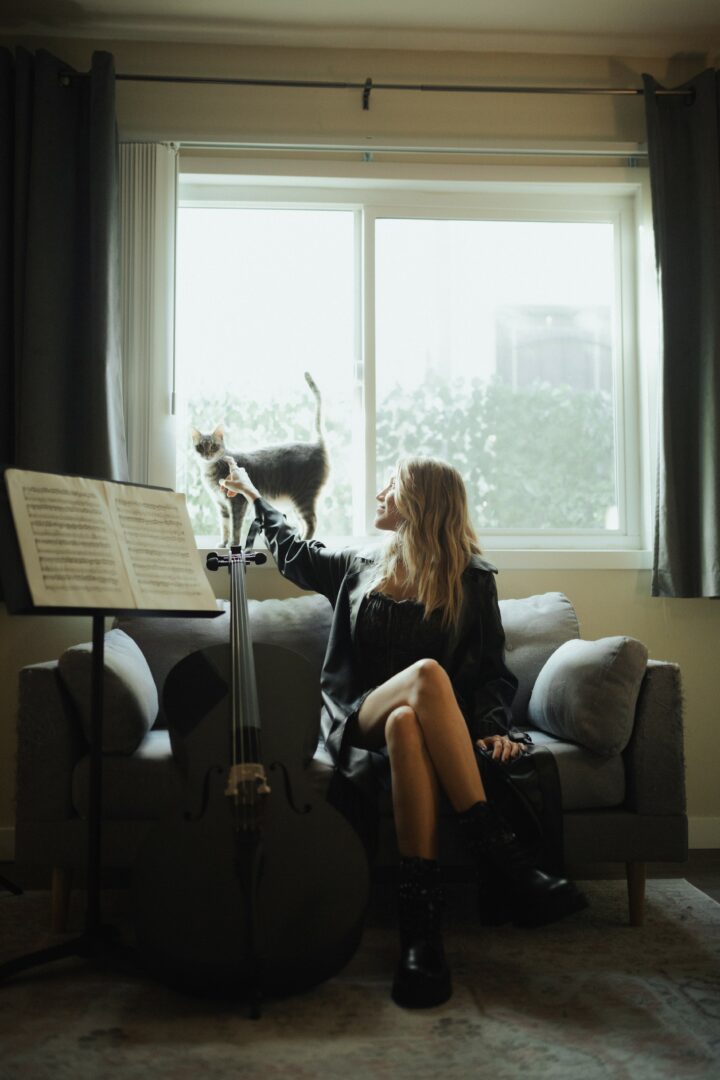
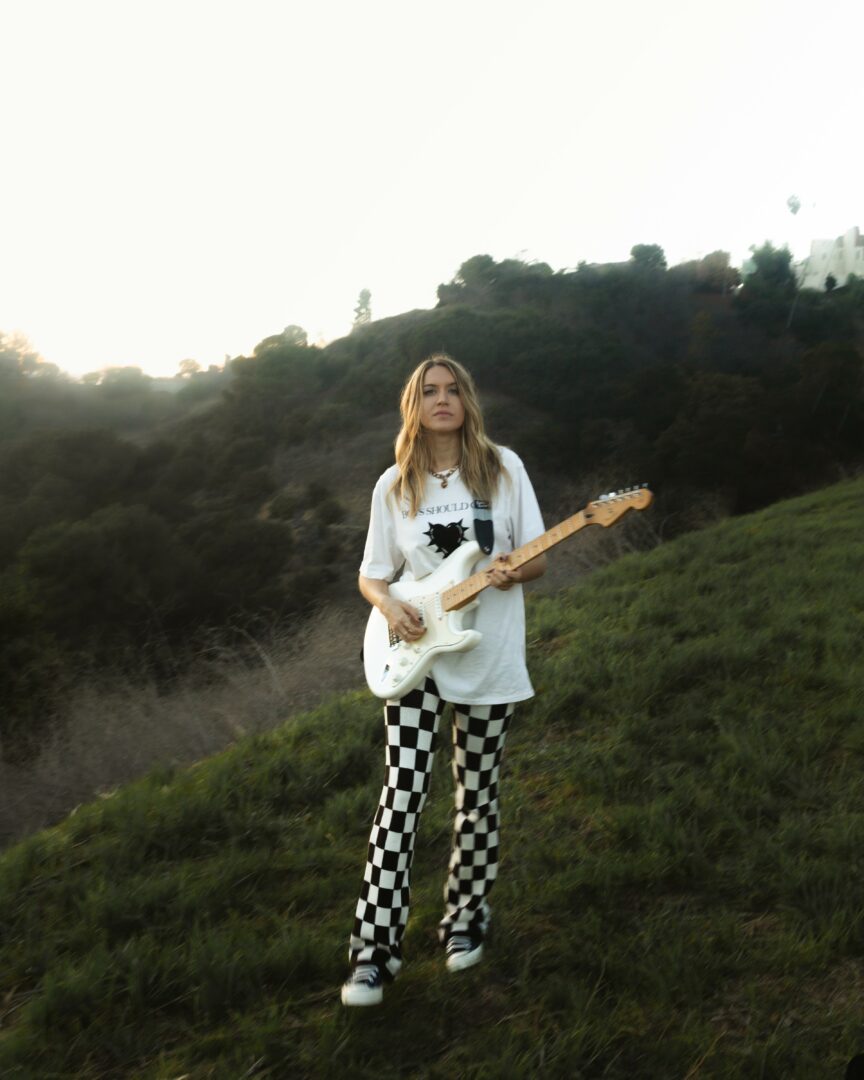
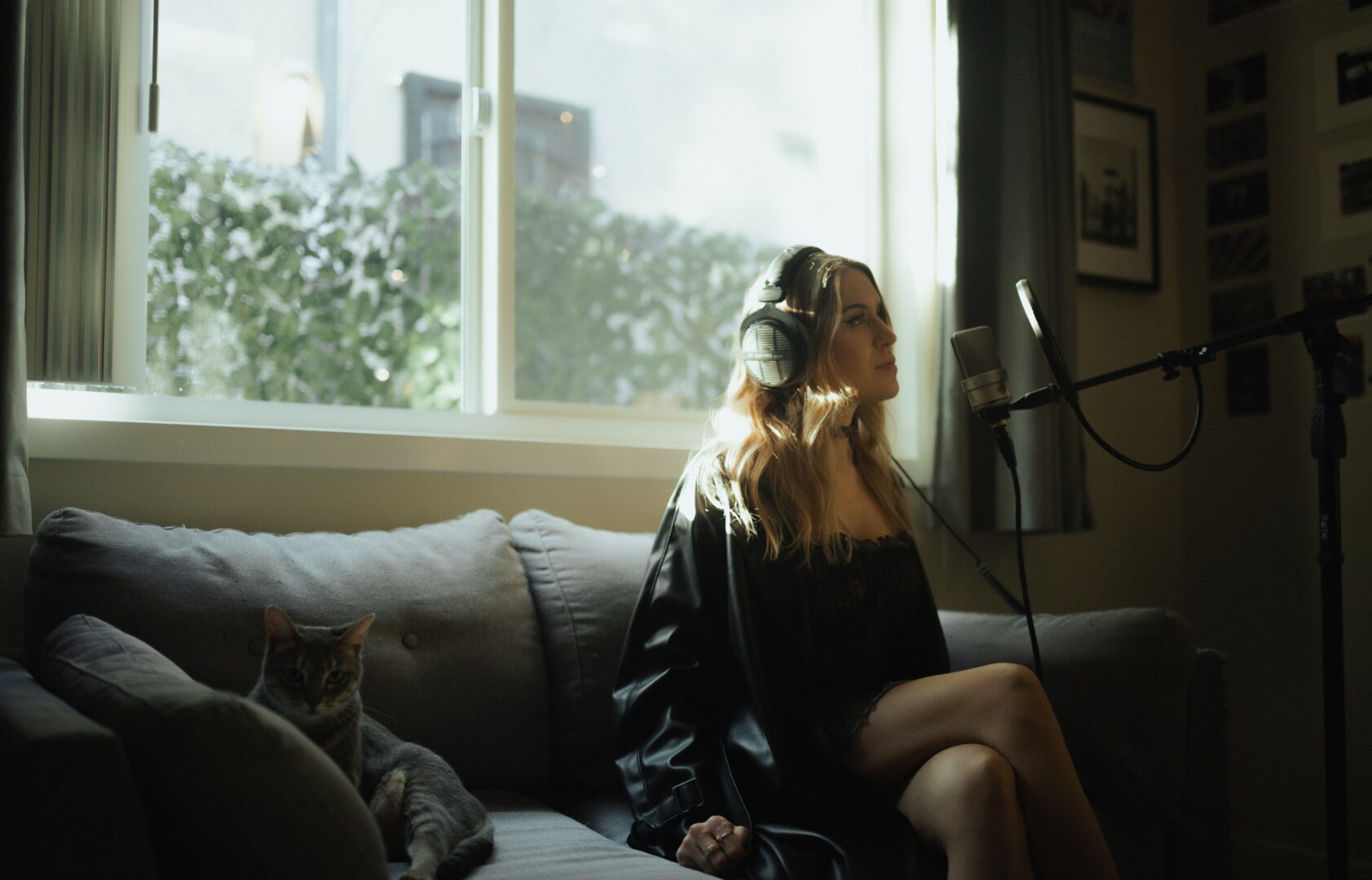


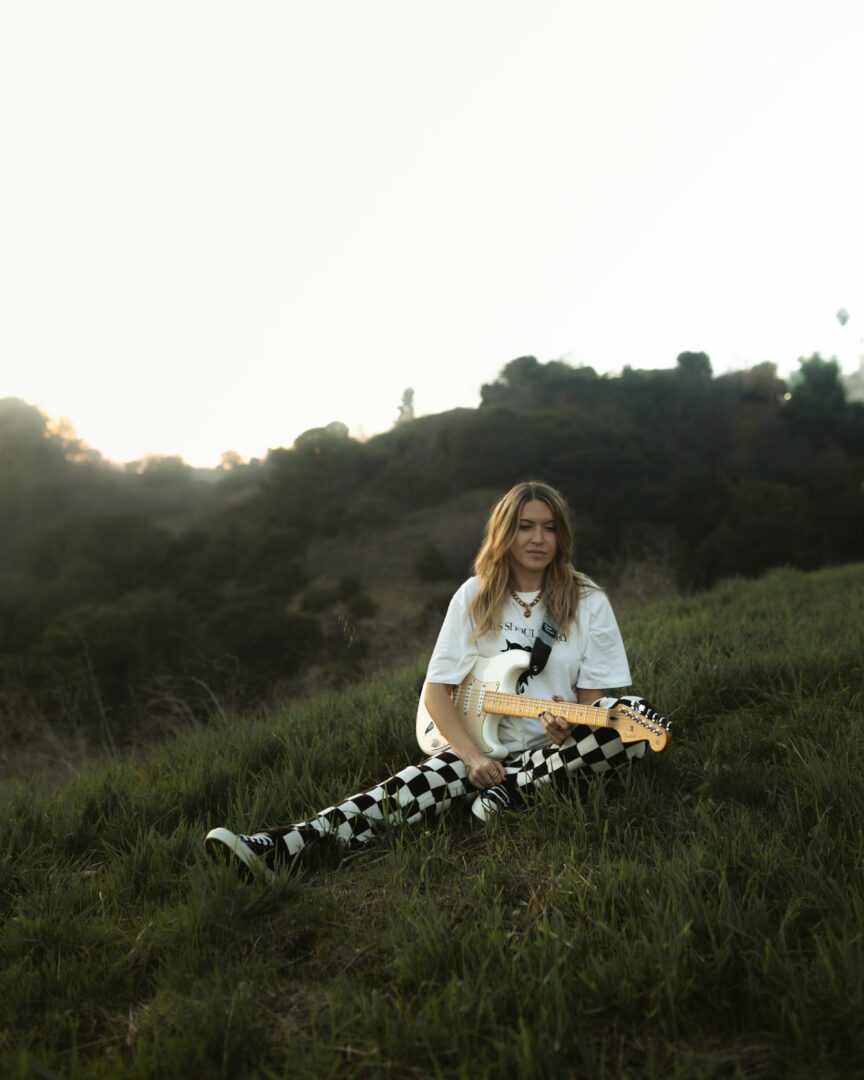
Image Credits
Photo Credit Aanya Nigam
so if you or someone you know deserves recognition please let us know here.