We recently had the chance to connect with Farrukh Addnan and have shared our conversation below.
Good morning Farrukh, we’re so happy to have you here with us and we’d love to explore your story and how you think about life and legacy and so much more. So let’s start with a question we often ask: Are you walking a path—or wandering?
Yes, absolutely—I am walking a path.
It is a path of investigation, of observing how life is constantly transforming around us. The world is changing rapidly, shaped both by human interaction and by natural forces, and I feel compelled to stay attentive to these shifts. To walk in the right direction, I need to keep exploring, looking closely, and questioning what I see.
For me, wandering is not a distraction from the path; it is an essential part of it. Wandering allows me to pause, to look at things differently, especially in a world where meanings often feel fixed and predetermined. By wandering, I can unsettle those fixed meanings and open space for new interpretations.
So yes, I walk a path—but I also wander. And it is through wandering that I find clarity, depth, and a more honest sense of direction.
Can you briefly introduce yourself and share what makes you or your brand unique?
I am a visual artist whose practice is rooted in observing change—both in nature and in our social behaviors. My work grows out of a continual studio practice, where looking, reflecting, and making are ongoing processes rather than fixed outcomes. I am deeply interested in how the world around us is transforming, often in ways that feel unstable or uncertain.
What feels most central to my work is an exploration of our fragile and shifting relationship with the world we inhabit today. I am drawn to moments of transition—where familiar structures begin to dissolve and new meanings are not yet fully formed. Through my practice, I am not only examining these transformations but also trying to position myself within them, using art as a way to cope, understand, and respond.
My work is less about offering clear answers and more about holding space for uncertainty, change, and reflection—inviting viewers to pause and consider how they, too, are navigating this ongoing state of transformation.
Amazing, so let’s take a moment to go back in time. What was your earliest memory of feeling powerful?
My earliest memory of feeling powerful comes from looking at and experiencing the ruins of Tulamba. Standing among those remains, I felt the strength of the place, its deep sense of time and presence. In that moment, the power of the ruins and my own sense of self felt connected. Being there made me aware that history, land, and memory carry an energy that can shape us, and I felt powerful simply by being able to sense and respond to it.
What have been the defining wounds of your life—and how have you healed them?
One of the defining wounds of my life has been learning to accept when things do not align with my will. Letting go is never easy—there is always resistance, attachment, and pain in that process. But over time, I have realized that holding on too tightly can deepen the wound rather than heal it.
My way of healing has been to say goodbye—to people, situations, or expectations—when they no longer serve my growth. In letting go, I create space to explore new directions and possibilities that I had not seen before. This turning away from what was fixed allows me to move toward what is still becoming.
Through this process, I have learned to concentrate, to trust myself, and to believe in my own resilience. Healing, for me, does not mean erasing the wound, but transforming it into a source of openness, movement, and quiet strength.
Next, maybe we can discuss some of your foundational philosophies and views? What’s a cultural value you protect at all costs?
A cultural value I protect at all costs is respect for culture itself. For me, culture is essential because it shapes who we are and gives us a sense of identity. It carries knowledge, memory, and ways of living that are continuously expanding rather than fixed. Culture grows with time—it breathes, it changes, and it remains alive.
Through culture, we understand where we belong—our histories, our communities, our differences of race and color—and also how we connect to others. When we truly respect our own cultural values, we learn how to value the cultures of others as well.
I believe this mutual respect is what allows harmony to exist. It opens up space for learning, exchange, and deeper understanding between different cultures, and it is something I hold onto with great care.
Thank you so much for all of your openness so far. Maybe we can close with a future oriented question. Are you doing what you were born to do—or what you were told to do?
Yes, absolutely—I feel that I am doing what I was born to do. I find this artistic direction returning to me again and again throughout my life, as a form of self-exploration and inner necessity. It is not something I chose because it was fashionable or expected, but because it continues to call me back.
I am not a person who follows trends in my profession, yet I remain deeply aware of the time I live in. I keep myself responsive to the present, allowing my work to evolve with changing contexts while staying true to my own voice.
My mentors encouraged me to continue working, to stay committed to the process, and that guidance helped me trust this path. In the end, it feels less like following instructions and more like listening—to myself, to time, and to the work that insists on being made.
Contact Info:
- Instagram: https://www.instagram.com/farrukhaddnan/
- Linkedin: https://www.linkedin.com/in/farrukhadnan/
- Facebook: https://www.facebook.com/farrukh.adnan
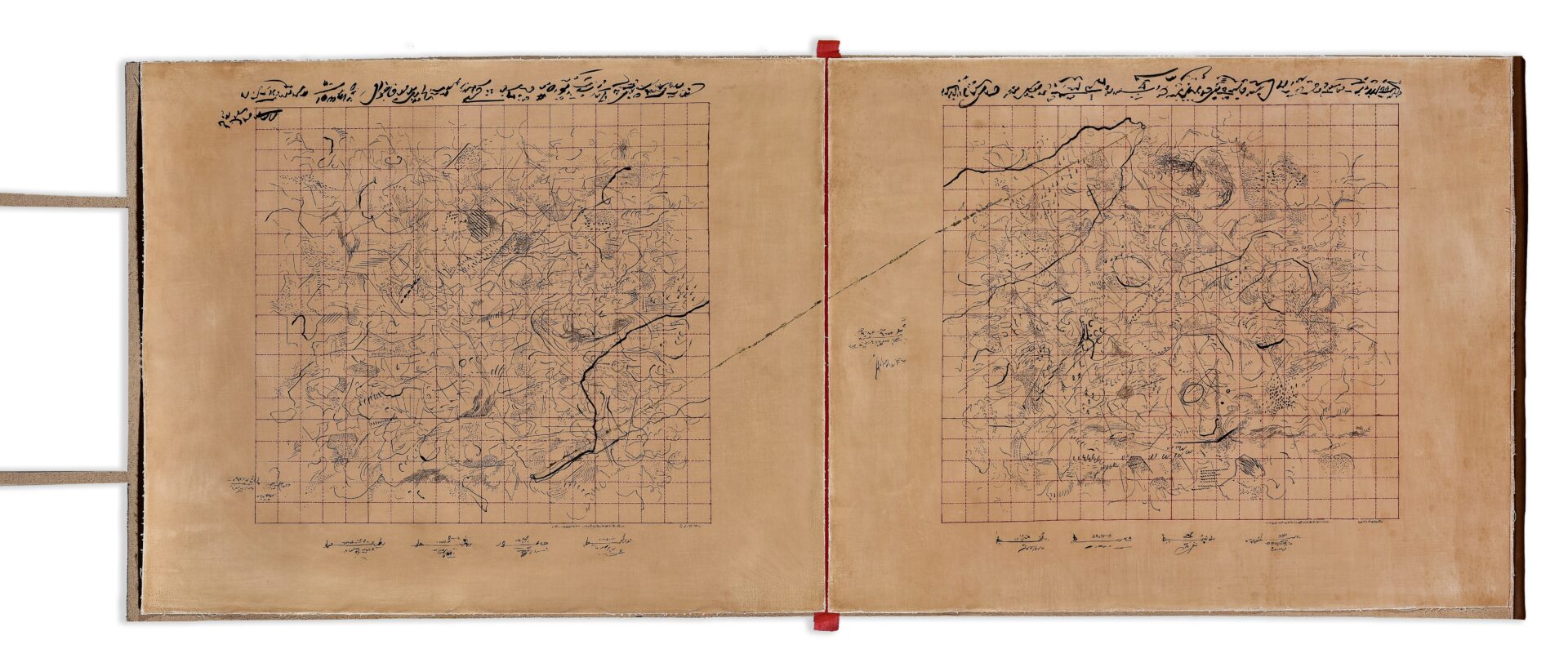

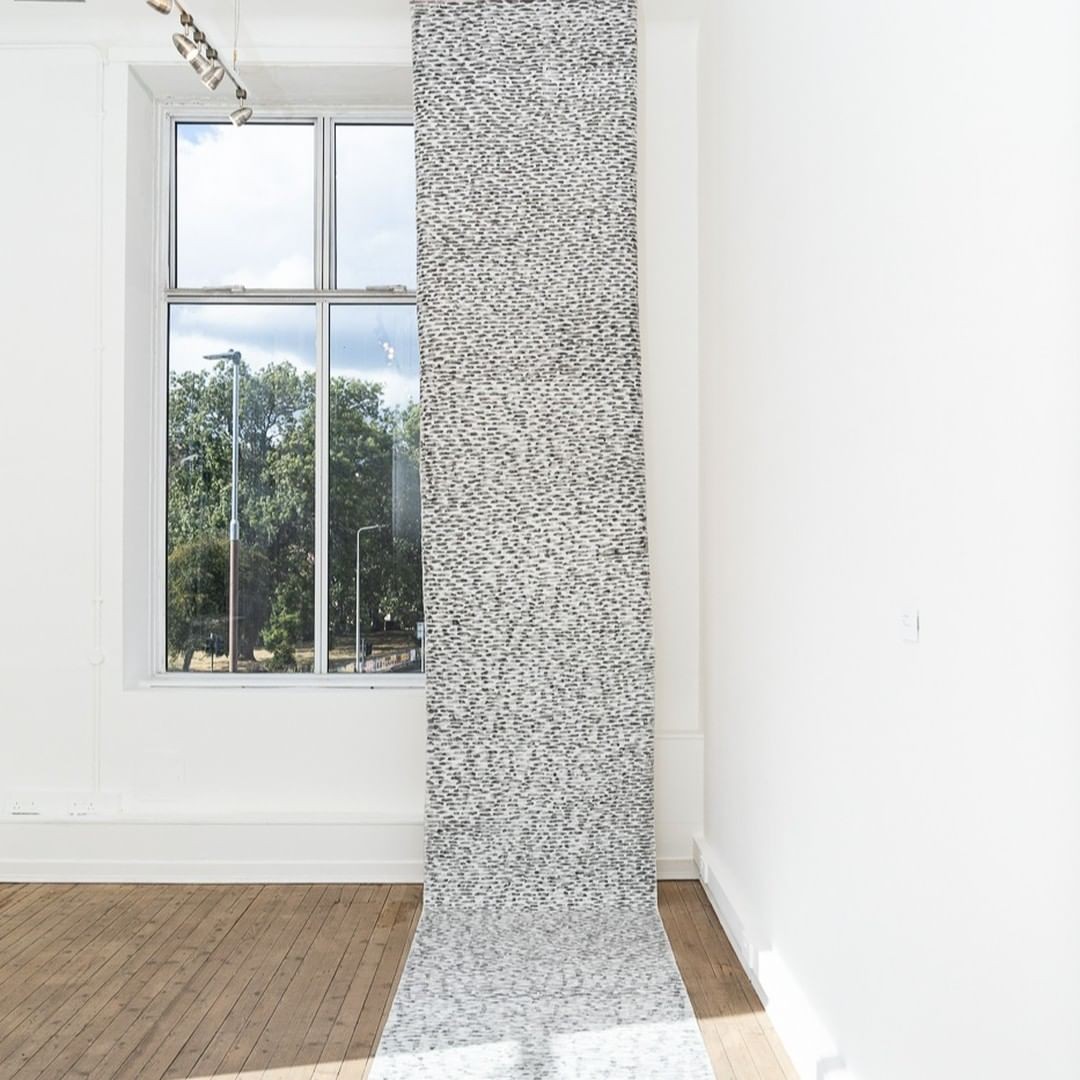
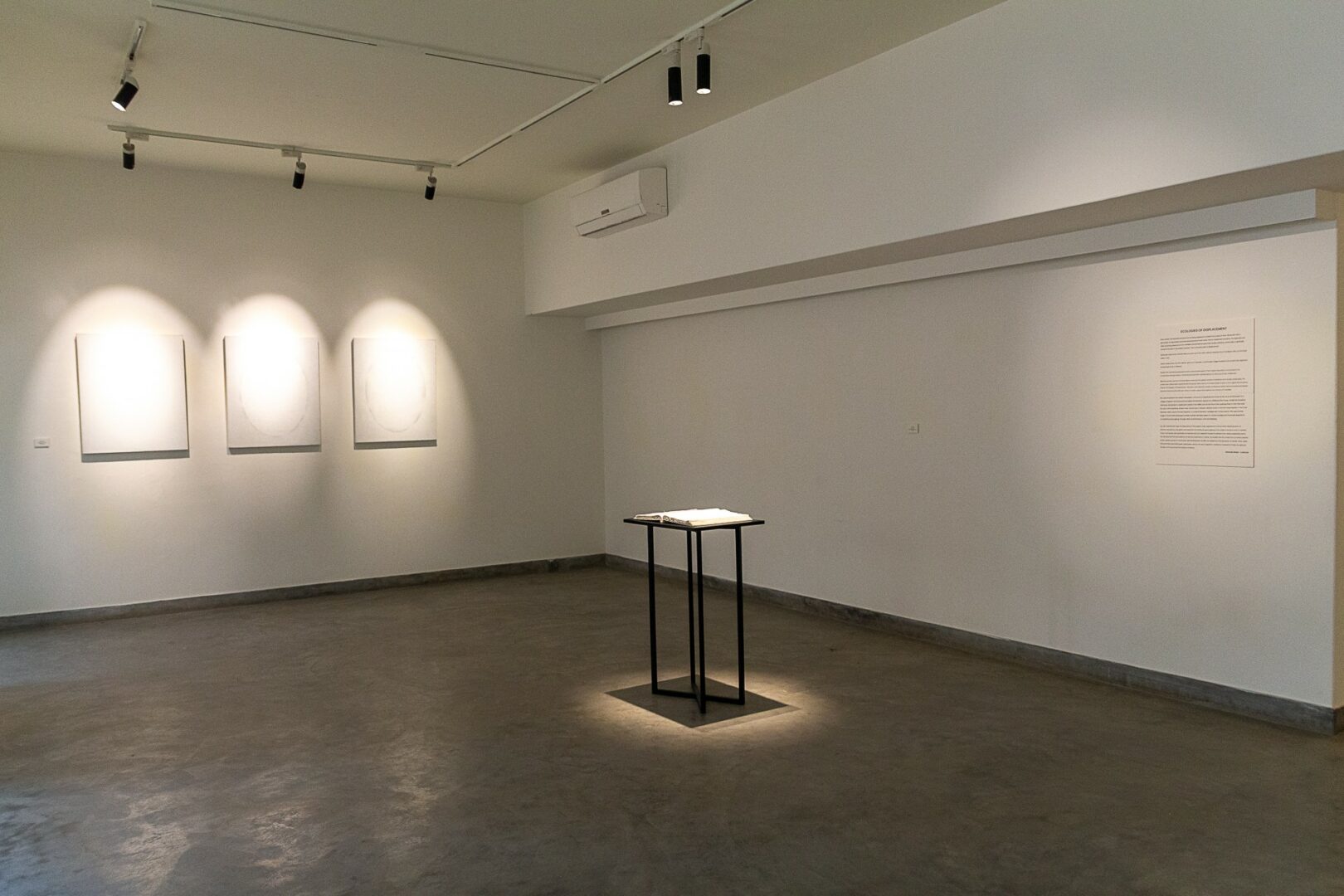
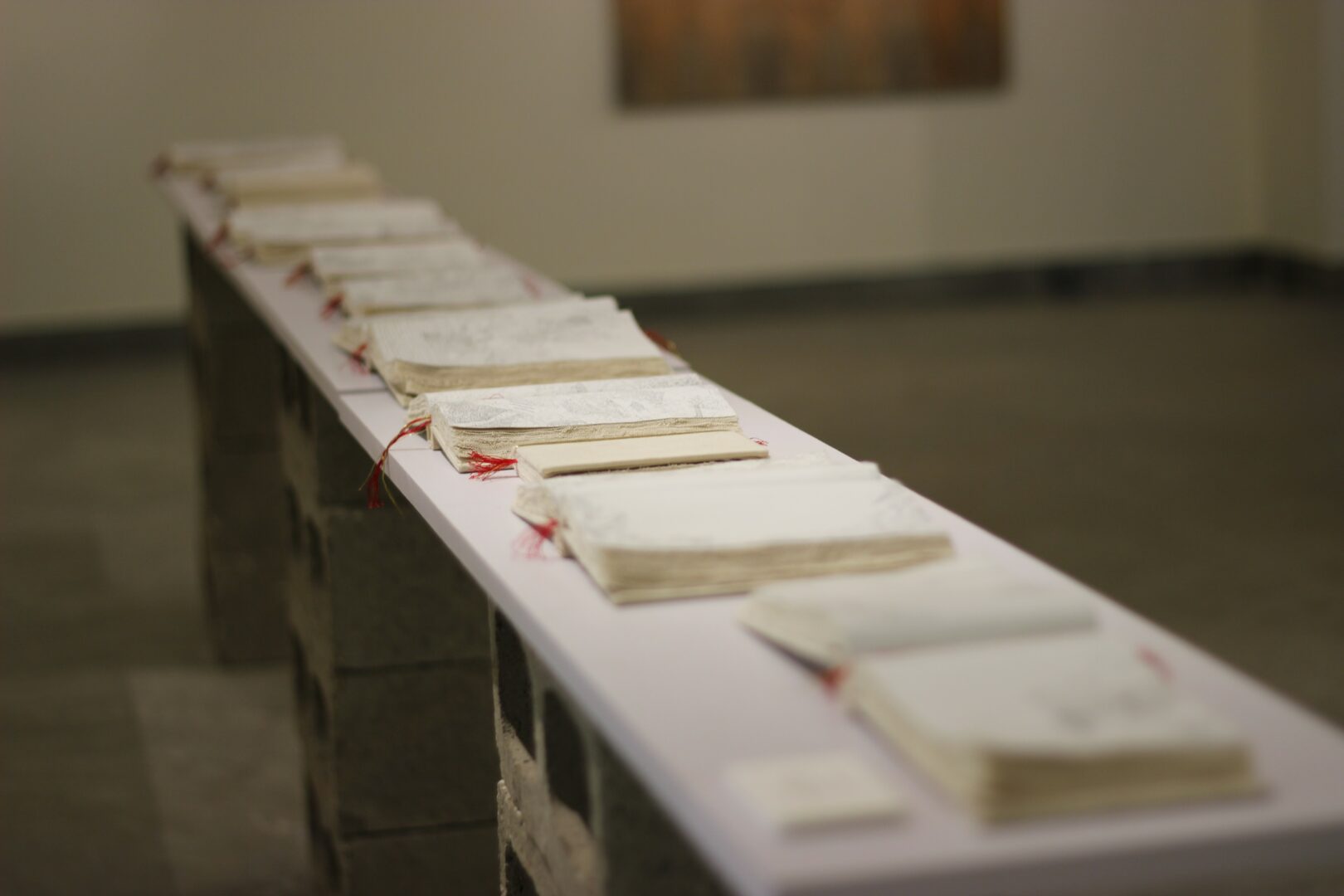
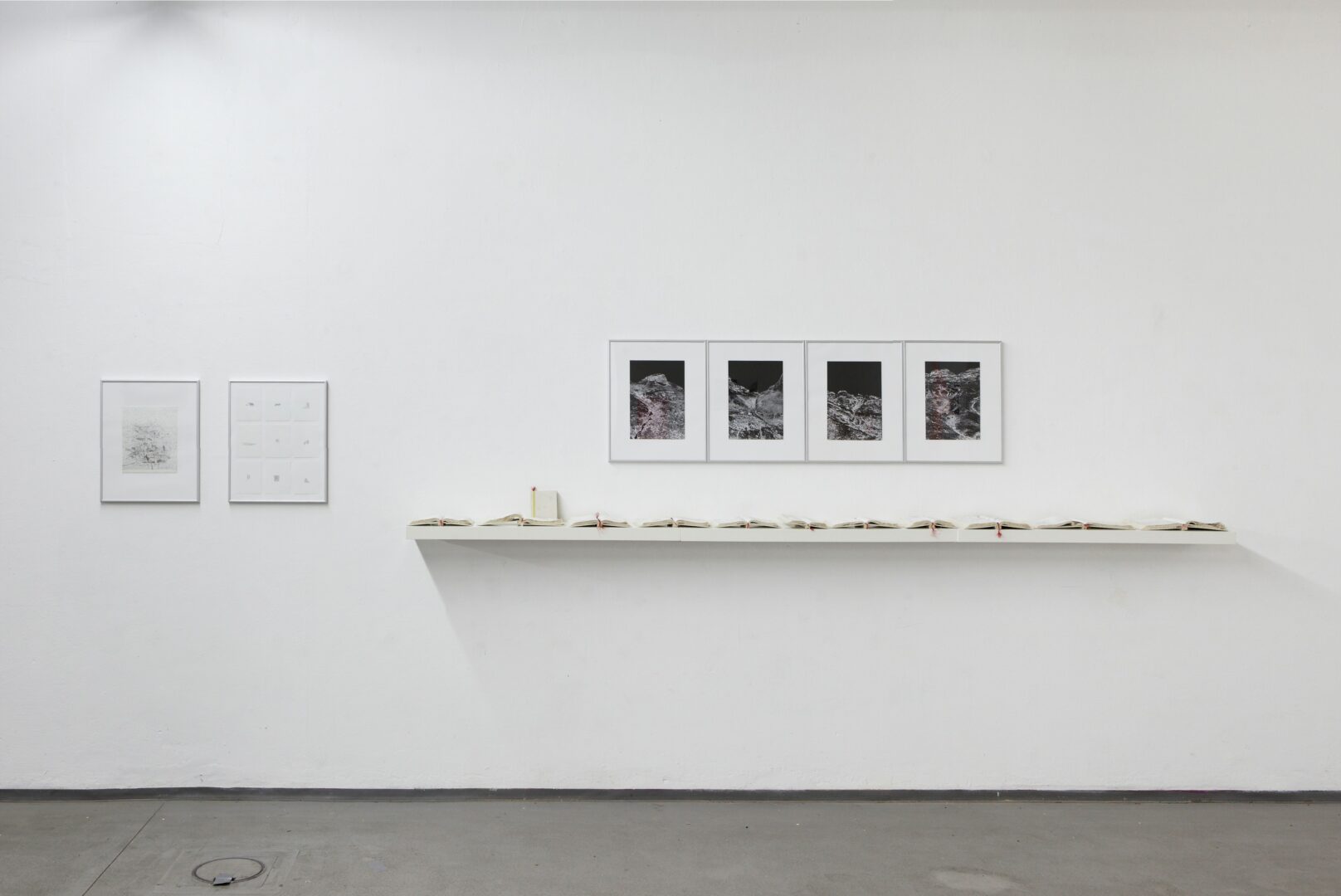
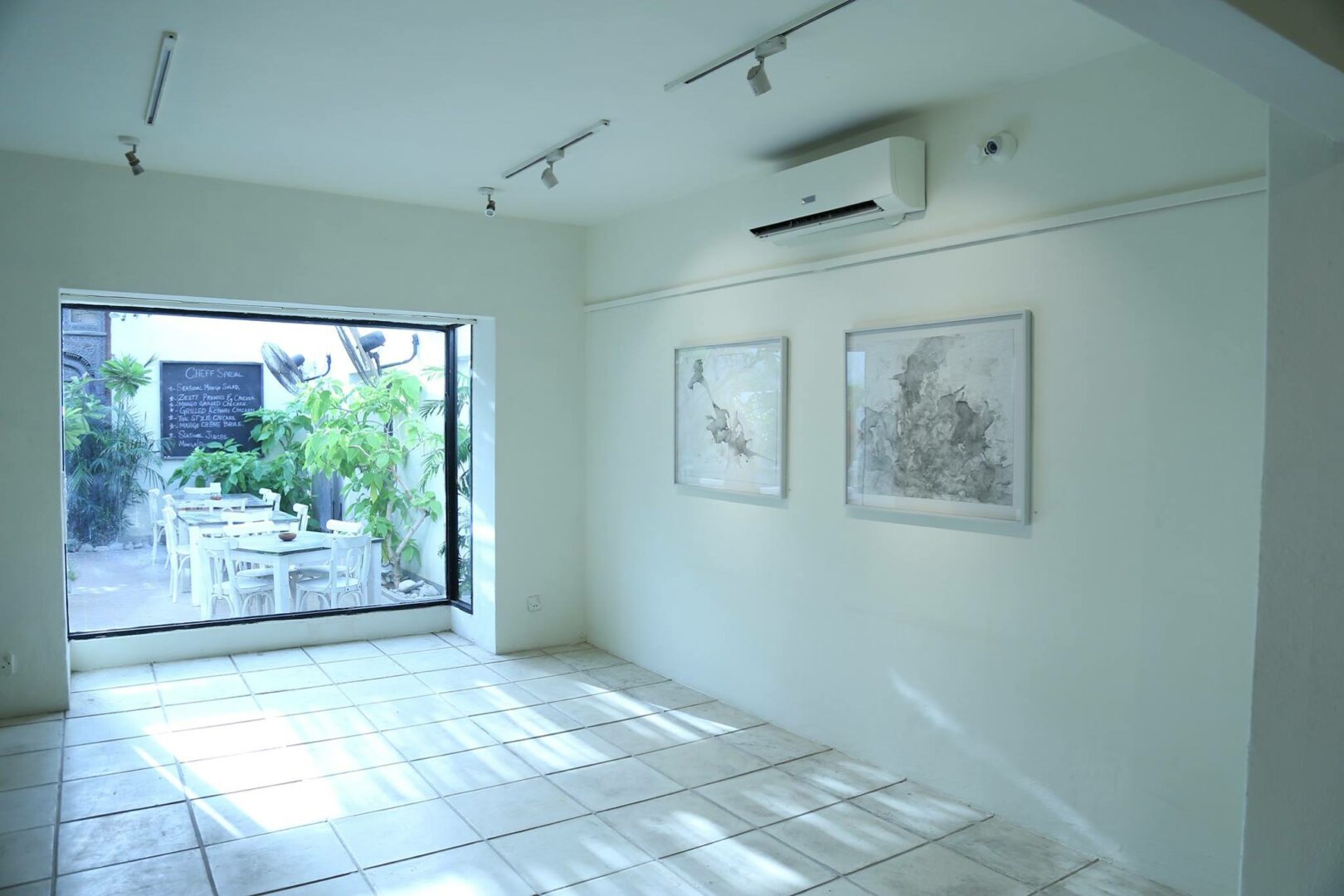
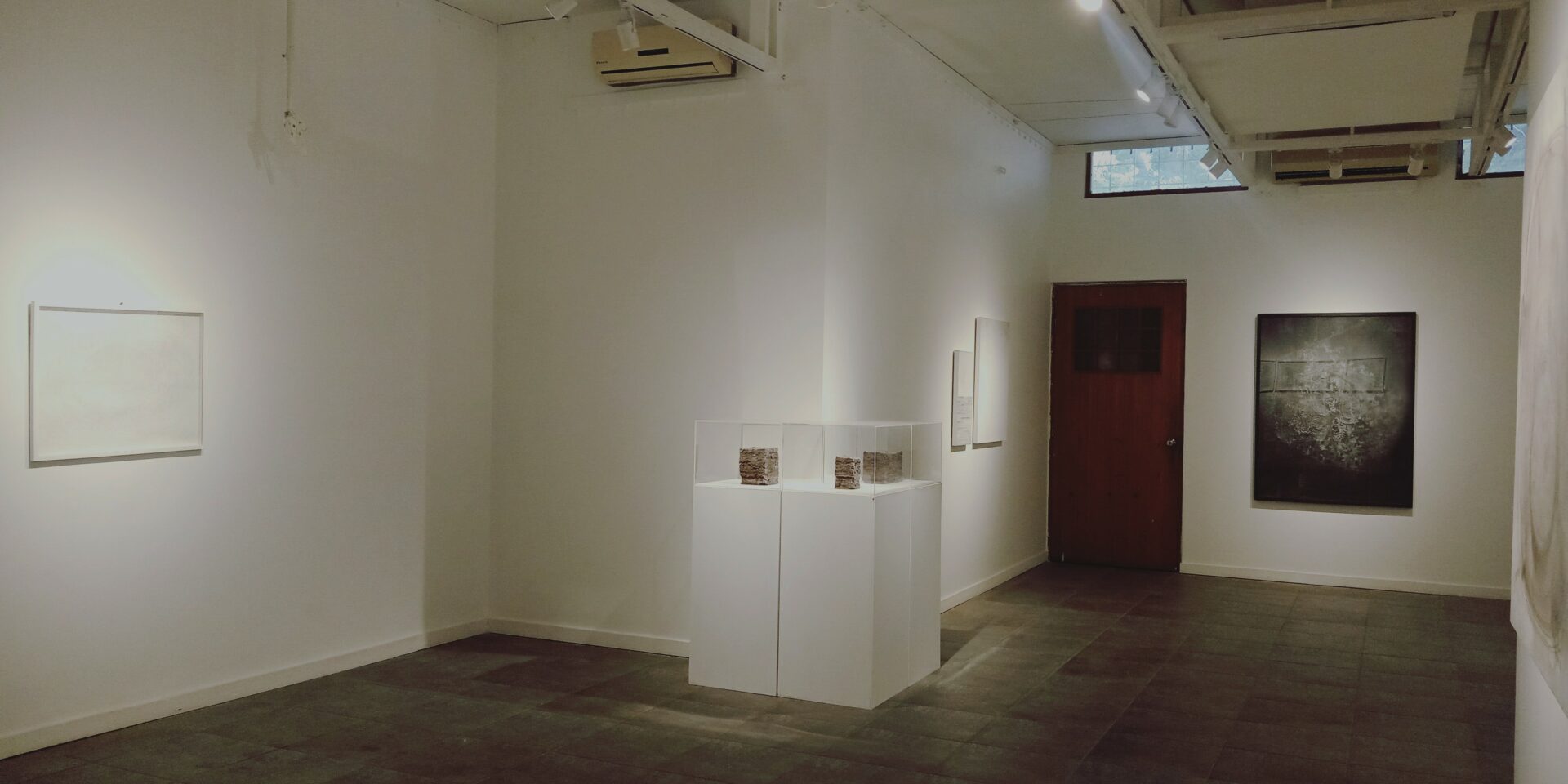
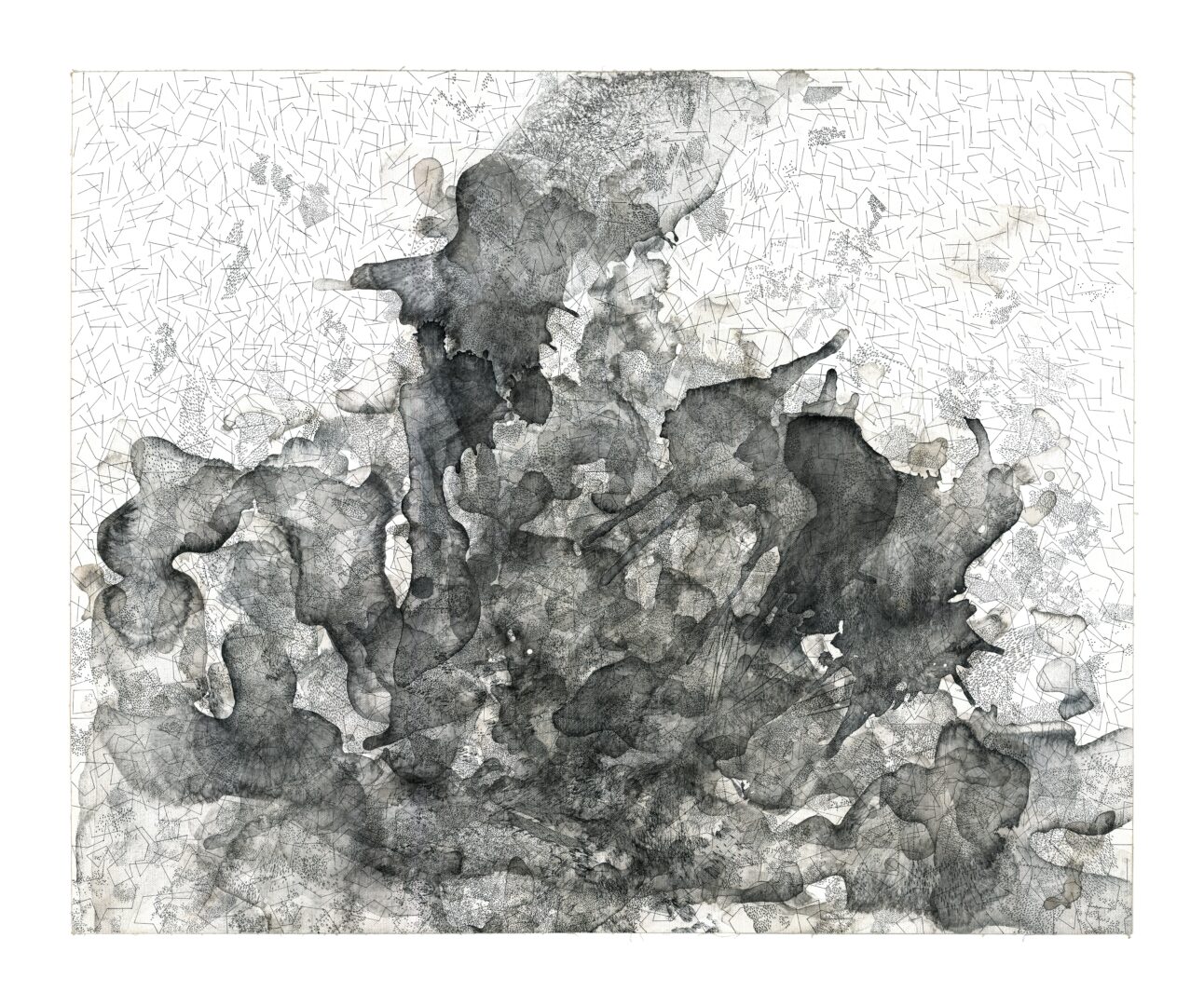
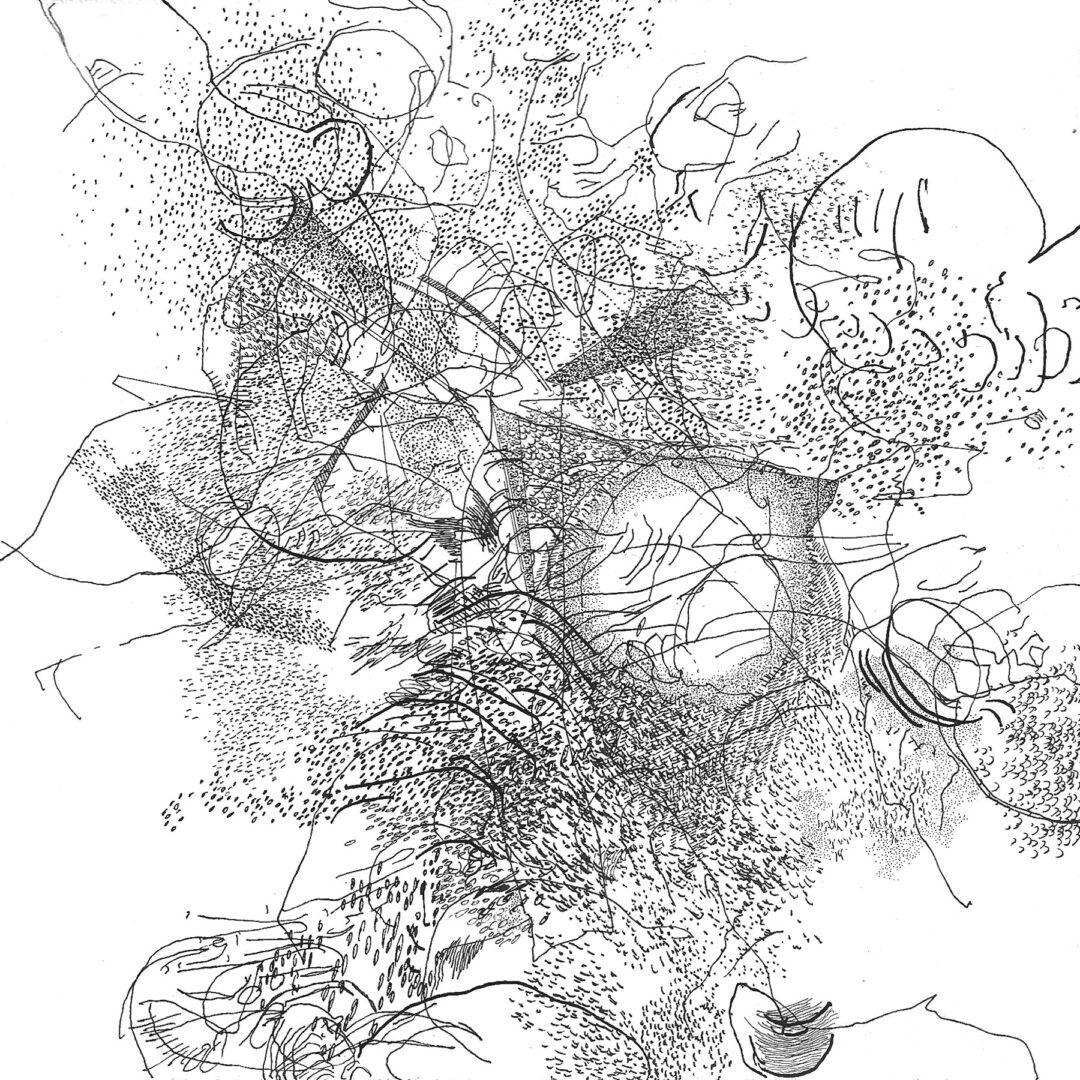
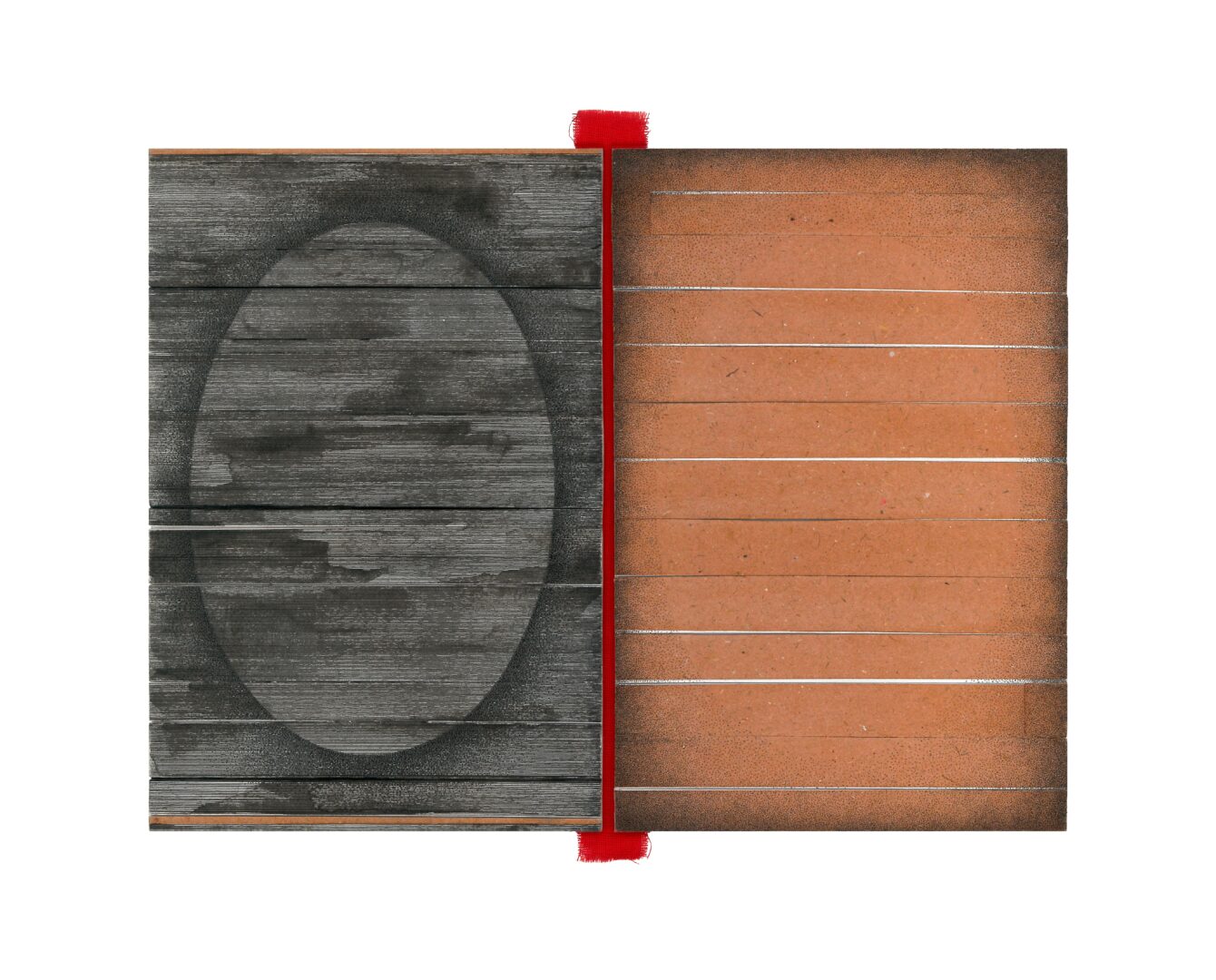
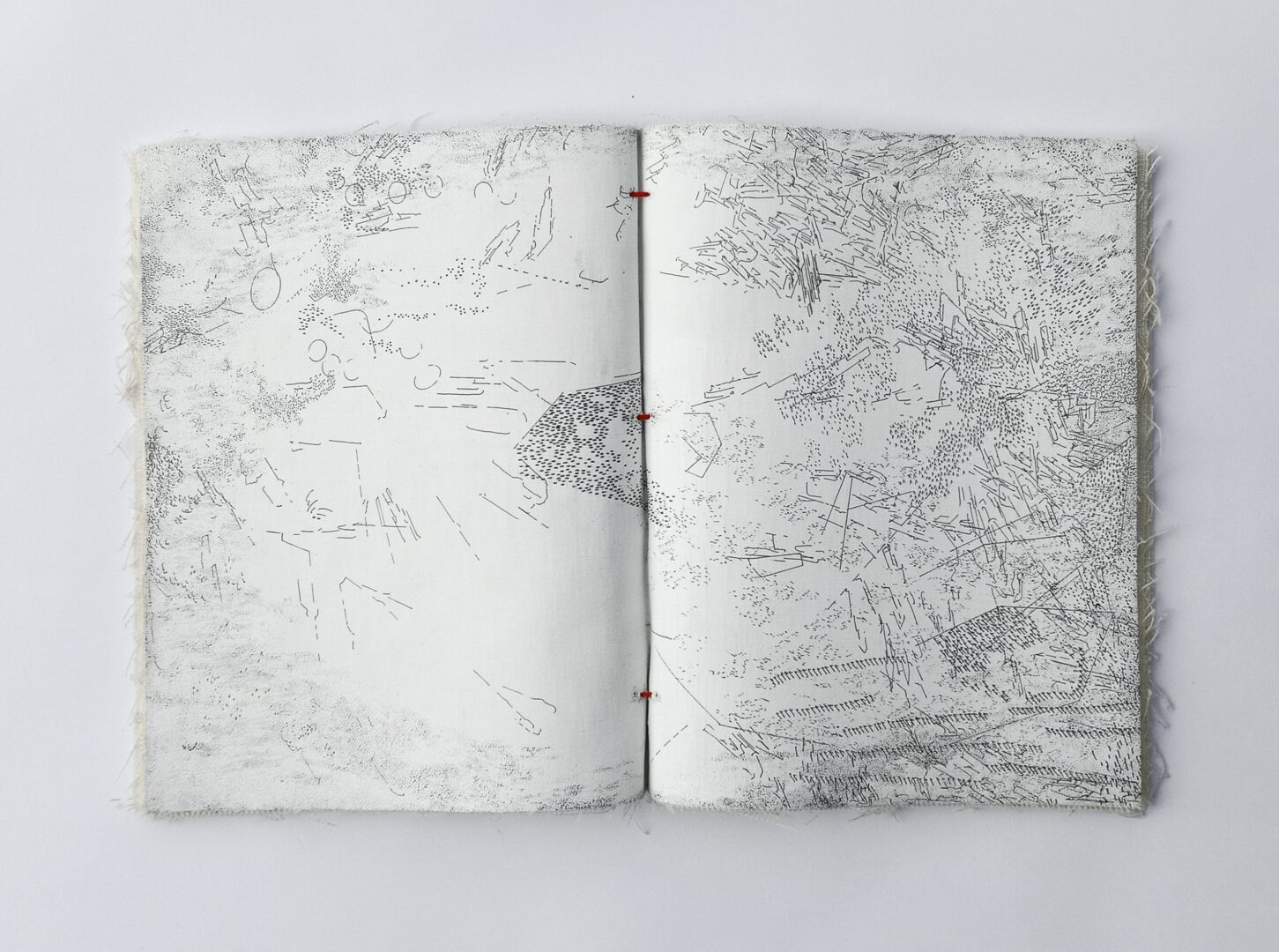
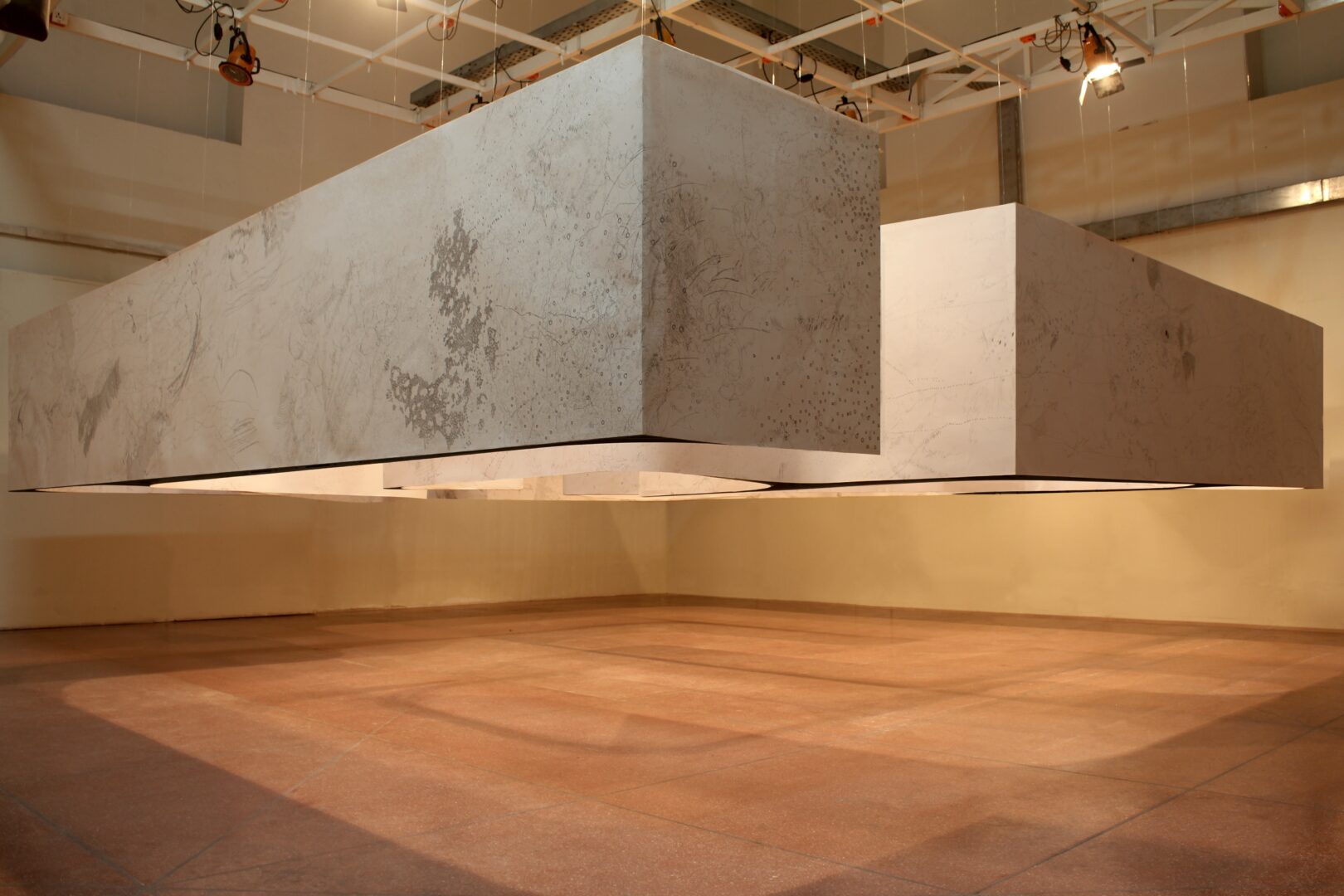
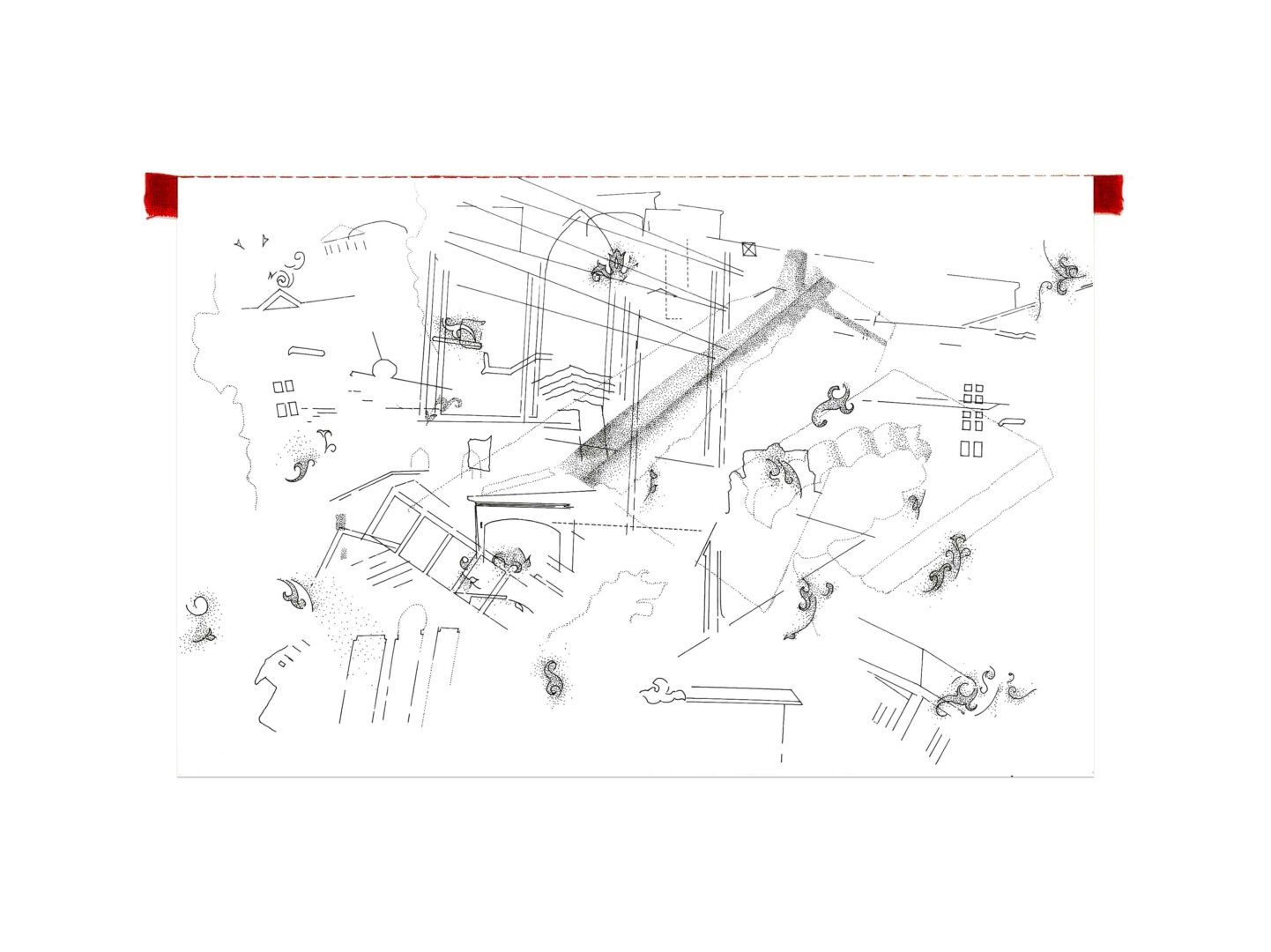
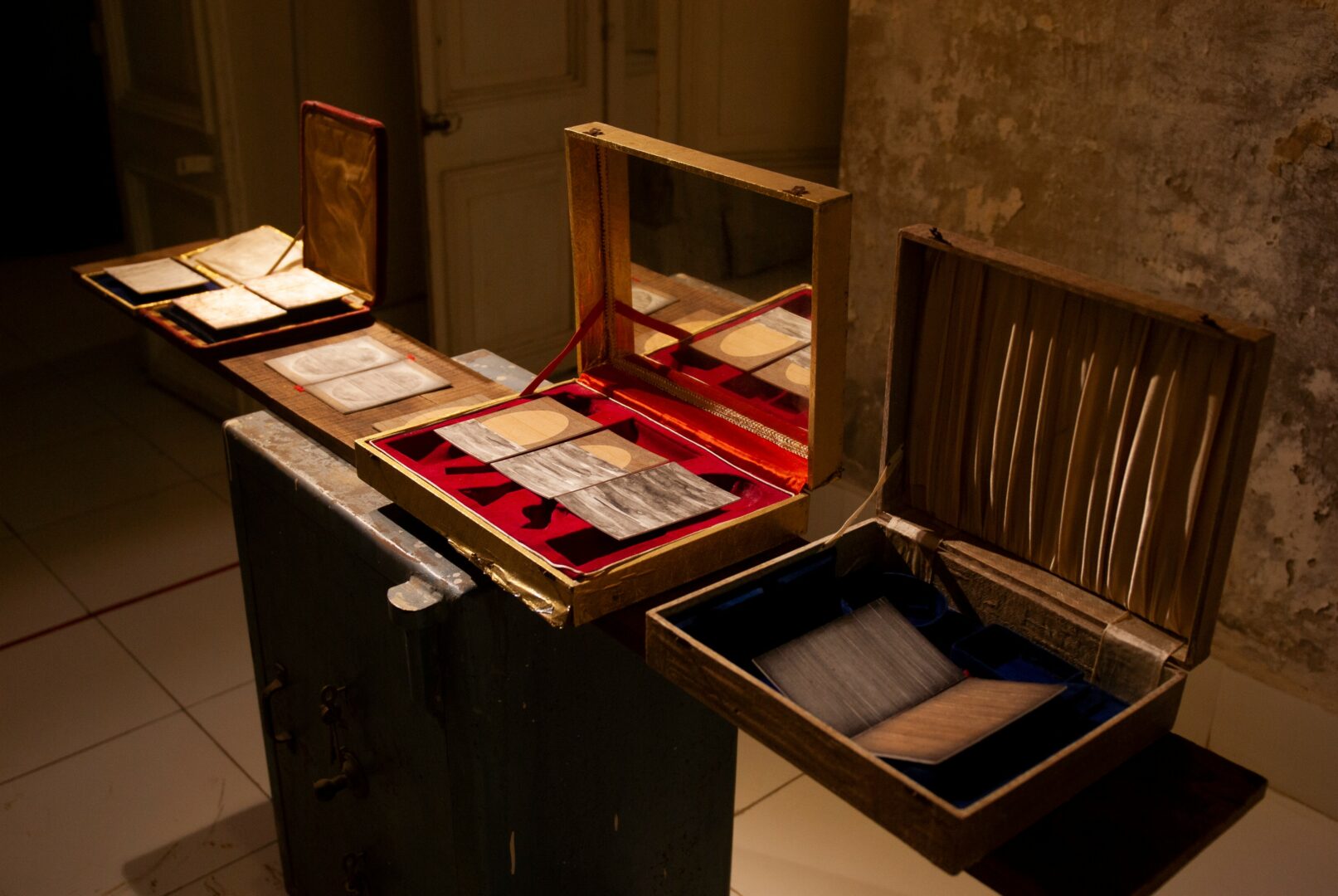
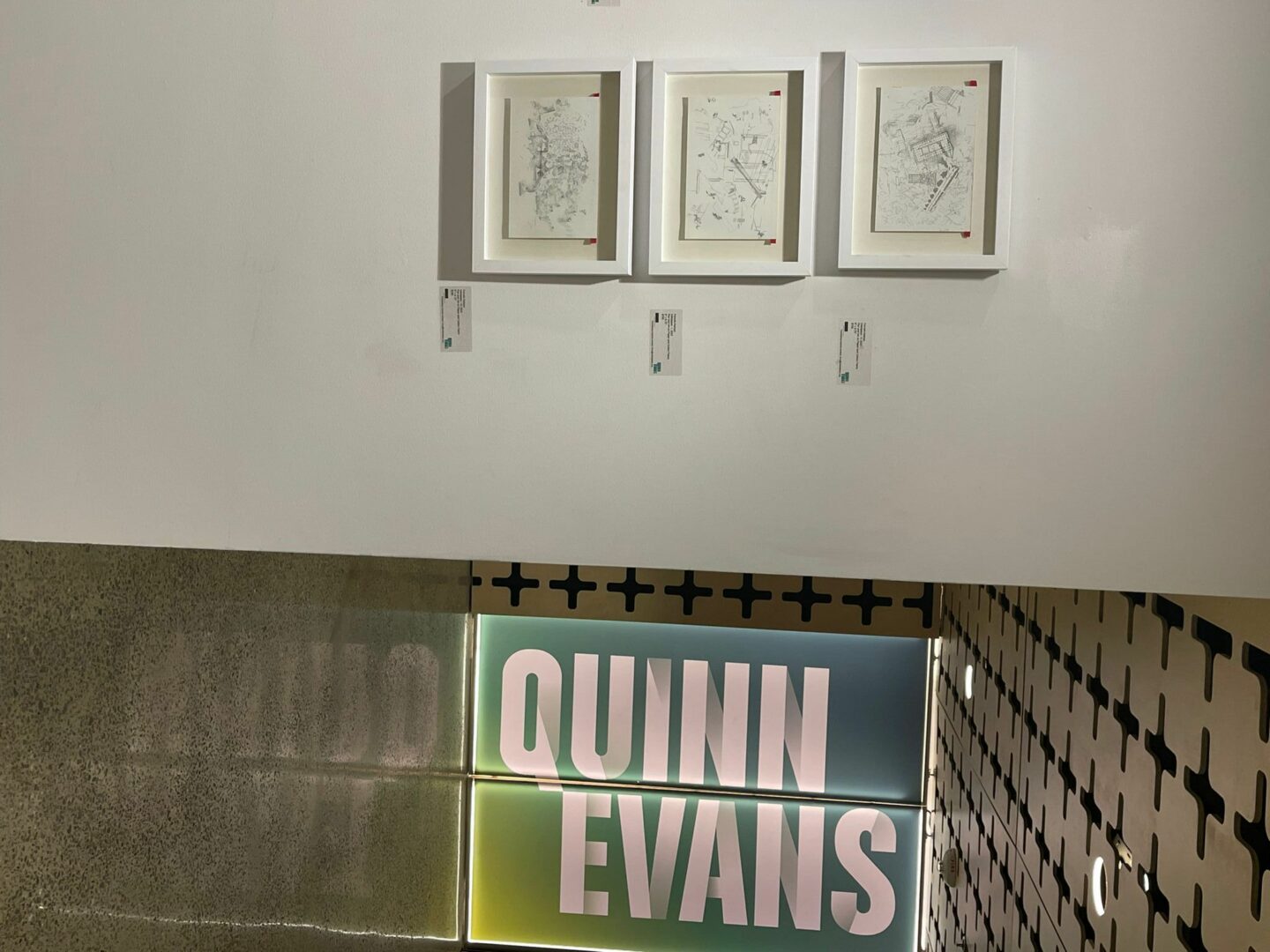
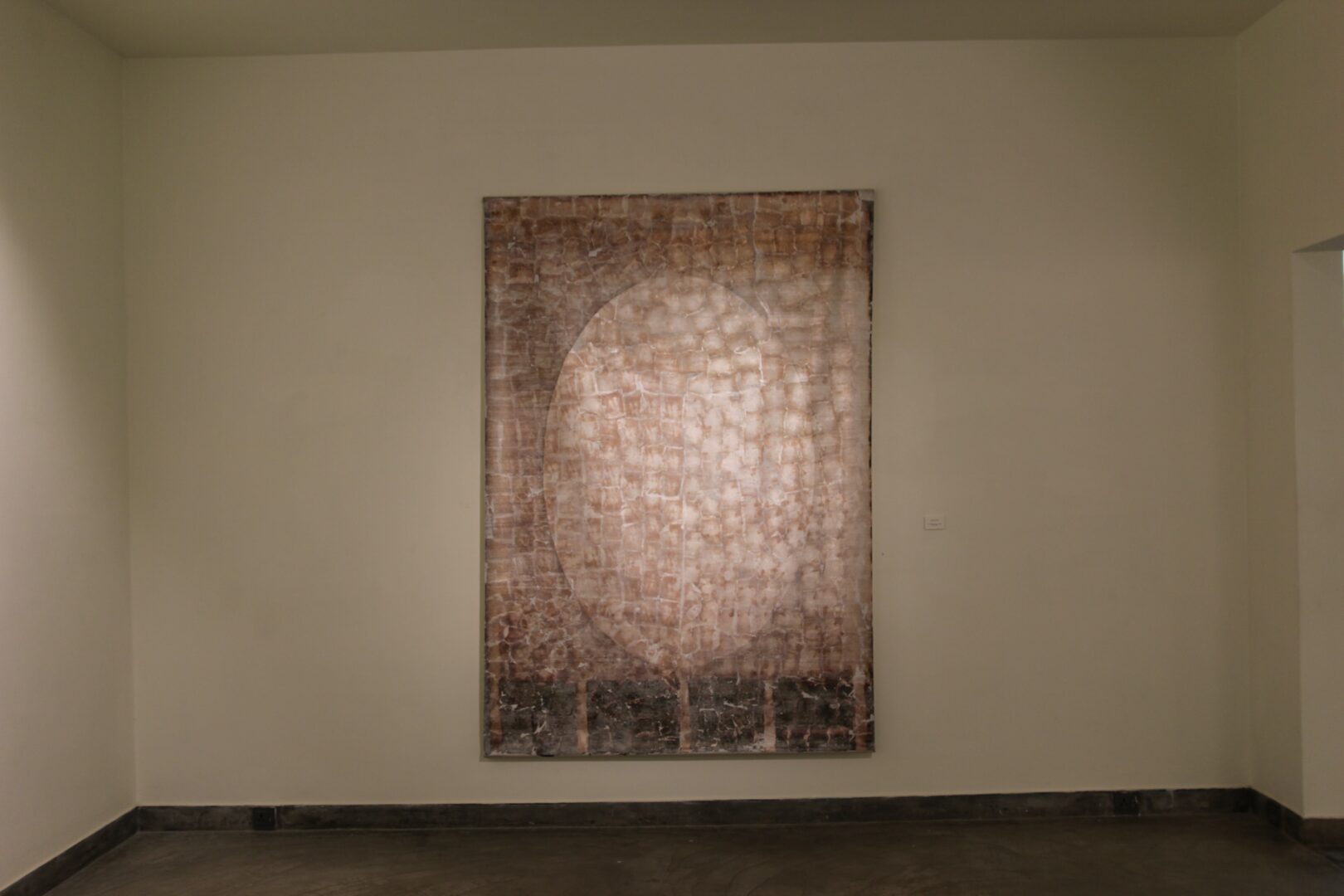
Image Credits
Koel Gallery, Karachi
Rohtas 2 Gallery, Lahore
Meadows & Corner Galleries, Summerhall, Edingburh, UK
Motorenhalle Dresden, Germany
Beaconhouse National University, Lahore
11 Temple Road, Mozang, Lahore
so if you or someone you know deserves recognition please let us know here.