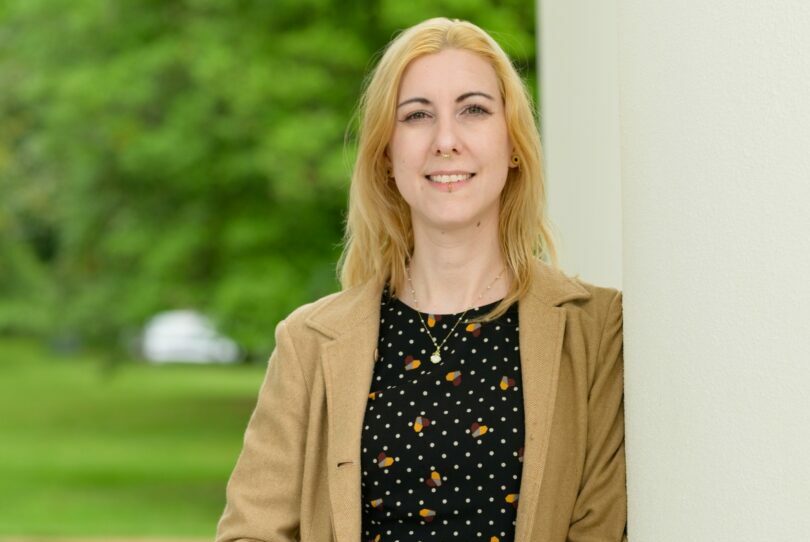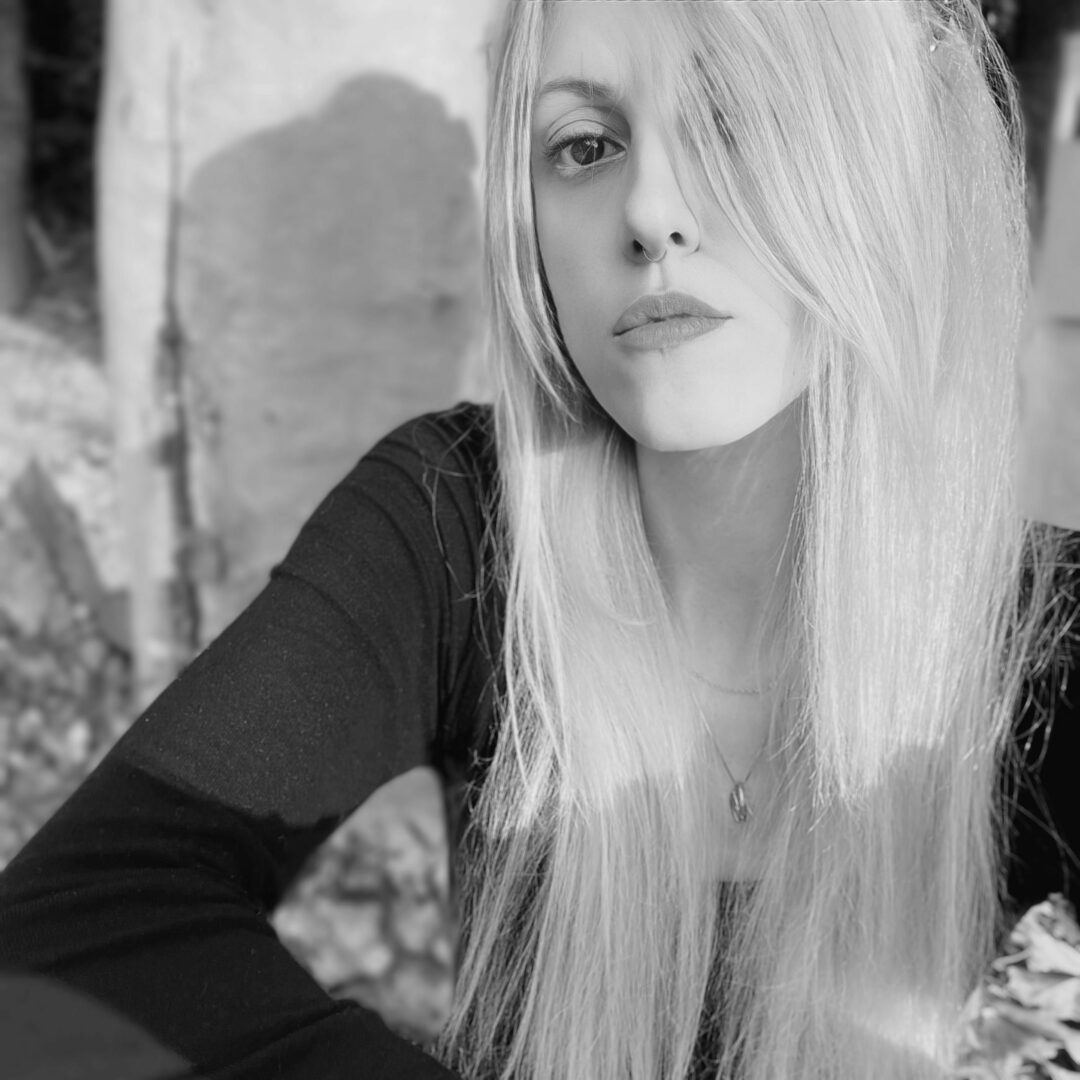
Francesca Virginia Coppola shared their story and experiences with us recently and you can find our conversation below.
Hi Francesca Virginia, thank you so much for taking time out of your busy day to share your story, experiences and insights with our readers. Let’s jump right in with an interesting one: What are you most proud of building — that nobody sees?
It’s a way of perceiving, a practice of attention that operates beneath almost everything I do. I wouldn’t say I’m proud of ”building” it, as it’s probably inherent to my sensitivity, but over the years, it has evolved into the ability to stay with the fragile, the almost-invisible, the things that are usually overlooked: the vibration a material still carries, the residue left by a gesture, the moment a form begins to appear and the moment it dissolves again.
In trying to express this, I don’t often find others who can really see this ”structure”, maybe because it’s not a structure at all. It’s quite the opposite, closer to an openness, or an unguarded space, and indeed it’s this absence of structure that I’m most interested in. It’s what allows me to work with elements that feel on the edge of vanishing — ash, shed fur, traces, pigments gathered from the ground — and let them speak in their own frequency. I’ve built an intimacy with the overlooked, a commitment to exposing the hum of existence that exists whether we pay attention or not, whether most see it or not. That invisible foundation is what makes the rest of my work possible. It’s not something audiences can point to, but they can sense it through what my art seeks to make visible.
Can you briefly introduce yourself and share what makes you or your brand unique?
I’m a multidisciplinary artist working with found materials across installation, sculpture, and performance. I divide my time between Rome and Los Angeles, moving between the two as part of my life and work.
My practice consists in slow, tactile processes, attentive walks… I see making as a form of listening, resulting in often quiet, low impact ways of engaging with place. I work with what I encounter — natural elements, fragments, residues — to explore the thresholds between matter, presence, and impermanence. Much of what I do unfolds in proximity to a place and in the moment of being there, allowing the work to emerge from time and being.
Great, so let’s dive into your journey a bit more. What was your earliest memory of feeling powerful?
It’s funny because actually I don’t think I ever felt powerful. At least not in the way most people would recognize it. I believe there are forms of power that don’t resemble power at all. I see strength in the capacity of enduring despite the absence of meaning. The ability to hold vulnerability, to stay close to what is delicate or easily dismissed are part of this strength.
A sculpture I made called ”Lunaria Annua” grows directly out of these themes. The work opposes traditional notions of sculpture as it’s based on the impossible act of holding together using impalpable seed pods and single strands of my hair. Its structure relies on elements so light they feel closer to breath than to substance. But that impossibility is precisely its strength: it leaves us wondering how something apparently so insubstantial can still exist in and occupy space, thus be visible. The stress on the fragility here is pushed to its limit, in this way it highlights its contrast: I feel this work is powerful in how it endures through incorporeality rather than weight. The power is amplified by the lack of solidity.
What did suffering teach you that success never could?
Suffering has a way of slowing time… In a way, it guides you to sit with impermanence, to survive absence. In my work, I’ve come to see that the materials I work with align with these lessons. They embody both impermanence and persistence.
Pain can expose the need to unbuild: when you strip everything away, you’re left with only the trace. This forced intimacy with dissolution is what these materials hold, the capacity to stay with what is vanishing, and still call that existence.
So a lot of these questions go deep, but if you are open to it, we’ve got a few more questions that we’d love to get your take on. What important truth do very few people agree with you on?
A truth I hold that perhaps not everyone finds comfortable is that existence itself is more urgent than all the narratives we build around it. We tend to look for meaning in the big structures—politics, identity, productivity, progress—yet the most fundamental part of being alive happens before, beneath, and beyond all of that. I believe the raw fact of existing, the mere fact of being here, is a deeper question than any agenda we might attach to it. That’s why, to me, art is closer to poetry than to any direct form of defined purpose. This framework presents some challenges because in a world grappling with inequality, climate change, and political upheaval, it can appear as less crucial. Yet I believe that art rooted in existential exploration is also needed, as it addresses different dimensions of experience that can often remain unspoken. It can resonate universally on a fundamental human level.
Thank you so much for all of your openness so far. Maybe we can close with a future oriented question. If you laid down your name, role, and possessions—what would remain?
I think that what would remain is the part of me I already build my work from: my bare presence, what I call ”creating from existence as the only tool”. My practice has taught me that my strongest medium is myself. Not in a self-referential way, but in the sense that the work begins in the simple act of being here. I try to build my works from materials that are a physical trace of my existence, that I can collect from the simple fact of being, without having to rely on external equipment, tools, supplies. It starts from a process of reduction, like I’ve already laid down everything I own, except my being.
Elements I find on the ground in nature, soil and tree rubbings, my hair or my dog’s fur are testaments to me existing in a specific moment and to my situated relationship with the external. The work happens in that proximity, in that elemental interaction that doesn’t require any added meaning to legitimize it. That residue of being, unadorned and unclaimed, is both the starting point and the last thing you can take away from me.
Contact Info:
- Website: https://www.francescavirginiacoppola.com/
- Instagram: https://www.instagram.com/francesca.virginia.coppola/
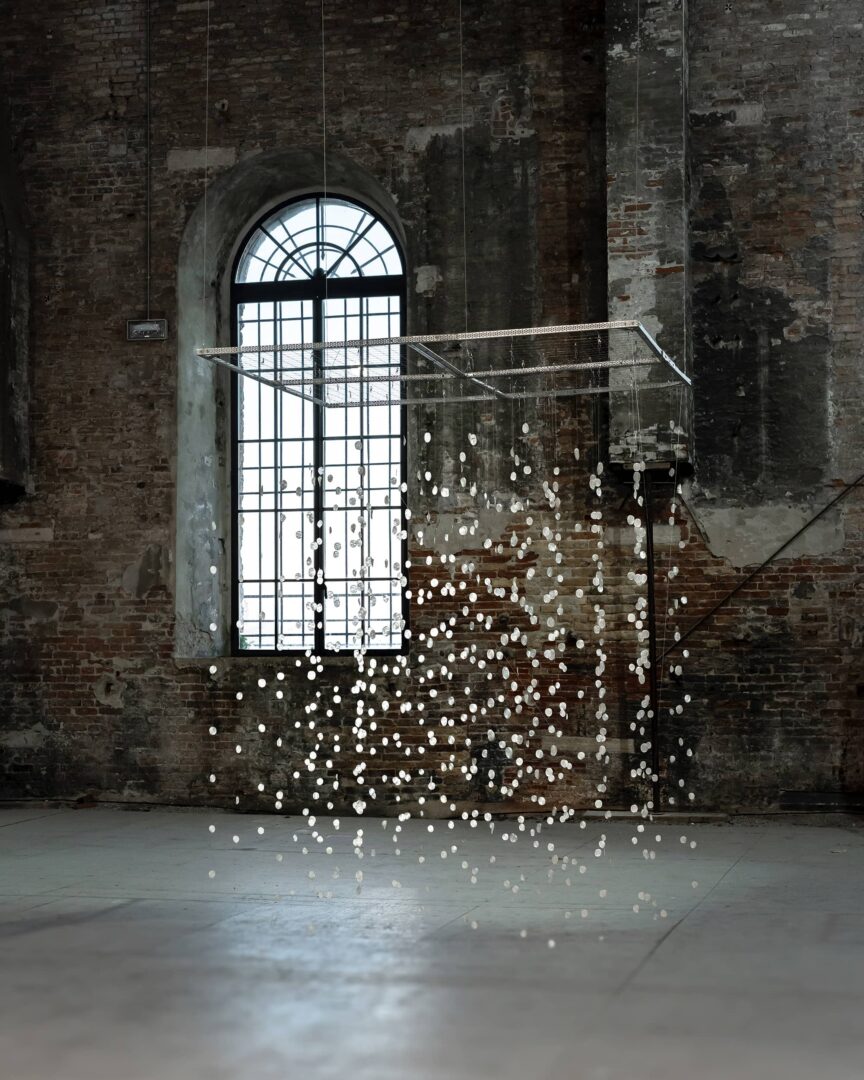
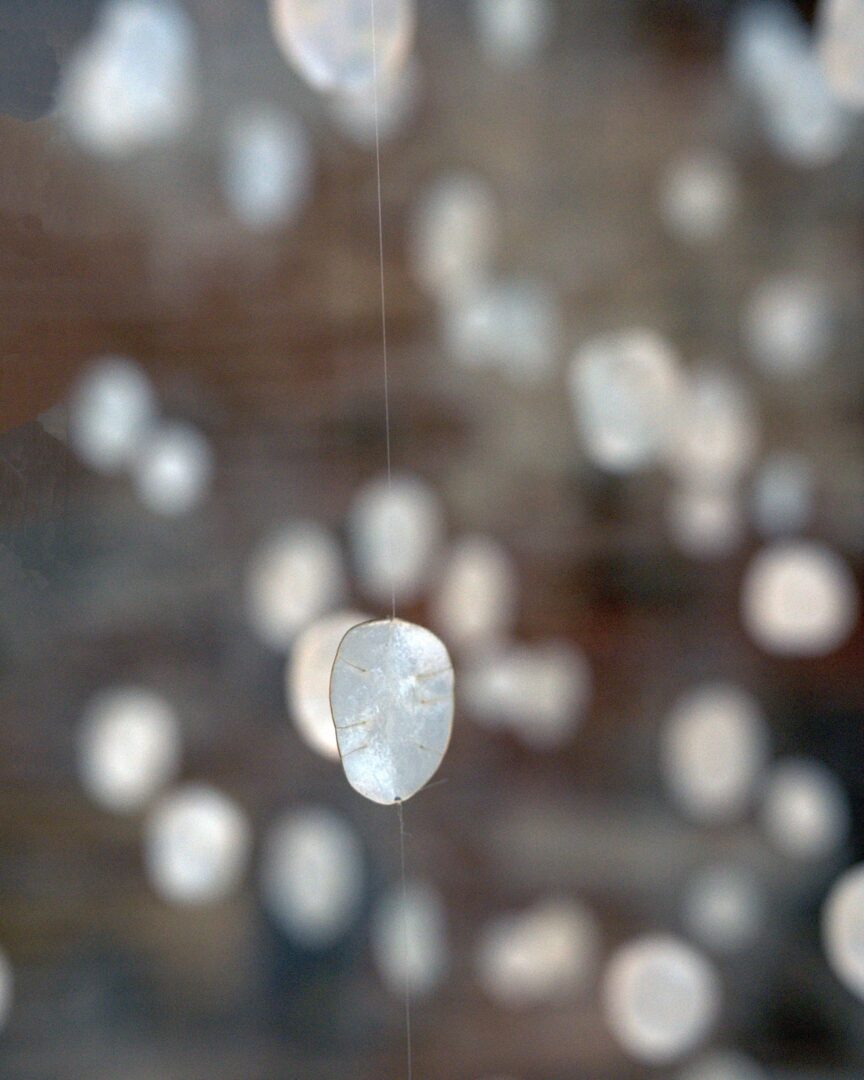
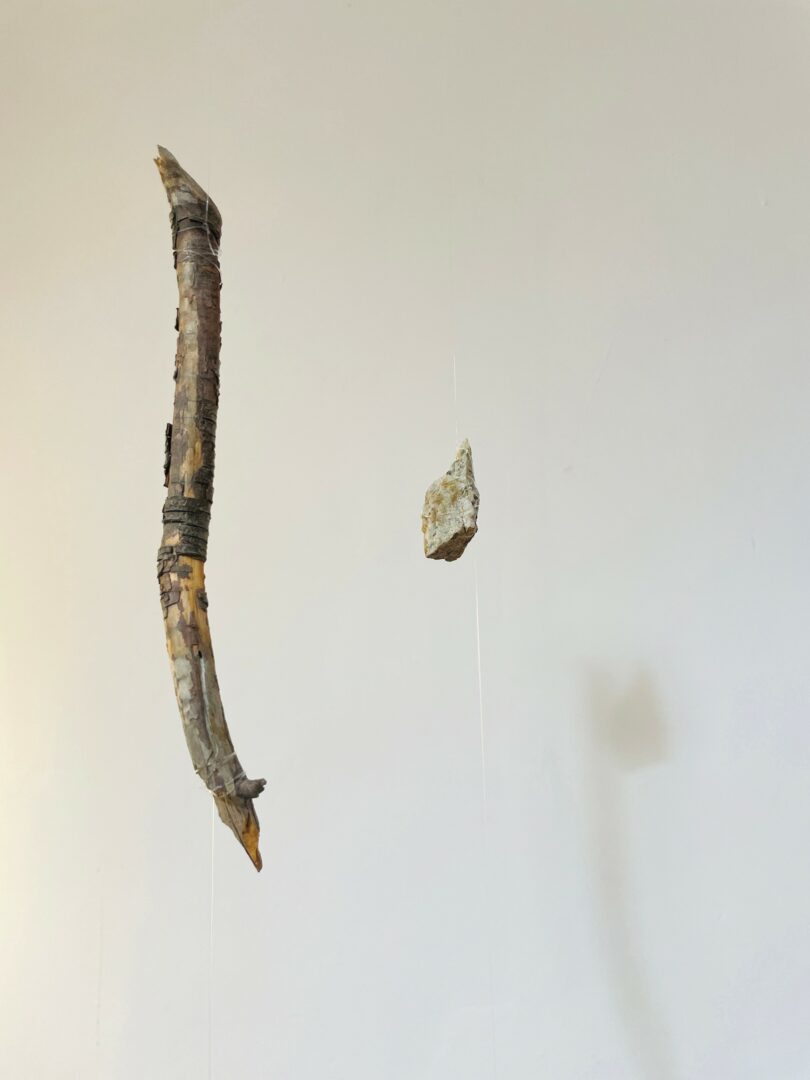
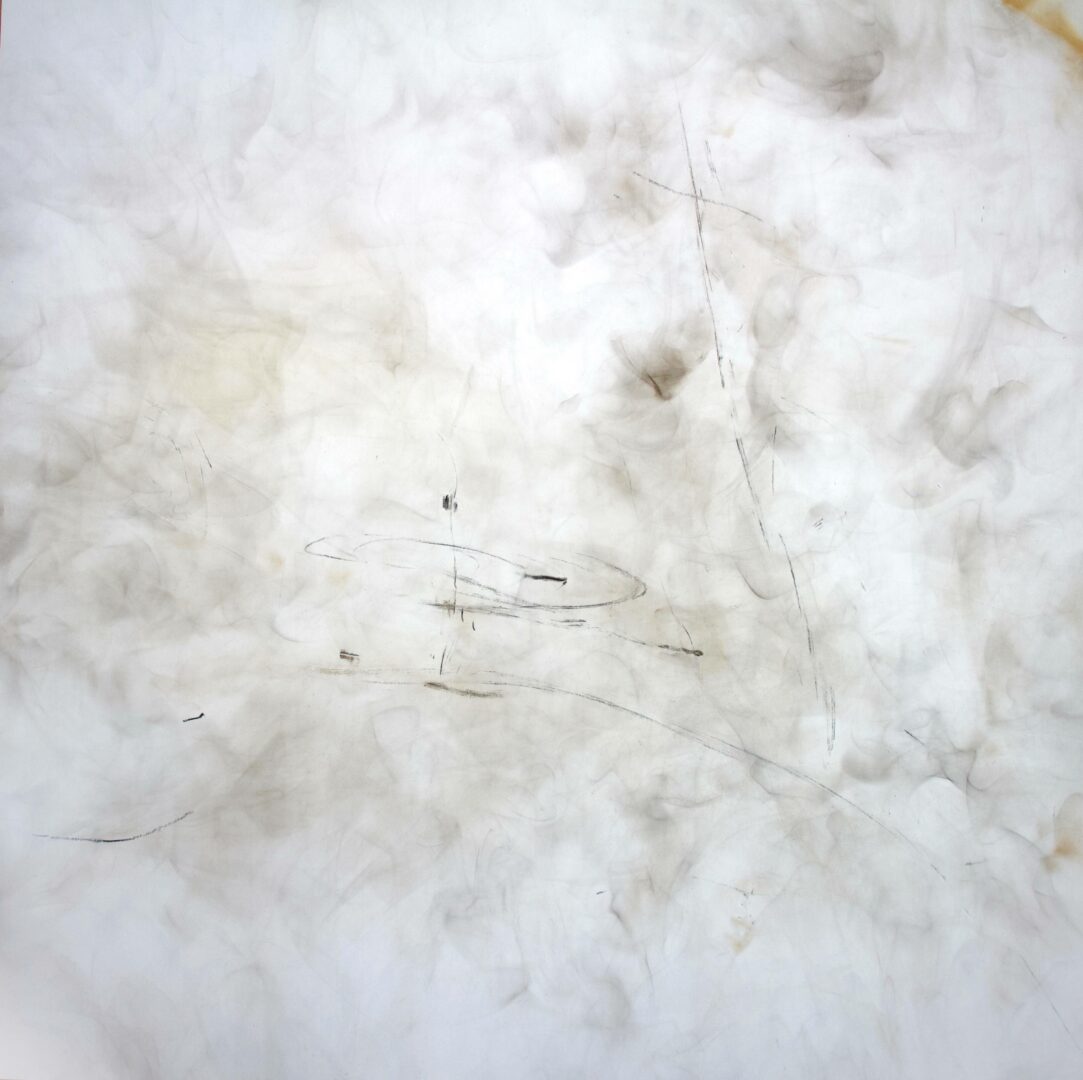
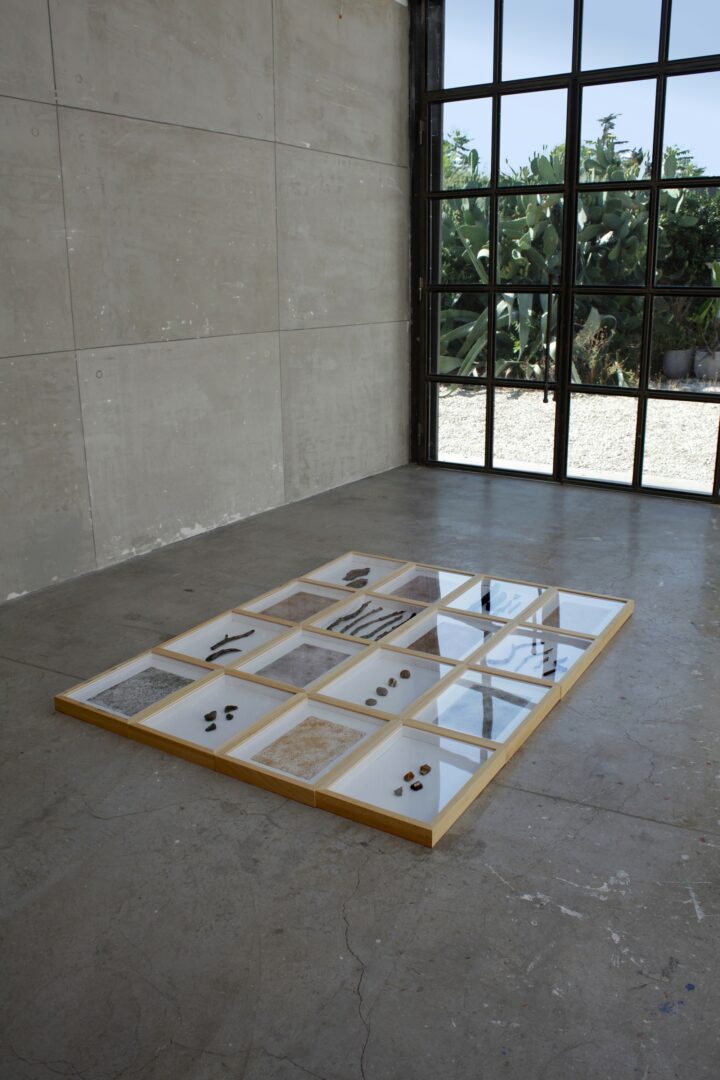
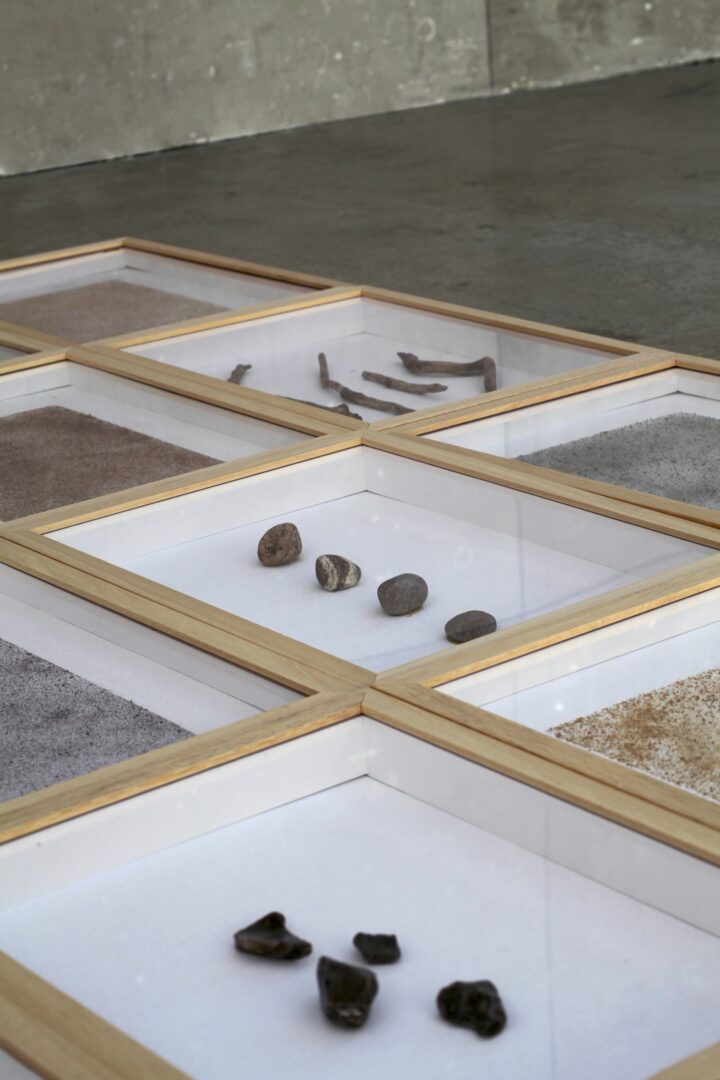
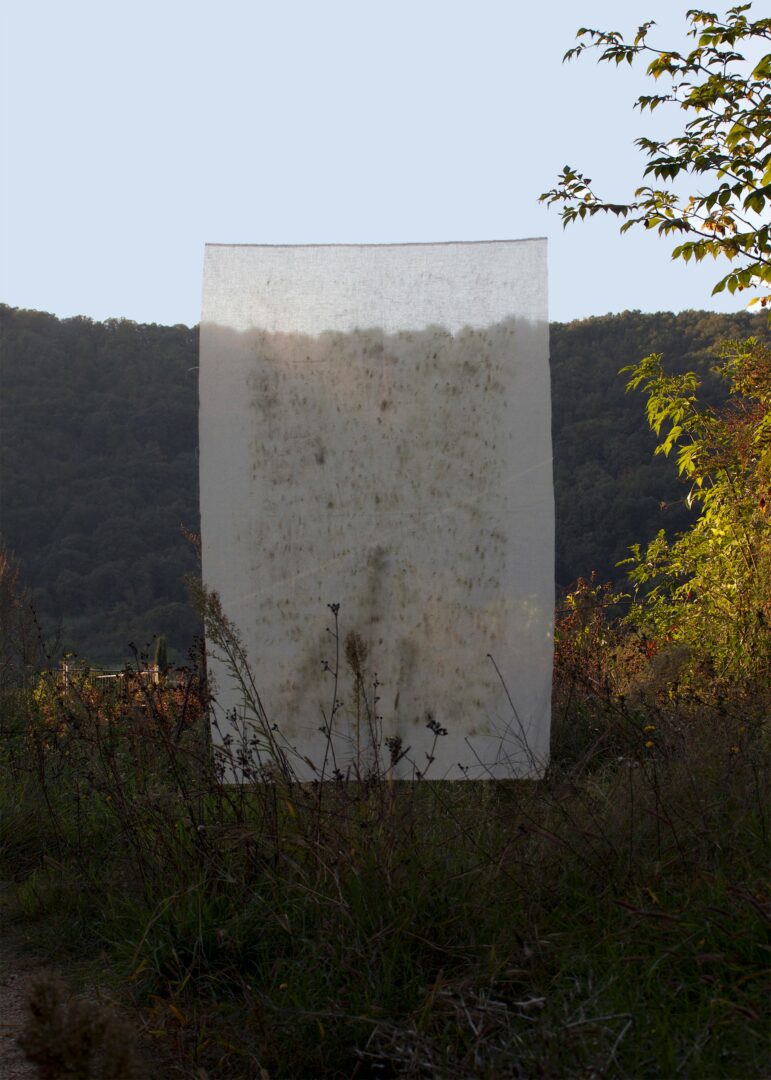
Image Credits
Lunaria Annua, installation view and detail at Venice Arsenale, Italy. Photo by Leonardo Dal Bo Lo Porto
From Outer to Inner, suspended installation. Photo courtesy of Francesca Virginia Coppola
Ash Memories, to collect the flame. Photo courtesy of Francesca Virginia Coppola
From Lake Ørnsø, floor installation and detail. Photo courtesy of Francesca Virginia Coppola
Soil Rubbing No. 32, Nemorensis. Photo courtesy of Francesca Virginia Coppola
so if you or someone you know deserves recognition please let us know here.