We recently had the chance to connect with Mas Moriya and have shared our conversation below.
Mas, a huge thanks to you for investing the time to share your wisdom with those who are seeking it. We think it’s so important for us to share stories with our neighbors, friends and community because knowledge multiples when we share with each other. Let’s jump in: What do the first 90 minutes of your day look like?
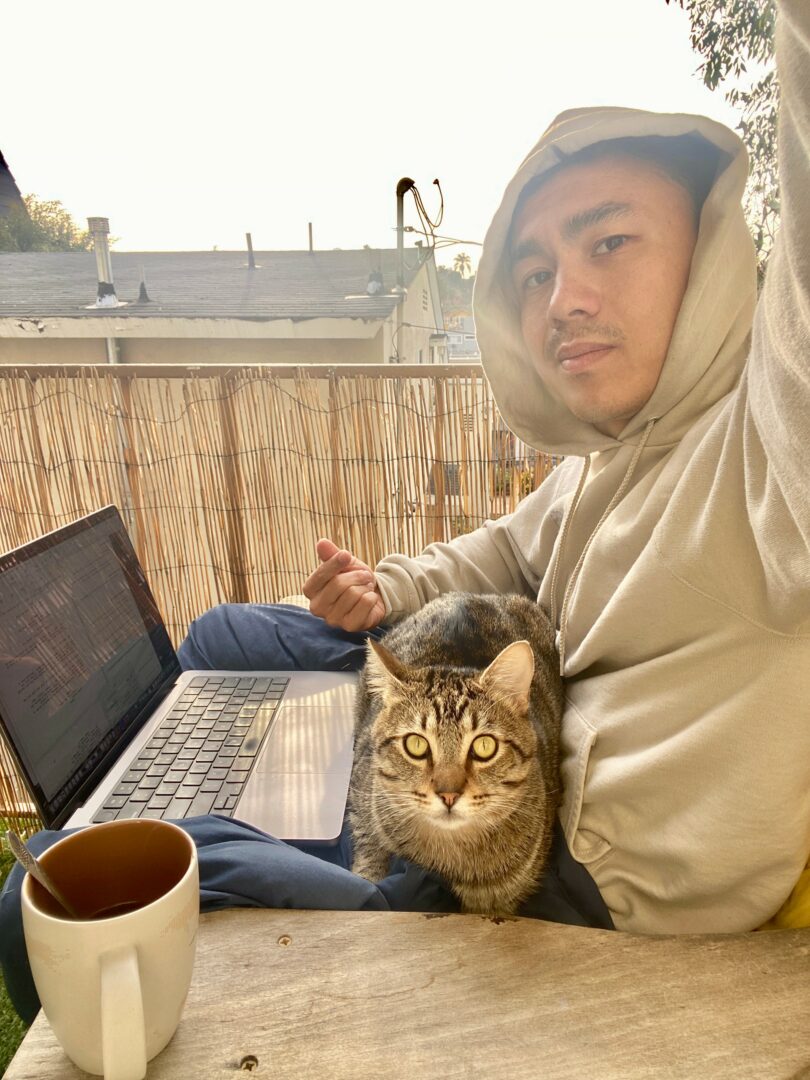
Most mornings I wake up around six. It’s quiet then, just me and my cat—he likes to play a quick round of “catch the fingers” under the blanket before I get up.
My apartment faces the LA skyline, and before I do anything else, I take a moment to look out over the balcony. It’s one of my favorite parts of the day. Every day, there is a brief 10-15 minute window where the rising sun throws a warm orange glow behind the buildings and the window lights are still on. As a veteran photographer, I’ll grab my camera and take a cityscape photo. I’ve been doing that for almost a decade now from different apartments—collecting a whole series of skyline shots in different weather, moods, and times of day. It reminds me to notice beauty before the workday begins and to notice how the spaces we live in change throughout the day and year.
After I handle the usual morning business, I start by day with grinding my coffee beans (force of habit from my years as a barista) and while my coffee brews… well… I have this bad habit of focusing way too hard on work, so I tend to leave dishes in the sink throughout the day, and because I work all the way until I fall asleep, I end up starting my day by washing dishes while the coffee brews.
But before I take that first scorching hot sip of black fuel, I have a rule: no coffee until I’ve done fifty push-ups. Someone once told me to pair a habit that I struggle to do with a reward habit I already do, so that became my morning deal with myself. Most days I hold to it. It’s good for me, otherwise I may not get off my computer until 6PM where I force myself to get out of the house for a mile run.
Ideally, I’d go for a short walk before the heat sets in, but reality is I go straight to the computer. There’s always something to fix or finish from the night before. I try to keep a journal nearby to dream journal and think about life, though I often forget to open it. I usually skip breakfast—at least until late morning.
As of writing this, I’ve also stopped my habit of picking up my phone and doom scrolling. I’ve instead replaced it with going straight to work, which isn’t necessarily the best, but it has improved my sense of social media dread.
The ideal morning is calm, simple, and physical before it turns to the screen. The real one usually slides straight into work, but both start with the same intention: earn the coffee.
Can you briefly introduce yourself and share what makes you or your brand unique?
I’m Mas Moriya, a filmmaker and founder from Southern California. I’ve always loved movies—everything from building stop-motion films with Lego Movie Maker as a kid to making lightsaber videos in high school. After college, I spent time in New York’s art scene shooting photography and short films, but storytelling has always been the through-line in everything I’ve done.
Today I’m building Filmclusive, a platform designed to make the entertainment industry more inclusive and accessible. I know this problem deeply because I’ve lived it—trying to break into film while navigating gatekeepers, high fees, and closed networks. What makes Filmclusive special is that it’s built entirely by someone from inside the system who decided to learn tech from the ground up to fix it.
I believe in it so much that I rebuilt my entire life around it. I even filed for personal bankruptcy to make sure future investors know how serious I am—that every dollar goes into the company, not into debt. People told me it couldn’t be done, but I have an unwavering trust that it will work. Because I’m not just building software—I’m building a future where no one has to buy their way in.
Great, so let’s dive into your journey a bit more. What’s a moment that really shaped how you see the world?
In 2017, during the first Trump administration, I was running a small nonprofit called Rogue Photo. I took photos for other nonprofits—covering protests, community events, and stories that needed visibility—and shared the images freely so they could use them for their work. I volunteered constantly, stayed late, and always did more than what was asked. I thought that doing good work for others would naturally come back to you.
But that year changed how I saw both myself and the world. At one protest, I remember saying I wasn’t “part of the conversation” because I didn’t see myself as a person of color. I’d grown up as a mixed Japanese American and white kid in California—fifth generation—and was told not to mention my Japanese side. I always thought of myself simply as American.
A Black woman turned to me and said, “No—you are part of this conversation. You’re Asian.” That stopped me. She was right, but I realized I wasn’t just Asian—I was Japanese American. And that distinction opened a door I’d never walked through.
I began reading everything I could find, learning how Japanese Americans built much of California’s agricultural foundation before World War II—only to have it stripped away when 125,000 people, including multiple members of my own family, were incarcerated in concentration camps. I had never been taught that history.
(Trigger warning: gun violence) I also revisited my family’s more recent history and remembered that my uncle, Robert Masami Moriya—whom I’m named after—was shot and killed by a police officer in 1988. He was a 19-year-old engineering student who had crashed his motorcycle. The officer, a six-foot war veteran, shot him after the ambulance had left the scene. The officer walked free following legal maneuvering and what my family believed was a bribery to our lawyer, who never appeared in court that day. The photos and documents my family submitted were never returned.
That discovery reframed my life. It made me see how identity, belonging, and history shape opportunity—and how good intentions don’t always equal good impact. You can work hard, help others, and still go unseen. The lesson was to look beyond intent and focus on impact. That shift changed how I see people, power, and purpose.
What fear has held you back the most in your life?
The fear that’s held me back most is being in front of the camera—or really, being in the spotlight at all. I’ve never wanted to be famous or seen as a public figure. I don’t want to be lifted above others; I just want to do good work and create things that matter.
I know visibility helps reach more people and build trust, but it’s never felt natural to me. Every time I record something or post a video, I overthink how I look, how I sound, and whether people will judge it as self-promotion. I’d rather be behind the camera—or behind the computer—building systems that help others take that spotlight instead.
That’s part of what drew me to software engineering. I can focus on problem-solving without performing. Even though people sometimes tell me I’m outgoing or say I should be on camera, it makes me anxious. I’ve even been told I could work as a “boyfriend escort.” Compliments about how I look don’t make it easier; they make me more self-conscious.
I’ve only acted a few times in my life because my agent pushed me into it, saying I should be in front of the camera instead of in the background. But I don’t like auditioning, and I’d never call myself an actor—more like a stand-in who needs a paycheck. If you want me in front of the camera, fine—tell me what to do—but acting, auditioning, and becoming a character are for the people who truly love that craft.
So I keep my world small. I feel at peace working quietly from home, coffee nearby, my cat somewhere in the room, building what I believe in. I know I could amplify that work if I stepped out front more often, but that’s a lifelong tension I’m still working through: wanting the work to be seen for its impact, not for me to become another Instagram face. That’s not the life I want.
I think our readers would appreciate hearing more about your values and what you think matters in life and career, etc. So our next question is along those lines. Where are smart people getting it totally wrong today?
I think smart people today put too much weight on follower counts. They give more money, time, and attention to people with massive audiences instead of to the ones quietly doing the hard work. Social media has warped how we measure credibility. We’ve started to confuse visibility with value.
I get it, people like to work with celebrities. Who doesn’t? It’s also a risk factor with return on investment. If company A gives influencer B $1k to make a video about their product, it’s going to get more views than filmmaker C who went to school for filmmaking and product marketing but has less than 500 followers.
There are brilliant, committed people out there—people who’ve been doing meaningful work for years and studied their crafts—but because they don’t have big followings, they get overlooked. Meanwhile, others get rewarded for a single viral moment. I’ve even met people who admitted to faking their followers just to get auditions or jobs, because some casting directors and executives check social metrics first. That’s not just a bad system—it’s a distorted one.
If I could change one thing, we’d still have social media, but without visible follower counts. Then people would have to rely on what someone does—their ideas, their integrity, their results—not their numbers.
I’ve personally run multiple accounts for my nonprofit, my photography, and my business. If they were all combined, sure, maybe I’d have twenty thousand followers. But I’d still rather have five thousand real ones than inflate a number that means nothing.
The smartest people I know aren’t chasing the spotlight. They’re solving problems, creating community, and supporting others real while the rest of the world scrolls past them.
Okay, so let’s keep going with one more question that means a lot to us: What false labels are you still carrying?
The false label I still carry is that I’m not good enough—not smart enough, not handsome enough, not successful enough. I know those things aren’t true, but they echo whenever life gets hard. People tell me they admire my work ethic and discipline, that what I’ve built is impressive, but when the results don’t match the effort, the old voice creeps back in.
Part of it comes from equating worth with visibility. In this era, follower counts have replaced résumés. I’m grateful for the audience I have, but followers don’t pay rent. They don’t guarantee stability or even opportunity. The film industry itself has nearly collapsed; many of us who once worked steadily can’t find consistent jobs. It leaves a lot of talented people wondering if their work—or they—still matter.
I’ve been told the way I’ve structured my life is smart and strategic, yet I’m often labeled “overqualified” or “too independent” to hire. I have multiple jobs, but none of them make real money. That gap between perception and reality feeds the false belief that I’m failing. It spills into my personal life too—when I can’t afford dinner out, it’s hard to believe I’m “enough” for a relationship.
Still, I remind myself that external validation isn’t the measure of value. The economy can fall apart, algorithms can ignore me, but the work and the vision remain. I’m still building, still creating, still showing up every day. Maybe that’s what “good enough” actually looks like.
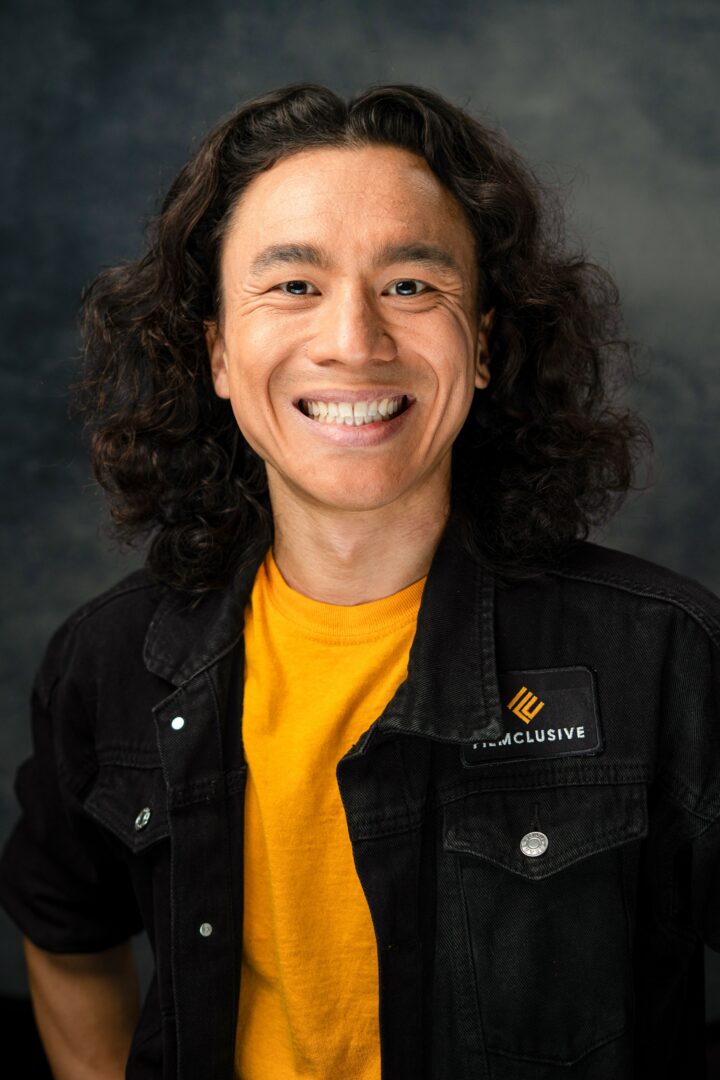
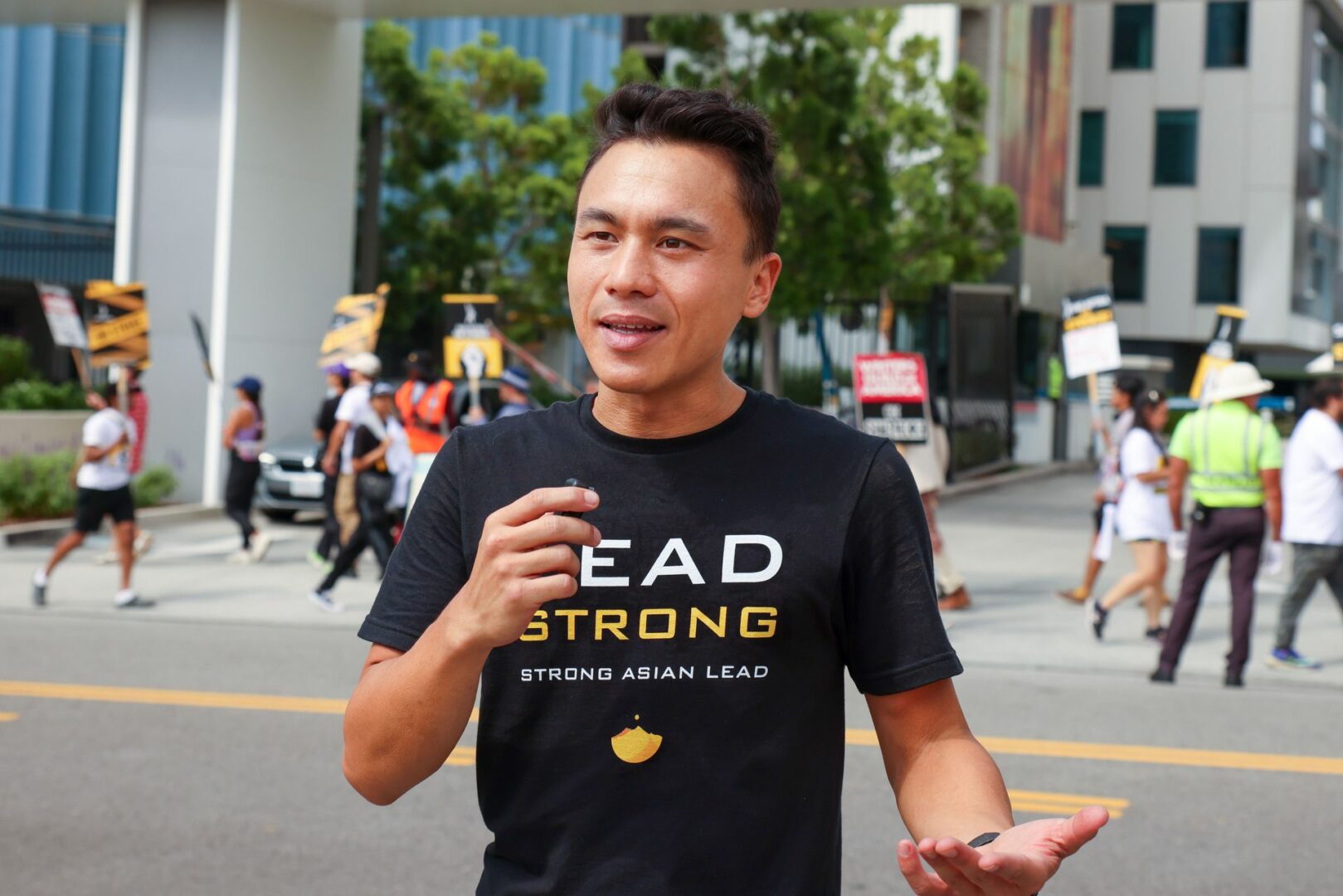
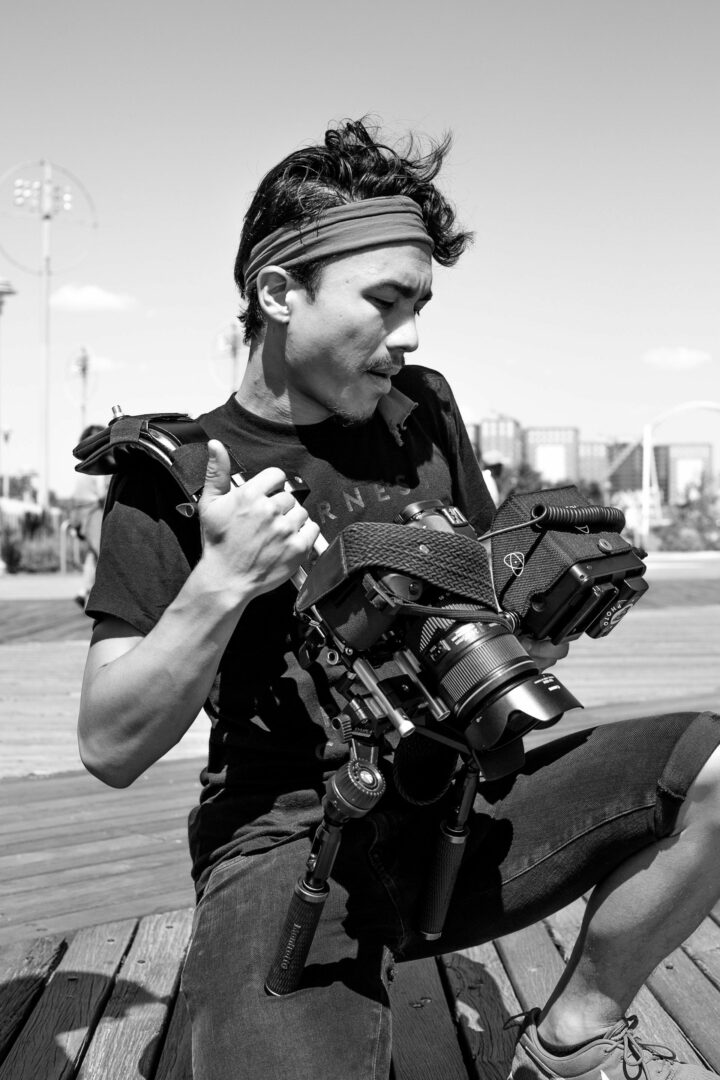
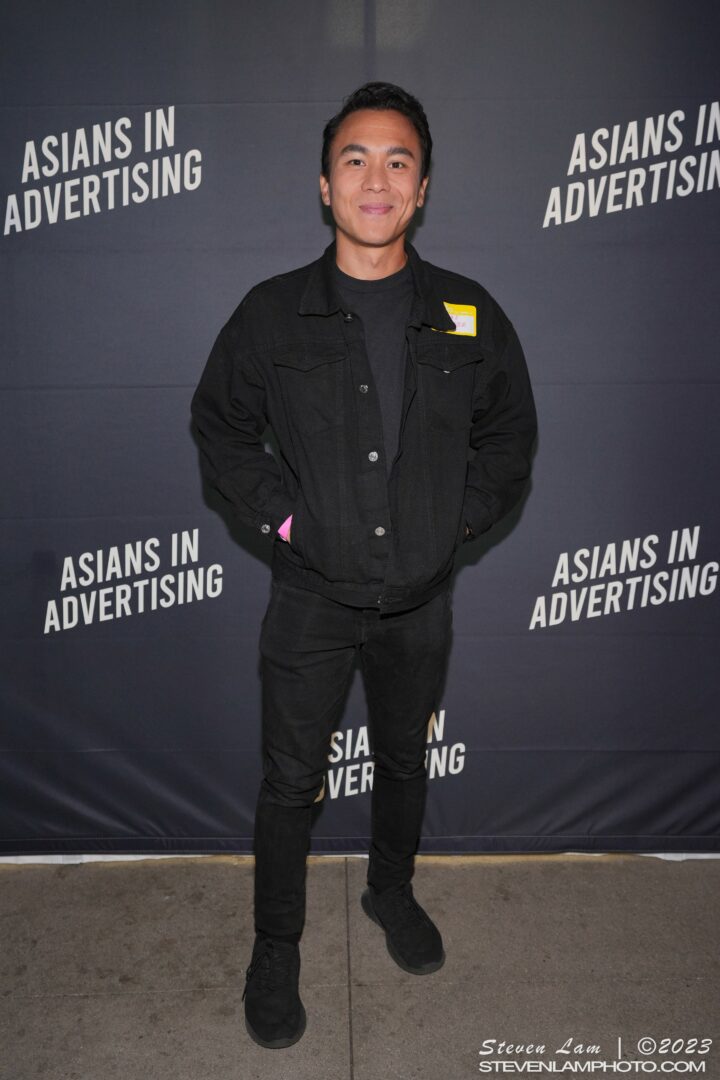
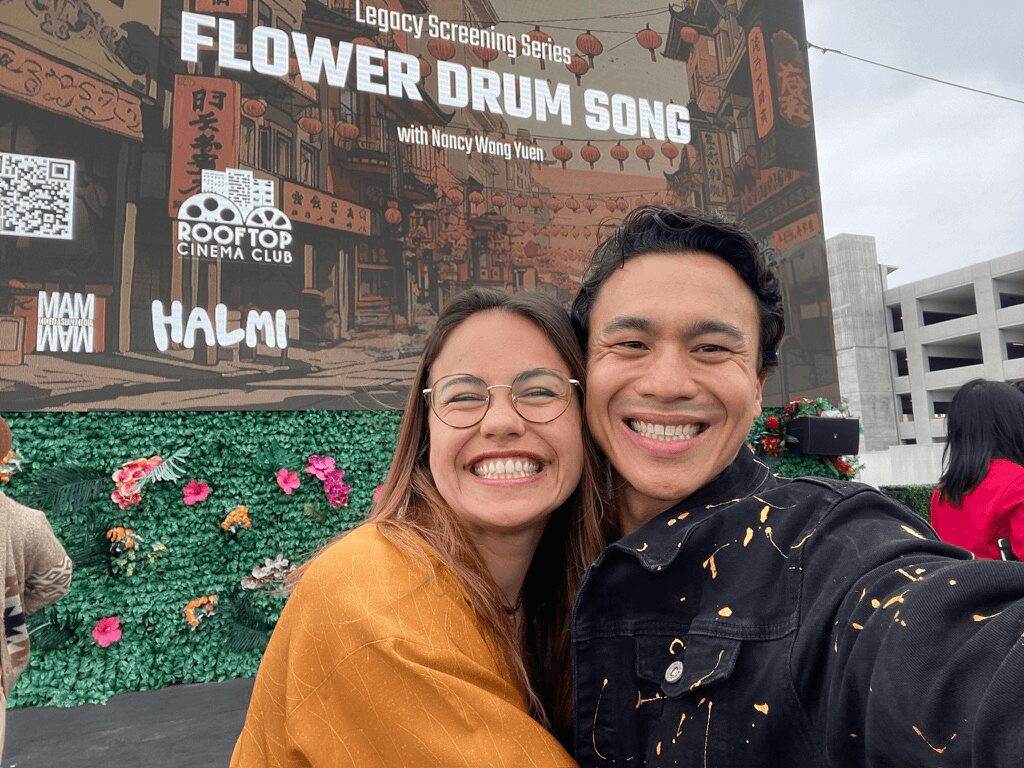
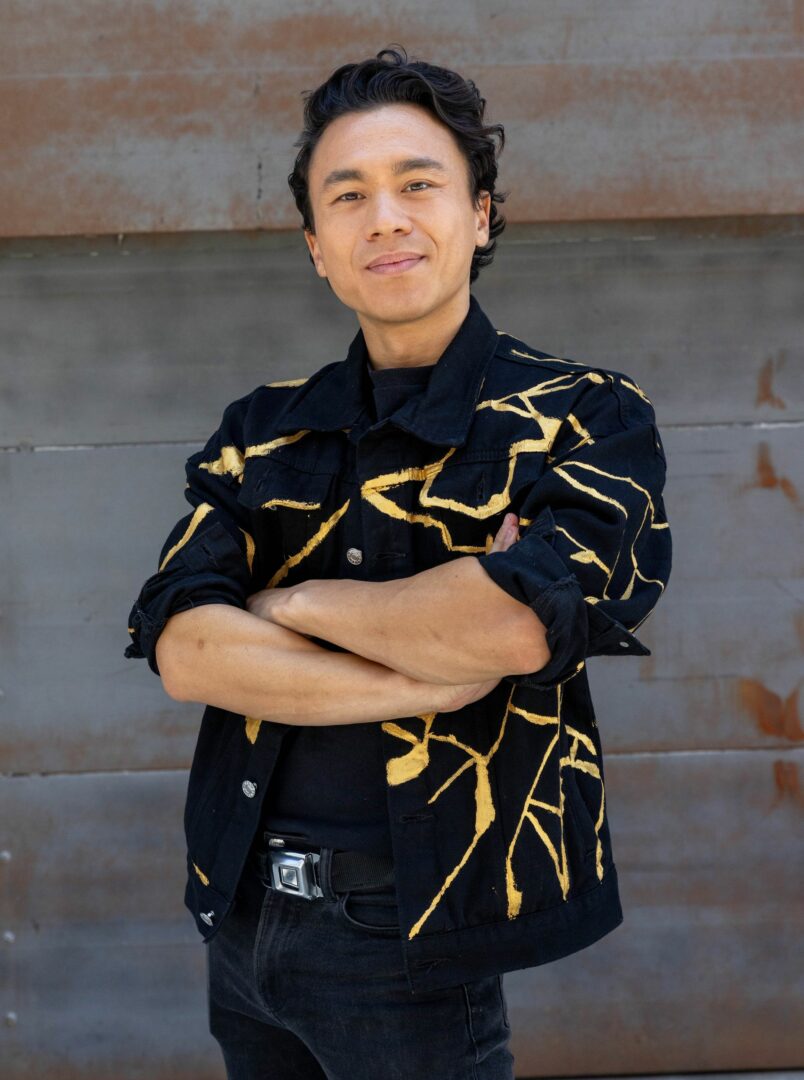
Image Credits
Leslie Dam
Steven Lam
Josh Ortiz
so if you or someone you know deserves recognition please let us know here.