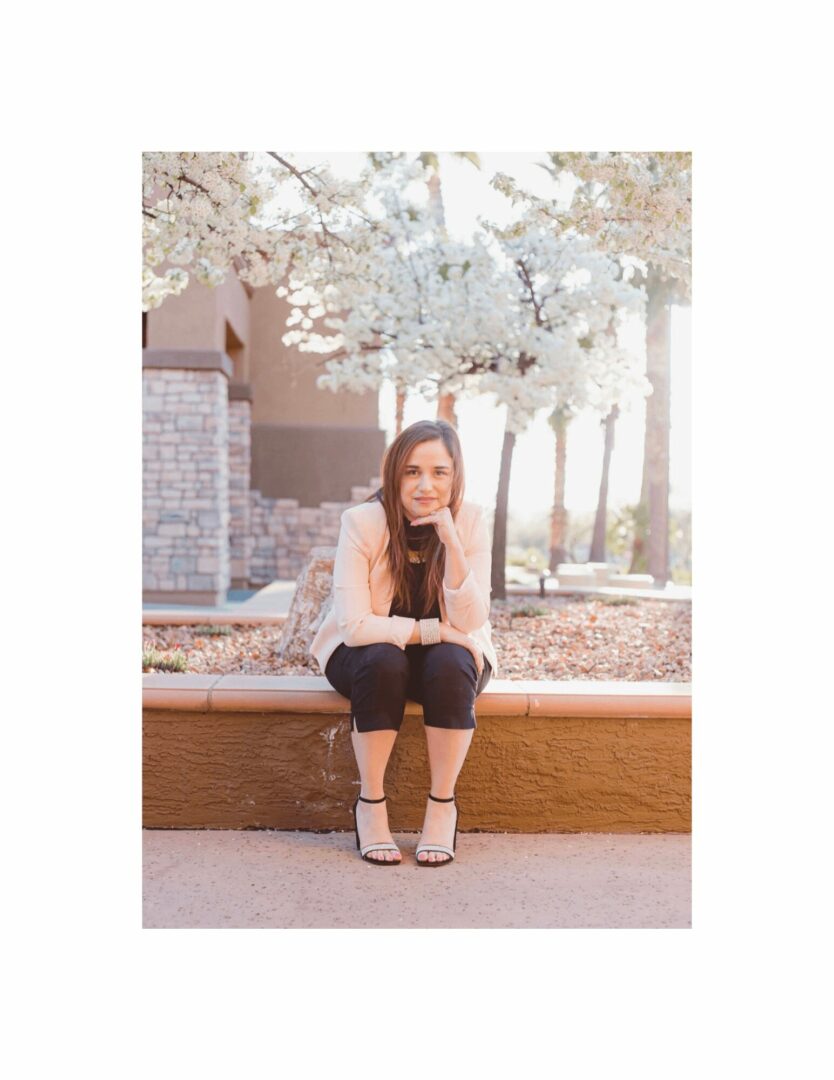
Norma Darnell shared their story and experiences with us recently and you can find our conversation below.
Norma, a huge thanks to you for investing the time to share your wisdom with those who are seeking it. We think it’s so important for us to share stories with our neighbors, friends and community because knowledge multiples when we share with each other. Let’s jump in: What are you chasing, and what would happen if you stopped?
I’m really pursuing three things right now:
First, to stay rooted and grounded in my faith in Christ—because everything else in my life flows out of that. If I ever stopped chasing this, I would lose my direction.
Second, to be a deeply intentional wife and mother. I want to slow down, pay attention, and truly learn every little thing about my family so I can love them well.
Third, I’m committed to scaling and growing the business—not for the sake of money, but because money is a tool that fuels mission. The more we grow, the more people we can help, the more therapy we can fund, the more survivors we can serve, and the more kingdom work we can build
Can you briefly introduce yourself and share what makes you or your brand unique?
I’m Norma — owner of Free Ever After Bridal and president of SAAS, Southern Arizona Against Slavery.
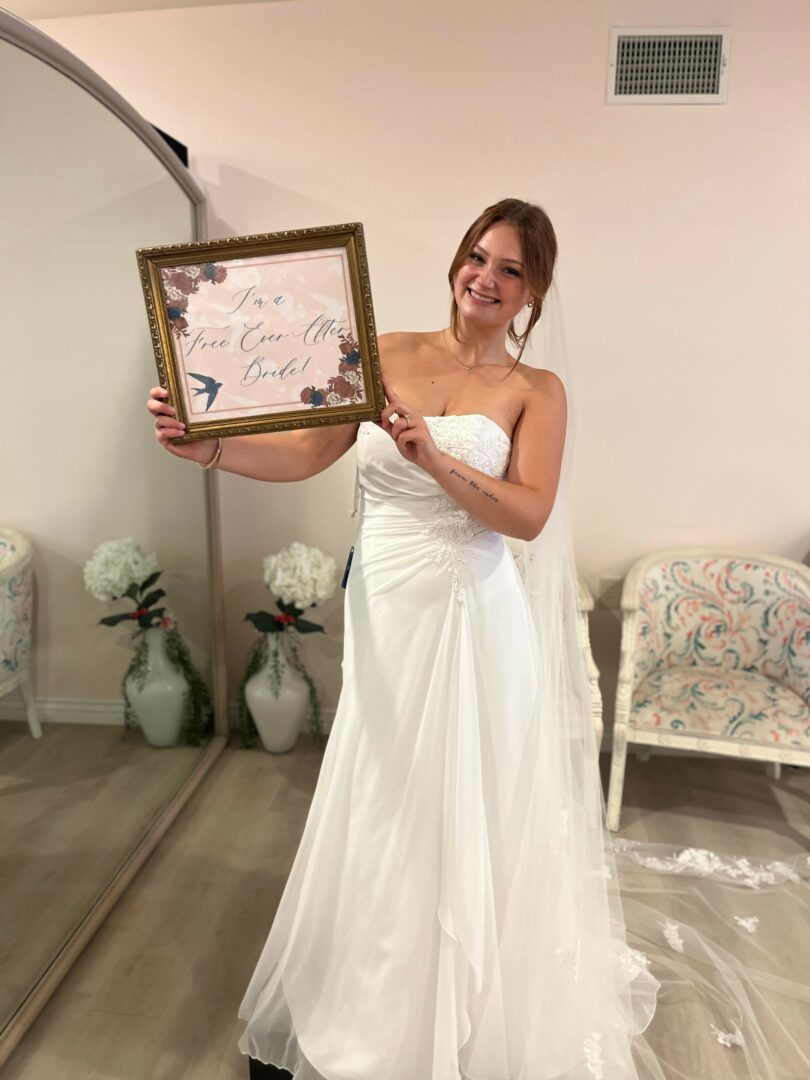
At Free Ever After Bridal, we’re an off-the-rack boutique offering a curated selection of sample gowns, gently used dresses, new bridal gowns, and formalwear. Our shop is intentionally small, personal, and deeply caring. Every bride who walks through our doors matters to us. We celebrate her, honor her story, and help her find her dream dress at a price that fits her budget.
But what makes our boutique truly unique is the mission behind it.
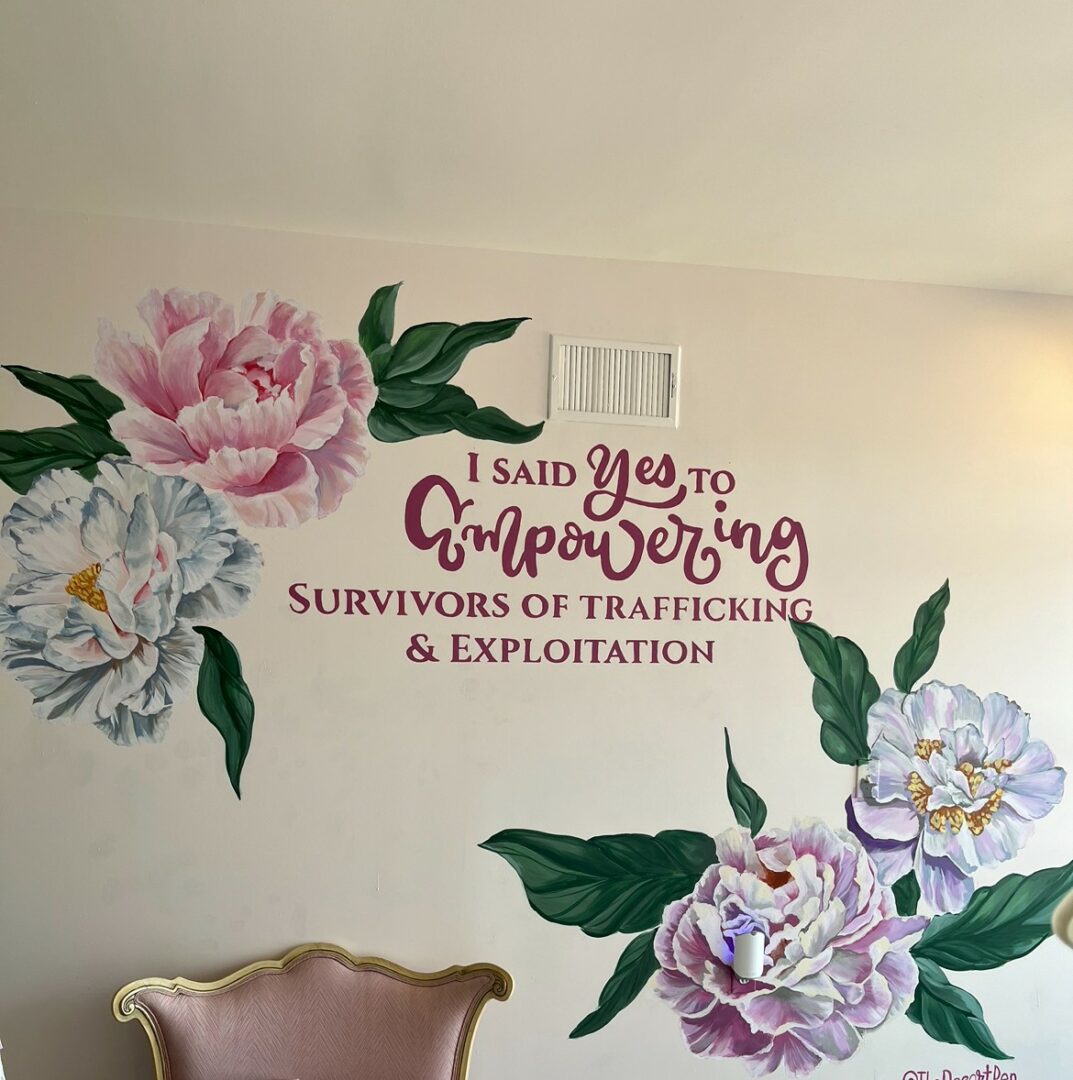
We provide internship opportunities where young women who are survivors of sexual exploitation or human trafficking can learn career skills, rebuild trust in relationships, rediscover their confidence, and begin identifying their passions. Our shop is more than a store — it’s a safe place, a training ground, and a space for healing.
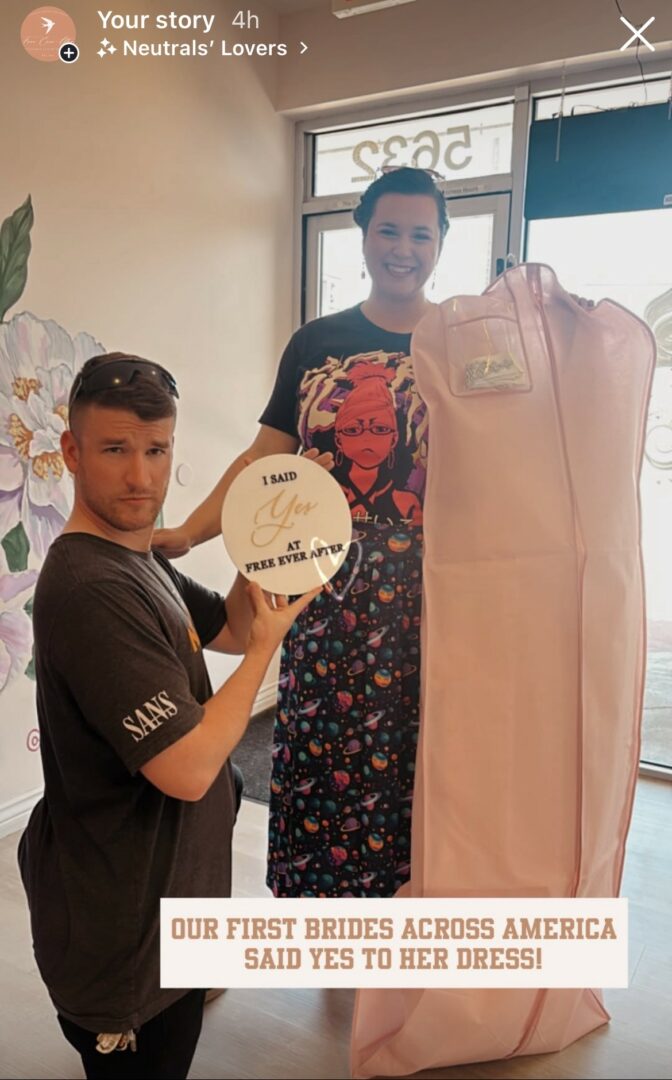
Free Ever After is a cycle of giving.
One day, someone donates their wedding dress.
Months later, that same dress becomes another bride’s dream gown.
And through each sale, we’re able to fund our work supporting survivors of sexual exploitation and human trafficking through SAAS.
Every dress has a story. Every purchase makes an impact. And every woman who walks through our doors becomes part of something bigger — beauty, purpose, and restoration woven together.
Thanks for sharing that. Would love to go back in time and hear about how your past might have impacted who you are today. What breaks the bonds between people—and what restores them?
What breaks the bonds between people, and what restores them?”
I’ve learned—both in life and through the work we do—that the bonds between people are often broken by things we don’t always see at first: unmet expectations, fear, betrayal, unspoken pain, shame, and the belief that we have to protect ourselves to survive. When trust is violated or when someone feels unseen or unheard, the connection begins to fray. Sometimes it’s not one big moment but a slow erosion of honesty, empathy, and presence.
But I’ve also seen that what breaks us is never stronger than what can restore us.
Bonds are rebuilt through consistent love, humility, and choosing to show up when it would be easier to turn away. Restoration happens when people are given a safe place to be themselves again—to be believed, valued, and held with compassion. It happens through listening, through forgiveness, through truth spoken gently, and through small moments of trust layered over time.
In my work, I’ve seen restoration look like a girl learning to trust another adult again. A survivor realizing her story matters. A family remembering how to see each other with fresh eyes. A bride feeling celebrated instead of judged. Hearts heal when someone is willing to stand in the gap and say, “You’re worth fighting for. You’re worth believing in.”
Ultimately, bonds are restored through the love of Christ —patient, steady, and intentional love. The kind that reflects Christ’s heart: love that doesn’t give up, doesn’t rush healing, and isn’t afraid to sit in the hard places until hope returns.
What did suffering teach you that success never could?
Failure has taught me things that success simply can’t. Success feels good, but it doesn’t always shape you. Failure does.
Failure taught me humility — the realization that I don’t have to be perfect to have purpose. It showed me that growth doesn’t happen in the spotlight; it happens in the quiet places where you have to confront yourself, your patterns, and your wounds.
It taught me resilience — that I can rise even when things don’t go according to plan, even when I feel unqualified or overwhelmed. Failure forced me to learn, to adjust, to get creative, and to trust God in deeper ways than success ever required.
It taught me compassion — for myself and for others. When you’ve been in the place where you feel like you “messed everything up,” you learn to see people with softer eyes. You stop expecting perfection and start recognizing the courage it takes simply to try again.
And maybe the biggest thing failure taught me is clarity. When everything falls apart, you find out what really matters. You learn what’s worth fighting for, what’s worth rebuilding, and what wasn’t meant to stay.
Success can celebrate you, but failure transforms you. And the transformation is what has made me a stronger leader, a more present mother, a more intentional wife, and a more mission-driven business owner
So a lot of these questions go deep, but if you are open to it, we’ve got a few more questions that we’d love to get your take on. Is the public version of you the real you?
Wow, what a deep question. I think most of us can agree that we rarely highlight our struggles, wounds, or vulnerabilities on social media. So yes — I genuinely try to be the most authentic version of myself in public. What you see is rooted in who I really am: my faith, my mission, my love for my family, and my passion for helping survivors.
But do I hide my struggles from the public eye? Absolutely. I don’t share every battle, every fear, or every moment of doubt. Not because I’m being fake, but because some parts of my life deserve privacy, protection, and time to heal before they’re ever spoken out loud—if they’re meant to be shared at all.
I’ve learned that authenticity doesn’t mean exposing everything. It means being honest about who you are without performing. The public version of me reflects my real values, my heart, and my intentions—but the most tender parts of me are held close by God, and the people who love me.
So yes, the public version of me is real—but it’s not the whole story. And I think that’s true for all of us. Real authenticity lives in the tension between being open and being wise about what we carry privately.
Okay, so let’s keep going with one more question that means a lot to us: Could you give everything your best, even if no one ever praised you for it?
I grew up with a lot of trauma which I really believe helped develop resilience in me and this deep desire to do good and serve with excellence even if I got praised or not, so yes I absolutely am a person that would give it everything I got even if not a single person praised me.
Contact Info:
- Website: https://freeeverafterbridal.com/
so if you or someone you know deserves recognition please let us know here.