We recently had the chance to connect with Olasunkanmi Ogunade (SunkyOG) and have shared our conversation below.
Olasunkanmi, really appreciate you sharing your stories and insights with us. The world would have so much more understanding and empathy if we all were a bit more open about our stories and how they have helped shaped our journey and worldview. Let’s jump in with a fun one: What is a normal day like for you right now?
I wake with a quick 15-minute briefing of the day’s priorities, then fuel up with a simple breakfast and a focused coffee. I map the day, a photo walk or on-set shoot in the morning, checking light and composition as I go. Mid-morning is for video planning camera setup, audio checks, and framing a few test takes. Lunch is a brief reset, followed by client or editorial assignments: finalize media plans, review shot lists, and assign tasks to the team. The afternoon blends shooting and direction with quick on-location edits and metadata logging. I wrap the day by backing up footage, drafting a post-production plan, and outlining the next assignments. Evening is client updates, budget notes, and a quick skills check watching a reference reel or testing a new technique. End with a quick reflection: what went right, what could improve, and what’s on deck for tomorrow.
Can you briefly introduce yourself and share what makes you or your brand unique?
Hi, I’m Sunkanmi Ogunade, a media producer blending photography, video, and storytelling for editorial showcases and feature projects. I run a nimble production practice that plans campaigns, captures compelling visuals, and crafts clear media plans for brands, magazines, and documentary storytelling. What makes me stand out is that I pair hands on creativity with practical logistics, carrying a camera in one hand and a clear project roadmap in the other. I’m drawn to human centered stories told with clean, honest visuals, from dynamic editorials to intimate, verité style film work. Currently, I’m curating editorial showcases that highlight fresh faces and striking visuals, and developing a farm story short film that blends natural beauty with everyday rural life, focusing on people, land, and resilience. I also deliver fast turnaround content for digitals with crisp media plans and on time delivery.
Okay, so here’s a deep one: What was your earliest memory of feeling powerful?
.
My earliest memory of feeling powerful was when I picked up a camera for the first time and realized I could decide what the world saw. I stood at the edge of a family gathering, pointed the lens, and framed a moment with intention. In that instant I felt a strange mix of curiosity and responsibility: curiosity about what I could capture, and responsibility for how that image might shape someone’s understanding of a story. From there, the sense of agency grew with every shot, every edit, and every story I helped bring to life. That first spark seeing that I could influence perception still powers my work today as I plan campaigns, tell human-centered stories, and guide teams from concept to delivery.
Do you remember a time someone truly listened to you?
.
There was a moment early in my career when a client sat with me for nearly an hour, without distraction, and let me unpack their vision from first concept to rough budget.
They pulled up a chair, asked open questions, and really listened as I shared my ideas, constraints, and creative instincts. What struck me was how the conversation stayed centered on the story we were trying to tell rather than on the noise of deadlines or status updates.
Their patience and curiosity gave me the space to articulate a clear direction, test a few bold ideas, and feel truly seen as a collaborator rather than just a producer. That experience reinforced the value of listening as a professional discipline it’s what turns a good project into a meaningful one and strengthens trust across the team.
Sure, so let’s go deeper into your values and how you think. Where are smart people getting it totally wrong today?
Smart people today often miss two big edges, listening deeply before asserting a plan and prioritizing impact over optics. The speed of decision making and the lure of flashy metrics can push us to launch campaigns or narratives before we’ve fully tested the core story, audience need, and feasibility. That leads to misaligned briefs, wasted resources, and outcomes that feel hollow to the people we aim to serve.
Another common pitfall is over-reliance on data without contextual storytelling numbers tell part of the truth, but every strong project needs human nuance, empathy, and a clear through-line from concept to delivery.
Finally, there’s a tendency to equate innovative with complexity; in reality, clarity and accessibility often win, especially when readers, viewers, or clients are juggling many priorities.
Thank you so much for all of your openness so far. Maybe we can close with a future oriented question. If you knew you had 10 years left, what would you stop doing immediately?
If I knew I had ten years left, I’d stop doing anything that adds noise without meaning to the story I want to tell. I’d shed projects that don’t align with my core values or that dilute the impact I aim to have. I’d also cut out processes that drain time without delivering clarity or quality, opting for simpler, more human-centered workflows.
Most of all, I’d stop waiting for the perfect moment to start new work; I’d choose bold, purposeful moves that push my storytelling and collaboration forward, even if they’re imperfect at first. In practice, that means prioritizing work that mentorship, authentic voices, and tangible impact projects that matter to communities and people, not just metrics or trends.
Contact Info:
- Website: https://www.sunkyog.com/visuals
- Instagram: @sunkyog
- Youtube: @sunkyog
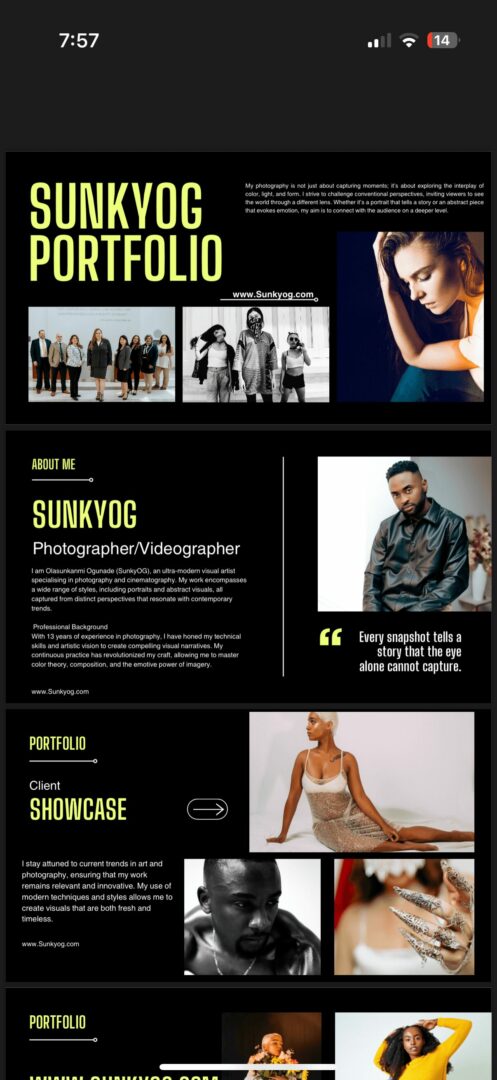
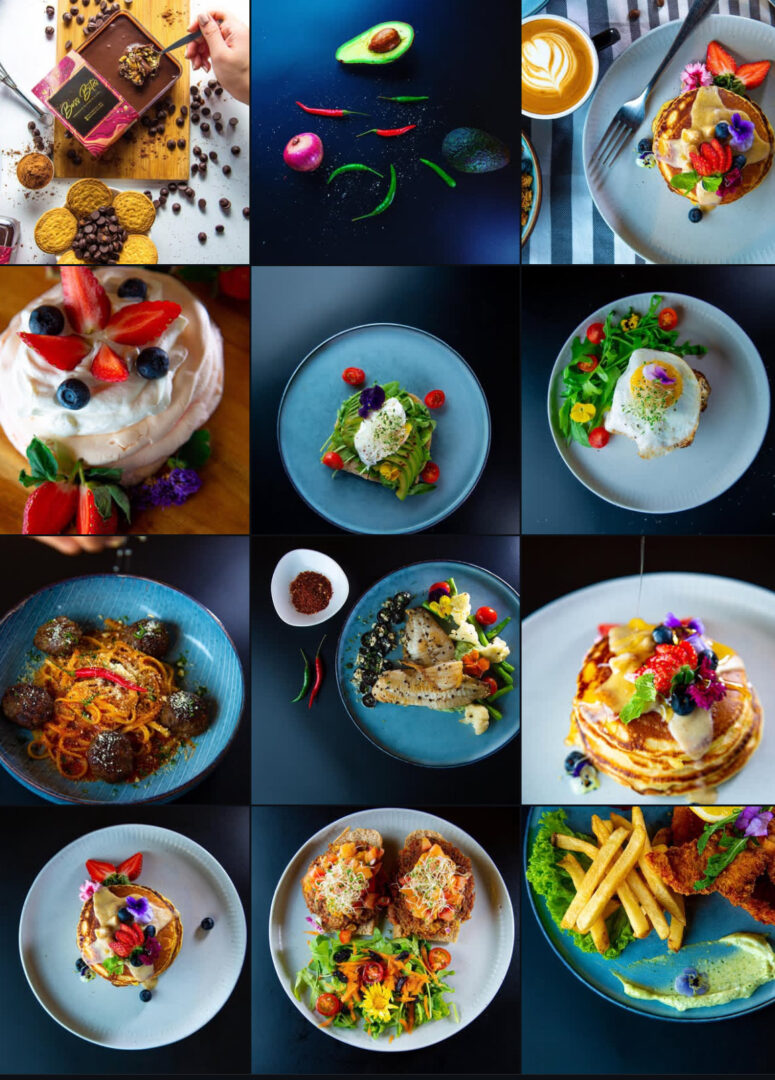
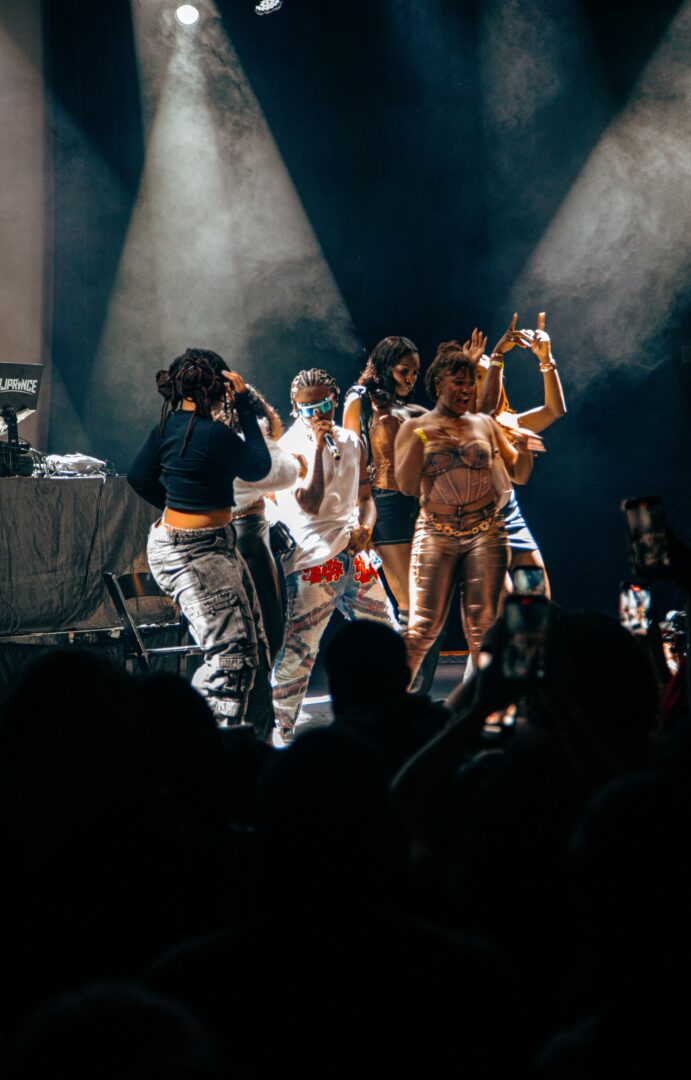
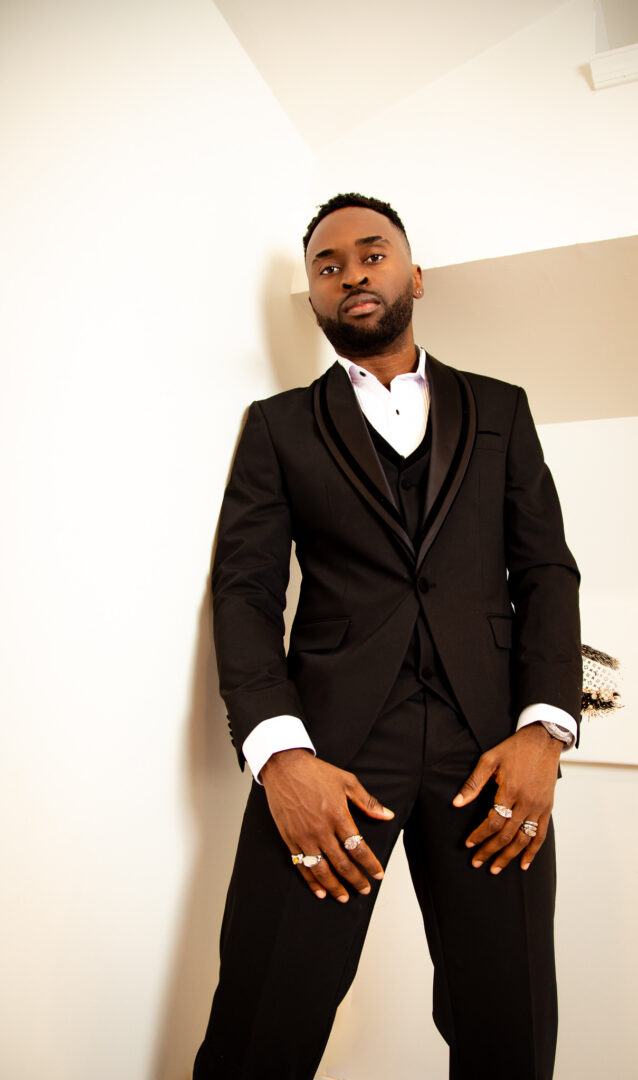
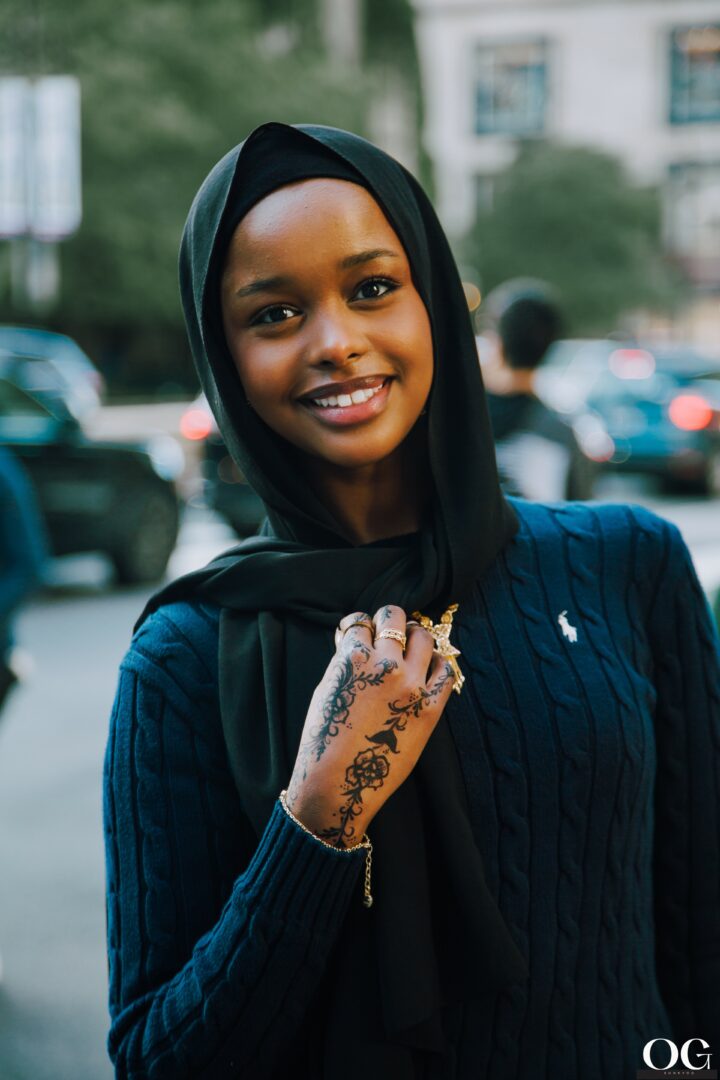
Image Credits
@sunkyog
so if you or someone you know deserves recognition please let us know here.