We recently had the chance to connect with Olena Dovgan and have shared our conversation below.
Olena, so good to connect and we’re excited to share your story and insights with our audience. There’s a ton to learn from your story, but let’s start with a warm up before we get into the heart of the interview. Have any recent moments made you laugh or feel proud?
One of my biggest recent highlights was being invited to serve on the judging committee for the World Choreography Awards in Hollywood. This award is often called the “Oscars of Dance,” celebrating outstanding choreography in film, television, commercials, music videos, and live performance. I actually went twice — first to help choose the nominees, and then again to attend the award ceremony. It was such a fun and inspiring experience to meet so many amazing creators in the industry and to enjoy the show surrounded by true artistry.
And on a more personal note, this year I became a mom. I never stopped working during my pregnancy or after giving birth, not because I couldn’t afford not to, but because I genuinely didn’t want to step away from what I love. I’ve found a beautiful balance between being with my precious son, Daniel, and continuing my creative work. Every day gives me a sense of accomplishment, so many reasons to feel proud, and countless moments of joy and laughter.
Can you briefly introduce yourself and share what makes you or your brand unique?
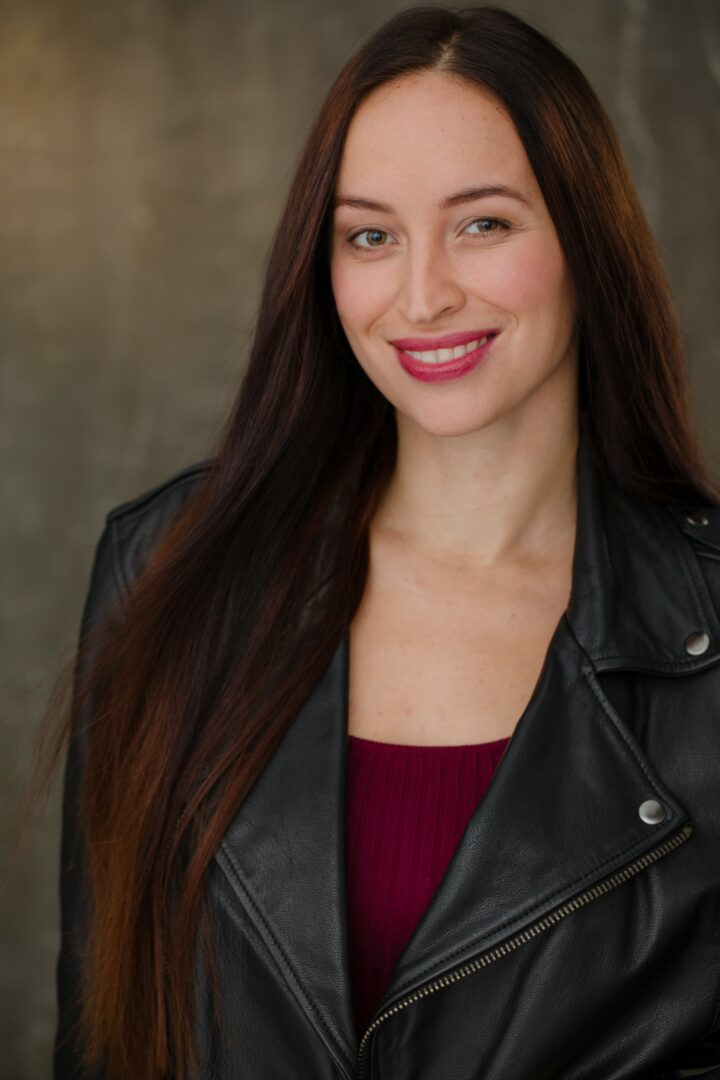
Yes, of course. My name is Olena Dovgan, and I’m originally from Ukraine. I am a dance instructor, adjudicator, choreographer, and dance YouTuber. I work with a wide range of clients, from people who simply want to dance for fun to dancers who are pursuing it as their profession. Right now, I’m focused on creating more dance content for social media and expanding my work as a commercial choreographer. I want to choreograph for theaters, music videos, and films, so I’m currently investing a lot of time into growing my dance vocabulary and becoming even more versatile. On my social platforms, I openly share both my struggles and my wins. I want people to see that even if you’re good at something, it doesn’t mean you should stop learning or challenging yourself. Even if you’re afraid of looking inexperienced or think it might be too late — it’s never too late. You can keep doing what you love and what you’re good at, while also building new skills and working toward new goals, even if they seem unrealistic at first.
Great, so let’s dive into your journey a bit more. What was your earliest memory of feeling powerful?
I think the first time I felt powerful was when I started teaching. I was only 18 and I was lucky to have both deep knowledge and incredibly hardworking students. Together, we achieved results that placed them among the best in the country — and even the world — for their age group. It also made me one of the top coaches in the area. For the first time, I felt that my knowledge and expertise truly had weight.
But that feeling played a bit of a bad joke on me. I became trapped by the idea of “results at any cost.” It didn’t matter if I had time for family, friends, school, hobbies, or even rest. I applied that same mentality to my students and to myself. Eventually, a knee injury forced me to question my choices and my lifestyle. I remembered what my mom always told me: “Do what you love, and success will come.” I had to reconnect with the original reason I started dancing in the first place.
Now, I live by a completely different philosophy — growth through joy. I focus on being a better version of myself, not trying to become someone else or constantly proving that I’m great. I do things because I love them, not because I feel I need to. And I remind myself that I am already enough.
Today, “power” doesn’t matter to me in the old sense. The only power I want is the power to bring people happiness and touch their hearts through my art. Looking back, I realize that my earlier understanding of power was not right for me — but it taught me the lessons I needed to lead the life I do now.
What have been the defining wounds of your life—and how have you healed them?
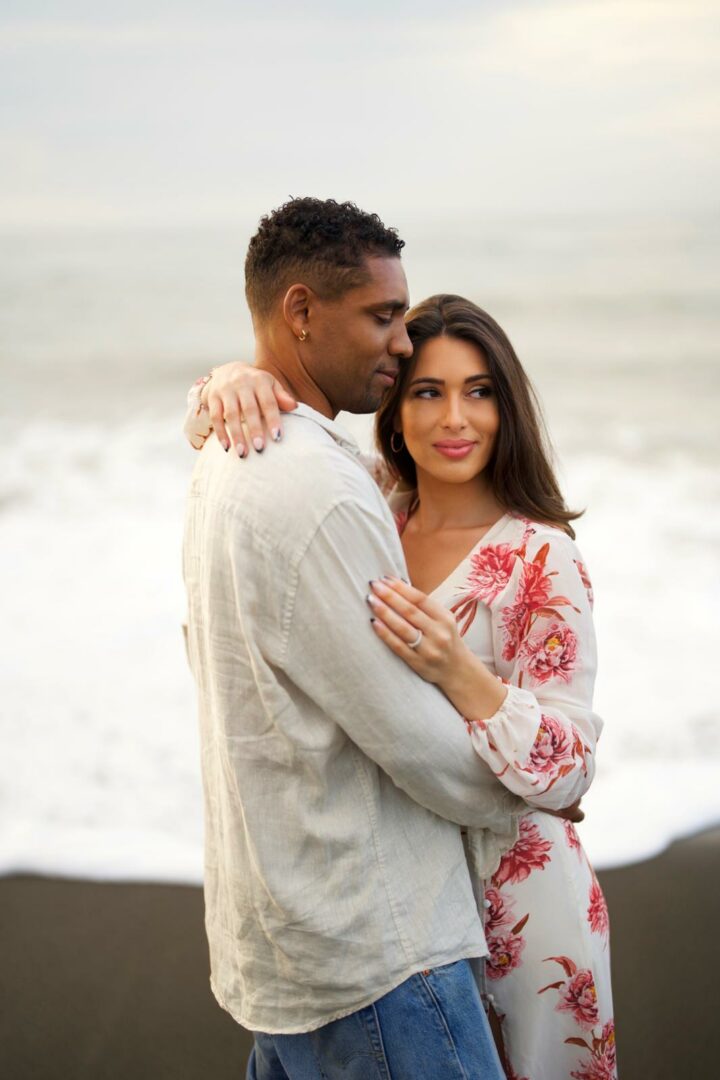
Just before I became a mom to my son Daniel, I was supposed to become a mom sooner. My husband and I had been trying to get pregnant for almost a year, and when it finally happened, we were beyond happy. At the same time, we were preparing for our Little Mermaid dance production — I was Ariel, and my husband was Prince Eric. By the time of the show, I was supposed to be in my early fourth month of pregnancy.
Our first ultrasounds were perfect. We saw the heartbeat, we heard it — everything looked healthy. But three weeks before the show, we were told that the baby’s heart had stopped. It was devastating. I didn’t want to perform at all, but we also didn’t want to let our team down.
So I found a way to turn my pain into art. I choreographed a piece to Wild Uncharted Waters from the live-action Little Mermaid. On the surface, the dance was about Prince Eric searching for the mysterious girl he believes he sees on the shore, only to realize it was a mirage. But underneath, it reflected our own story — losing something so dear, yet believing that one day we would find our healthy, happy child. In that moment, it felt unreachable, like something we could only imagine. Creating that piece helped me perform, and it helped me begin to heal. Art truly saved me.
We found out about the miscarriage a week before my birthday. We had planned to surprise our guests with the pregnancy news and cut a gender reveal cake together. Instead, the day before my birthday, I had a D&C. But on my birthday, I chose to do something meaningful. I invited an art teacher and asked my friends to paint with me — we painted a pink dragon, because we were supposed to have a baby girl in the Year of the Dragon. I even wrote a song and melody during that time. All of this helped me express what I was feeling instead of hiding it.
What also helped immensely was sharing my story with my family, friends, and followers. I received so many messages from people who had gone through similar experiences. The support and love were overwhelming. Of course, some people didn’t fully understand, but I did what felt right for me. I couldn’t pretend everything was fine. I needed to be honest, to grieve openly, and to show that sadness is valid. Healing came through art, through vulnerability, and through the community that surrounded me.
Sure, so let’s go deeper into your values and how you think. What are the biggest lies your industry tells itself?
I would say one of the biggest lies in our industry is the belief that the people we see at the top are always the best in their craft. In the dance world — just like in many other industries — a huge part of success comes from networking. Who you know, where you show up, and what you do with those connections often matters just as much as talent.
There are incredibly gifted dancers, choreographers, and creatives whose work is extraordinary, but no one knows about them simply because they don’t have the resources, visibility, or connections. Their talent is real, but they’re not in the “pond” of the industry yet.
So I want this to be a reminder: if success feels unreachable, don’t give up. Focus on becoming better at your craft — that part is always in your control. And then, step by step, work on getting yourself into that pond, into the spaces where people can actually discover you. It’s very similar to Michelin restaurants: your food might be even better, but if a Michelin judge never visits, no one knows.
That’s why I believe social media and content creation are changing the game. They make the playing field more equal. You can already be amazing — you just need to find a way to put yourself where people can see you.
Okay, so before we go, let’s tackle one more area. Are you tap dancing to work? Have you been that level of excited at any point in your career? If so, please tell us about those days.
I’m always tap dancing to work — and honestly, if you’re not excited about what you do, why the hell are you doing it? I started dancing because I loved it, and that feeling is still the foundation of my career. Of course, there are stressful moments: choreography deadlines, challenging clients, and the draining administrative work that doesn’t excite me at all.
One concept that really changed my mindset was from Buy Back Your Time by Dan Martell: delegate everything someone else can do, and try to spend your time only on the things that only you can do — the things you’re uniquely great at. So I focus my energy on developing my knowledge, my skills, and my growth as an artist. Everything else, I try to simplify or delegate.
To handle the stresses, I remind myself: Do what you can, do what you want, and let the rest go. I set clear boundaries with my clients about communication and expectations, which keeps my work environment healthy. I also understand that the more success you achieve, the more pressure can come with it — but pressure doesn’t have to become suffering.
I try to approach life like a game. It should be challenging enough to stay exciting, but not so hard that it becomes unbearable. I do everything within my power and my will — and that includes resting when I need to. If I feel like watching a movie with my family, that’s exactly what I choose to do, because that matters too.
And if I never become an Emmy-nominated choreographer with 10 million subscribers and a global dance empire — that’s okay. But if I do? Even better. I won’t exhaust myself, but I also won’t stand still. What I do is fun to me, it fills me with joy, and that’s why I’m still tap dancing to work every day.
Contact Info:
- Instagram: https://www.instagram.com/explorewitholena/
- Facebook: https://www.facebook.com/dovgandance
- Youtube: https://www.youtube.com/dovgandance
- Other: https://www.instagram.com/dovgandance/
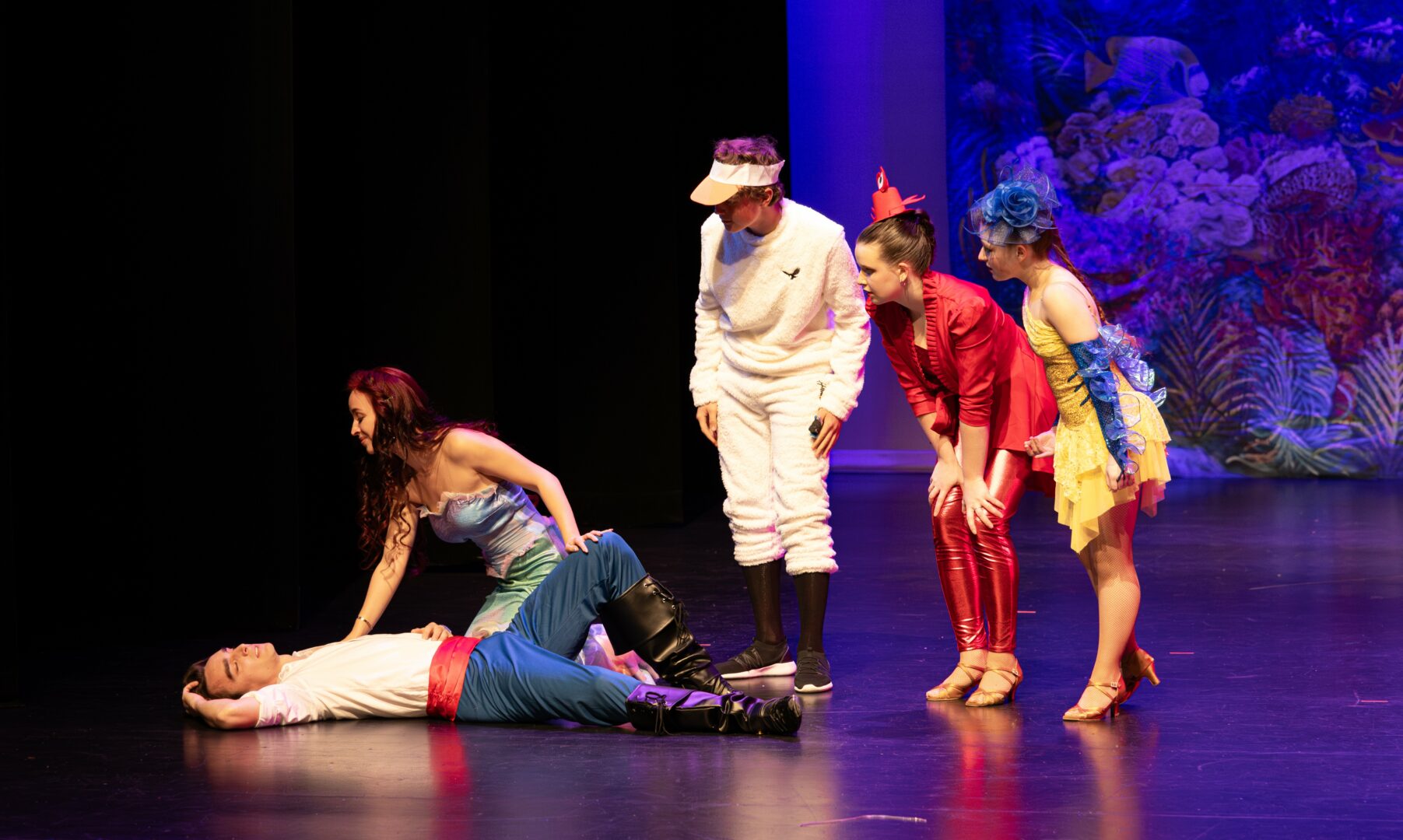
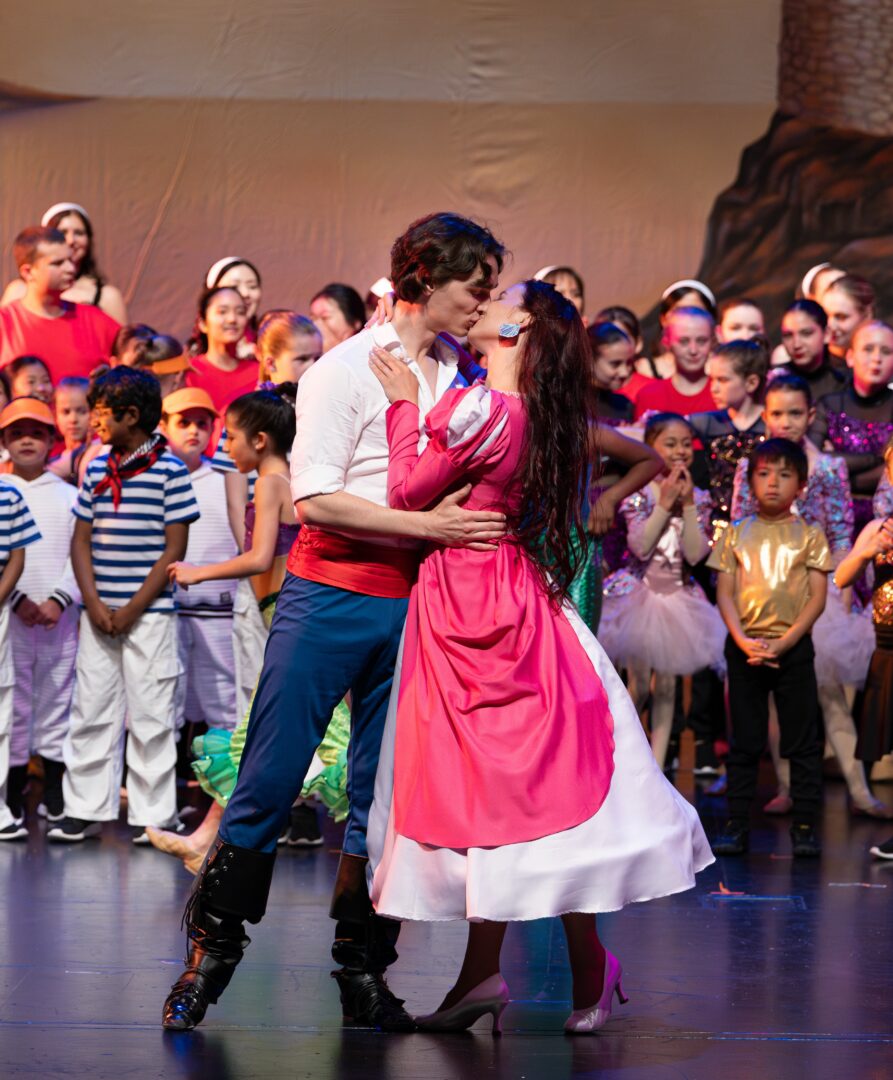
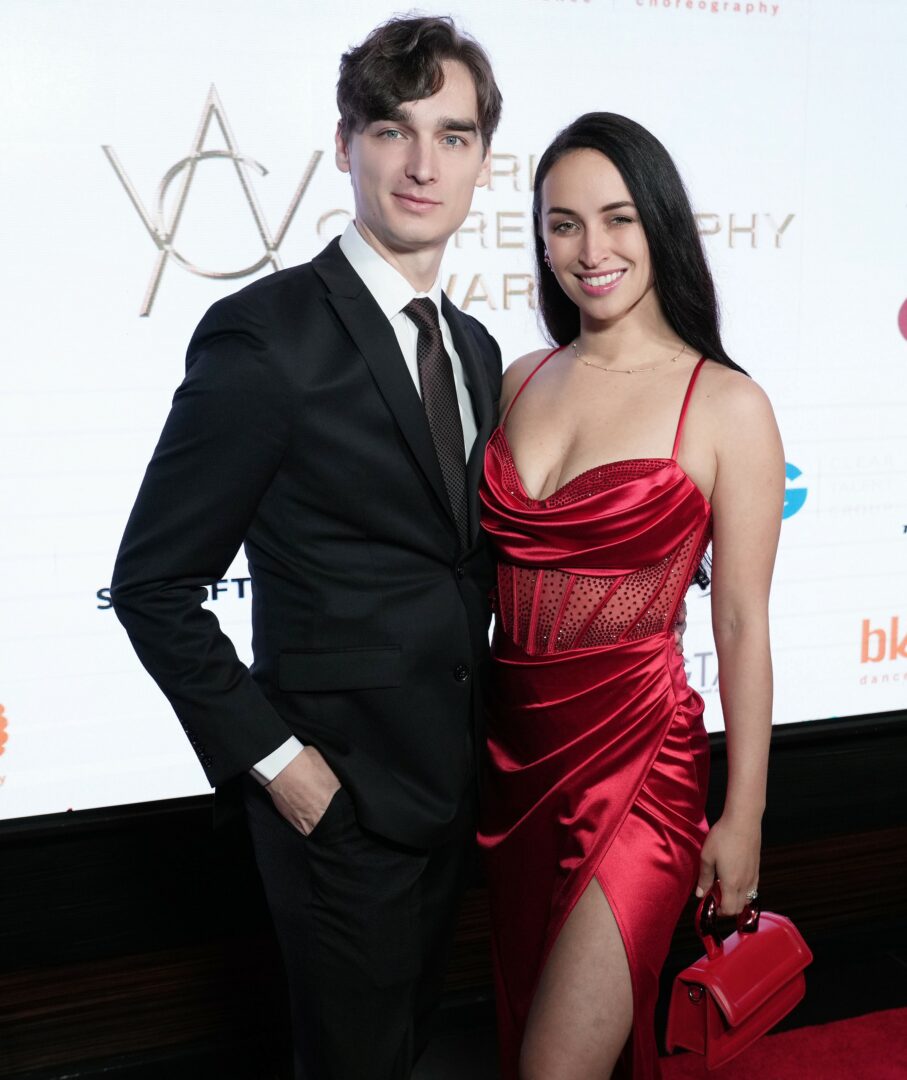
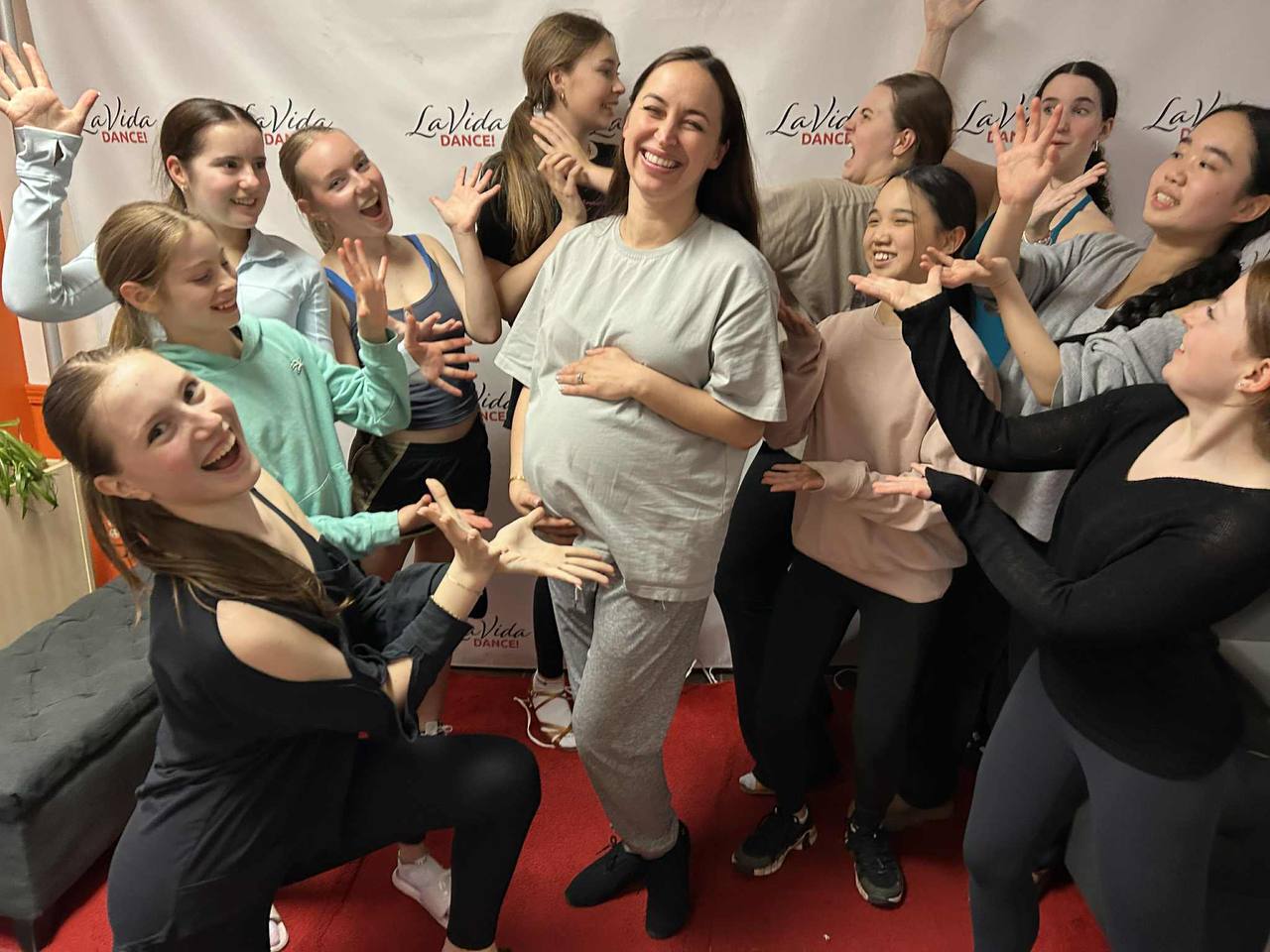
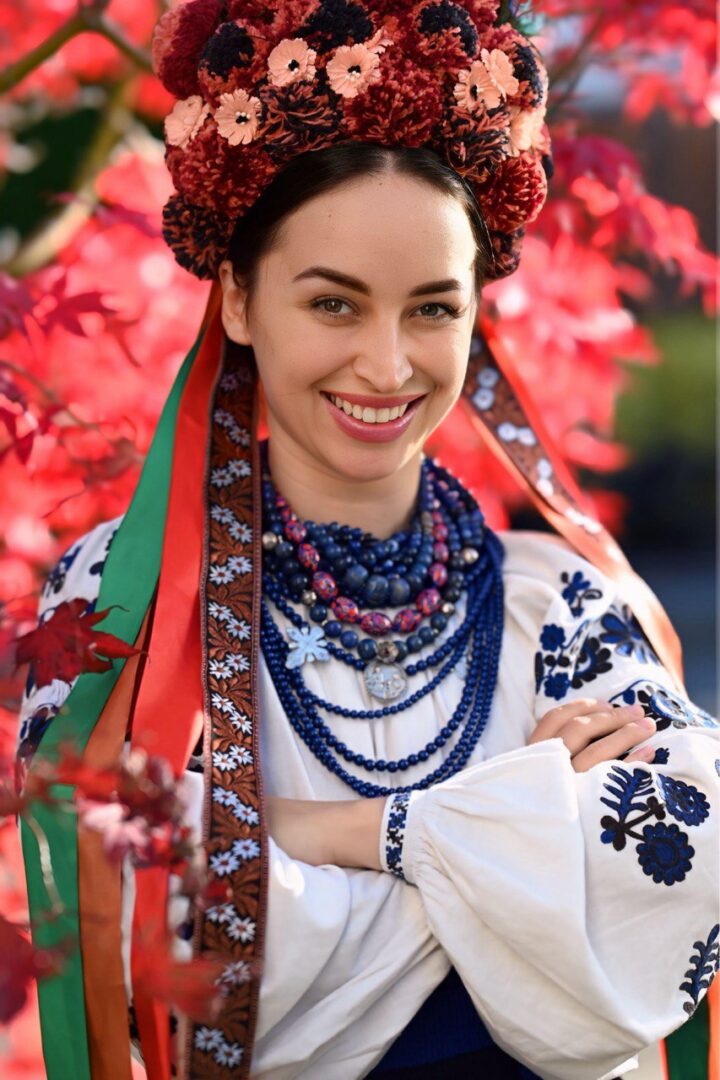
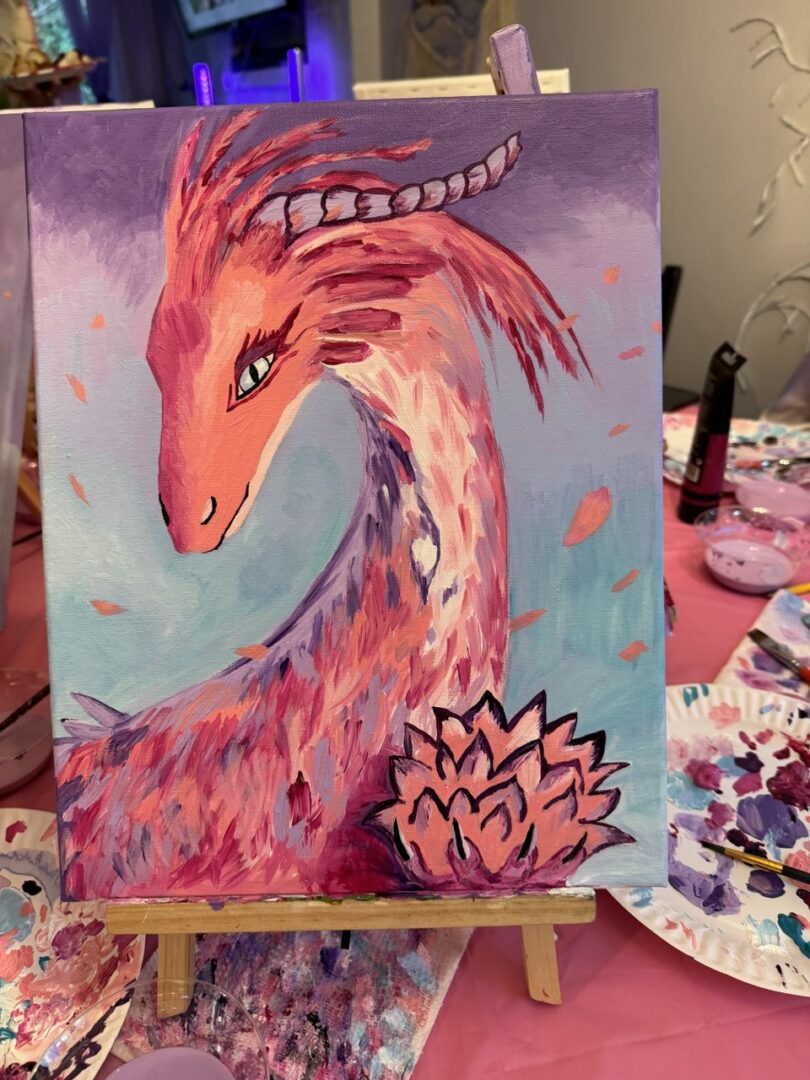
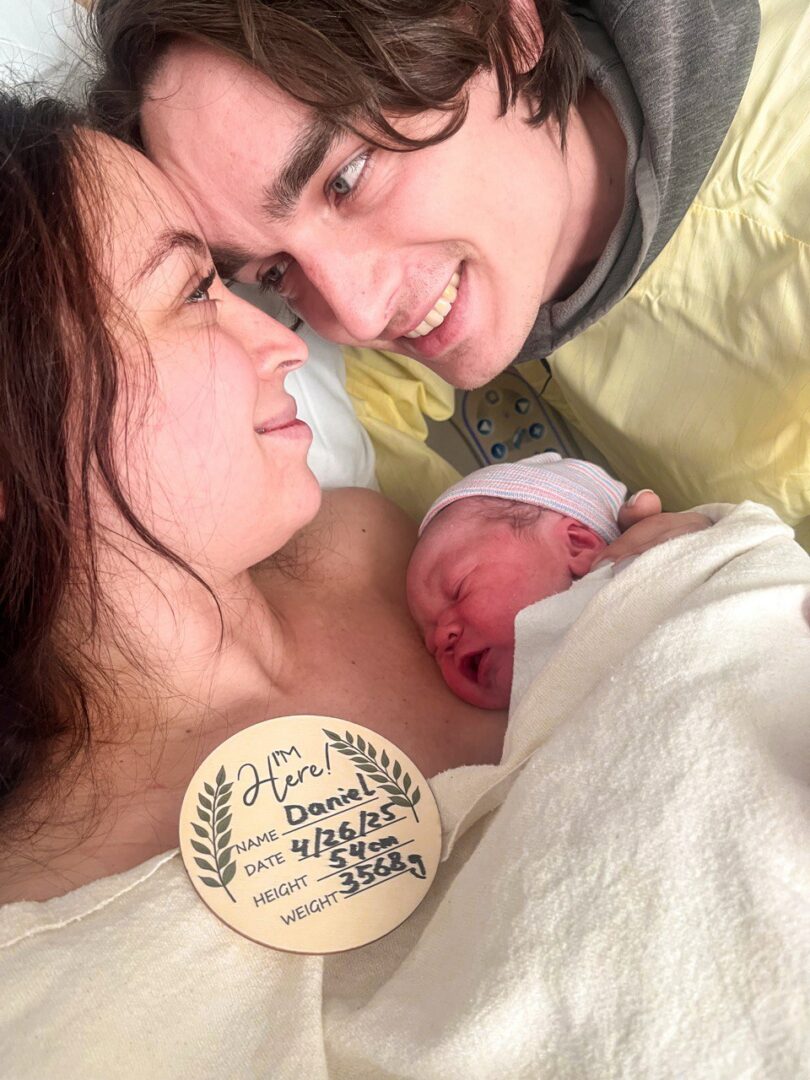
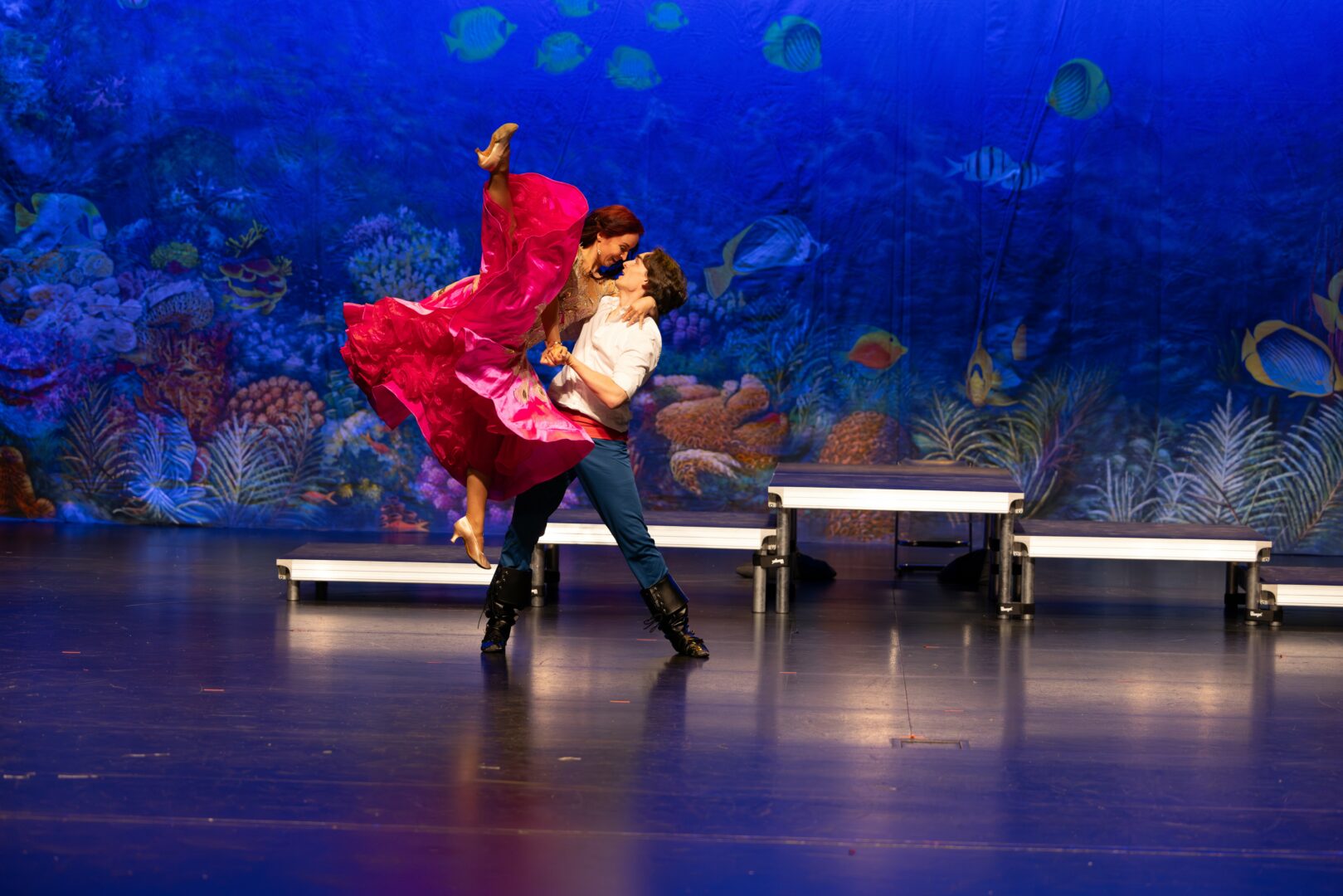
Image Credits
Olga Nudelman – Photos from the Little Mermaid
Olga Kvitka – Photo of me in the Ukrainian attire
so if you or someone you know deserves recognition please let us know here.