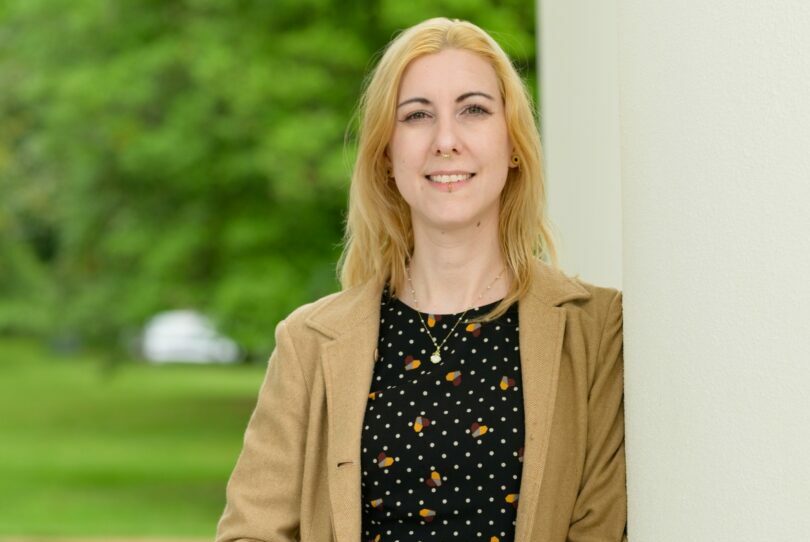
We’re looking forward to introducing you to Sophie Dupont. Check out our conversation below.
Sophie, so good to connect and we’re excited to share your story and insights with our audience. There’s a ton to learn from your story, but let’s start with a warm up before we get into the heart of the interview. What’s more important to you—intelligence, energy, or integrity?
For me, integrity is most important.
In my practice, the body itself is the site of truth — it cannot pretend. Breath, rhythm, and gesture reveal what words often hide. Integrity, to me, means alignment between what I feel, think, and do; it’s an embodied coherence.
Intelligence and energy are valuable, but without integrity they risk becoming noise — cleverness without depth, movement without meaning. In my performances, I work with presence, vulnerability, and honesty as materials. These qualities require integrity: the courage to stay in what is real, even when it is fragile or uncertain.
Integrity holds the energy together and gives intelligence a soul. It’s the quiet force that allows art to speak beyond aesthetics — to touch, to connect, to breathe with others.
Can you briefly introduce yourself and share what makes you or your brand unique?
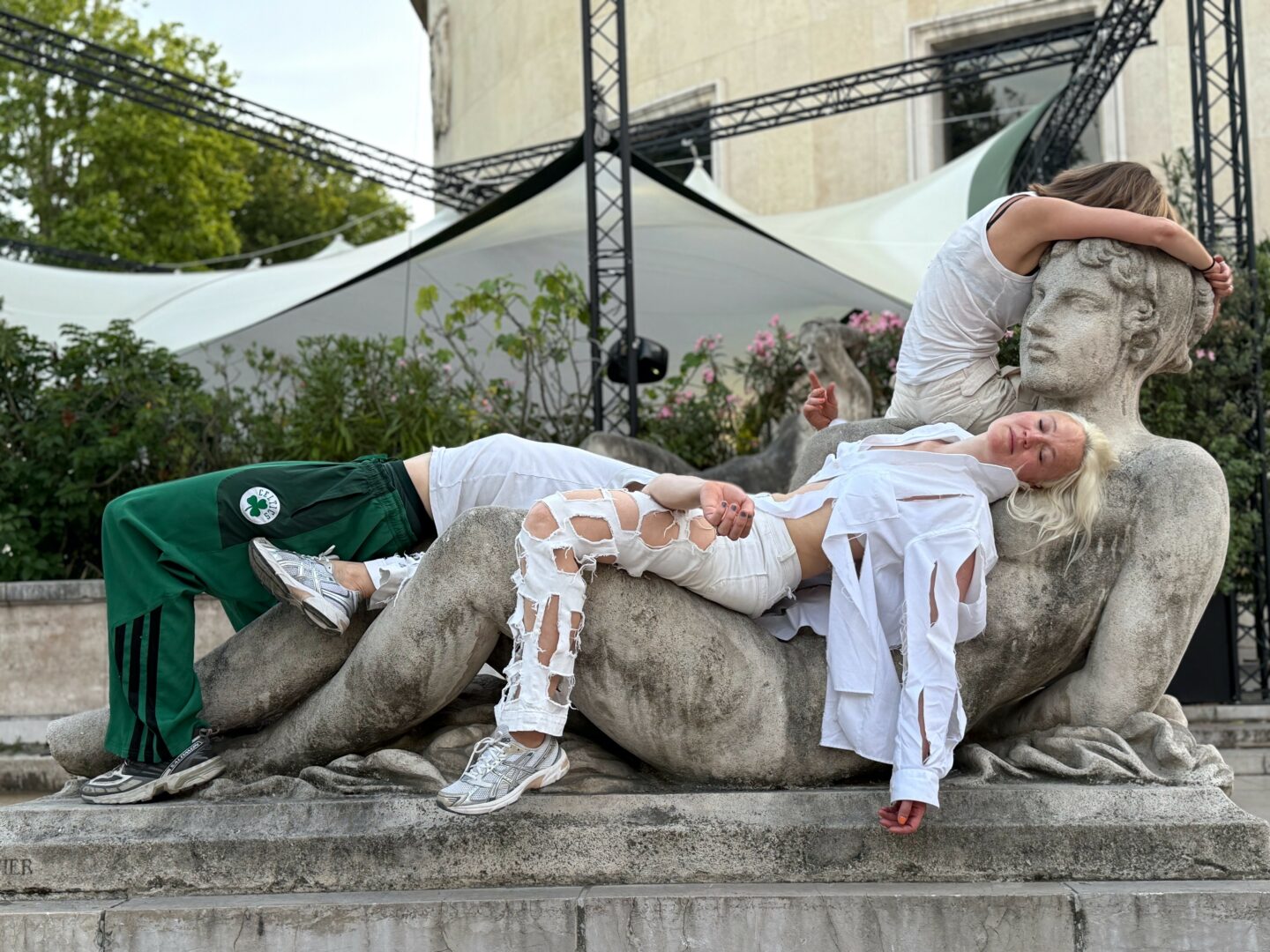
My name is Sophie Dupont, and I am a visual and performance artist based in Copenhagen and Paris. My work explores the body as both material and medium — a living archive of breath, rhythm, and presence. Through performance, drawing, and installation, I investigate how simple, repetitive gestures such as breathing, resting, or standing still can become acts of awareness and connection.
I see art as a way to slow down and to listen — to register life itself. My ongoing project, BREATHE, translates the invisible movements of the body into tangible forms, working between the poetic and the physical. I’m interested in how art can function as embodied activism: a gentle resistance to acceleration and fragmentation, and an invitation to presence, care, and shared being.
Each work is a reminder — to breathe, to sense, to be alive.
Okay, so here’s a deep one: What relationship most shaped how you see yourself?
The relationship that most shaped how I see myself is the one I have with my mind and body. From early training in dance to my ongoing artistic practice, I have learned to listen to breath, movement, and presence as guides to understanding who I am. My body has taught me patience, attention, and the poetry of small gestures. It’s a constant dialogue.
Through this relationship, I have discovered that identity is not fixed, but lived and experienced in each moment of awareness. It is through attuning to my own rhythms — and noticing how they intersect with others — that I understand myself as both individual and part of a shared, embodied world.
What did suffering teach you that success never could?
Suffering taught me the quiet strength I never knew I had — how to keep breathing when the world feels heavy, how to carry vulnerability with resilience. It also taught me to laugh at myself, to find absurdity in difficulty, and to recognize that even pain can have rhythm and texture.
Success shows you what you can achieve, but suffering shows you who you are: resourceful, tender, and sometimes unexpectedly funny. It revealed that the traces we leave — in breath, gesture, or laughter — often hold more meaning than any accolade.
Sure, so let’s go deeper into your values and how you think. What’s a belief or project you’re committed to, no matter how long it takes?
I am committed to tracing life through breath and presence, no matter how long it takes. My work investigates how breathing, movement, and stillness can become material and poetic markers of existence. I believe that by paying attention to the body and its rhythms, we can cultivate awareness, care, and connection — both with ourselves and with others.
This commitment is slow, patient work: recording subtle gestures, following the invisible traces of breath, and letting them guide art, performance, and reflection. It is a lifelong practice of listening, sensing, and honoring the quiet, vital pulse of life itself.
Thank you so much for all of your openness so far. Maybe we can close with a future oriented question. If immortality were real, what would you build?
If immortality were real, I would build spaces of presence and care — places where people could gather, breathe, move, and create together without rush. Spaces that honor the rhythm of the body, the quiet of observation, and the poetry of ordinary gestures. I would build environments that nurture attention, connection, and the subtle traces of life that endure beyond time.
Contact Info:
- Website: https://www.sophiedupont.com
- Instagram: sophie__dupont
- Linkedin: Sophie Dupont
- Facebook: Sophie Dupont
- Youtube: Sophie Dupont
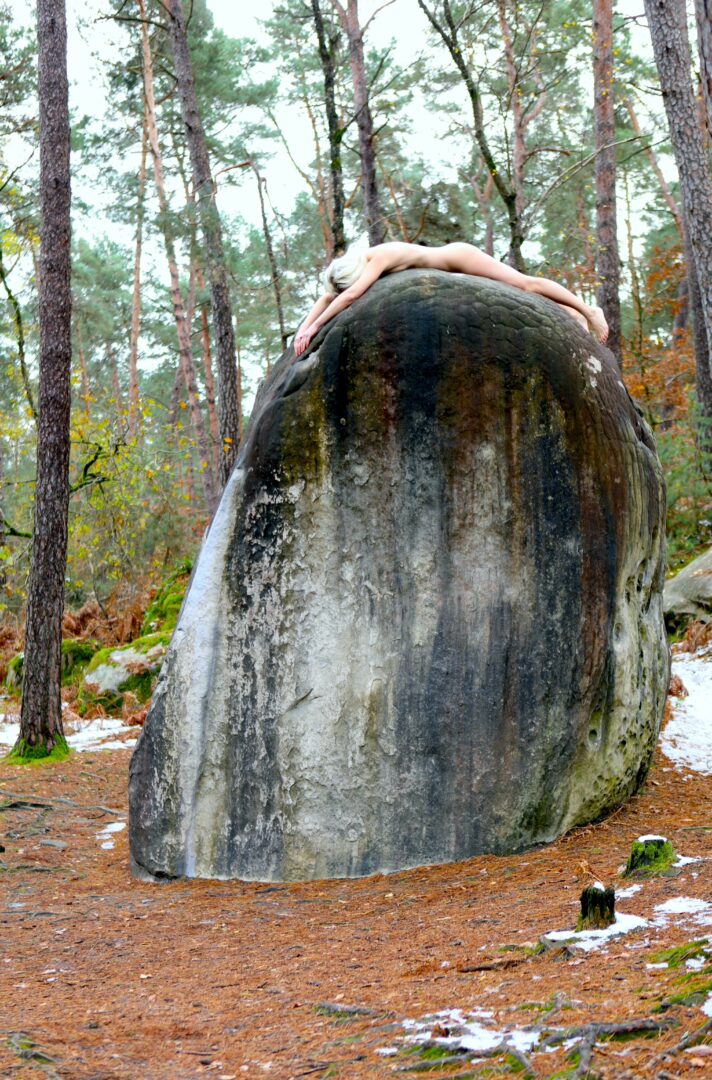
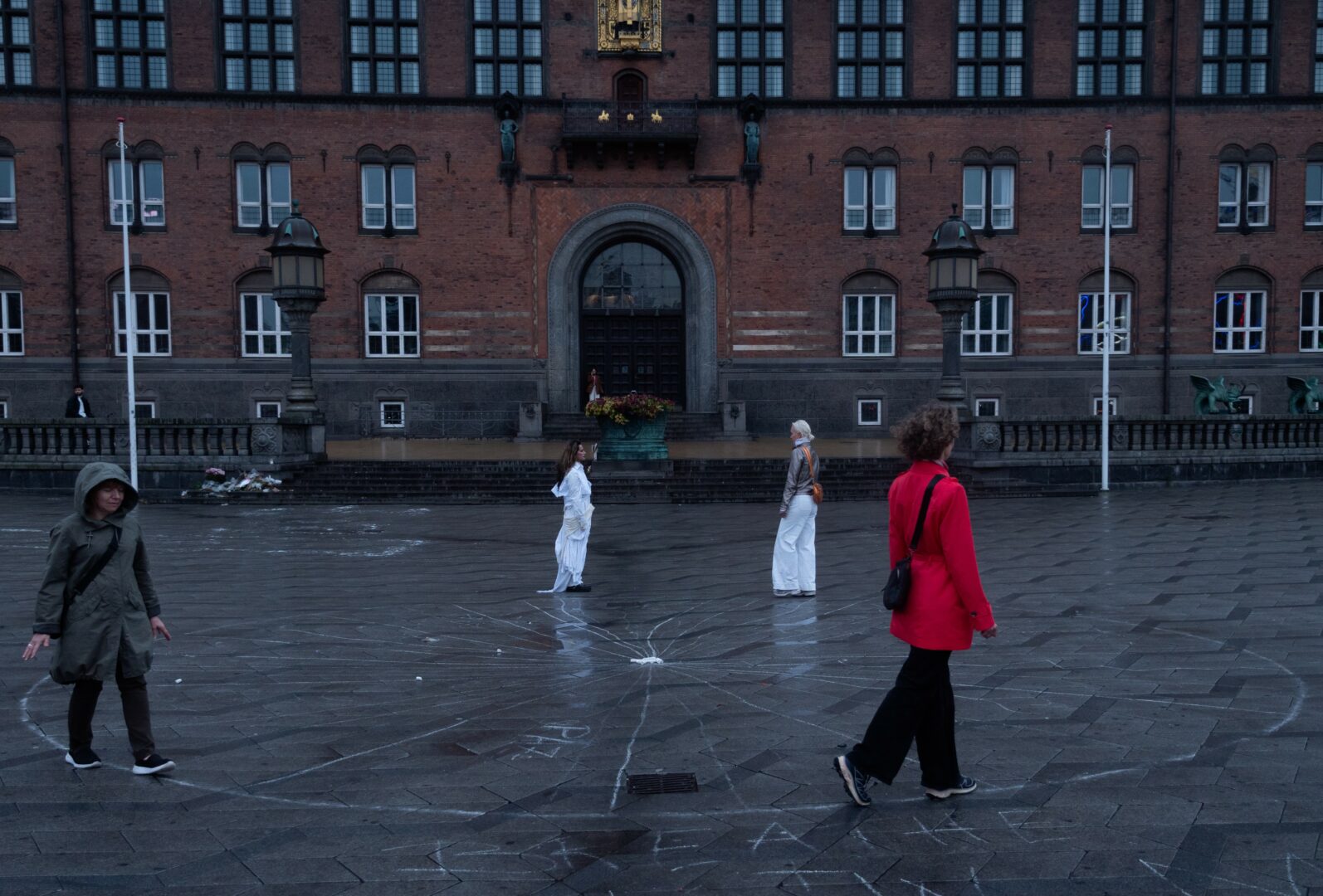
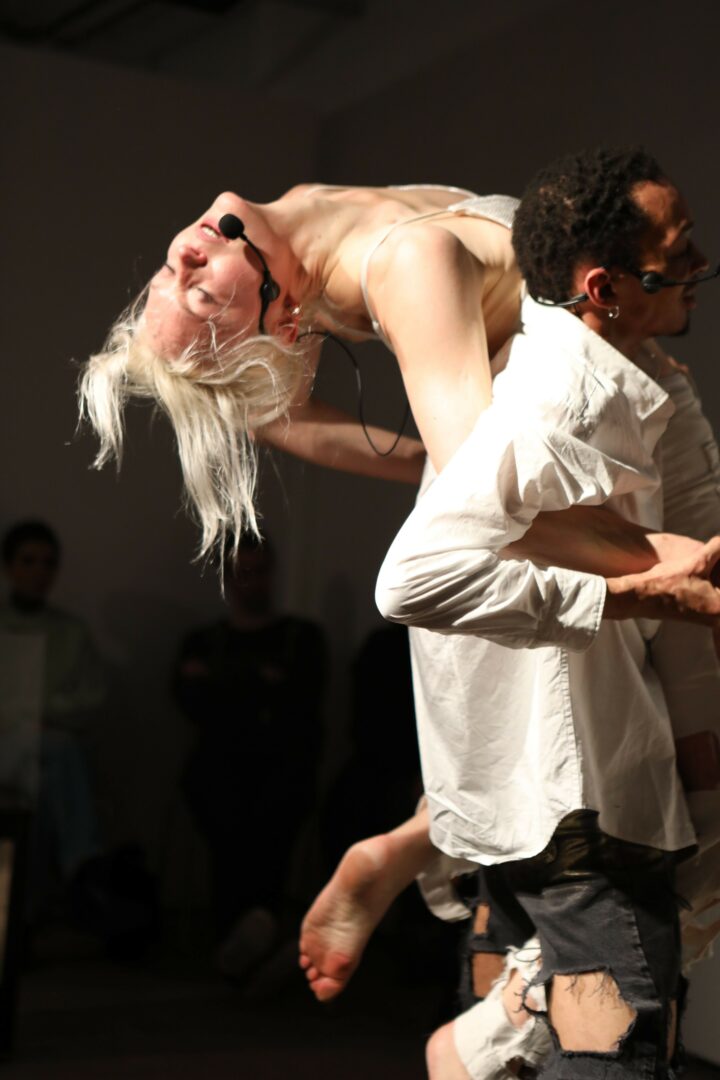
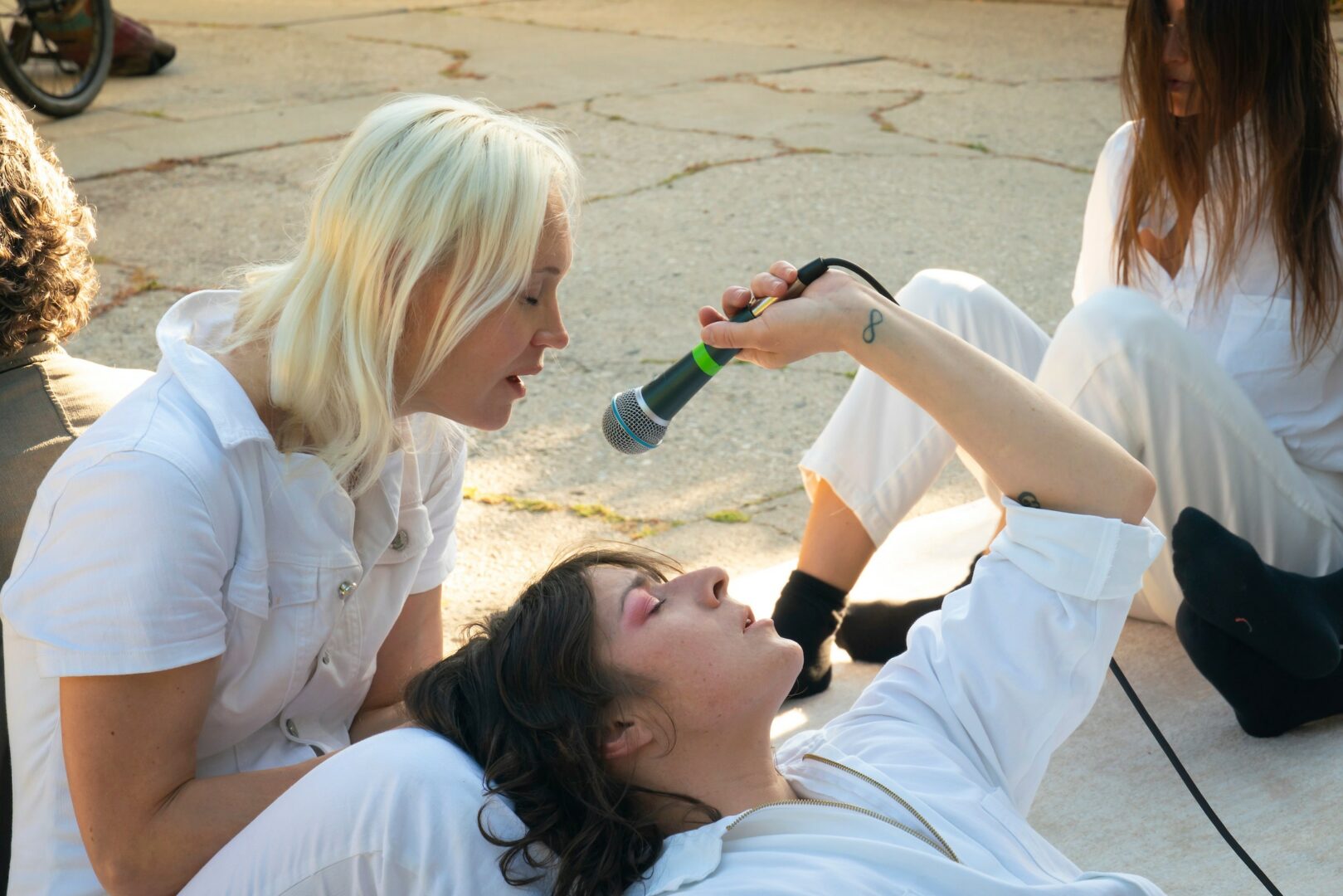
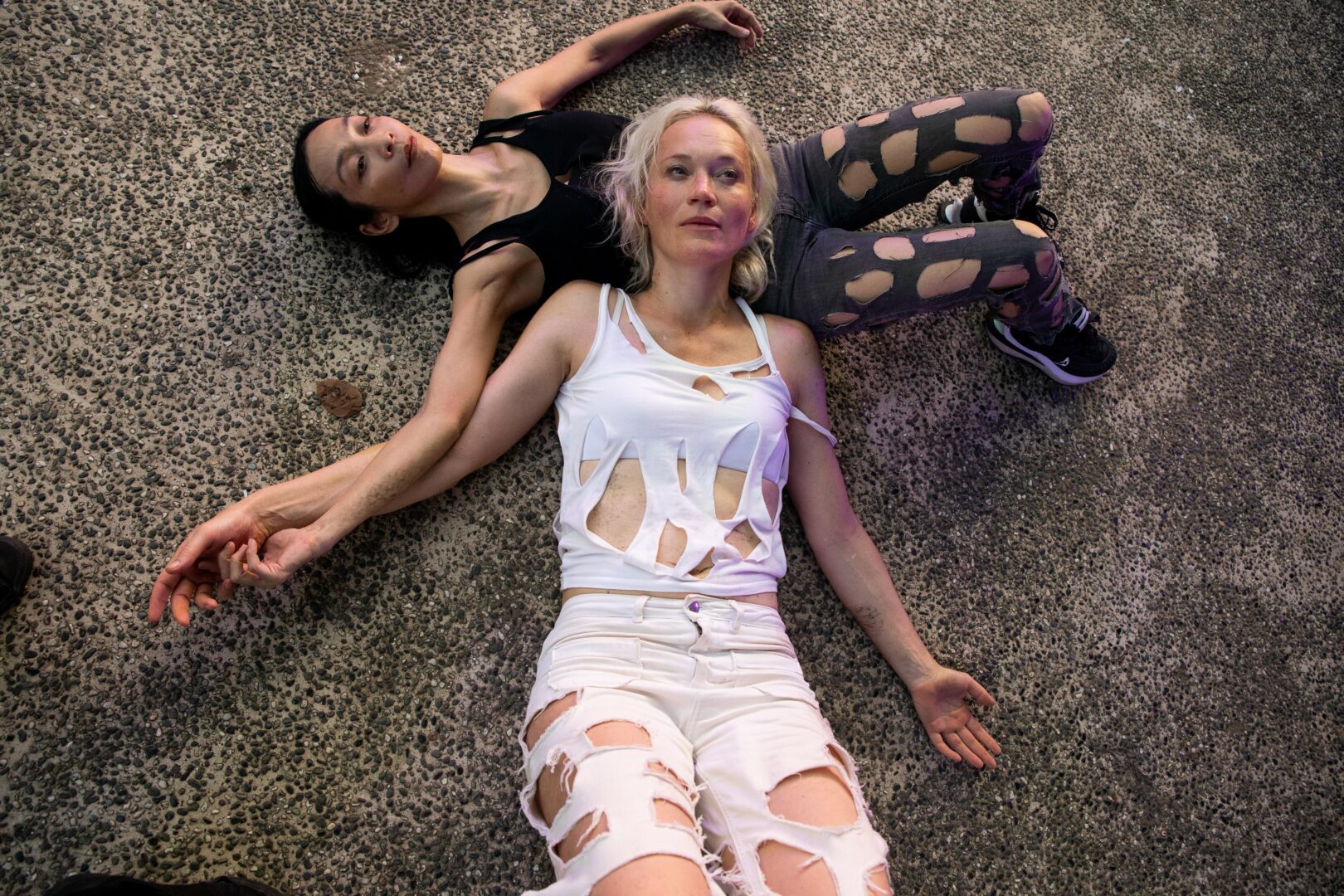
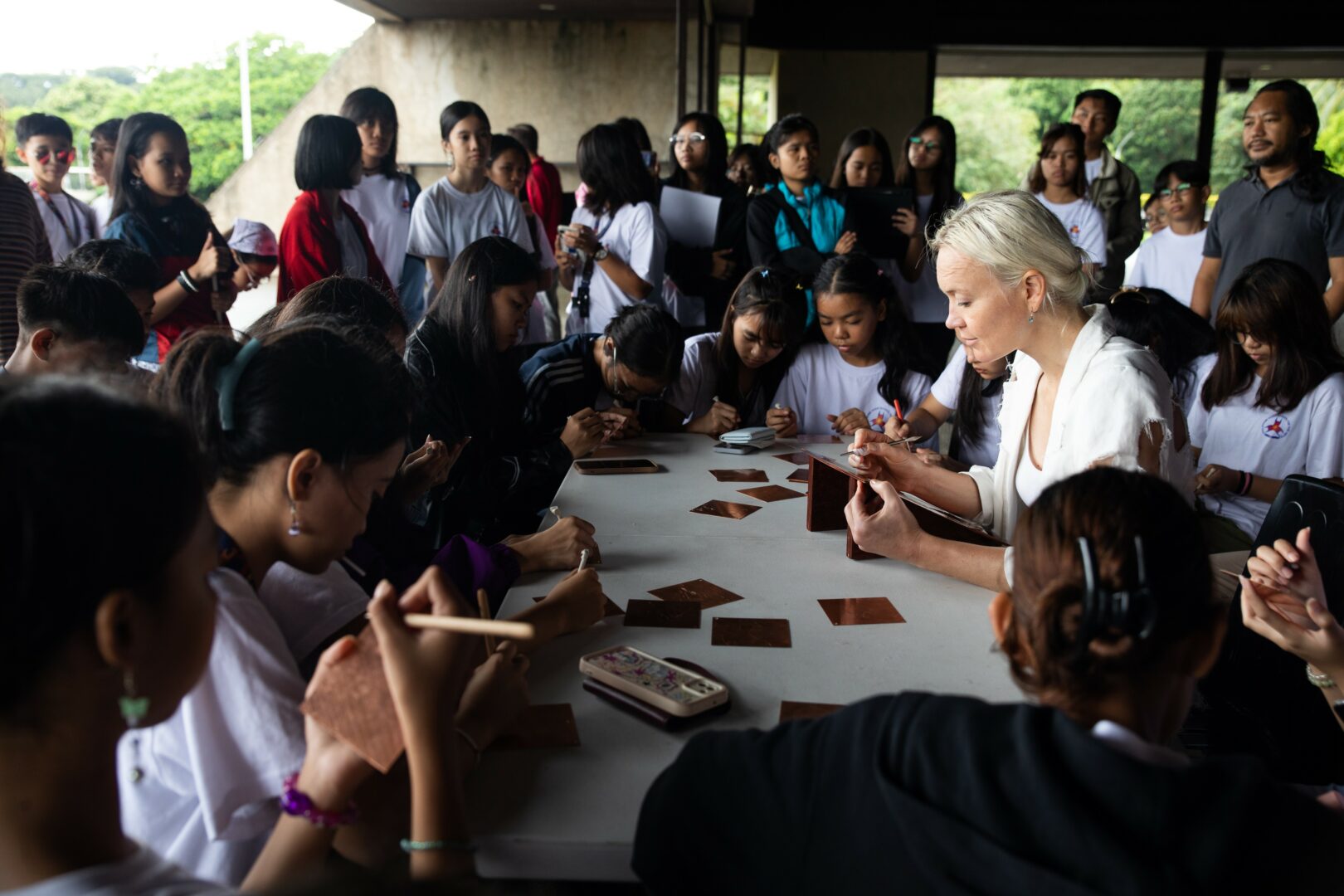
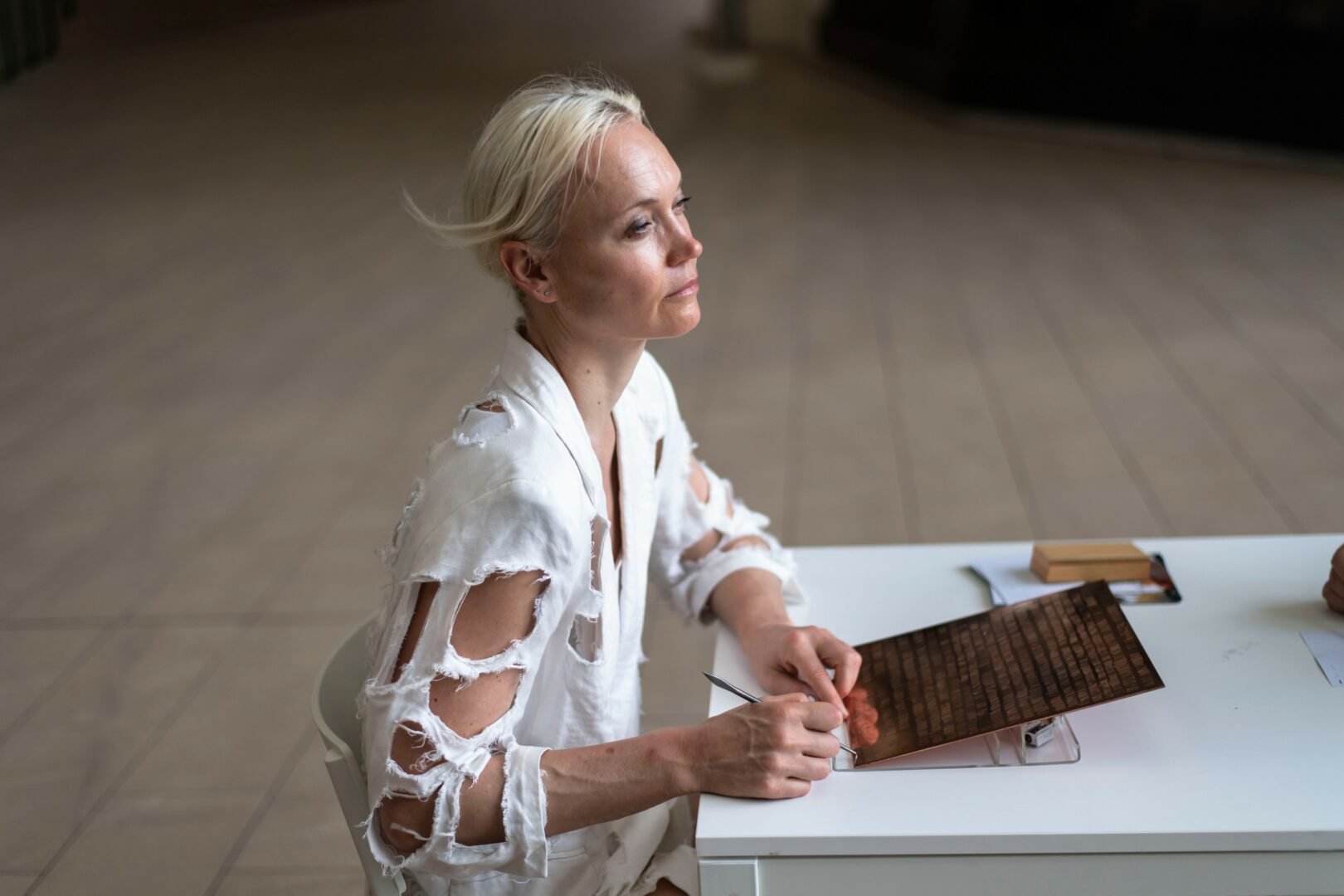


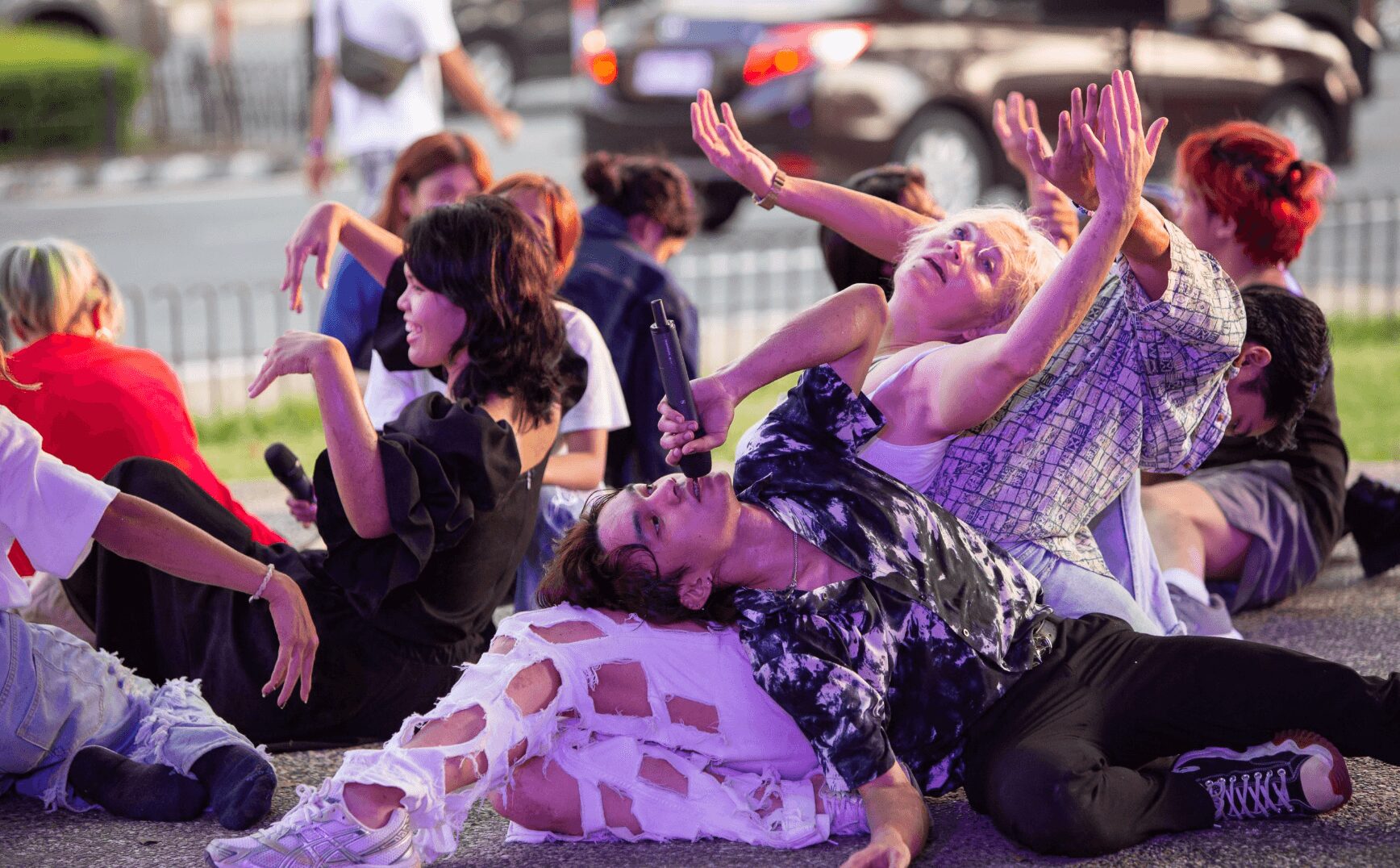
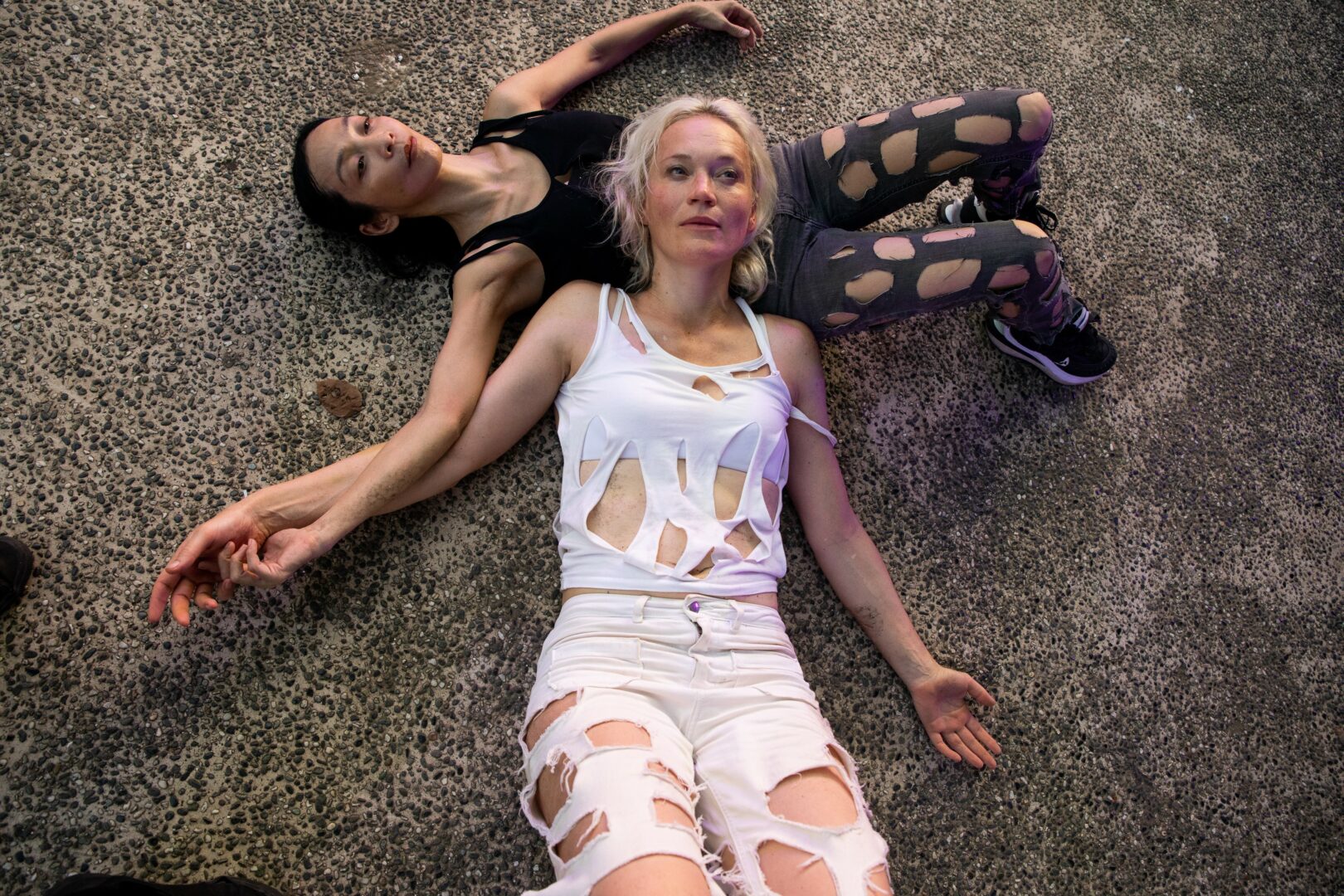
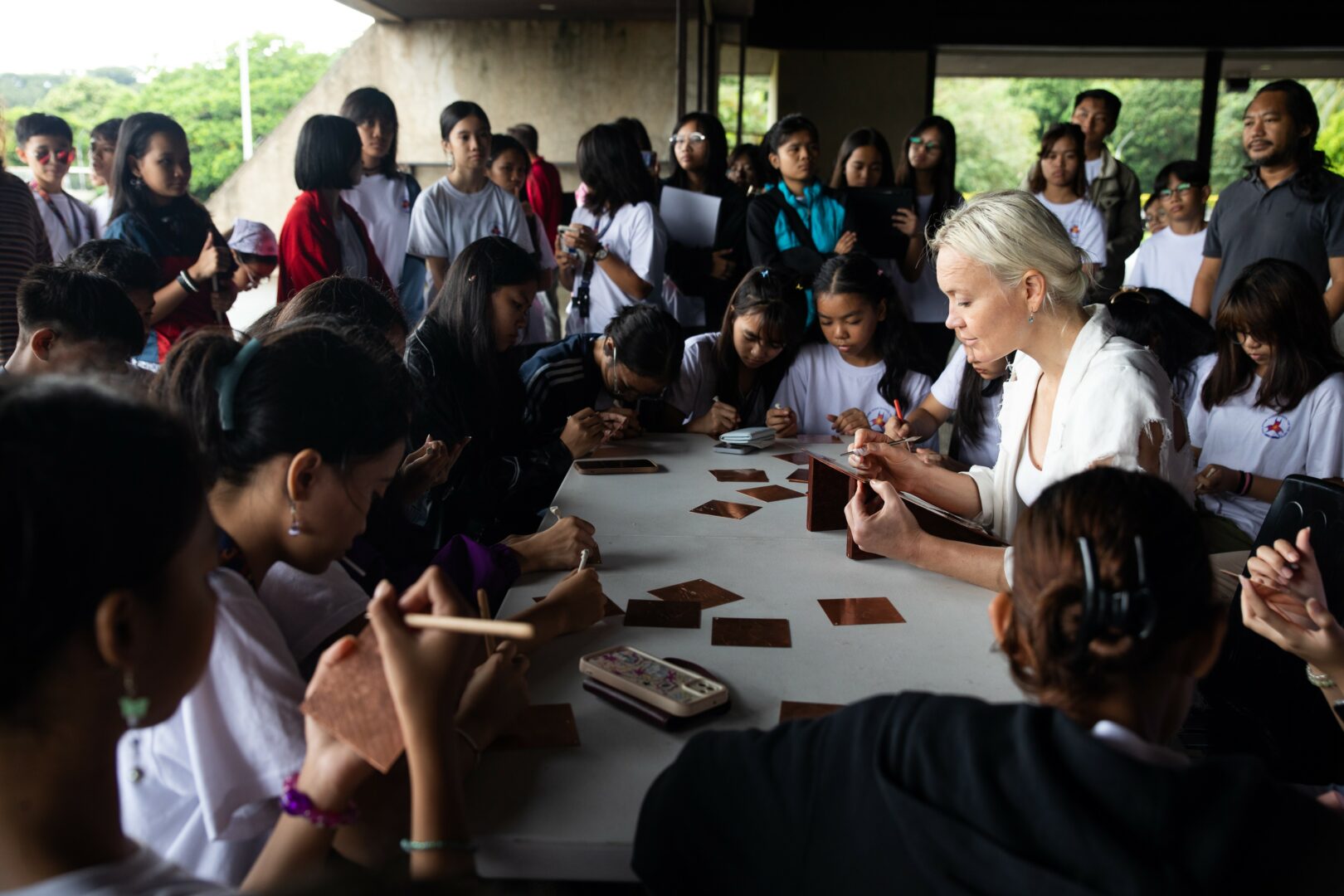
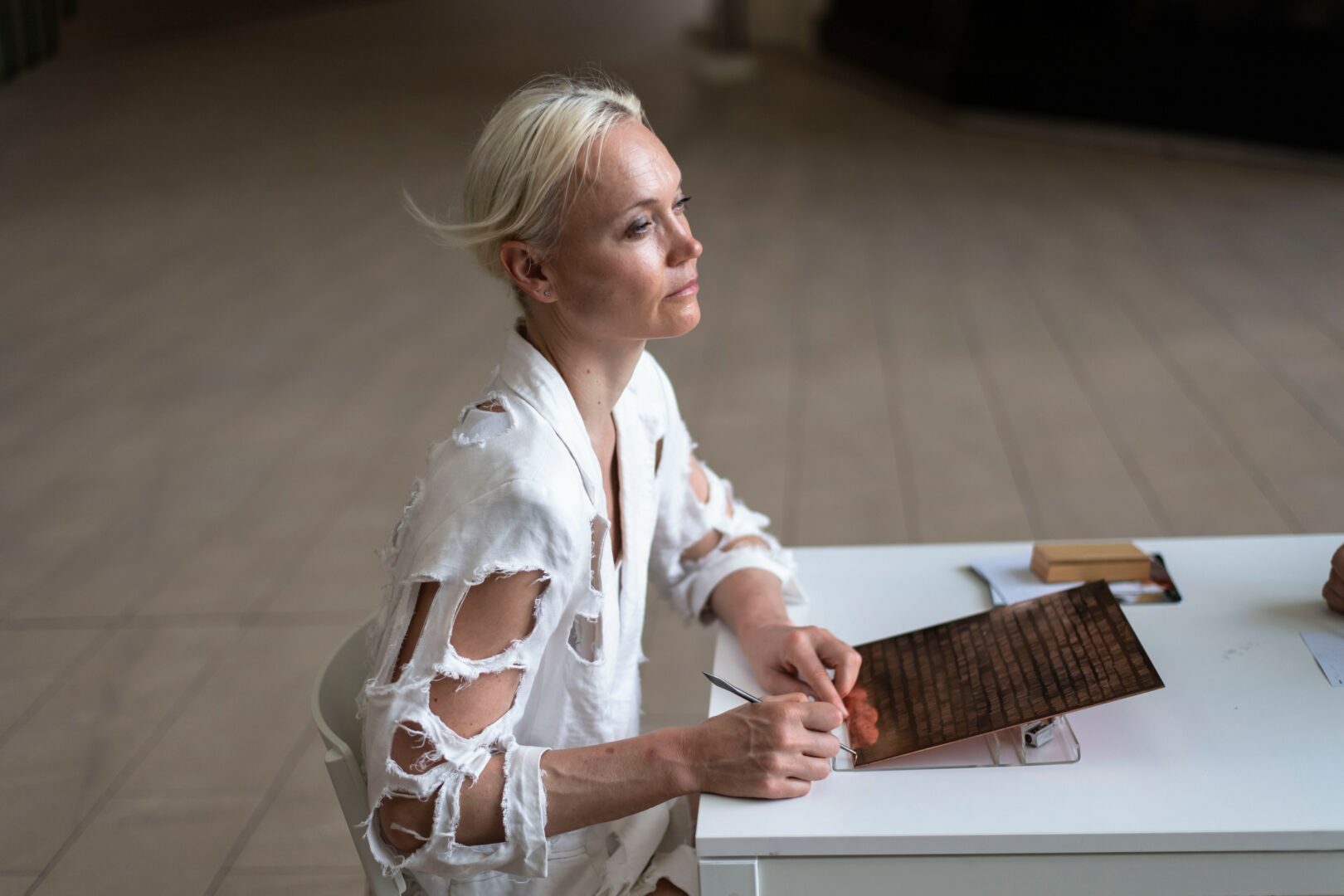

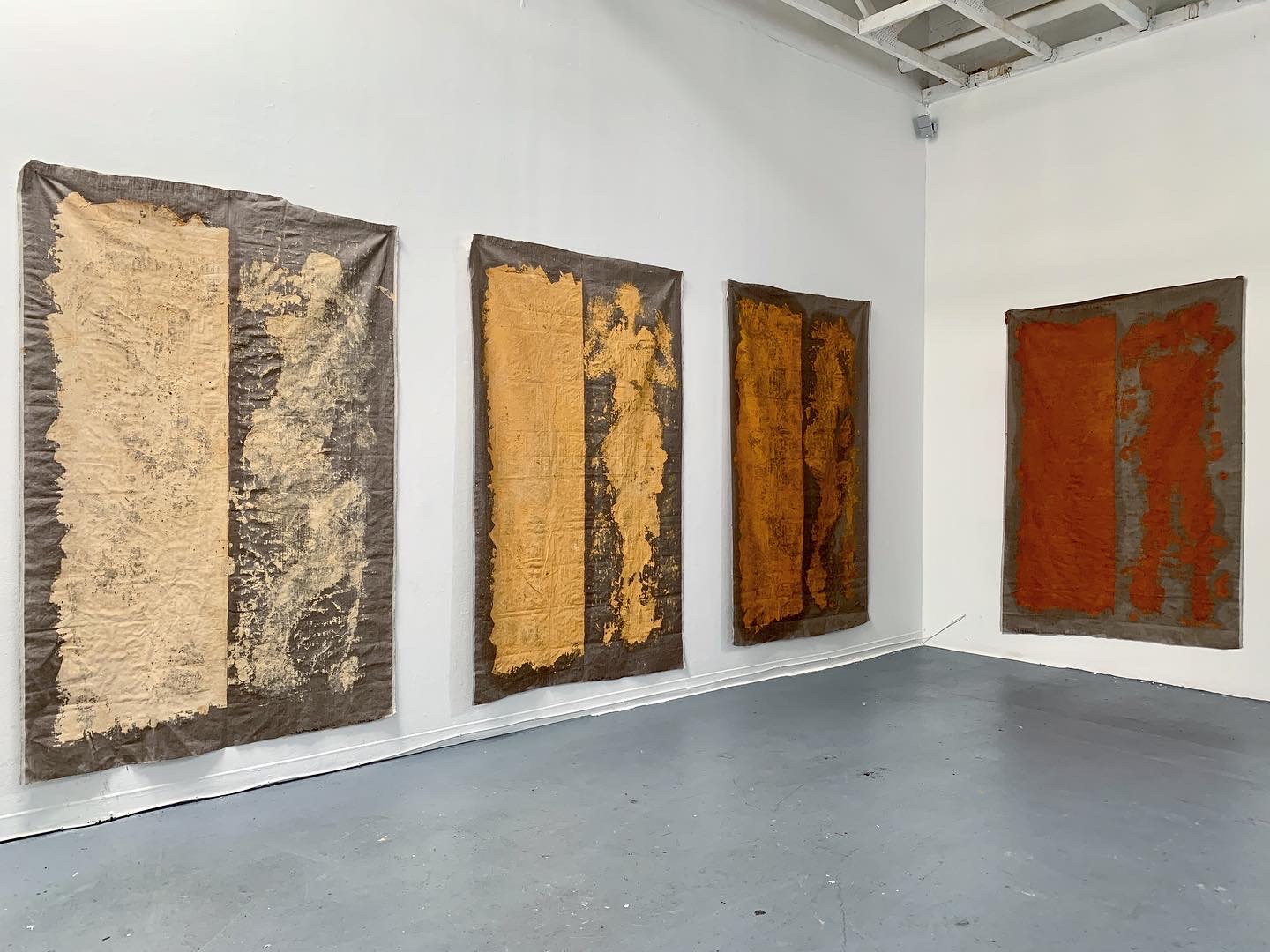
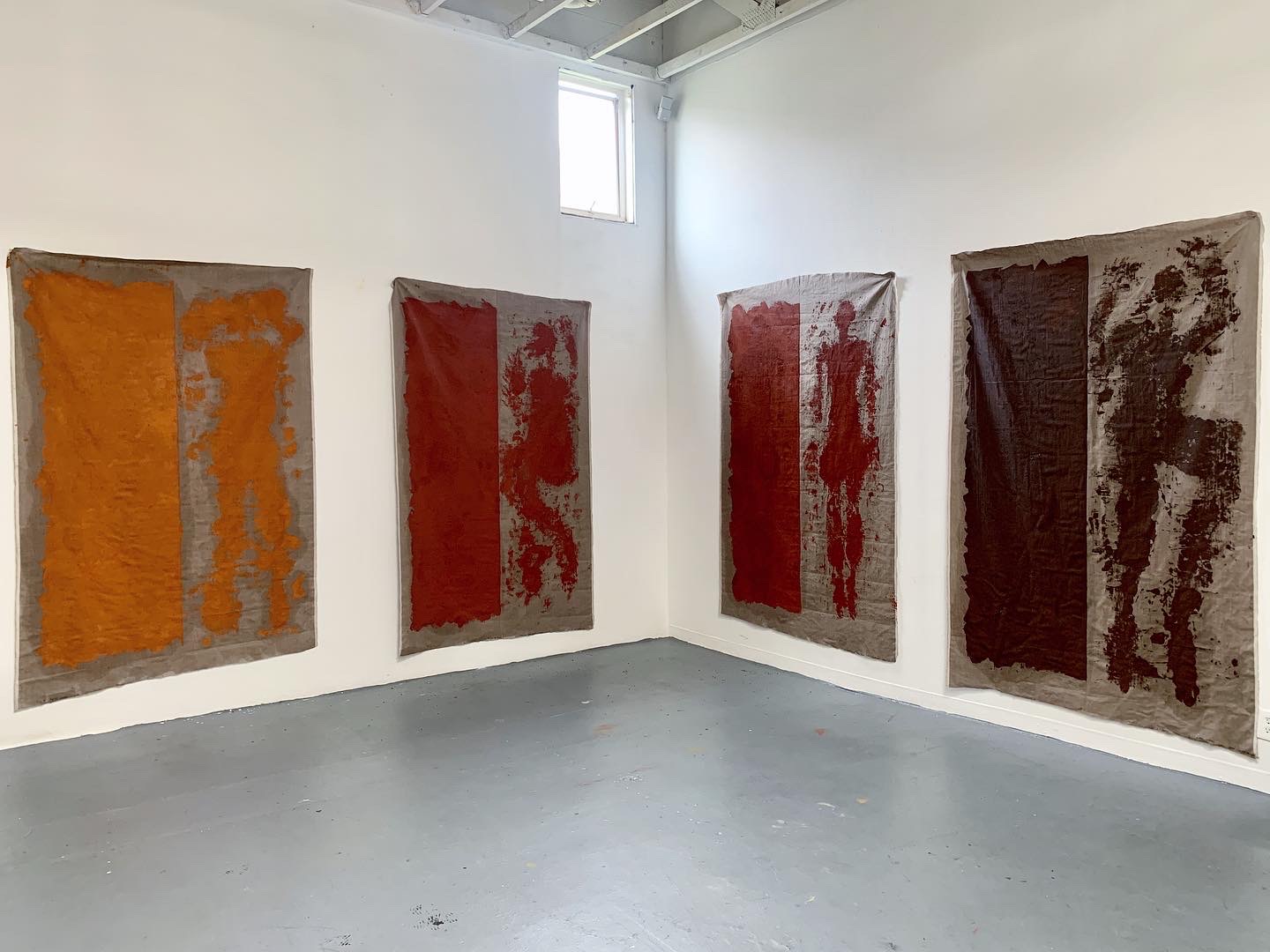
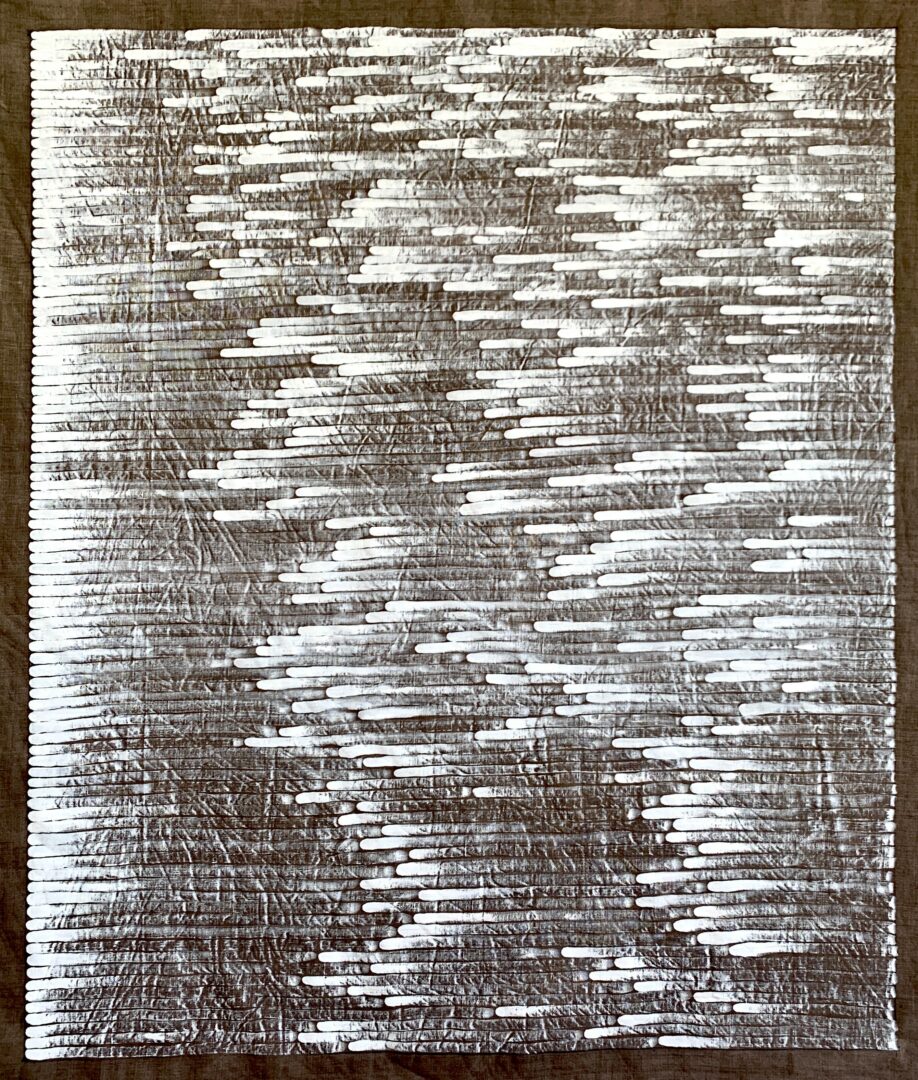
Image Credits
© photographers: Bar Mayer, Thierry Forien, Sofus Graae, Geric Cruz, Ken Cheong ,
so if you or someone you know deserves recognition please let us know here.