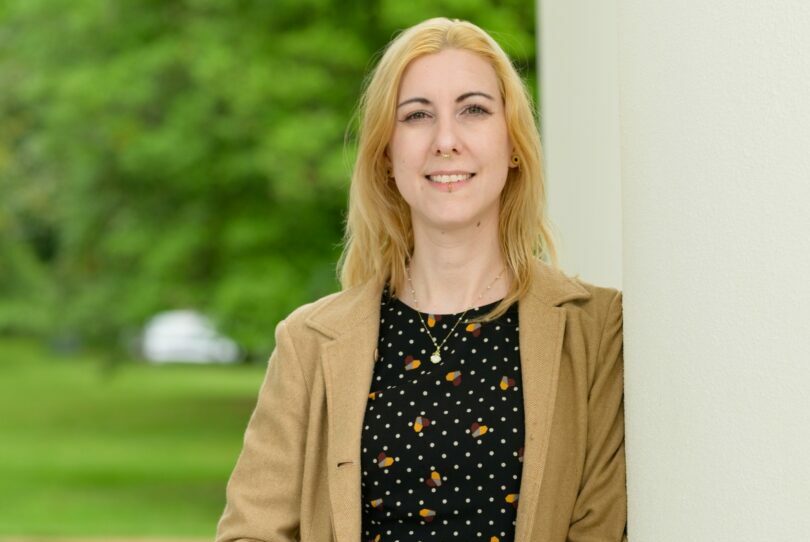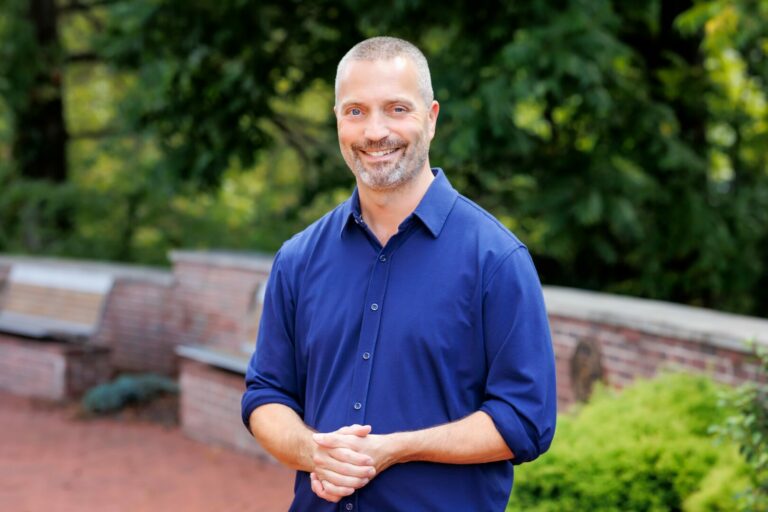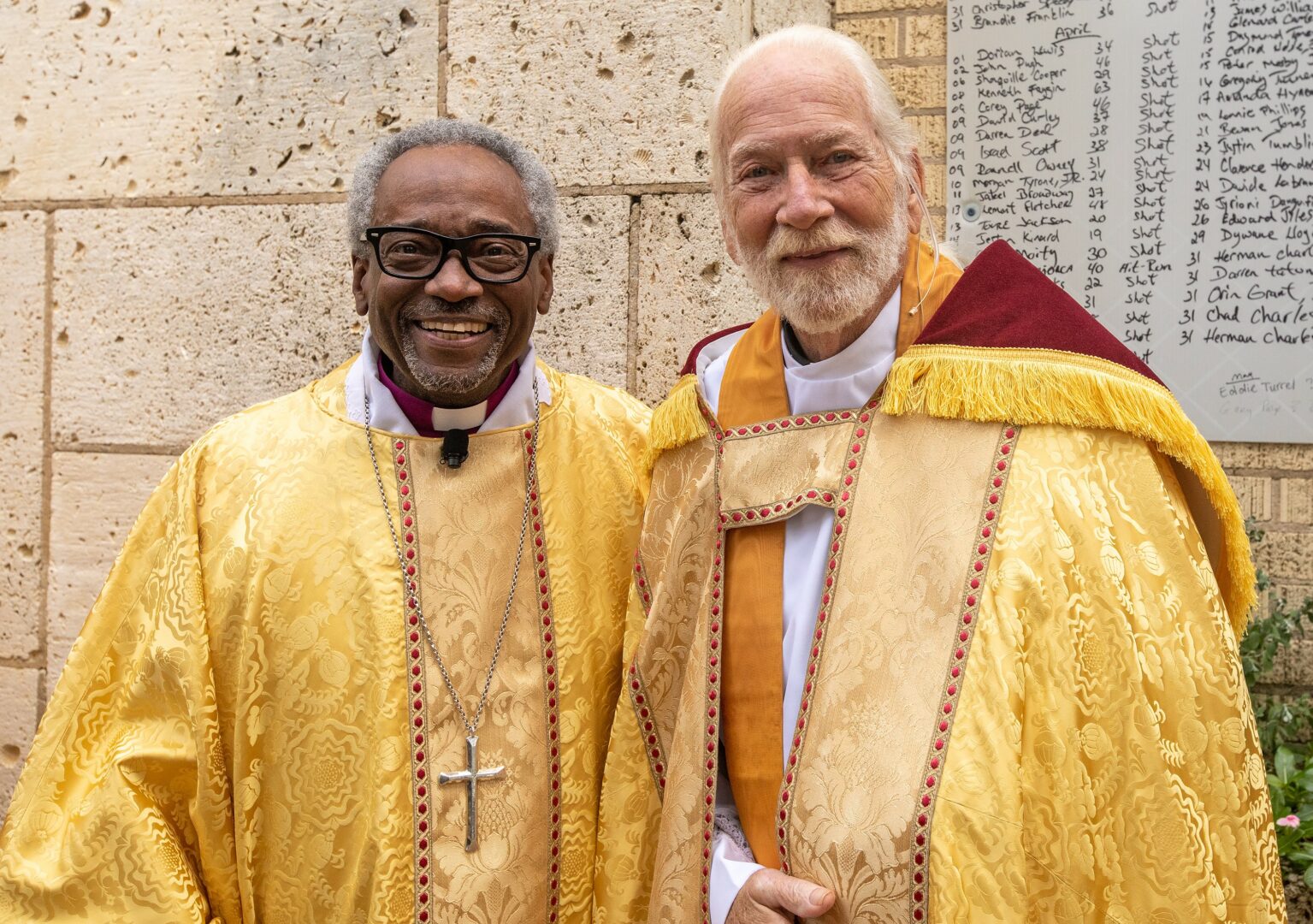
We recently had the chance to connect with The Very Rev. Bill Terry and have shared our conversation below.
Bill , it’s always a pleasure to learn from you and your journey. Let’s start with a bit of a warmup: Have you ever been glad you didn’t act fast?
I used to respond quickly to challenges. It some cases that worked out well. As time has gone on I have learned, in interpersonal relationships, to take a beat. Consider what I am presented with. I will still have a quick response but I now put that response on the back burner. My response now is more often than not, “let me give that some thought.” I will often take a more collaborative position and offer some comprise that might work for both of us. So, yes, I have slowed down and the benefit is a more productive life and end results.
Can you briefly introduce yourself and share what makes you or your brand unique?
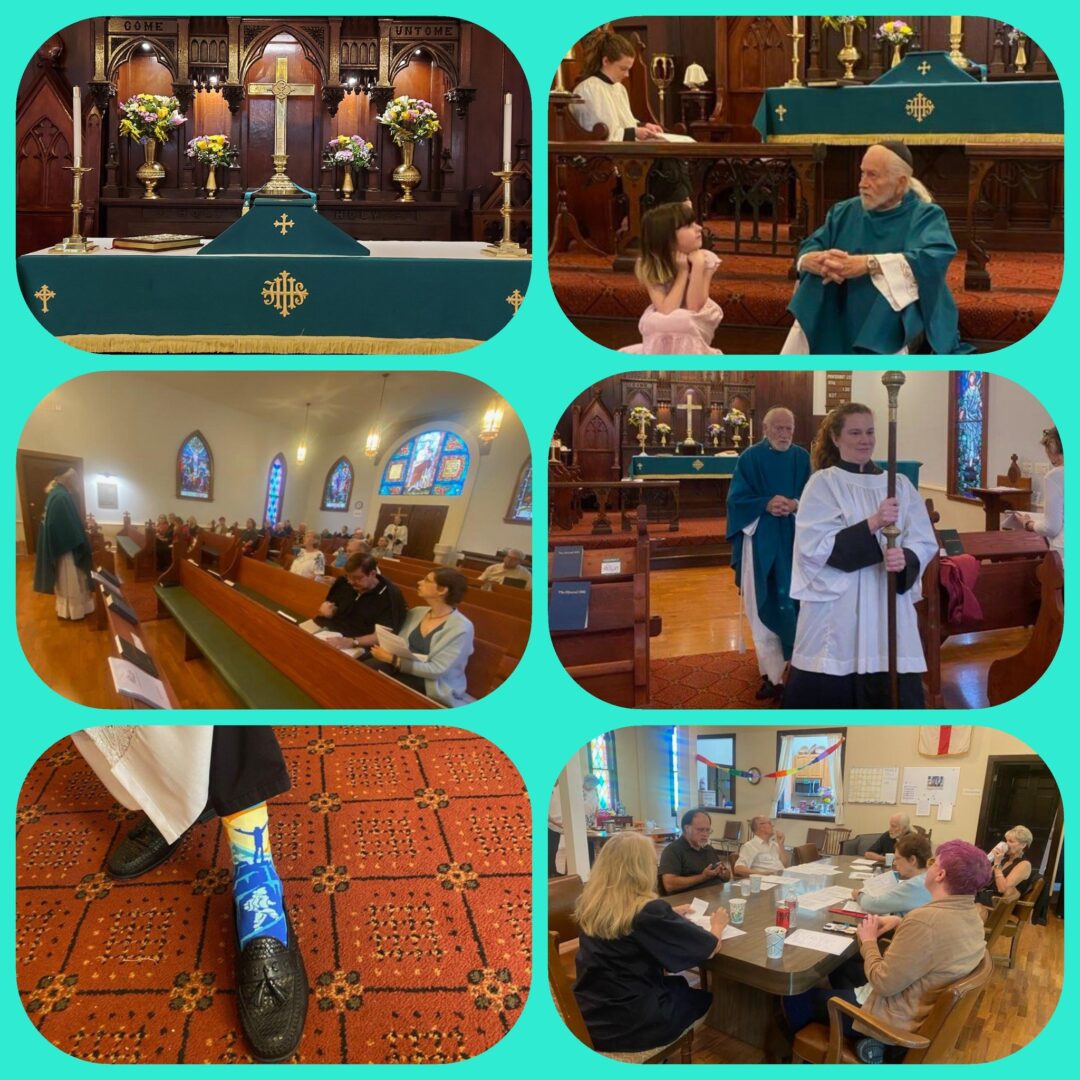
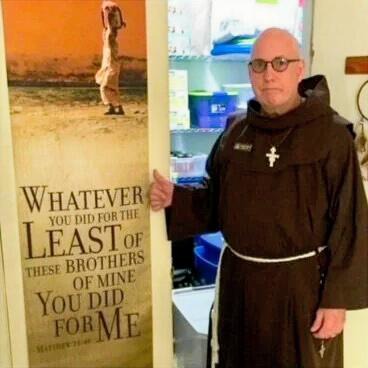
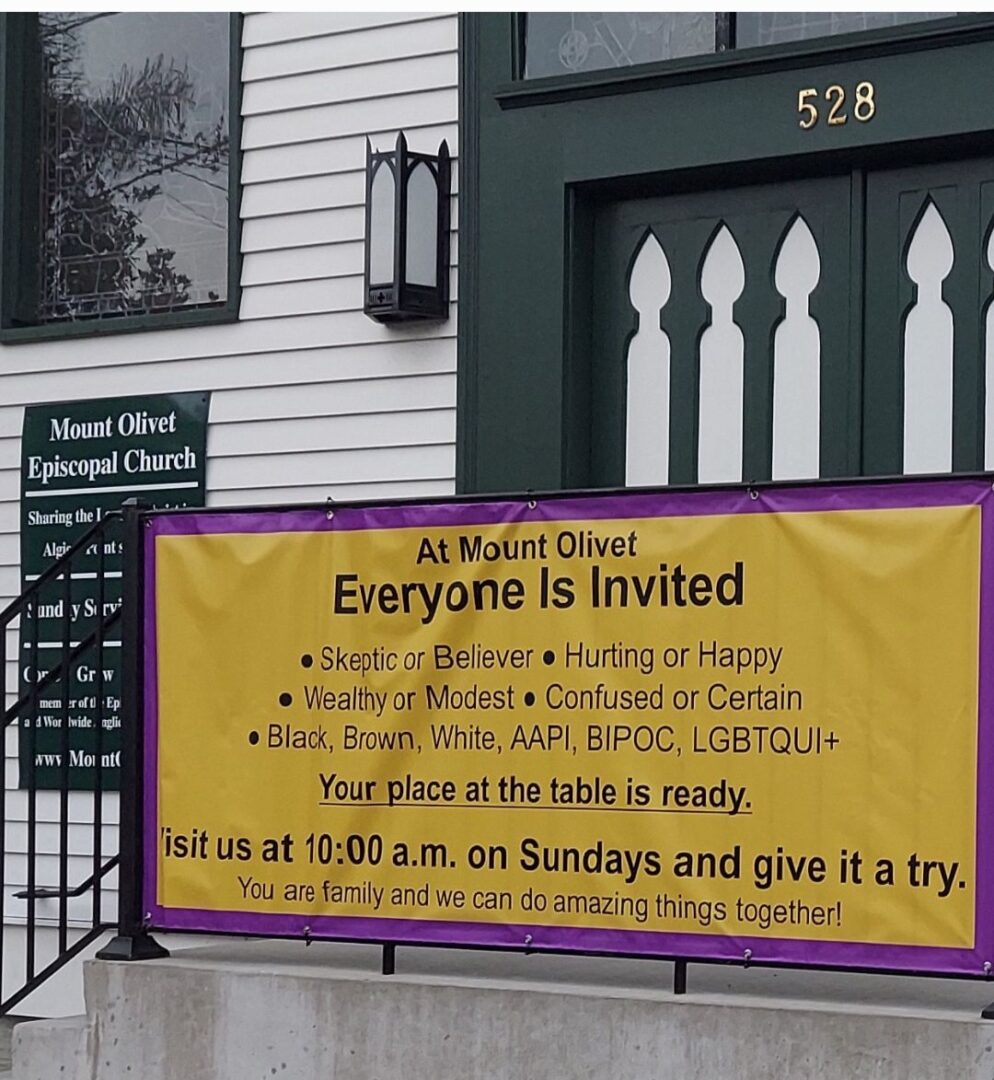
I am a priest in the Episcopal Church, a progressive expression of Christianity yet it is steeped in tradition. For 20 years I was Rector of an inner-city, urban, diverse church. At the age of 72 I had to retire according to church rules. But for me, being a priest is a vocation, it is who I have become. It is not a job. So, I was asked and accepted a new role at a small church on the historic Algiers Point called Mount Olivet Episcopal Church located on Pelican Avenue. As I understand it Mt. Olivet is the oldest continually operating church on The Point. It was founded in 1846 and boasts a rich heritage. Like most churches, we are rebuilding our faith community after the Pandemic. My role is now as a part time Vicar with responsibility for worship, pastoral care and guidance, as well as assisting the congregation in discerning and implementing a vision and community based strategies to improve our immediate neighborhood and to do the works of peace and justice as our baptismal covenant demands: “Striving for justice and peace among all people and respecting the dignity of every human being. ”
Okay, so here’s a deep one: What’s a moment that really shaped how you see the world?
There are several moments, circumstances, that have shaped my worldview. However, I must name two because they are both definitive of who I am and would become.
Early on in my married life my wife made me aware that I had a drinking problem. It was true. By the grace of God I was working for a man who was already in recovery and was a part owner of an outpatient intensive rehabilitation clinic. I entered that clinic and within a year I was clean and sober and redefining who I was. I have now been sober almost 40 years. I don’t miss it and I have become the person I was meant to be. This allowed me to understand addictions and addictive behaviors.
Sometime later our daughter was diagnosed as bipolar. But in the 1980’s the average person did not understand it. We certainly didn’t. Also, drug therapy that is so successful today was not available then. A few years later our daughter committed suicide at age 19. One incredible fact that our marriage became stronger not ending in divorce. I also came to know something about the loss of a child and the loss of a loved one due to gun violence. She used an unsecured handgun to kill herself. If this sounds too depressing or violent in its language one of the roles that I have been able to play is to talk about suicide and gun violence with some informed perspective. There are approximate 49,000 deaths by suicide in the U.S. per year; it is the second leading cause of death for people ages 10-34; about 27,000 are by gun deaths representing 58% of all gun deaths in the U.S.
These two “moments” have shaped my world view in profound ways that have made me a better Vicar and better more engaged citizen.
When did you stop hiding your pain and start using it as power?
In 2007 New Orleans was in the midst of a savage murder rate. Headlines would read, “New Orleans murder rate for year will set record” The Guardian; “Just Days Into the Year, Killings Toll Hits 8 in New Orleans” New York Times and so on. There was a massive march on City Hall demanding change. The murders of Helen Hill and Dinarrel Shavers were focal points. But nothing happened. So, a Deacon and I decided that we needed to address the issue from a faith based perspective. So we began to write the names of the victims on a board outside of the church.On July 27th of that year it appeared on the front page of the Times Picayune newspaper with a graphic photo of the “Murder Board.” Corey Hayes was the first on that board. He was 28 years old. Several survivors, relatives, called the church and asked to come and see, to share their stories. I met Corey’s mother. She asked, “Why did he have to die?” We wept together. The pain of my daughters death came to the surface and allowed me to empathize with this grieving mother. The “Murder Board” was, in part, a testimony to my own loss and the loss of a beautiful, bright, intelligent young woman named Tonya Terry.
Sure, so let’s go deeper into your values and how you think. Whom do you admire for their character, not their power?
I have had the privilege of knowing several people whom I admire not for their power but their character both locally and nationally. One that stands out is the now retired Presiding Bishop of the Episcopal Church USA, Michael Curry. When he visited New Orleans to Ordain our present local Bishop Shannon Duckworth she suggested that he attend worship and preach at St. Anna’s on the following Sunday. This Bishop took the time to listen attentively and actively to our story. When he arrived at what is now a Memorial to the Victims of Violence called the Tree of Life in front of the church he took in those names and you could see the weight that it put upon him. At the time he was the head of our church in the USA. He embraced those around him. He genuinely received everyone as a friend. His famous quote is “When love is the way — unselfish, sacrificial, redemptive — when love is the way, then no child will go to bed hungry in this world ever again. When love is the way, we will let justice roll down like a mighty stream, and righteousness like an ever-flowing brook. When love is the way, poverty would become history.” He believes it and he lives it.
Before we go, we’d love to hear your thoughts on some longer-run, legacy type questions. When do you feel most at peace?
I am most at peace in one of three places.
1. On my back porch looking out on our very large lot with trees behind it. My dogs wandering around. I watch the red hawks and vultures soaring and landing. In the evening bunnies come out on the lawn to feed. The breeze in the Spring and Fall is delightful. I have a set of wind chimes that sets it all off.
2. Driving or sitting on my boat out on the water. It is an older wooden boat with character. Simply allowing the water to move about and simply messing around a boat. There is no better place to be.
3. Sitting at my desk and writing. I do a lot of reflecting when I write. I am writing a family history right now for my granddaughter and grandson. Going over memories and my life as I lived it and am living it. I can get lost in that history.
Contact Info:
- Website: https://www.mountolivet.org/
- Facebook: https://www.facebook.com/MountOlivetAlgiersPoint
- Other: https://medicine.tulane.edu/departments/program-medical-ethics-and-human-values-adjunct/faculty/reverend-william-bill-terry
so if you or someone you know deserves recognition please let us know here.