We recently had the chance to connect with Tony Brinkley and have shared our conversation below.
Hi Tony, thank you so much for joining us today. We’re thrilled to learn more about your journey, values and what you are currently working on. Let’s start with an ice breaker: What is a normal day like for you right now?
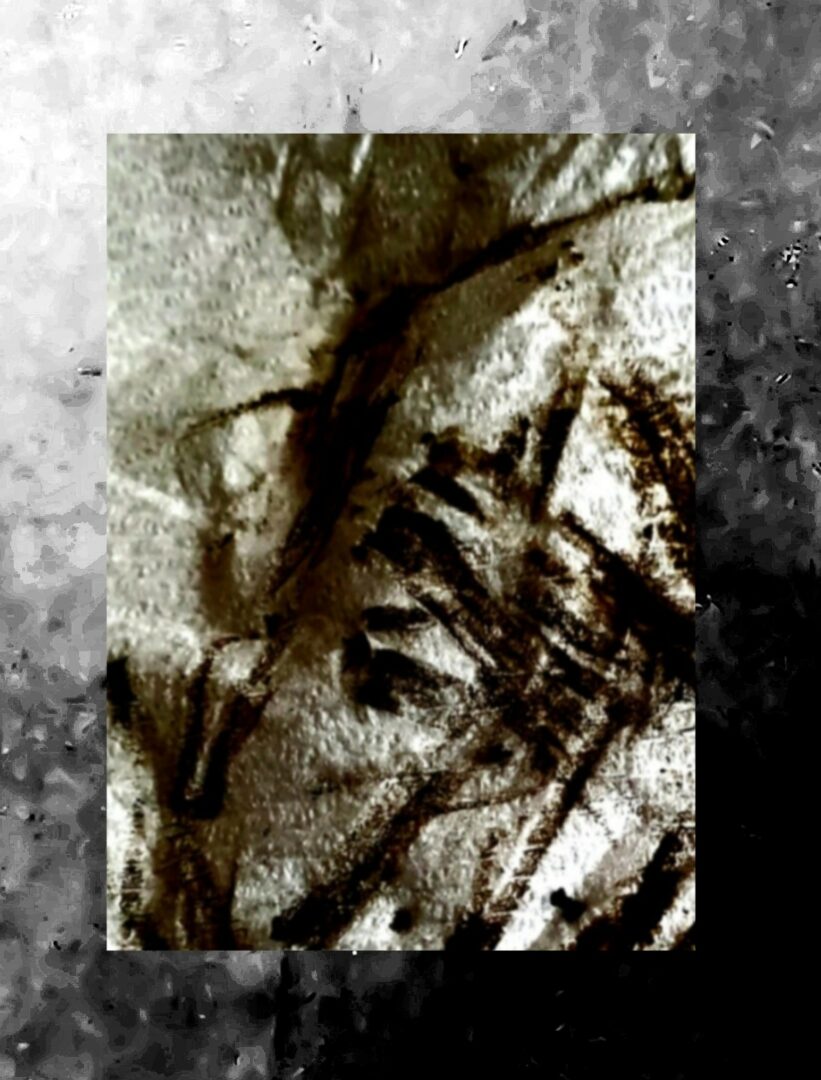
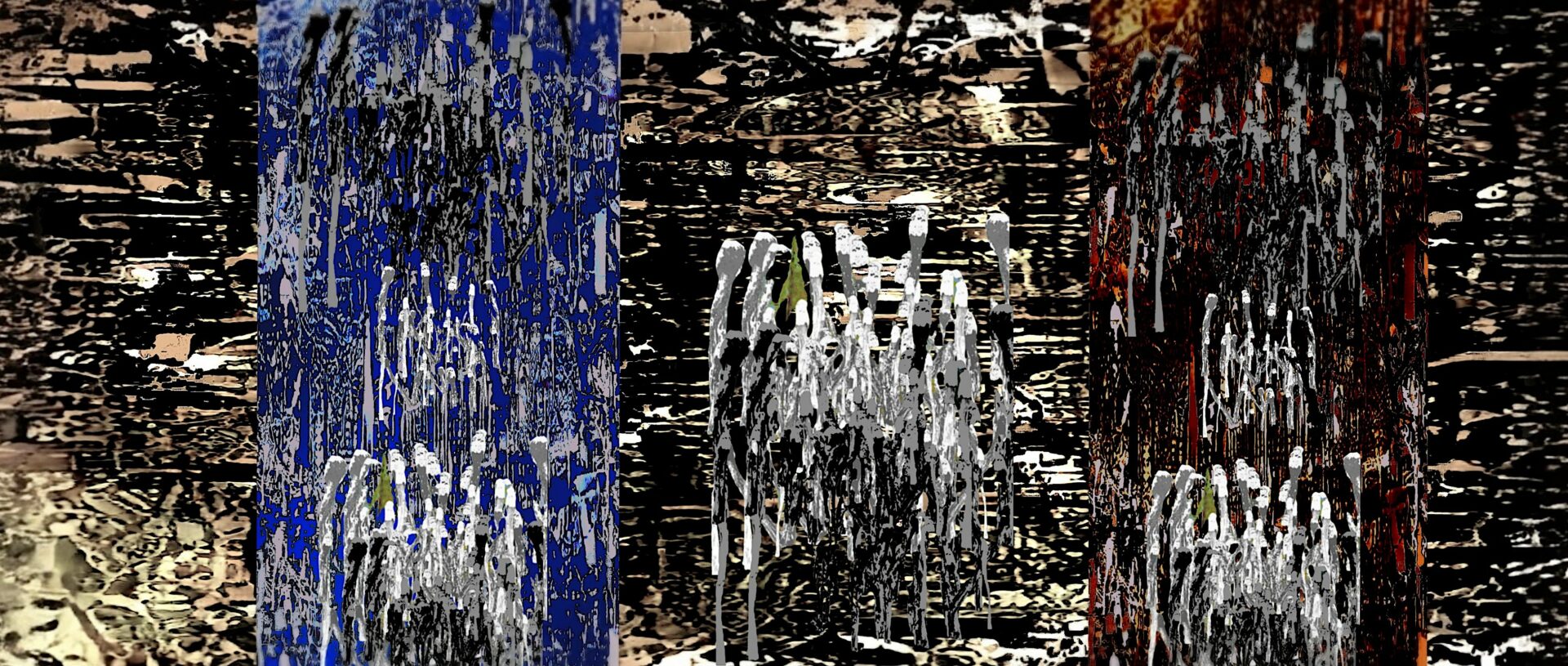
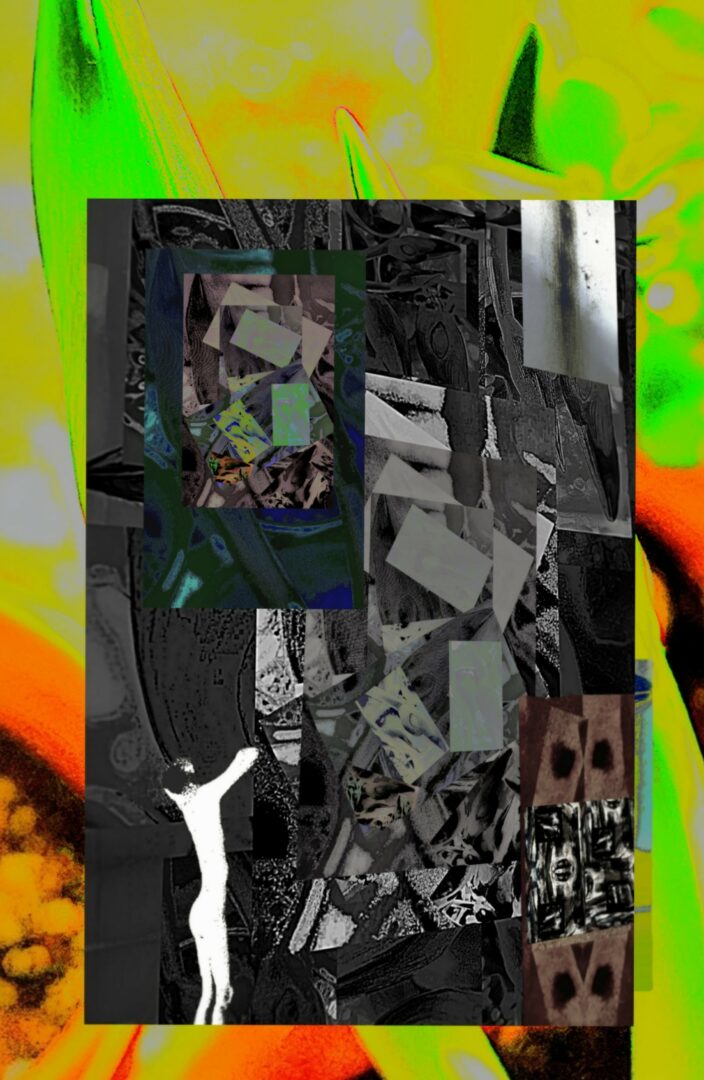
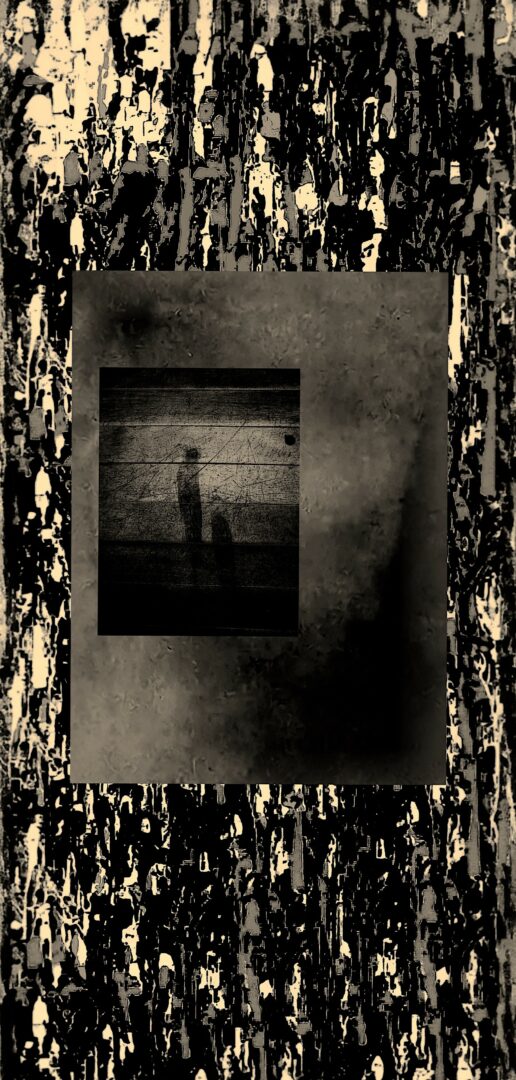
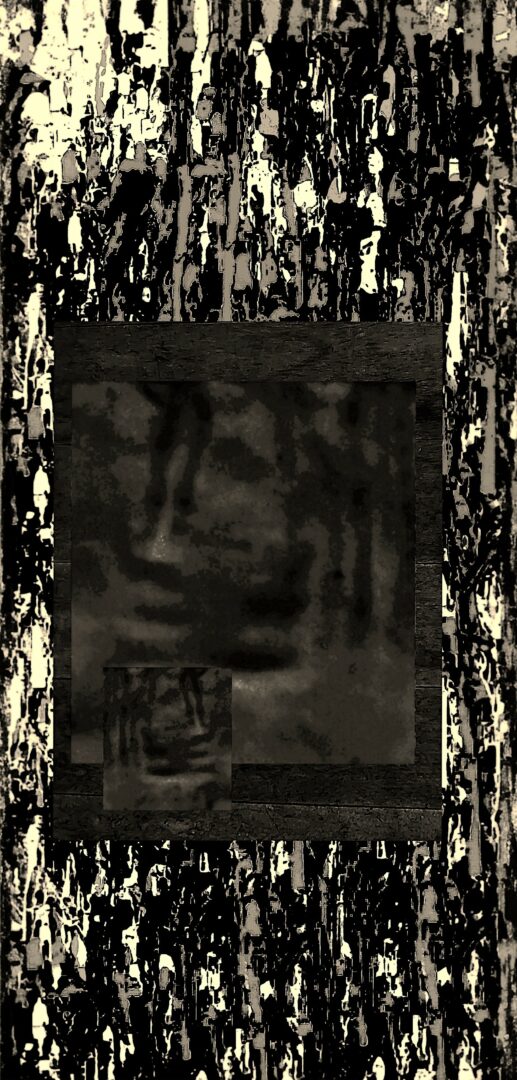
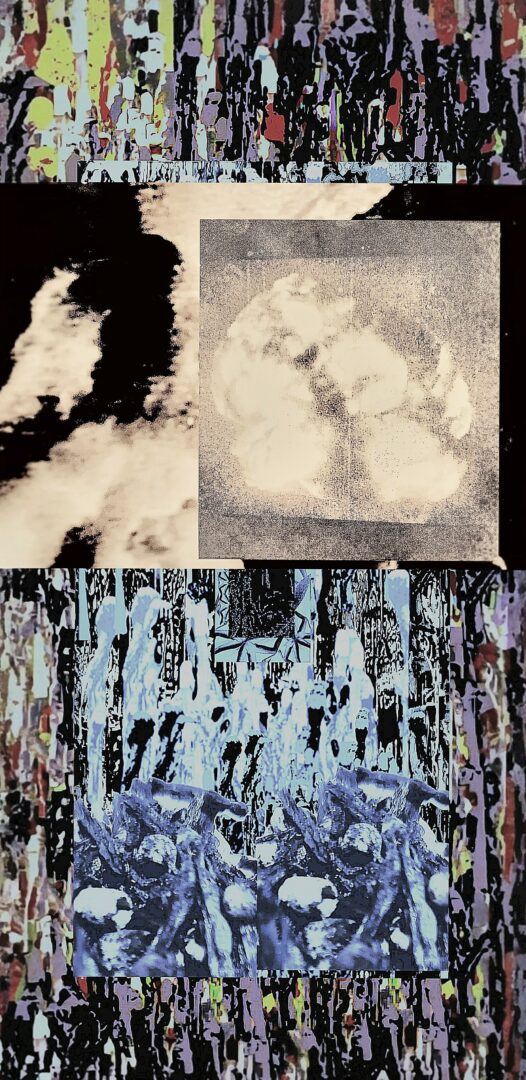
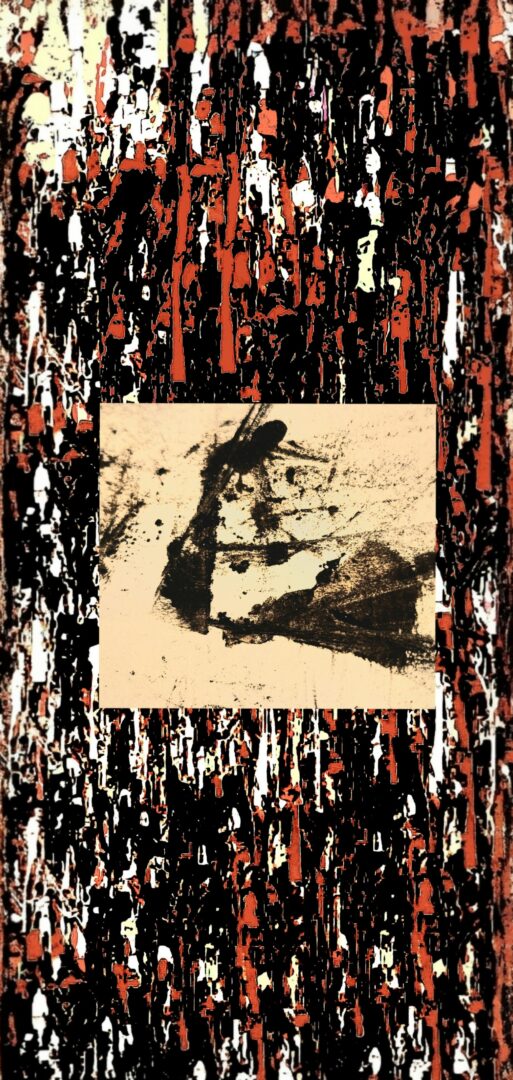
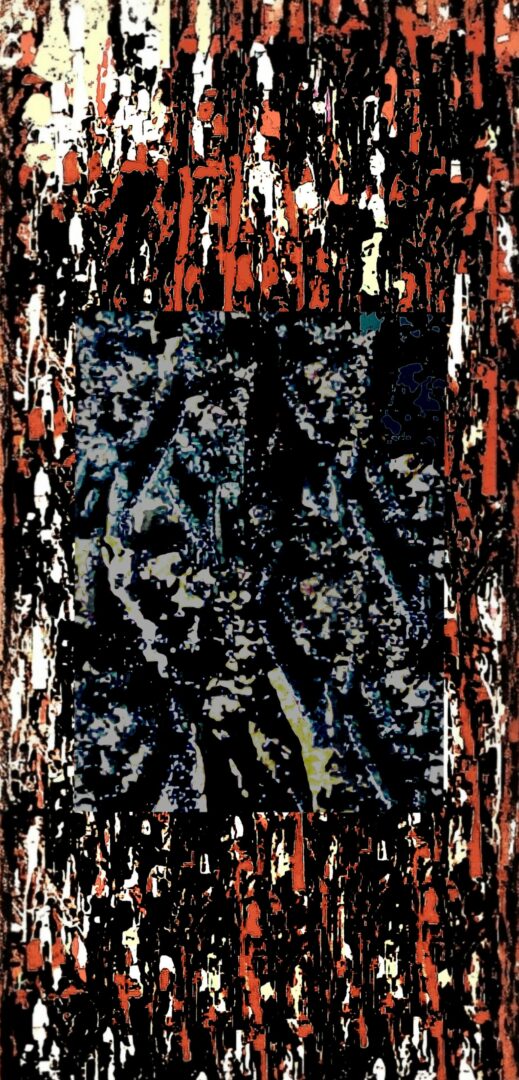
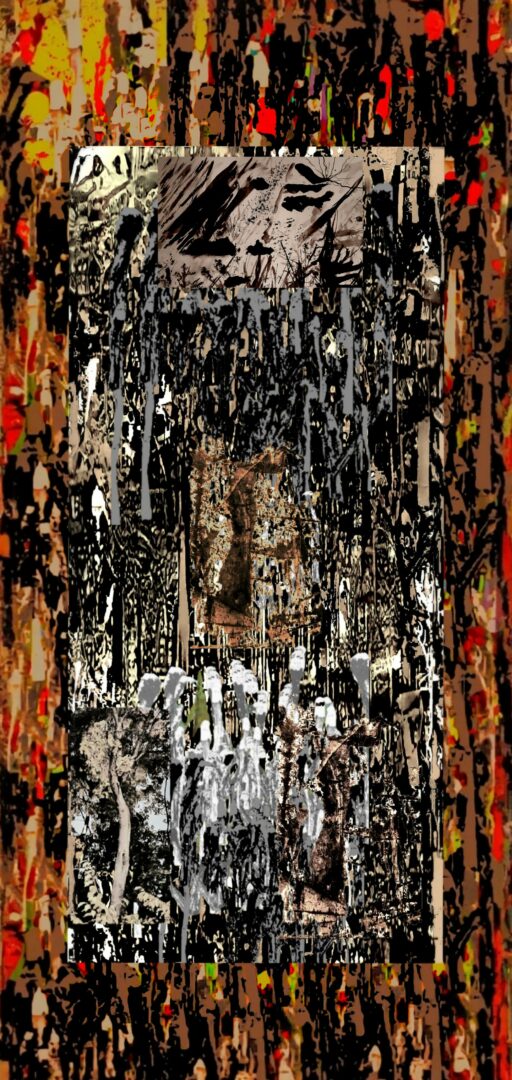
I am very retired, and at 77, I feel I am living in the present (for the most part happily) and with a fading past and not much future. Often this feels enlightening. On most days, I begin with coffee, then try to write or work with photographs (poems without words) while also trying not to fall asleep. The in-between – balanced between sleep and waking – is an imaginative place to be, but is also like walking a tight rope (however safe) until I fall off (as I aways do) – not into a net but into dreamscapes where I imagine I am still at work, then wake up and find that I’m not. I try not to spill my coffee.
Then – by noon – I eat something and really wake up. Then in warm weather I work outside in my wife’s garden (relying on her generous but critical eye). Or in colder weather I read, correspond, get in the way, try to be useful. Or, regardless of weather, I go to buy food.
Later in the afternoon, I smoke marijuana, perhaps take a nap, then eat dinner (Sara, my partner, cooks wonderfully and is alive in ways I can hardly imagine – she like to have me stay out of the kitchen), then watch or read the news, then read whatever I have been reading or watch a movie. While I am watching a movie, I also work with photographs, smoke more, work more. perhaps drink some form of liquor. Then lift weights, sweep the floor. Then go to sleep (often, not until 2 in the morning).
I don’t always like myself very much, but I like my life immensely.
Can you briefly introduce yourself and share what makes you or your brand unique?
Before I retired, I taught literature at the University of Maine. I was also the senior faculty associate at the University’s Franco-American Centre. What is a “senior faculty associate”? Someone people associate with who has gotten old enough to be senior. I chaired the English Department (6 years), coordinated the creation of the University’s Wabanaki Center and Native American Studies. I could be quite political, worked to create political coalitions in the the state, that foregrounded human rights and economic development, struggled with University administrators, then retired (or was retired – prosperously – after contentious negotiations). Since then I have spent my time writing and making pictures (which I think of a icons and as poems without words). Sometimes I work (volunteer) as a political consultant.
Great, so let’s dive into your journey a bit more. Who were you before the world told you who you had to be?
I don’t think I was a “man” until the world told me that I had to be. It has taken years to escape that affliction. I am still working at being a recovering human being which almost always feels like uncharted territory. It is a little like being a child who continues to be critical of whom I became as I grew up. “Couldn’t I have done better,” the child says; “I had such promise and you [me] have been so disappointing.” At the same time this child has become my blessing.
What have been the defining wounds of your life—and how have you healed them?
I was abused as a child – I confused the abuse with love – and spent years before recognising that this “”love” was abuse. Abuse is in its own way creative. It recreates you as a victim. To remember is to feel victimized. To forget is to be victimized. Healing is still daily, a kind of alchemy that turns nausea into wisdom. In many ways this is a blessing because it tends to empathy – both for myself and others. I was abused by a teacher and perhaps I became a teacher in order to occupy the place of my enemy, to turn teaching into something other than what I had experienced and continued to experience in every classroom in which I was a student. Repetition-compulsion. Trauma can be a curse or a blessing it can create demons (hungry and angry ghosts) or healing
Alright, so if you are open to it, let’s explore some philosophical questions that touch on your values and worldview. What do you believe is true but cannot prove?
I have often not known what to believe. Now I think what I believe in is reality. Like God about which no one may know much of anything, reality (which may or may not include God or gods) is something I know almost nothing about. So it is a source of limitless and ephemeral discoveries? Much of what is unknowable is only unknowable if you try to know it in ways that it cannot be known. Are there ways to know x in a way it can be known – not the way you try to know a thing, perhaps, but in the way you may know and not know a friend? Or your changing mind. I remember when I wondered if justice existed, I realised that it would exist if I were just – that a just person lives in a world where justice (however ephemeral) exists. You can always assure its existence, its imperative. Also love, also goodness. That is an aspect of the reality I believe in.
Okay, so let’s keep going with one more question that means a lot to us: What do you think people will most misunderstand about your legacy?
I don’t believe in legacies and, as far as I can tell, they are almost always misunderstandings. Perhaps those misunderstandings are the lives that some of what you have done will have on its own – like readers will say about what writers have written. Sometimes – if you imagine that afterlife and listen for the misunderstandings – you will discover more than you expected and what you thought of as self-expression. has become self-alterations (a distinction John Cage liked to make). In the Talmud, Moses discovers that although he co-authored the Torah, what the rabbis say about Torah is baffling, that he has written a work that he does not understand.
so if you or someone you know deserves recognition please let us know here.