We recently had the chance to connect with William Benton and have shared our conversation below.
William, so good to connect and we’re excited to share your story and insights with our audience. There’s a ton to learn from your story, but let’s start with a warm up before we get into the heart of the interview. What makes you lose track of time—and find yourself again?
I am currently enjoying an onslaught of song ideas, lyrics, and other song bits which absolutely hijacks my reality and sense of time. I pace the lobby a lot at my grown-up job and, as I am writing something in my head, I will suddenly snap out of it to find myself face-to-face with somebody to which I have been staring through or having said something odd (like “Good evening” at 7am, say the wrong name, etc; just the usual autopilot shit one spews at a hospitality job). There has been a lot of that of late which is GREAT since there had been a songwriting draught for a couple of years leading up to this.
And these phases of creativity are always interrupted by something so I know to try and get as much out of it as I can.
But I also have to admit that when I am in that trance is the only time I feel like “myself”. So I guess I find myself WHEN I lose track of time and enter that creative dreamspace.
Can you briefly introduce yourself and share what makes you or your brand unique?
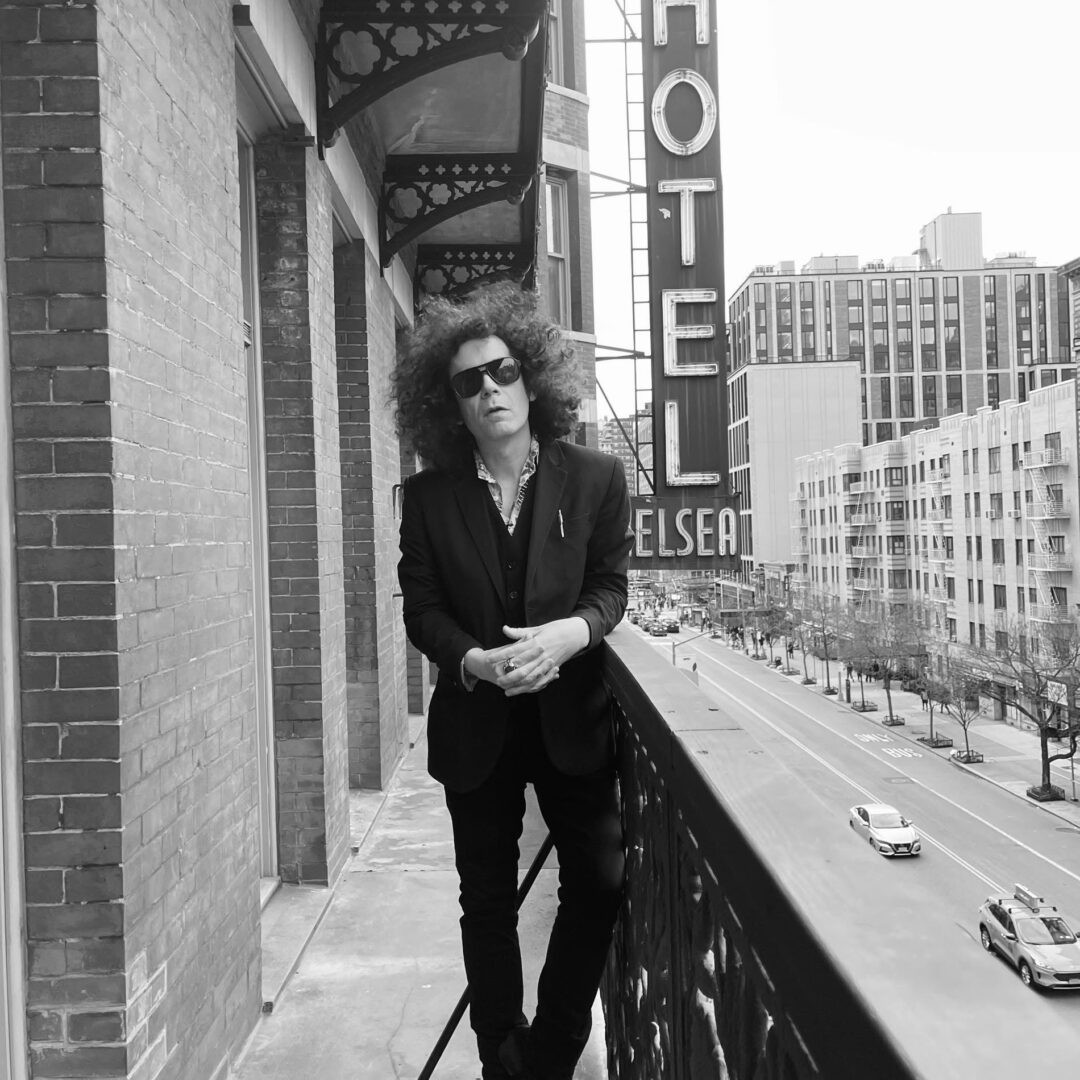
My name is William Benton, aka Cat Casual.
I am an Oklahoma-born musician, sometimes writer, often times classic country vinyl DJ, and the doorman, historian, and tour guide at the world famous and legendary Chelsea Hotel.
While I consider music-making to be my priority and primary directive in life, the hotel has become a passion as it is magical and important place to myself and many other people from all over the world. Through tours, interviews with press, podcasts, video, and such, I am able to keep these stories alive at a time where so much of meaningful history is being scrubbed by the worst entities in existence. This hotel was at the intersection of all of my interests growing up so it is no small honor to be where I am and doing what I do.
My band, Cat Casual & the Final Word, recently supplied music for a documentary entitled “Ghosts of the Chelsea Hotel (And Other Rock & Roll Stories)” and that has allowed me to travel a bit with the film to share my own stories as well as the hotel’s overall history.
We are about to record a new record and have a string of shows lining up. The current lineup includes Steve Shelley (of Sonic Youth, Cat Power, Dim Stars, etc) on drums, Greg Eckelman (Orange 9mm) on bass, and Rob Morrison on pedal steel.
Thanks for sharing that. Would love to go back in time and hear about how your past might have impacted who you are today. Who taught you the most about work?
My father was the hardest working person I’ve ever known. I think that the work ethic that I inherited from him is something unique to the world(s) that I inhabit creatively and otherwise. I’m always trying to set up shows, play shows, start a project, have a movie event, do a radio show- everything.
The writer Will Self has described something in writing that he calls “everythingitus” where you find yourself wanting to throw everything you see into a story. I have everythingitus in that I want to DO as much as possible and I think that that is largely a biproduct of having grown up working poor and having felt as if my hands were tied for 18 years- until I finally packed and left home to find my world.
What have been the defining wounds of your life—and how have you healed them?
There are two, actually.
I have sometimes joked that there was a real shortage of intellectual and creative role models where I grew up. That absence of encouragement coupled with everybody around me treating the creative spirit as something shameful was very difficult for me to navigate as a child and that feeling still rears its ugly head sometimes in a very interesting way. When I have to say something about being “an artist” in any capacity, I always feel that tinge of- something- that is embarrassing or not a legitimate pursuit for a serious person. My earliest memories from school were/are of drawing and writing endlessly on any blank paper I could find. And those people thought that I was a freak for just being left-handed! But I was hard-wired for this life and it took a long, LONG time for me to fully climb out of that traumatic thicket.
The other would be the enigma that is my mother. I think I mentioned her in a prior interview here but she was in and out of our lives a lot but is source for a huge amount of my interests, even when it was unintentional. She brought music into the home, interesting movies, and was herself just a very interesting and peculiar person. She came from a very difficult and traumatic early life which has always made me feel sorry for her but I also had to accept at some point that not having her in my life was less painful than what she brought. Especially in this dark era in this country and the toxic evil that has gripped our political arenas.
But I am grateful to her, obviously.
Sure, so let’s go deeper into your values and how you think. How do you differentiate between fads and real foundational shifts?
I don’t- I try to operate independent of both!
Meaning, the nature of fads is for something to be fickle or disposable. And “real foundational shifts” is relative- something like A.I. (which is the large, dark, looming giant that the creative world is seemingly cowering in the shadow of) is surely moving and altering the culture but is also something that is pretty easy to just not participate in as far as the creative acts go. The world of music that is being affected by A.I. is the part of it that treats music as a product and I’ve never had any interest in art as a product. I surely like it when I can make money to be more comfortable and subsequently make more art, it just isn’t a fulfilling proposition for me to somehow bypass or expedite the process of producing a musical product that isn’t the result of work, emotion, experiences, feelings, and life itself.
As a comedian recently said: shouldn’t robots be working in the Amazon warehouses, freeing us up to paint?
Okay, so let’s keep going with one more question that means a lot to us: If immortality were real, what would you build?
A place or organization to help economically challenged people in rural areas- especially youth- pursue their artistic ambitions.
A place for music, theater, visual art, film, writing in all of its forms- everything.
A place that encourages and supports people who are from areas of life that aren’t allowed to let their natural, creative minds flourish as they are often preoccupied with survival.
Contact Info:
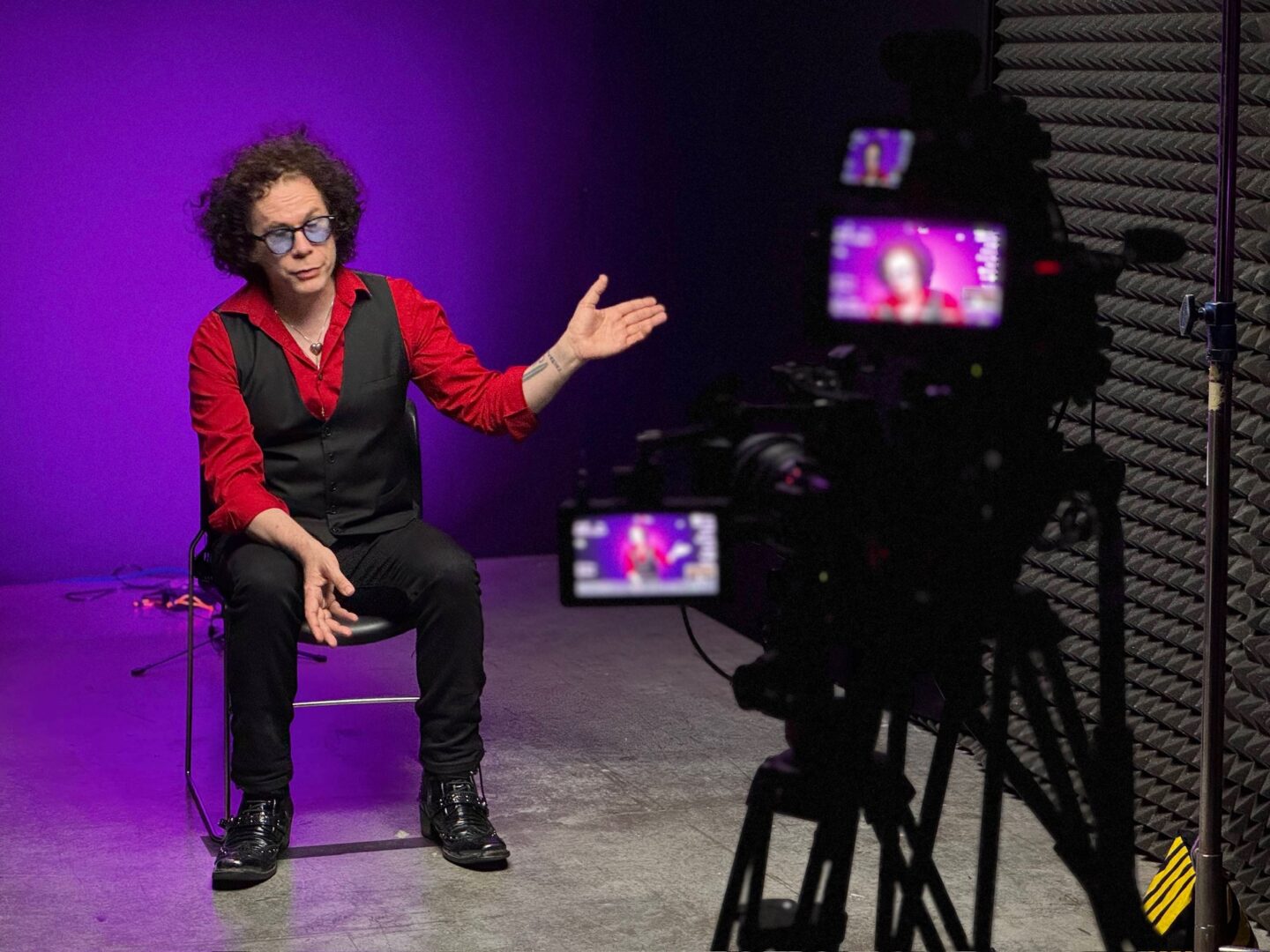
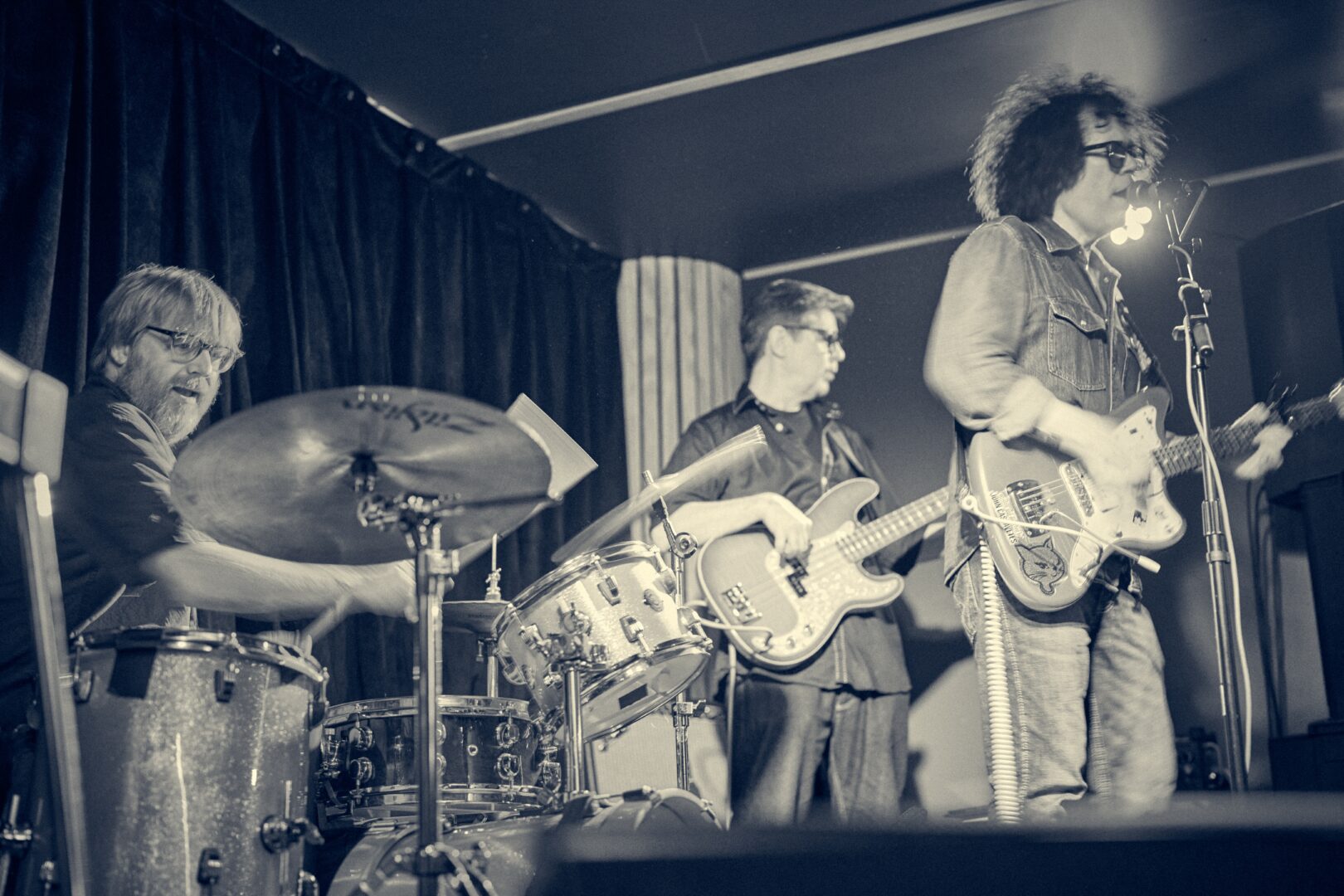
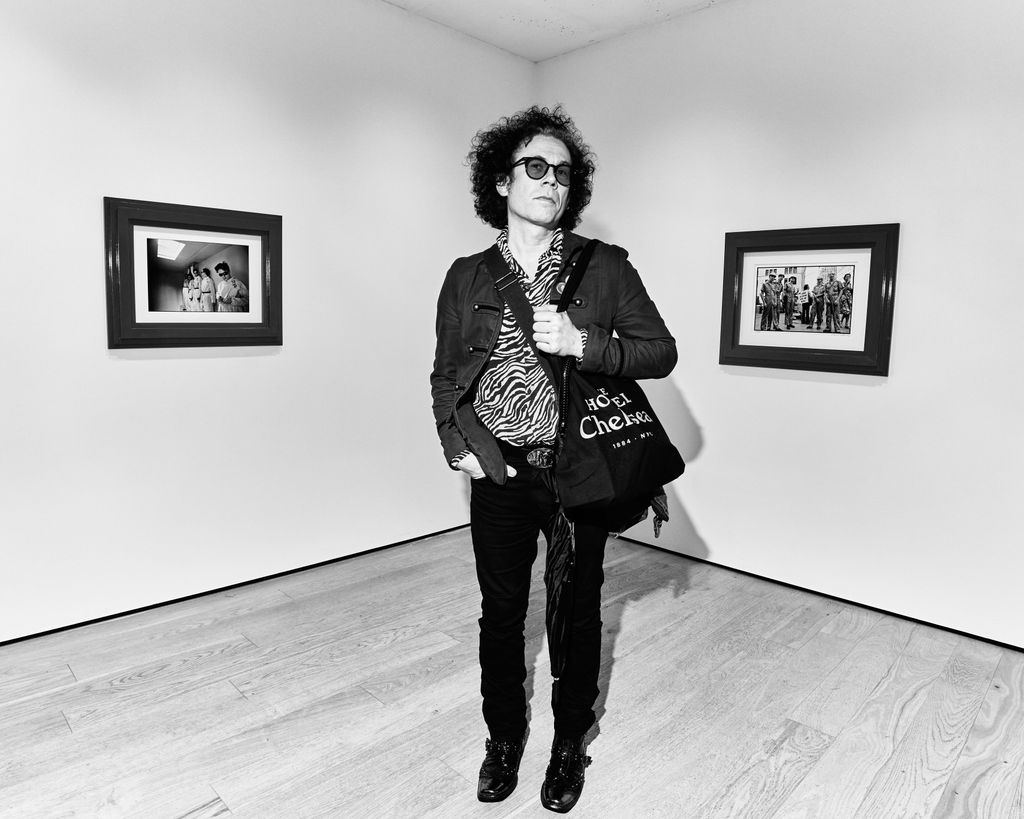
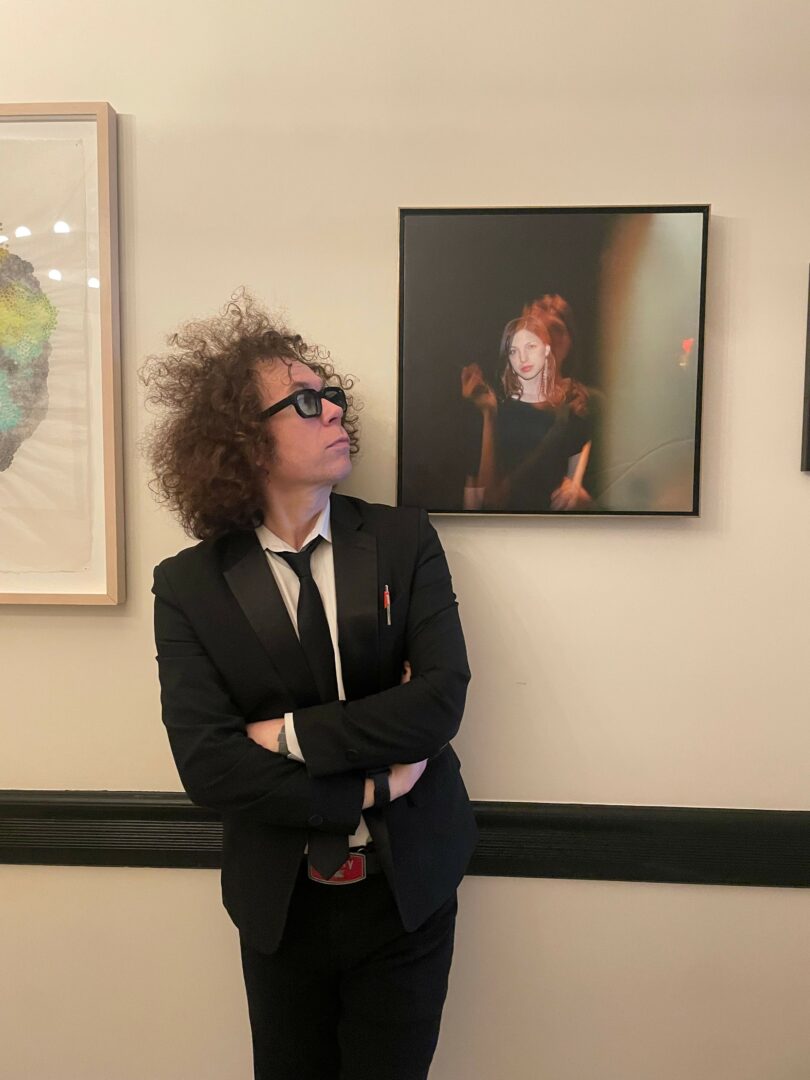

Image Credits
Photos by Mark Shaw, Robert Downs, OKPop Museum, and Linda Stephens
so if you or someone you know deserves recognition please let us know here.