William Jacobs shared their story and experiences with us recently and you can find our conversation below.
William, we’re thrilled to have you with us today. Before we jump into your intro and the heart of the interview, let’s start with a bit of an ice breaker: When have you felt most loved—and did you believe you deserved it?
I am enveloped by an overwhelming love at the most insignificant, infinitesimal, ordinary moments—where a kiss of breeze, a passing butterfly, a joyful eye, a soft word uttered, the echo of a footstep, a slant of daylight, a rock, a bird, a color—pierce through my daily ingratitude and strike my heart, surprising me with a whisper from God, who tickles the soul’s ear and meets my mind’s skepticism about whether or not I deserve this life with the revelation, “This is only a glimpse of how much I love you.”
Can you briefly introduce yourself and share what makes you or your brand unique?
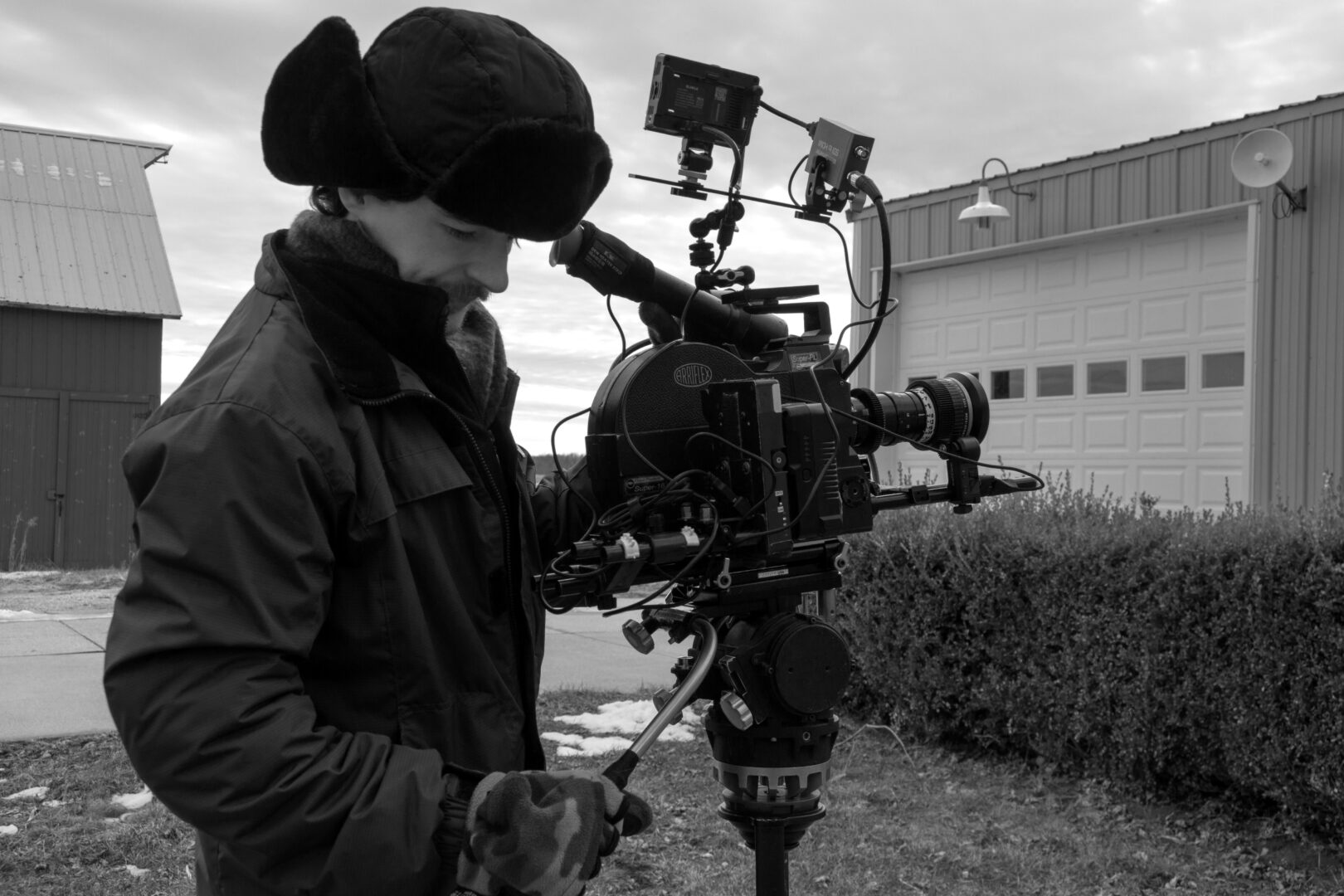
I have been a filmmaker for twenty-two years since my first attempt at creating stop-motion animation films with a LEGO webcam at the age of seven. As of August 16th, 2025, I have completed production for my debut feature film, Poet in a Modern World. The story follows the spiritual transformation of two despondent artists, young and old, who have allowed the decadence of modernity to deprive them of hope until they eventually choose to die to themselves and begin to see beauty in ugliness. The project unfolded over the entire breadth of my twenties—nine years in total—and is photographed on 16 mm film. Currently, the film is being diligently edited and a self-distribution plan for a screening tour this next year is being strategized.
The film industry is eating itself alive. There are countless troubles besetting it— propaganda, politicization, pornification, commercialization, a deluge of dilettantes, a frenzy of franchises, fraudulent film festivals, cheap laurels, YouTube whoring, and asinine award shows. I wonder if the carnie art can forever be elevated above its origins as noble filmmakers from the past have indicated (e.g., Robert Bresson and Andrei Tarkovksy). My independent film production company, Mourning Dove Films, was established in 2018 with the hope that slowly and prayerfully, cinema could be made for the edification of the soul. Its first effort lies in Poet in a Modern World.
What differs Poet in a Modern World from contemporary cinema? The volunteer-only cast and crew meant that the underlying sentiment animating production was “Von Herzen—Möge es wieder—Zu Herzen gehn!” This project is unconcerned with plot and expedient entertainment, but rather continual participation and repeated viewings. It is not meant to be grasped with the intellect, but the heart. It is an opportunity to be still and lull the appetites of the flesh and awaken the spirit. One lives through the spiritual tensions the artists face as they wander through the godless terrain of modernity and their spiritually bankrupt hearts. The story is the process of recalling what the world has forgotten—the Resurrection. It is the crossing over from death into life. Cinema today seems to offer only death. I am reminded of the words from the holy fool character, Johannes, in Carl T. Dreyer’s Ordet, “People believe in the dead Christ, but not in the living.” What happens if we believe in the living Christ? This question is what Poet in a Modern World explores.
Amazing, so let’s take a moment to go back in time. What breaks the bonds between people—and what restores them?
In order to answer that question, we must acknowledge how man is bonded. In the Eastern Orthodox wedding ceremony, the right hands of the bride and groom are joined together by a priest tying them with a bridal cloth and praying that God will unite them in “one mind and one flesh”. It is God, our Creator, who is the source of all unity. Sin is what fractures and fragments one’s relationship with God and others. Failure to see another as made in the image of God severs oneself from God and one’s neighbor. Ego, pride, avarice, anger, grudge, addiction, ideology, self-will, solipsism, promiscuity, impenitence—these things isolate and kill us because they are not of God. In fact, they are antihuman and will inevitably blot out mankind. The only way back to unity is the Cross—by first denying ourselves and submitting to the will of God. This is how we love God and how His binding love lives through us. Restoration with our neighbor begins with humility, and through humility love blooms as the brightest flower.
What did suffering teach you that success never could?
Suffering is success. If I did not realize this truth, I never would have completed production for Poet in a Modern World. It would have been practical of me to abandon the film at various instances with no success in sight. What would have taken two months to film unfolded over the course of four years due to the limitations of the cast and crew’s schedule. 90% of the film’s budget came from my own wallet and nearly left me penniless. Photographing the project on 16 mm film demanded utmost discipline and introduced intense technical strain (an asceticism that I desired). Equipment failed, actors withdrew, animals delayed, and film footage was marred. When production initiated, I met the unforeseeable with resistance. The more trouble I endured, the more I would pray. Towards the end a recurring prayer I had each morning prior to filming was, “Lord, help us to make the images you desire us to make. Guide our hands and minds. May your will be done.” This did not decrease the obstacles that my cast and crew faced, but it brought peace knowing that everything which occurred was because God had deemed it good and necessary. I learned to accept God’s will and see the miracle at every step.
So a lot of these questions go deep, but if you are open to it, we’ve got a few more questions that we’d love to get your take on. What do you believe is true but cannot prove?
The most profound things in life cannot be proven. Even if something can be proven, proof is insufficient. When presented with proof, the modern disposition insatiably pokes and prods it with newly-founded skepticism. The paradox is that proof can disprove proof itself—i.e., irrationalism can be rationalized, logic can defy logic. This is most evident in academia and the formulated arguments of our epoch. If proof can never be enough, we are only left with one thing: faith. I believe in the bodily resurrection of Jesus Christ, but I cannot prove it, nor do I need to. For me, it would be like proving every breath I take. I am more concerned with breathing than I am with proving that I breathe. Otherwise, I will forget to breathe and fall dead. I believe the sun will rise tomorrow because I have experienced the sun rising yesterday and today, not simply because it is true. I wake each morning with belief, not proof. If one required proof of sunrise, one may never wake and experience the glory of a day.
Before we go, we’d love to hear your thoughts on some longer-run, legacy type questions. What is the story you hope people tell about you when you’re gone?
If others could tell a story of a patient and humble man who saw God and faithfully strove to reveal Him to others, I would be most glad.
Contact Info:
- Website: https://mourningdovefilms.com/
- Instagram: https://www.instagram.com/mourningdovefilms/
- Facebook: https://www.facebook.com/mourningdovefilms
- Youtube: https://www.youtube.com/@mourningdovefilms
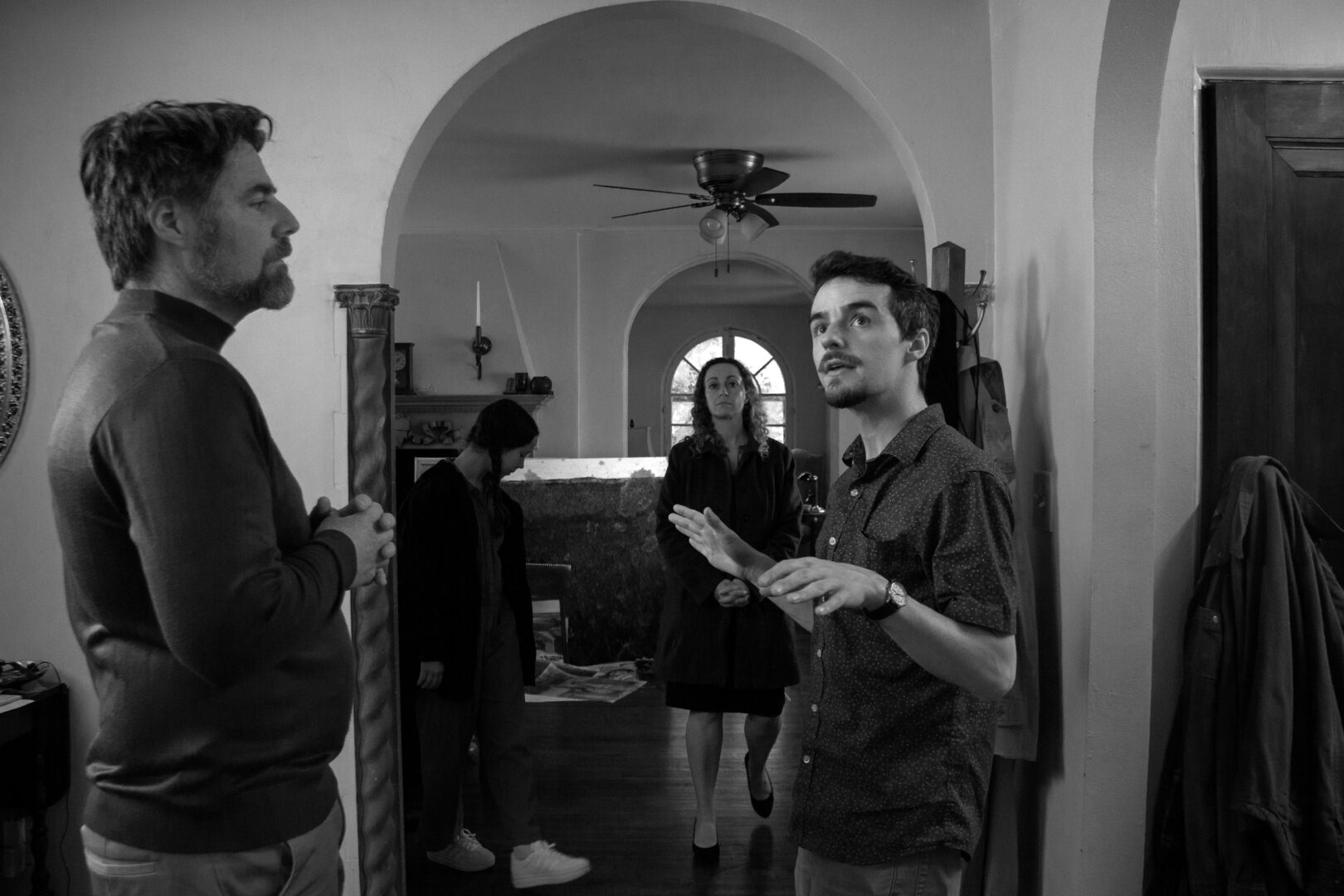
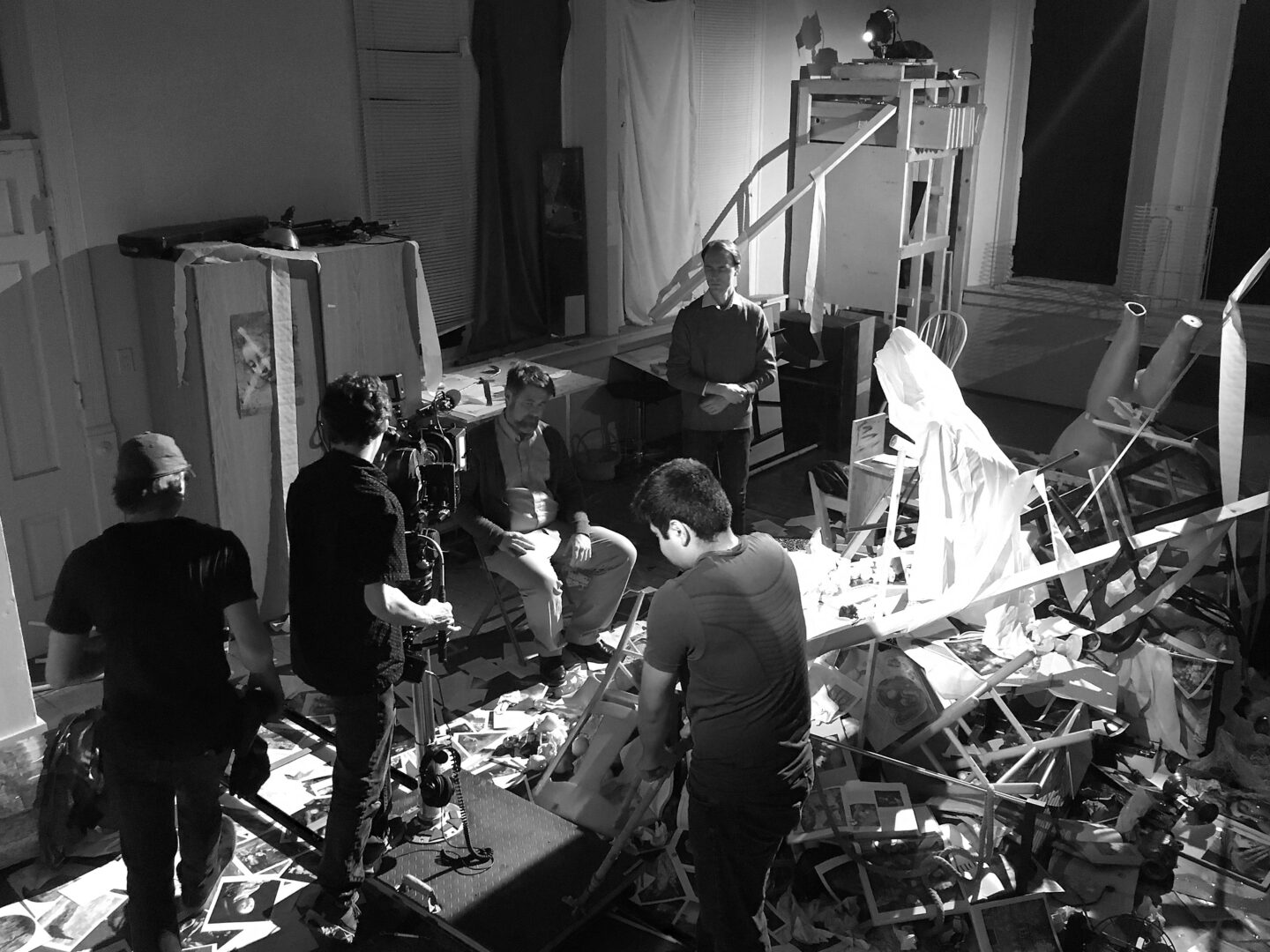
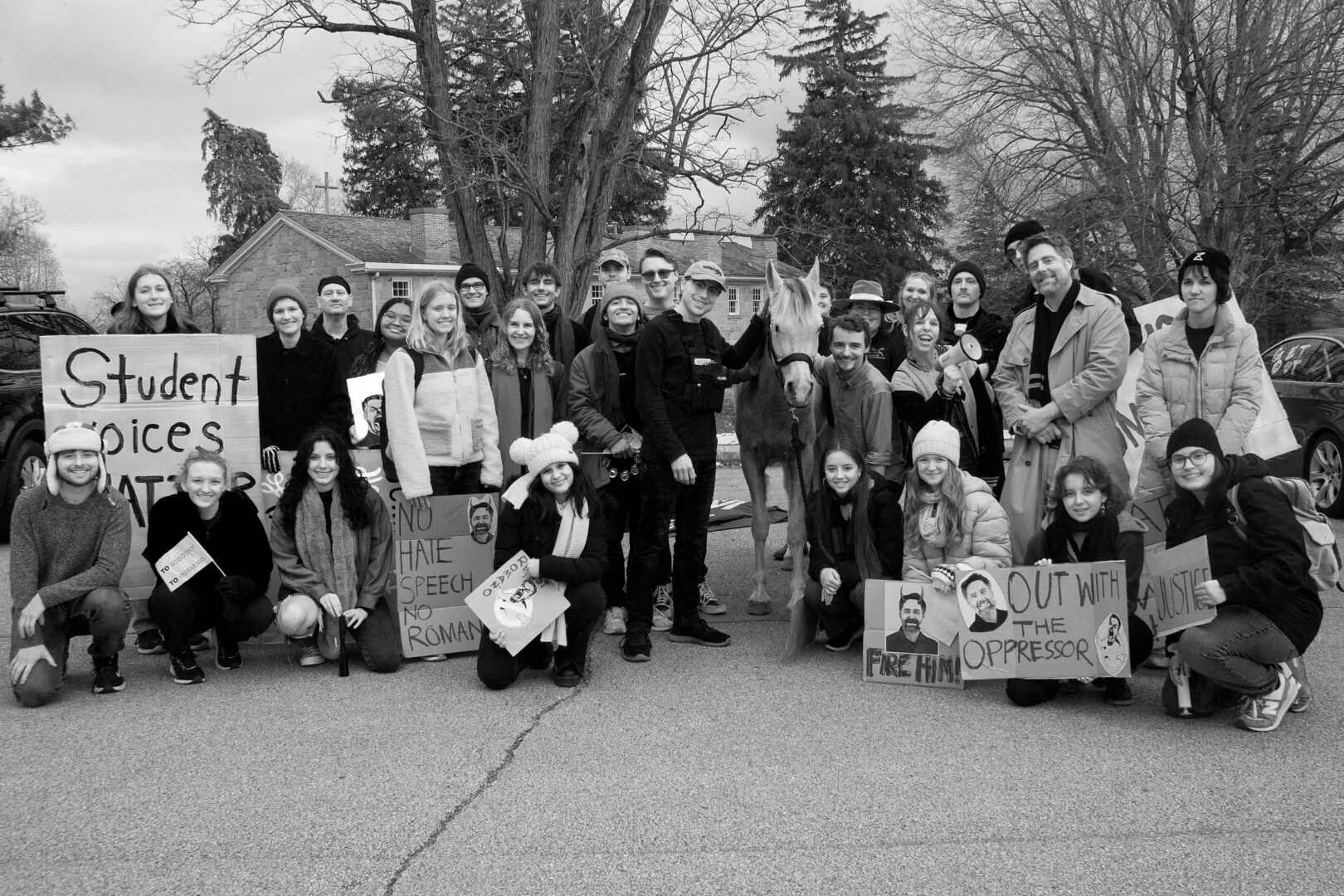
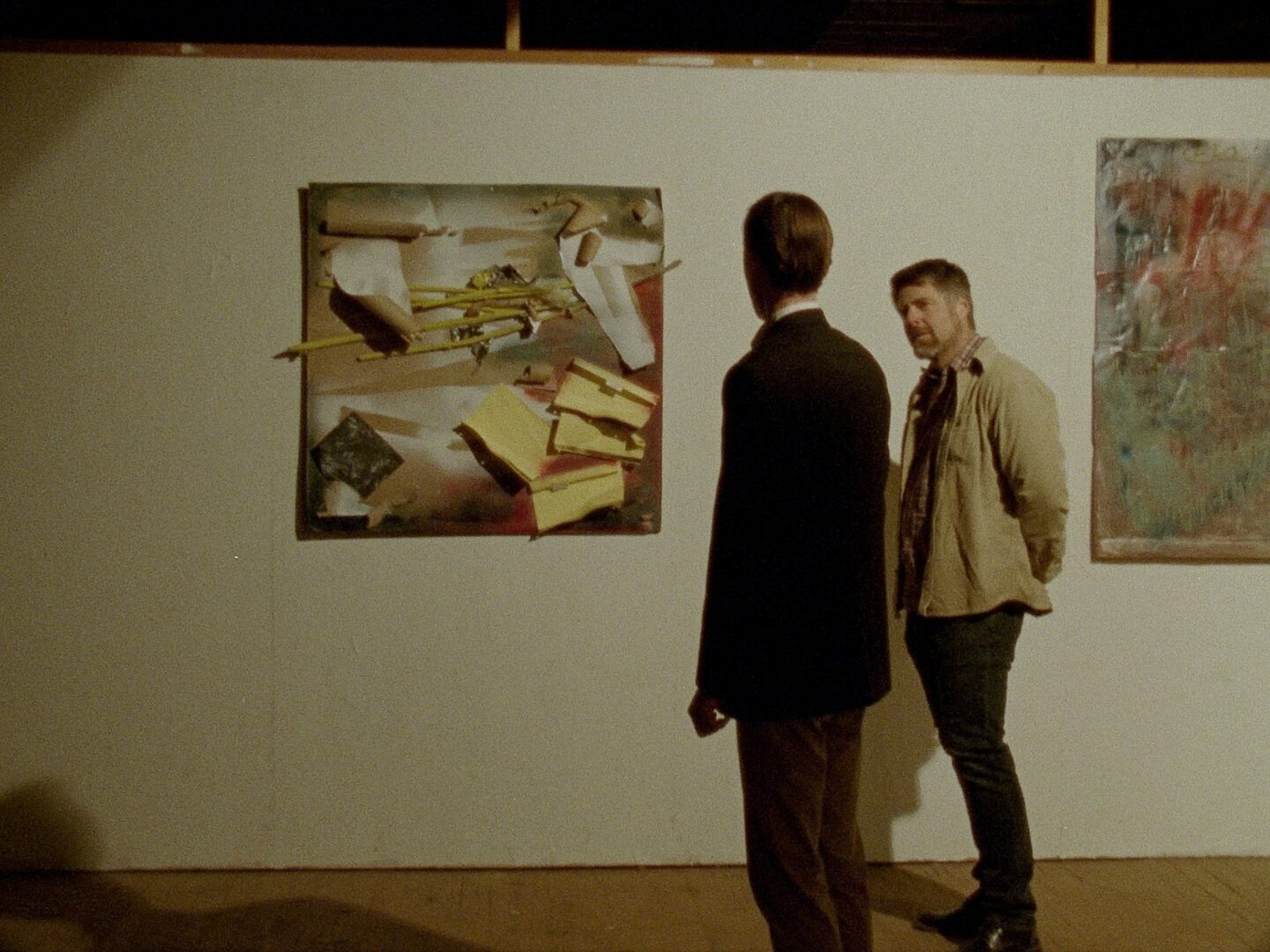
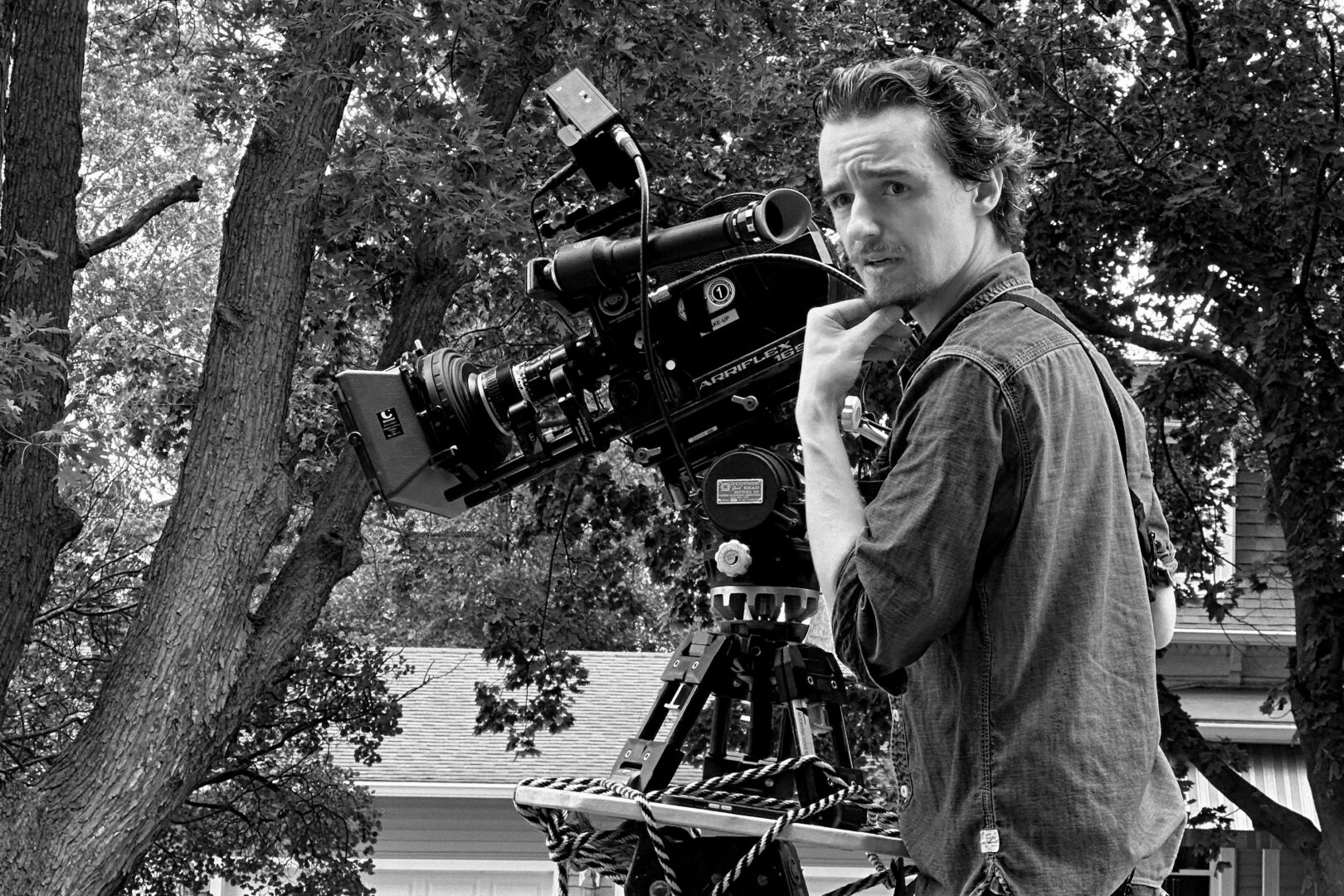
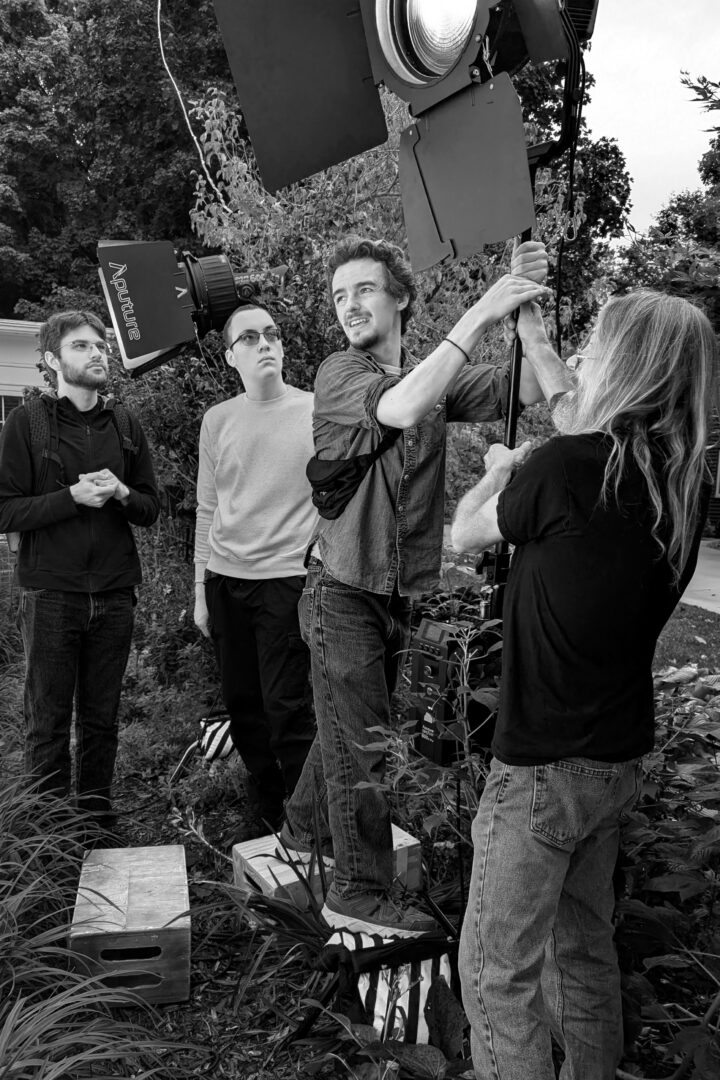
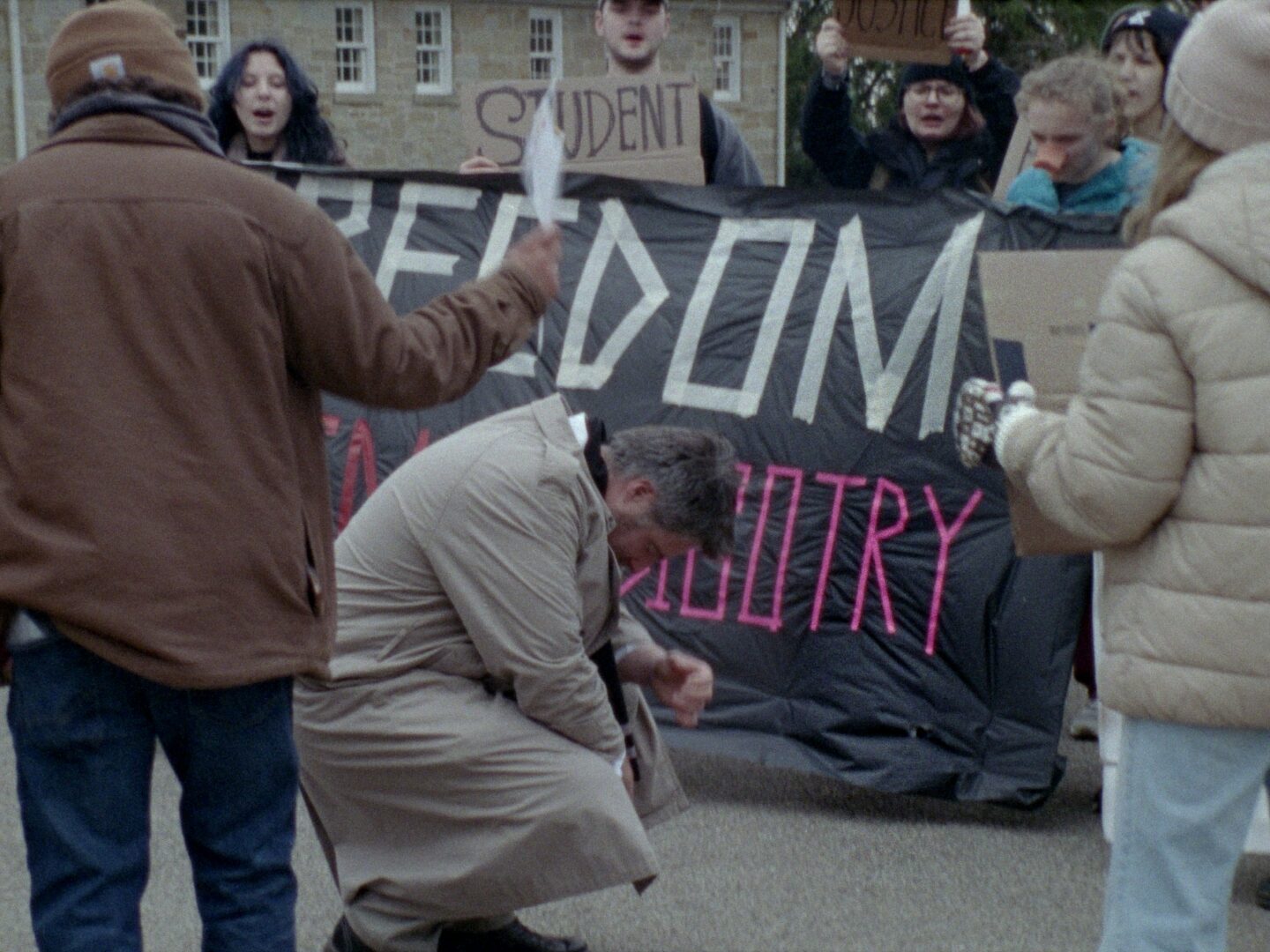
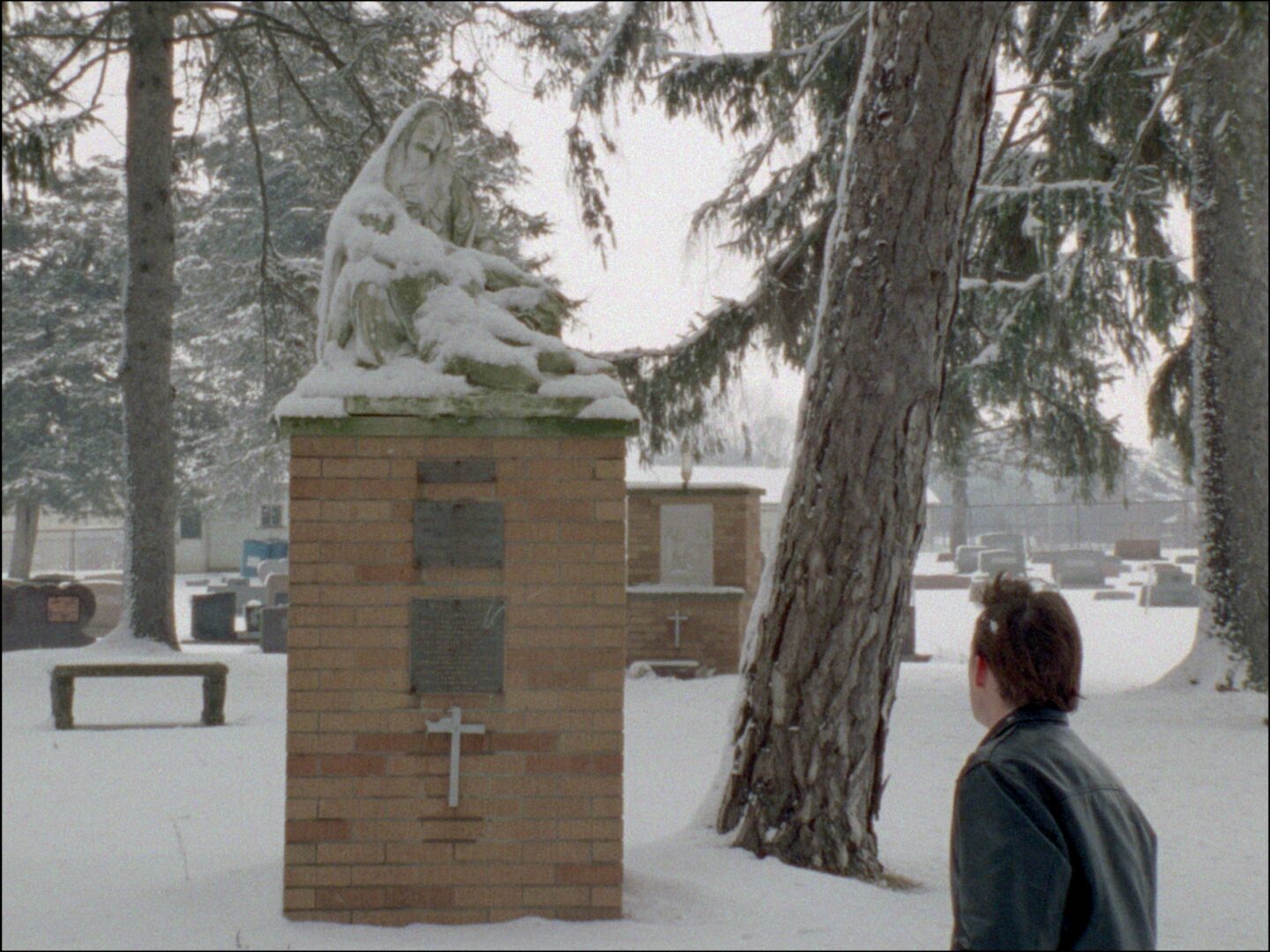
Image Credits
Caleb Imig, Wes Brooks, Levi Miller, Aidan Simone, Aaron Skelley, William Jacobs
so if you or someone you know deserves recognition please let us know here.