We’re looking forward to introducing you to Yi-Lun Chien. Check out our conversation below.
Good morning Yi-Lun, it’s such a great way to kick off the day – I think our readers will love hearing your stories, experiences and about how you think about life and work. Let’s jump right in? What do you think is misunderstood about your business?
When people hear the word “costume,” they often associate it with Halloween costumes or something exaggerated for stage performances. My work, however, is about storytelling. I design clothing for characters in film and theater, shaped by who they are and the world they live in.
Costume design often goes unnoticed, especially in realistic stories, but that’s part of its power. It comes from close looking, a character’s background, and a clear point of view.
Can you briefly introduce yourself and share what makes you or your brand unique?
I stepped into costume design through my first job as a costumer on a film about a baseball team set in 1930s Taiwan. It was a demanding experience, long hours, freezing during rainy scenes, sweating under the sun, and rushing to add dirt to actors’ pants for continuity. I questioned often whether this was really the path I wanted to take. But seeing all that effort come together on screen gave me a deep sense of fulfillment.
Working on Silence (2016), directed by Martin Scorsese, was a turning point. The film was set in 17th-century Japan and shot largely in Taiwan, and being part of such an international collaboration sparked my desire to work globally and pursue costume design more seriously.
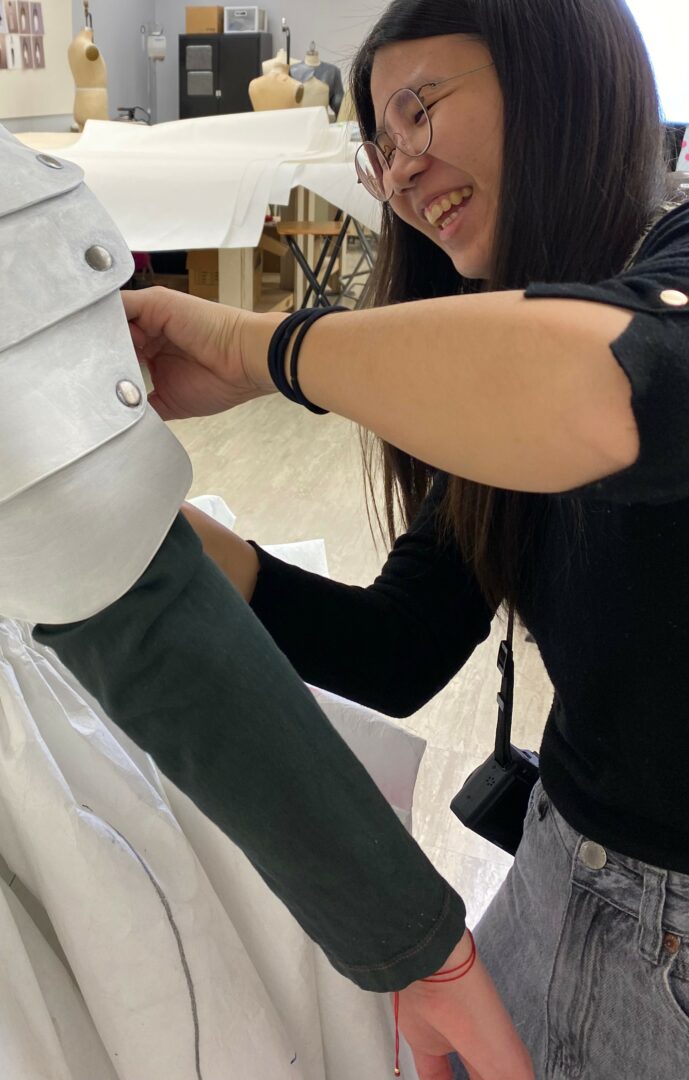
I later traveled across the Pacific to attend the MFA Costume Design program at CalArts, where I honed my aesthetic, sharpened my eye for detail, deepened my understanding of fashion history, and explored new approaches to my design process.
Appreciate your sharing that. Let’s talk about your life, growing up and some of topics and learnings around that. Who taught you the most about work?
I learned the most from my early hands-on experiences. Moving from costumer to costume designer was a long journey, and those on-set experiences gave me a clear understanding of how the entire costume department works, how to anticipate challenges, collaborate effectively, and value every role.
Was there ever a time you almost gave up?
There were definitely moments during long 12-hour shooting days when I wondered if I could keep going. But those challenges taught me how important it is to rest, recharge, and care for myself. Finding small ways to regain energy, like taking a walk, watching a film, or reading for a few minutes helped me stay creative and resilient, and ultimately reminded me why I love this work.
Sure, so let’s go deeper into your values and how you think. What’s a belief you used to hold tightly but now think was naive or wrong?
I used to be too eager to prove myself, to show that I was talented, capable, and deserving of fulfilling projects. In that eagerness, I often forgot to be patient with myself and acknowledge my own growth. Looking back at my first year in L.A., or even the very beginning of my journey in the film industry, I can see that I’m gradually becoming the costume designer and storyteller I once dreamed of being.
Thank you so much for all of your openness so far. Maybe we can close with a future oriented question. Could you give everything your best, even if no one ever praised you for it?
This is essentially what being a costume designer is all about. Much of the work goes unnoticed, but the details matter. I take pride in crafting every costume thoughtfully, knowing that even if no one comments on it, it helps bring the character and story to life.
Contact Info:
- Website: https://yilunchien.com
- Instagram: @yilunlun.c
- Other: IMDb: https://www.imdb.com/name/nm7699467/
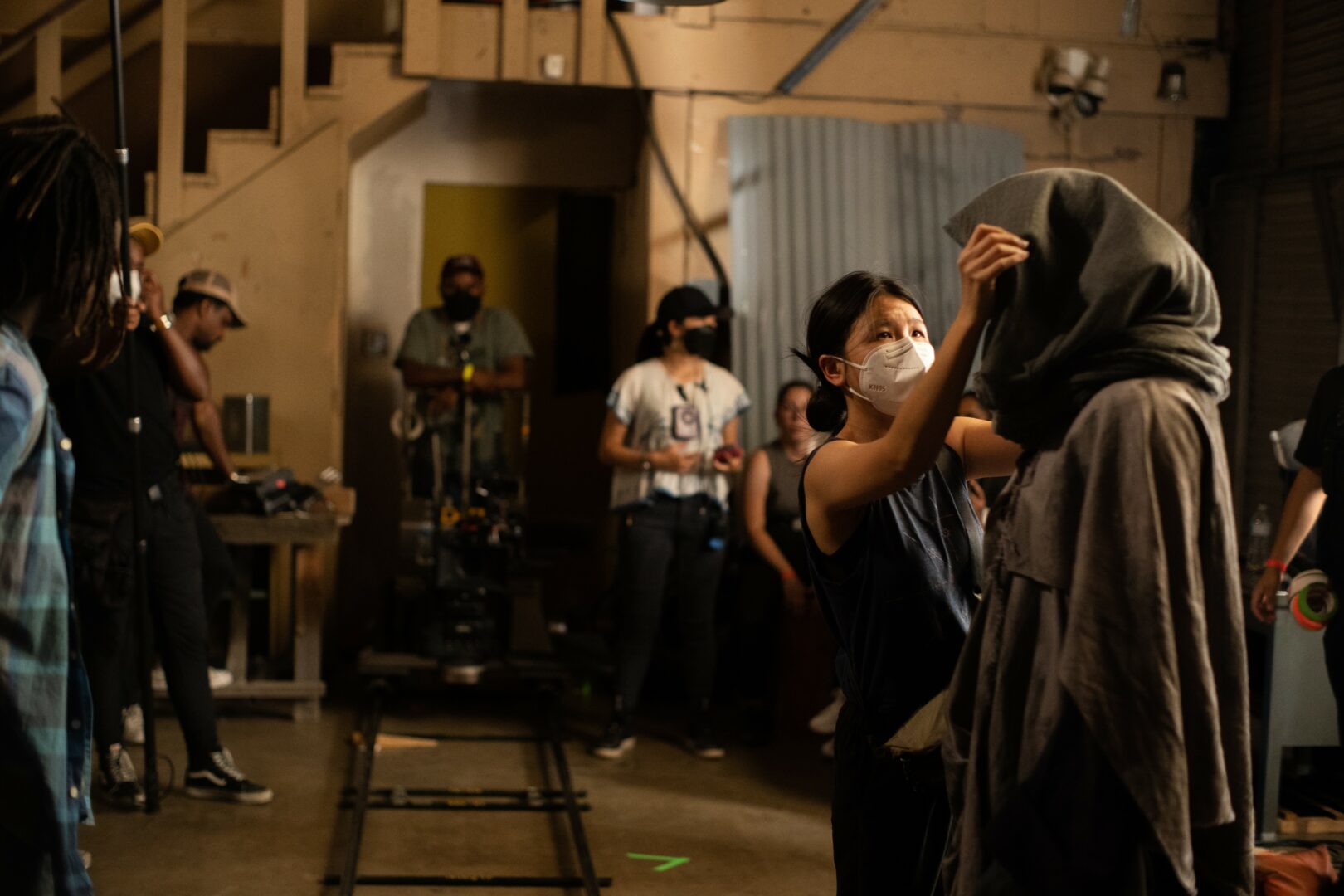
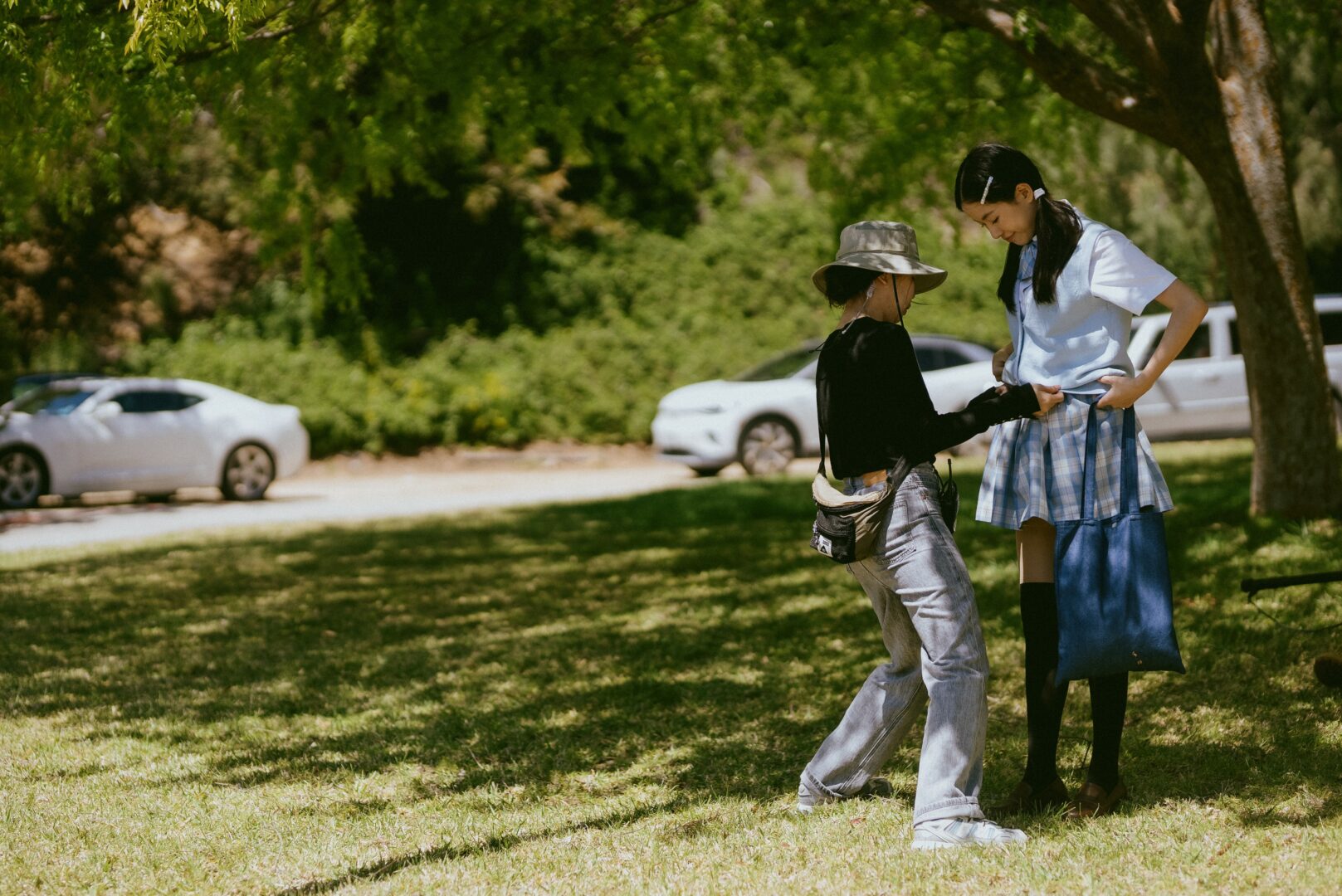
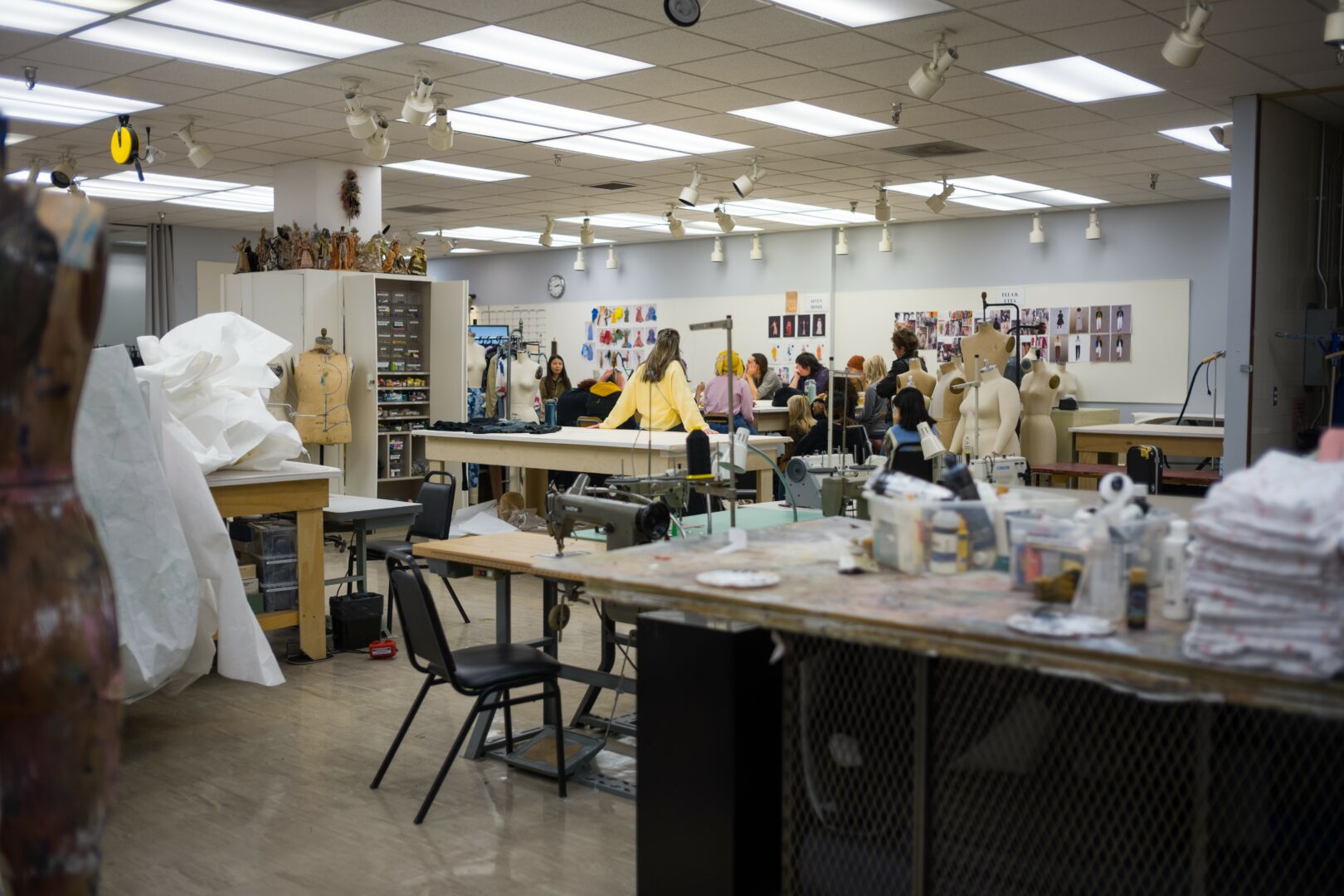
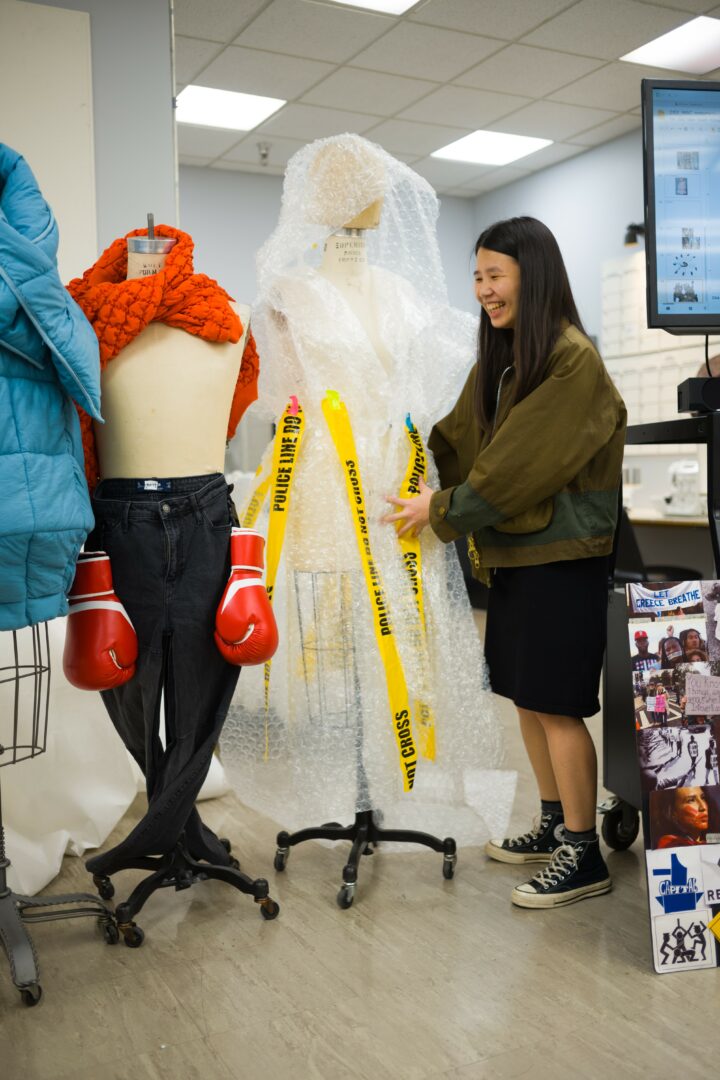
Image Credits
Hector Santiago
Tim Toda
Rafael Hernandez
so if you or someone you know deserves recognition please let us know here.