We’re looking forward to introducing you to Yuehui Du. Check out our conversation below.
Yuehui, really appreciate you sharing your stories and insights with us. The world would have so much more understanding and empathy if we all were a bit more open about our stories and how they have helped shaped our journey and worldview. Let’s jump in with a fun one: What’s more important to you—intelligence, energy, or integrity?
In thi moment, I would choose energy. Especially in a time when the economic environment feels uncertain and so much around us competes for our attention, like social media, sensational headlines, a lot of emotional noise that we’re constantly exposed to. How we manage our energy becomes incredibly important.
That’s why I’ve learned to really value where and how I spend my energy. It’s not just about being productive, but it’s about protecting focus, staying grounded, and making sure I’m moving toward something that matters. When everything feels overwhelming, energy becomes the foundation, it helps me show up, stay clear-headed, and keep creating. Intelligence and integrity are essential, but without energy to carry them, they can’t do much on their own.
Can you briefly introduce yourself and share what makes you or your brand unique?
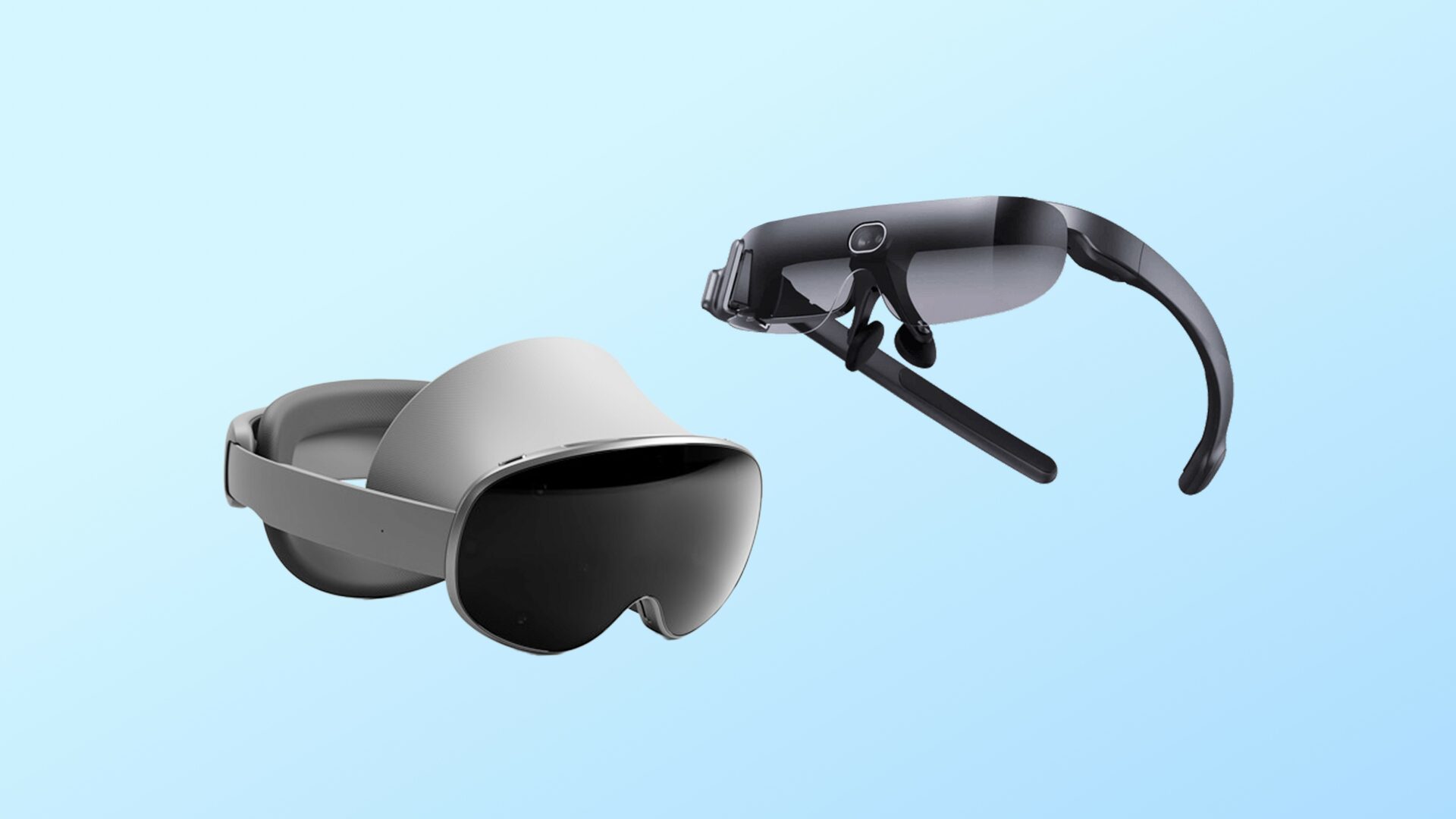
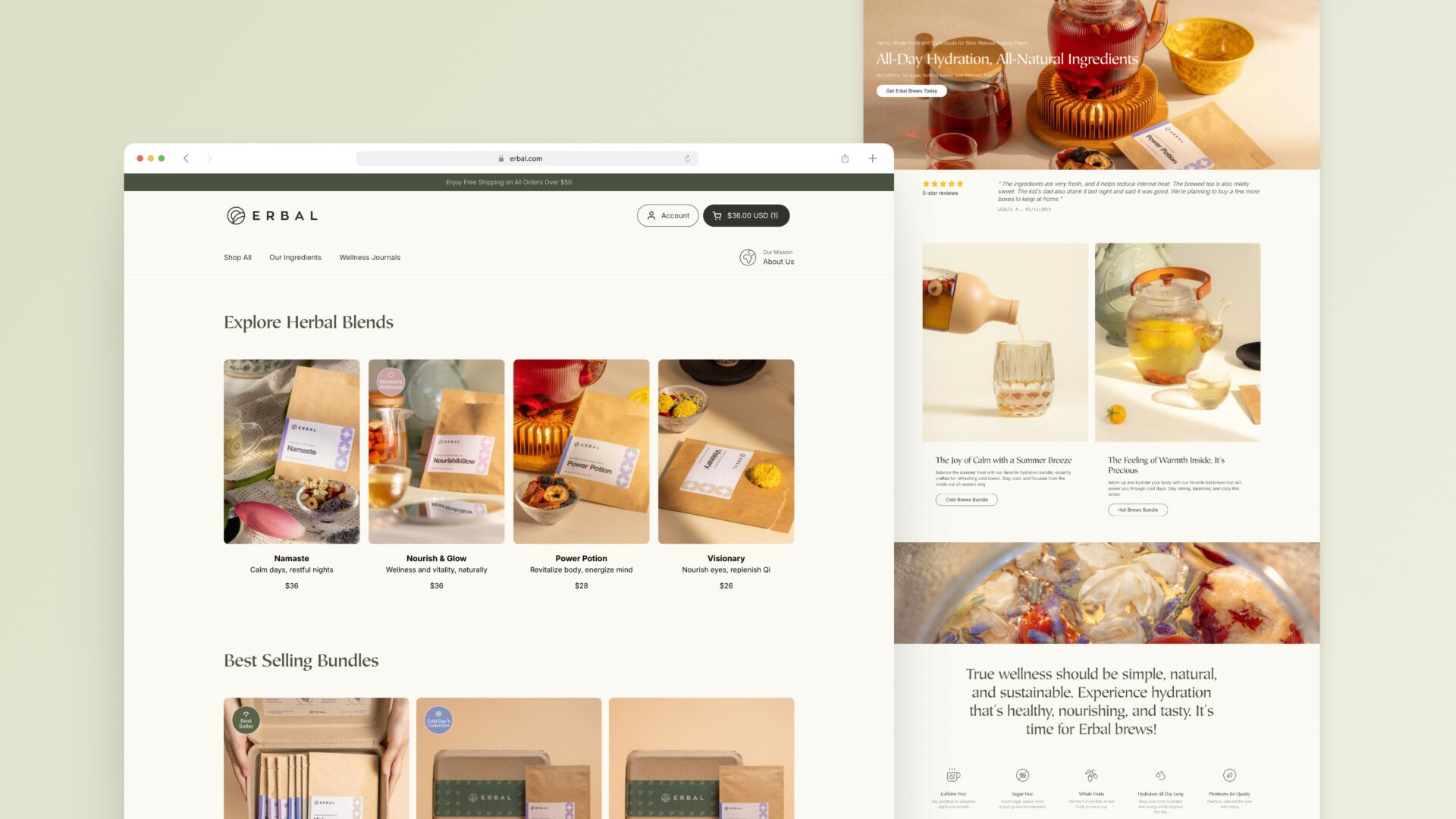
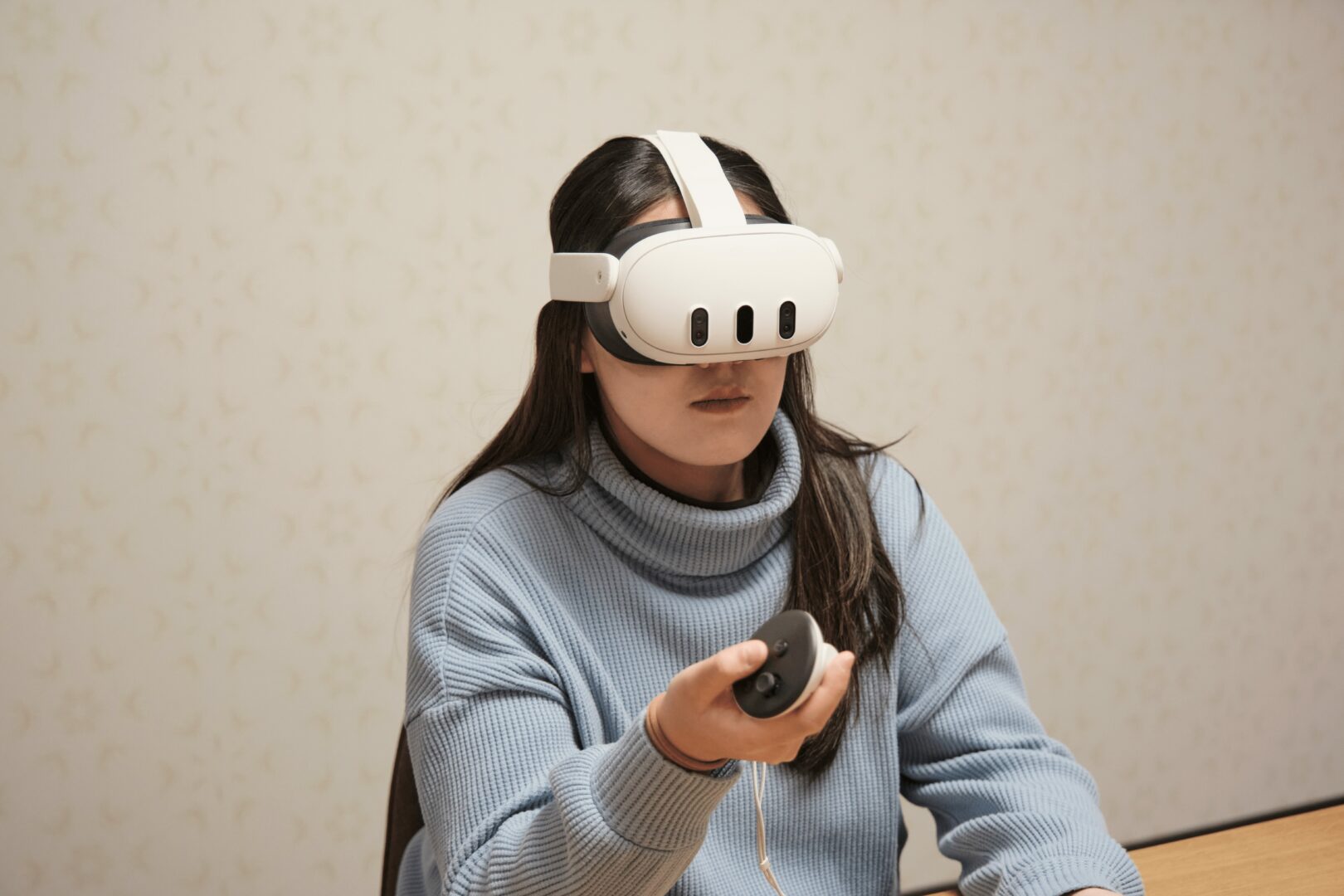
I’m a product and UX designer focused on creating meaningful experiences where emerging technologies meet everyday life. My background started in architecture, which shaped how I think about systems, space, and the way people interact with their environments. Over the years, I’ve worked across AR/VR hardware, e-commerce, and now healthcare, adapting my design approach across industries while staying grounded in user needs.
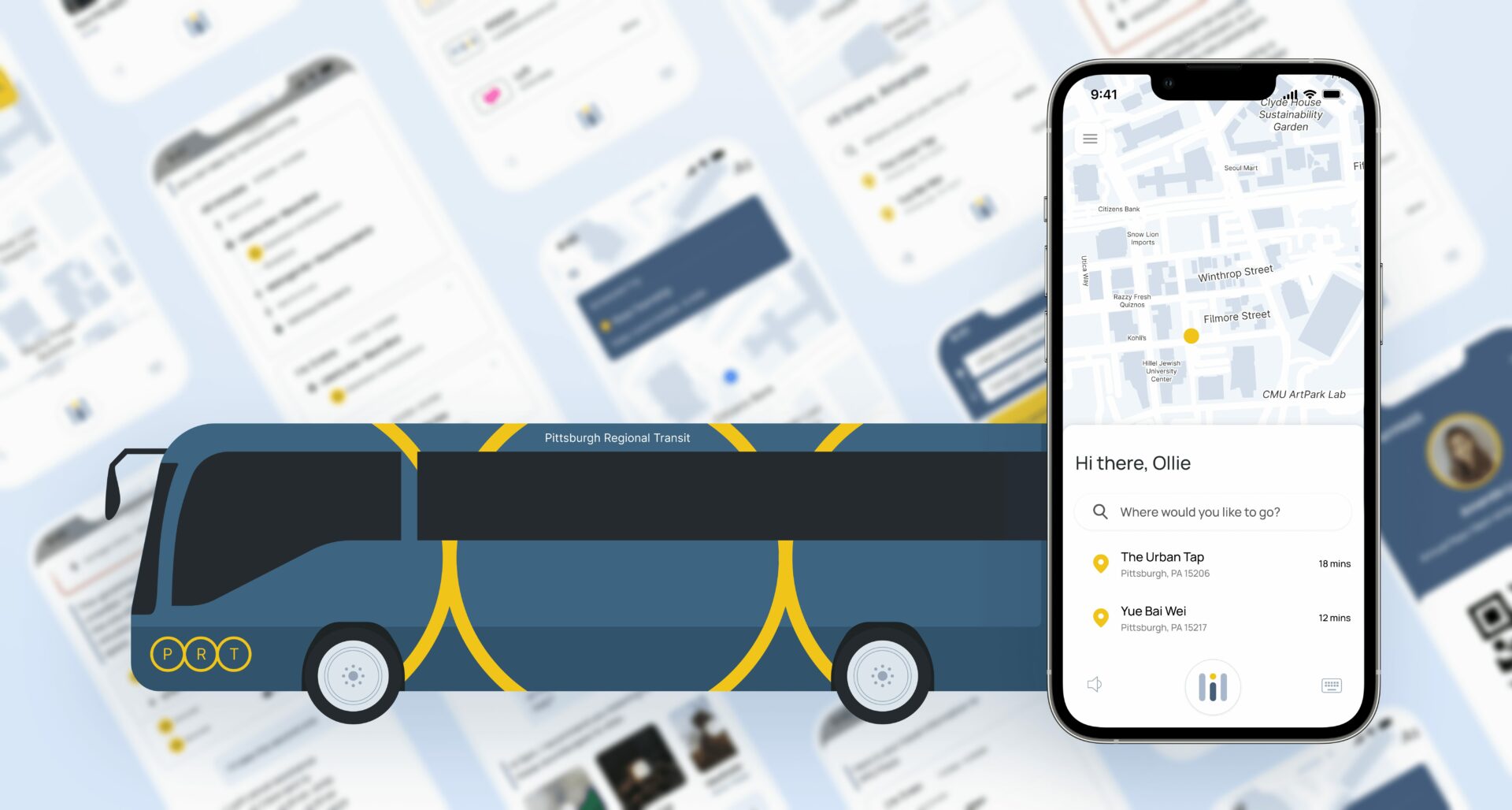
Right now, my focus is on AI in the healthcare space—not just using AI to automate, but exploring how it can support, inspire, and empower people to make more informed and confident decisions about their well-being. Whether I’m designing intelligent systems or shaping product strategy, I see design as a bridge between advanced technology and human care. That balance is what keeps my work meaningful.
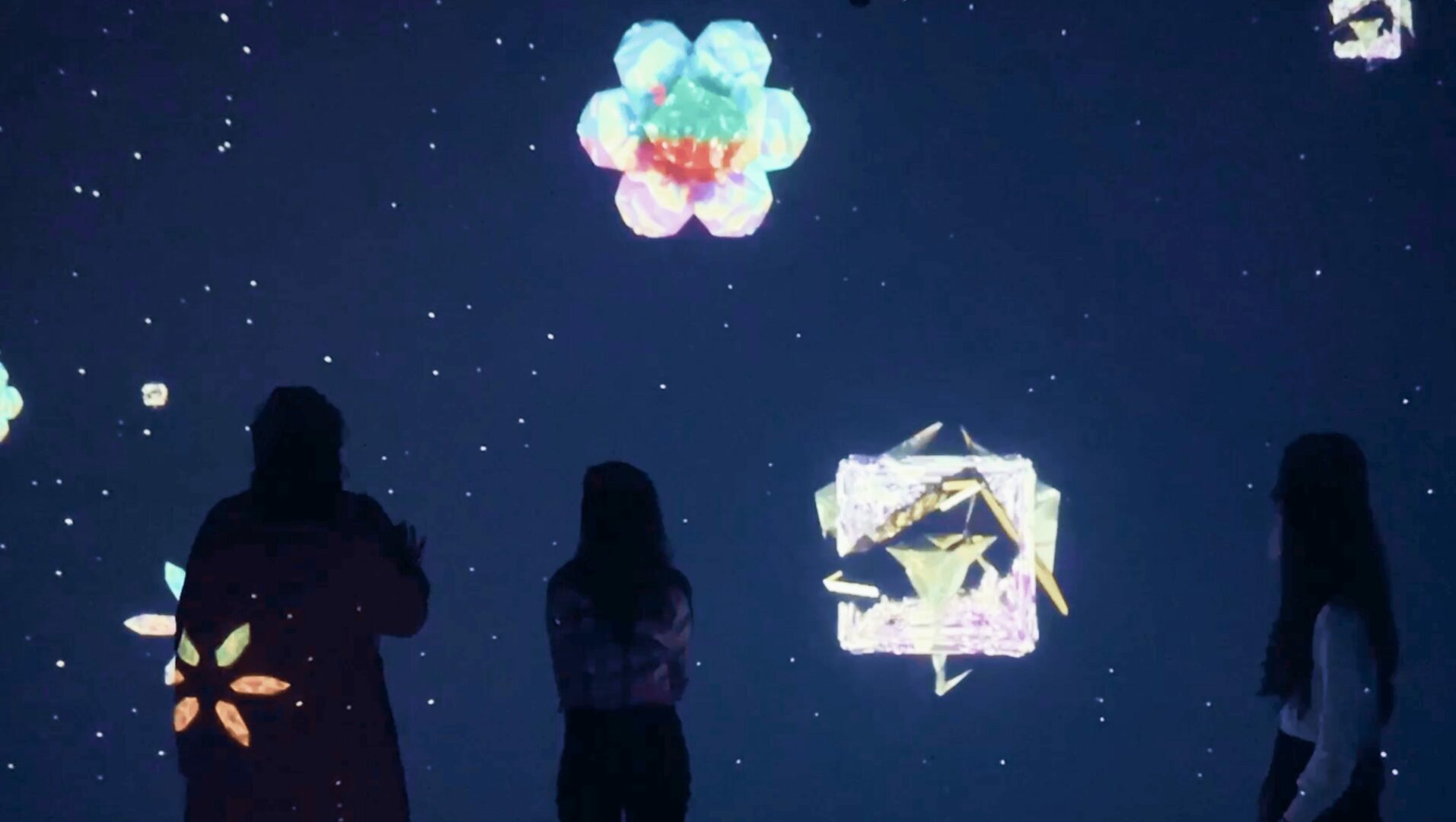
Beyond product work, I’ve also collaborated with artists to create immersive installations—bringing interaction design into physical spaces to tell stories in more sensory, participatory ways. These projects allow me to explore technology through a more emotional and experiential lens, and they continue to inspire how I think about connection and creativity in my day-to-day work.
Okay, so here’s a deep one: What did you believe about yourself as a child that you no longer believe?
When I was a kid, I loved to draw. I truly believed I had the “artist gene”, probably because a few people in my family were artists and architects, and I thought I’d follow that same path. I imagined my life would be all about expressing my inner world.
But as I got older and started studying architecture and design, I began to see how complicated the world really is. I started shifting my focus, not just on what I wanted to express, but on how design could respond to real people and real problems. That’s when I moved from thinking like an artist to thinking like a designer.
Looking back, I think that shift came from something deeper in me. I’ve always had this feeling that everyone, in a broad, human sense, matters just as much as I do. That belief still guides how I see the world and how I design. Finding the balance that between empathy for others and staying true to my own path, has been one of the most important lessons in both my life and my work.
If you could say one kind thing to your younger self, what would it be?
“Be more brave.” I’ve always been good at handling challenges and pushing through discomfort—but maybe because of that, I often forgot I could also be curious, playful, and fearless in trying new things.
I wish I had treated the world more like a candy box. Something to sample, to play with, without needing a reason or a clear outcome. In college, I could’ve let myself wander more between disciplines, not just tech and design, but also psychology, philosophy, sociology… all the things I quietly loved but didn’t dare to fully explore. I also wish I had tried building something of my own business before stepping into the structure of being an employee.
There was nothing to lose back then, and honestly, there still isn’t. I just needed to believe that trying for the sake of trying was already enough.
I think our readers would appreciate hearing more about your values and what you think matters in life and career, etc. So our next question is along those lines. What’s a belief or project you’re committed to, no matter how long it takes?
A belief I’m deeply committed to is designing for human well-being. The tech world often chases speed, productivity, and efficiency, which can feel necessary in a fast-moving industry. But as things begin to slow down, I think it’s time we ask: What are we really building toward?
Are we becoming happier? More connected? Kinder? The answer often is no. That’s why I care about using design not just to advance technology, but to make it more human. Something that supports, comforts, and brings meaning to people’s lives. It might take longer, but it’s the direction that feels right.
Before we go, we’d love to hear your thoughts on some longer-run, legacy type questions. Are you doing what you were born to do—or what you were told to do?
Yes, and even better than it began. I’ve always believed I was born to create things. Over time, that instinct evolved into designing with purpose, building experiences that connect technology with real human needs. It’s not something I was told to do; it’s something I grew into, and now I can’t imagine doing anything else.
Contact Info:
- Website: https://www.yuehuidu.com
- Linkedin: https://www.linkedin.com/in/yuehuidu/
so if you or someone you know deserves recognition please let us know here.